Case Study - BBC Studios
A Major BBC Aviation Project Across the UK
Working With BBC Studios on Television Series ‘Warbird Workshop’
Over the past twenty years as a commercial photographer I’ve been fortunate to work with some incredible clients and on some remarkable projects, but my work with BBC Studios and UKTV on the television series Warbird Workshop stands out as one of the most rewarding and demanding aviation photography projects I have undertaken.
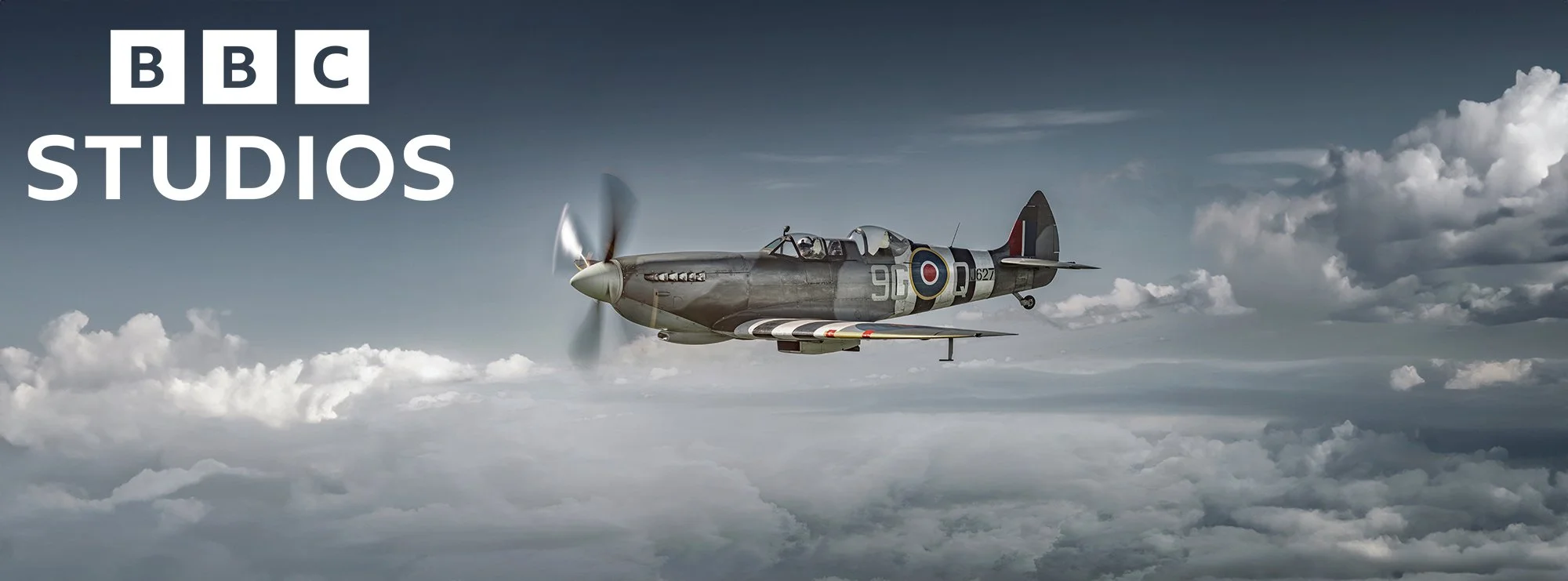
At first glance, the assignment may appear to have been simply about photographing historic aircraft. In reality, it became a hugely complex nationwide production involving logistics, planning, location management, aircraft access, weather contingency, transport coordination, safety considerations and extremely tight production deadlines, all while delivering imagery that needed to feel cinematic, dramatic and worthy of the legendary aircraft themselves.
The brief from the BBC team was clear from the outset. The photography needed to support the launch and promotion of the television series internationally, work across television EPG placements, marketing campaigns, press releases and digital assets, while also visually reflecting the engineering passion and historical significance behind each aircraft featured in the programmes.
The scale of the project quickly became apparent. Over the course of eight months I travelled extensively across England photographing ten different aircraft at a range of locations including active airfields, museums, restoration facilities and private hangars. Every aircraft had its own story, its own personality and, importantly, its own logistical challenges.
What made the project particularly rewarding was that this was not simply a case of arriving and shooting. I became heavily involved in the planning and coordination of many of the shoots, working closely alongside the BBC production teams, aircraft owners, engineers and location staff to ensure that every production day ran efficiently and successfully.
The Responsibility Behind the Assignment
When a client such as BBC Studios entrusts you with a project of this scale, there is naturally a significant level of responsibility attached to it.
These aircraft are irreplaceable pieces of aviation history. Many are valued in the millions, several are still airworthy, and almost all are maintained by incredibly passionate teams who dedicate years of work to preserving them. Access is limited and opportunities to photograph them properly are often rare.
The BBC required photography that could not only document the aircraft accurately but elevate them visually in a way that suited the tone and ambition of the television series itself. The imagery needed to feel dramatic, immersive and authentic while still retaining the precision and clarity required for commercial and broadcast marketing use.
This is where my experience in commercial photography became such an important part of the project. Over two decades of working professionally across automotive, aviation and industrial sectors has taught me how to operate efficiently under pressure, adapt quickly to changing environments and consistently deliver imagery that aligns creatively with a client’s wider brand objectives. It is important sometimes that a suite of images all blend correctly with each other, there is a common style and feel, and that was the case here.
On projects like this, experience is not just about camera technique. It is about problem solving, communication, leadership, timing and maintaining calm when schedules become tight and circumstances change unexpectedly. There is always a good chance that not everything will go to plan, the factor ‘X’ as it were, what’s important is to be able to plan around that when it happens ands keep moving forward. As you can imagine there was a lot of ‘moving parts’ to this project so keeping an eye on everything was a definite requirement.
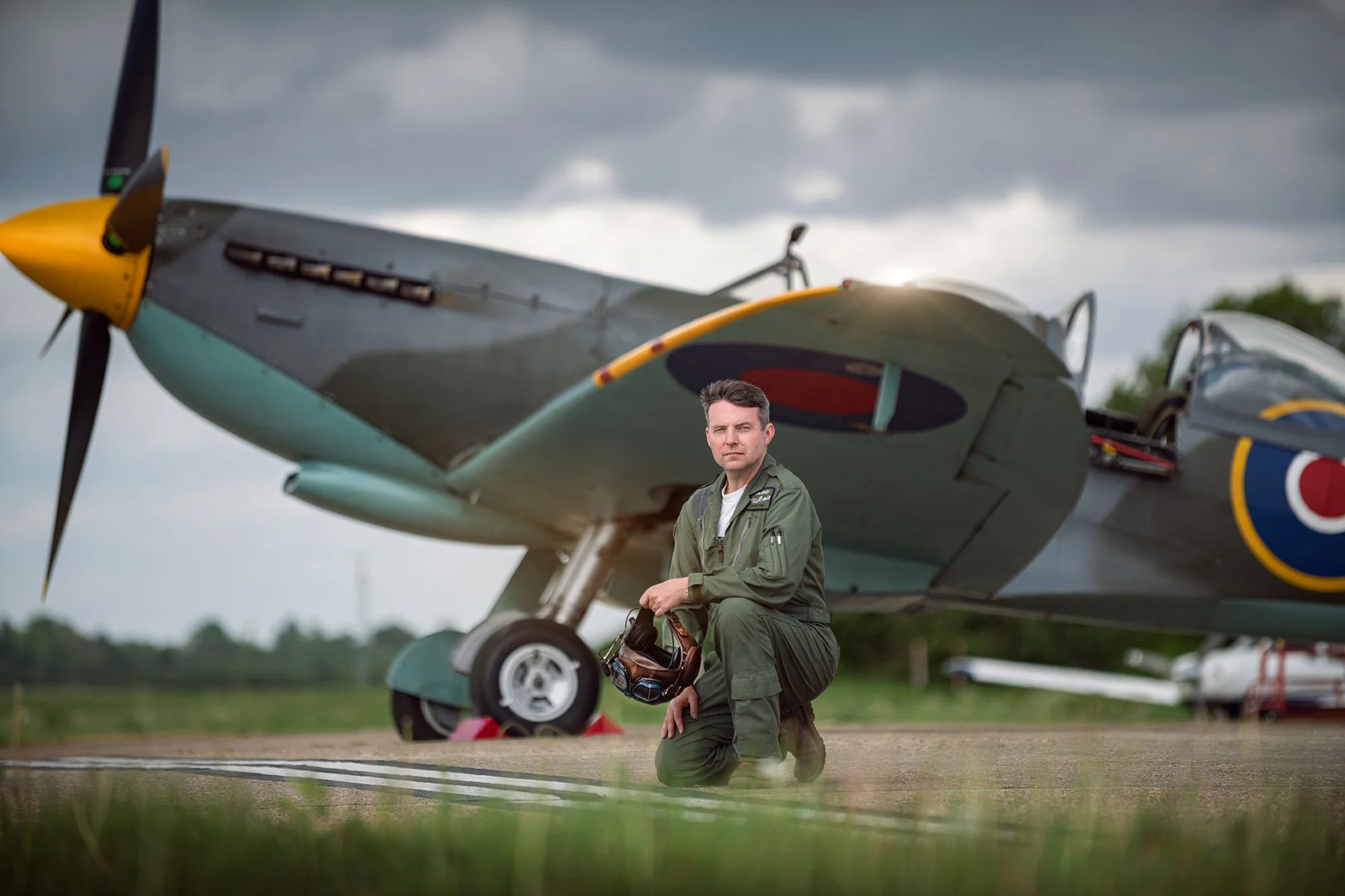
Behind the Scenes with Photographer Tim Wallace shooting aircraft for the BBC Warbird Workshop Series.
Planning Shoots Across the UK
One of the biggest challenges throughout the Warbird Workshop project was simply the logistics involved in delivering ten separate aircraft shoots across multiple locations throughout England. Every location brought a completely different set of considerations.
Some aircraft were based in operational hangars with limited access times. Others required coordination around restoration work already taking place for the television series itself. Certain aircraft could only be moved at very specific times of day due to operational requirements, while weather conditions naturally played a huge role when exterior imagery was required. In many cases the production schedules were extremely tight, meaning that travel, preparation, lighting planning and shot design all had to be carefully organised well in advance. There was very little room for delay or error, of course delays did happen, aircraft didn't not make it to where they should have been on a certain date, and weather was at times less than kind, but we worked around everything that we could and had plan B in place for when it was unavoidable.
The project required constant communication between myself, production coordinators, engineers, restoration specialists and location teams. From arranging access permissions and planning lighting setups through to managing equipment transport and adapting to changing conditions on the day, every shoot became a carefully managed production in its own right. It was exactly the kind of environment where years of commercial experience became invaluable.
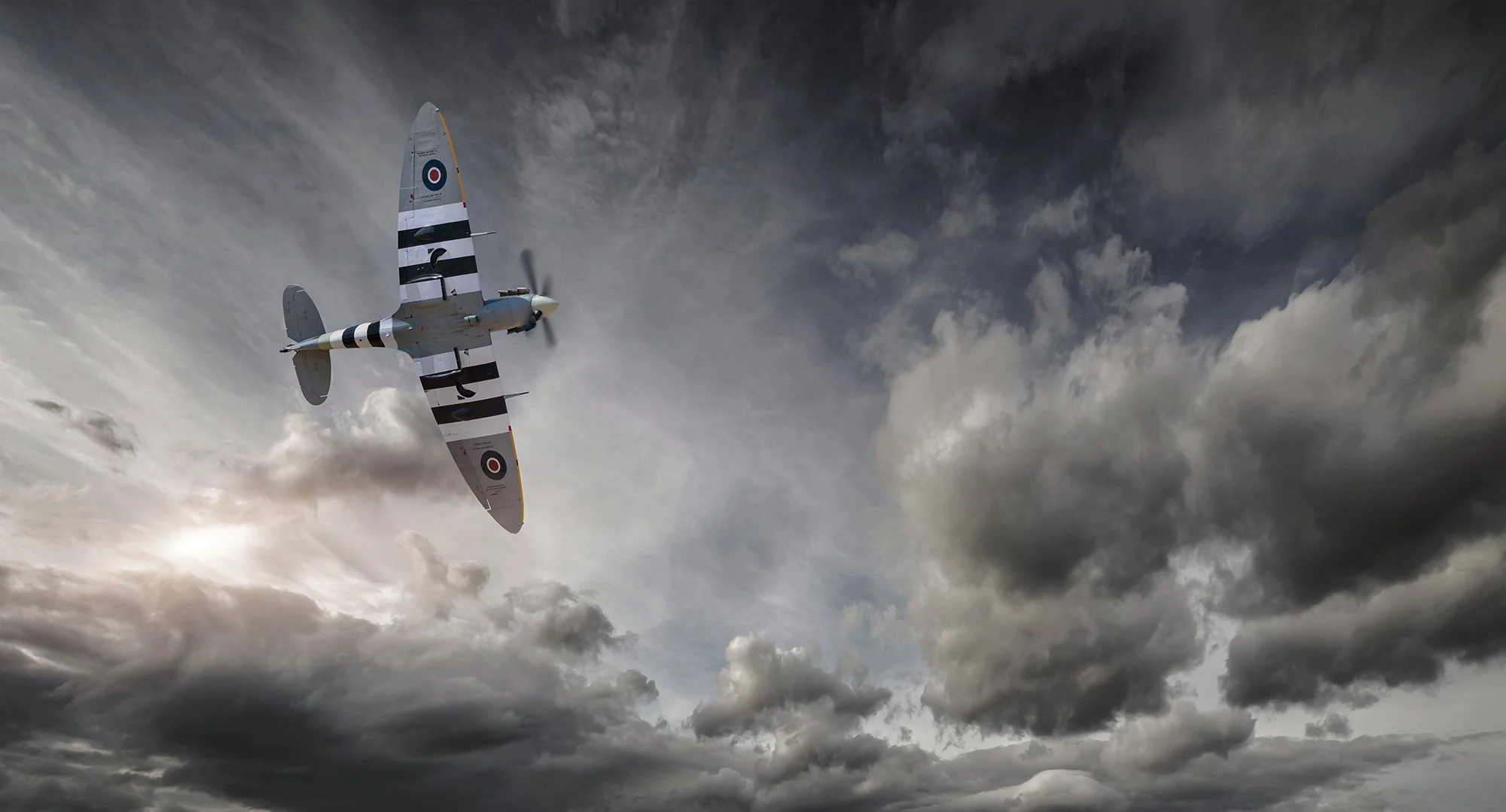
Creating Photography That Felt Cinematic
From a creative standpoint, one of my biggest aims throughout the project was to avoid producing imagery that simply felt documentary in style.
These aircraft deserved far more than that. Every one of them carries enormous emotional weight and historical significance. They are engineering icons with stories attached to them that span generations. I wanted the imagery to reflect that sense of presence and importance. Lighting became a major part of the visual approach. Many of the aircraft were photographed inside large hangars or restoration facilities where available light was challenging and often inconsistent. Creating dramatic controlled lighting while still retaining authenticity became a key part of the process.
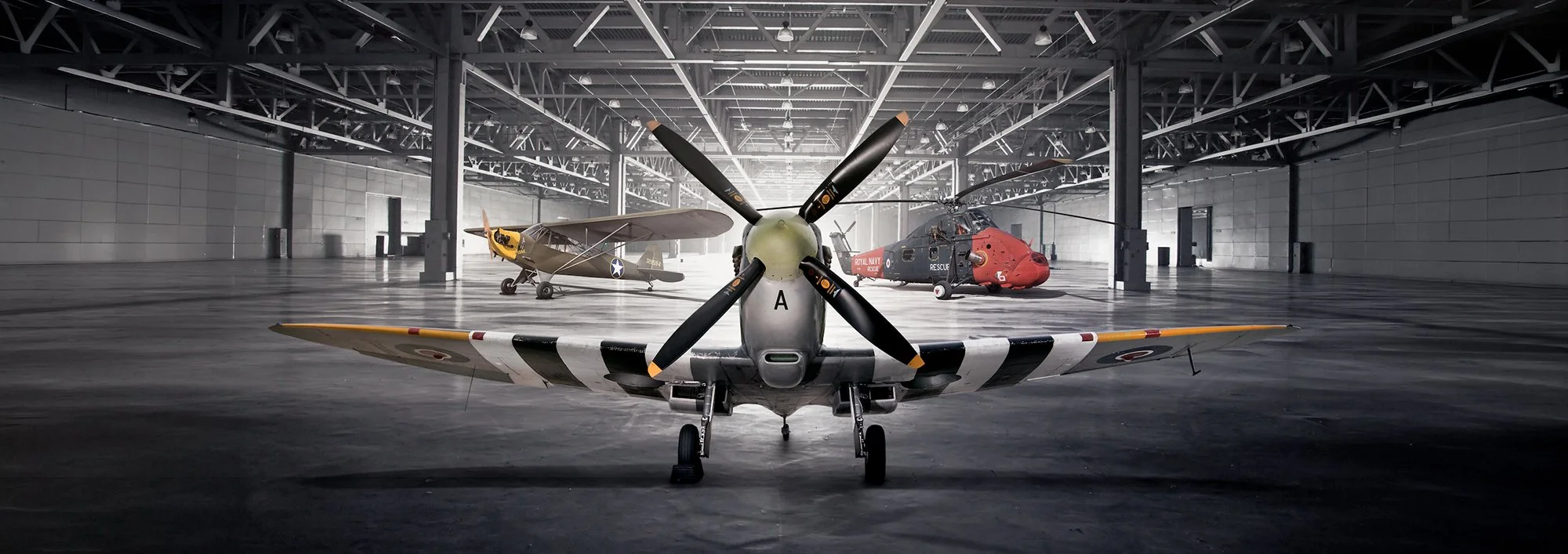
Composition was equally important. Rather than simply photographing aircraft statically, I focused heavily on creating depth, shape, scale and atmosphere within the images. The intention was always to produce photography that immediately drew the viewer into the story of the aircraft itself. The BBC production team were incredibly supportive creatively throughout the project, which allowed the photography to develop into something far more cinematic and visually ambitious than standard aviation documentation.
The Aircraft Featured in Warbird Workshop
One of the most fascinating aspects of the entire BBC project was the sheer variety of aircraft involved across Series 1 and 2 of Warbird Workshop. Each aircraft brought with it a completely different engineering story, historical background and photographic challenge.
From iconic Second World War fighters through to helicopters, seaplanes and Cold War jets, the diversity of aircraft meant that no two shoots were ever remotely alike.
Every location demanded a different visual approach, different lighting strategy and different logistical planning.
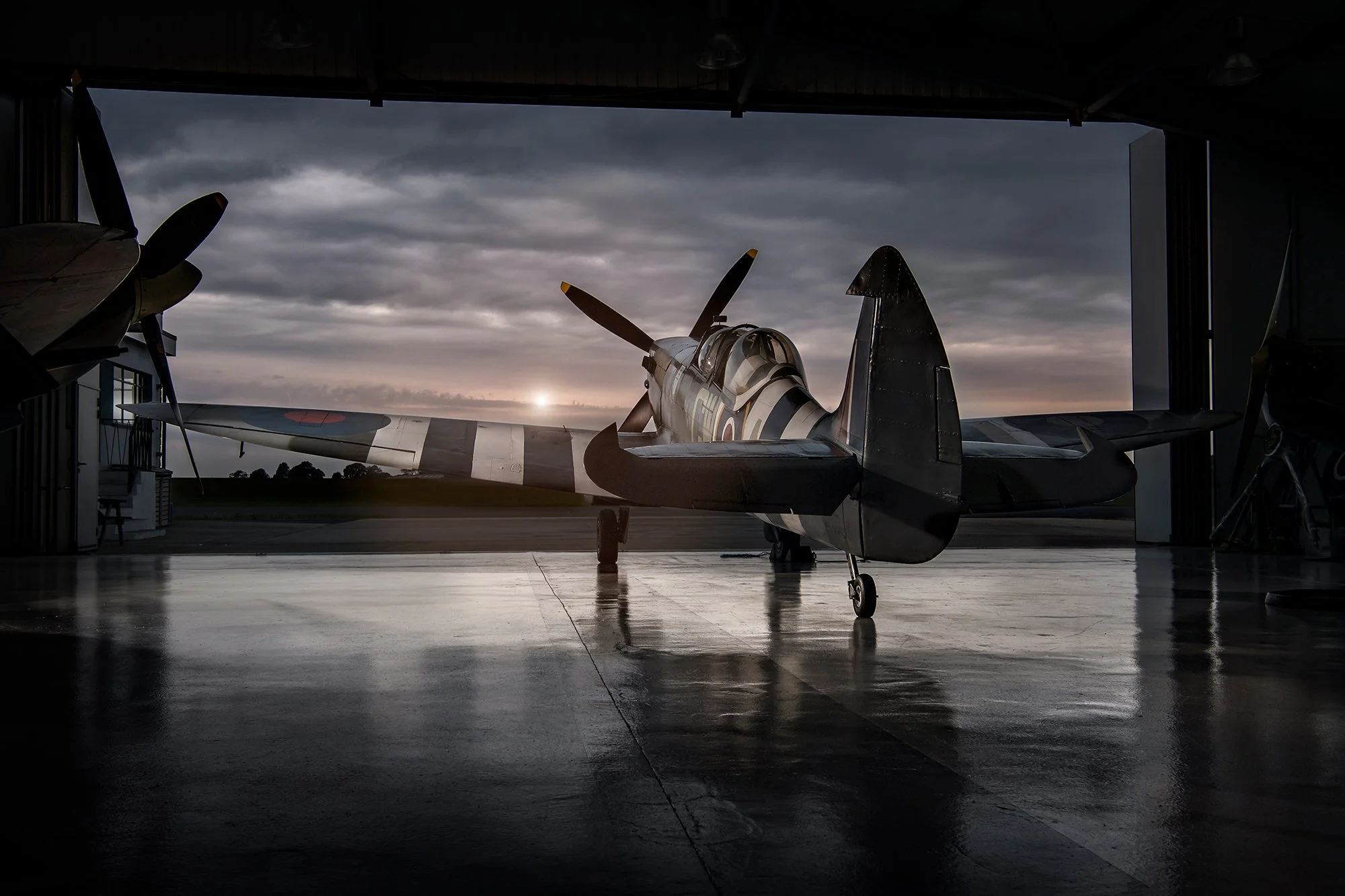
Supermarine Spitfire
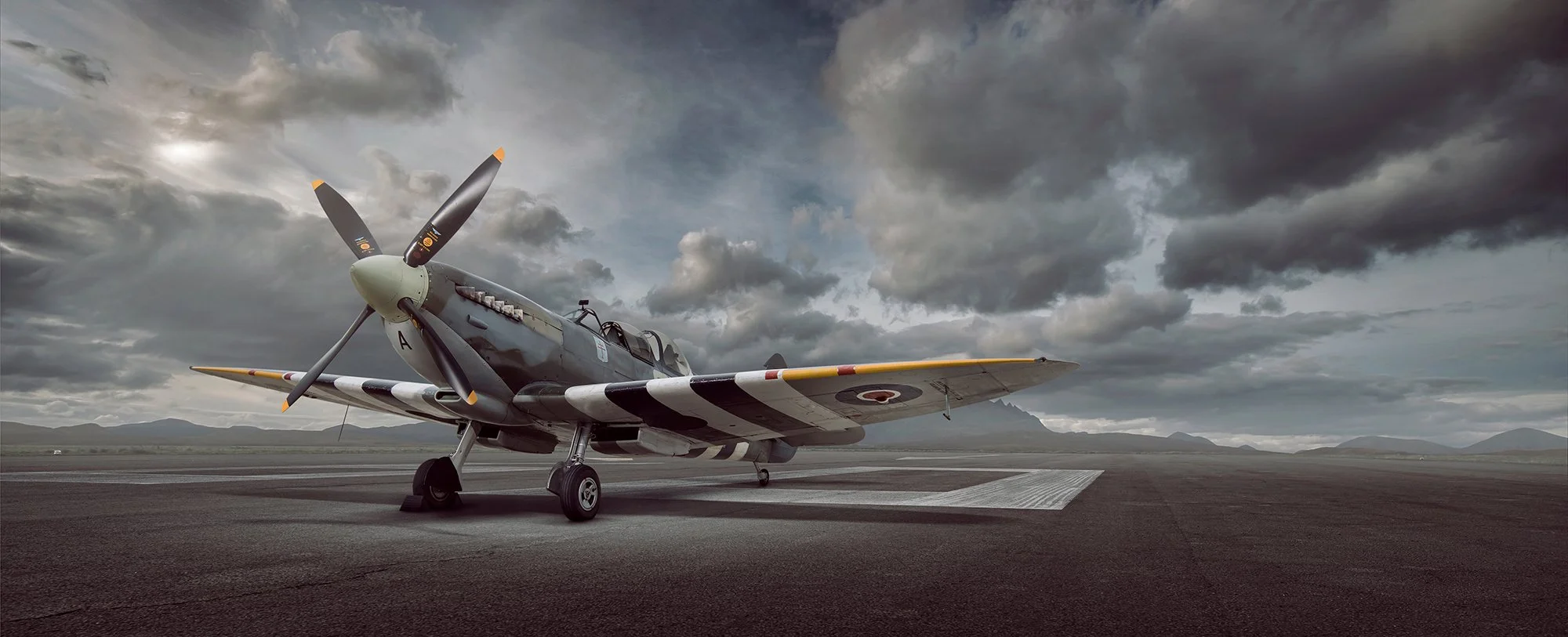
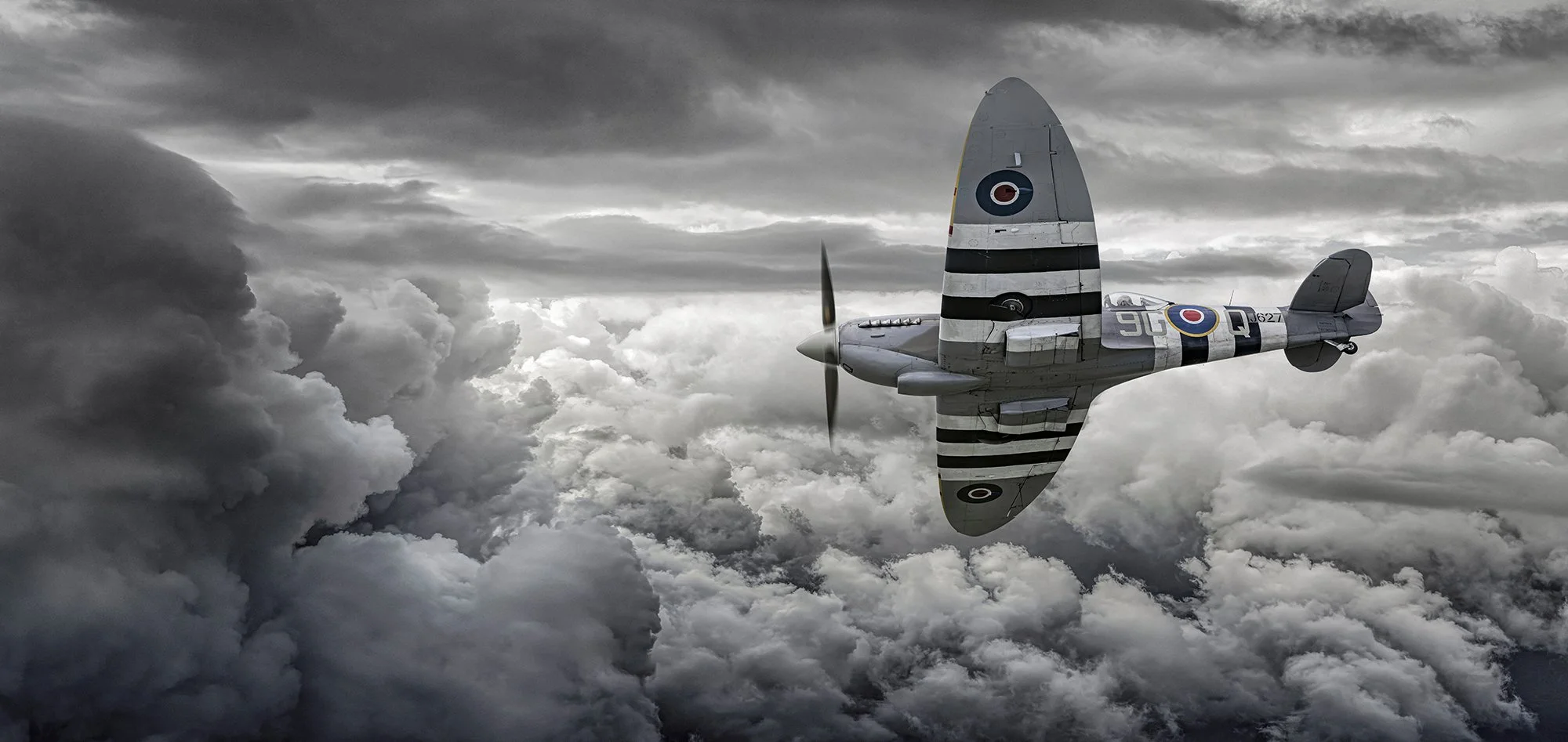
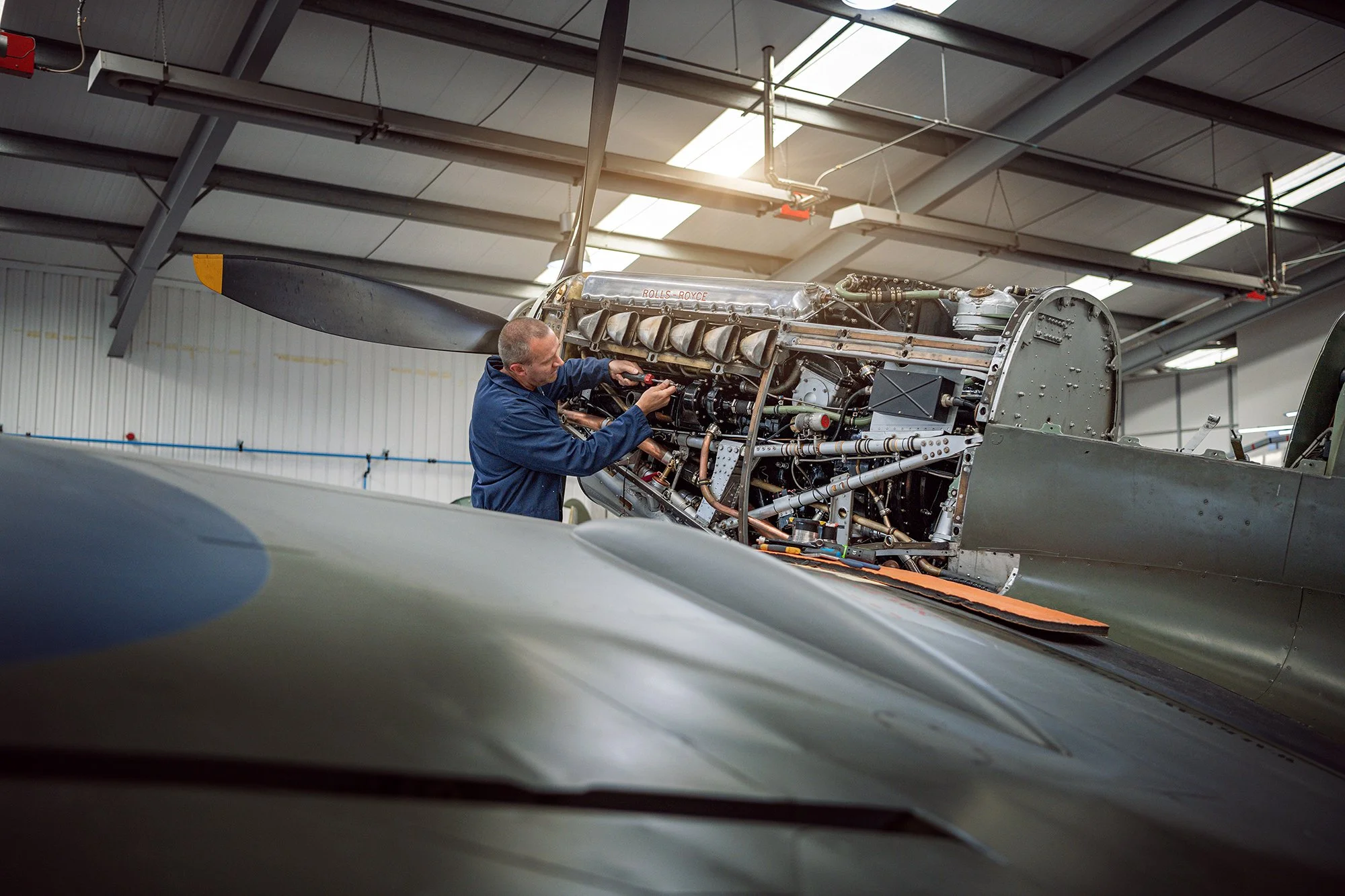
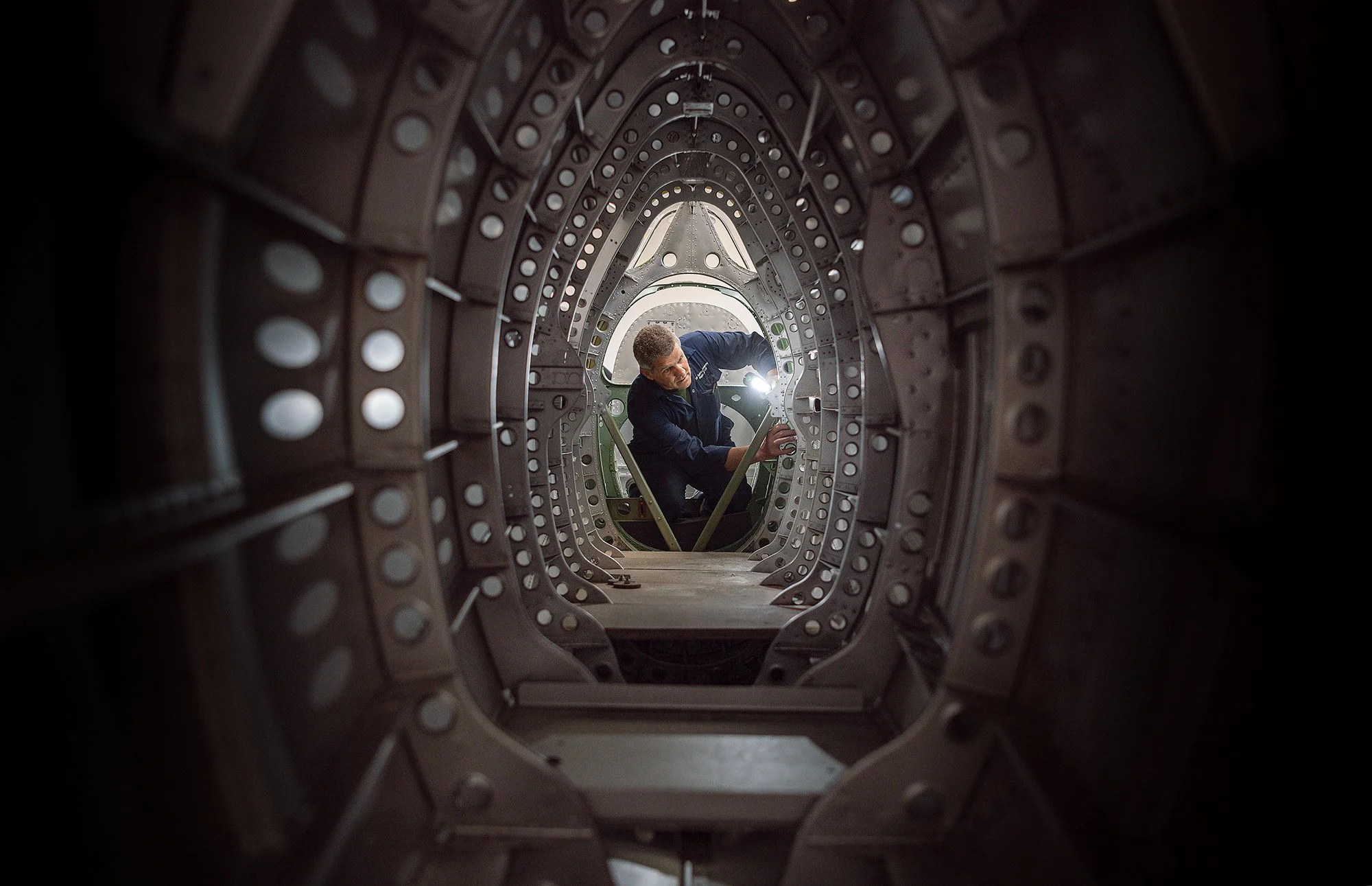
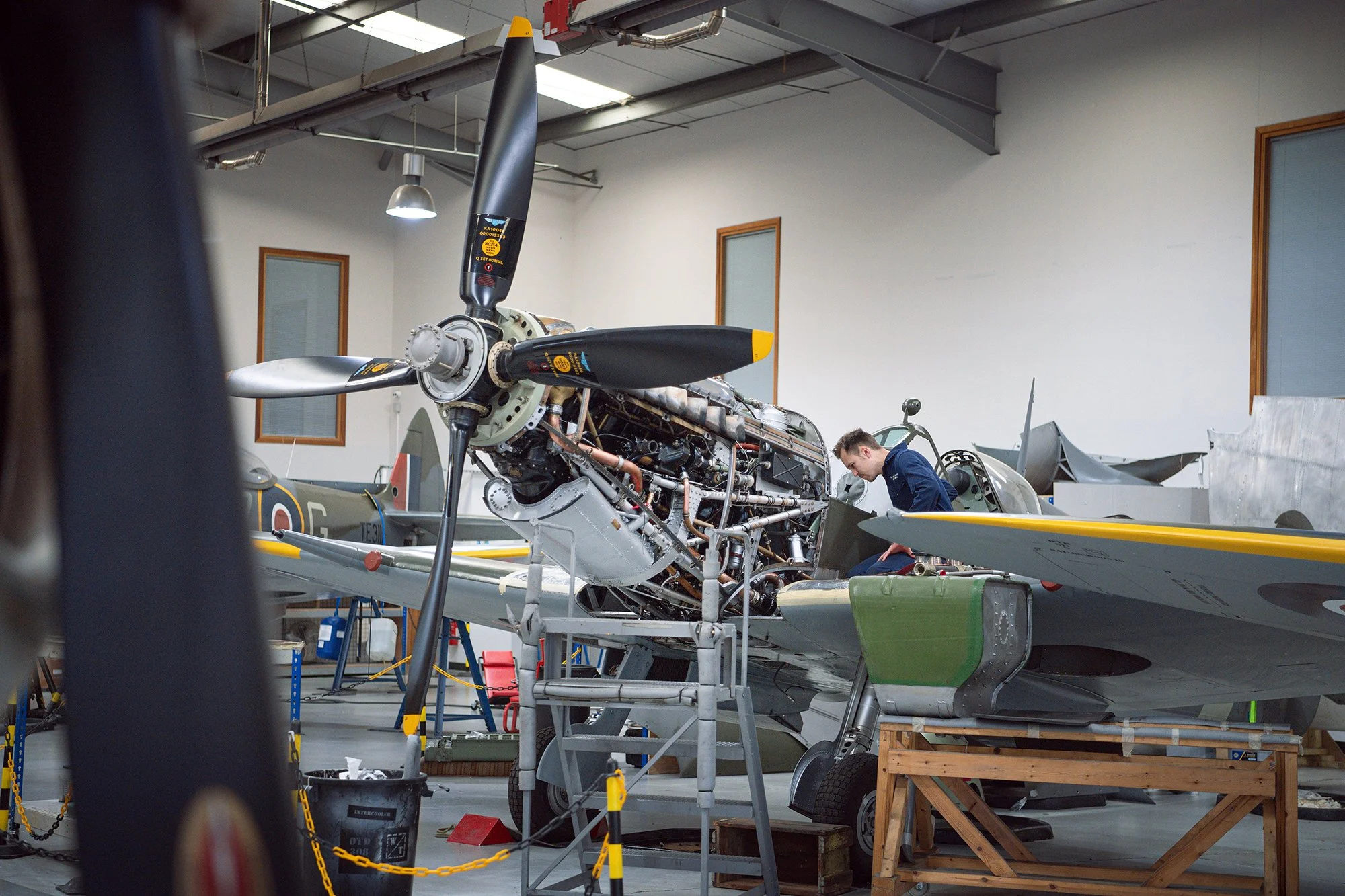
The Spitfire was naturally one of the centrepieces of the series and also one of the most important shoots creatively for the BBC campaign imagery. I photographed D-Day Veteran Spitfire T.9 MJ772 at Biggin Hill in London, one of the most historically significant RAF fighter stations from the Battle of Britain. The Spitfire’s unmistakable shape and historical importance meant the photography needed to feel cinematic, dramatic and respectful to the aircraft’s legacy. I true aviation icon that was a pleasure to both photograph and spend time with.
Spitfire T.9 MJ772. Built at Castle Bromwich in late 1943 it was delivered to No. 341 (Alsace) Squadron of the Free French Air Force then based at RAF Perranporth, Cornwall on January 20, 1944.( With the squadron moving to RAF Merston on April 17, 1944 in preparation for D Day, MJ772 with pilot Sergeant Habib flew a sortie on June 6 over the landing beaches of Normandy. He reported chasing a FW190 which eventually disappeared into cloud after which he landed safely. On June 18 772 suffered Cat Ac FB (Operational Loss) damage which was repaired by June 22 when it was allocated to No. 340 (Ile-de-France) Squadron based at the Advanced Landing Ground at Funtingdon in Sussex. Given the code GW-A it then flew two further sorties over the beaches flown by Sergeant Trouillet.
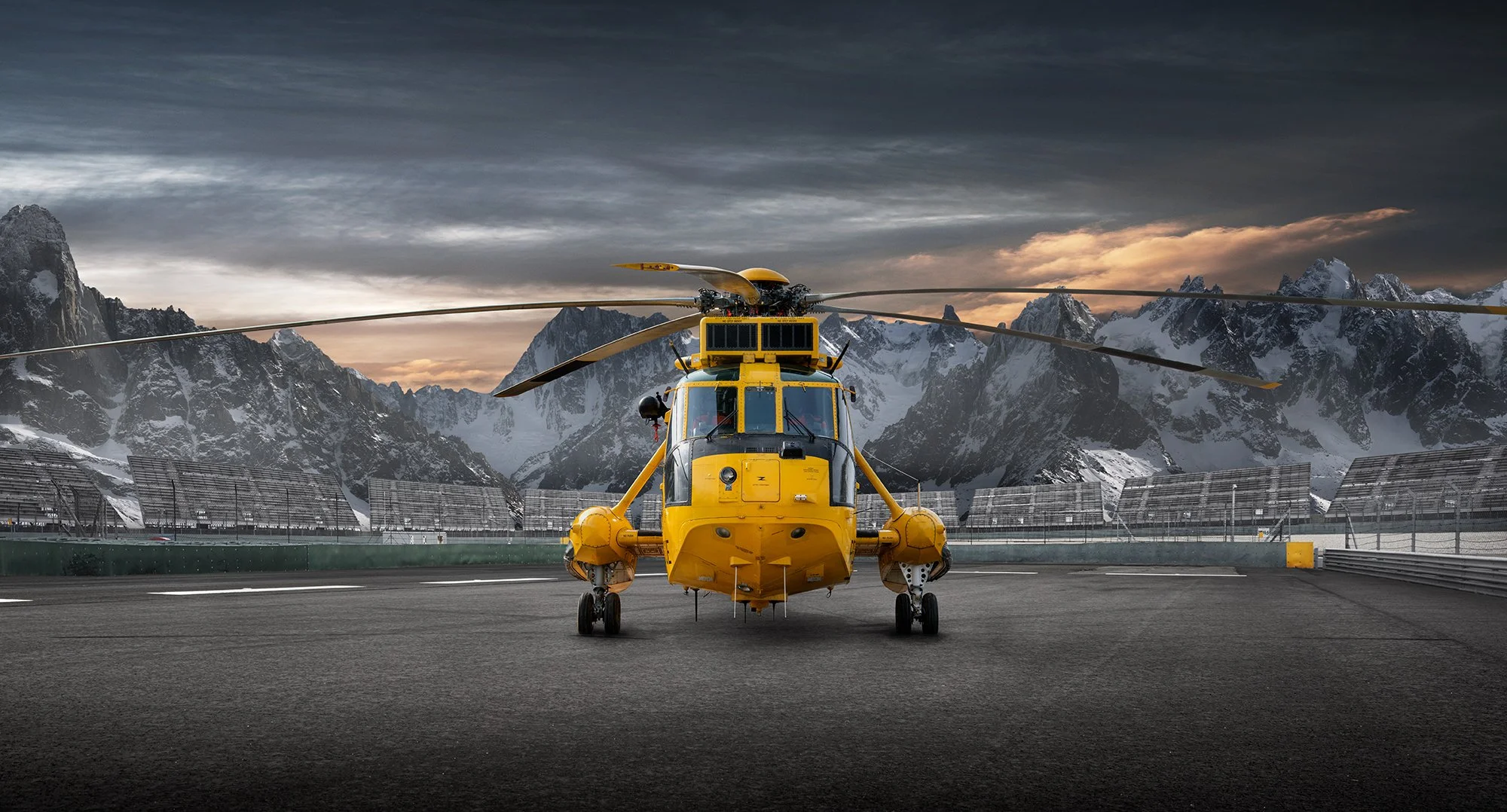
Westland Sea King
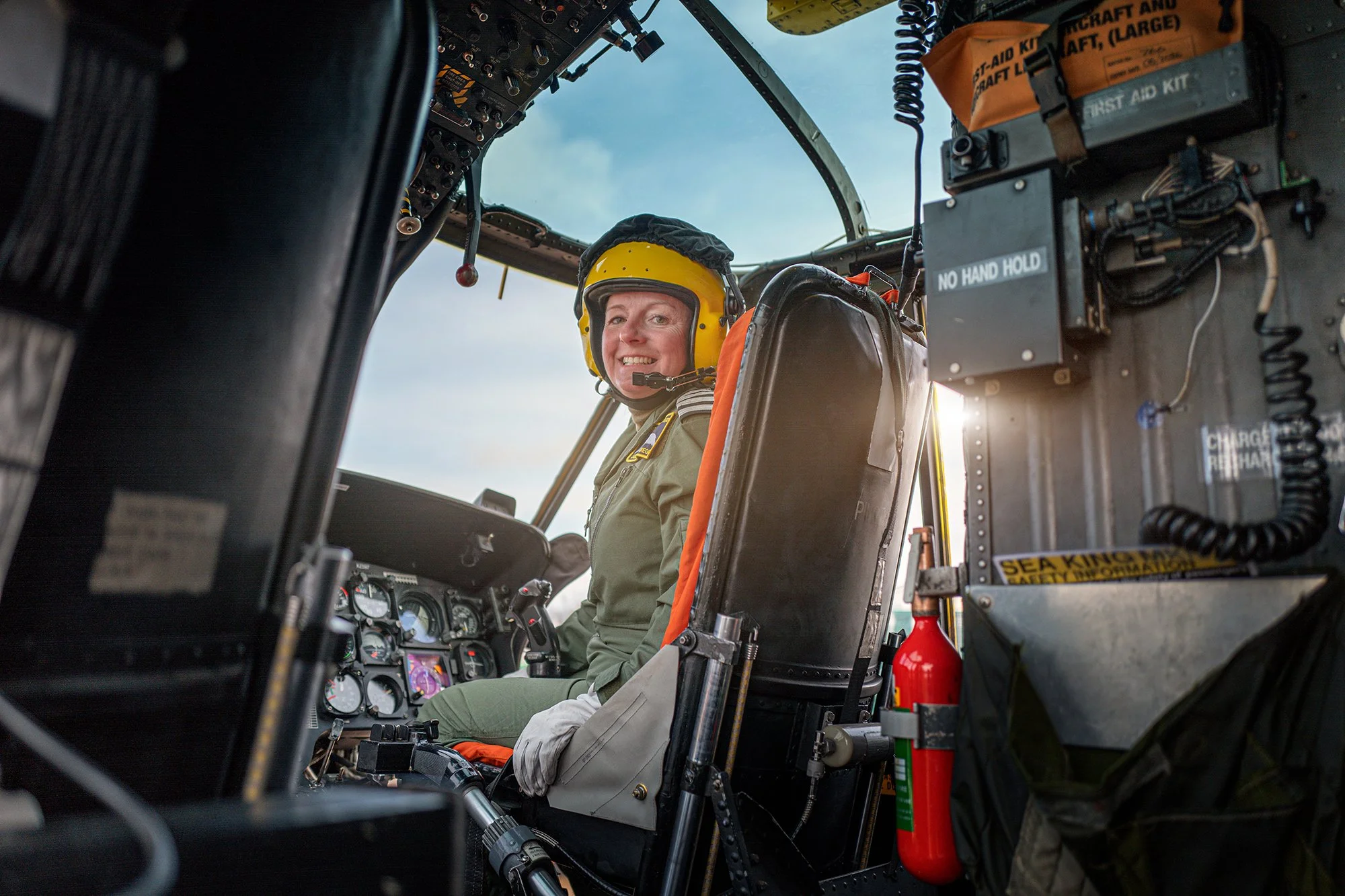
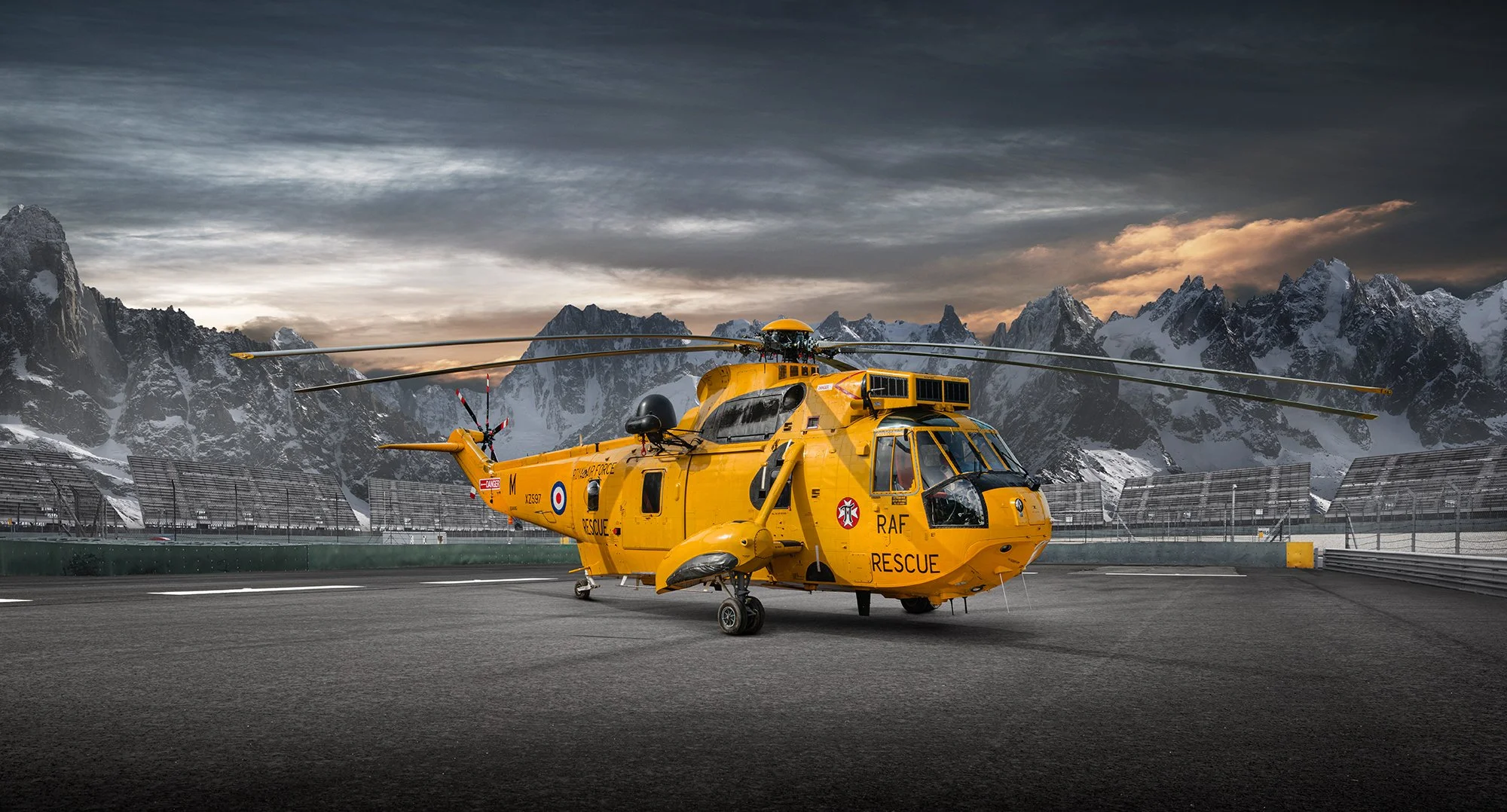
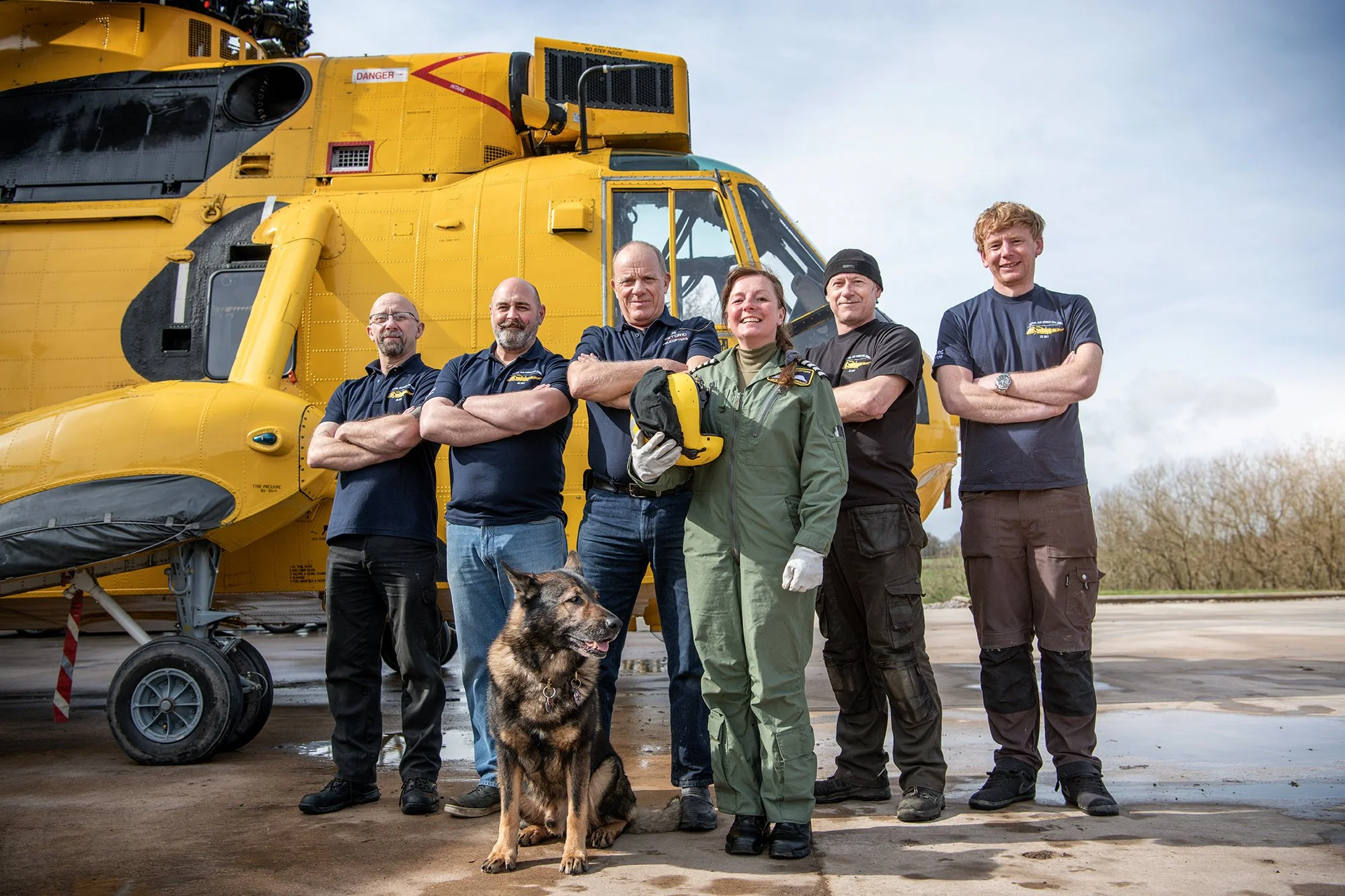
The Sea King helicopter brought real visual scale and presence to the project. Known for its long-standing role in RAF and Royal Navy rescue operations, it carried enormous emotional connection for many people. Photographing the aircraft involved highlighting both its engineering complexity and the sense of operational power that made the Sea King so iconic.
The Westland Sea King is most probably one of the World’s most recognised and well-known helicopters. The aircraft is often fondly referred to by those who have operated with it as being the ‘Swiss Army Knife’ of helicopters due to its ability to be adapted to fit many varied roles. The Sea King was the mainstay of RAF search and rescue operations for many years, and the sole type used for this role since the Wessex was phased out in the 1990s. The Sea King HAR3 entered RAF service in 1978 and has since been augmented by the improved HAR3A version. Today, a global fleet of more than 70 Sea King aircraft is still active with six international operators.
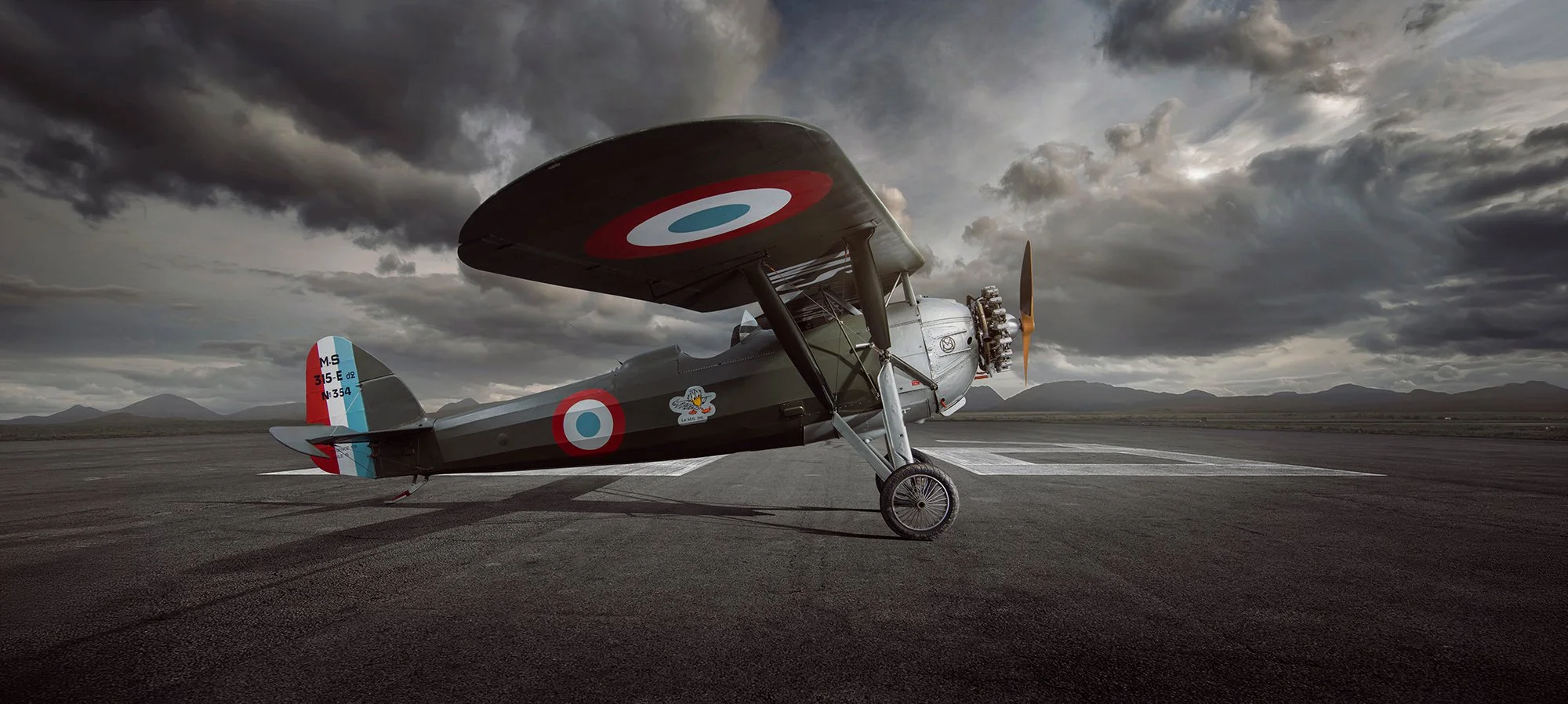
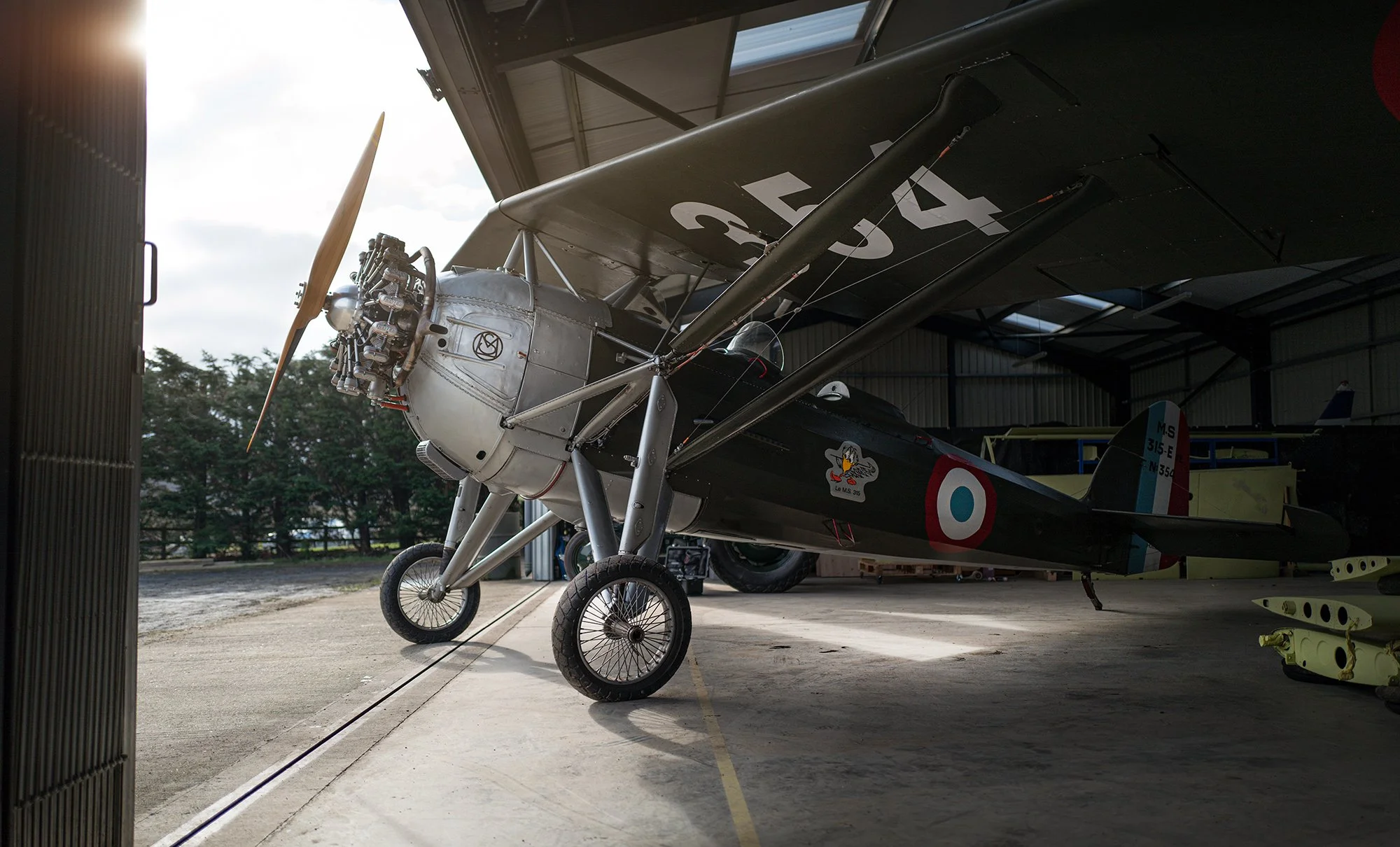
Morane-Saulnier MS.315
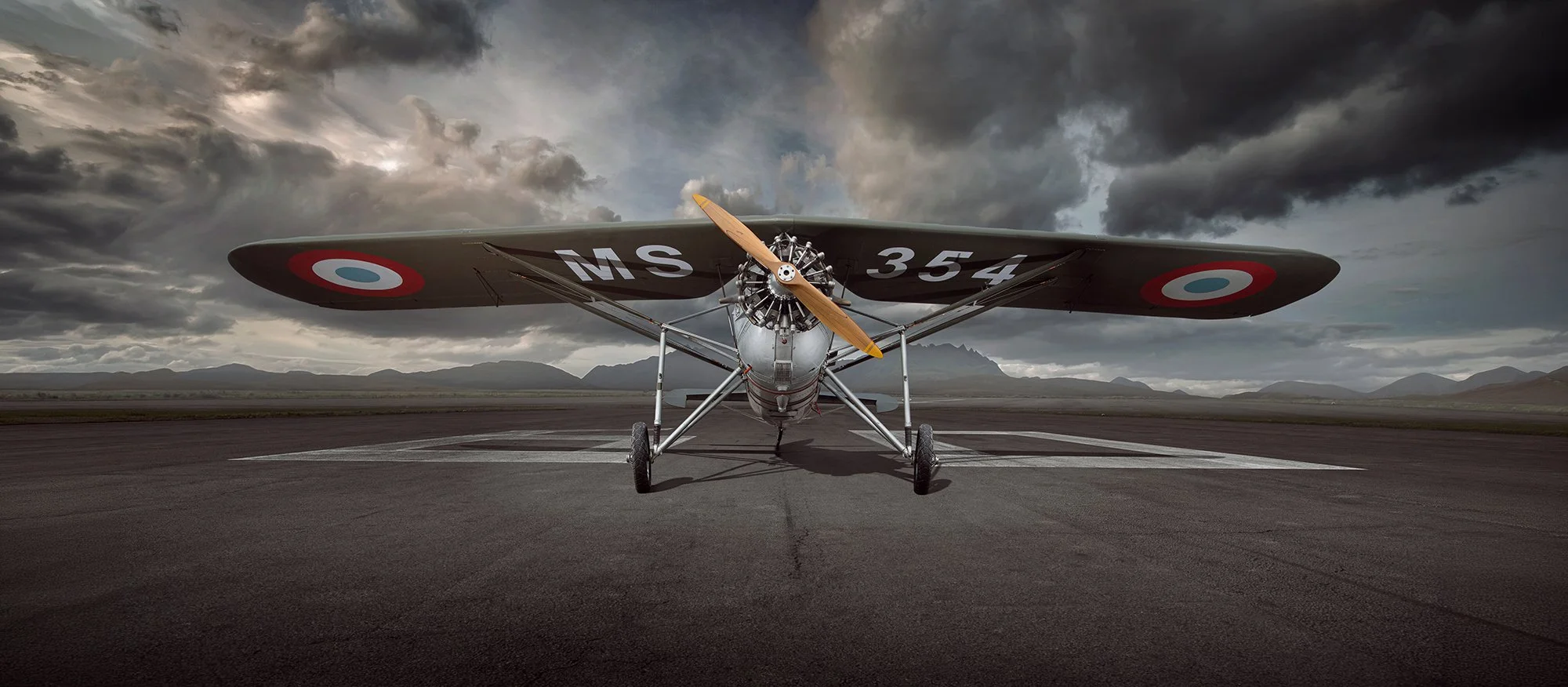
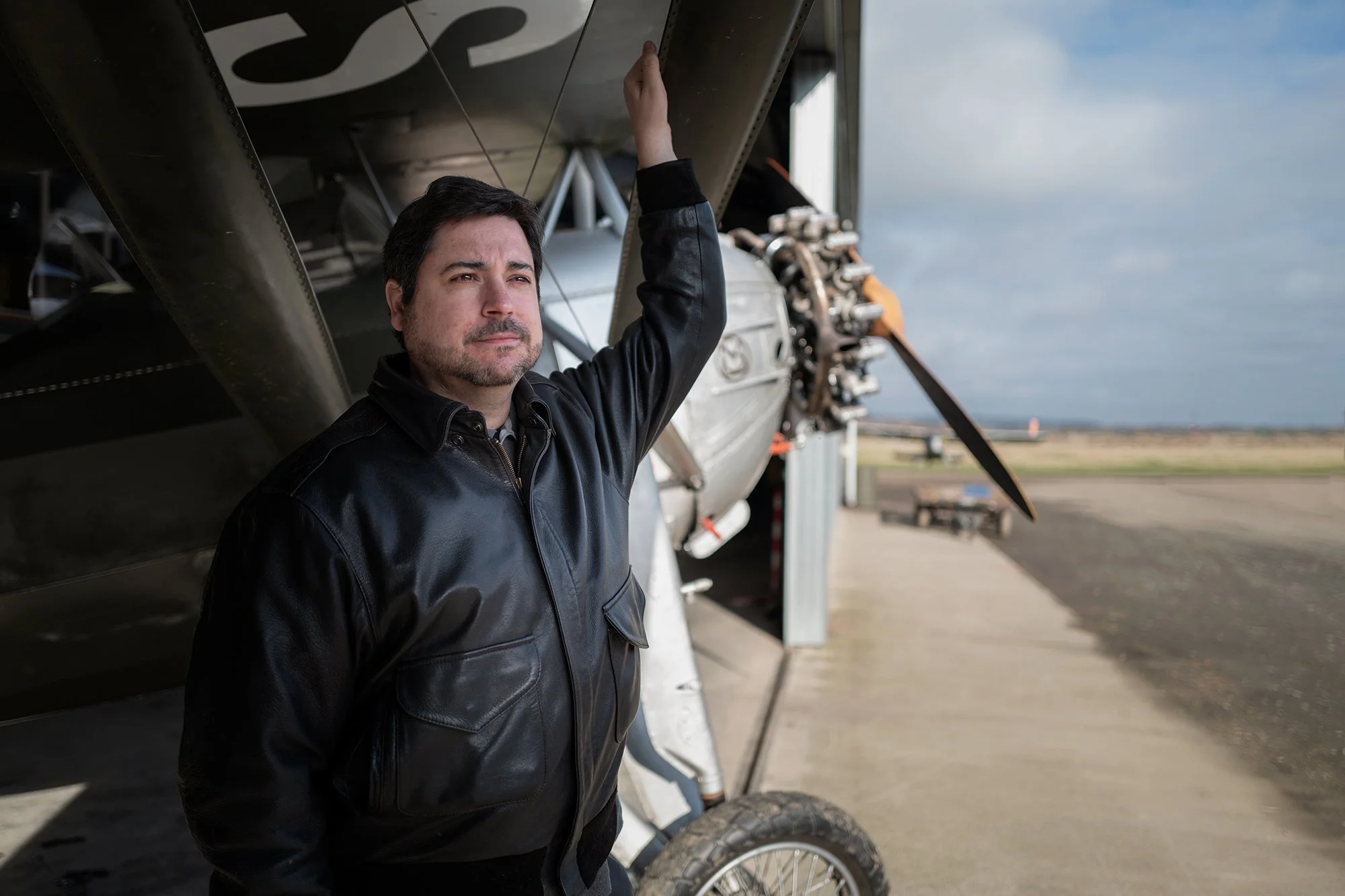
One of the most visually distinctive shoots involved the restoration of a historic Morane-Saulnier MS.315
This particular MS.315 was hidden in an aircraft hangar in Melun Villaroche aerodrome near Paris during WWII. The aerodrome was taken over and occupied by the Luftwaffe forces and was used to house various Kampf Geschwader bomber units using the Heinkel HE111. To avoid the aircraft being used by the German forces, it was hidden in the hangar and the wing removed and put outside in a puddle to appear that it was unusable. As a result, she survived to this day and after a lengthy restoration is now flying again in the UK. She remains the only flying MS.315 anywhere in the world. Photographing it required a softer and more heritage-driven visual approach while still maintaining the cinematic quality needed for the BBC promotional campaign.
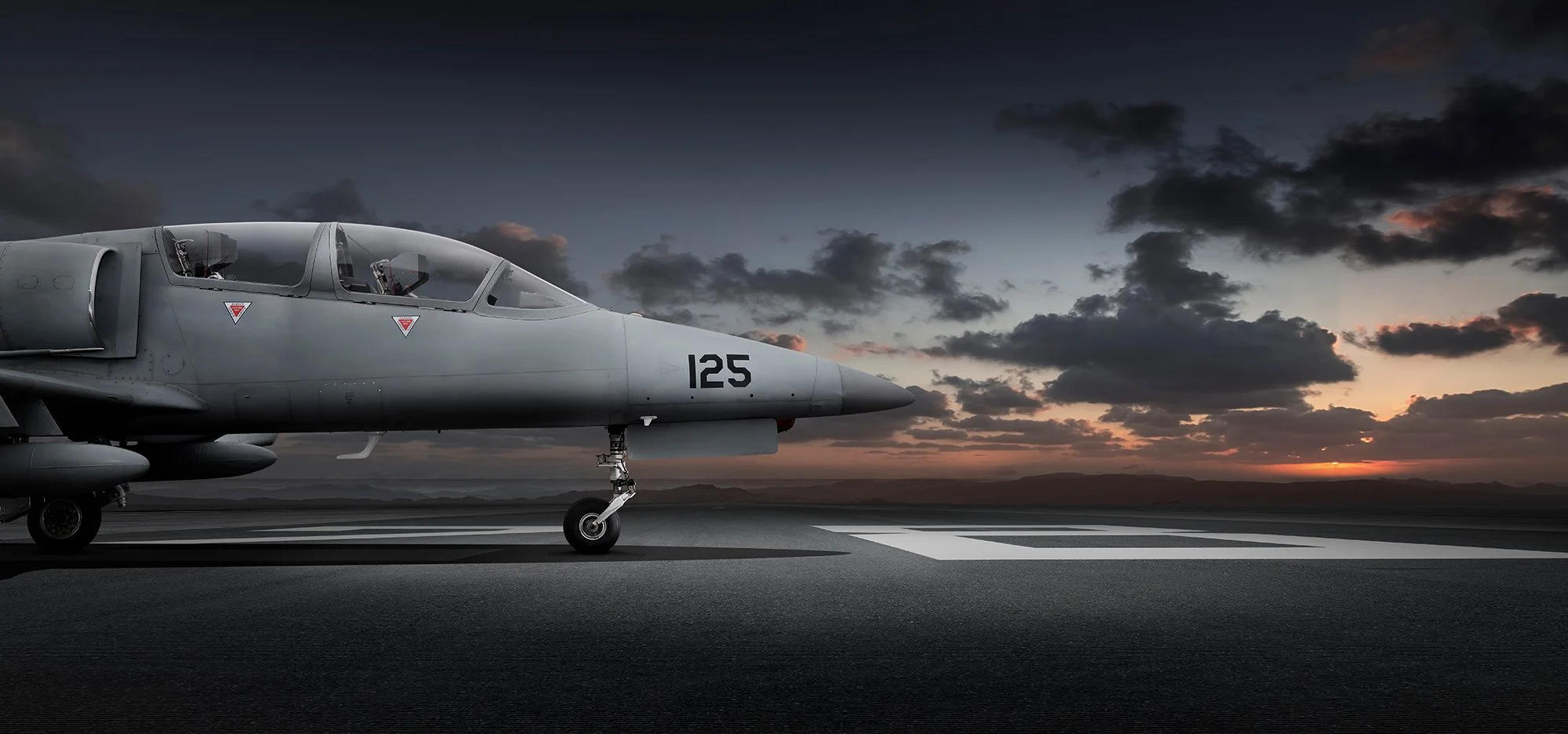
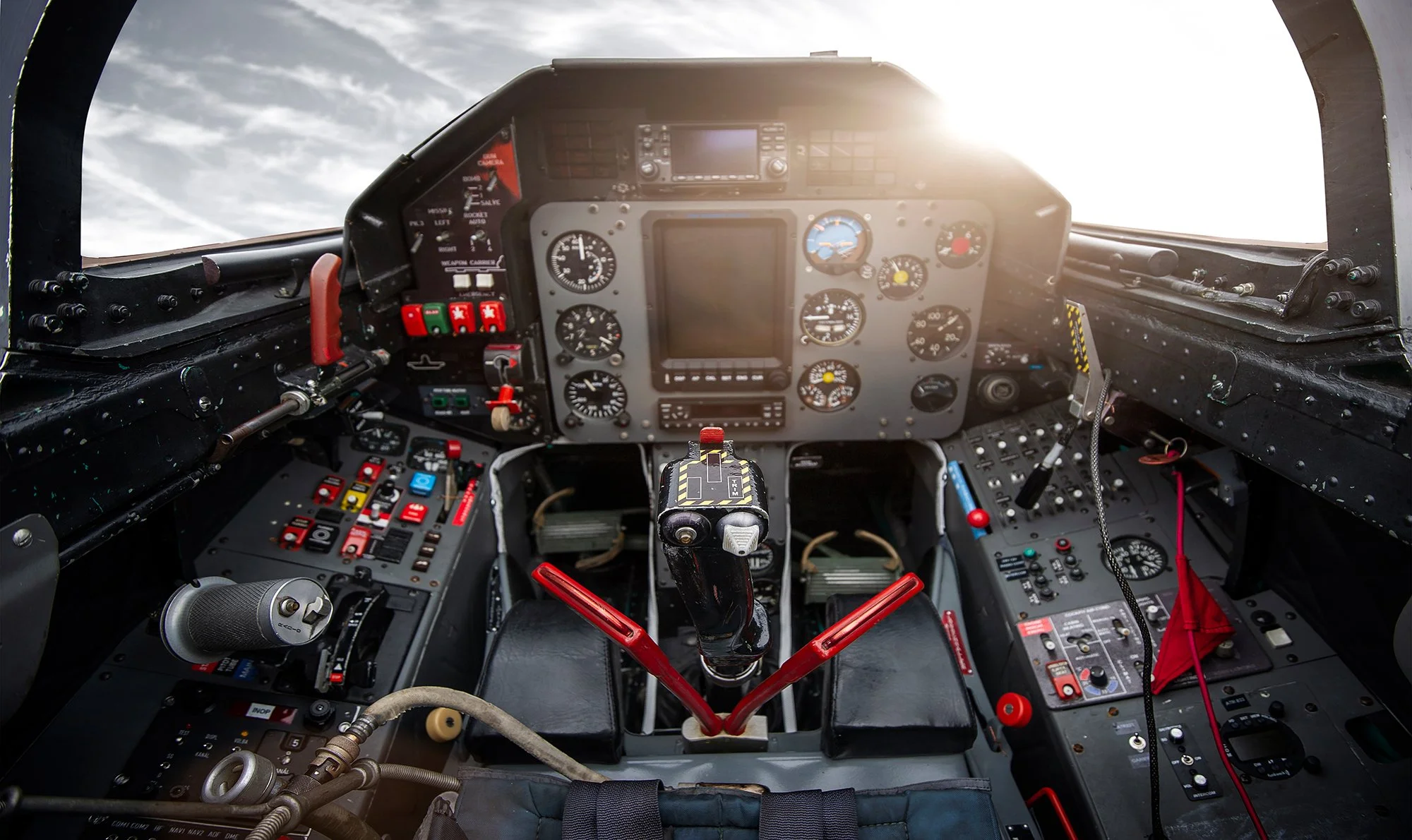
Aero L-39 Albatros Jet
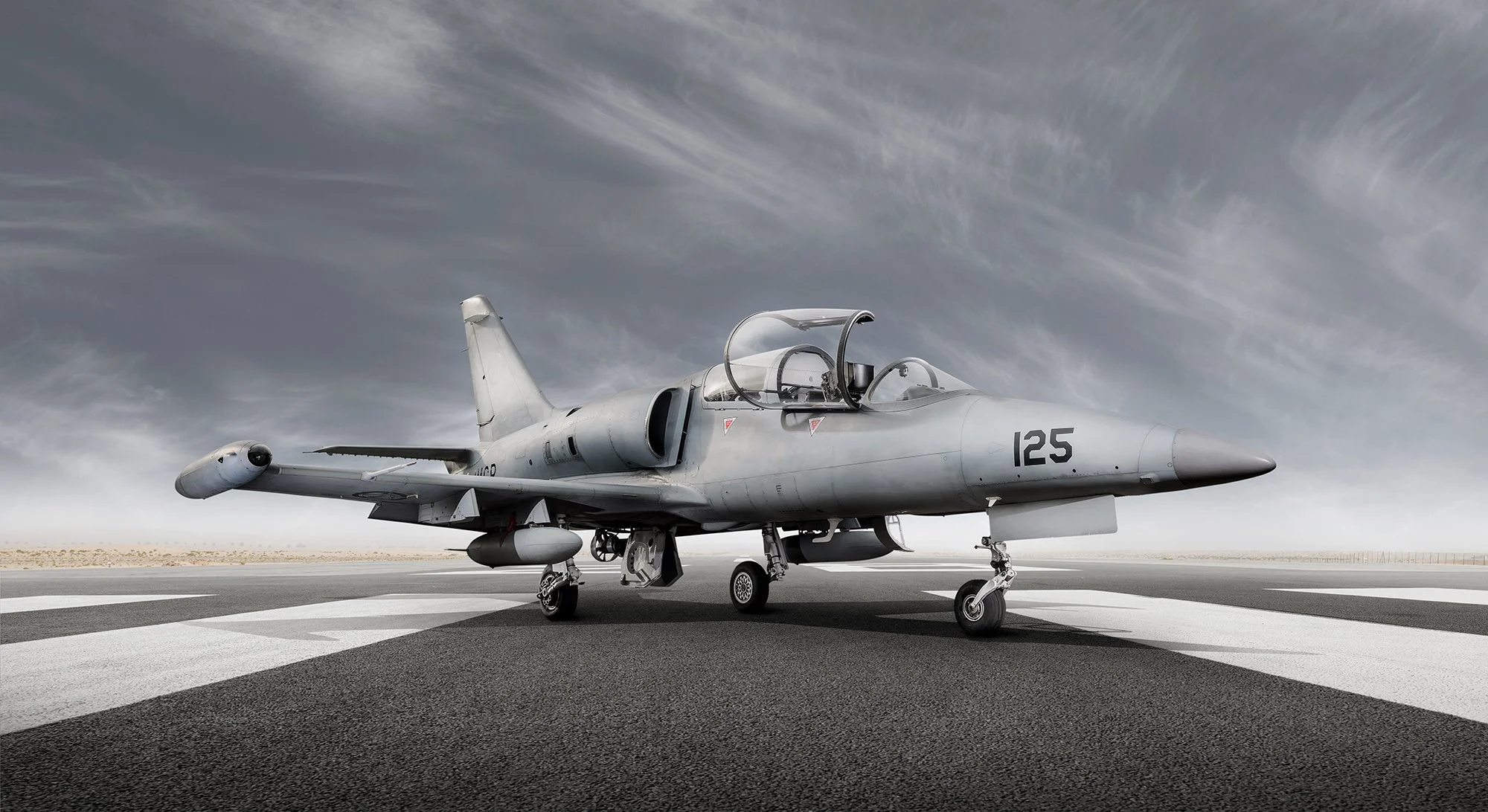
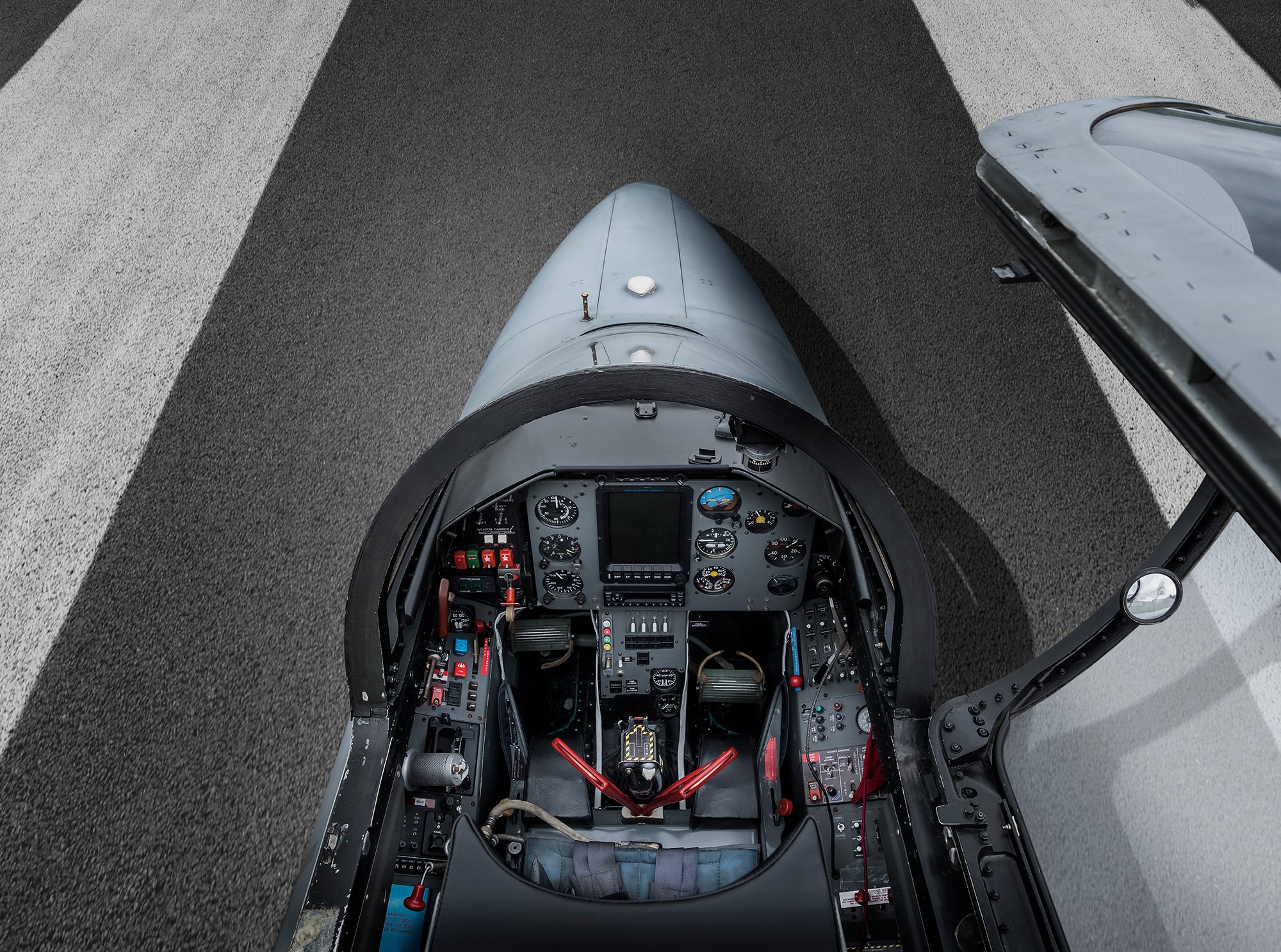
The L-39 jet brought a completely different energy to the production. Sleek, modern by comparison and visually aggressive, it added a strong Cold War-era contrast to the more historic Second World War aircraft. The engineering environment around the rebuild also created some excellent opportunities for dramatic workshop imagery.
Hawker Hurricane
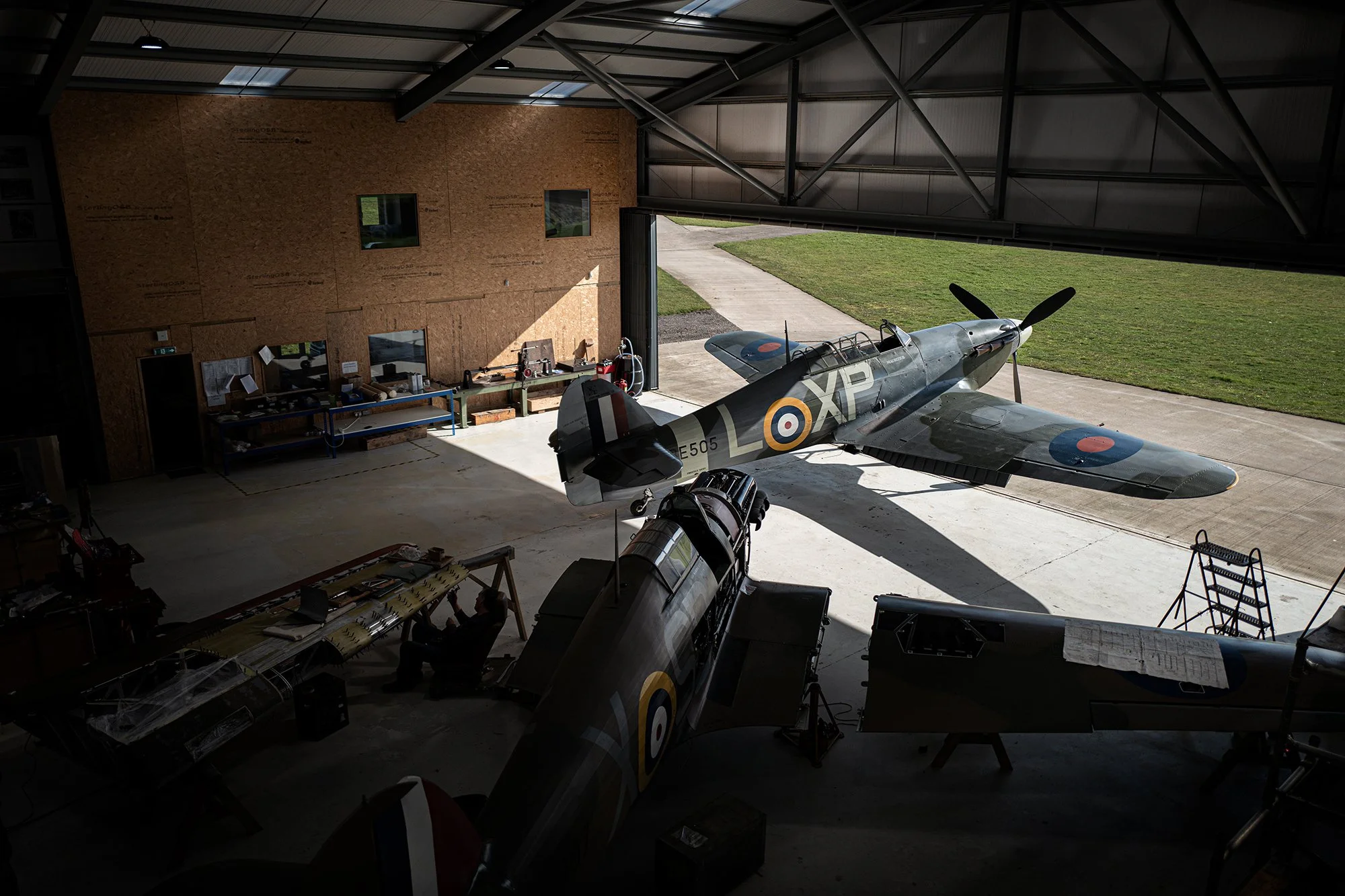
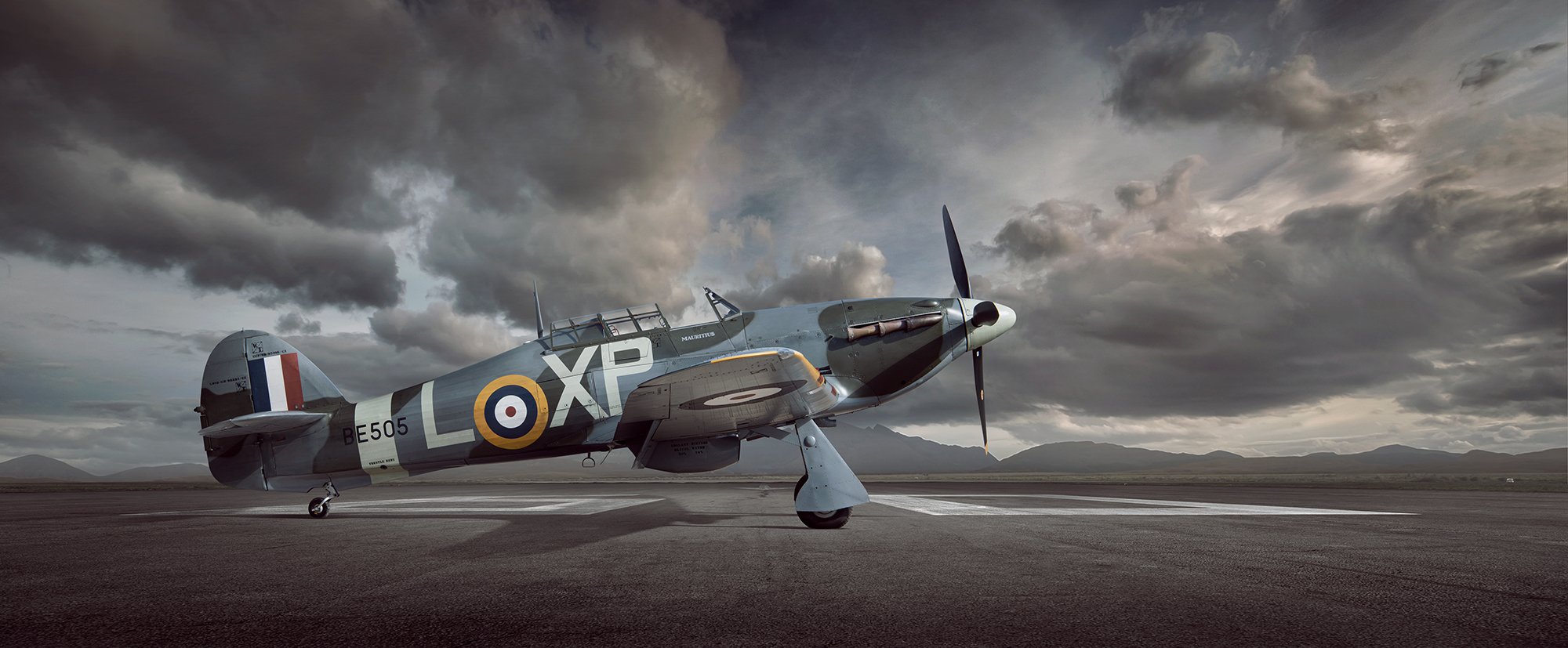
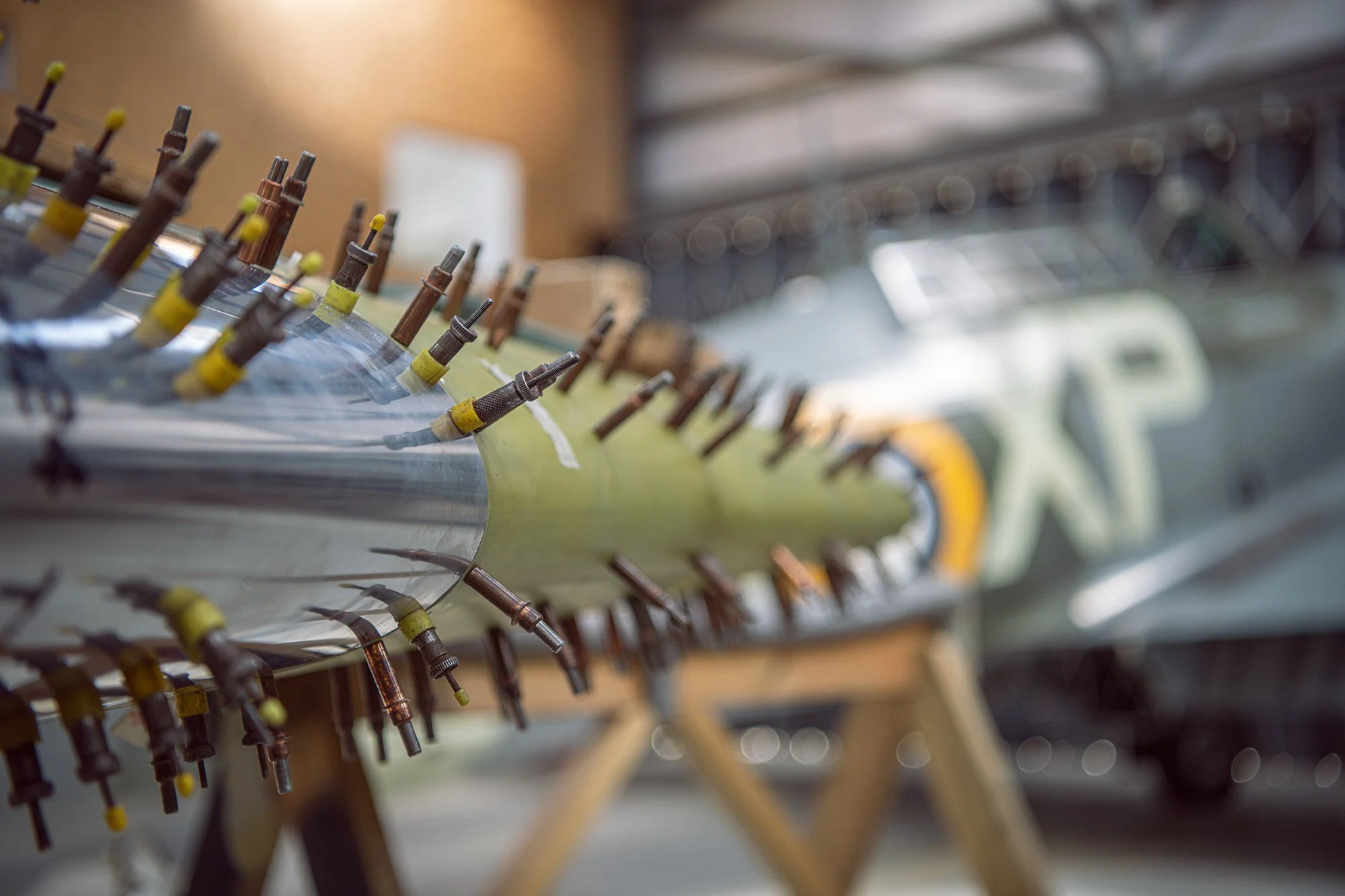
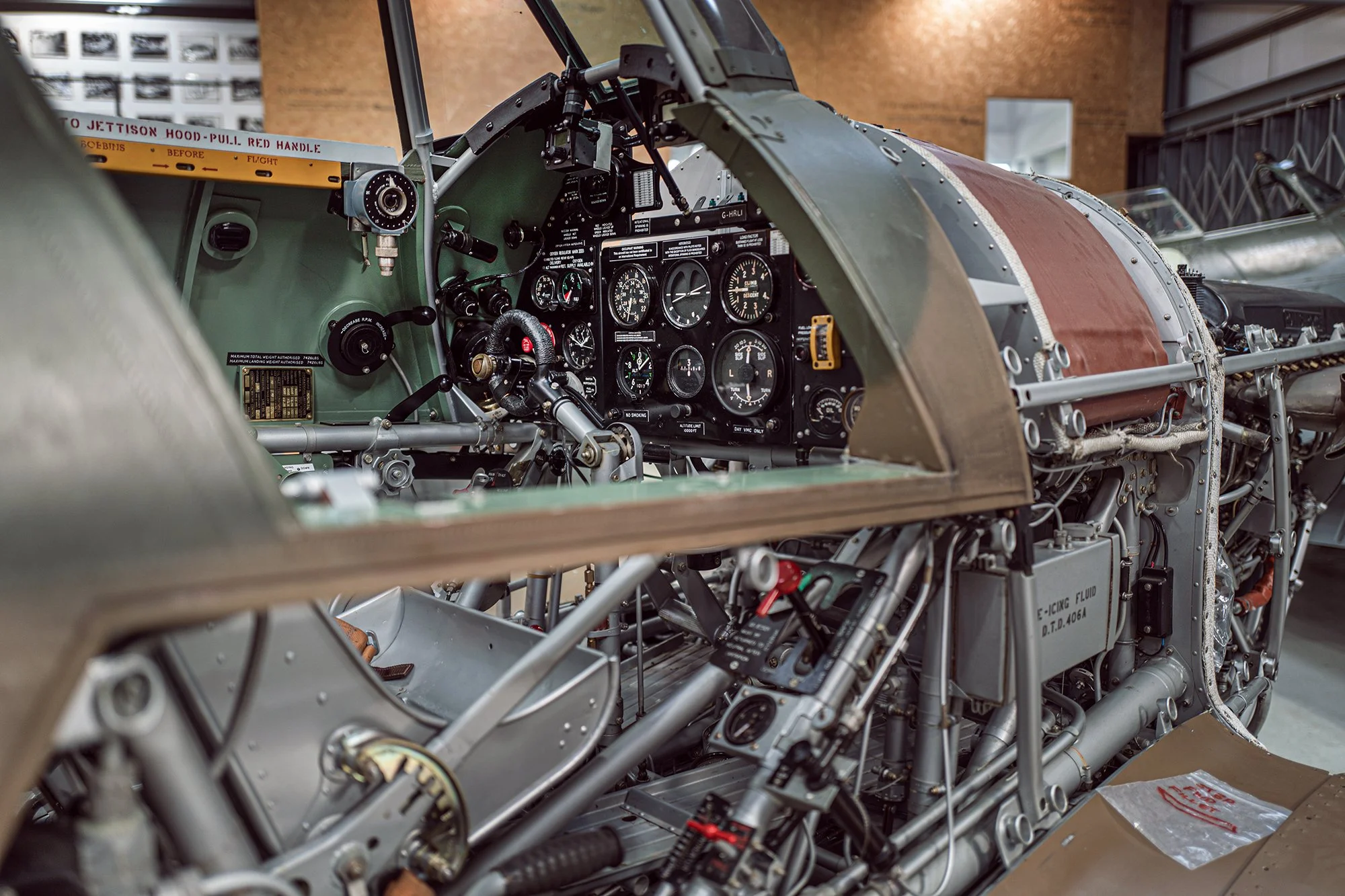
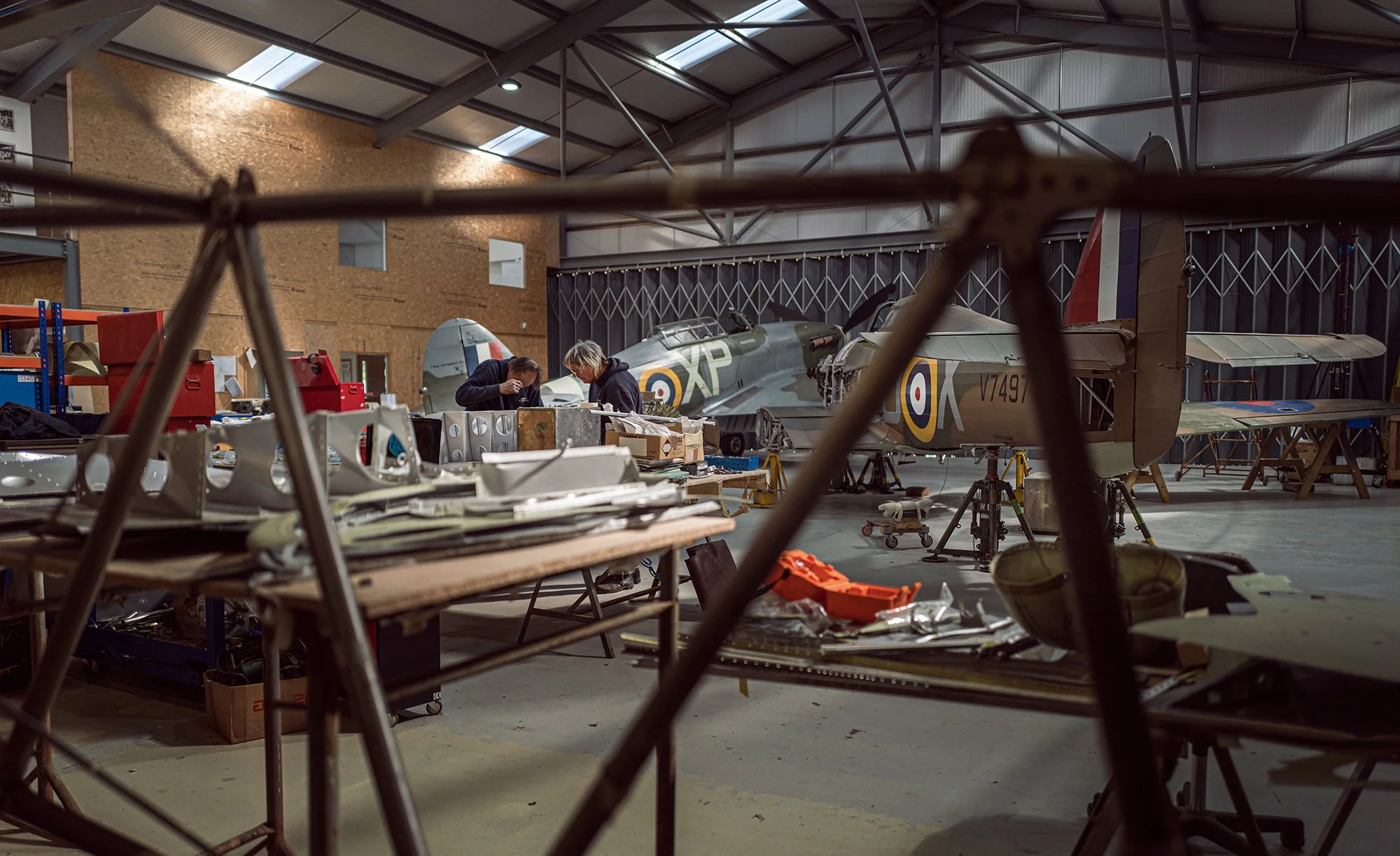
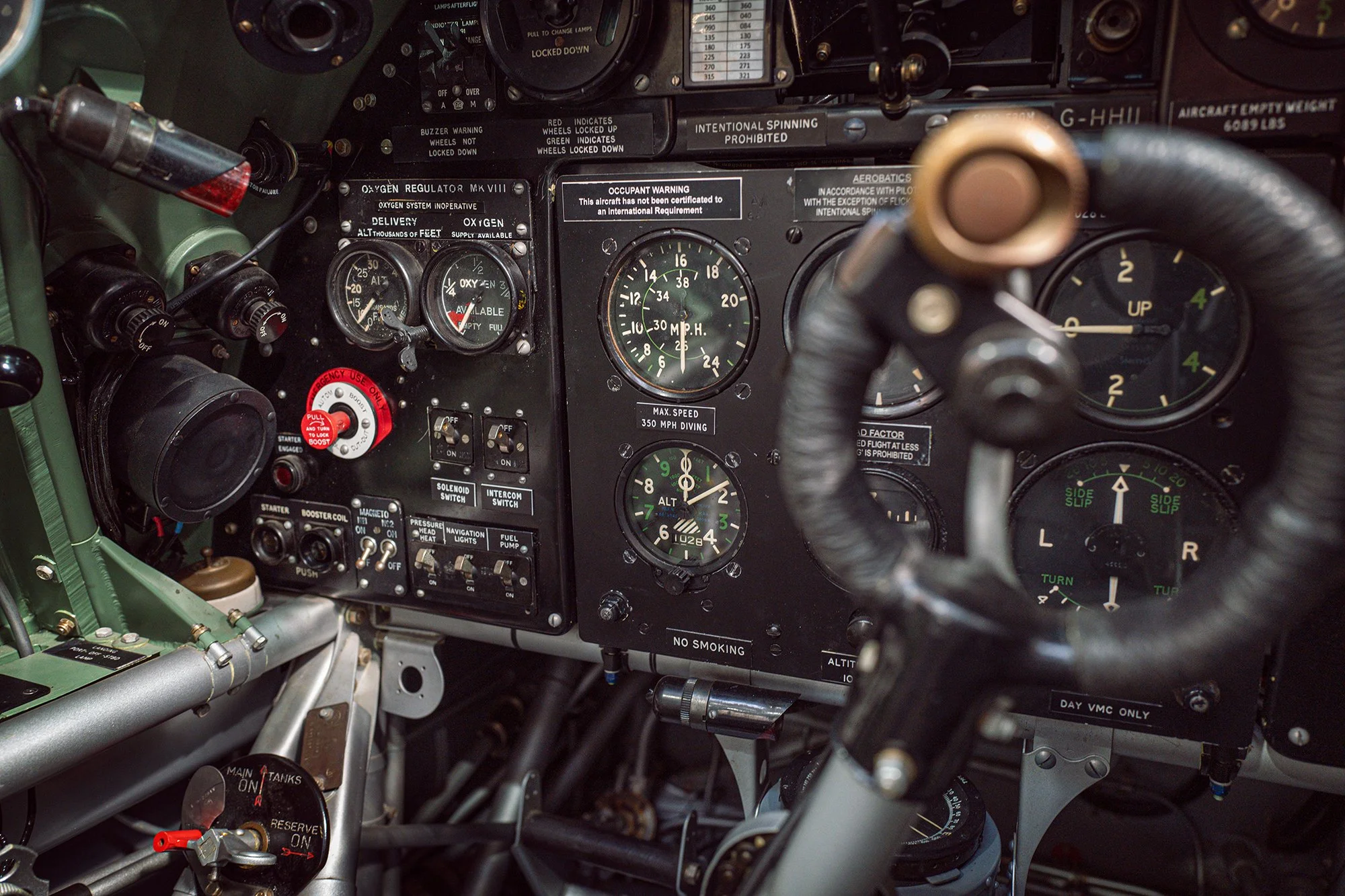
The Hawker Hurricane was one of the standout aircraft from Series 2 and carried huge emotional and historical significance. While the Spitfire often captures the public imagination, the Hurricane played an absolutely critical role during the Battle of Britain. Photographing it required a careful balance between elegance and strength, particularly given the aircraft’s iconic RAF heritage.
The Hawker Hurricane changed the course of history. Piloted by a few brave young men, including legends such as Gp Capt Douglas Bader DSO DFC and Wg Cdr Eric Nicolson VC DFC, it was the mainstay of RAF Fighter Command in the Battle of Britain, comprising two thirds of the force that fought the Luftwaffe in the summer of 1940. Although it has been unjustly overshadowed by the somewhat more glamorous Supermarine Spitfire, the Hurricane undoubtedly has greater historical significance. Royal Navy test pilot Eric ‘Winkle’ Brown, who flew more aircraft types than anyone else in the world, said of the Hurricane that “it literally saved the country.” Indeed given the circumstances of 1940, when Britain stood alone against Hitler, one could legitimately claim that the Hurricane saved the world.
Douglas C-47 Dakota (DC3)
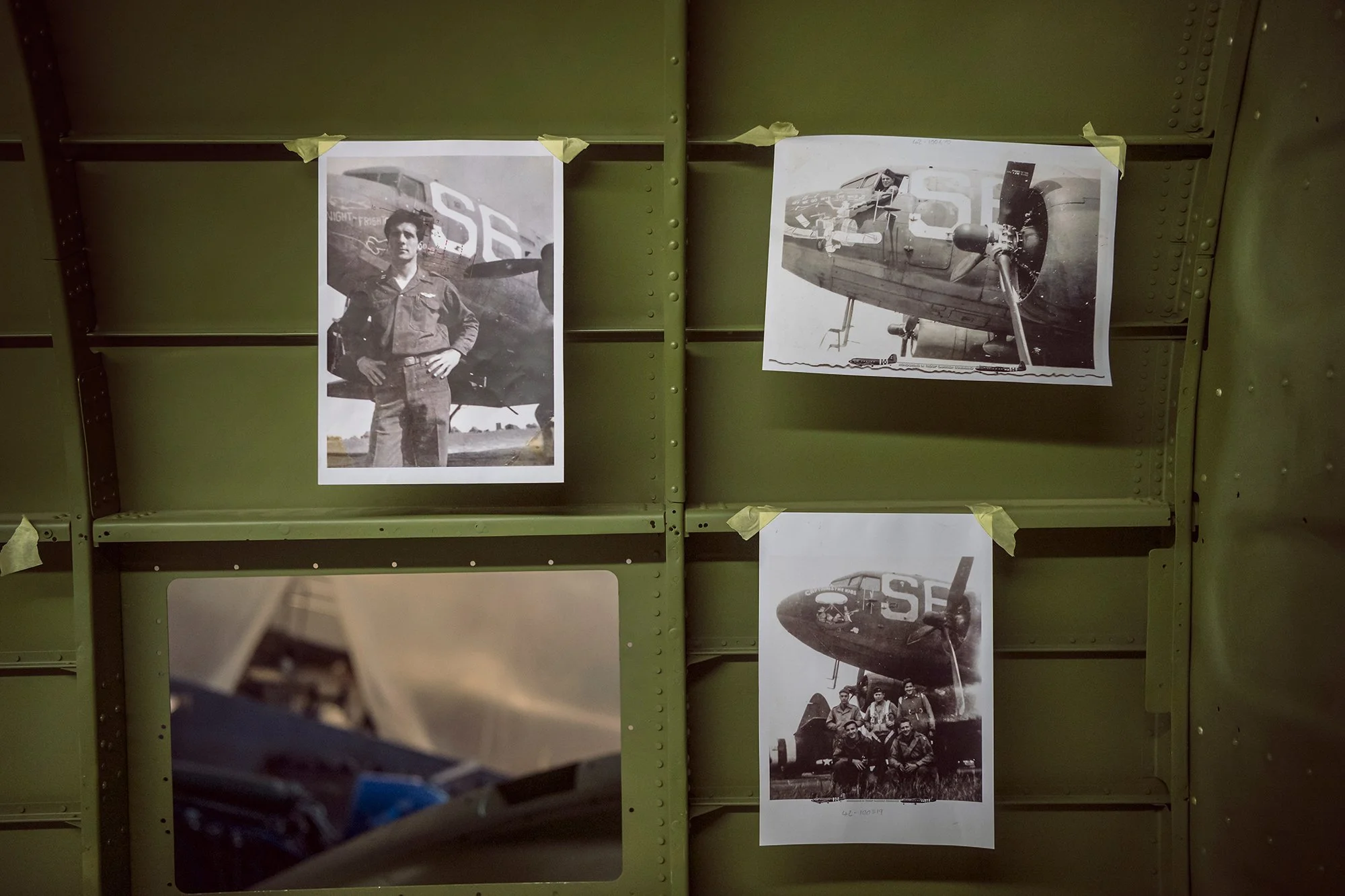
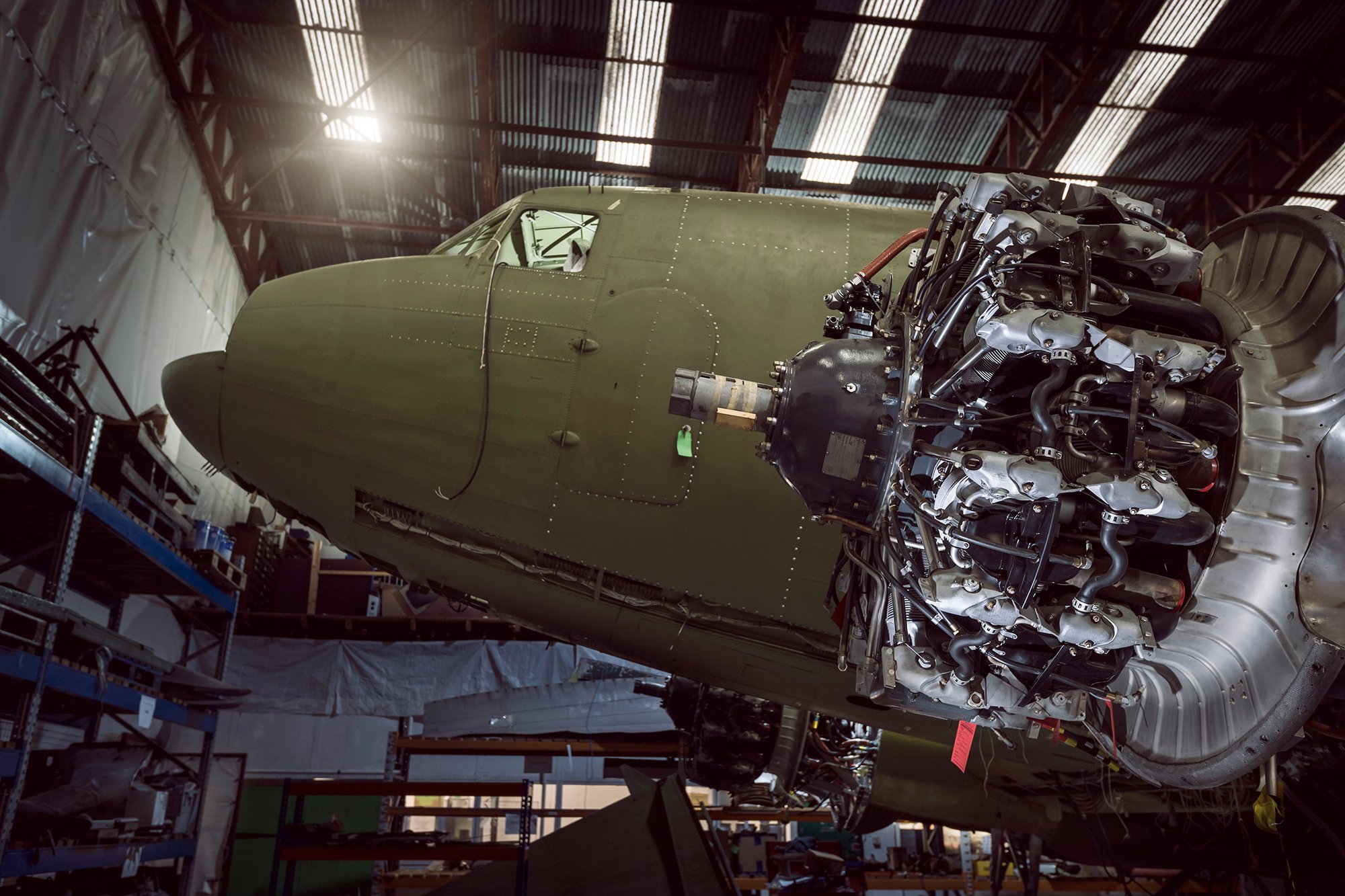
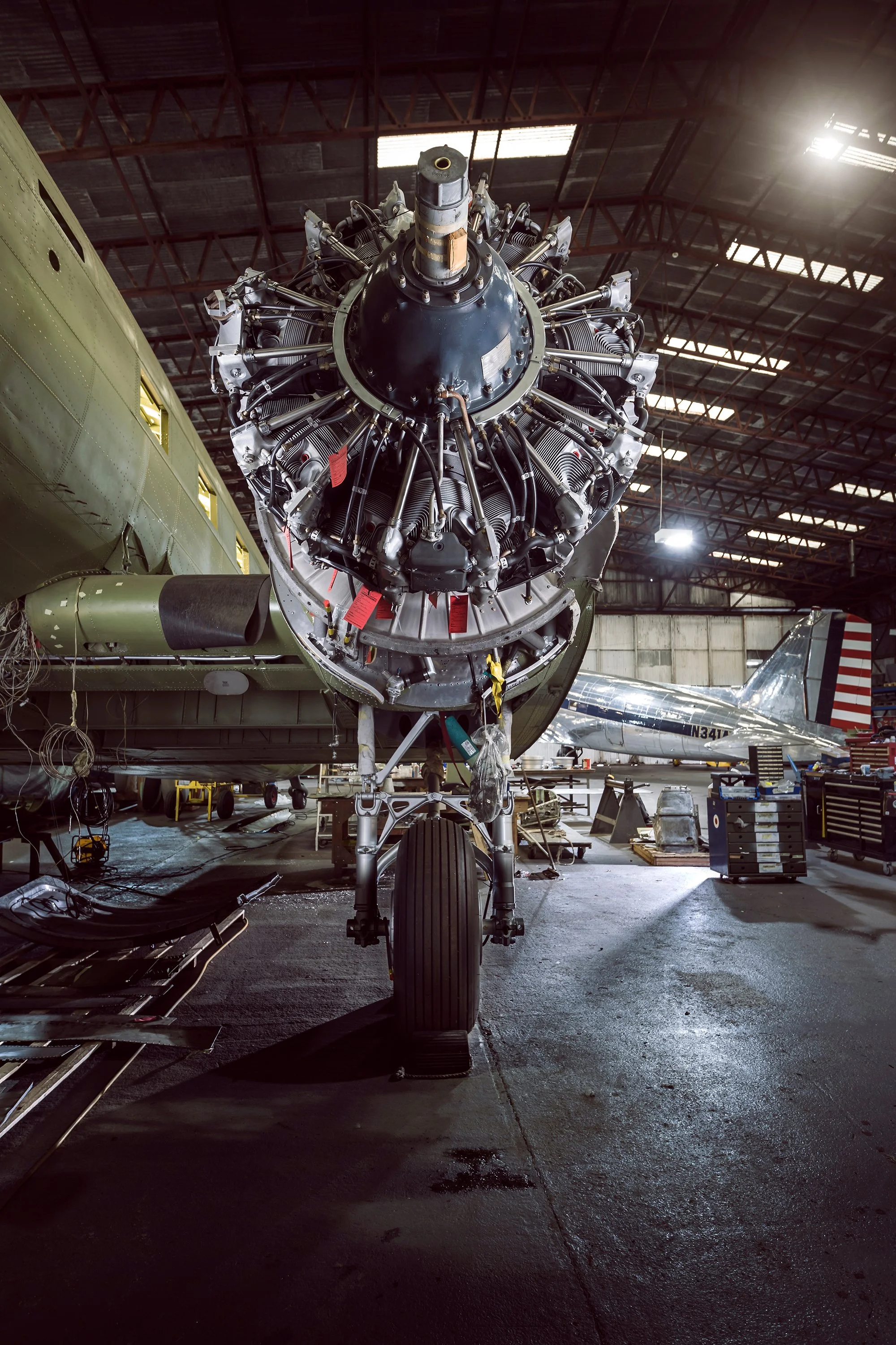
The Douglas C-47, this one famously known as ‘Fright Night’, an aircraft sometimes referred to as the Dakota, brought an entirely different presence to the project.
Larger, more industrial in character and hugely significant historically, this aircraft famously represented the airborne operations of the Second World War, including the D-Day landings. Photographing it required a stronger emphasis on scale and atmosphere to reflect its immense wartime role while operating in a very tight space.
One famous quote by Dwight D. Eisenhower about the C-47 was,
“Four other pieces of equipment that most senior officers came to regard as among the most vital to our success in Africa and Europe were the bulldozer, the jeep, the 2–ton truck, and the C-47 airplane. Curiously, none of these is designed for combat.”
The C47 transport plane, nicknamed "Night Fright," was bound for the scrapyard in Arkansas when it was bought by the family who own its former RAF Membury wartime base in Berkshire. It is now undergoing restoration in Britain after being transported back across the Atlantic in bits. So far restoration has cost over a million pounds
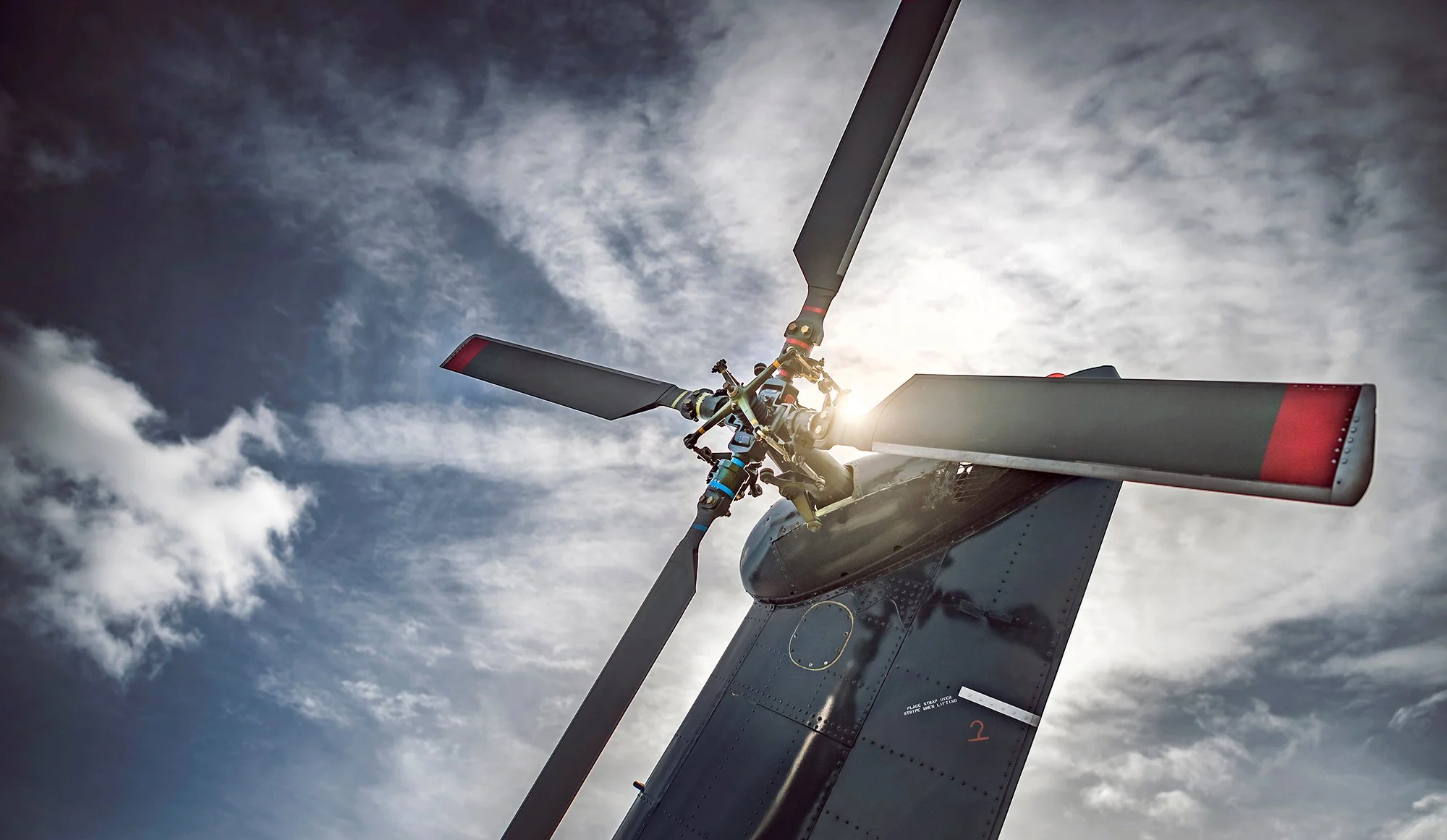
Westland Wessex HU5 1966
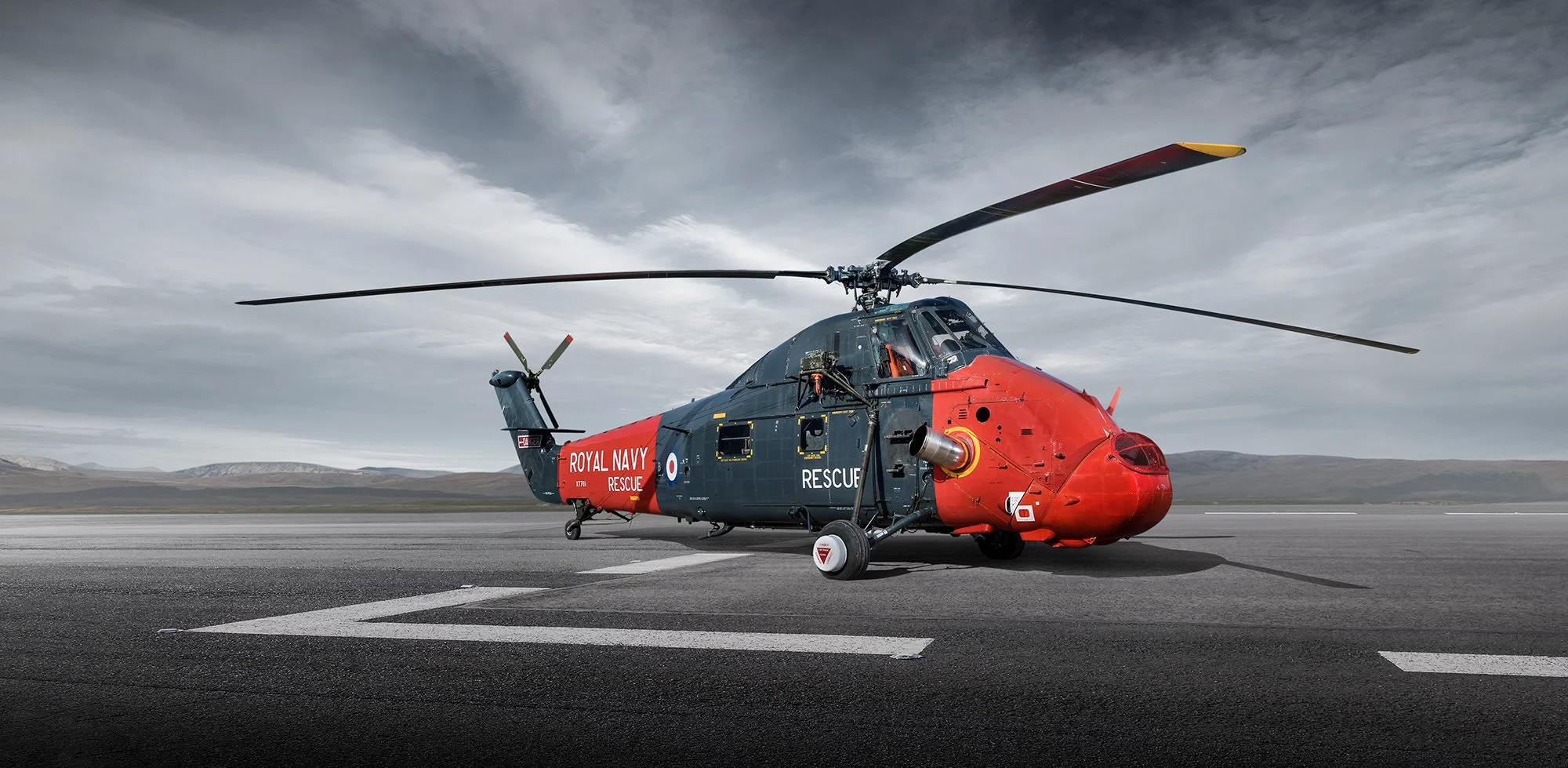
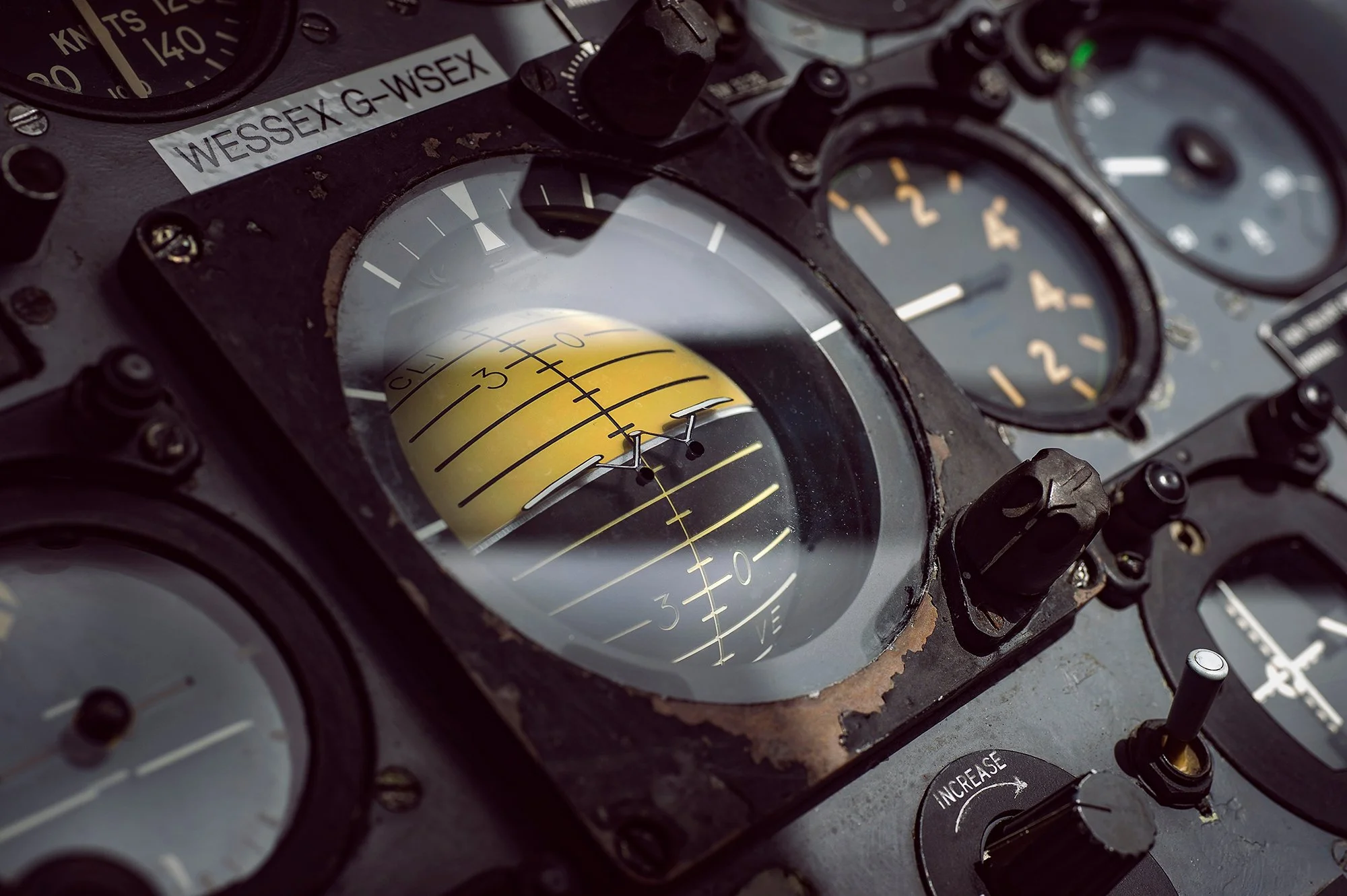
The Wessex helicopter introduced a completely different visual dynamic to the series. Unlike the sleek lines of the fighter aircraft, the Wessex had a rugged, purposeful engineering aesthetic that worked brilliantly photographically. Capturing the complexity of the aircraft mechanically while still producing dramatic commercial imagery became central.
Helicopter Westland Wessex HU.5 Serial wa483 Register G-WSEX XT761 was used by Fleet Air Arm (Royal Navy) Royal Marines and was built in 1966.
An integral part of the Fleet Air Arm SAR story, the Westland Wessex was the mainstay of UK aerial SAR operations for many years, entering service with the Royal Navy in 1961 and serving until its final variant operated by the RN, the HU5, was withdrawn from service in 1988. Whilst a very effective platform for Search and Rescue, the Wessex was actually the first helicopter operated by the Royal Navy to be designed from the outset as an anti-submarine platform. It was also the first helicopter in the world to be produced in significant numbers with a free gas turbine for an engine. The free gas turbine is effectively a jet engine where the exhaust gases revolve a turbine wheel, which in turn provides drive to the gearbox. This replaced the older piston engines which had powered previous helicopters.
The design features which made the Wessex such an effective anti-submarine helicopter were also highly desirable in a Search and Rescue helicopter. Fitted with an early automatic pilot system, the Wessex could operate in day or night and in all weathers. The Wessex was also quieter and less prone to vibration than piston-engine helicopters, qualities which were invaluable to the rear seat crews who were attempting to treat casualties. The load carrying capabilities of the Wessex were also a marked improvement on its predecessor, the Whirlwind, which allowed the Wessex to carry a greater number of casualties. Finally, the Wessex's new Napier Gazelle engine allowed the aircraft to be started very quickly, enabling the crews to respond to emergency calls quicker than they had been able to do previously.
Aeronca Defender
The 1943 Aeronca Defender offered a far lighter and more delicate visual appearance compared with many of the larger aircraft. However, its wartime role as a military liaison aircraft gave it enormous historical character. The shoot focused heavily on highlighting its craftsmanship, detail and authenticity.
The L-3 liaison aircraft, originally designated O-58, is the military version of the Aeronca Model 65 Defender. This high-wing, light airplane could operate from small, hastily-built flying fields. The U.S. Army Air Forces (AAF) ordered the first O-58 aircraft in 1941 to test the use of light aircraft for liaison and observation missions in direct support of ground forces. Between 1941 and 1943, Aeronca Aircraft Corp. of Middleton, Ohio, built more than 1,400 of these aircraft for the AAF, of which 875 were L-3B models.
During WWII, the Aeronca L-3 joined similar Grasshoppers in artillery fire direction, courier service, front-line liaison and pilot training. In 1942, Aeronca developed the TG-5, a training glider based on the O-58. The three-seat glider had a front fuselage replacing the engine, but retained the rear fuselage, wings and tail of the powered version. Aeronca built 250 TG-5 aircraft for the AAF.
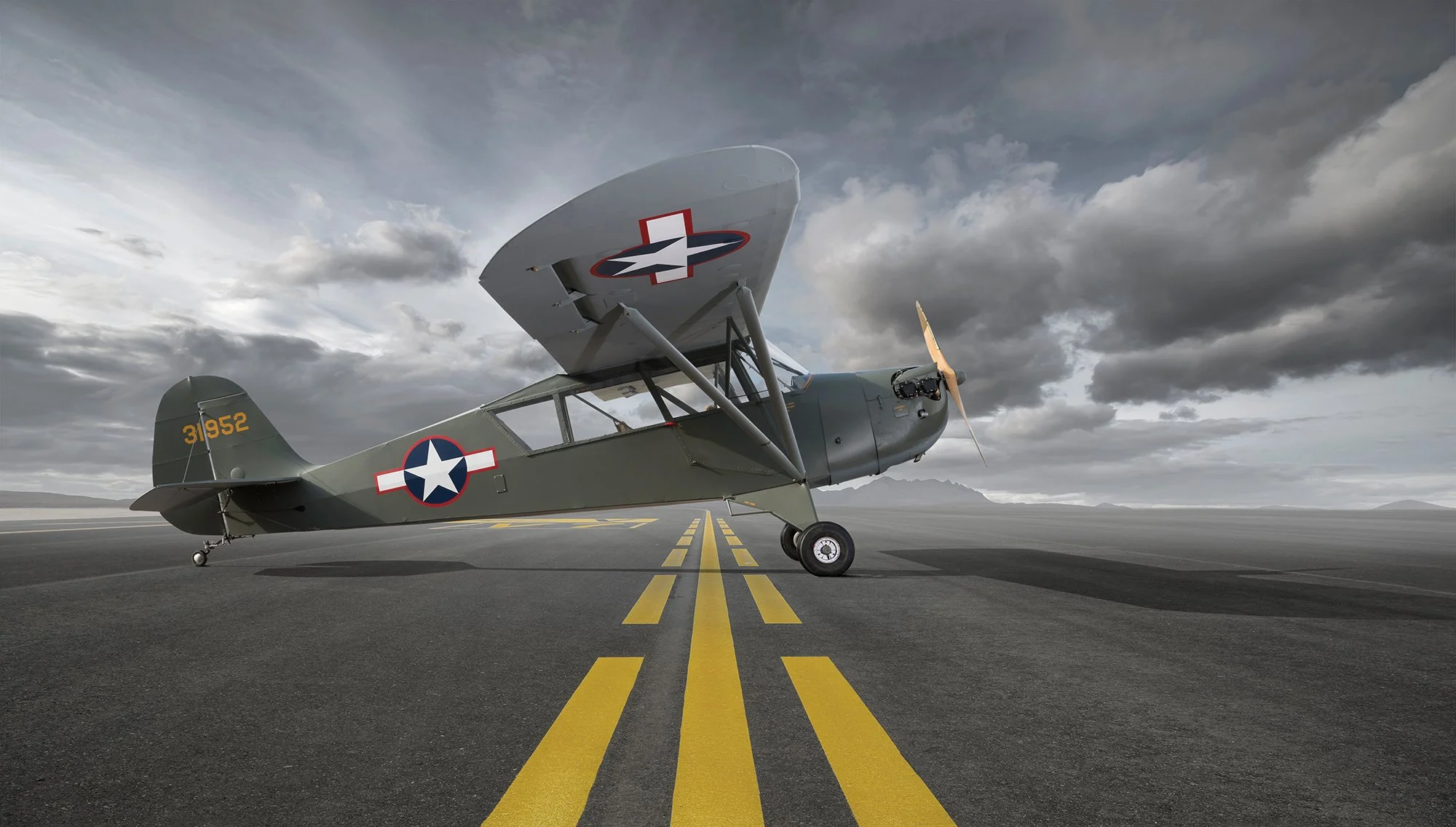
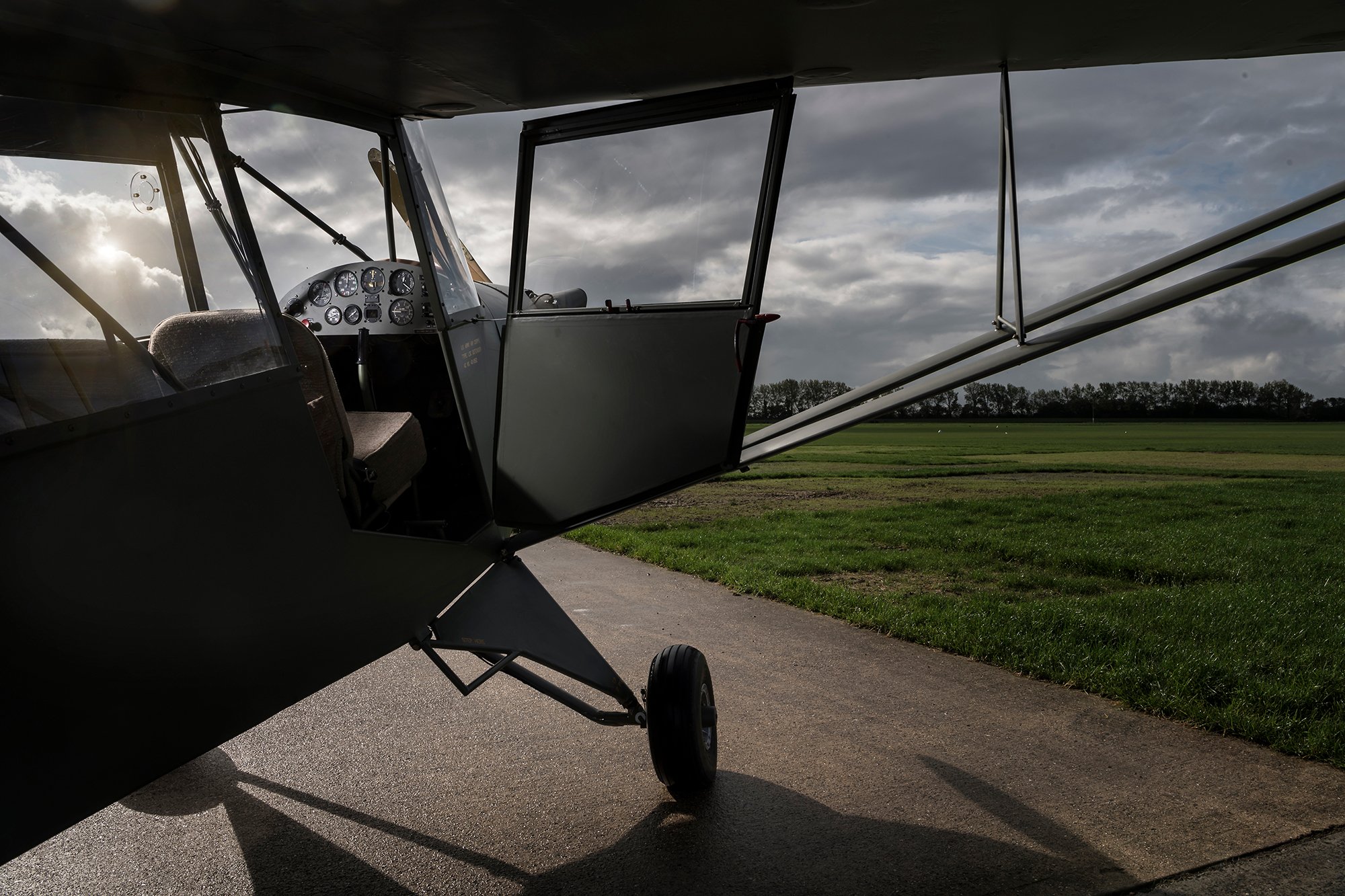
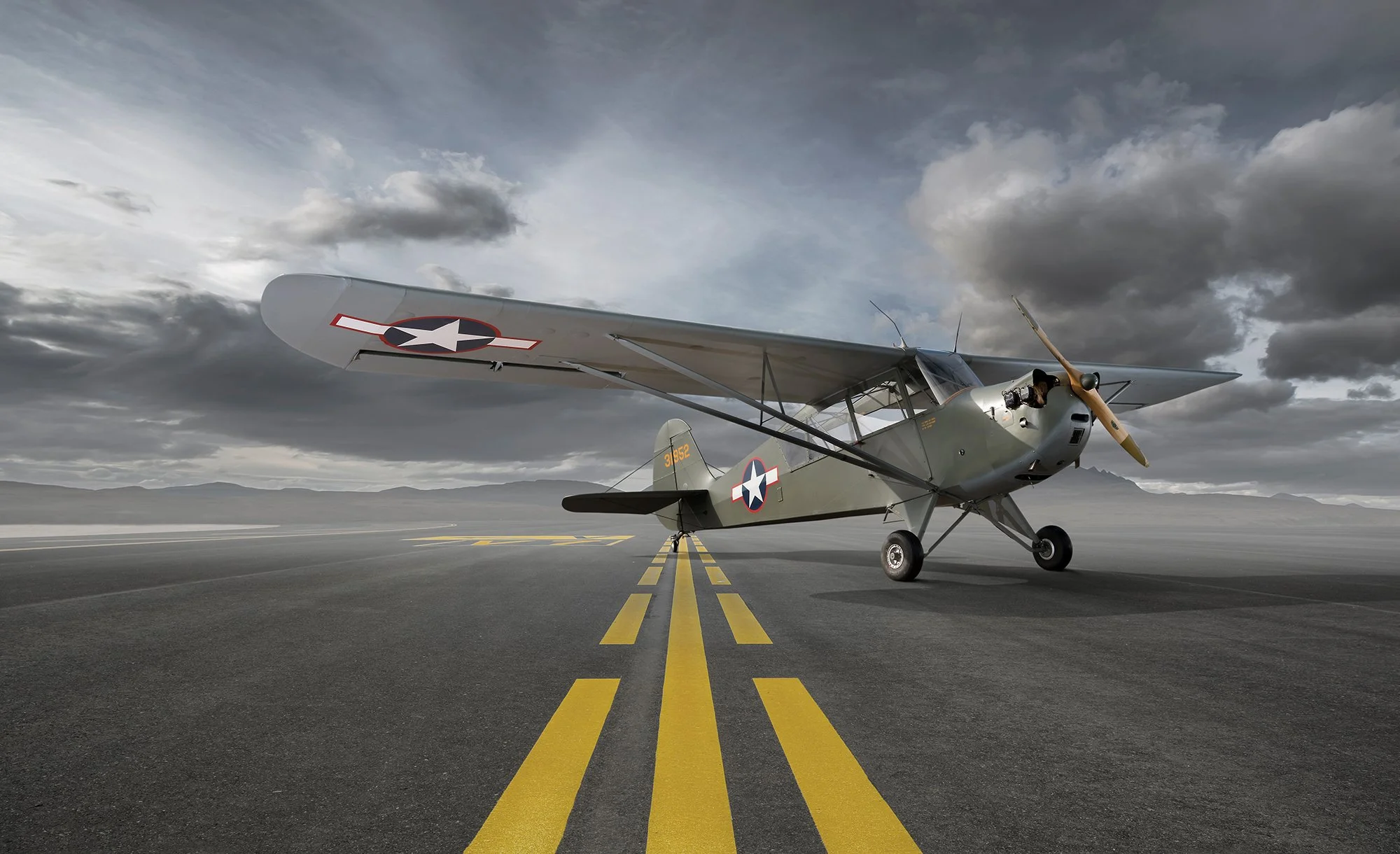
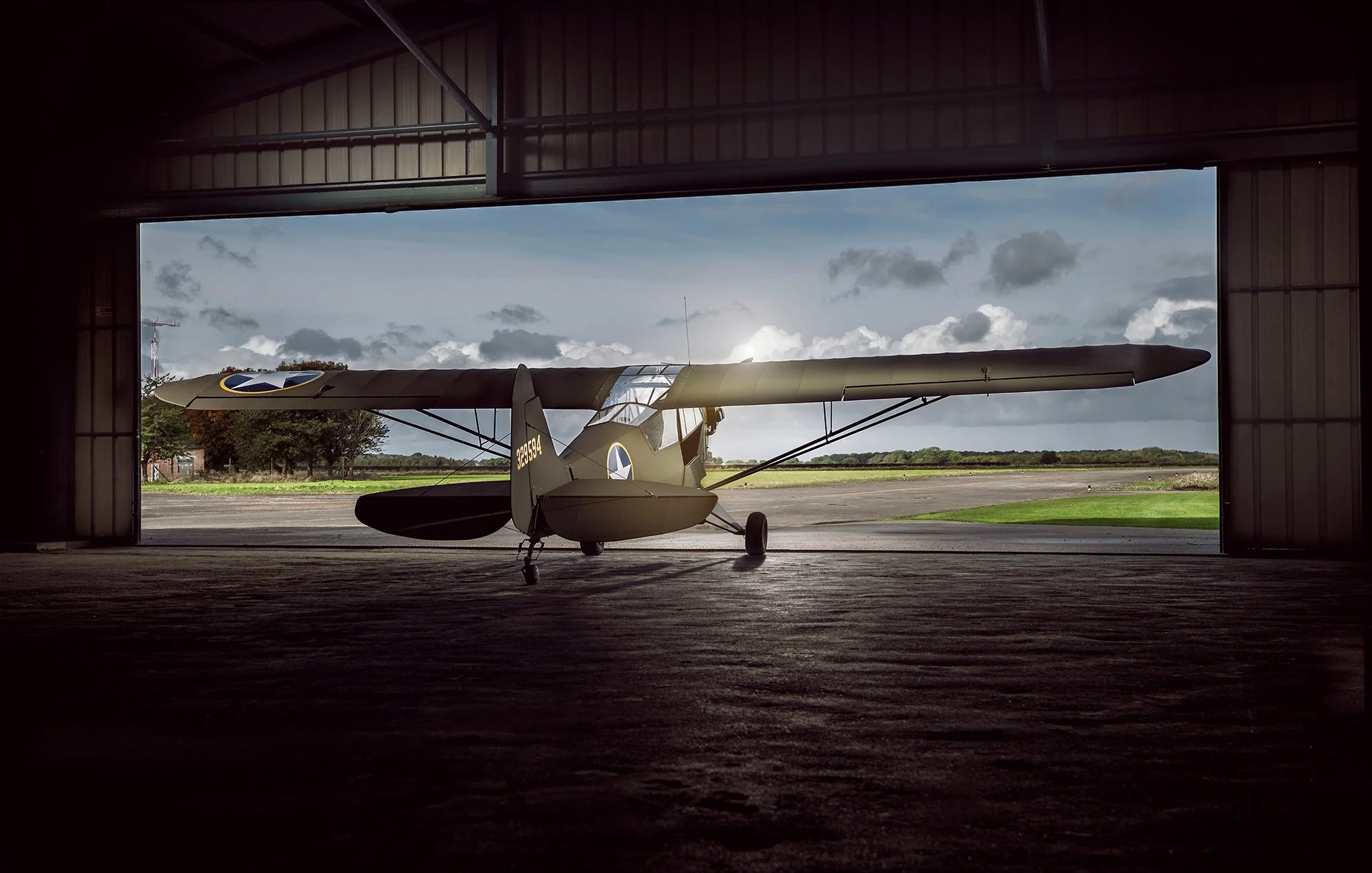
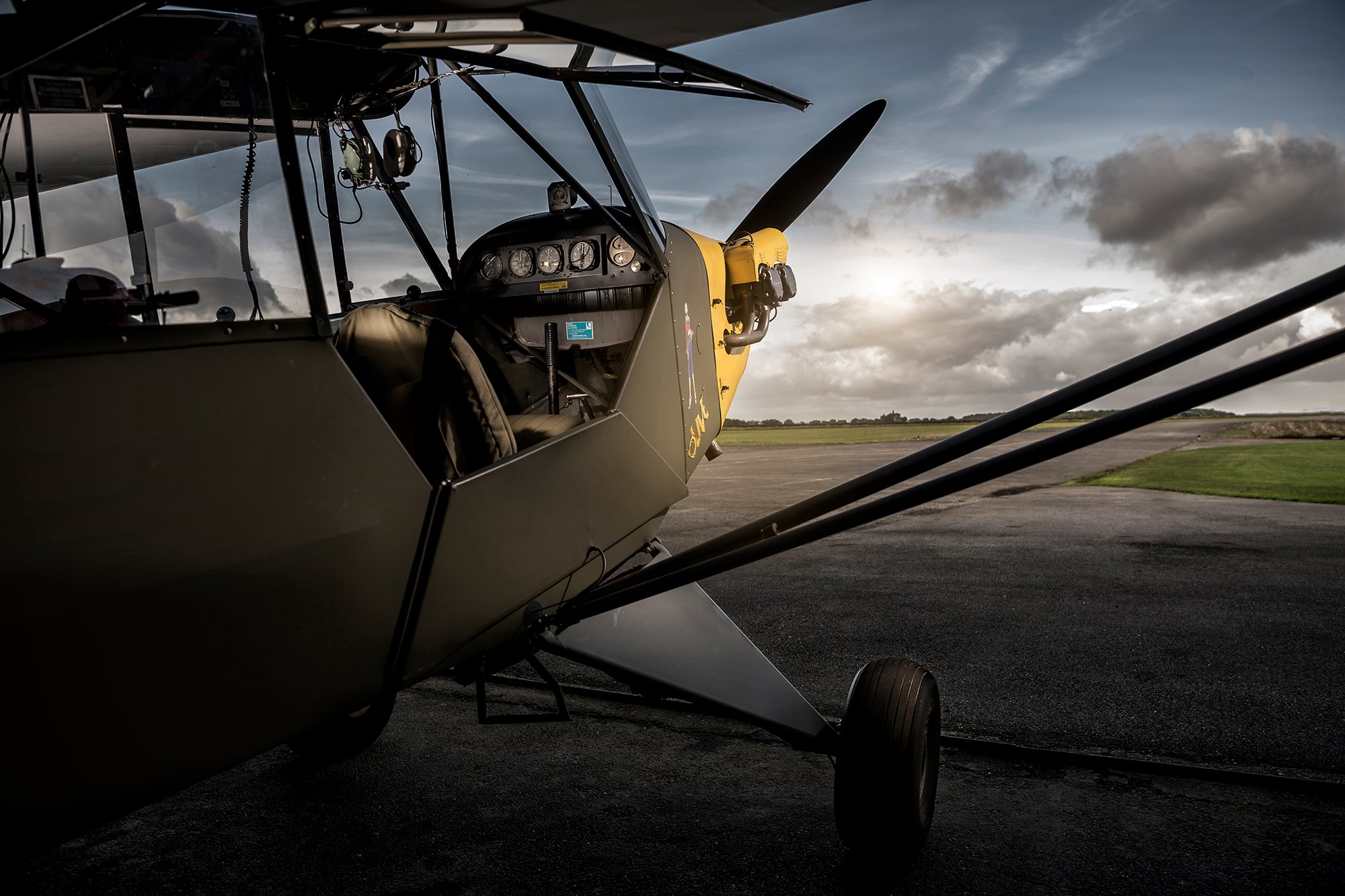
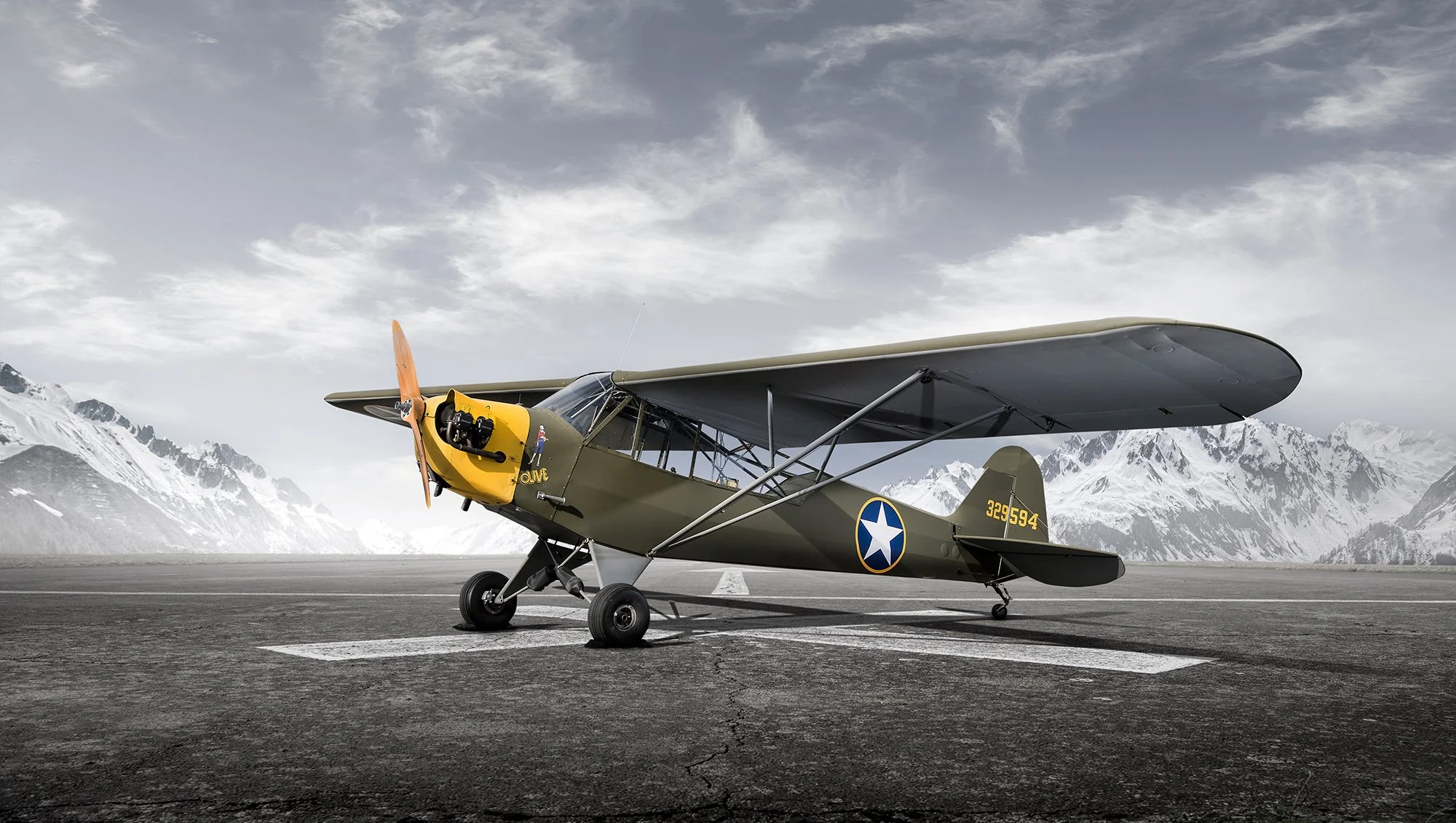
Piper Cub
The Piper Cub carried a remarkable wartime history despite its relatively modest appearance. Photographing it was about conveying simplicity, heritage and personality. Its lighter structure and distinctive yellow military markings gave the imagery a very different tone from some of the darker, more aggressive aircraft featured elsewhere in the series.
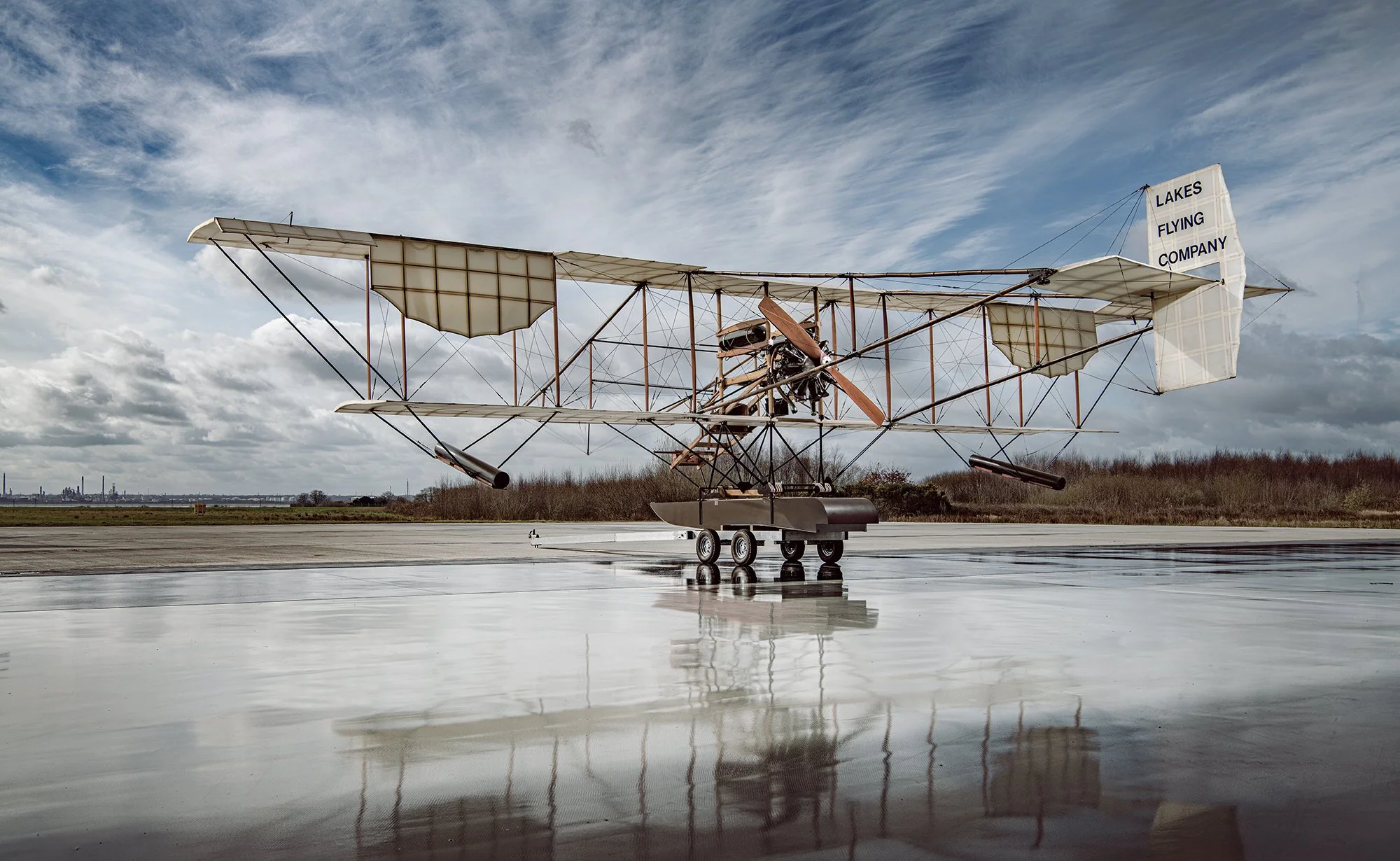
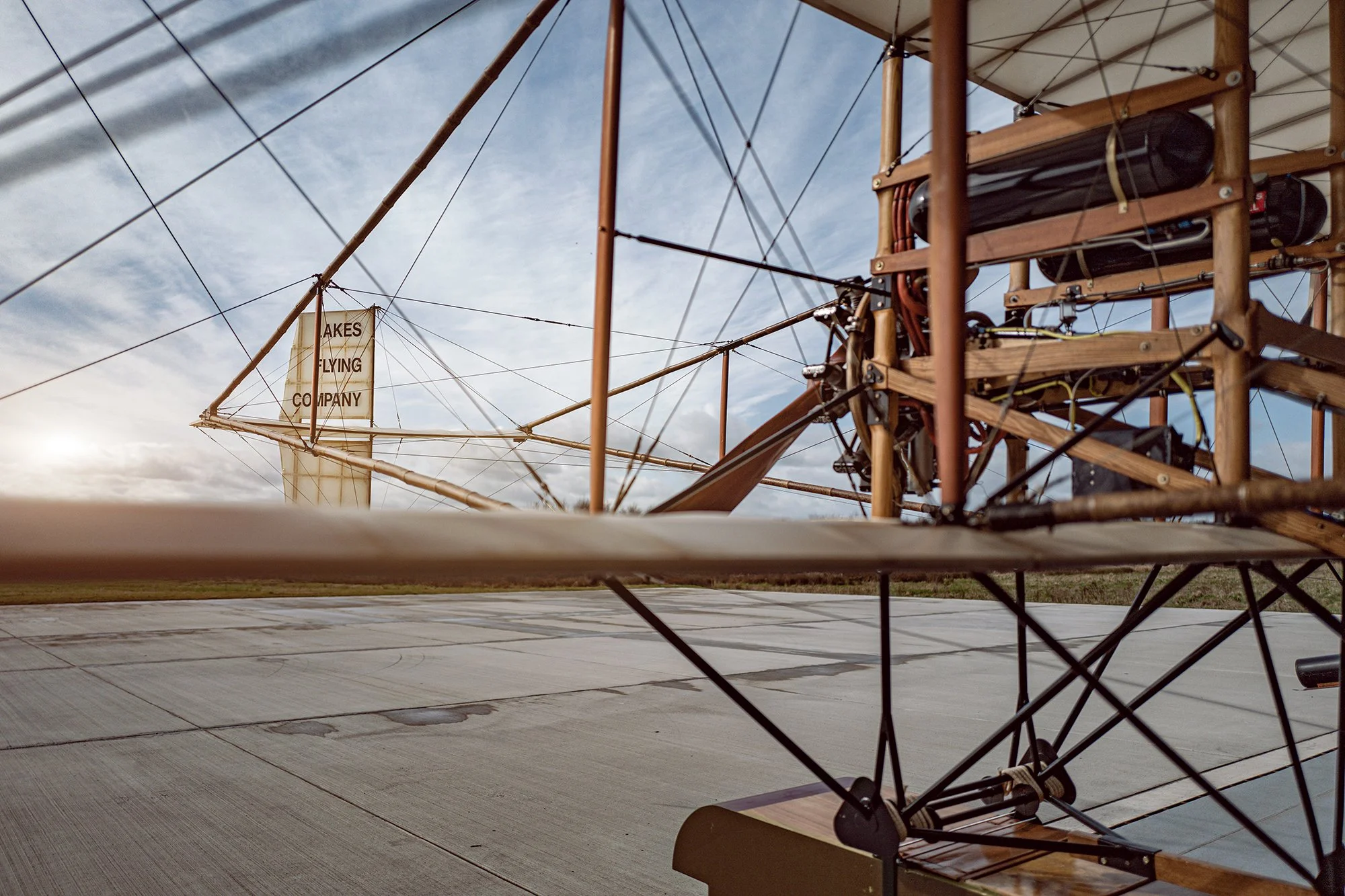
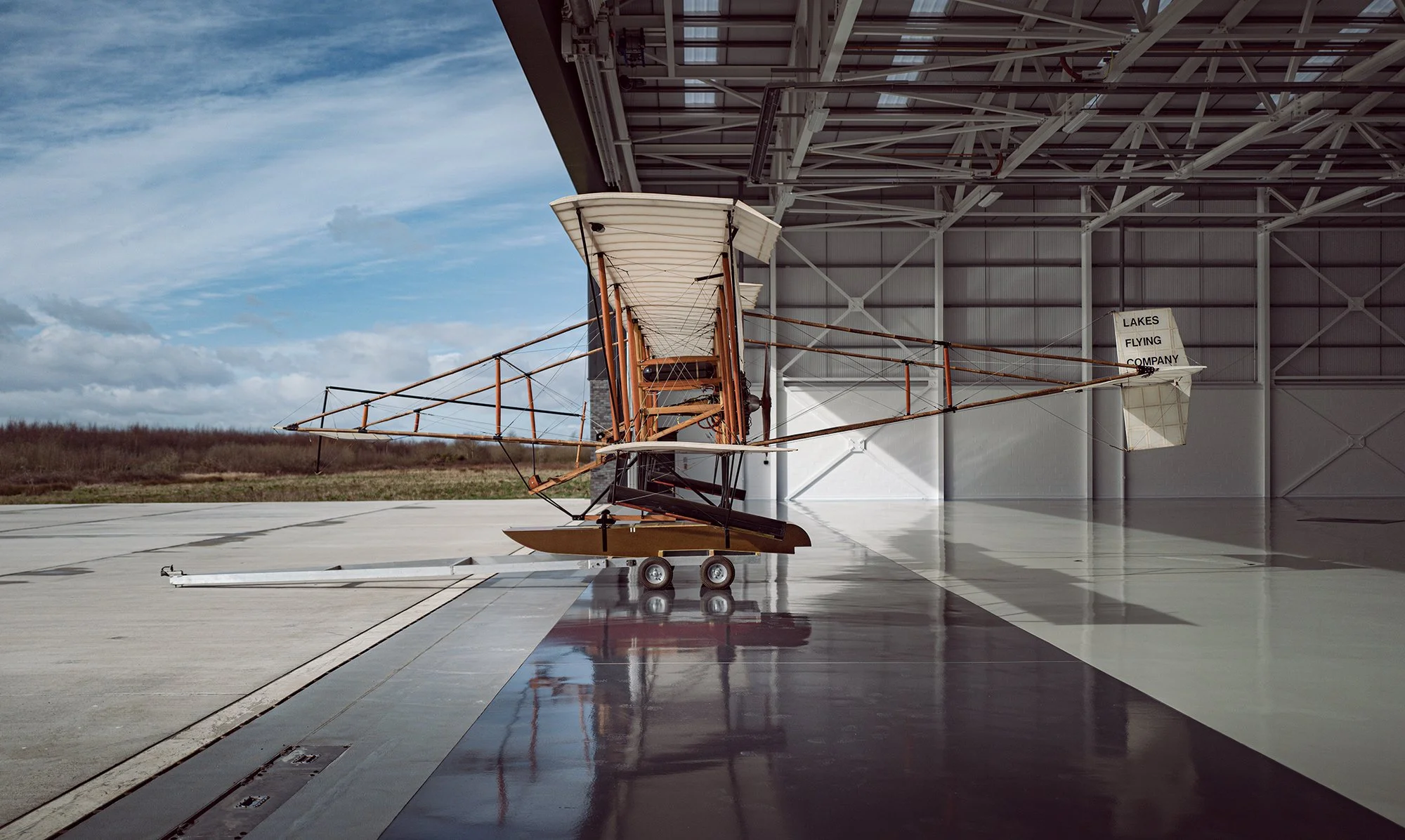
The Waterbird Seaplane
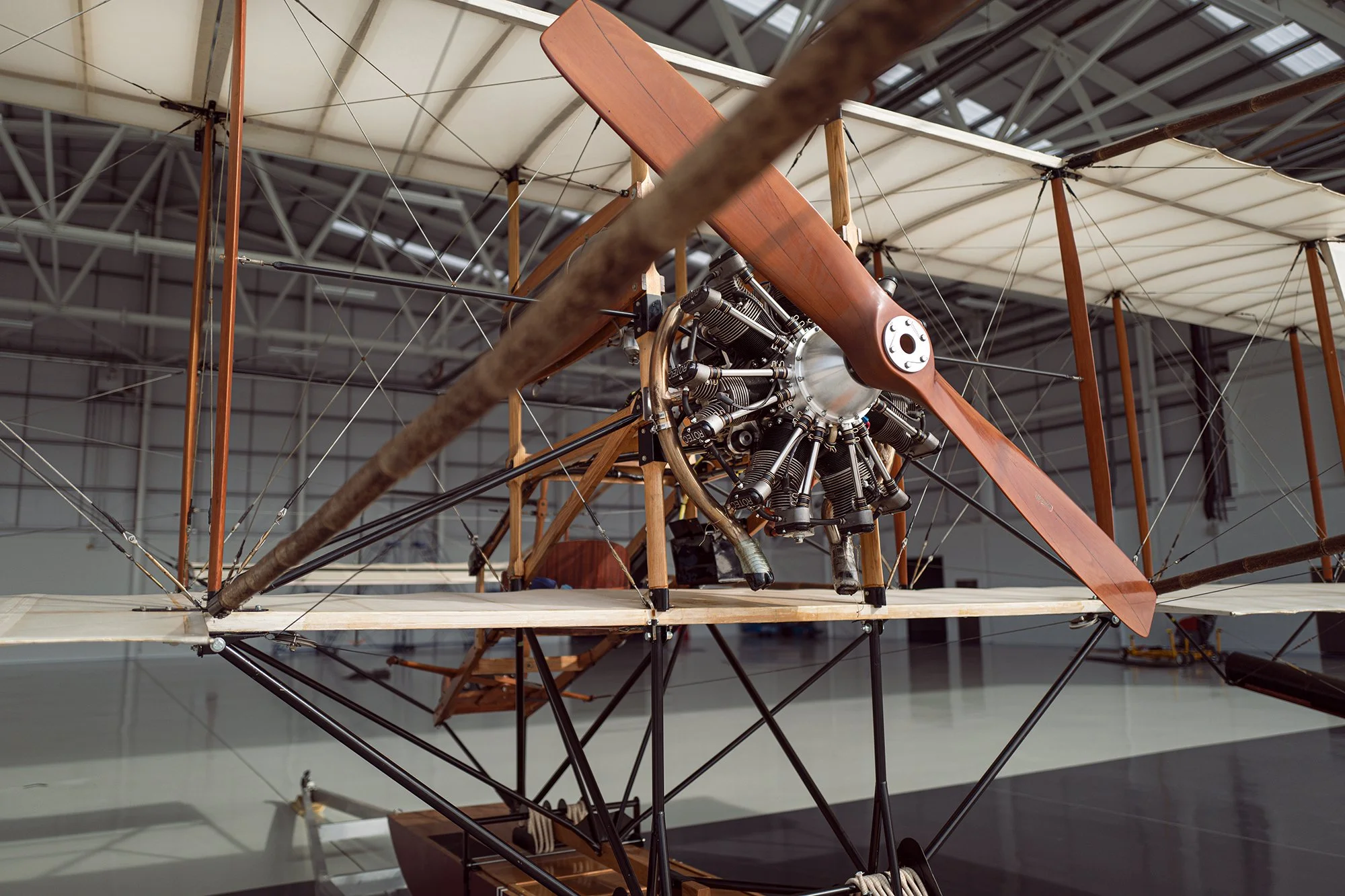
The Waterbird was one of the most unusual aircraft featured throughout the project and visually unlike anything else in the series. As a recreation of one of the Royal Navy’s earliest seaplanes, it carried an extraordinary sense of aviation history. The photography focused heavily on craftsmanship, engineering detail and the uniqueness of the aircraft itself.
'Waterbird' is a fully completed recreation of the famous aircraft that first flew on 25 November 1911, at Windermere, becoming the first aeroplane to successfully take off from and land on water outside of France and the USA. A truly majestic aircraft that was a privilege to spend time with and photograph.
This extraordinary variety of aircraft was one of the reasons the project became such a rewarding experience creatively. Every shoot demanded a completely fresh mindset, both technically and visually, and it was exactly this diversity that made it such a compelling production to work on and one that was completely enjoyable both professionally and personally.
Tight Deadlines and High Expectations
What many people perhaps do not see when viewing final commercial imagery is the sheer amount of pressure often attached to production schedules.
The Warbird Workshop project operated against extremely demanding deadlines because the imagery needed to be completed, processed and delivered in time for programme launches, marketing campaigns and international distribution. In practice this often meant travelling long distances, shooting full production days, managing post-production workflows immediately afterwards and preparing final assets rapidly for BBC delivery schedules.
Consistency also became critically important. Although each aircraft was unique, the overall visual style across the campaign needed to feel cohesive as a complete television series. Maintaining that consistency across ten aircraft, multiple locations and changing environments required careful planning and a disciplined creative approach throughout the project.
An Exhibition Launch in London
One of the most satisfying moments from the entire assignment came when the photography produced for the series was selected for exhibition display in London as part of the programme launch. Seeing the imagery presented publicly on a large scale was a fantastic moment, not only creatively but professionally as well. It reflected the confidence that the BBC production teams had placed in my work and demonstrated how strongly the photography had connected with the wider identity of the television series.
For me personally, it was also rewarding because it represented the culmination of months of hard work behind the scenes — the travel, planning, coordination and long production days that ultimately made the project successful.
Experience Matters on Projects Like This
Looking back on the Warbird Workshop project, what stands out most to me is just how much the assignment relied upon experience, adaptability and trust.
Producing high-end aviation photography is never simply about owning good camera equipment. Projects of this scale demand reliability, communication, creative direction, logistical organisation and the ability to consistently deliver under pressure. Working with the BBC team across this project was a genuine pleasure and I remain incredibly proud of the imagery we created together. The collaboration allowed me to combine my passion for aviation photography with the structured demands of major commercial production work — something that sits very much at the heart of what I do professionally.
Over the years I’ve always believed that the strongest commercial photography comes from understanding far more than just the visual side of the assignment. It comes from understanding the client, the production environment, the pressures involved and the wider purpose behind the imagery itself.
Warbird Workshop was a perfect example of that approach in action, and without doubt remains one of the most memorable aviation projects I have had the privilege to work on.