Inside SAR Operations
Working Within UK Search and Rescue Operations (SAR)
There are some areas of aviation photography where technical ability with a camera is only a very small part of what is required. Working inside live Search and Rescue operations demands something entirely different, a combination of operational understanding, safety awareness, trust and the ability to function seamlessly within highly disciplined environments where real-world emergencies unfold in real time.
For commercial photographer Tim Wallace, aviation photography has evolved far beyond simply photographing aircraft. Over many years he has built extensive operational experience working alongside HM Coastguard Search and Rescue teams, Bristow SAR operations and HEMS crews across the UK, documenting rescue aviation from within the heart of active tasking environments. This is not conventional aviation photography, there are no controlled conditions, no staged scenarios and no second takes. Rescue crews operate in environments where every movement has purpose and where operational readiness is everything. Aircraft can be tasked within minutes and crews may suddenly find themselves responding to incidents involving maritime emergencies, mountain rescues, cliff recoveries or urgent medical evacuations in severe weather conditions.



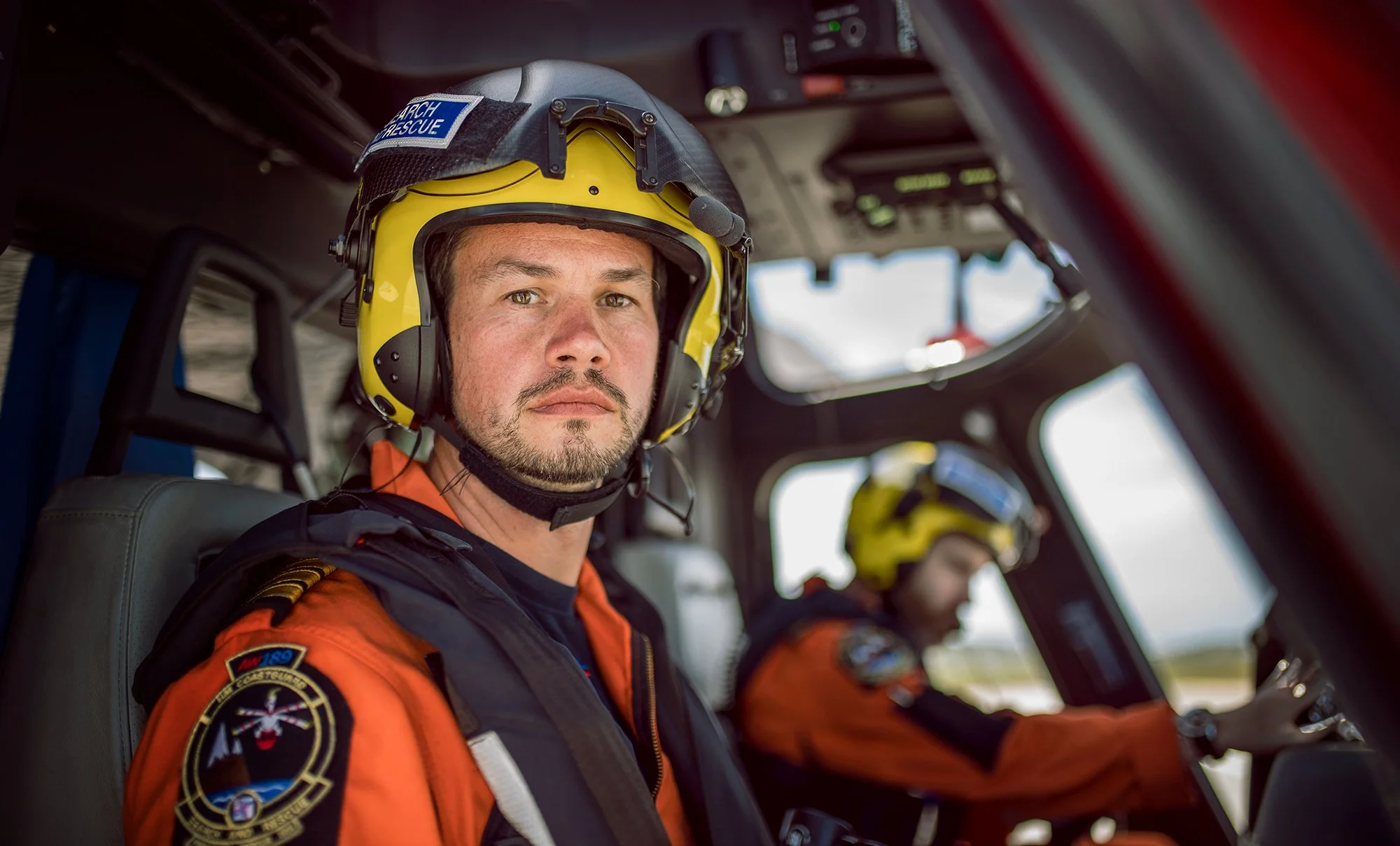
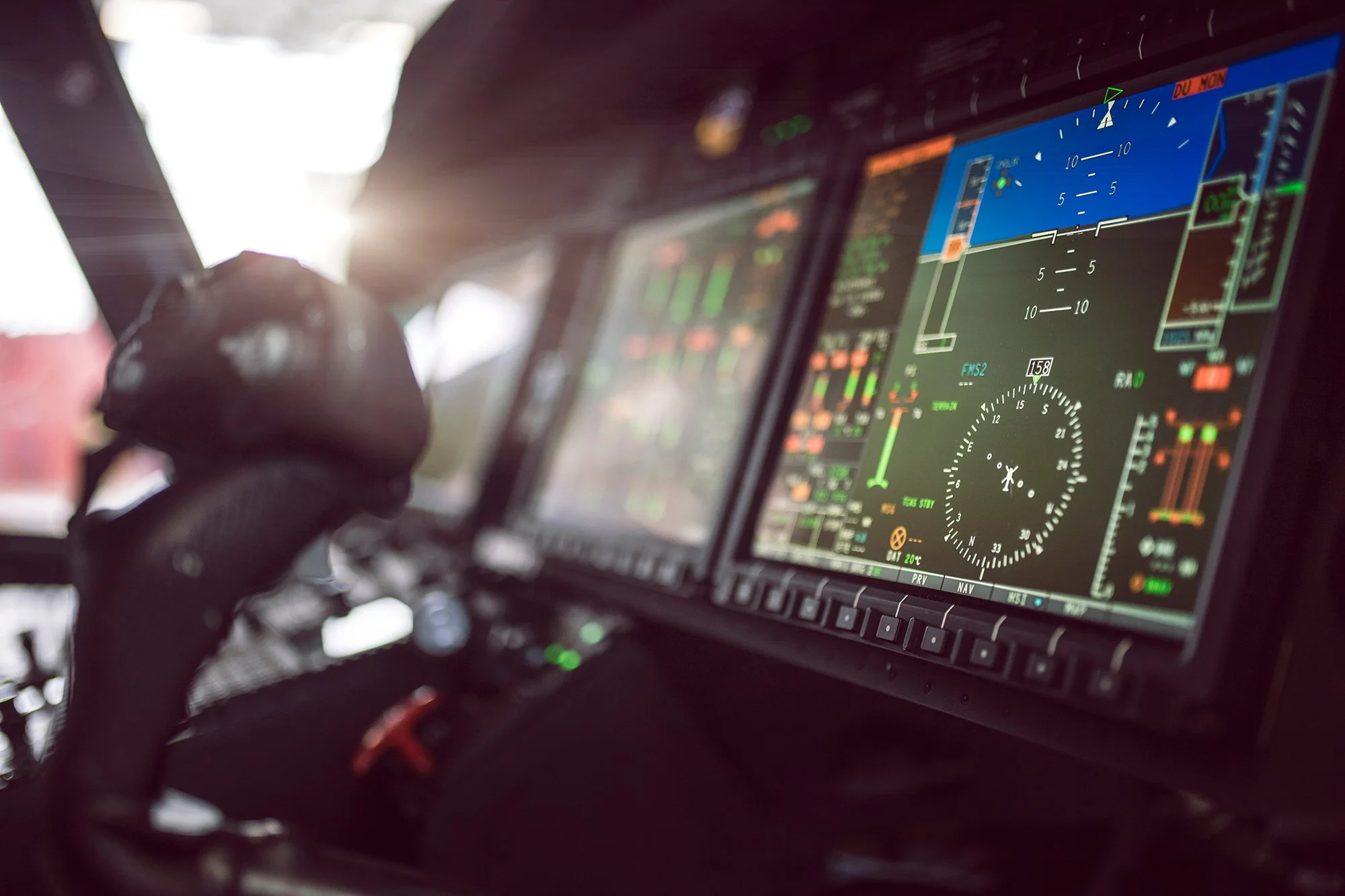


To work successfully in these situations requires far more than simply carrying camera equipment. It demands an understanding of crew operations, aircraft safety, communication procedures and the discipline required to operate around live helicopters safely and professionally, skills that Tim uses to work effectively with many of our aviation clients.
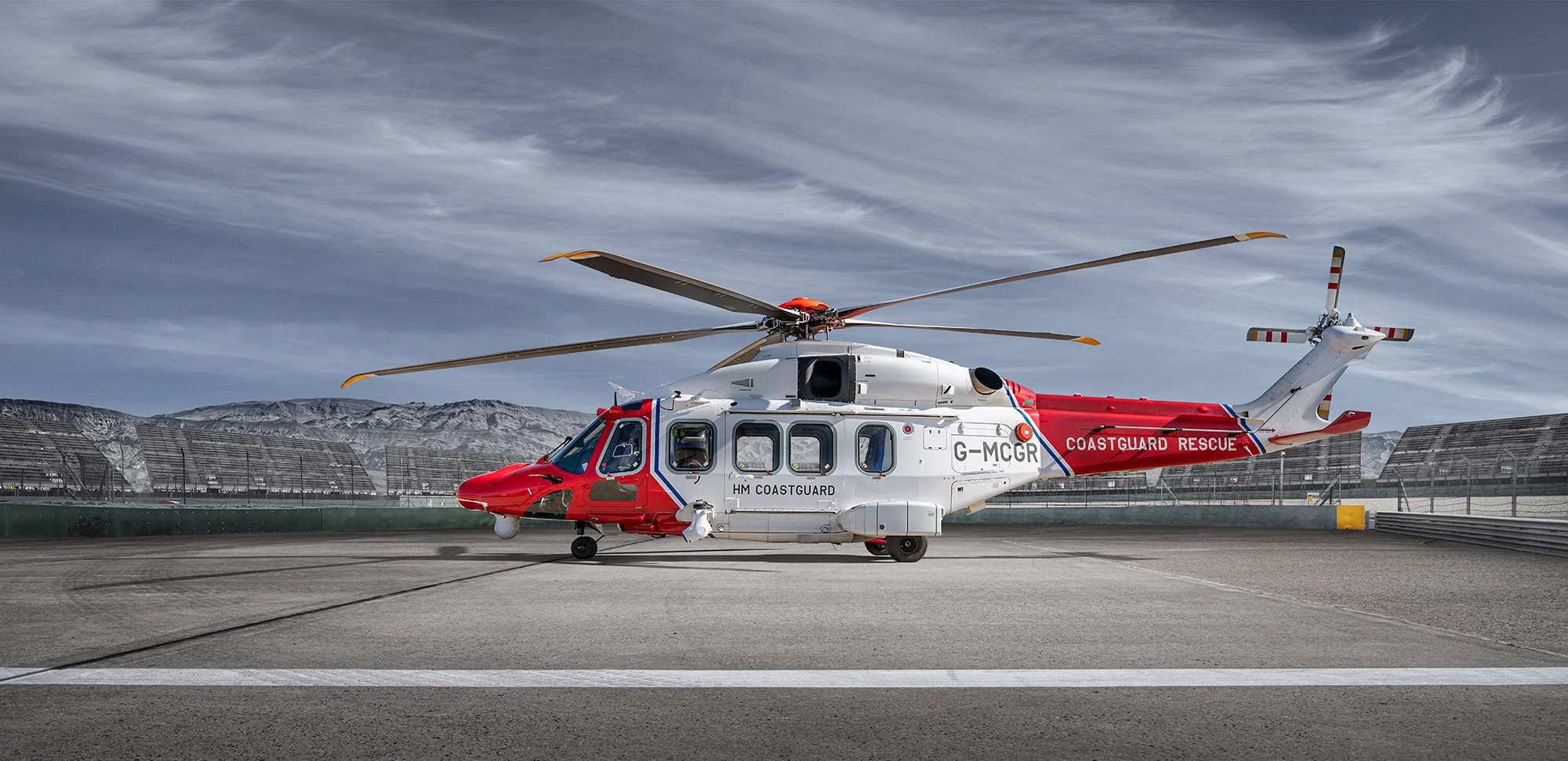
As a qualified and CAA-approved Technical Crew Member, Tim is able to immerse himself directly within these operational environments, both on the ground and airborne, while fully understanding the protocols and safety responsibilities required when working alongside rescue crews. This specialist training and operational experience allows him to document moments that few photographers ever gain access to, the atmosphere inside the aircraft during deployment, the intensity of crews preparing for launch and the professionalism displayed by teams operating under immense pressure.
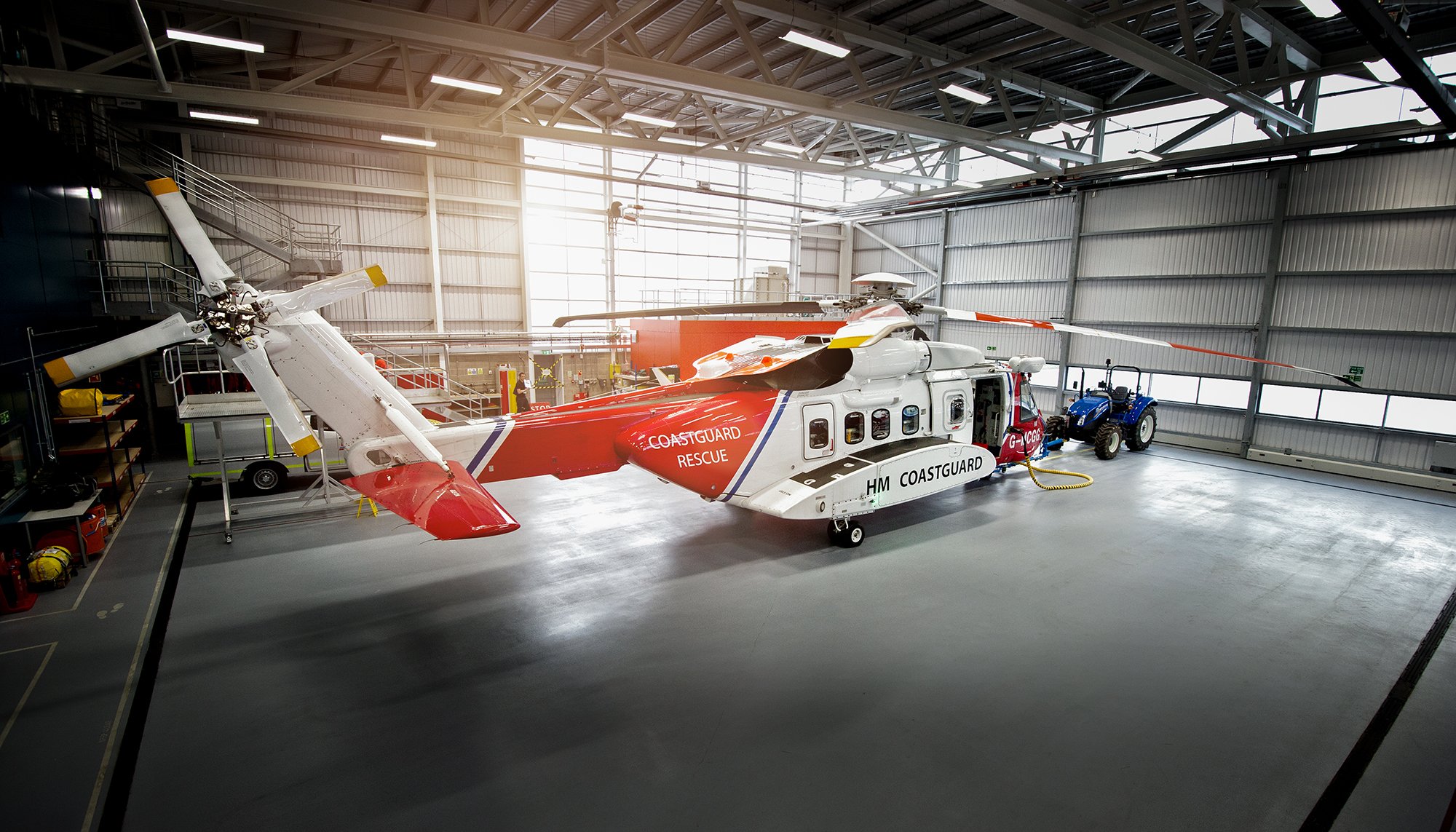
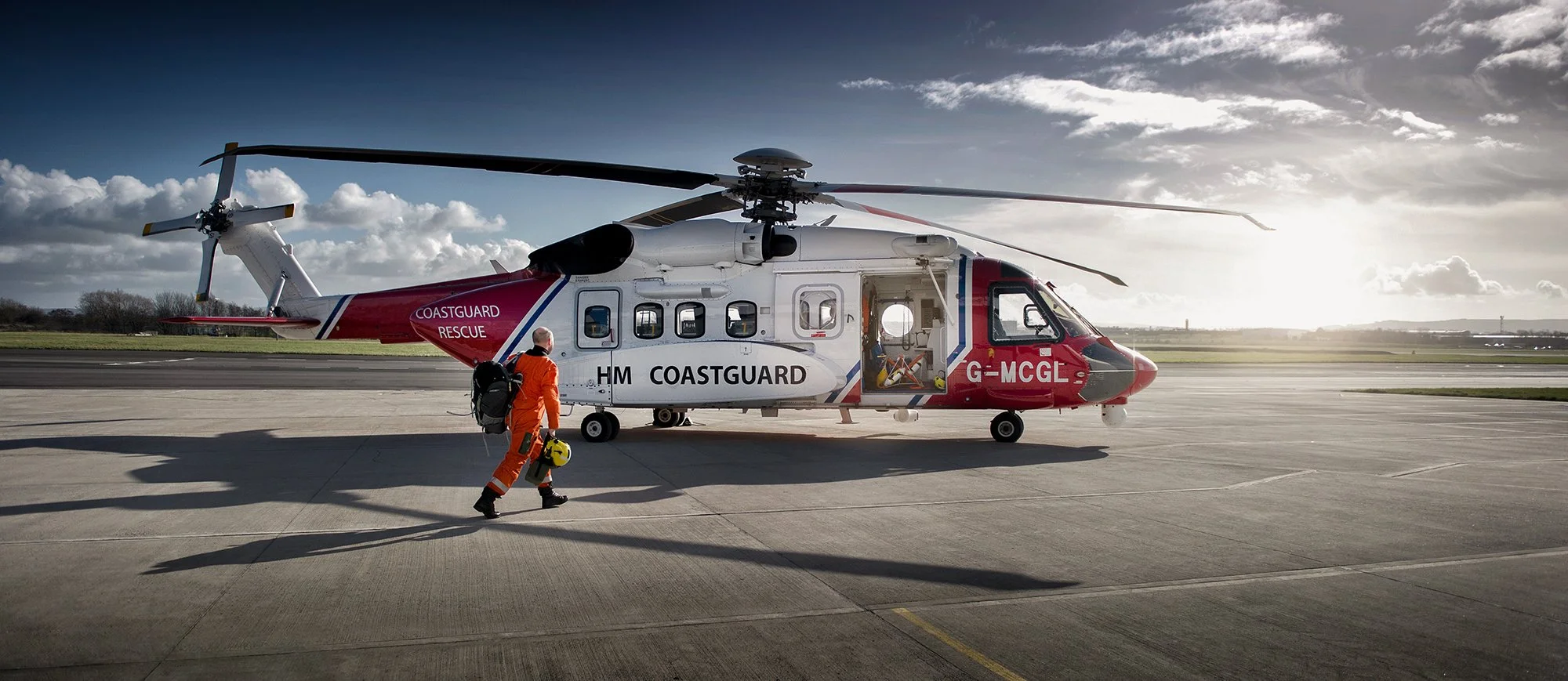
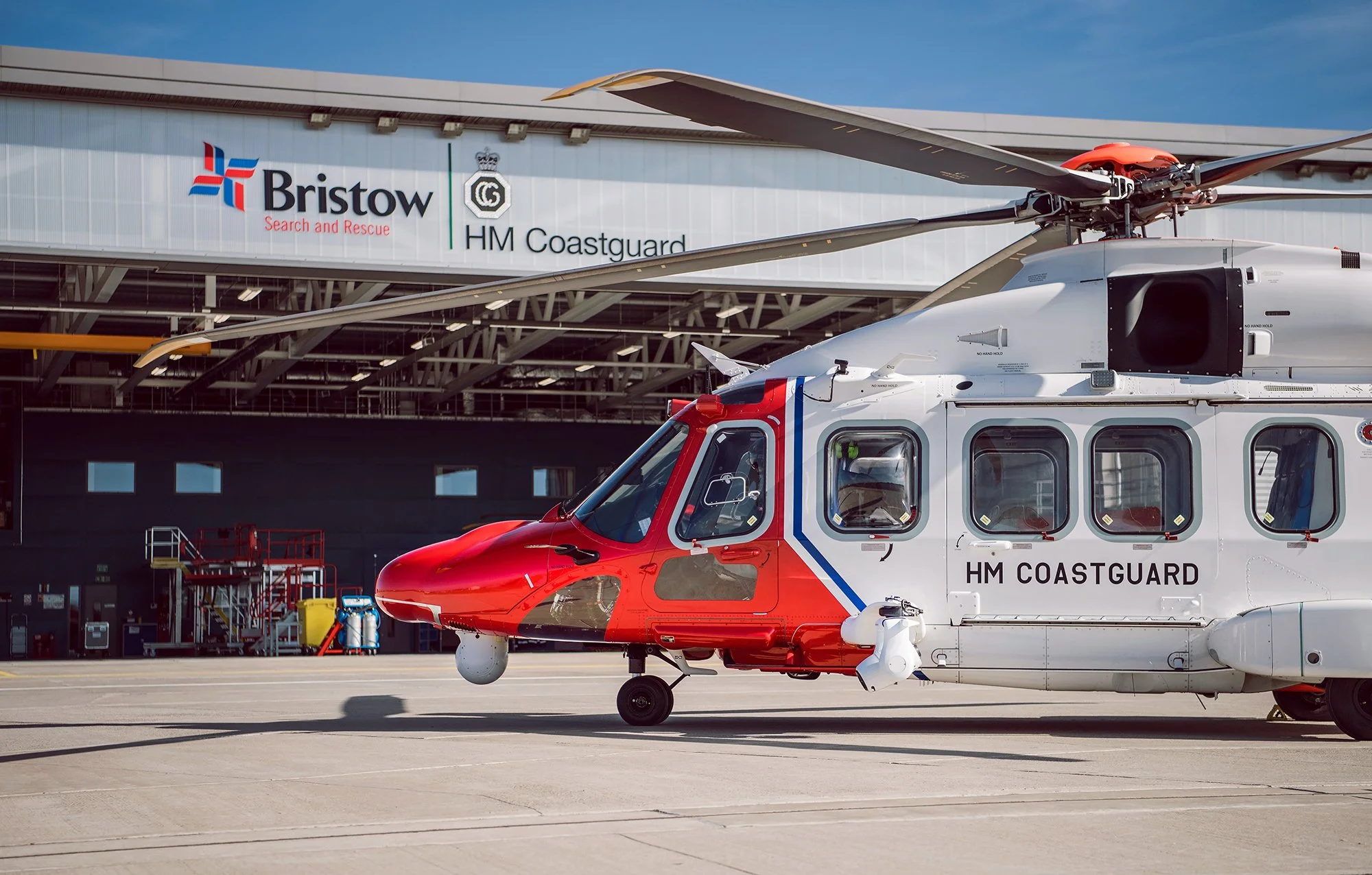
Some of his work has centred around HM Coastguard Search and Rescue operations in partnership with Bristow Helicopters, including extensive time spent with crews based at Prestwick in Scotland. These SAR operations form a critical part of the UK’s emergency response infrastructure, covering vast areas of coastline, remote terrain and offshore environments where rapid response capability can mean the difference between life and death.
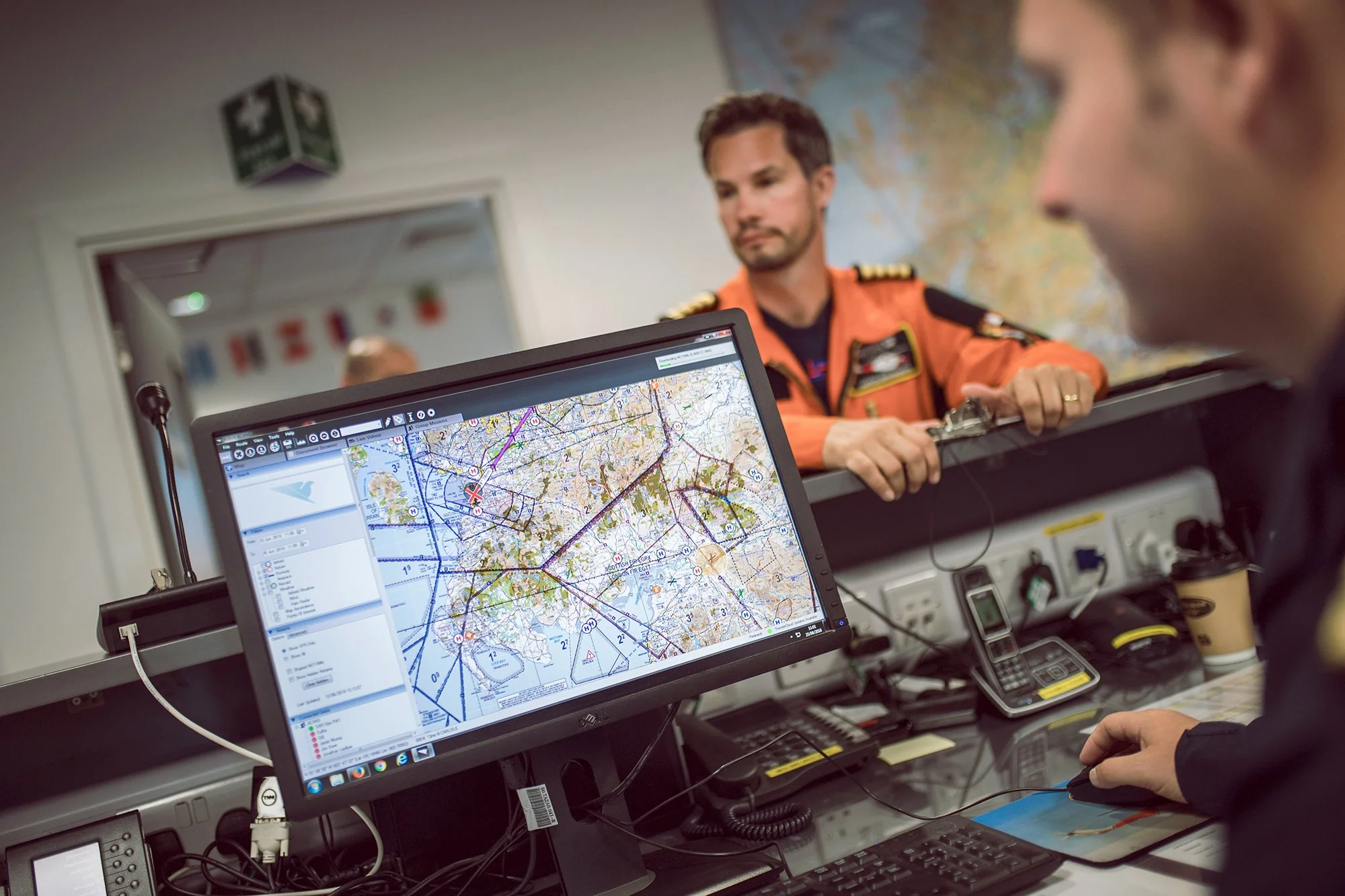
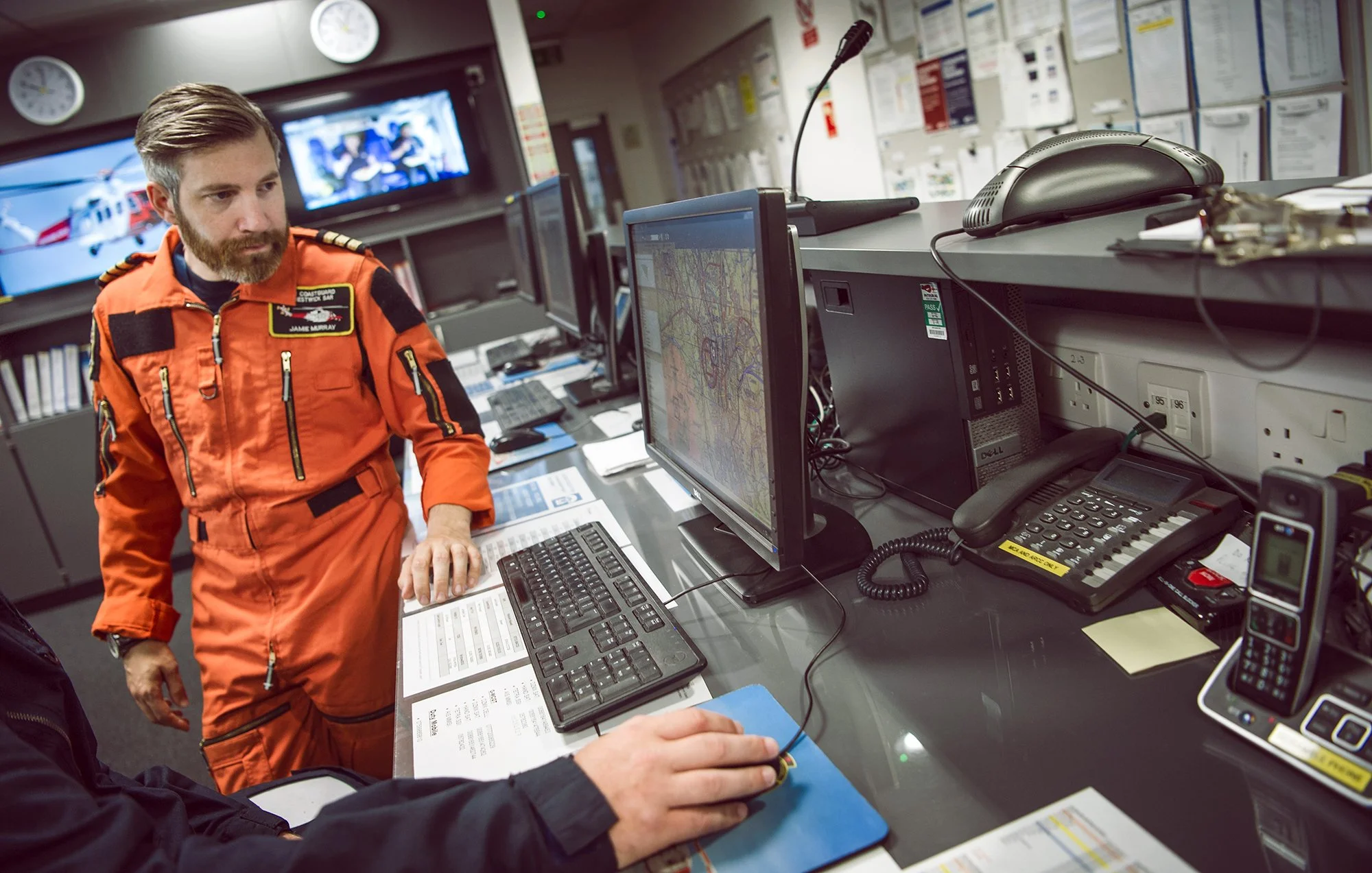
One of the defining characteristics of SAR operations is the unpredictability. A calm briefing room can instantly transform into a fully mobilised operational response within moments of an incoming call. Watching crews transition from routine readiness into complete operational focus is something Tim describes as both intense and deeply impressive.
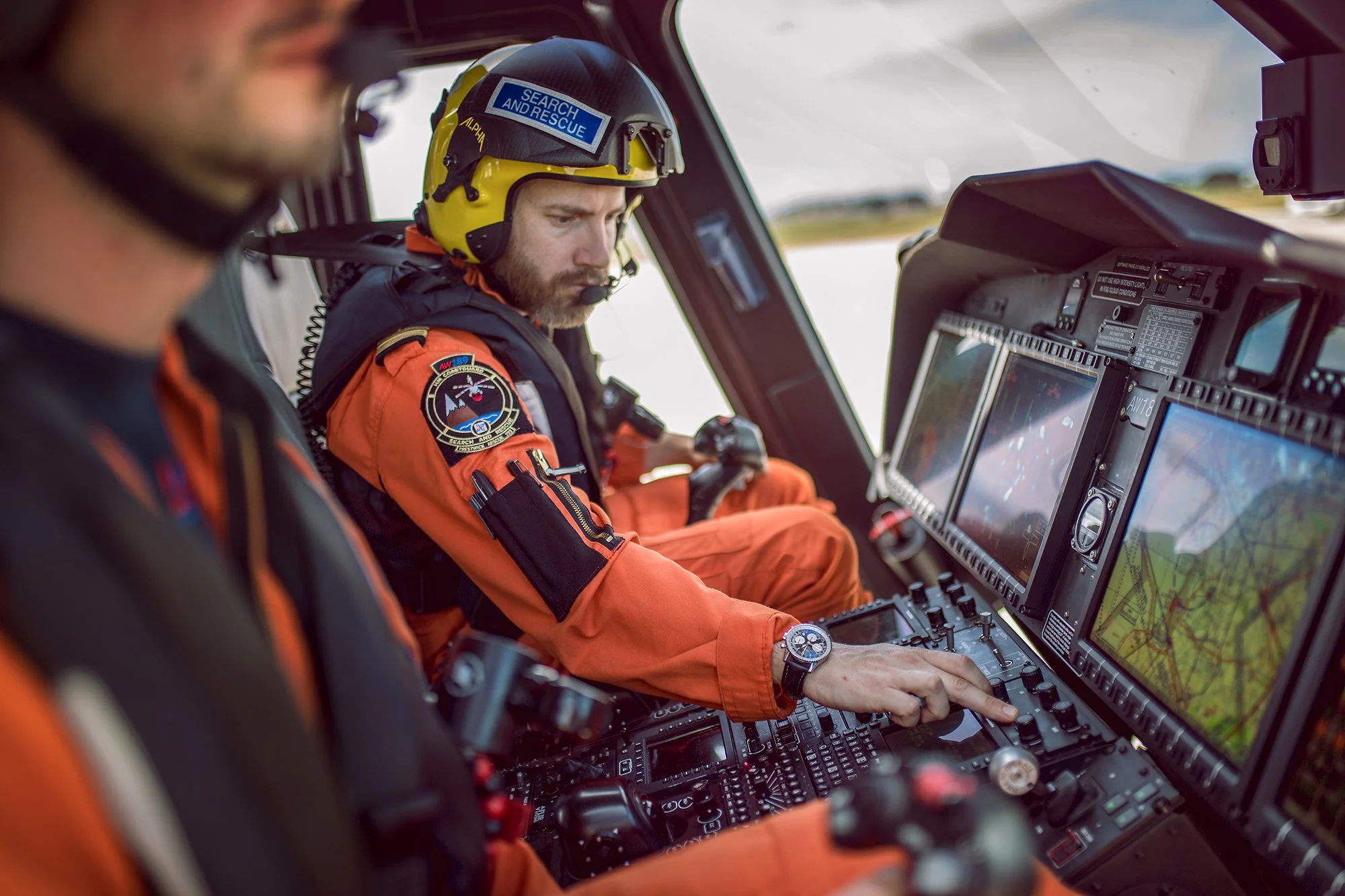
For him, the real story has never simply been the helicopters themselves. It is the people — the pilots, technical crew, winch operators and rescue specialists whose calm professionalism under pressure is remarkable to witness firsthand. That human element has become central to Tim’s aviation photography work. Rather than producing purely technical aircraft imagery, his approach combines documentary storytelling with high-end commercial photography, capturing authentic operational moments that reveal the reality behind modern rescue aviation.


Aircraft Built for Rescue
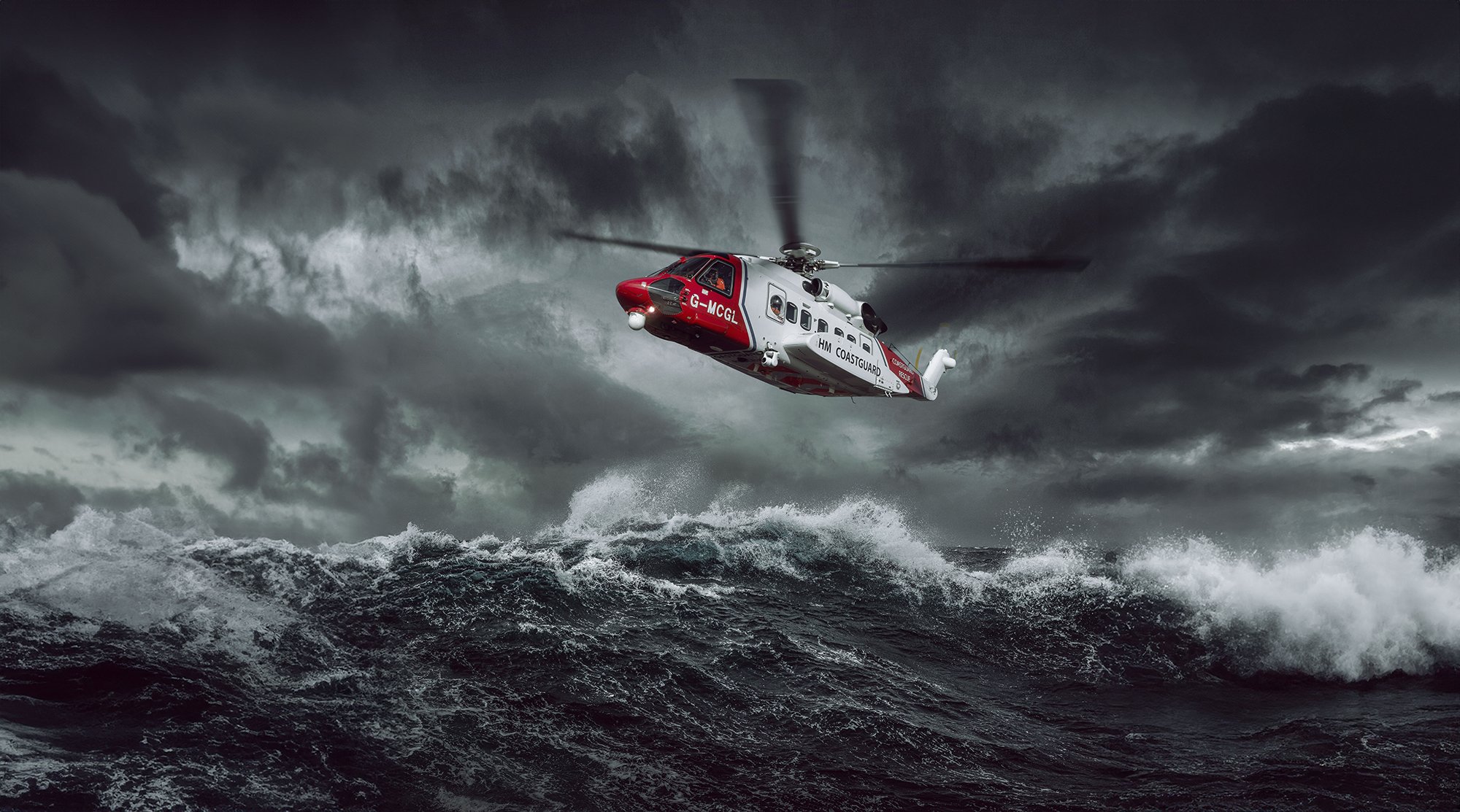
Working within Search and Rescue and HEMS environments has also provided Tim with extensive experience around some of the most advanced rescue helicopters operating anywhere in the world today. Over the years he has worked extensively around aircraft platforms including the Sikorsky S-92, Leonardo AW169, Airbus H135 and the Leonardo AW189, each aircraft specifically designed to perform within highly demanding operational conditions.
Every helicopter has its own personality, operational role and photographic challenge. Cabin space is often extremely restricted, communication between crew is constant and conditions can change rapidly once airborne. Lighting conditions inside rescue aircraft are rarely ideal and vibration, weather and operational movement all add further complexity when attempting to capture authentic imagery during live tasking. For Tim, this is where preparation and operational understanding become absolutely essential. Knowing where to position safely, understanding crew movement patterns and anticipating operational flow allows him to work efficiently without becoming an obstacle inside a fast-moving rescue environment.
One particularly significant chapter in UK SAR operations has been the transition from the Sikorsky S-92 platform to the Leonardo AW189 helicopter.
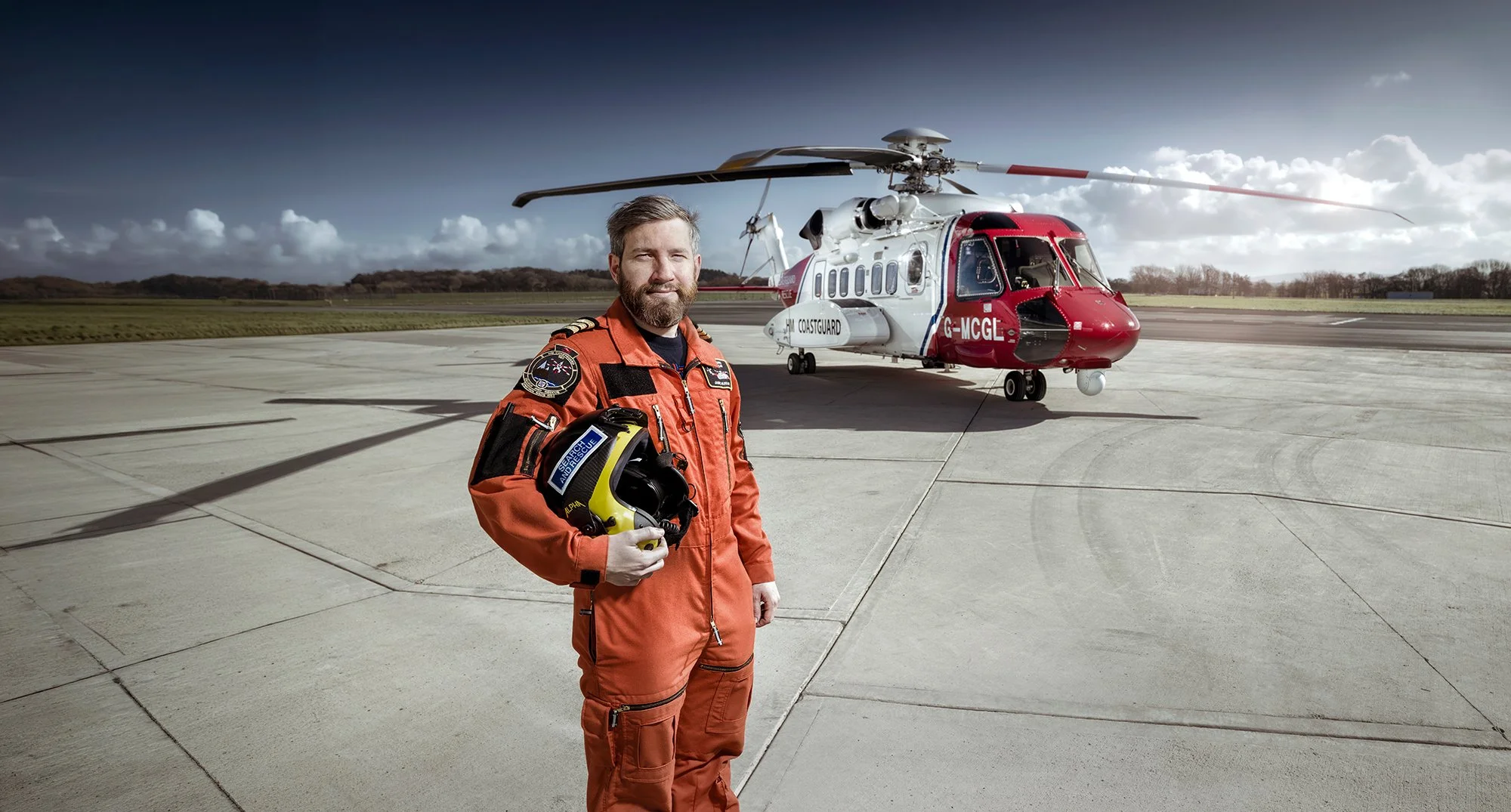
The AW189 is regarded as one of the most capable modern SAR helicopters in operation today, combining exceptional range, payload capability and agility. Built specifically to perform in harsh offshore and coastal conditions, it has become perfectly suited to the demanding UK Search and Rescue environment. Whether operating over the North Sea, mountainous regions or remote coastal terrain, the aircraft offers crews the flexibility and performance required to respond rapidly to a wide variety of rescue scenarios.
Photographing these helicopters during active operations provides an entirely different perspective from traditional aviation photography. The focus shifts away from static aircraft imagery and moves toward storytelling, documenting crews preparing equipment, pilots working through procedures, technical crew coordinating rescue systems and the atmosphere surrounding every launch. There is also an undeniable emotional intensity around Search and Rescue operations that naturally influences the imagery itself. These are not routine flights or commercial transport operations. Behind every launch is somebody in distress, often in extreme circumstances, and every crew member onboard understands the importance of the task ahead.
Tim’s work with HEMS and Air Ambulance operations has further strengthened this understanding of specialist aviation environments. Aircraft such as the Airbus H135 and Leonardo AW169 are widely used throughout emergency medical response operations and require strict adherence to aviation procedures and operational discipline at all times.
These experiences have allowed Tim to build a rare level of familiarity within emergency aviation environments, enabling him to operate naturally and confidently around crews who depend heavily upon teamwork, precision and trust.

Qualified To Operate
In highly specialised aviation environments such as SAR and HEMS operations, access is never simply granted because someone carries a camera. Operating around live aircraft, particularly during airborne tasking, requires extensive safety awareness, crew integration and formal aviation training that complies with current CAA regulations.
To maintain this level of operational capability, Tim regularly completes and updates a comprehensive range of aviation qualifications through Babcock International Aviation Training at Gloucestershire Airport in the UK. These qualifications are specifically designed for personnel operating within active helicopter environments and ensure that safety, communication procedures and emergency protocols are fully understood.
Current CAA-approved qualifications include:
HEMS Technical Crew Member Theory – Babcock Mission Critical Services Onshore | Aviation
Aircrew Fire and Smoke Training – EASA Regulation ORO.FC.230 and ORO.TC.115
Dangerous Goods Onshore (Helicopter) – EASA Regulation EC 965/2012 SPA.DG105 – IATA-DGR 62 Version
Crew Resource Management Training – Babcock Mission Critical Services Onshore | Aviation
Escape Door Training – Airbus Helicopter H135 / H145
Aircrew First Aid – Babcock Mission Critical Services Onshore | Aviation
These certifications are not simply administrative requirements. Within rescue aviation environments they are fundamental to operating safely and professionally alongside active aircrew and rescue personnel. From understanding emergency procedures and helicopter safety zones through to crew communication and airborne operational protocols, every aspect of training contributes toward being able to integrate effectively inside these highly demanding environments.
For Tim, this level of immersion is what ultimately allows the photography to feel authentic. Rather than observing from a distance, he is able to work within the operation itself, documenting genuine moments from perspectives rarely seen outside the aviation and rescue community. The result is a body of work that goes beyond traditional aircraft photography and instead captures the atmosphere, professionalism and human commitment that define modern Search and Rescue operations throughout the UK. It is aviation photography rooted not only in technical expertise, but also in operational trust, real-world experience and a deep respect for the crews who carry out these extraordinary missions every single day.