Visual Awareness
Most photography advice focuses on settings, lenses, and camera bodies, but the reality to creating compelling images lays in your visual awareness.

Photography Begins with Your Eyes, Not Your Camera
If there’s one idea that will accelerate your growth as a photographer more than any new lens, body, or accessory, it’s this: photography begins in understanding what your eyes are seeing long before it is executed through a camera. Many photographers equate improvement with equipment. They study menus, read reviews, compare specifications, and assume mastery will follow ownership. In reality, none of that teaches you how to recognise a photograph when it’s forming in front of you.
The true craft lies in noticing light, managing visual chaos, anticipating fleeting alignments, and understanding how elements relate within a frame. By the time you lift the camera, the photograph should already exist in your mind. The device in your hands is simply a tool to record a decision you have already made.
If you want to improve quickly, dramatically even, train your vision, not your gear obsession. These five principles will do far more for your photography than any upgrade ever will.


1. See Light, Not Objects
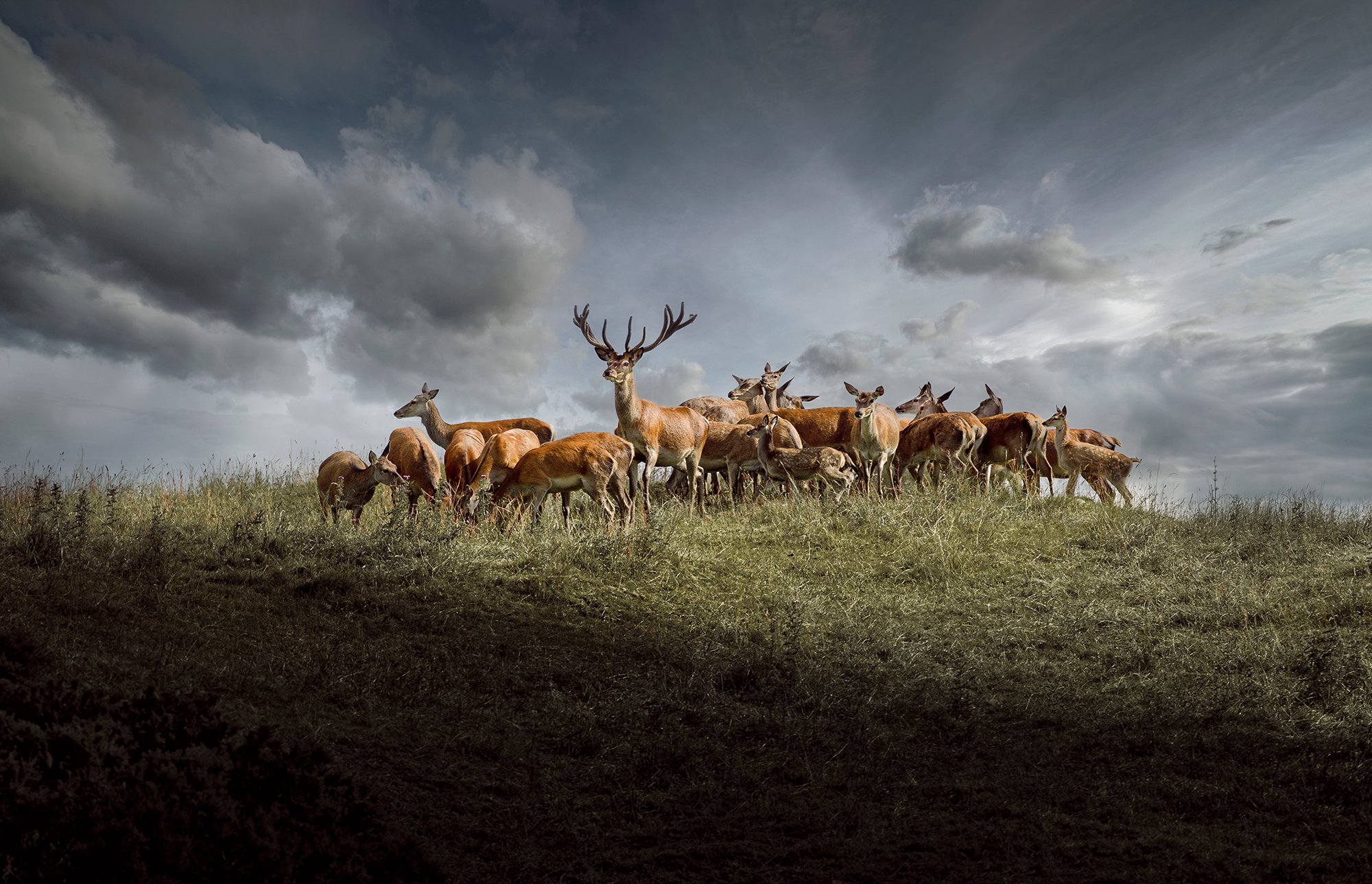
Beginners hunt for subjects. Experienced photographers hunt for light.
Light is what shapes form, creates depth, reveals texture, and establishes mood. Without compelling light, even the most extraordinary subject becomes visually dull. With beautiful light, the ordinary becomes powerful.
Instead of asking, “What should I photograph?” start asking, “Where is the light doing something special?”
Look for edges of illumination, shafts of sun, reflections, silhouettes, glow, contrast, softness, drama. Once you find that light, don’t rush off searching for a subject. Stay there. Let life move through the light rather than chasing life itself. You are not photographing things, you are photographing how light describes those things.
People who know me will remember that one of my big principles is “shoot what it feels like, not what it looks like.”


2. Take Control of the Background
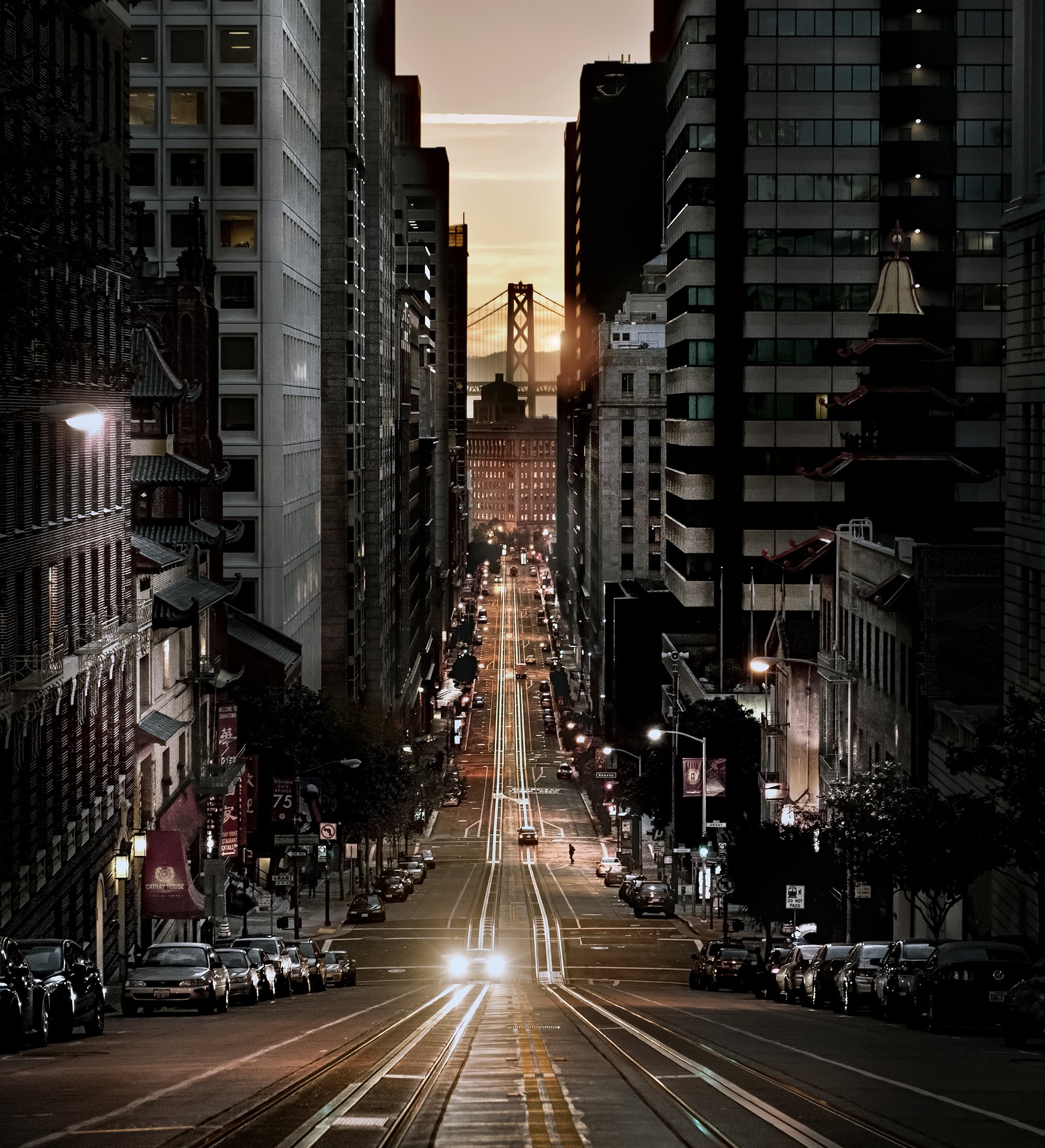
A strong subject can be destroyed by a careless background. In fact, most weak photographs fail not because the subject was uninteresting, but because the environment behind it was ignored. Your role as a photographer is not to passively accept what’s in front of you. Your role is to organise the scene.
Often the solution is astonishingly simple: move. Shift a step left, right, forward, or back. Change height. Reframe. Eliminate distractions. Seek clean lines and separation.
This is vision in action, understanding that composition is not found, it is constructed.
Great photographers don’t just see what’s there; they see what the frame could be with a small adjustment.
3. Stay Longer Than Everyone Else
Modern photography culture encourages speed, shoot quickly, move on, collect images. But meaningful photographs often emerge from patience, not urgency.
Most people glance at a scene and leave. Professionals linger. When you remain in one place, you begin to notice patterns: how the light shifts, how people move, how shapes align and dissolve. Eventually, there comes a brief moment when everything clicks into place, subject, light, geometry, atmosphere.
That moment rarely announces itself. It rewards those who wait. The difference between a forgettable image and a remarkable one is often measured in seconds of additional attention.





4. Use Limitations to Sharpen Your Vision
Paradoxically, unlimited options weaken perception. When you have every focal length, every location, and every possibility available, your eye becomes lazy.
Constraint forces engagement.
It is not uncommon for me to shoot with a single camera and just one lens. Sure I have many options in my case for other lenses but each has its values and give a different feel to an image. Work with one lens for a day. Photograph the same location repeatedly. Limit yourself to a single subject or type of light. These boundaries compel you to solve visual problems creatively instead of relying on equipment to do it for you.
When you can’t change tools, you must change how you see.
Many legendary photographers spent decades working with minimal gear because they understood that consistency of vision matters far more than variety of equipment.
5. Learn What to Leave Out
Photography is an act of exclusion as much as inclusion. Every element inside the frame competes for attention. Anything that does not strengthen the image weakens it.
Your responsibility is to edit reality before pressing the shutter.
Ask yourself: Does this element support the story, the mood, or the structure? If not, reposition, wait, simplify, or remove it from the composition altogether.
A powerful photograph often feels effortless precisely because the photographer has removed everything unnecessary.




The Real Conclusion: Decisions Make Photographs
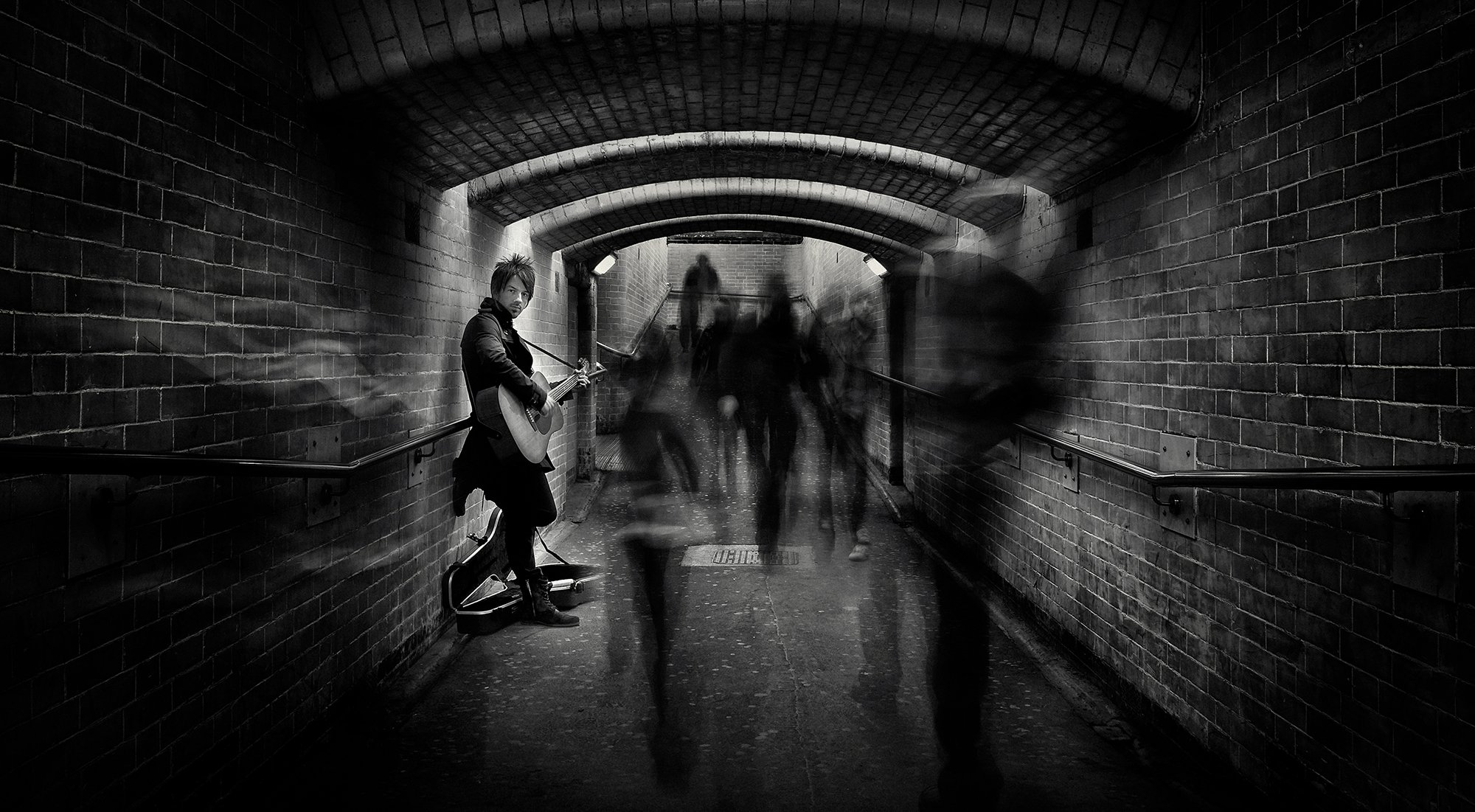
The camera does not create the photograph, the decision does
The camera records, your eye selects, your mind interprets, your patience refines, your judgement decides.
When you stop thinking of photography as operating a device and start treating it as an act of visual awareness, your work changes.
You begin to anticipate rather than react. You design rather than capture. You see photographs forming before they exist.
Final Example
“I didn’t take this because there was helicopter. I took it because of the light, the sense of calm, and the warmth of the setting sun that didn't exist ten minutes earlier.
Most people saw helicopter on a helipad; I waited for the right moment to give the image the feeling I wanted to convey.”
That is the essence of photography: not recording what is there, but recognising when what is there becomes more meaningful.