Photographing the Legendary Spitfire
Ten Years of Aviation Photography, Restoration and Preserving a Flying Legend
Origin of the Name: Came from Sir Robert McLean, the chairman of Vickers Aviation, who often called his spirited, feisty young daughter, Ann, a "little spitfire"
There are very few aircraft that have the ability to stop people in their tracks quite like the Supermarine Spitfire. Even today, more than 80 years after it first took to the skies during the Second World War, the Spitfire continues to capture the imagination of people from all walks of life. For some, it represents an important part of British history, for others it is a remarkable piece of engineering, while for many it is simply one of the most beautiful aircraft ever designed. Recognised by many as a perfectly balanced aircraft the Spitfire is legendary.
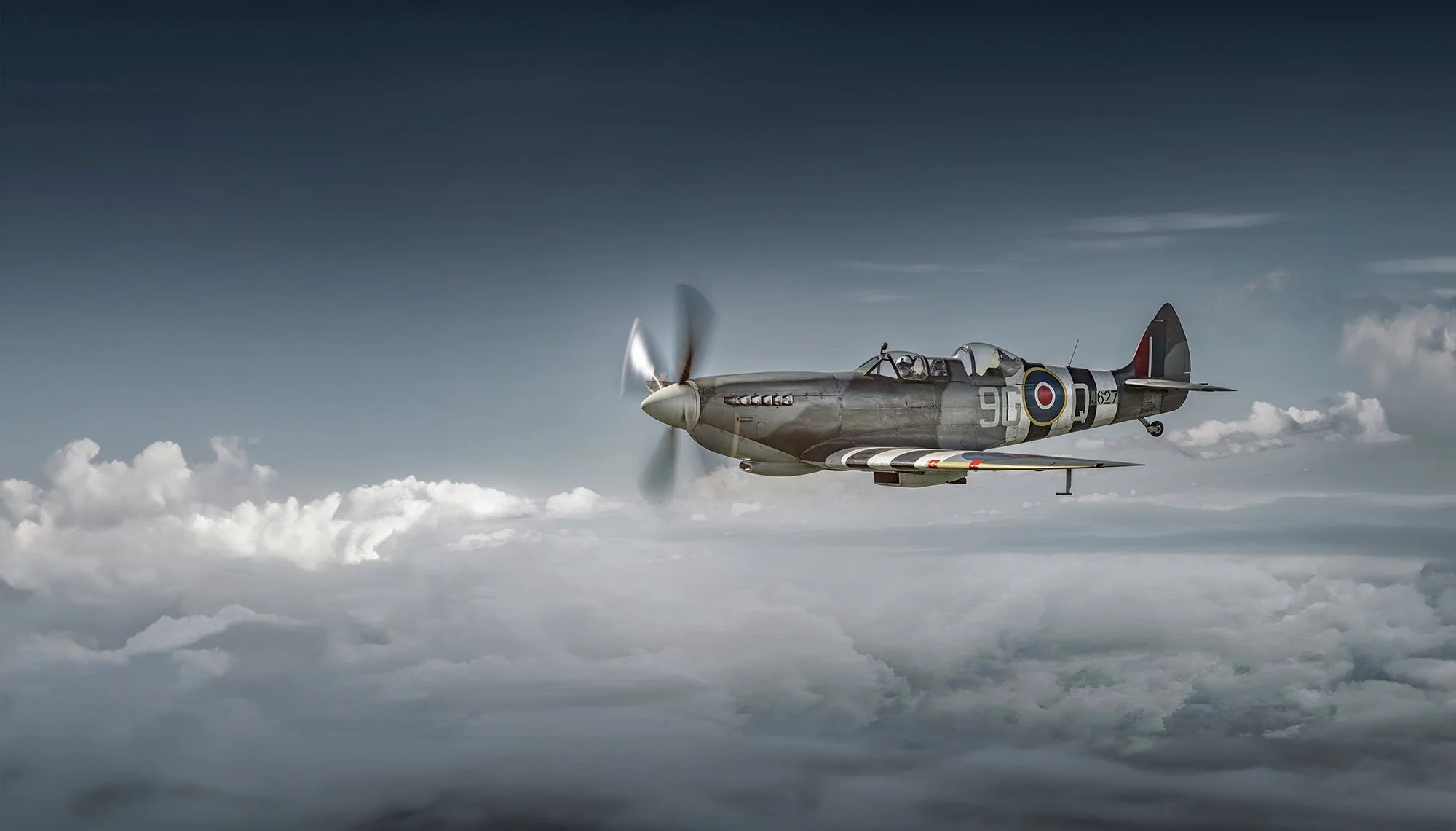
Over the past ten years, I have been fortunate enough to photograph a number of these remarkable aircraft, working with companies involved in everything from restoring Spitfires to their former flying condition through to offering members of the public the opportunity to experience a flight in one. It has been a particularly enjoyable part of my aviation photography work, not only because of the aircraft themselves, but also because of the interesting commercial challenges that come with producing photography for an industry that has such a strong emotional connection with its subject. As a commercial aviation photographer, my role is not simply to photograph an aeroplane and make it look attractive. The images I produce need to help businesses communicate what they do, tell their stories and, ultimately, encourage people to engage with their services. With the Spitfire, that responsibility is particularly interesting because the aircraft already carries such an extraordinary story of its own.
Photographing an Aviation Icon
One of the things I have always enjoyed about photographing Spitfires is that no two assignments are quite the same. Although the aircraft may be familiar, the circumstances surrounding each shoot can be very different. Sometimes I am photographing an aircraft in flight, sometimes working around a busy airfield, and on other occasions spending time inside a restoration facility documenting the engineers and craftsmen responsible for bringing these historic machines back to life.
My work with organisations including Biggin Hill Heritage Hangar and The Spitfire Company has given me the opportunity to photograph different aspects of the Spitfire world.
This has included producing imagery for commercial websites, marketing campaigns, flight experiences and the restoration facilities themselves.
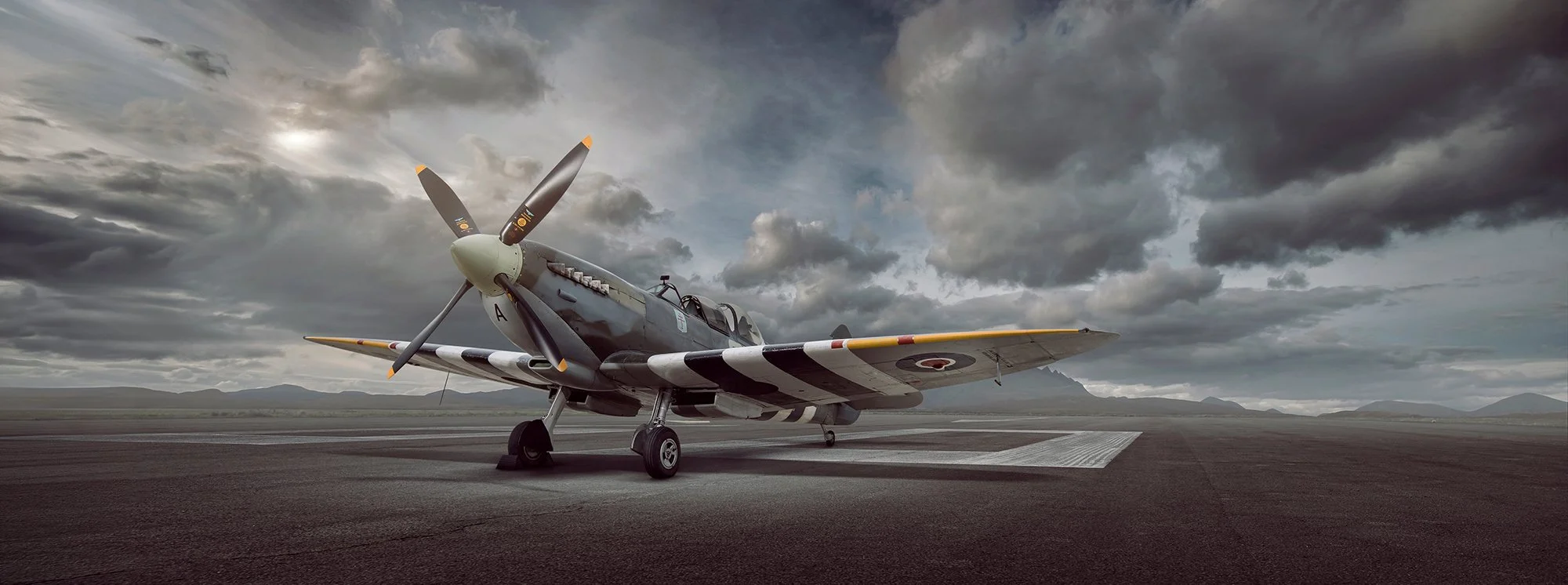
There is a considerable amount of preparation involved in this type of aviation photography, particularly when working at an operational airfield. Unlike a conventional location shoot, where I might have a degree of control over the environment, an active airport or airbase is a working environment with its own operational requirements. Aircraft movements, runway access, ground crews, pilots and air traffic control all have to be considered before a camera even comes out of its case.
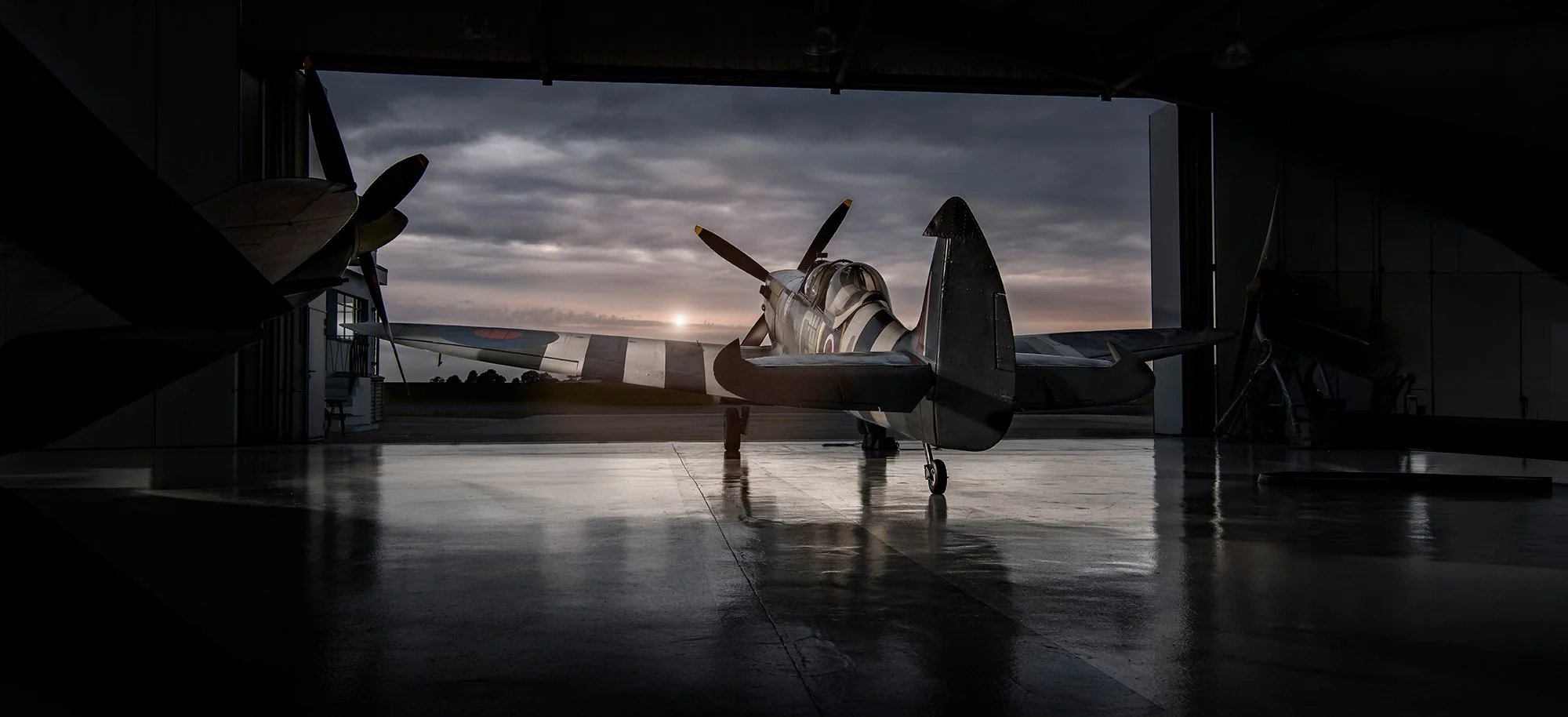
Photographing an aircraft on or close to a live runway is something that requires careful coordination. Access permissions, safety briefings, vehicle movements and timings all need to be agreed in advance, often with several different departments involved. There are occasions when a particular photograph might only be possible within a very small window of opportunity, meaning that everyone needs to understand the plan and be ready to work together.
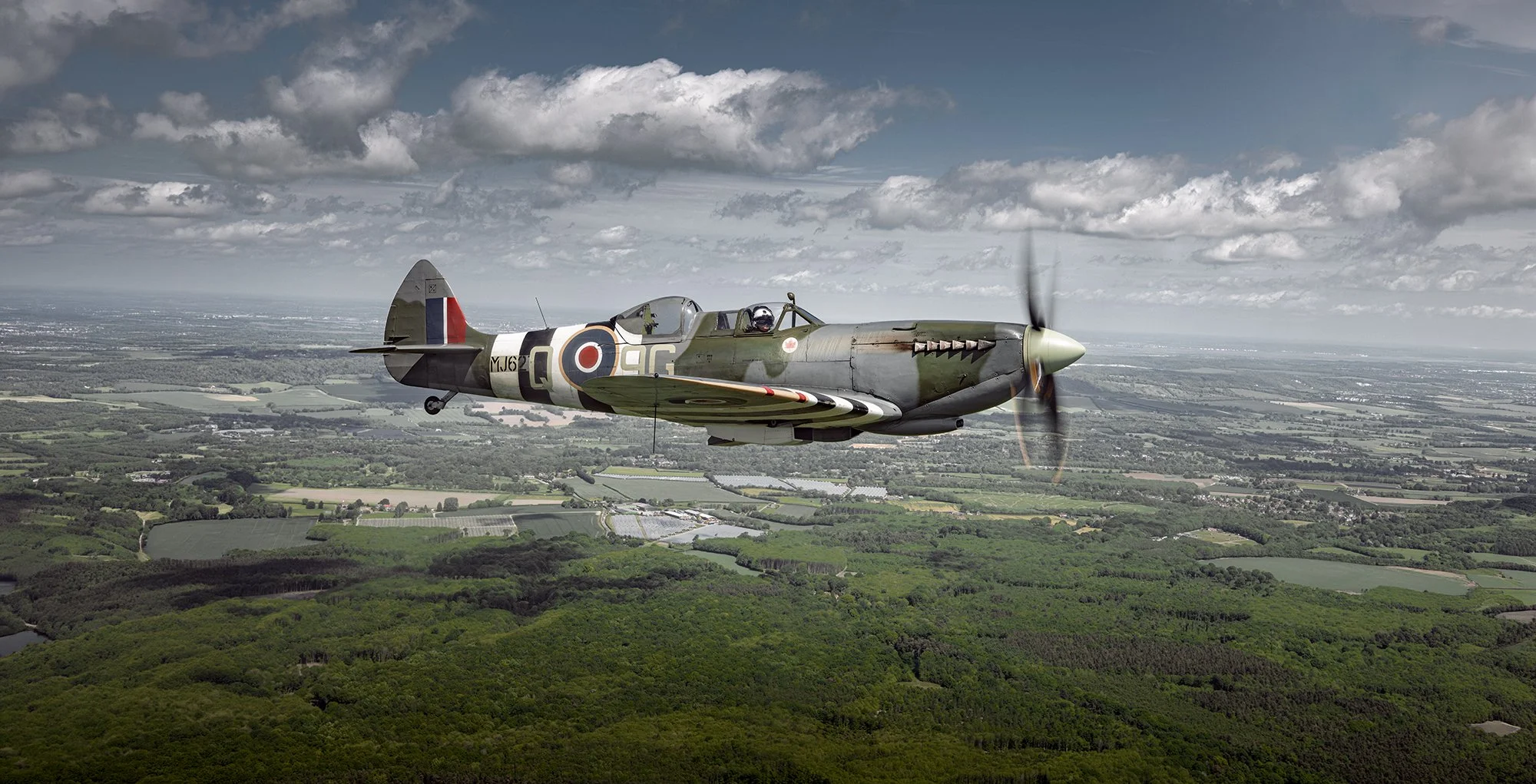
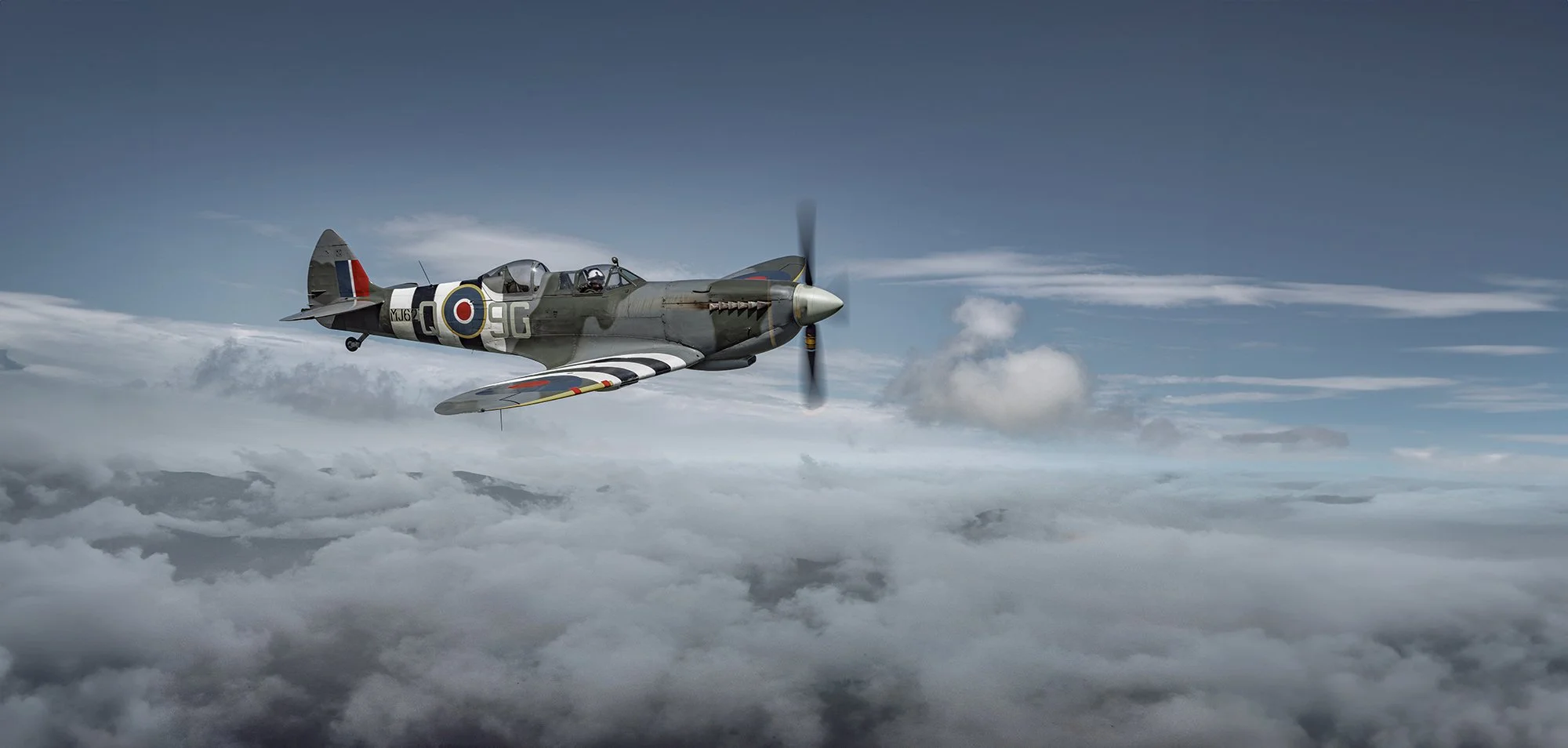
Weather is another consideration, particularly when the brief involves aircraft in flight. Light, cloud conditions and visibility can all influence the final result, and there is always the possibility that a planned flight or photography session will need to change at short notice. This is where experience in commercial aviation photography becomes particularly important. Understanding the environment, being organised and knowing how to work alongside pilots and ground crews makes a considerable difference. The objective is always to produce the strongest possible images without interfering with the operation of the aircraft or the people responsible for it.
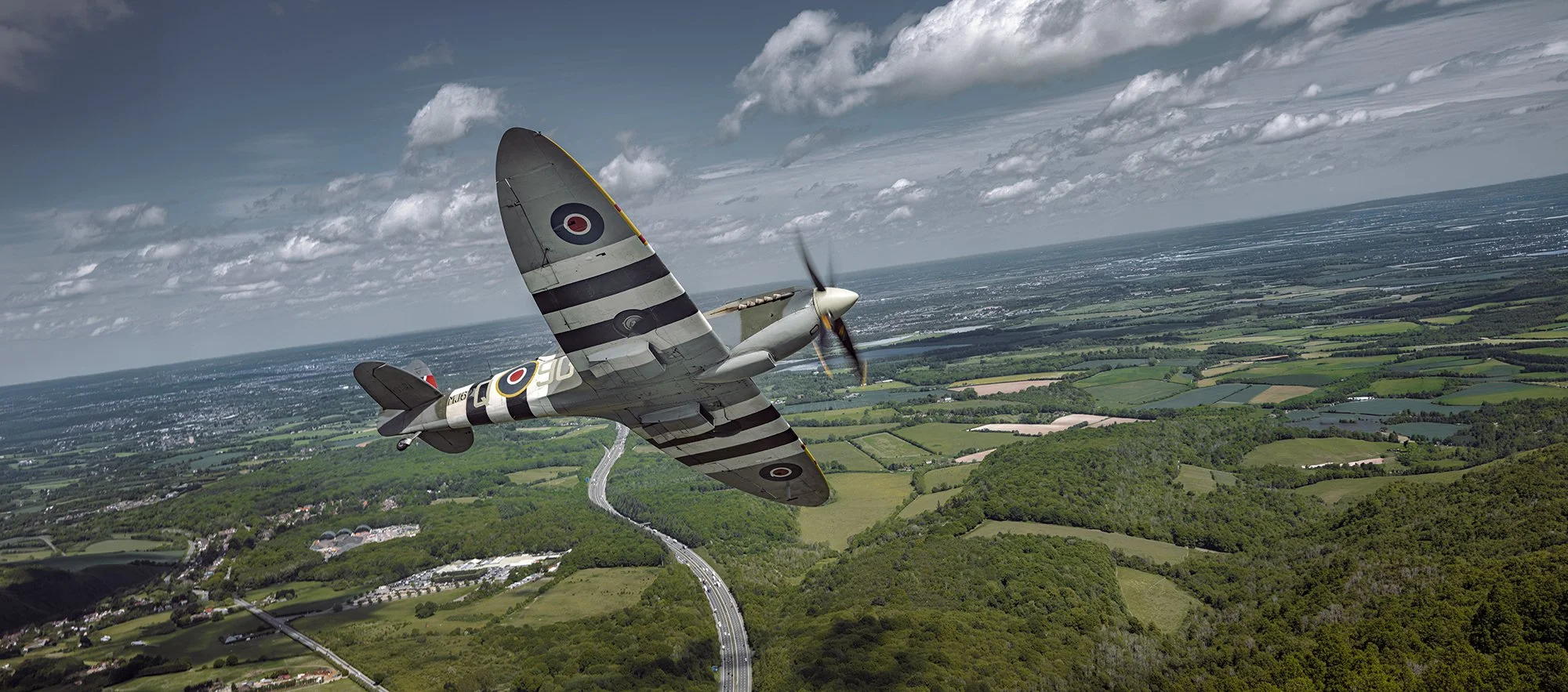
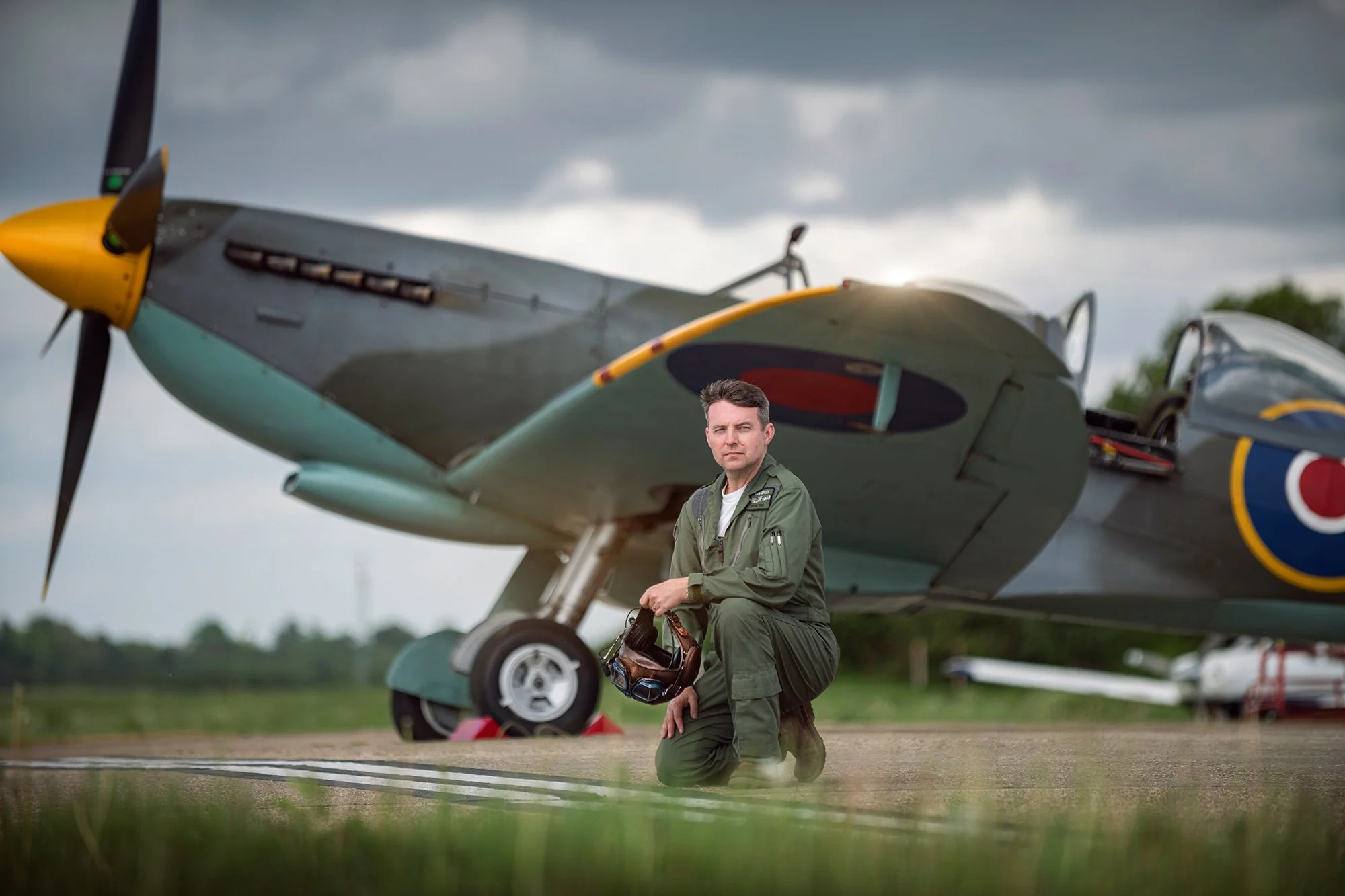
Of course, despite all the planning, there is still something quite special about standing on an airfield with a Spitfire in front of you. Its distinctive shape, elliptical wings and unmistakable profile make it an extraordinary subject. Whether photographed sitting quietly outside a hangar in the early morning light or captured climbing away from the runway, it is an aircraft that seems to have an almost effortless ability to look magnificent.
More Than Just an Aircraft Photograph
Something I have become increasingly aware of through this work is just how important commercial photography is to the companies operating within the Spitfire industry.
For a business offering Spitfire flights, the photography is often the first real connection a potential customer has with the experience. Most people will never have the opportunity to own or regularly fly an aircraft like this, so for many, purchasing a flight is a once-in-a-lifetime experience. The marketing imagery needs to communicate that feeling.
A photograph of a Spitfire is one thing, but an image that makes somebody imagine themselves standing beside it, hearing the Merlin engine start or climbing into the cockpit is something quite different. This emotional connection is incredibly valuable commercially. People are not simply purchasing a flight in an aeroplane, they are buying into an experience, a piece of history and an opportunity to get closer to something they may have admired since childhood.
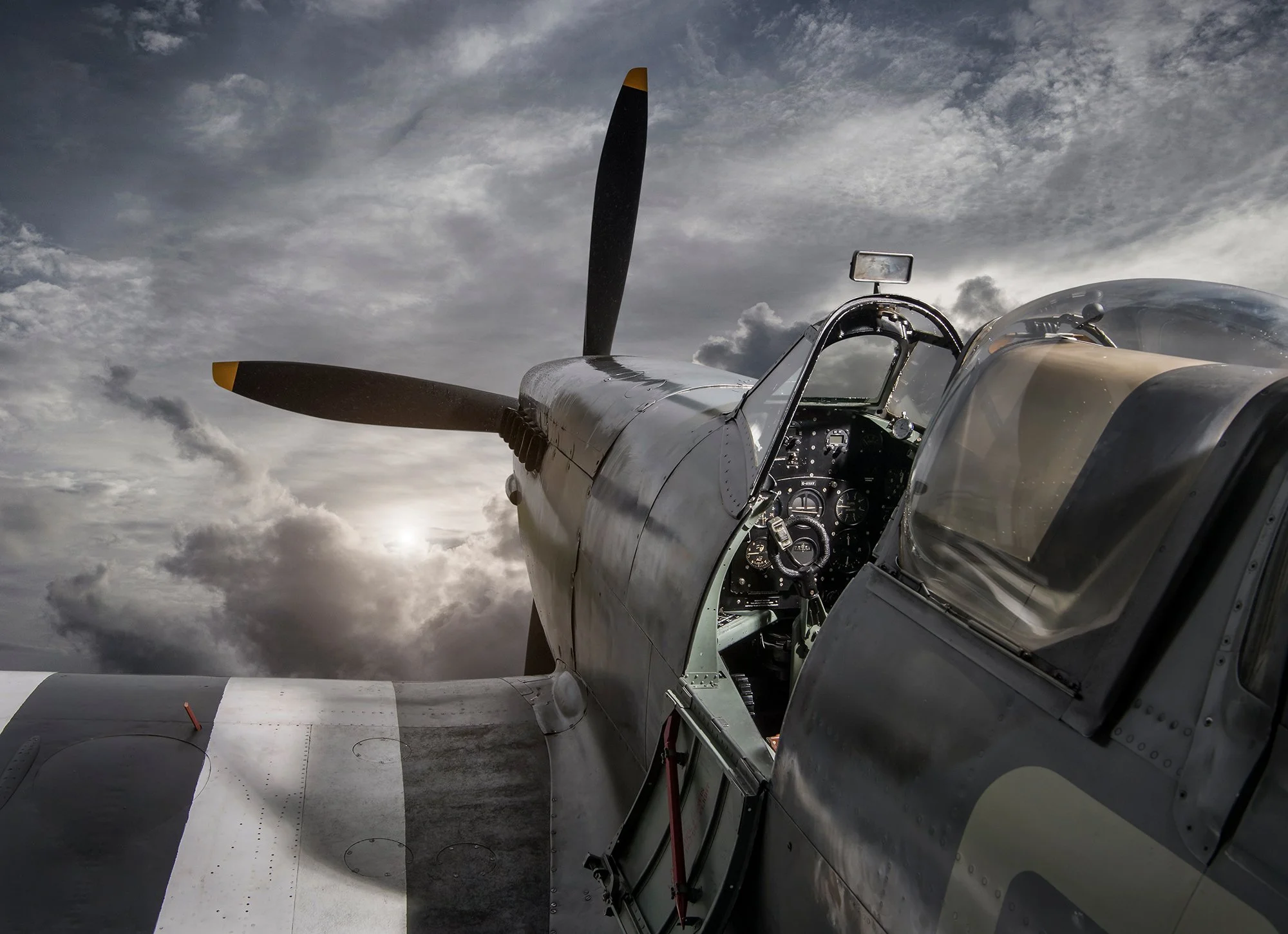
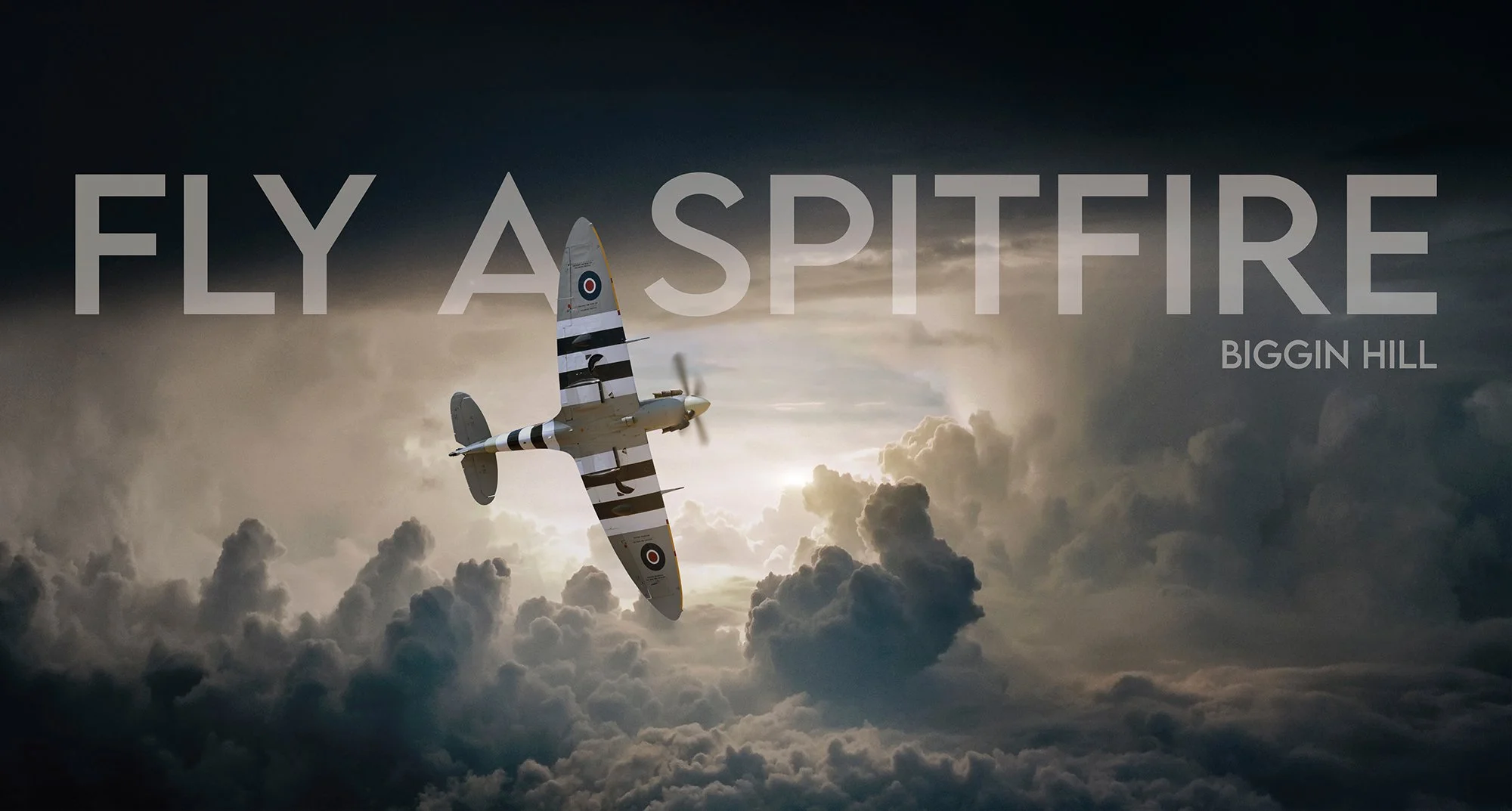
For this reason, I approach these assignments with a much broader perspective than simply producing a collection of aircraft photographs. The imagery needs to communicate the aircraft, but it also needs to communicate the people, the experience, the heritage and the passion behind the business. When working with The Spitfire Company, for example, I was involved in producing a substantial collection of new photography to support their website and wider marketing requirements. This meant covering the different services they offer, from the restoration facility and its engineering work through to the tours and flying experiences available to visitors.
A project like this is about building a complete visual library that a business can use consistently across its marketing. Some images may appear on a website, others in brochures, advertising campaigns, magazine features or large outdoor advertising displays. The same photography may also be used across social media and future promotional material.
It is easy to walk past a large street billboard featuring a Spitfire or turn a page in a magazine and see a beautifully produced aviation photograph without giving much thought to how that image was actually created. In reality, there can be a considerable amount of planning, coordination and experience behind a single photograph.
For me, that is one of the most rewarding aspects of commercial photography. I enjoy producing images that have a purpose beyond simply looking good, images that become valuable marketing assets for the businesses investing in them. I have said many times over the years, “Don’t shoot what it looks like, shoot what it makes you feel like.”
The Remarkable World of Spitfire Restoration
Perhaps one of the most fascinating aspects of my work with these aircraft has been the opportunity to photograph the restoration process itself.
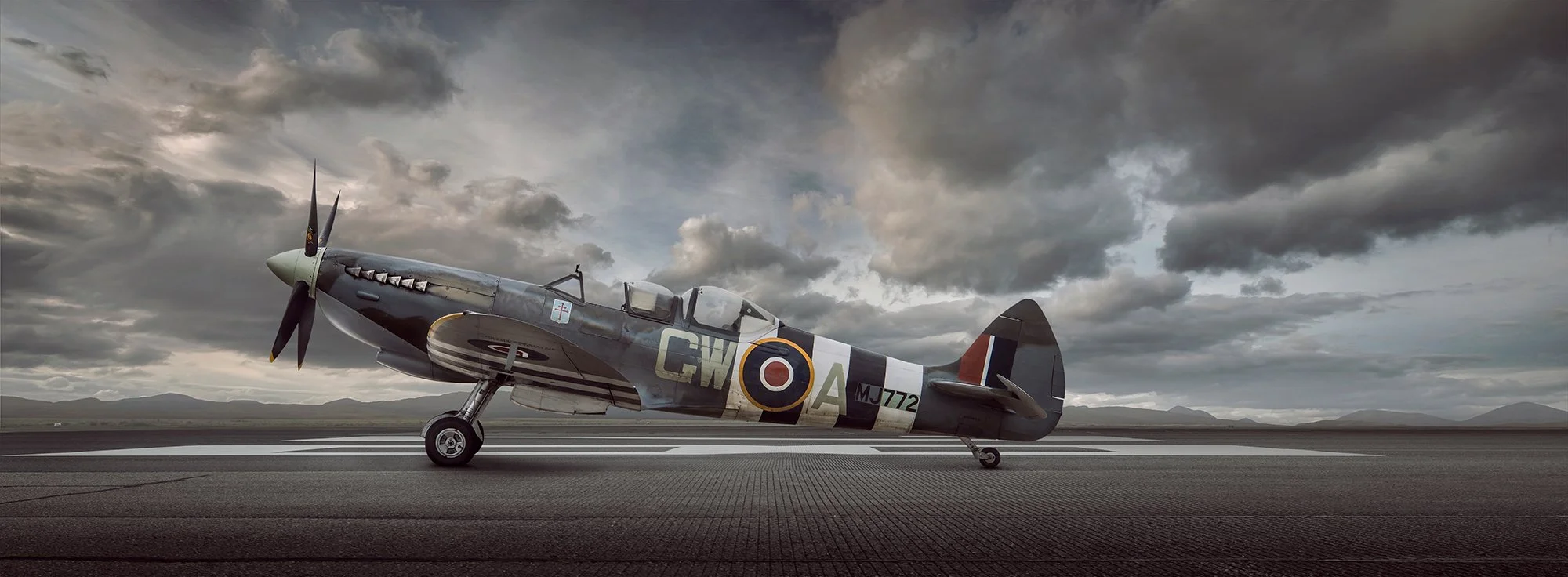
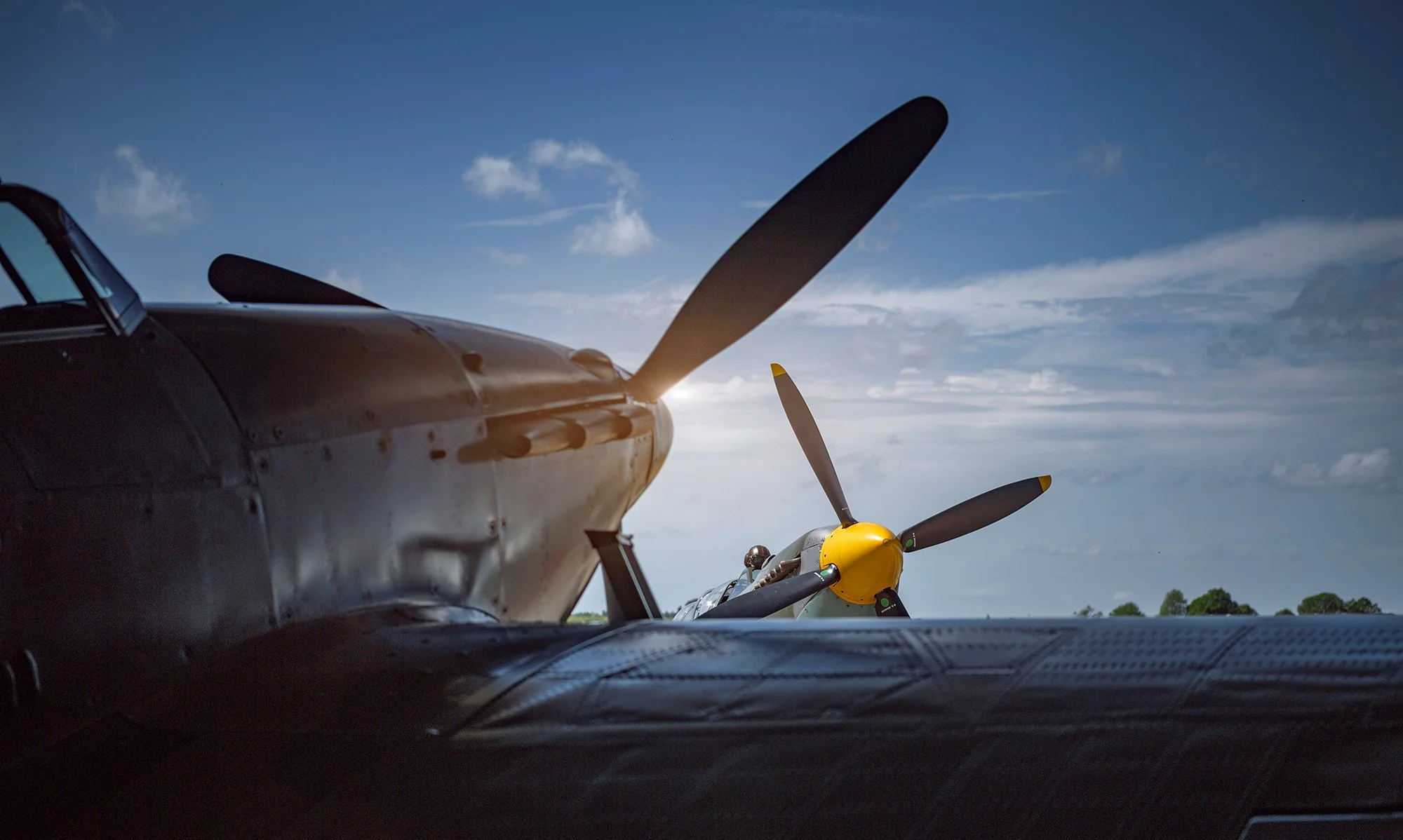
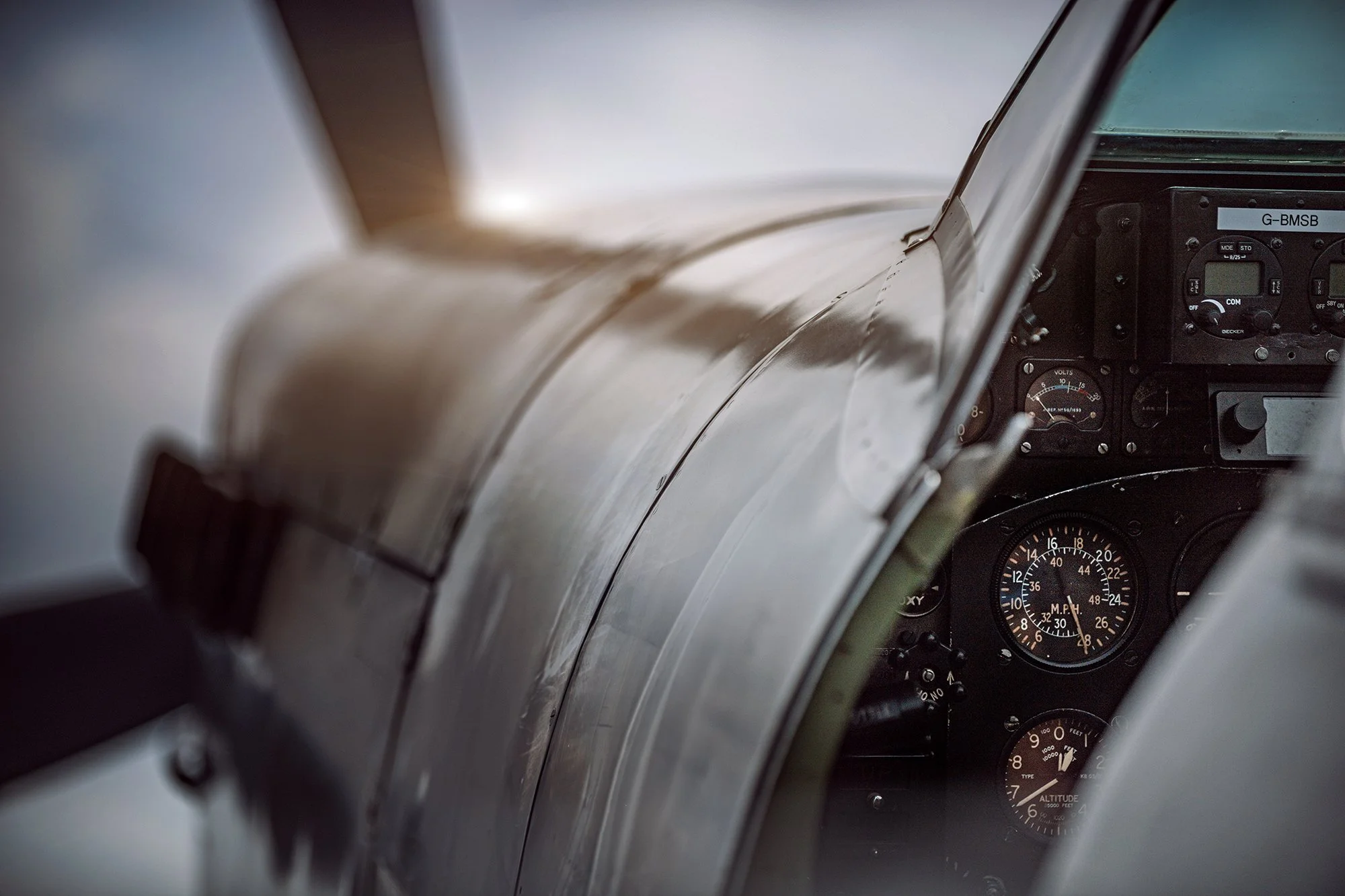
Spitfire restoration is an extraordinary undertaking. When you consider that these aircraft were originally designed and manufactured during the 1930s and 1940s, it becomes easier to appreciate the challenges faced by the engineers who are responsible for returning them to flying condition today. Many people see a restored Spitfire at an airshow or sitting outside a hangar and assume that the work involved is largely cosmetic. In reality, returning one of these aircraft to the skies can involve years of highly specialised engineering, considerable investment and an enormous amount of patience. One recent example of this was the restoration of the T.9 Spitfire ‘MJ772’ that was undertaken by Biggin Hill Heritage Hanger.
Built at Castle Bromwich in late 1943 it was delivered to No. 341 (Alsace) Squadron of the Free French Air Force then based at RAF Perranporth, Cornwall on January 20, 1944. With the squadron moving to RAF Merston on April 17, 1944 in preparation for D Day, MJ772 with pilot Sergeant Habib flew a sortie on June 6 over the landing beaches of Normandy. He reported chasing a FW190 which eventually disappeared into cloud after which he landed safely. On June 18 772 suffered Cat Ac FB (Operational Loss) damage which was repaired by June 22 when it was allocated to No. 340 (Ile-de-France) Squadron based at the Advanced Landing Ground at Funtingdon in Sussex. Given the code GW-A it then flew two further sorties over the beaches flown by Sergeant Trouillet.
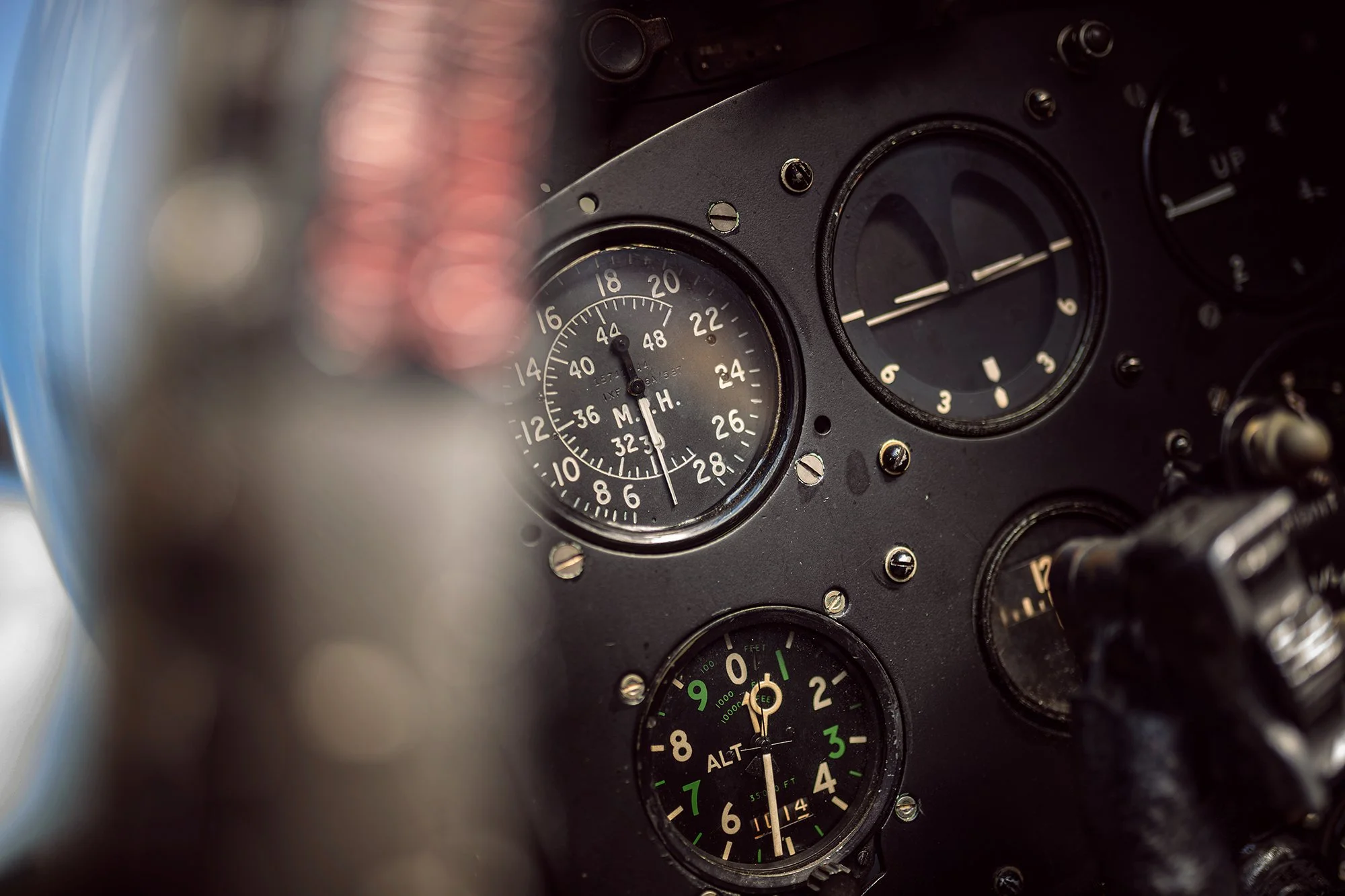
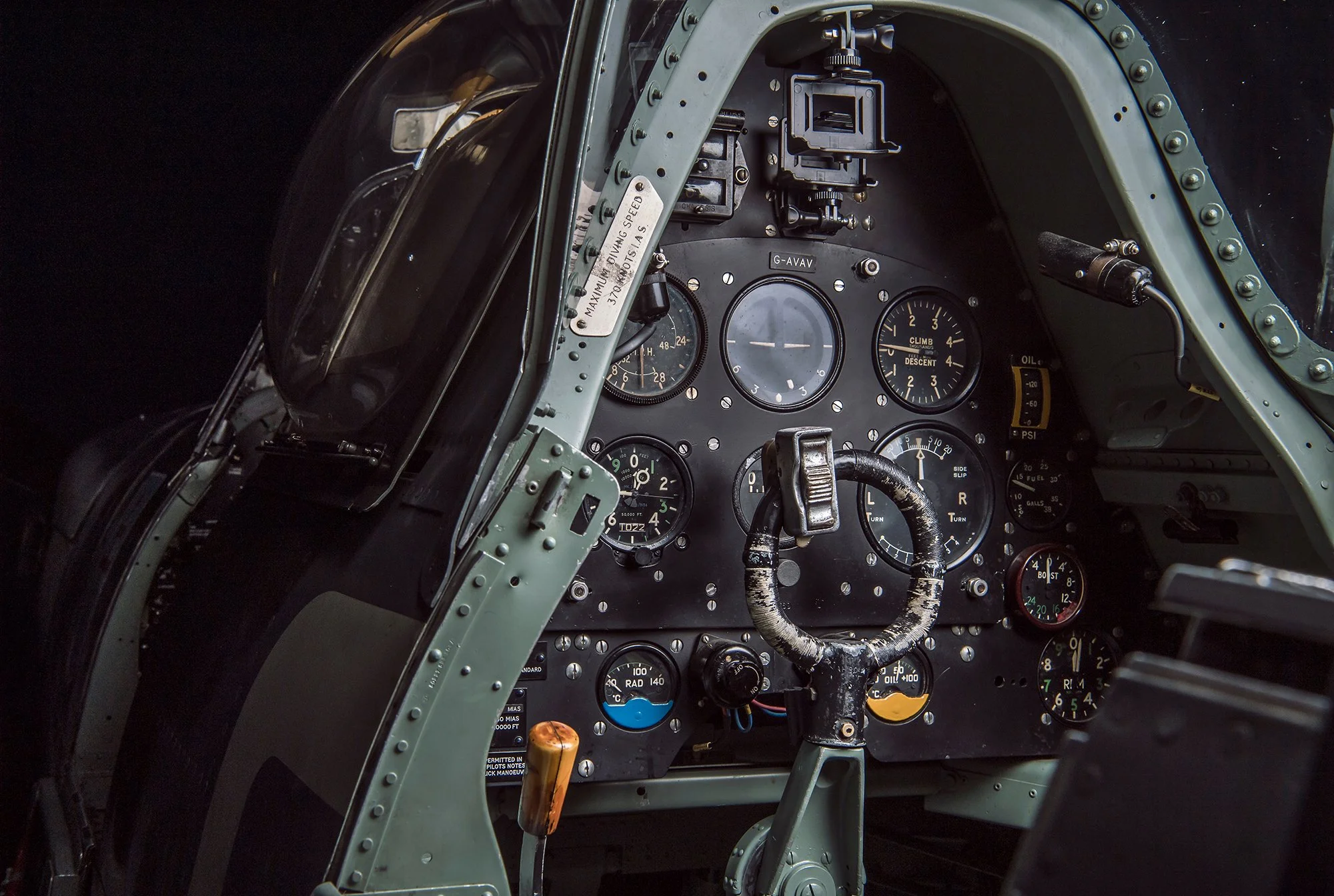
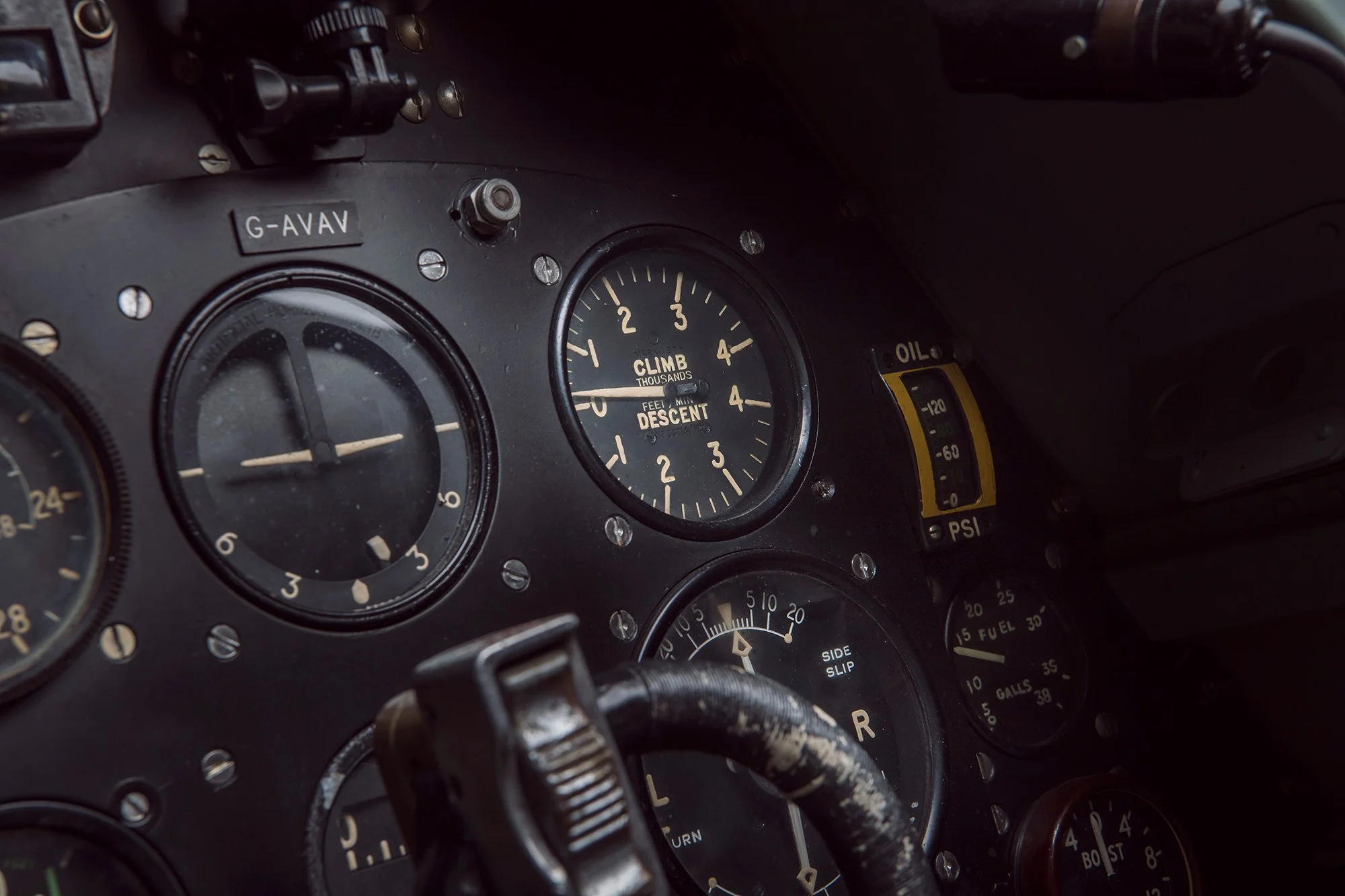
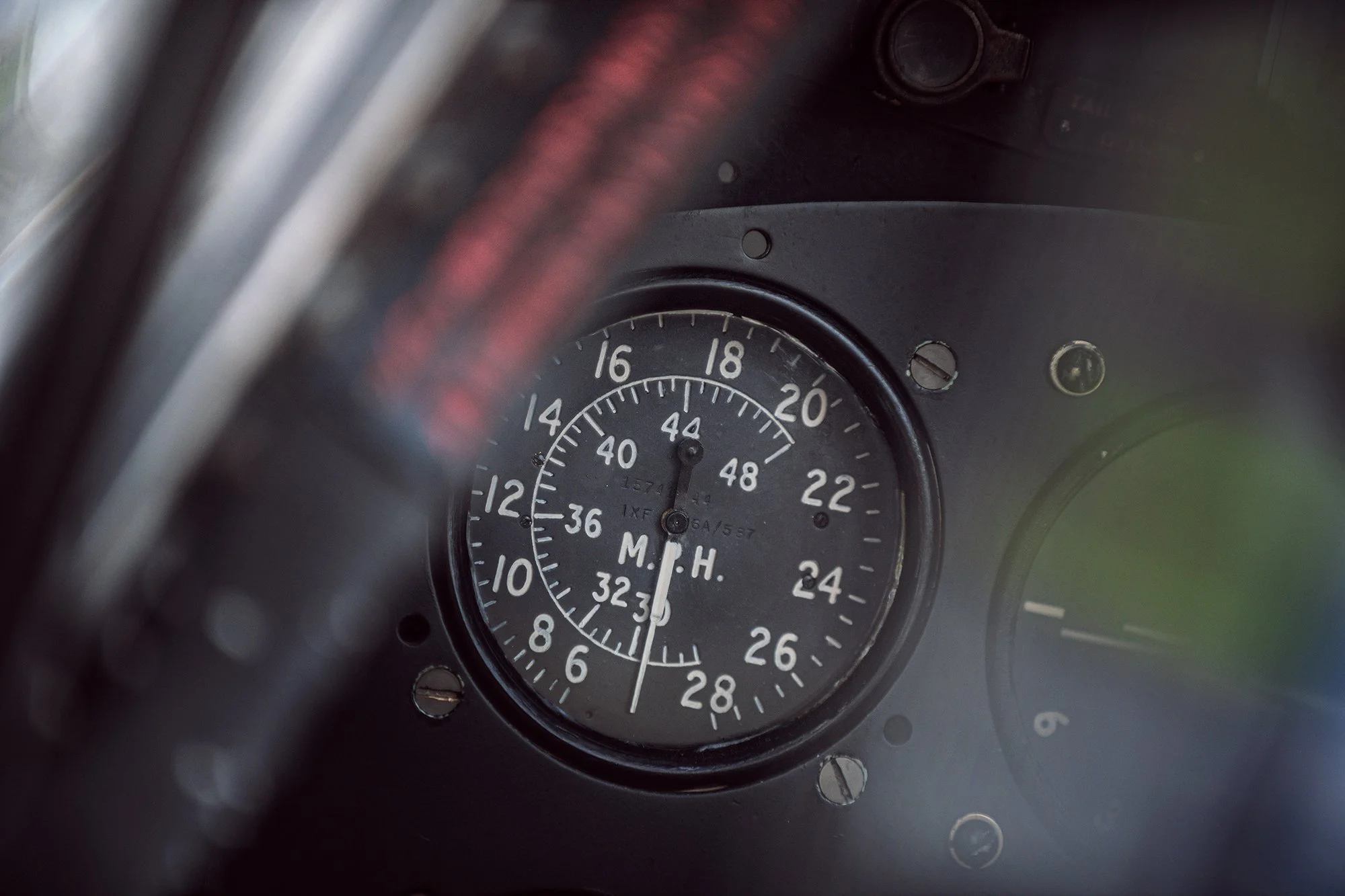
Every restoration project is different. Although Spitfires were produced in significant numbers during the war, they were hand-built aircraft that evolved throughout their production life. Different marks, manufacturing periods and individual aircraft histories mean that there can be considerable differences between surviving examples. Some aircraft arrive at a restoration facility as little more than collections of components, while others may retain substantial sections of their original structure. Engineers have to assess what can safely be retained, what needs repairing and what must be manufactured again. This is particularly interesting from a photographic perspective because it allows me to document a side of aviation that most people never get to see.
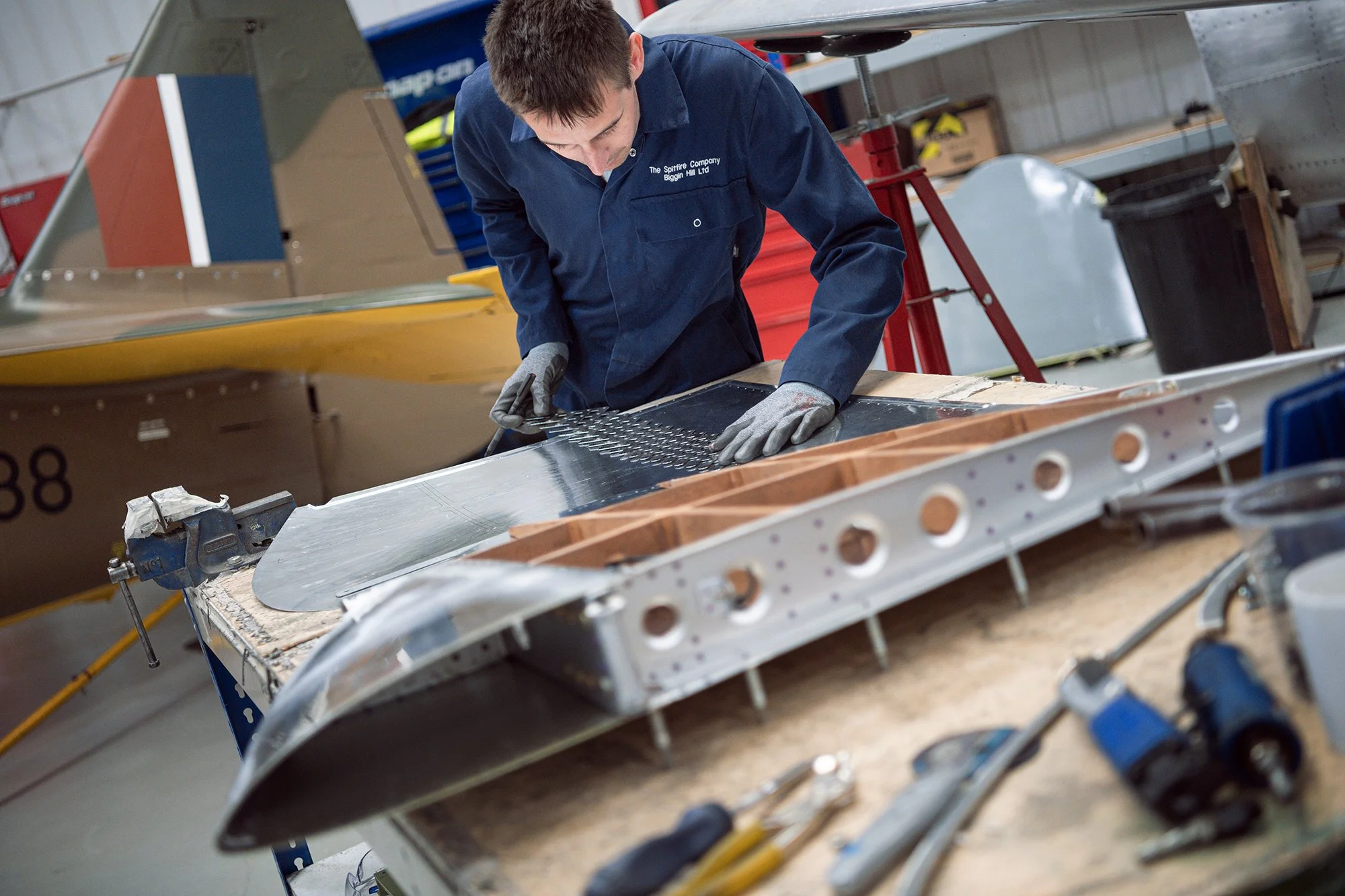
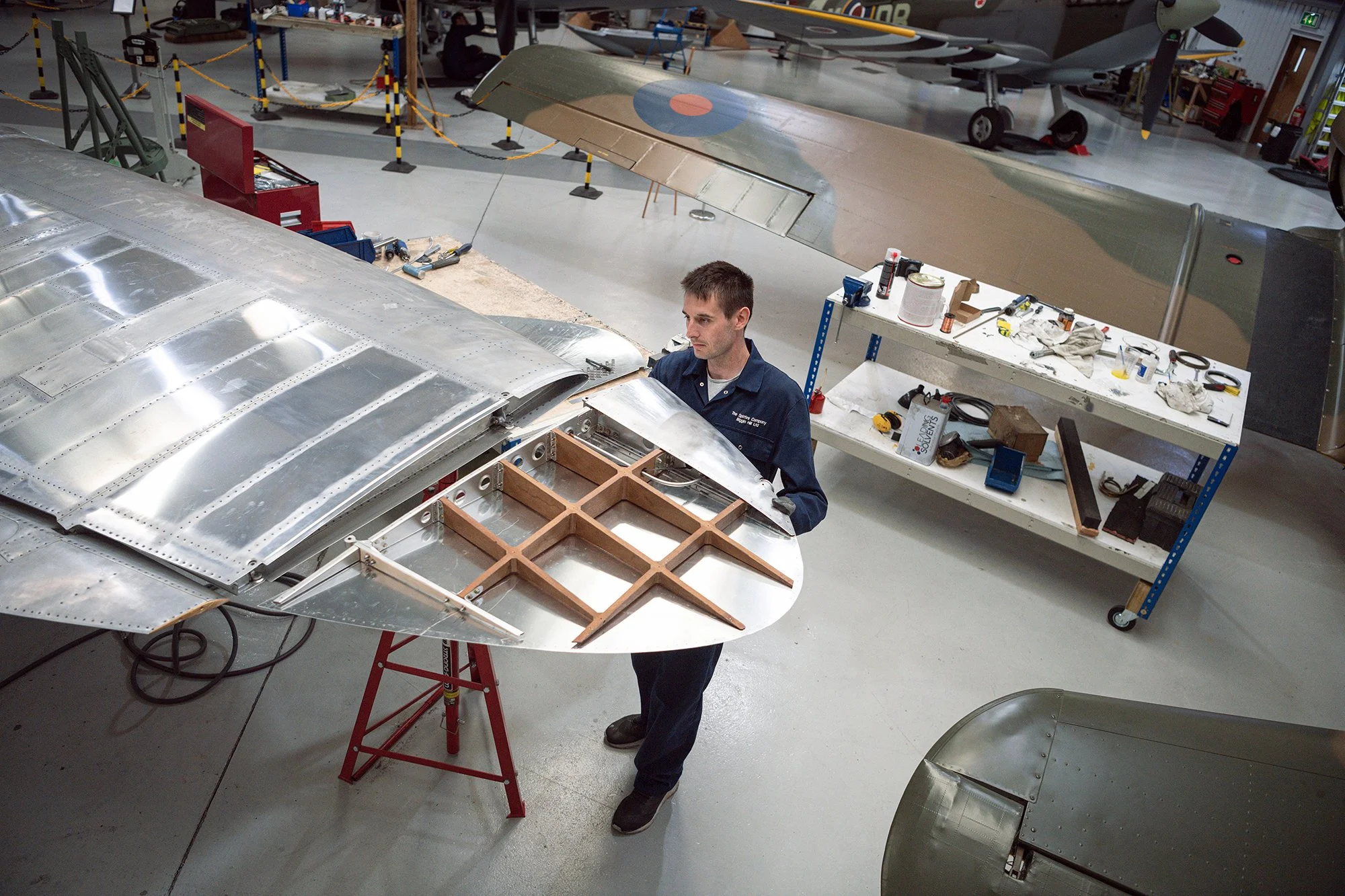
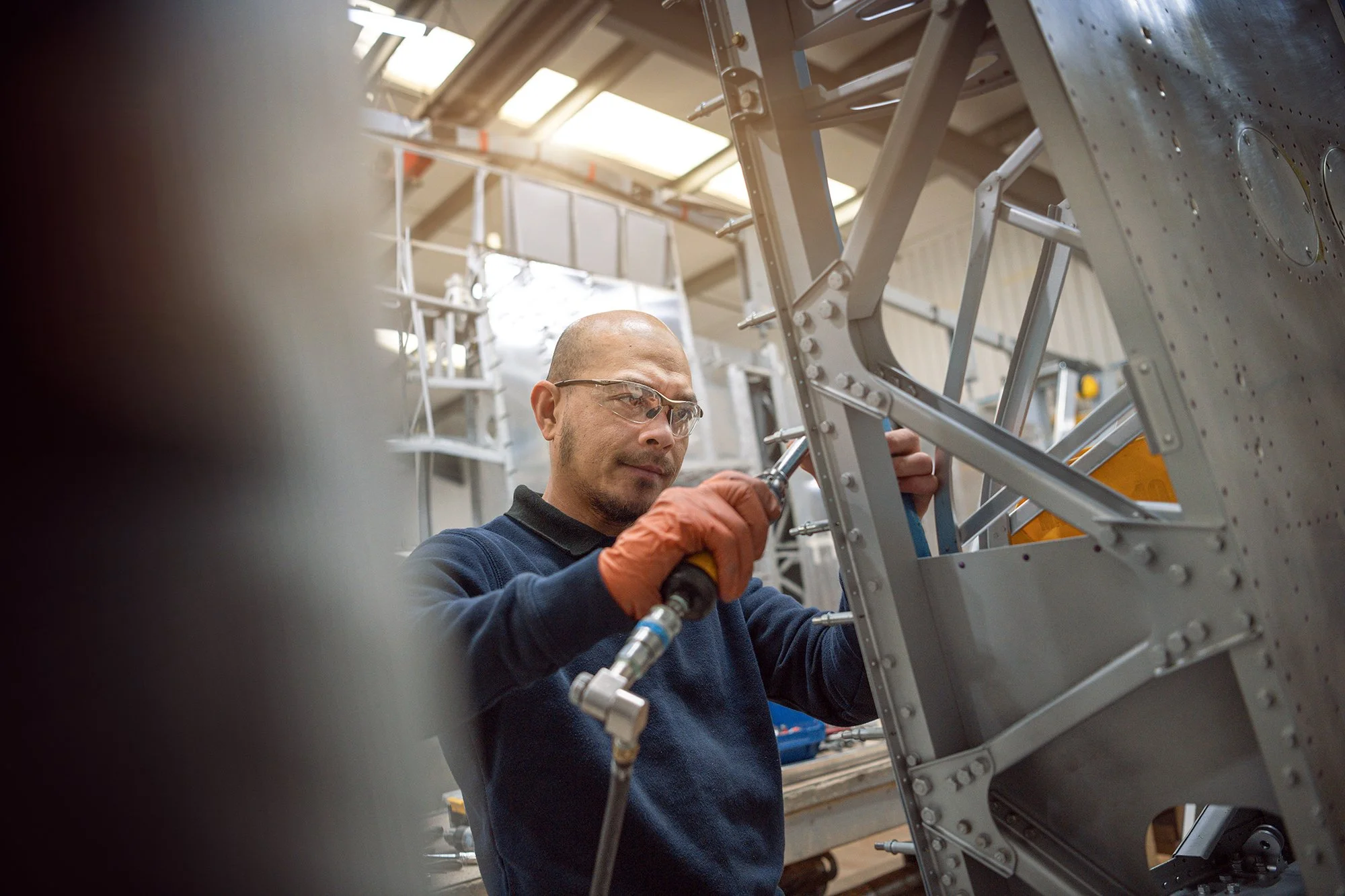
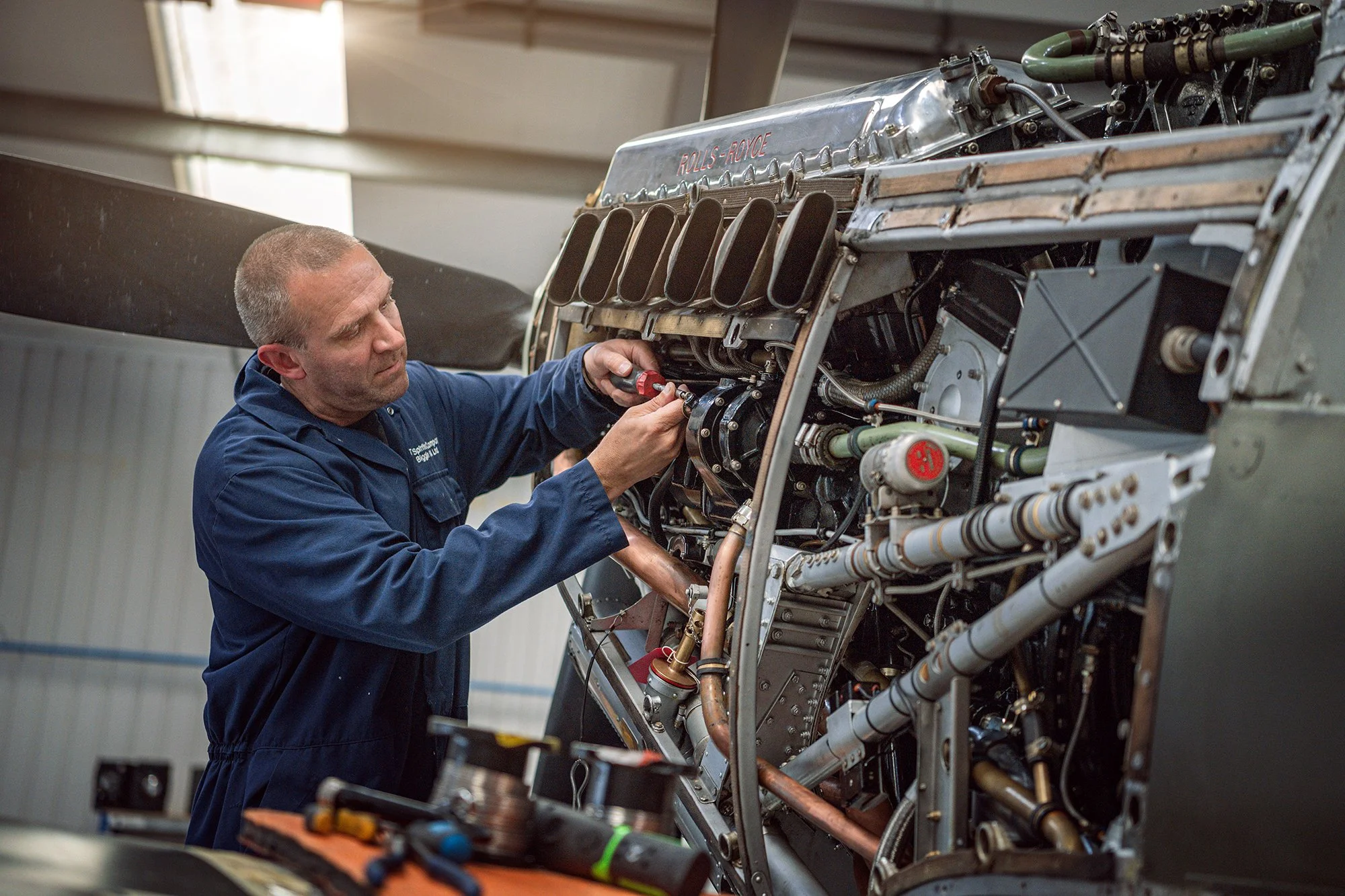
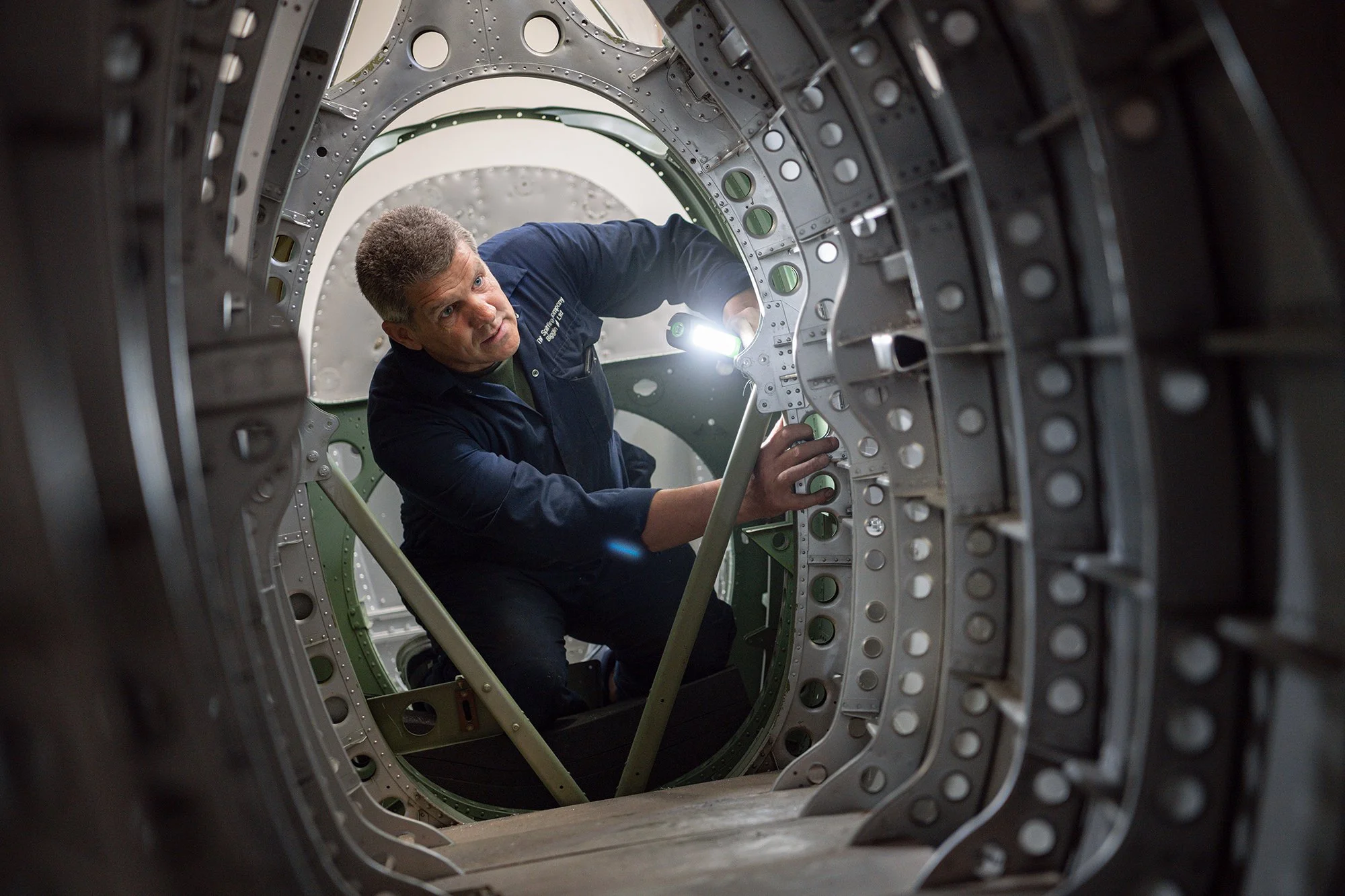
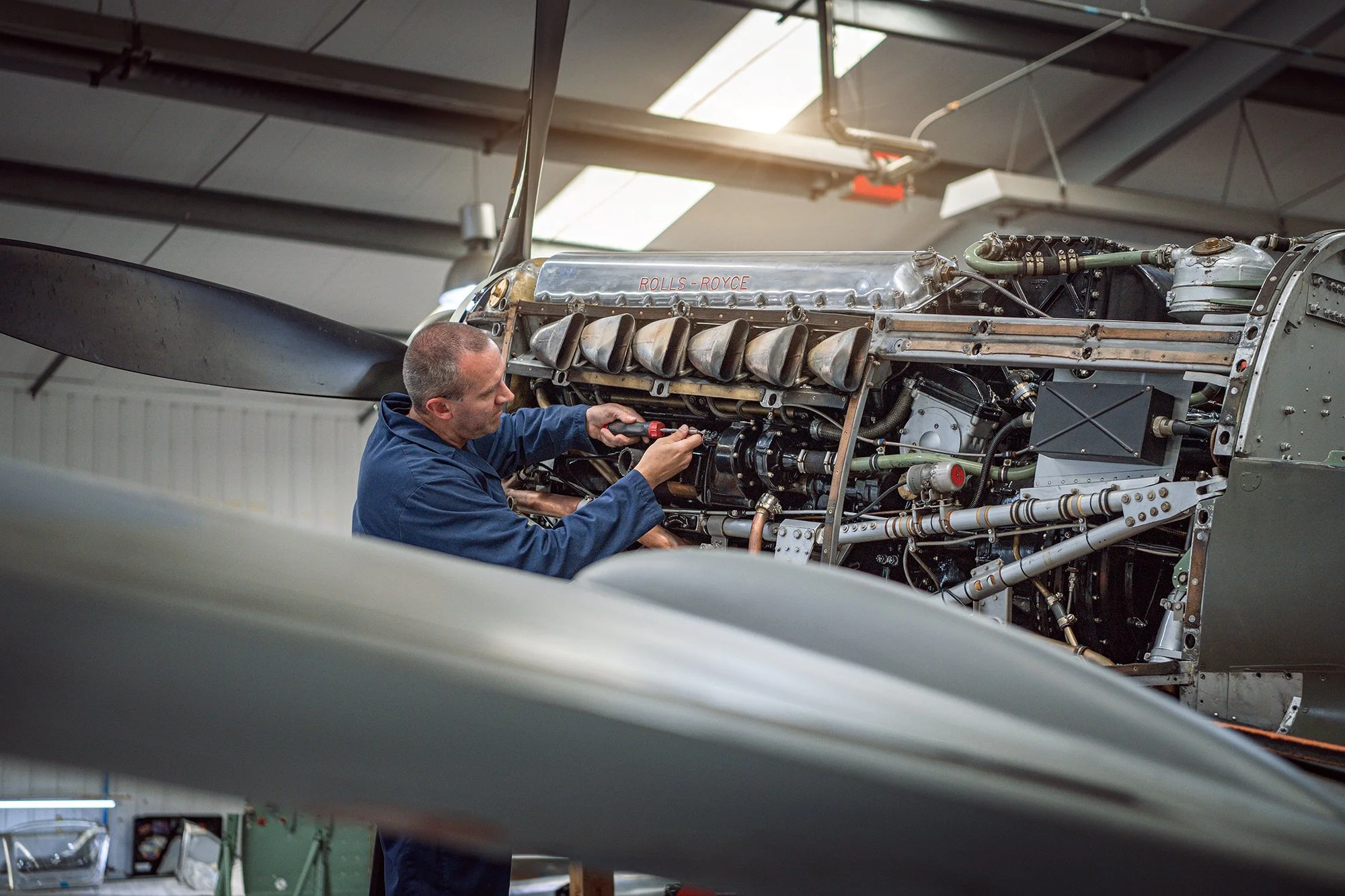
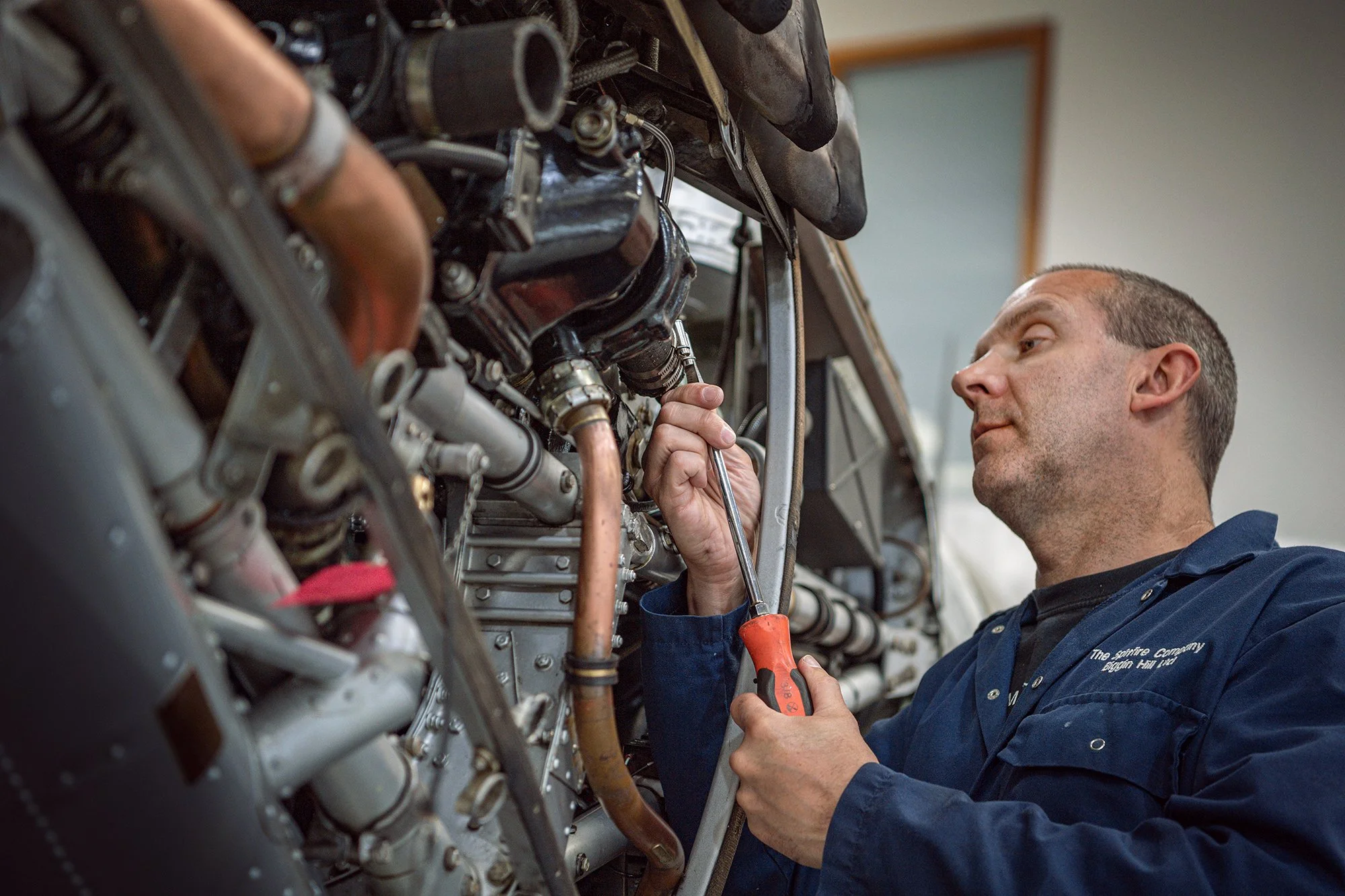
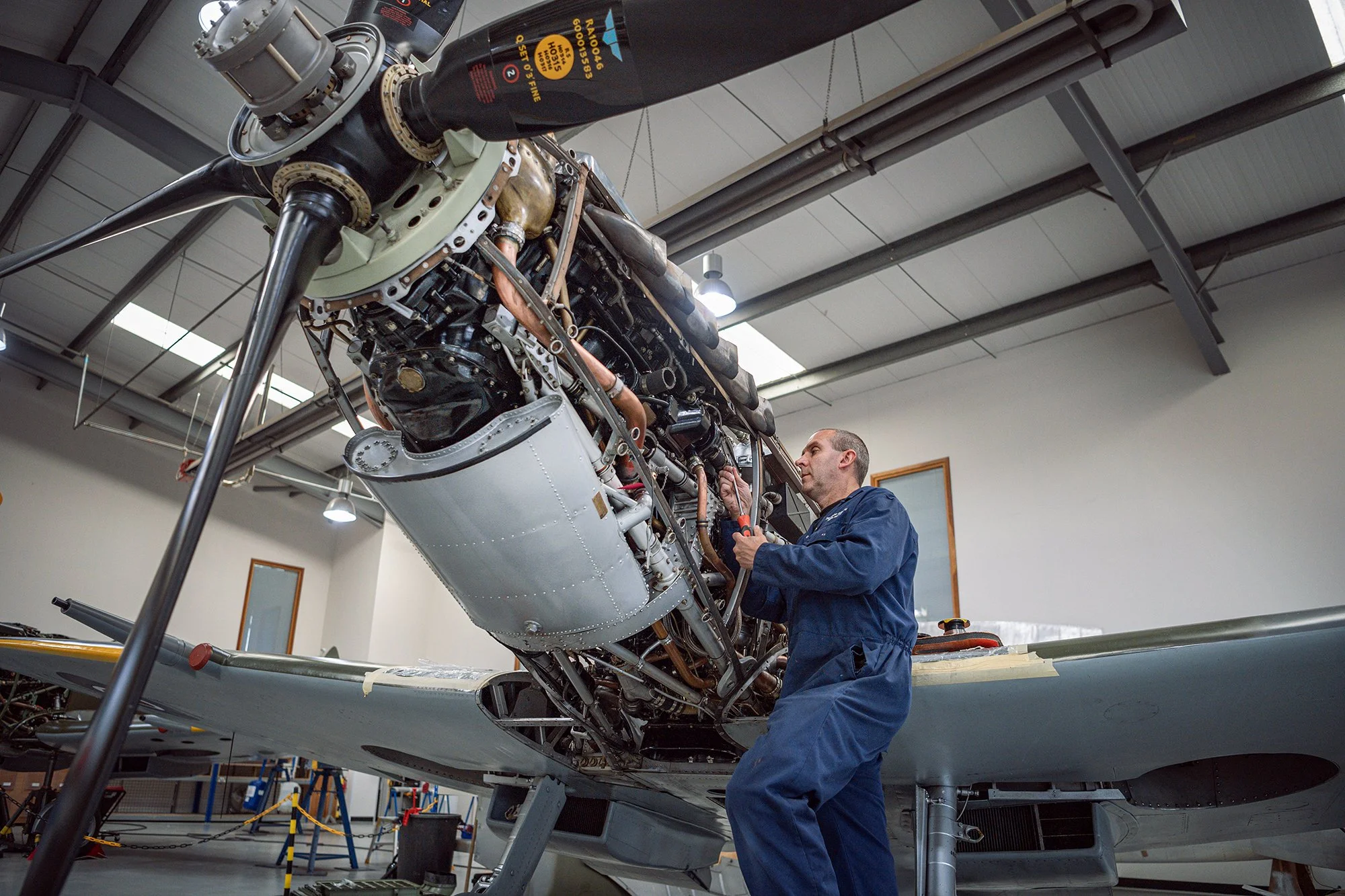
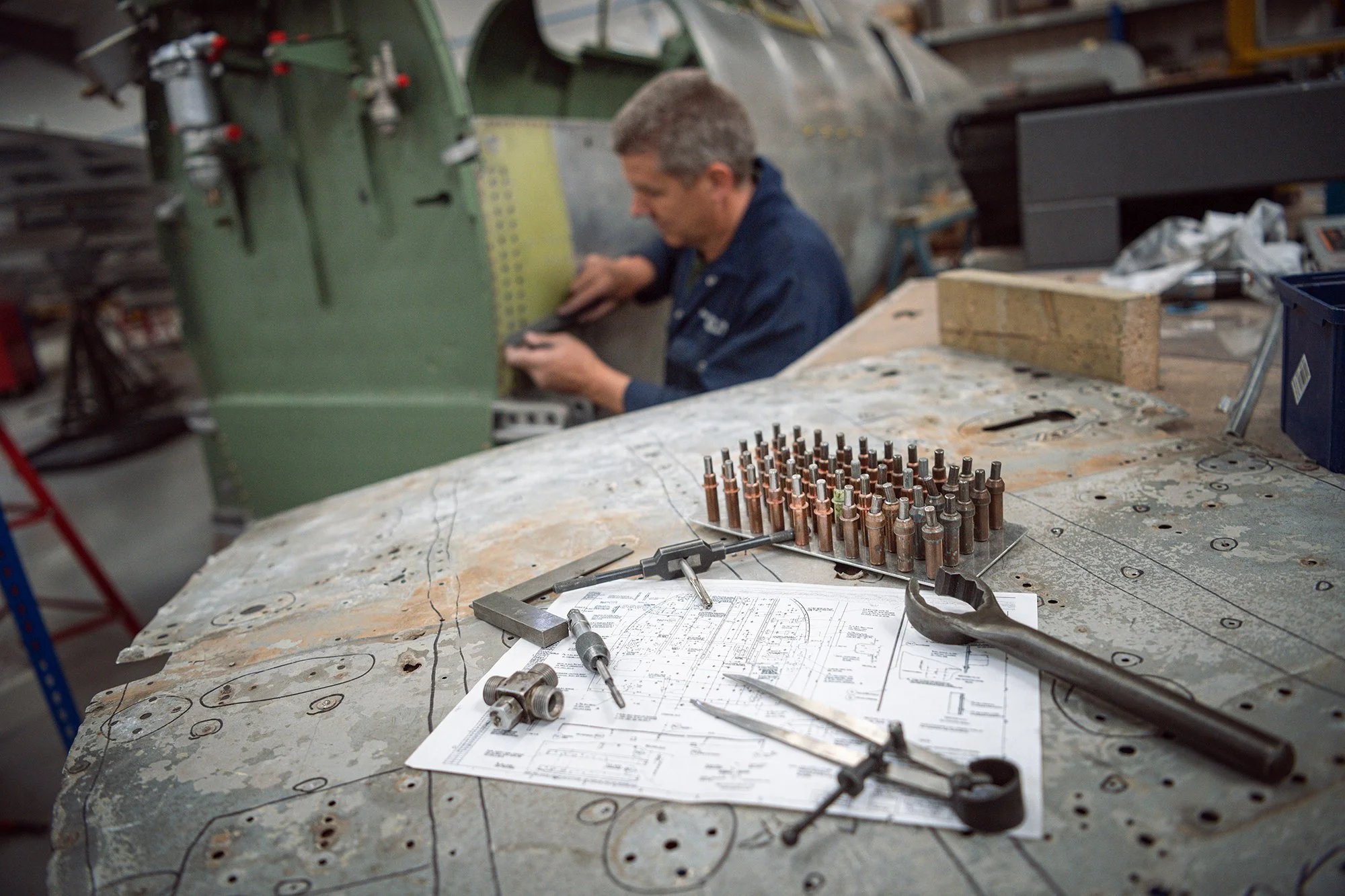
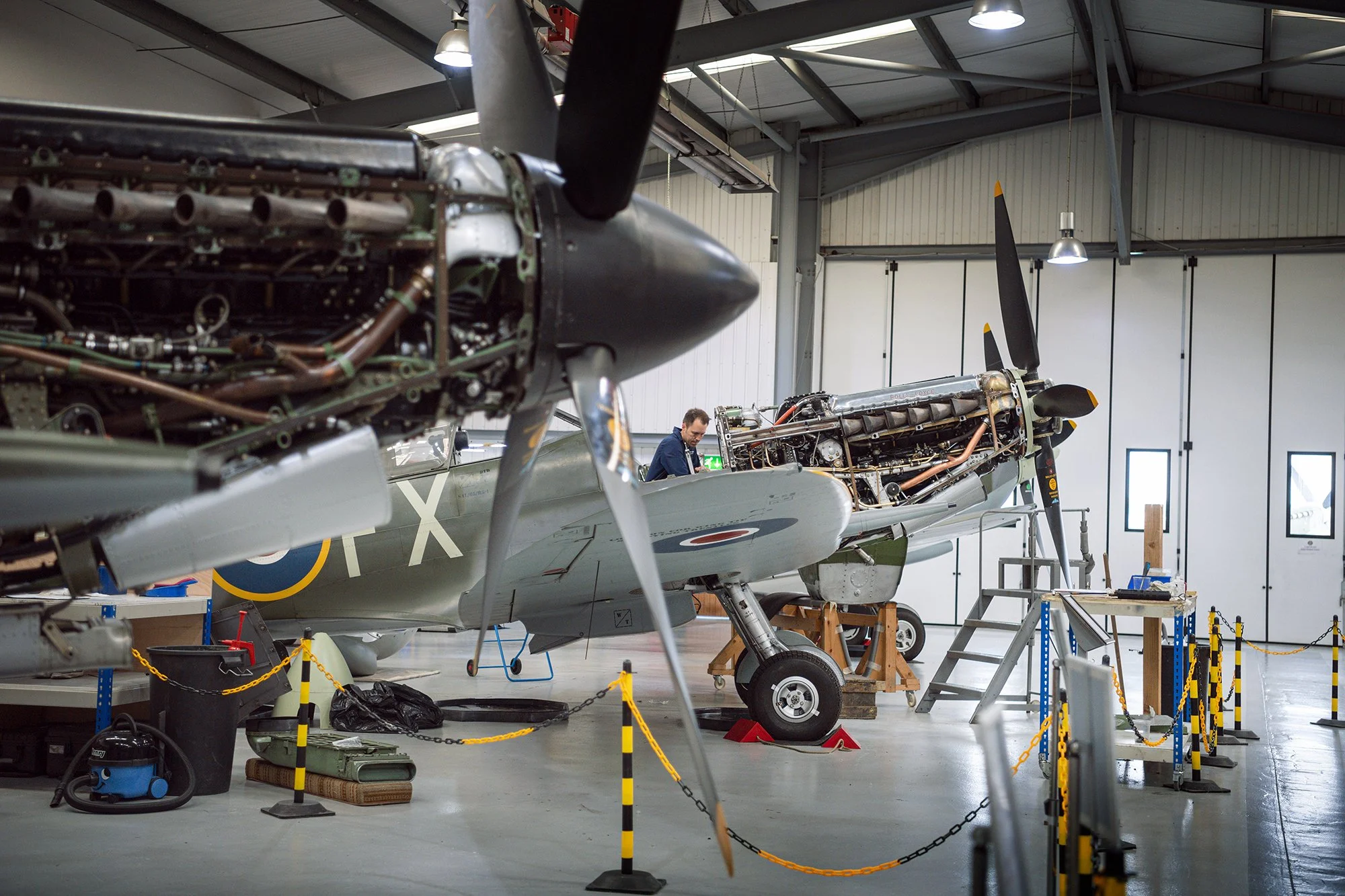
Inside a restoration hangar, you might find wings being carefully rebuilt, fuselage sections undergoing extensive repair, individual components being manufactured and engineers working on the intricate systems that will eventually allow the aircraft to fly again. There is an enormous amount of skilled craftsmanship involved, much of which is carried out by people who have spent many years developing very specialised knowledge.
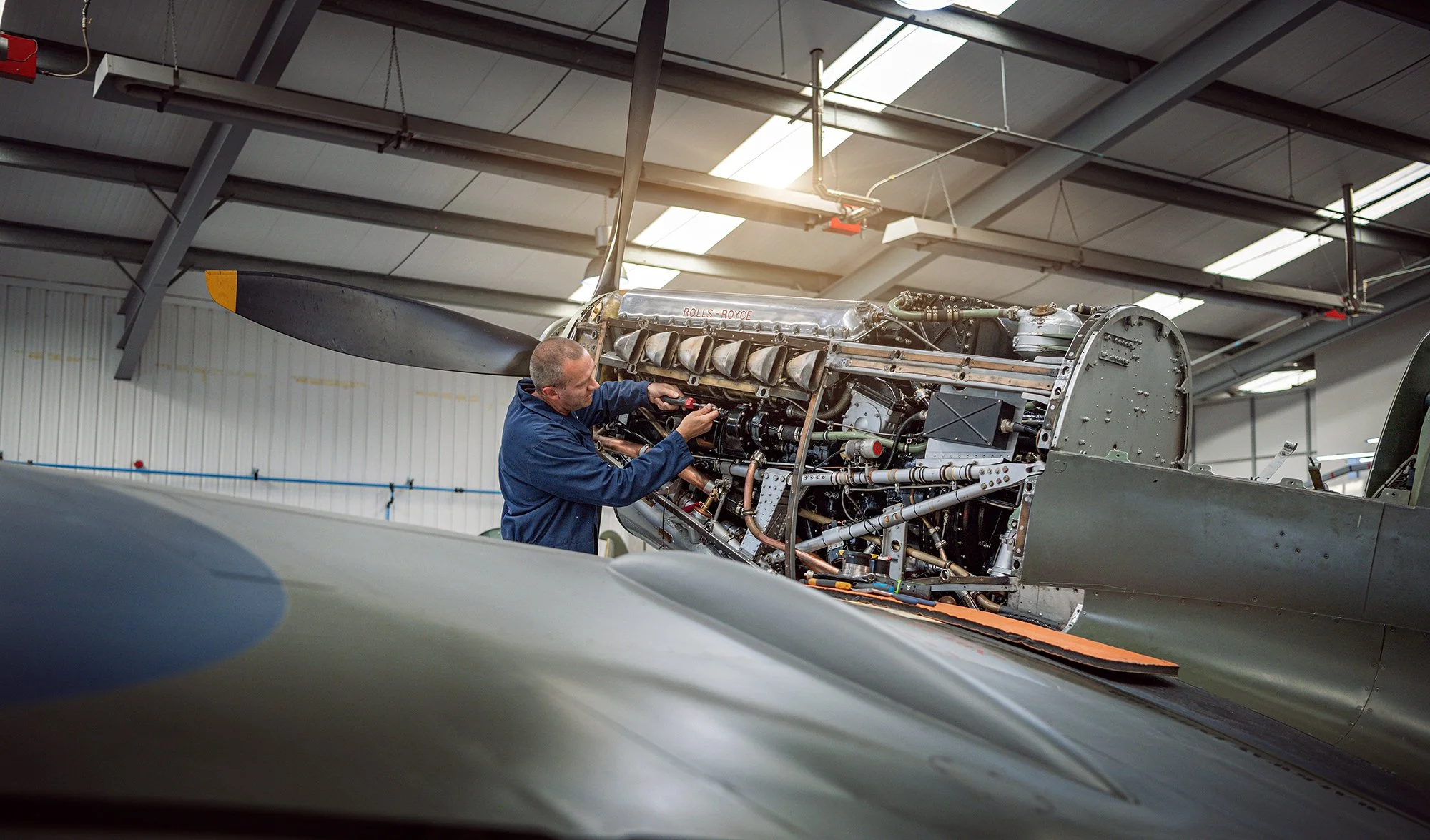
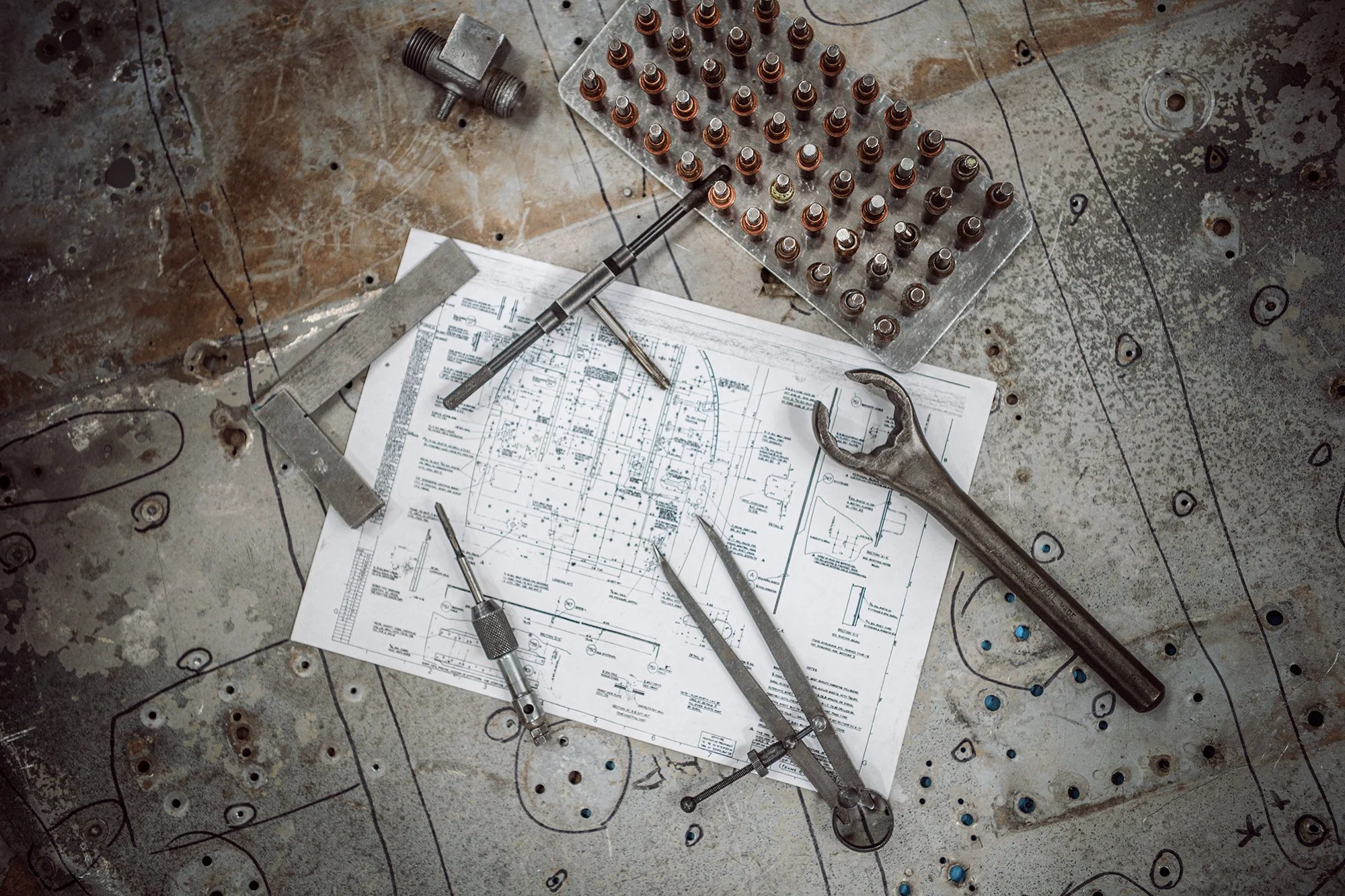
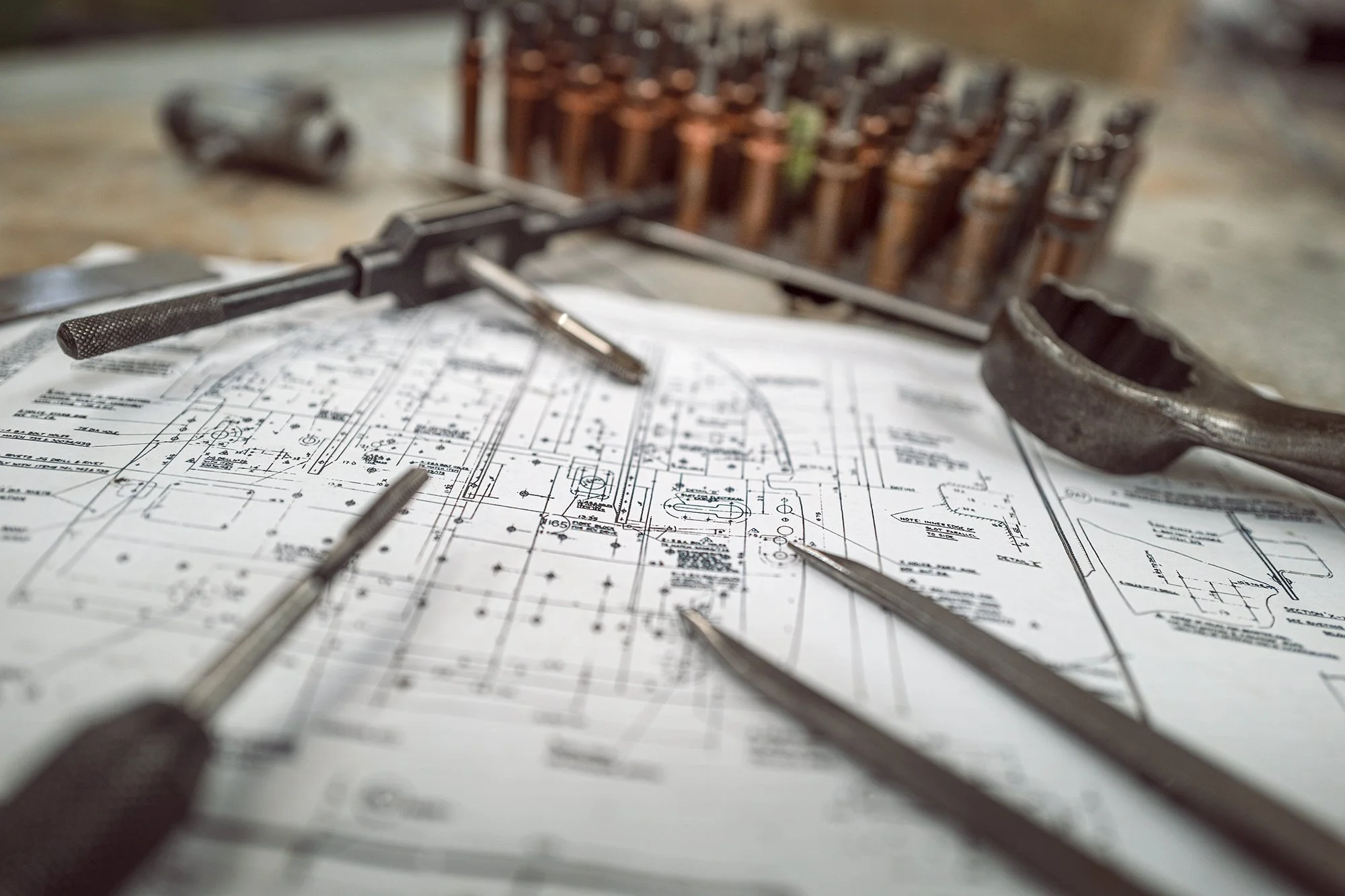
The challenge is that these are not modern production aircraft where replacement components can simply be ordered from a manufacturer. Some original parts are extremely difficult to find, while others have to be carefully recreated using surviving examples, historical drawings and specialist engineering knowledge. Even seemingly straightforward work can become complicated when engineers discover corrosion, previous repairs or structural damage that has been hidden for decades. Every decision has to be considered carefully because the ultimate objective is not simply to make the aircraft look complete, but to ensure it is safe and suitable for flight.
The amount of time involved can also be quite staggering. Depending on the condition of the aircraft, the availability of components, the complexity of the work and the funding available, a restoration can take several years. Some projects have taken a decade or longer to reach completion. Then there is the financial commitment. Restoring a Spitfire to flying condition is an extremely expensive undertaking, with complete projects potentially requiring several million pounds. The Norwegian Spitfire Foundation's restoration project for Spitfire PL258, for example, published an estimated budget of approximately £2.3 million to £2.7 million, with the engineering work expected to take between three and five years.
The finished aircraft also represents a significant asset. Although values depend heavily on the aircraft's history, originality, condition and documentation, fully restored flying Spitfires can command several million pounds. Individual examples have been marketed in the region of £3 million to £4 million or more. These figures also need to be considered alongside the substantial ongoing costs of maintenance, insurance, storage and operation. It really does put into perspective the level of commitment required to keep these aircraft flying.
Photographing the People Behind the Aircraft
One of the things I particularly enjoy when photographing restoration facilities is that the aircraft are only part of the story.
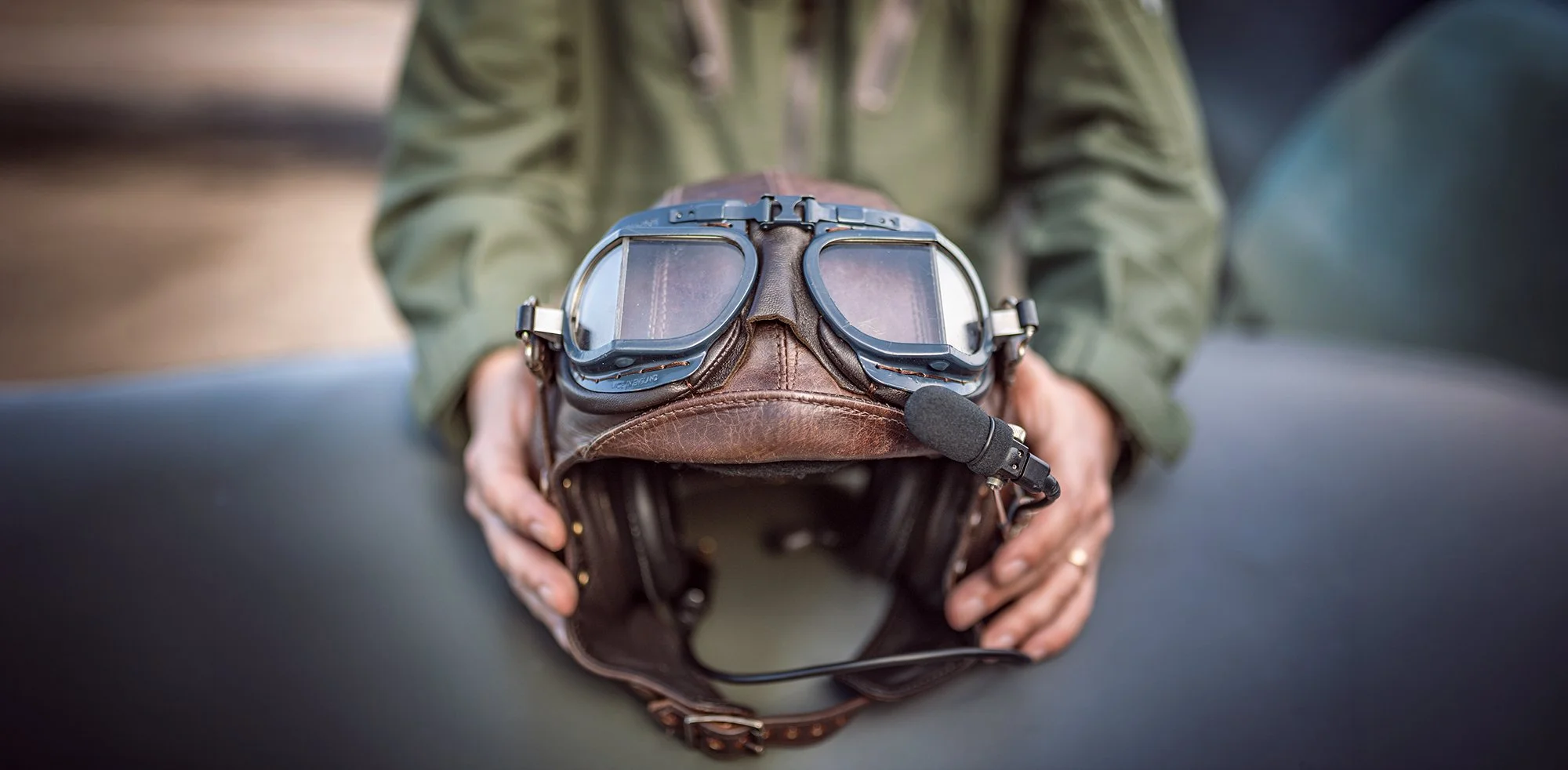
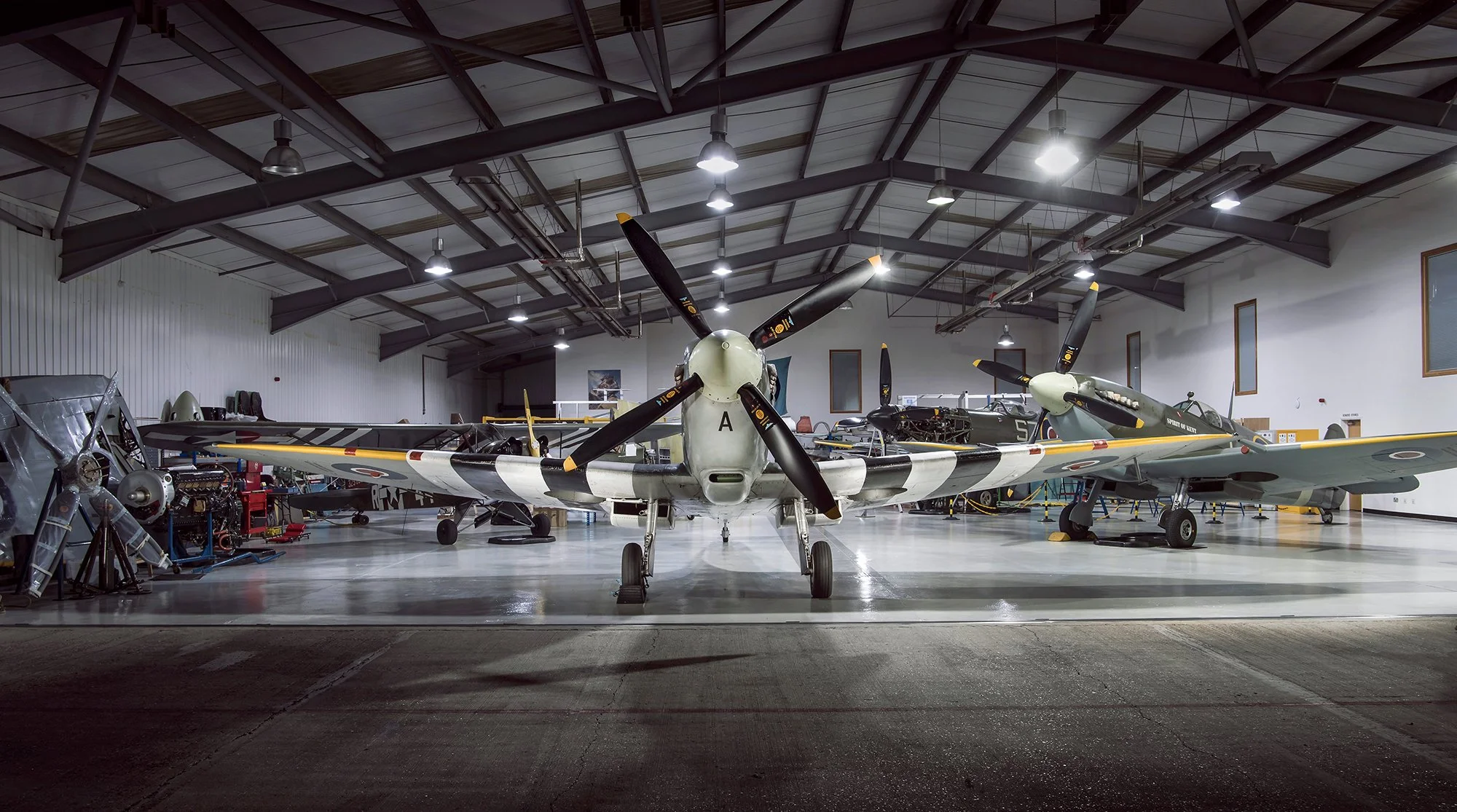
Behind every flying Spitfire is a team of people who have invested an enormous amount of time, knowledge and passion into keeping it in the air. Engineers, mechanics, fabricators, inspectors and pilots all play an important role, and I think it is important that commercial photography reflects this. When producing imagery for a restoration company, I want to show something of the working environment and the people who make the whole operation possible. A close-up photograph of an engineer working on a wing, the careful positioning of a component or a wider view of several aircraft at different stages of restoration can often communicate much more than a simple photograph of a finished aeroplane.
There is also an important commercial reason for doing this. Customers visiting a restoration facility or considering a flight experience want to understand the business behind the aircraft. They want to see the expertise, the facilities and the people who are responsible for maintaining these remarkable machines. This is particularly relevant for businesses such as Biggin Hill Heritage Hangar, where the restoration work itself is part of the visitor experience. Being able to photograph the engineering process provides an additional layer to the story and helps potential visitors appreciate just how much work goes into returning a Spitfire to the skies.
From my perspective, these assignments offer a wonderful balance between traditional aviation photography and documentary-style commercial photography.
Keeping The Spitfire Story Alive
After ten years of photographing Spitfires, I still find them just as fascinating as I did when I first started working with them.
There is something quite remarkable about an aircraft that was designed almost a century ago continuing to attract such interest today. Its history is obviously a significant part of that, but I think there is also something about the design itself, the sound of the Merlin engine and the sheer presence of the aircraft that gives it a timeless appeal. For the businesses involved in restoring, maintaining and operating Spitfires, this interest creates a wonderful opportunity, but it also brings responsibility. They are looking after something that means a great deal to an enormous number of people, and communicating that story properly is an important part of what they do.
My job as a commercial aviation photographer is to help them do exactly that. Whether I am photographing a Spitfire in flight, documenting a restoration project or producing a complete library of marketing imagery for a new website, the objective remains the same: to create photography that is visually strong, commercially useful and capable of connecting with the people who see it.
I feel very fortunate to have spent so much time working around these aircraft and the people who dedicate their lives to keeping them flying. The Spitfire is undoubtedly one of aviation's most recognisable icons, but behind every photograph is a much bigger story involving history, engineering, passion and an extraordinary amount of hard work.
Perhaps that is what makes photographing them so rewarding is that I am not simply recording the appearance of a beautiful old aircraft, but indeed I am actively helping to tell the continuing story of a remarkable piece of aviation history.