

Capturing the Legend of the Prancing Horse (Cavallino Rampante)
There are certain assignments that stay with you long after the lights are packed away and the final images have been delivered. For me, this was one of those car photography projects.
As a commercial photographer specialising in automotive and transport photography, I have been fortunate enough to work with some remarkable vehicles throughout my career. From supercars and specialist vehicles to commercial fleets, trucks, helicopters and even oil tankers, every project presents its own unique challenges. Yet there are very few assignments that carry the weight, prestige and emotional impact of photographing a collection of Ferrari legends. The very cars that to this day are still converted, and recognised by so many people.
Over the course of an intensive one week studio shoot, we welcomed some of the most iconic Ferrari models ever created. Each car represented a different chapter in Ferrari's remarkable history, from elegant grand tourers of the 1960s through to some of the most celebrated hypercars the world has ever seen. This is the ‘behind the scenes’ story of that week and a look at what we managed to achieve in studio during the shoot.
The challenge was never simply to photograph these cars. The challenge was to capture the emotion, heritage and presence that makes each Ferrari so special.
The Art of Photographing Automotive Icons
Tim - “It was a cold autumn morning when I arrived at the studio to begin preparations. As cables were laid out, lighting rigs assembled and the set meticulously prepared, there was a growing sense of anticipation. Over the following days, we would spend countless hours studying every curve, everybody line and every subtle detail of these automotive masterpieces.
One of the things I have always believed is that it is relatively easy to photograph a car so people can see what it looks like. The real skill lies in creating images that communicate how that car makes you feel. That emotional connection is what separates a simple vehicle photograph from a powerful automotive image. Sports cars, particularly Ferraris, present their own unique technical challenges. Highly polished paintwork sits alongside exposed carbon fibre, complex aerodynamic surfaces and intricate body sculpting. Light behaves differently across every material, meaning each vehicle demands its own carefully crafted lighting approach.
For me, this problem-solving process is one of the most rewarding aspects of automotive photography. It is a constant pursuit of perfection, balancing technical precision with artistic vision to create images that truly do justice to the subject. I often say to people that my biggest efforts are to shoot what it feels like, not what it looks like.”
Ferrari – More Than Just a Car Manufacturer
Few automotive brands evoke emotion quite like Ferrari. Founded by Enzo Ferrari, the company has become one of the most recognised and admired names in automotive history. Ferrari remains the only constructor to have competed in every season of the Formula One World Championship since it began in 1950, cementing its place at the very heart of motorsport.
The famous Ferrari name originates from the Italian word ferraro, meaning blacksmith, while the legendary Cavallino Rampante — the Prancing Horse — traces its origins to Italian World War One fighter ace Francesco Baracca. Ferrari's signature Rosso Corsa red has become one of the most recognisable colours in automotive history, symbolising passion, performance and Italian craftsmanship across generations.

The Cars
Ferrari 250 GT Lusso – Timeless Elegance
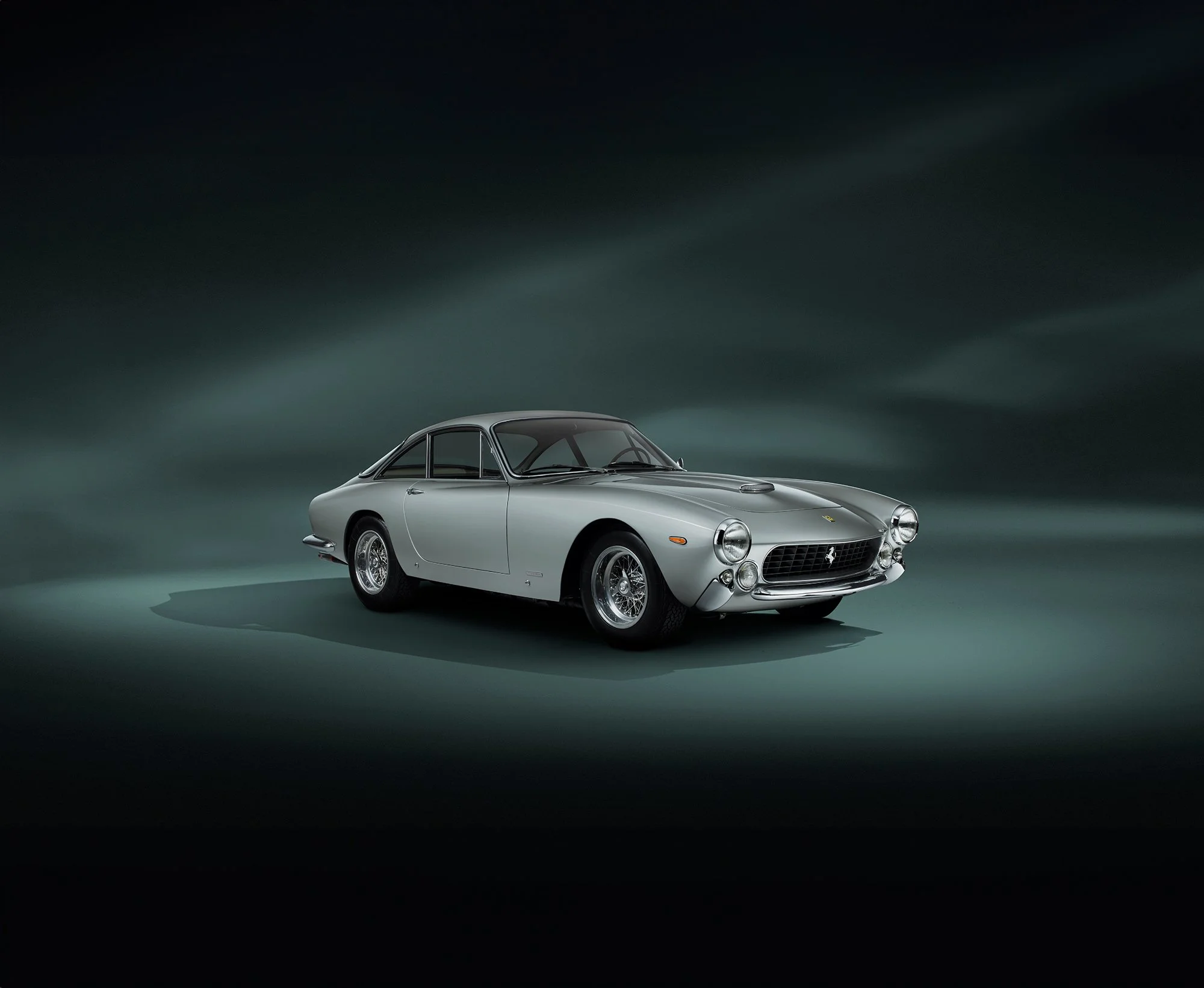
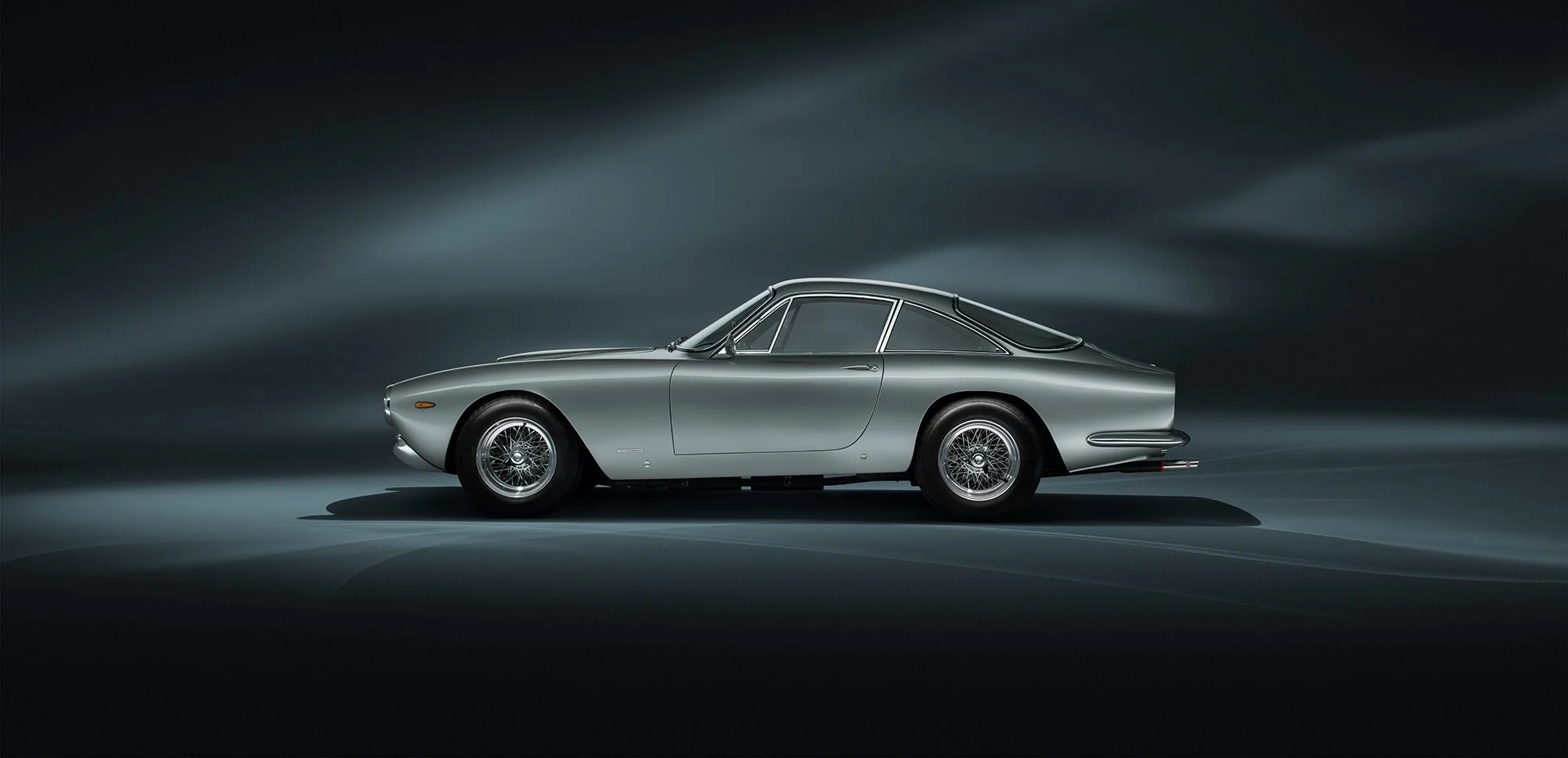
The first chapter of our journey begins with the magnificent Ferrari 250 GT Lusso.
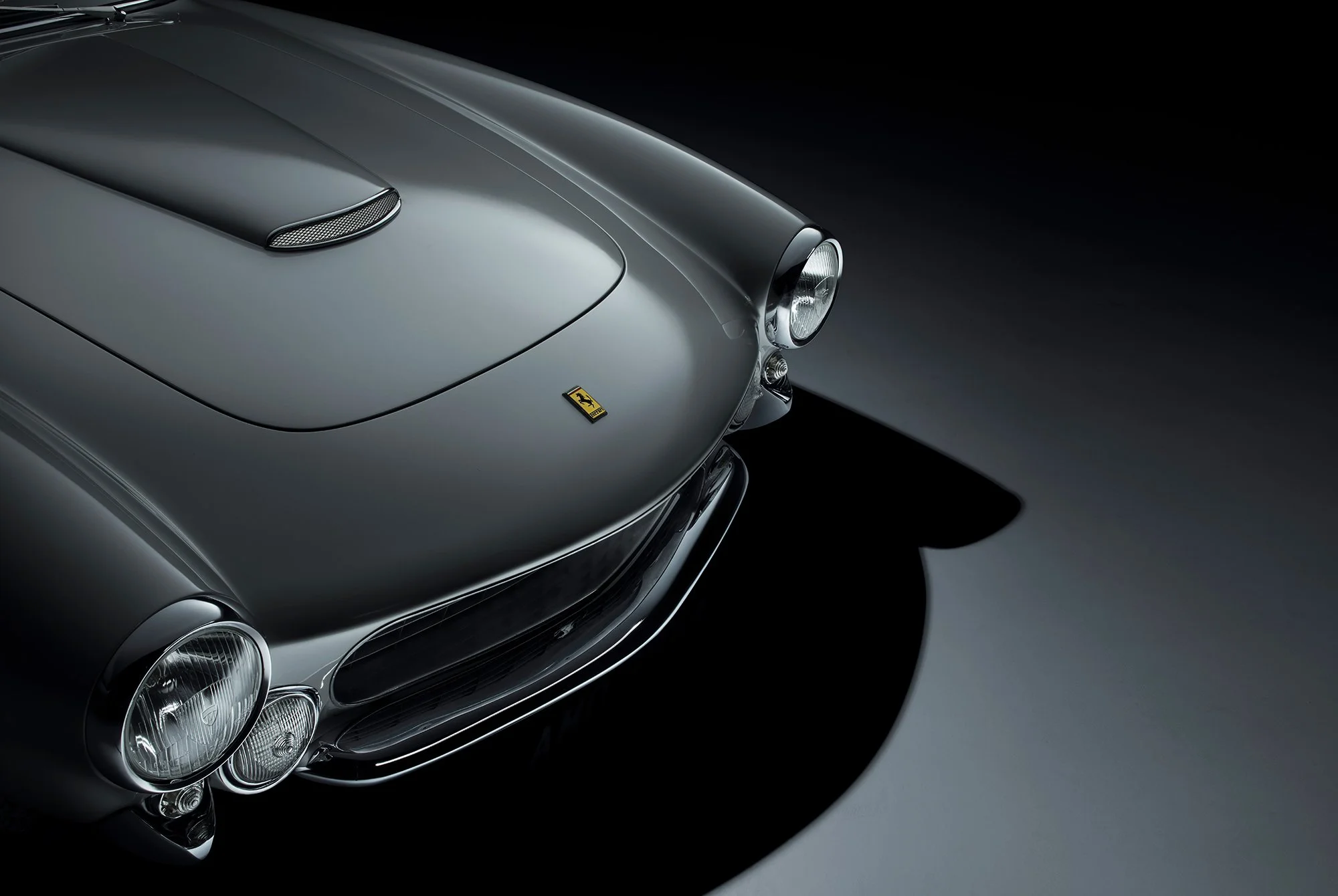
Widely regarded as one of the most beautiful Ferraris ever produced, the Lusso represents an era when automotive design was as much sculpture as engineering.
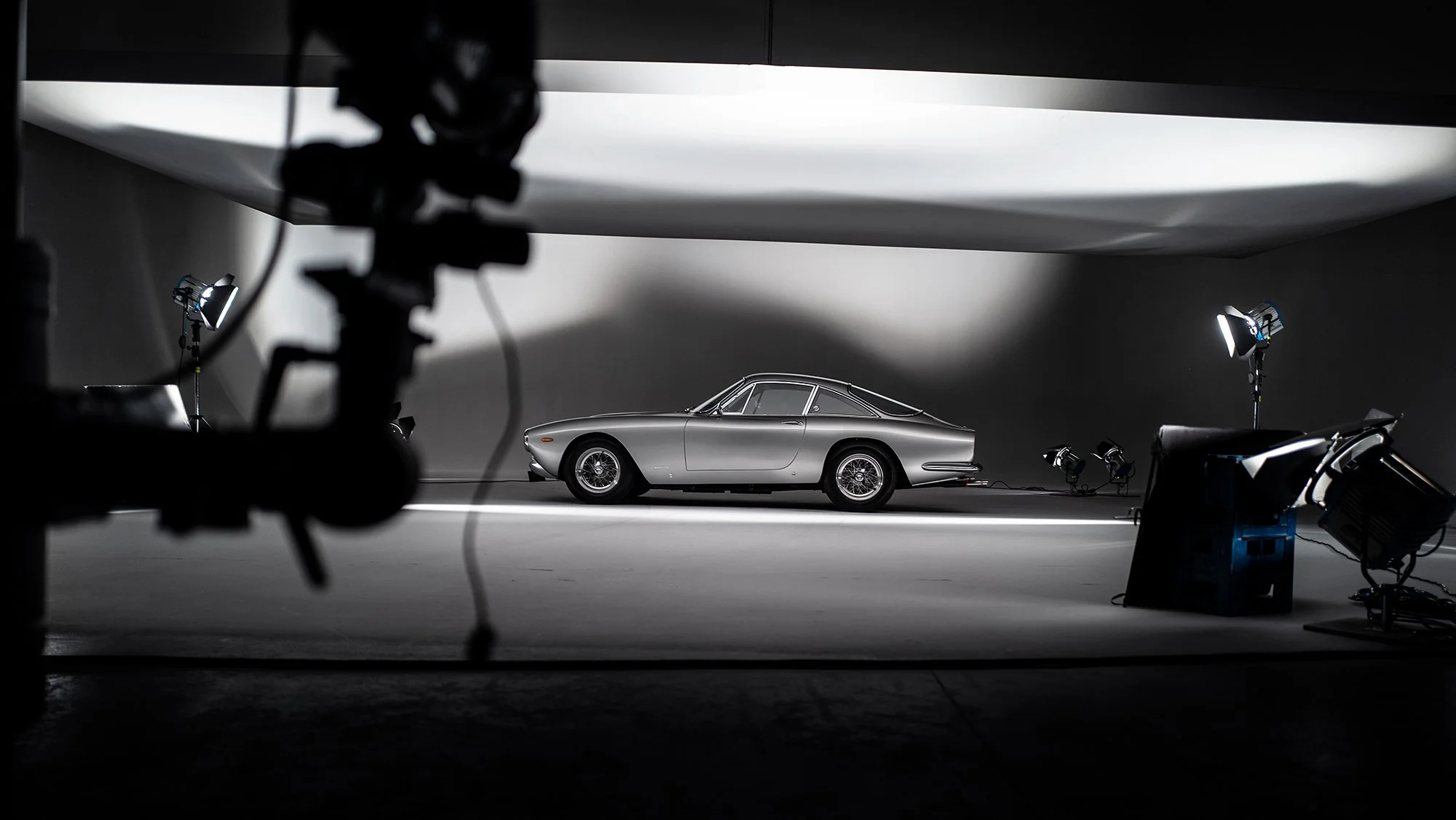
Designed by Pininfarina, its proportions remain breathtaking even today, with flowing lines and elegant detailing that appear effortless. Powered by the legendary Colombo V12 engine, the Lusso was designed as a grand tourer capable of crossing Europe at speed and in comfort. In the studio, the challenge was to preserve that elegance. The lighting needed to be subtle and refined, revealing the sculpted bodywork without overpowering the car's natural beauty.
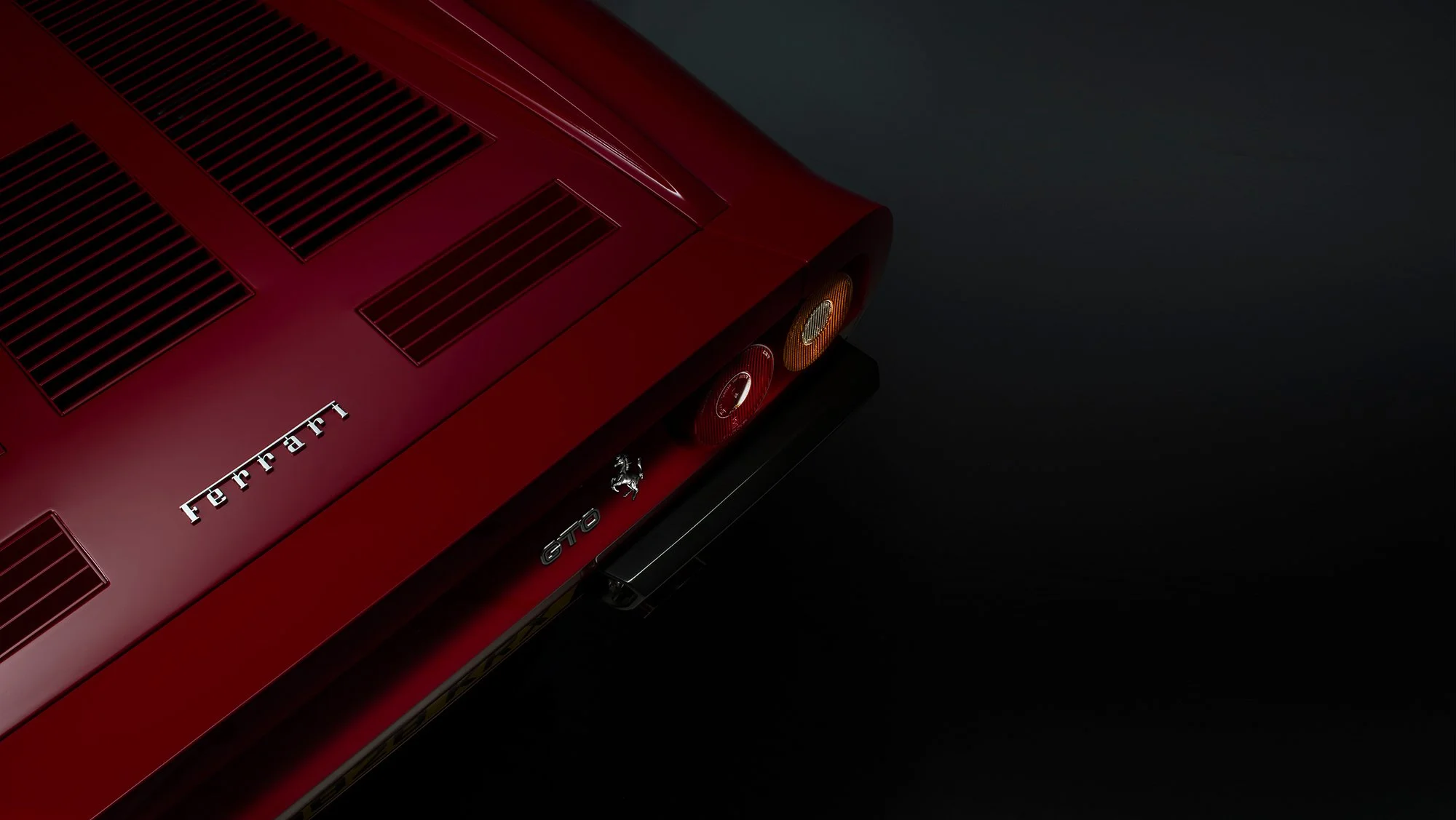
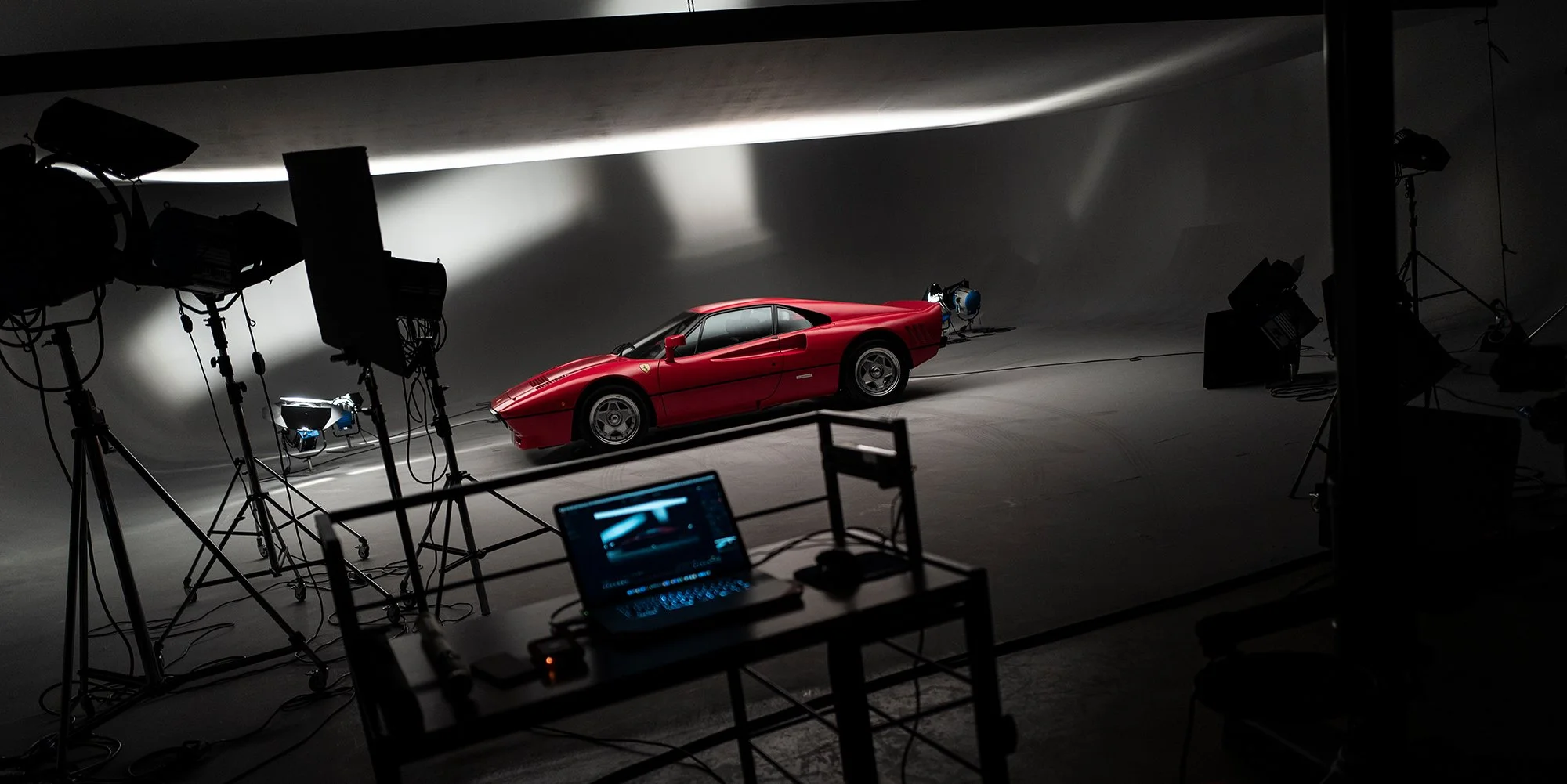
Ferrari 288 GTO – The Hypercar Pioneer
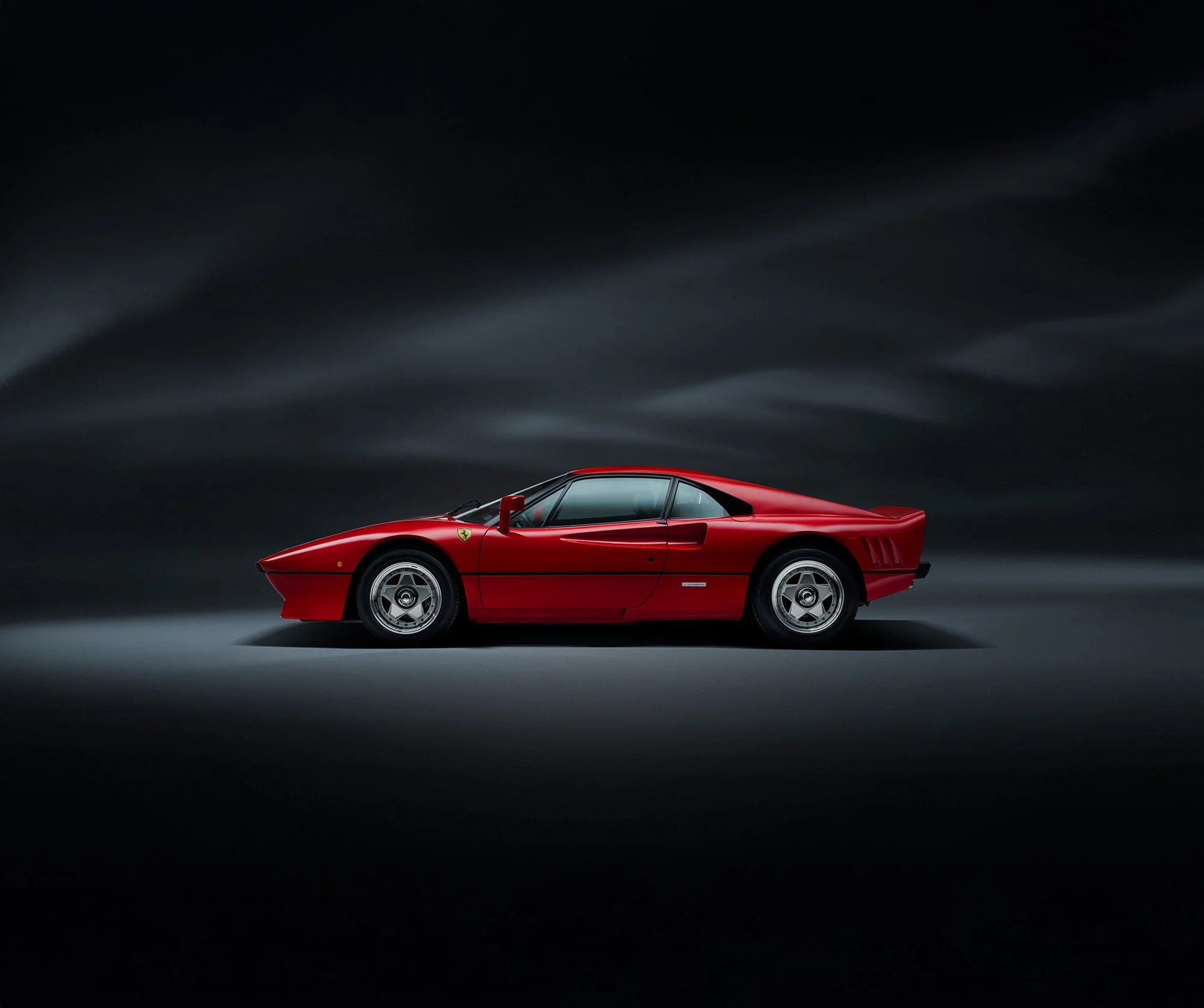
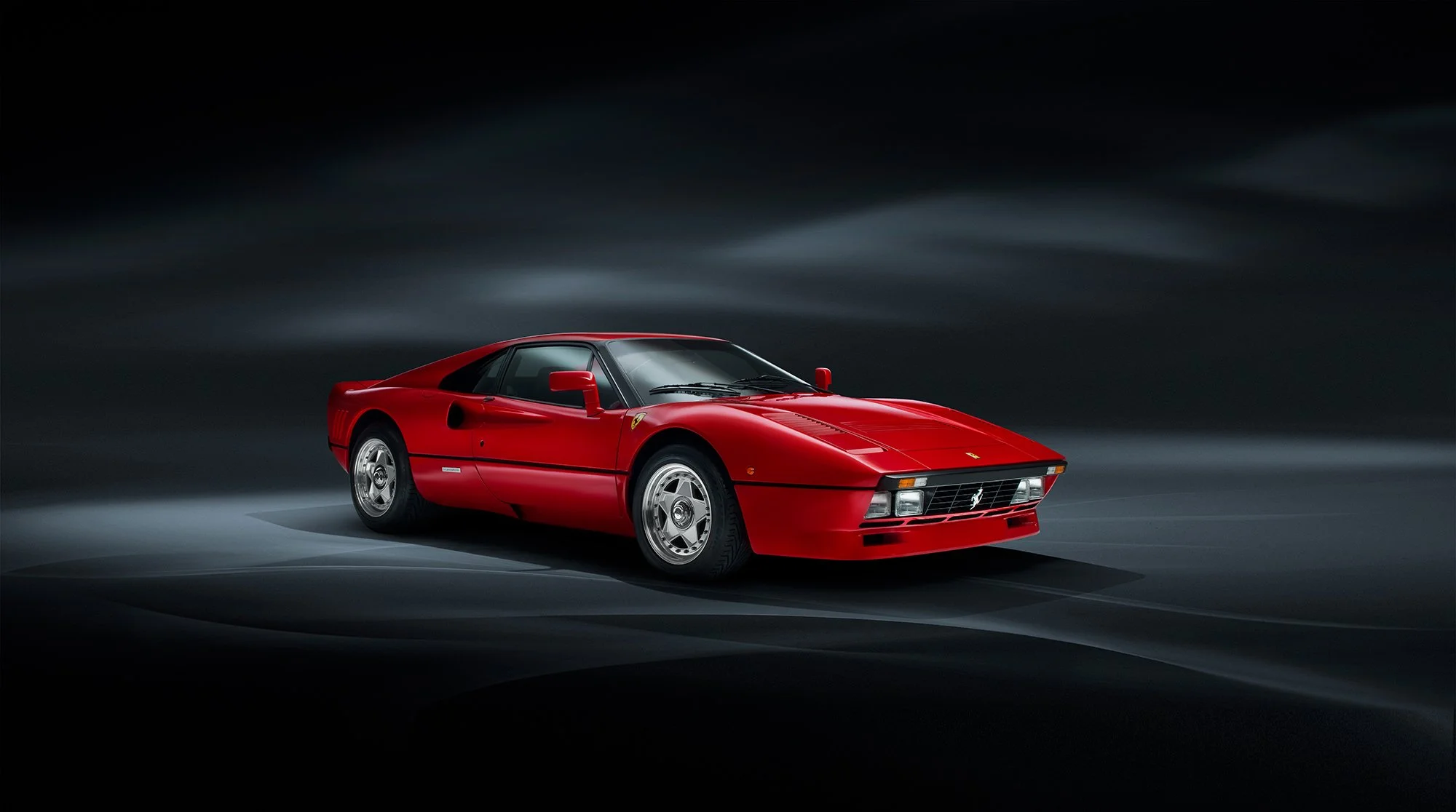
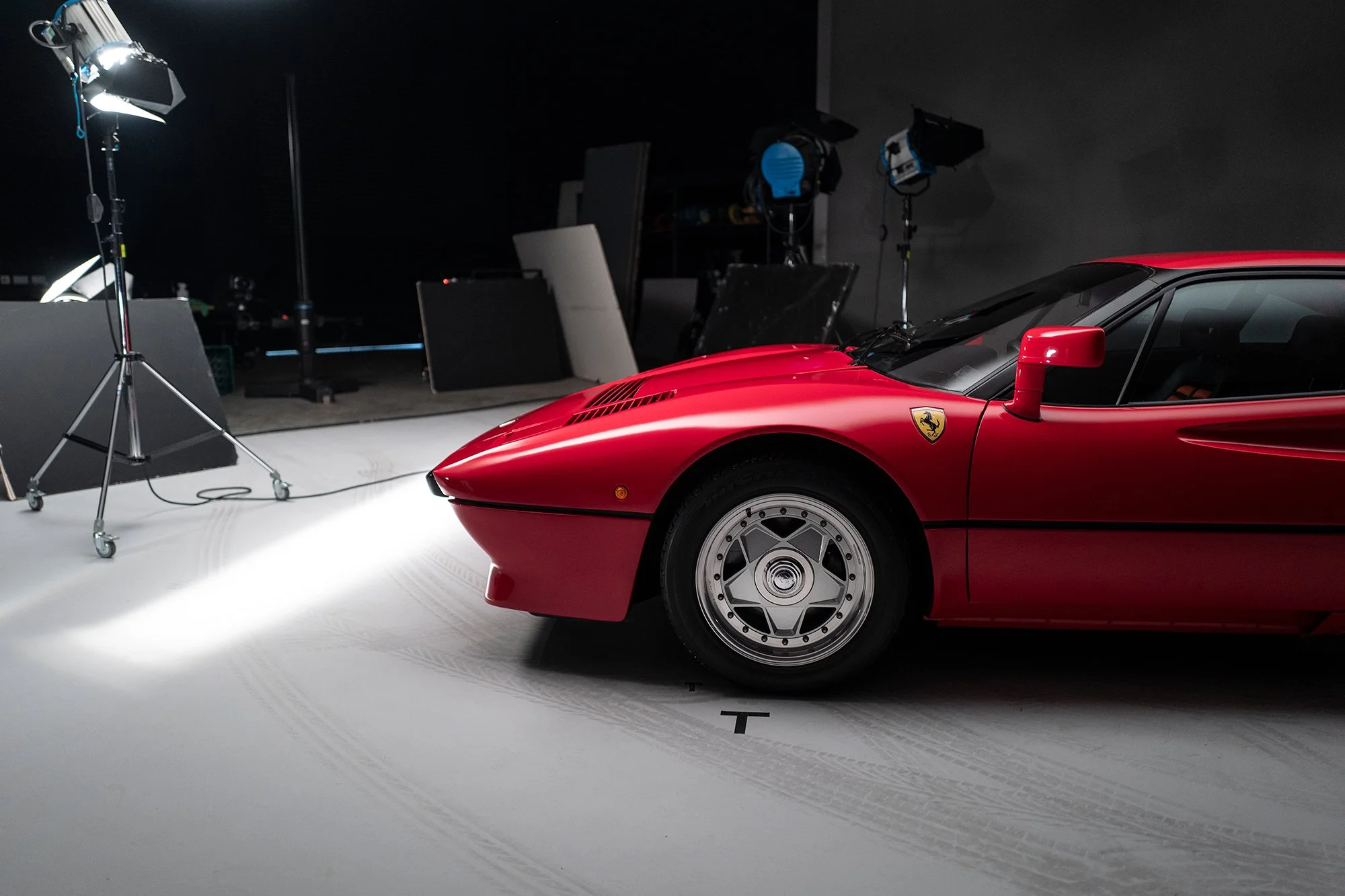
The Ferrari 288 GTO marked the beginning of the modern hypercar era. Originally conceived for the infamous Group B racing category, the project evolved into one of the most desirable Ferraris ever built after the racing programme was cancelled before the car could compete. The 288 GTO was revolutionary for its time, combining lightweight composite materials with a twin-turbocharged V8 capable of pushing performance to extraordinary levels.
Photographing the 288 GTO required a completely different approach. Where the Lusso demanded elegance, the GTO needed to convey purpose, aggression and technological innovation. Every lighting decision was focused on emphasising the muscular stance and iconic proportions that have made the GTO such a revered model among Ferrari enthusiasts.
More Than a Marque – The Story Behind Ferrari
Spending a week surrounded by some of Ferrari's greatest creations inevitably leads you to reflect on the remarkable history behind the famous Prancing Horse.
Few automotive brands have achieved the status that Ferrari enjoys today. It is a name recognised far beyond the world of motorsport and performance cars, representing a unique blend of engineering excellence, Italian craftsmanship and racing heritage.
Interestingly, the Ferrari name itself originates from the Italian word ferraro, meaning "blacksmith", derived from the Latin word ferrum, meaning iron. A fitting origin for a company that would go on to forge some of the most celebrated automobiles ever created. Of course, Ferrari is perhaps best known for its iconic Prancing Horse emblem. The famous symbol has its roots in the First World War and originally appeared on the aircraft of legendary Italian fighter pilot Francesco Baracca. Following his death, Baracca's family encouraged Enzo Ferrari to adopt the horse as a symbol of good fortune. It has remained at the heart of Ferrari's identity ever since.
Then there is the unmistakable red. Today, Ferrari and Rosso Corsa are virtually inseparable, but the colour was not originally a styling choice. In the early years of Grand Prix racing, international regulations assigned specific colours to competing nations, with red designated to Italy. While many manufacturers later moved away from their national racing colours, Ferrari embraced its heritage and transformed Rosso Corsa into one of the most recognisable colours in automotive history.
Ferrari's story has always been deeply connected to motorsport. In fact, it remains the only Formula One constructor to have competed in every single season since the championship began in 1950. That continuous pursuit of performance has shaped every road car the company has produced. The influence of racing extends beyond the vehicles themselves. Ferrari remains one of the very few manufacturers to test its road and race cars on a dedicated private circuit. The famous Fiorano test track, opened in 1972, was built specifically to allow engineers and drivers to develop vehicles under demanding conditions, with corners designed to replicate some of the most challenging sections of Formula One circuits around the world.
Throughout its history, Ferrari has also produced stories that have become part of automotive folklore. One of the most remarkable involves the Enzo. Originally limited to just 399 examples, Ferrari later built a special 400th car which was donated to Pope John Paul II. The vehicle was subsequently auctioned, raising significant funds for humanitarian aid following the devastating Indian Ocean tsunami. Even Ferrari's modern evolution has generated headlines. For decades, company executives publicly insisted that Ferrari would never produce an SUV. Yet changing customer expectations ultimately led to the introduction of the Purosangue in 2022, proving that even the most traditional manufacturers must occasionally embrace change.
What has never changed, however, is Ferrari's ability to create cars that stir emotion. Whether it's a classic V12 grand tourer, a championship-winning Formula One car or a modern hypercar, every Ferrari carries the same DNA — a relentless pursuit of performance combined with a passion for design that few manufacturers can match.
Looking around the studio at the cars assembled before us, it was impossible not to appreciate that each vehicle represented a chapter in that remarkable story.
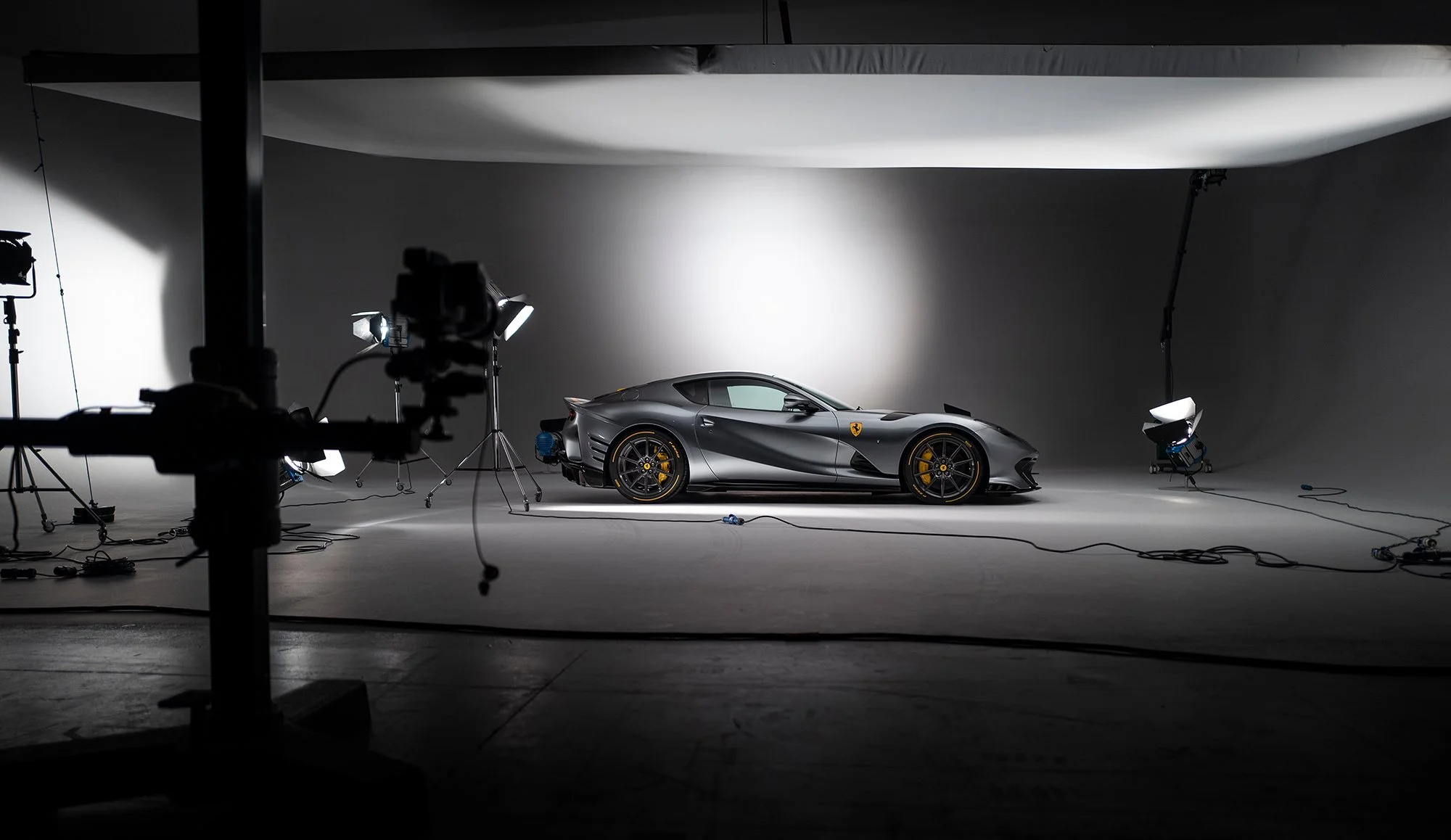
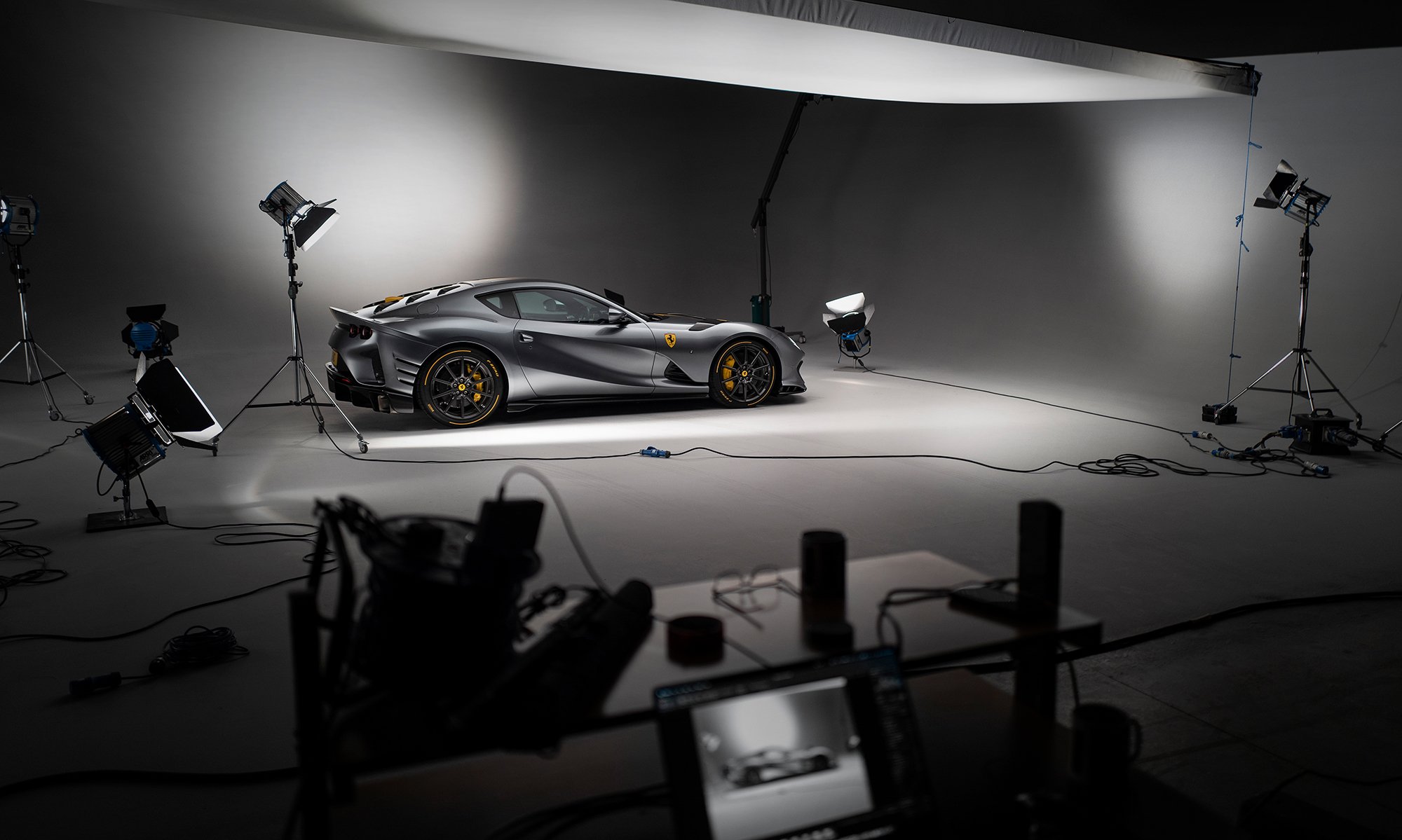
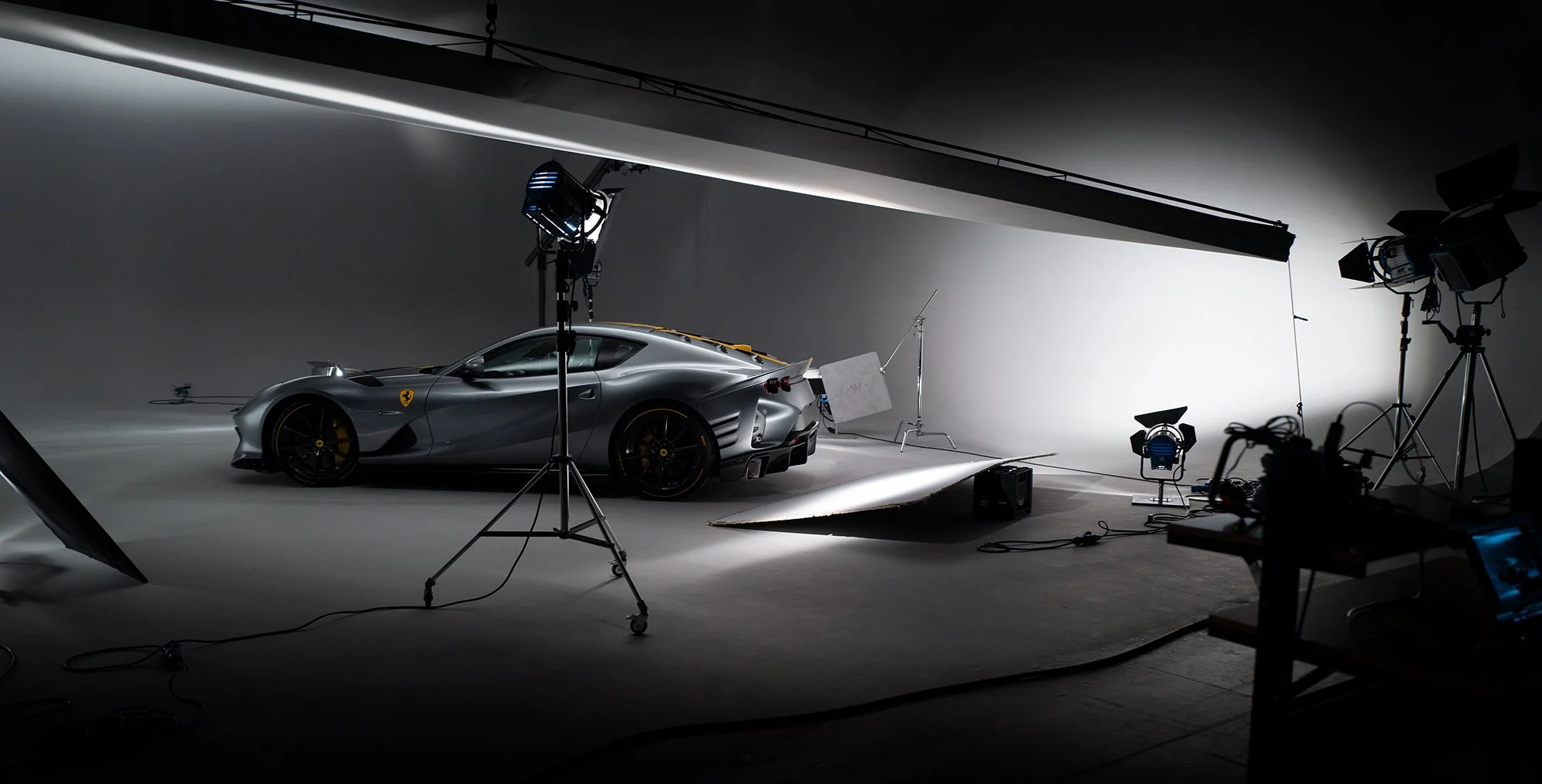
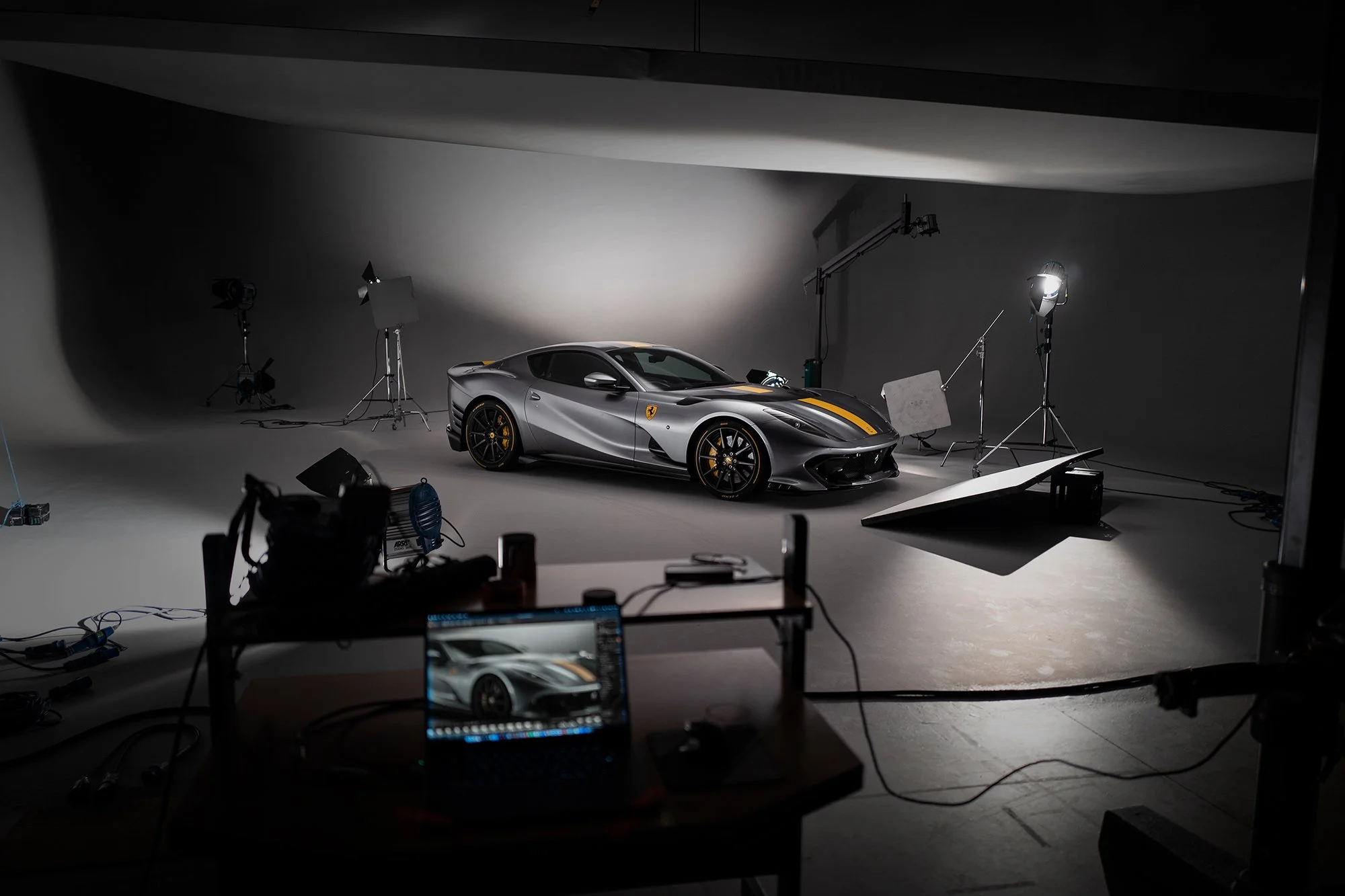
Ferrari 812 Competizione – The Last Great V12
The Ferrari 812 Competizione represents the pinnacle of naturally aspirated front-engine V12 performance. Producing one of the most exhilarating engine notes ever created, the Competizione pushes Ferrari's engineering expertise to remarkable levels. Its 9,500rpm redline is a reminder of an era that is becoming increasingly rare in the automotive world.
Visually, the car is every bit as dramatic as its performance figures suggest. Complex aerodynamic details, carbon fibre elements and aggressive bodywork demanded highly controlled lighting to reveal every surface and texture. The result is a machine that looks every bit as extreme as it feels.
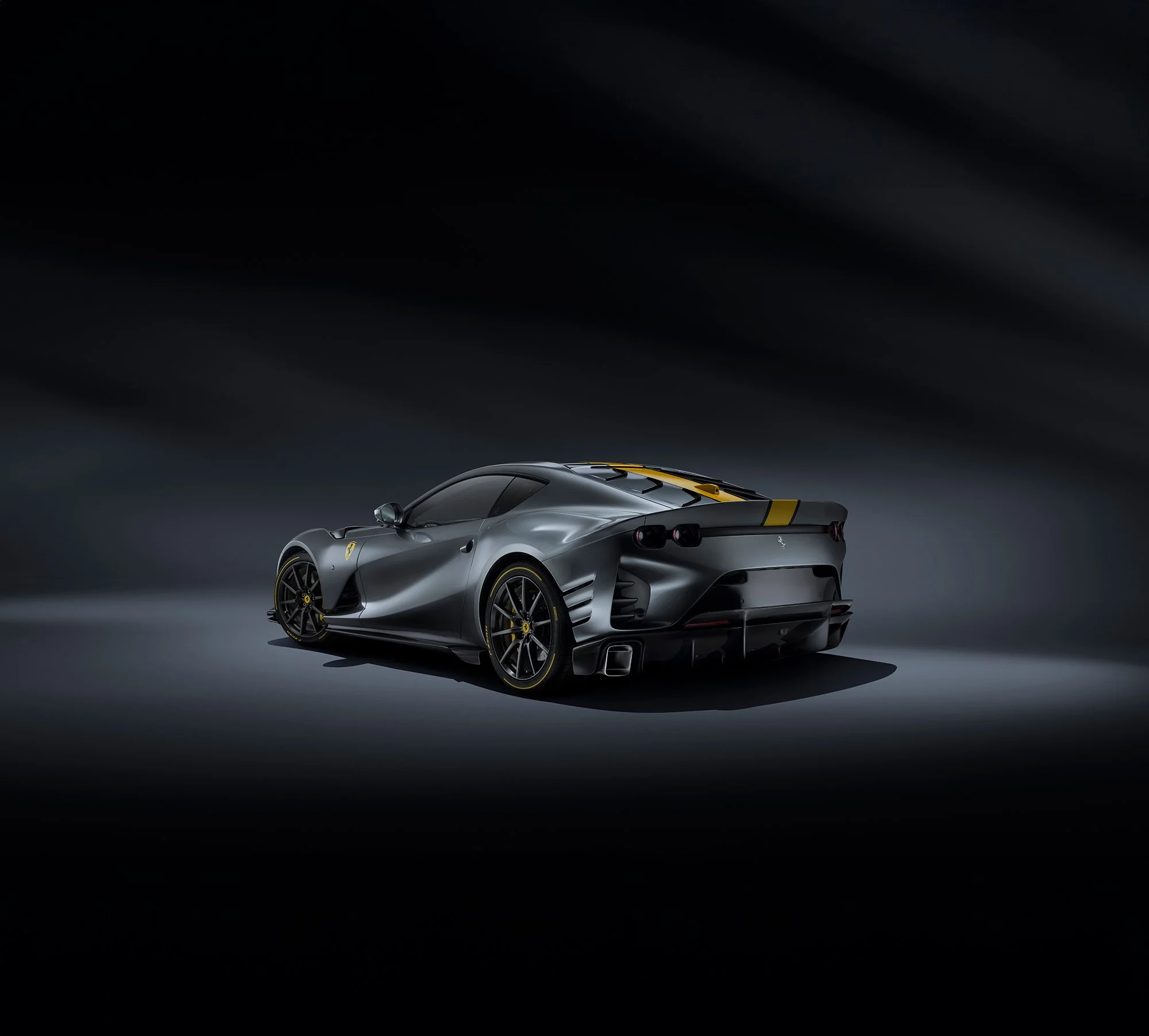
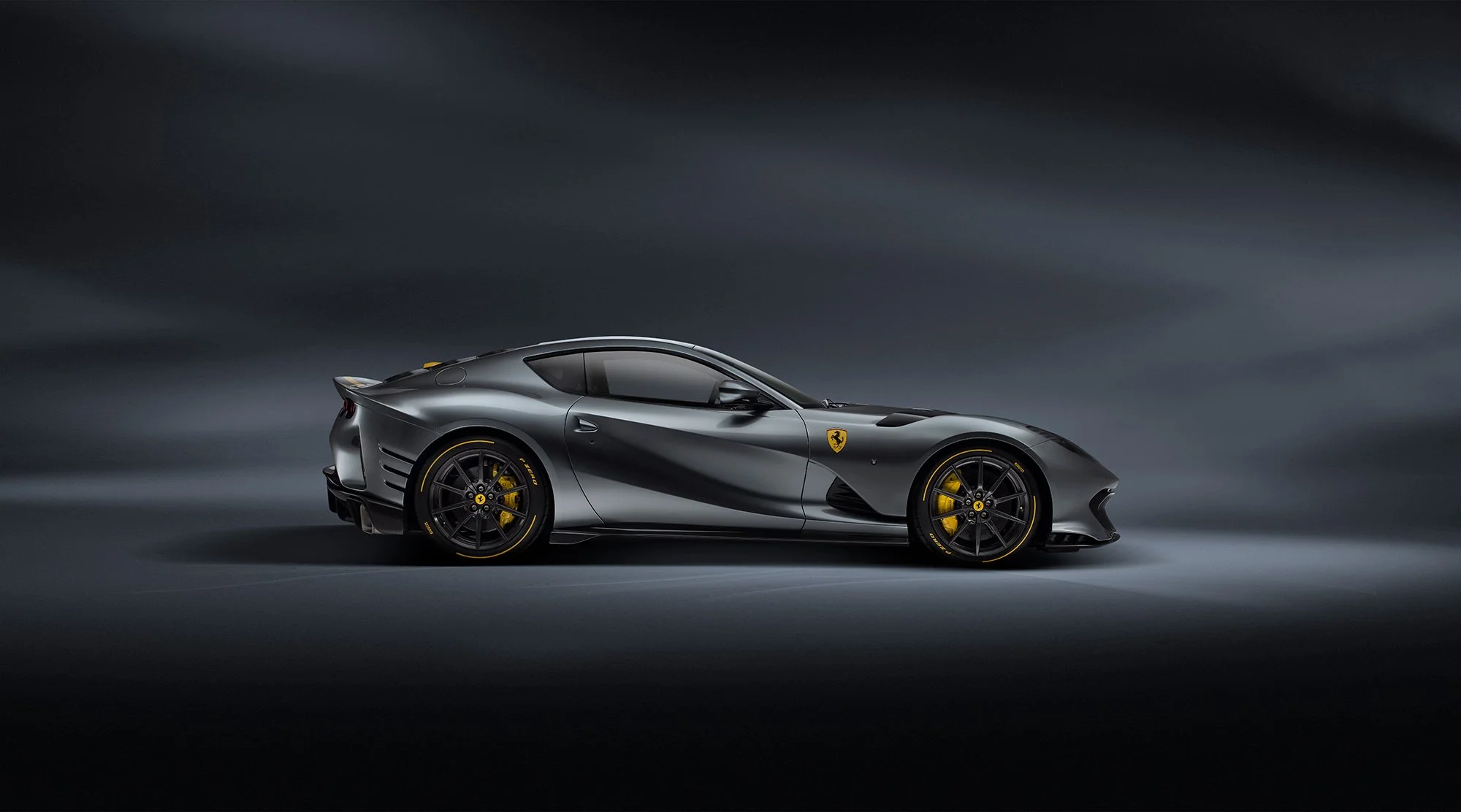
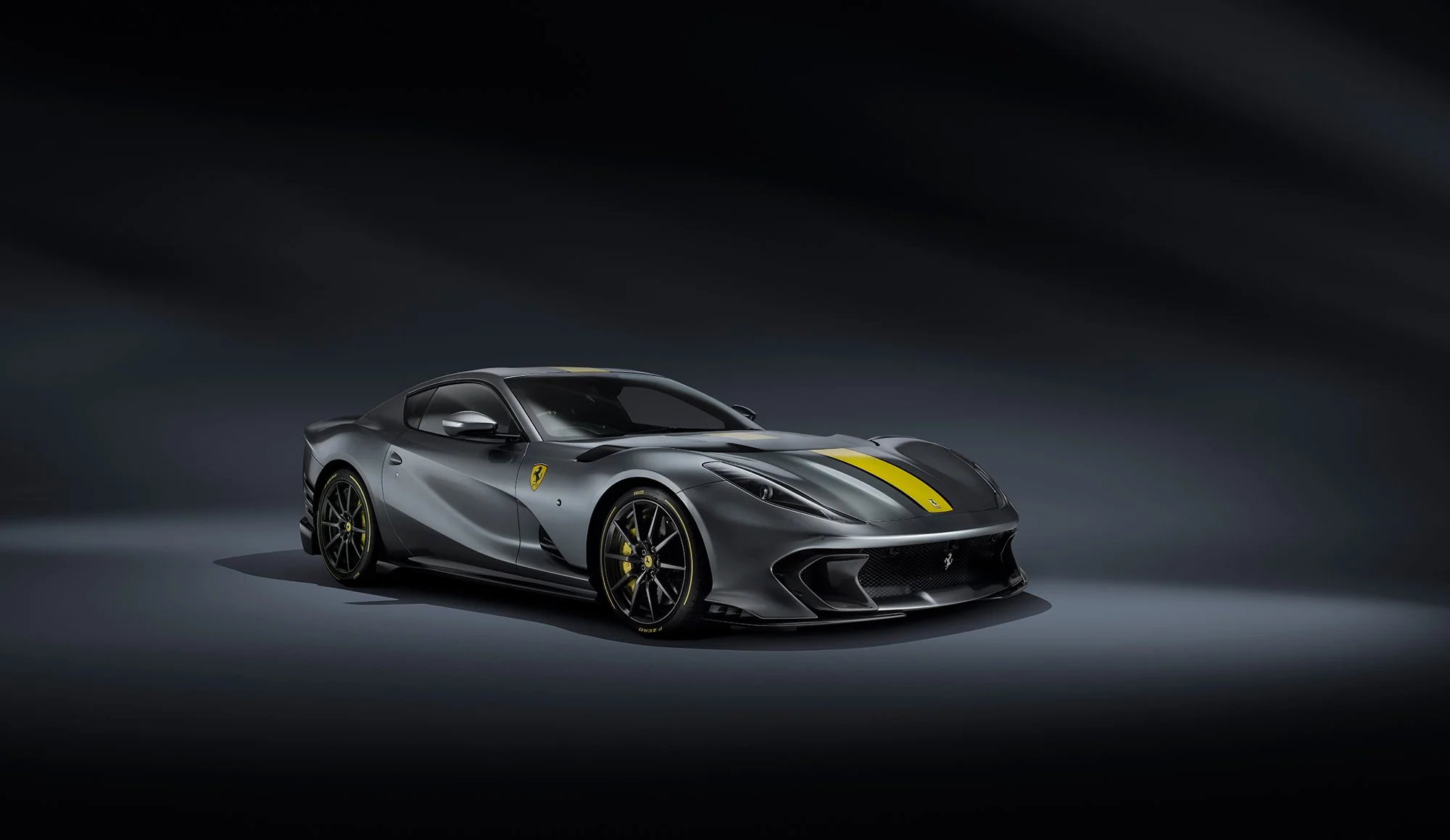
Behind the Scenes in studio shooting the Ferrari 812 Competizione
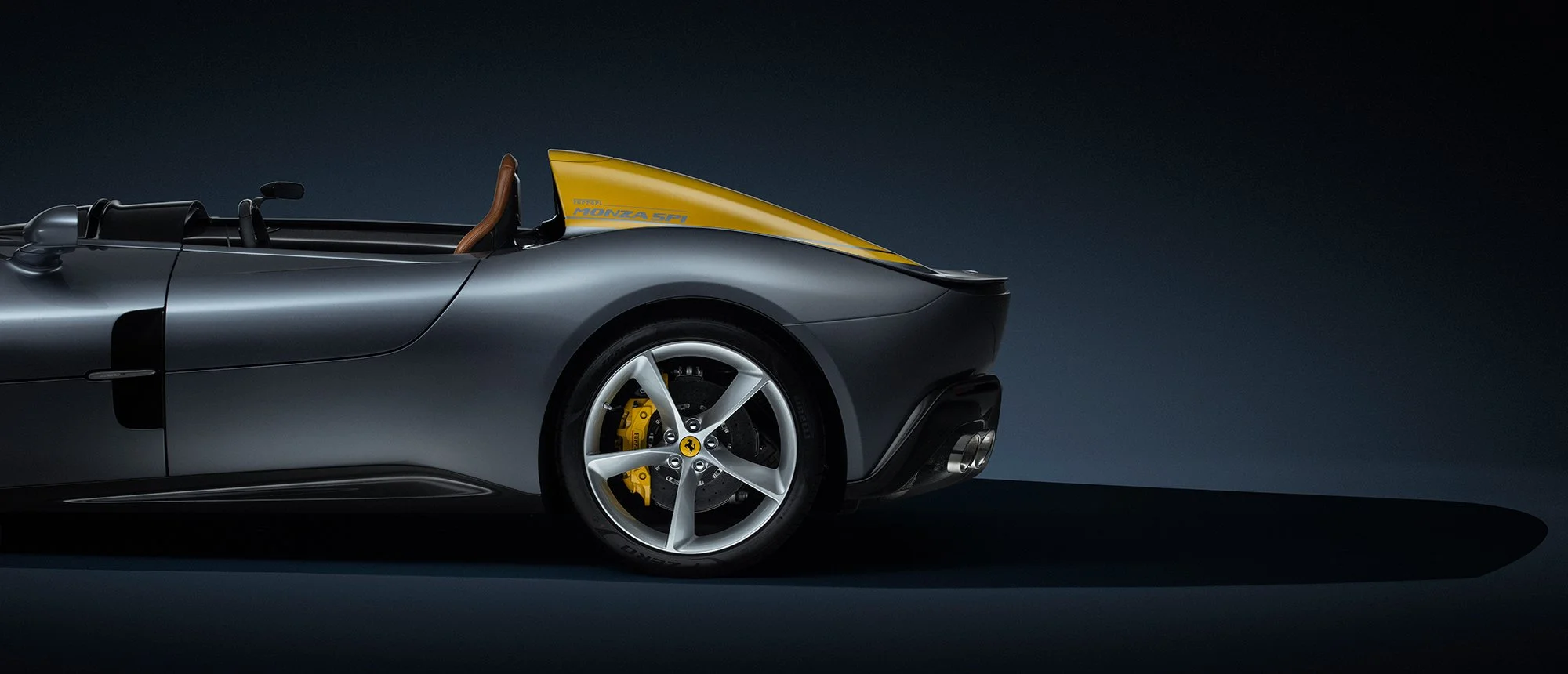
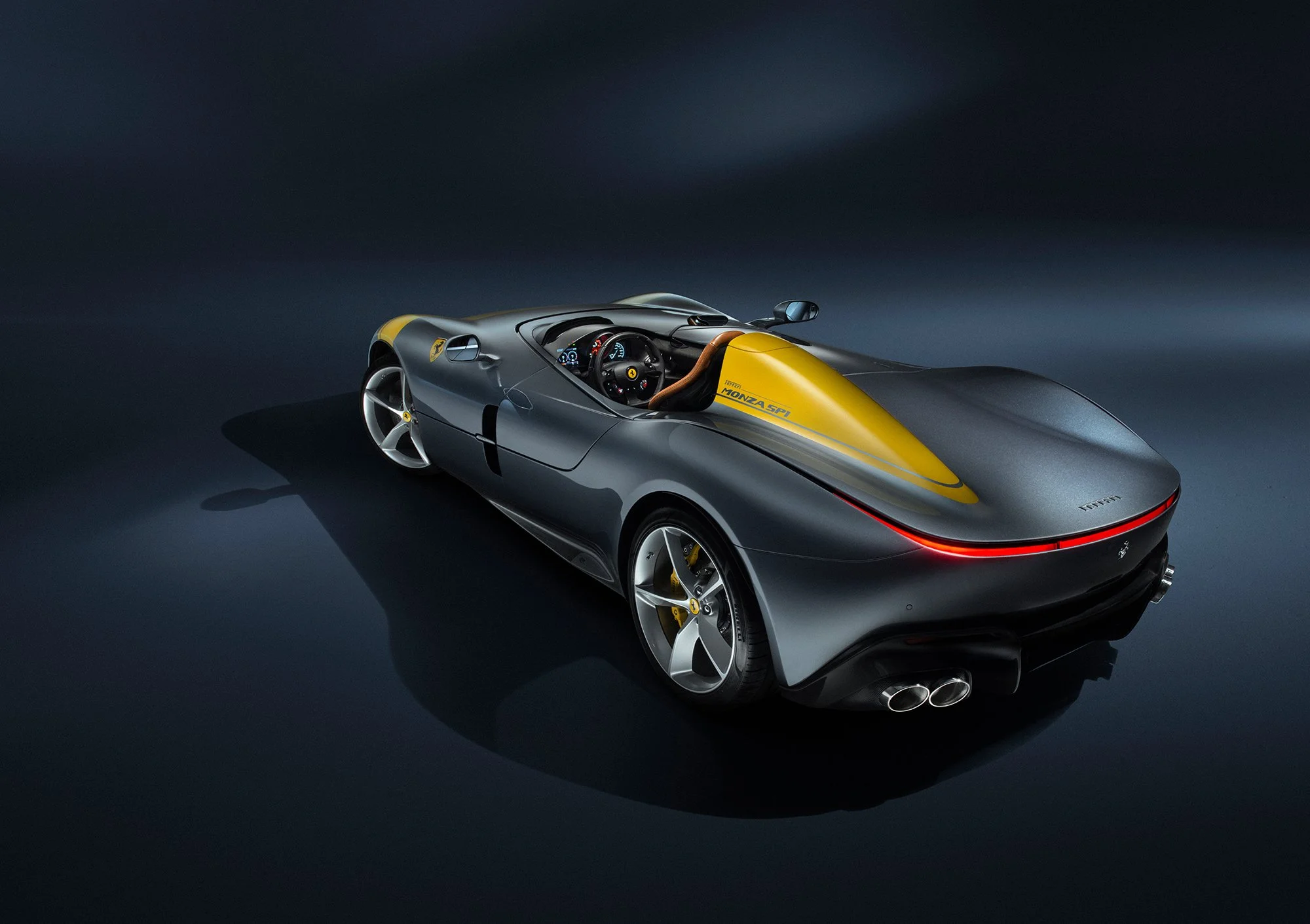
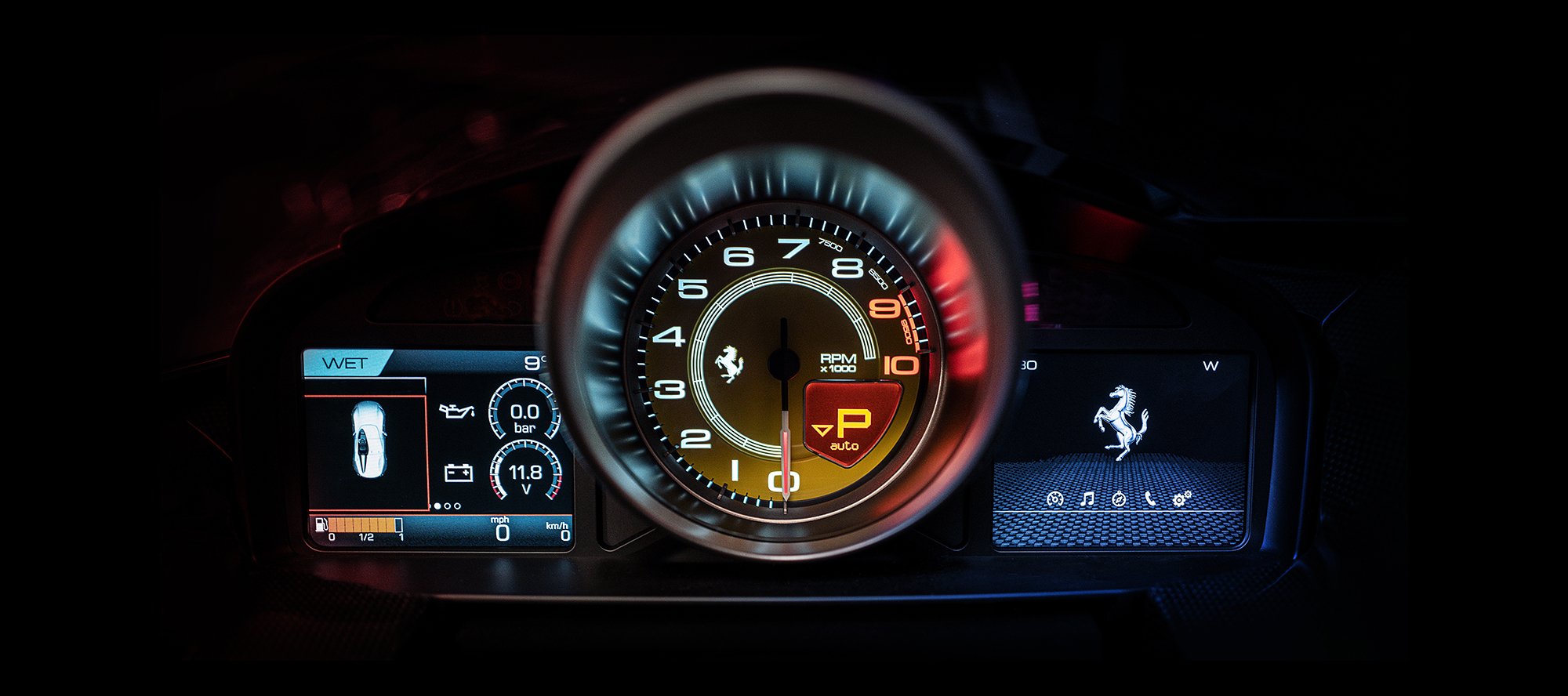
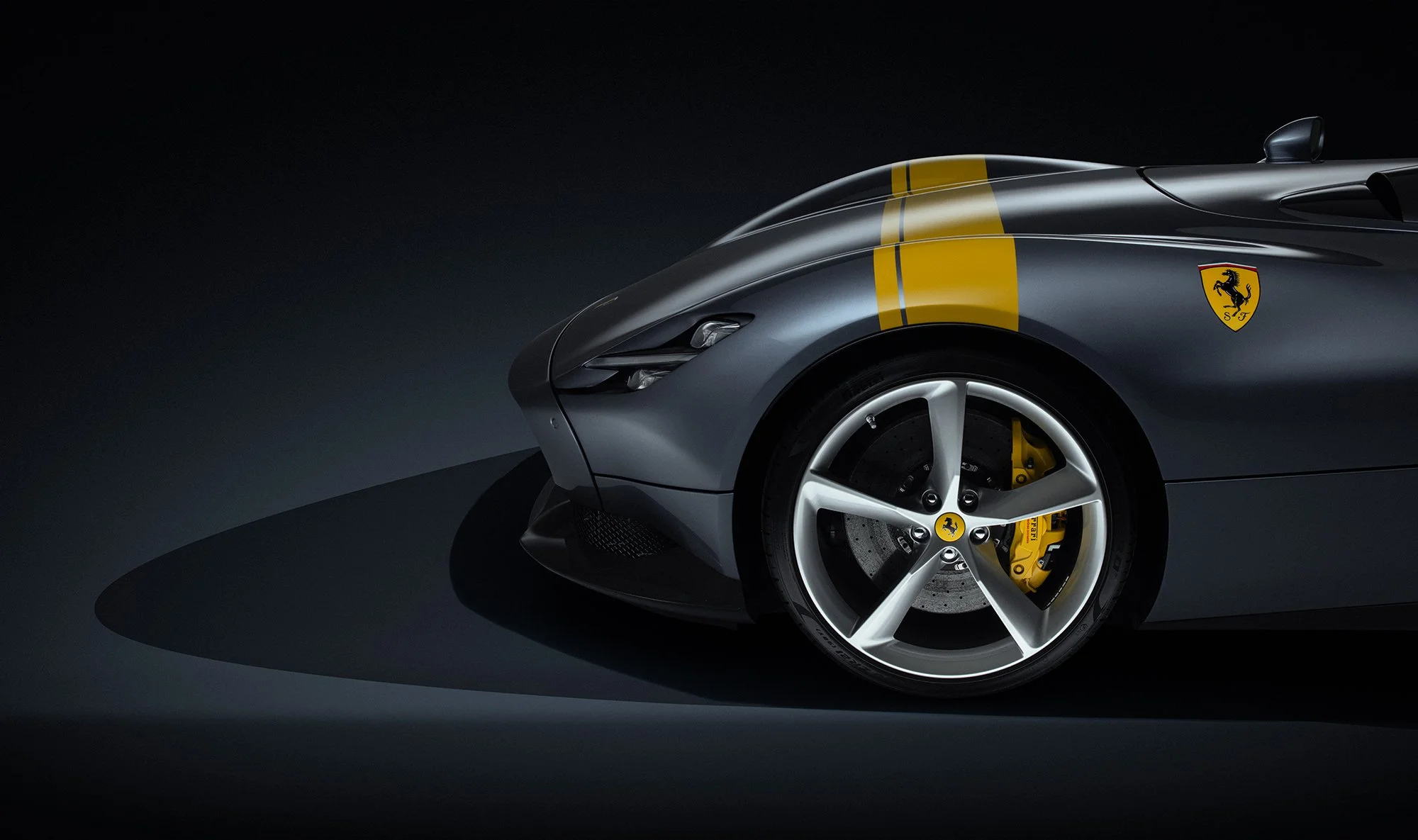
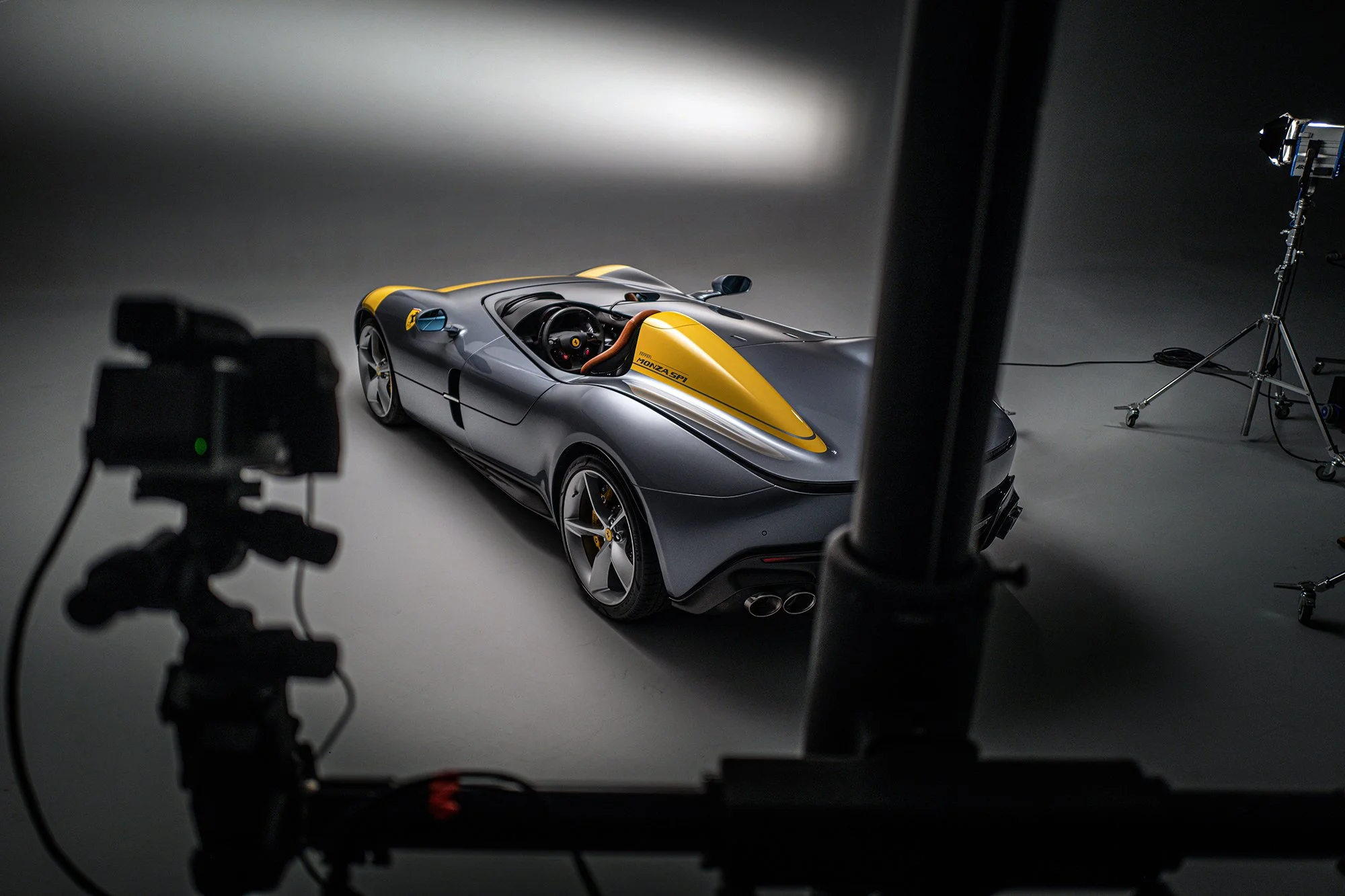
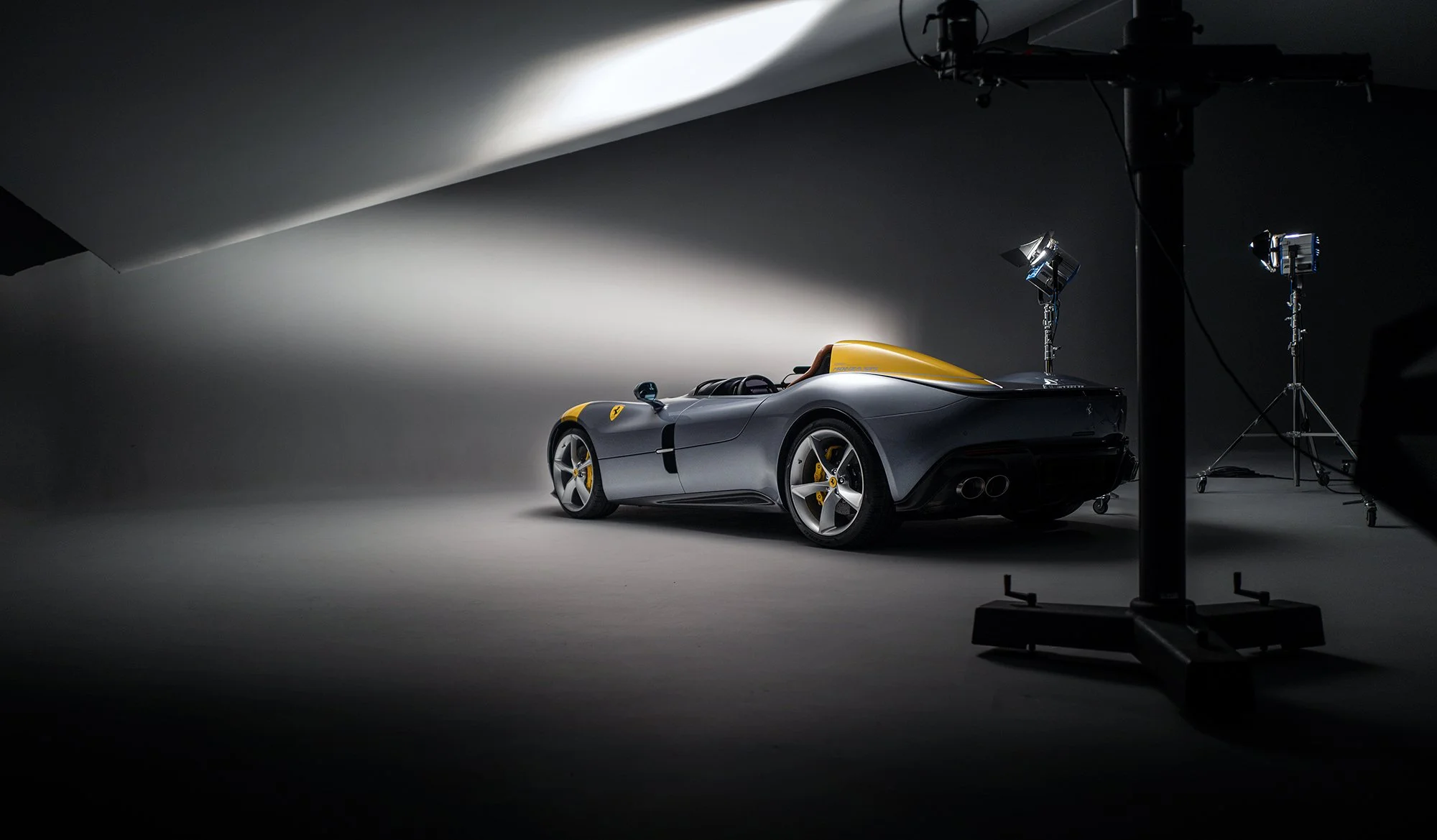
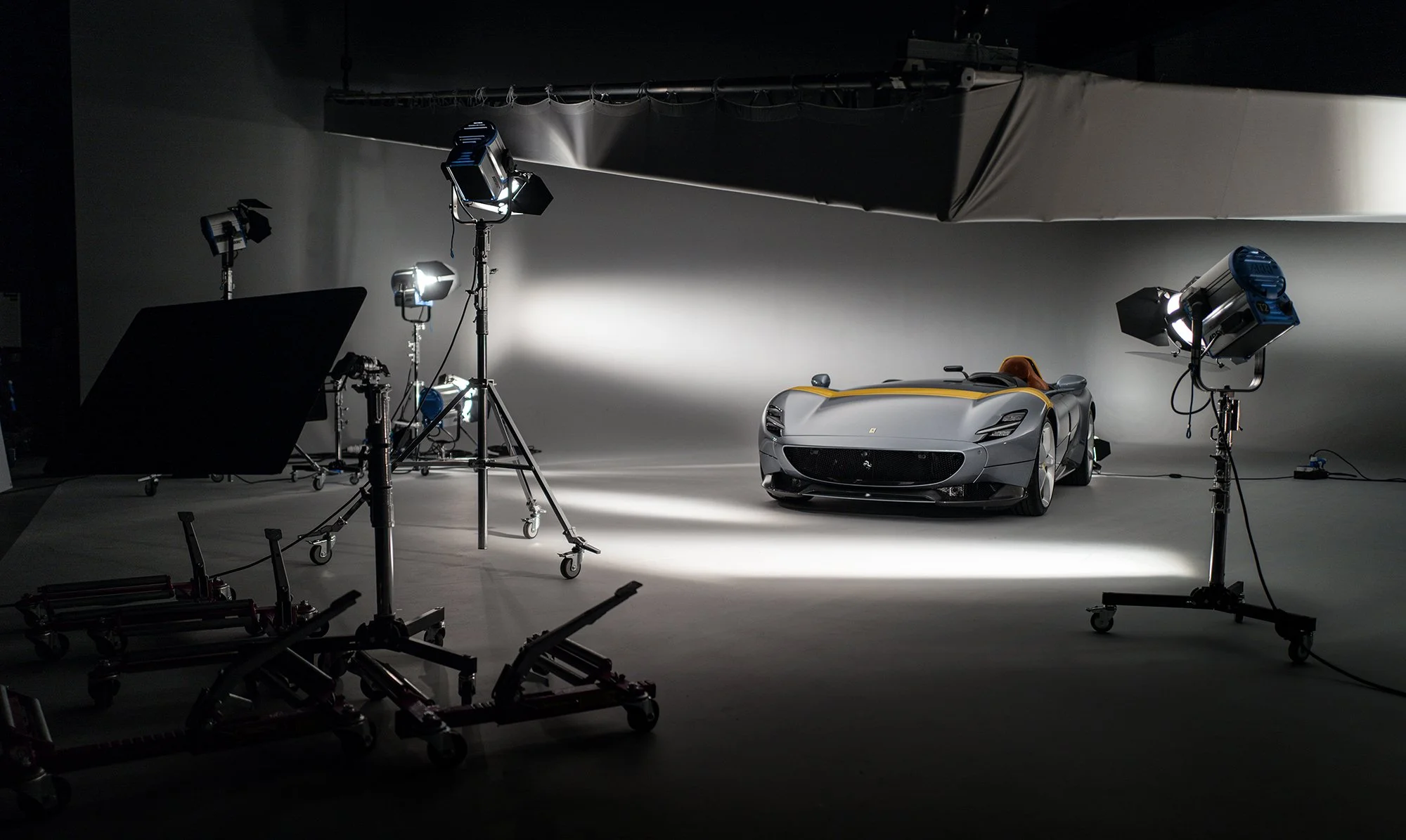
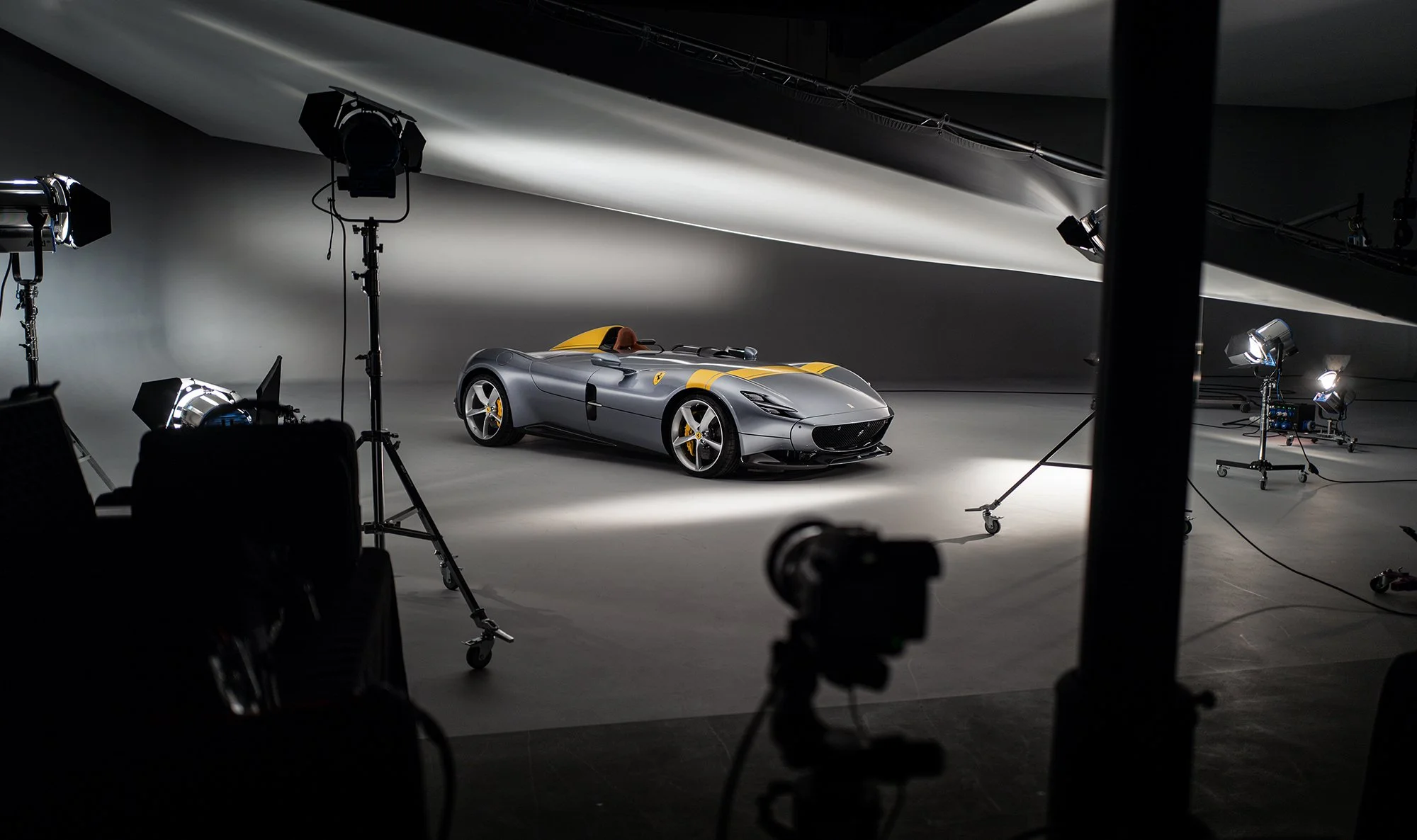
Ferrari Monza SP1 – A Modern Automotive Sculpture
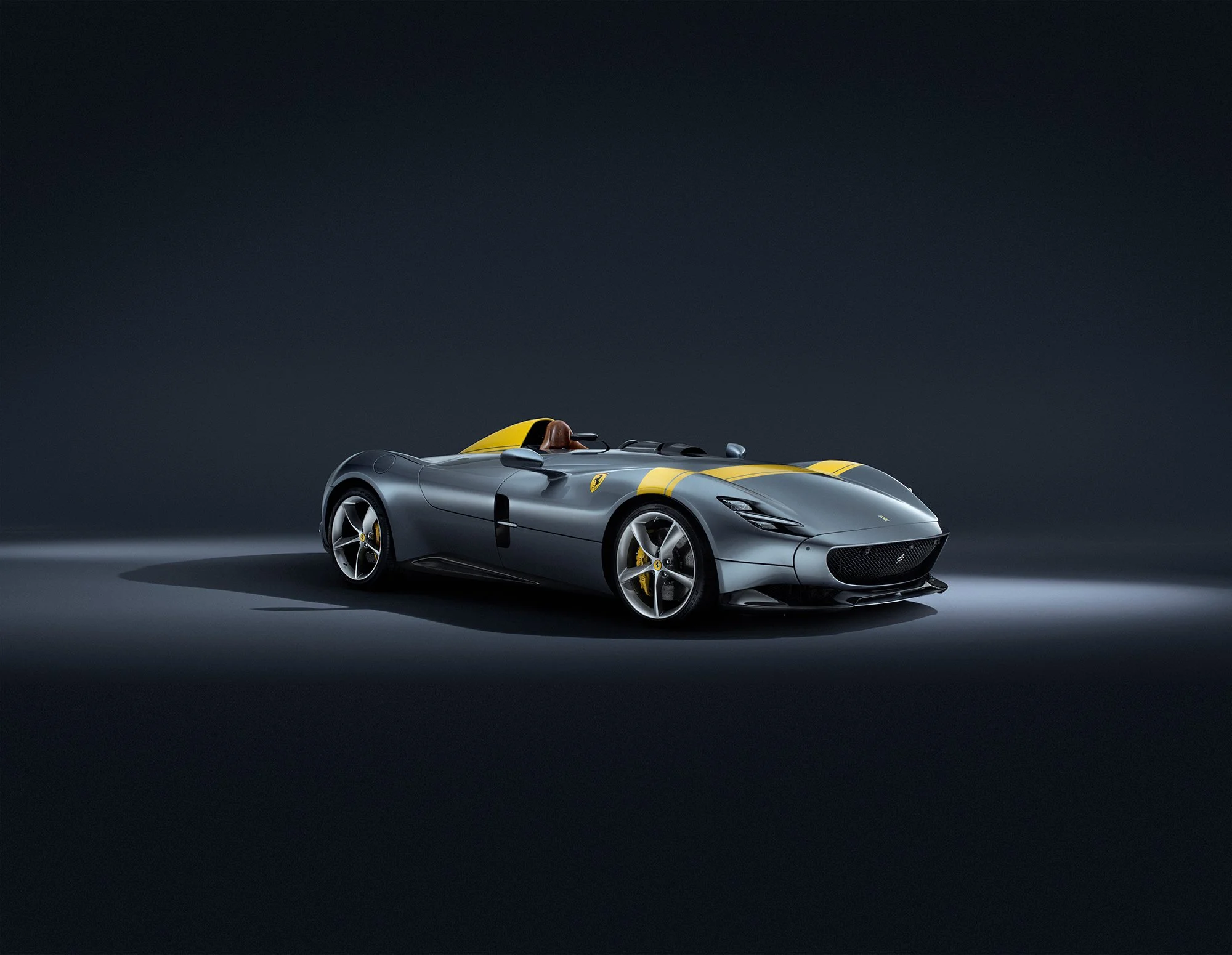
Few cars stop people in their tracks quite like the Monza SP1. Part of Ferrari's exclusive Icona programme, the SP1 pays homage to the open-top racing barchettas of the 1950s while incorporating state-of-the-art engineering and aerodynamics. With no conventional windscreen and a single-seat configuration, the SP1 is as much an artistic statement as it is a performance car.
Photographically, it presented one of the most fascinating challenges of the entire project. Every angle revealed a new shape, a new reflection and a new opportunity to highlight the remarkable design language that makes the Monza so unique.
Behind the Scenes in studio shooting the Ferrari Monza SP1
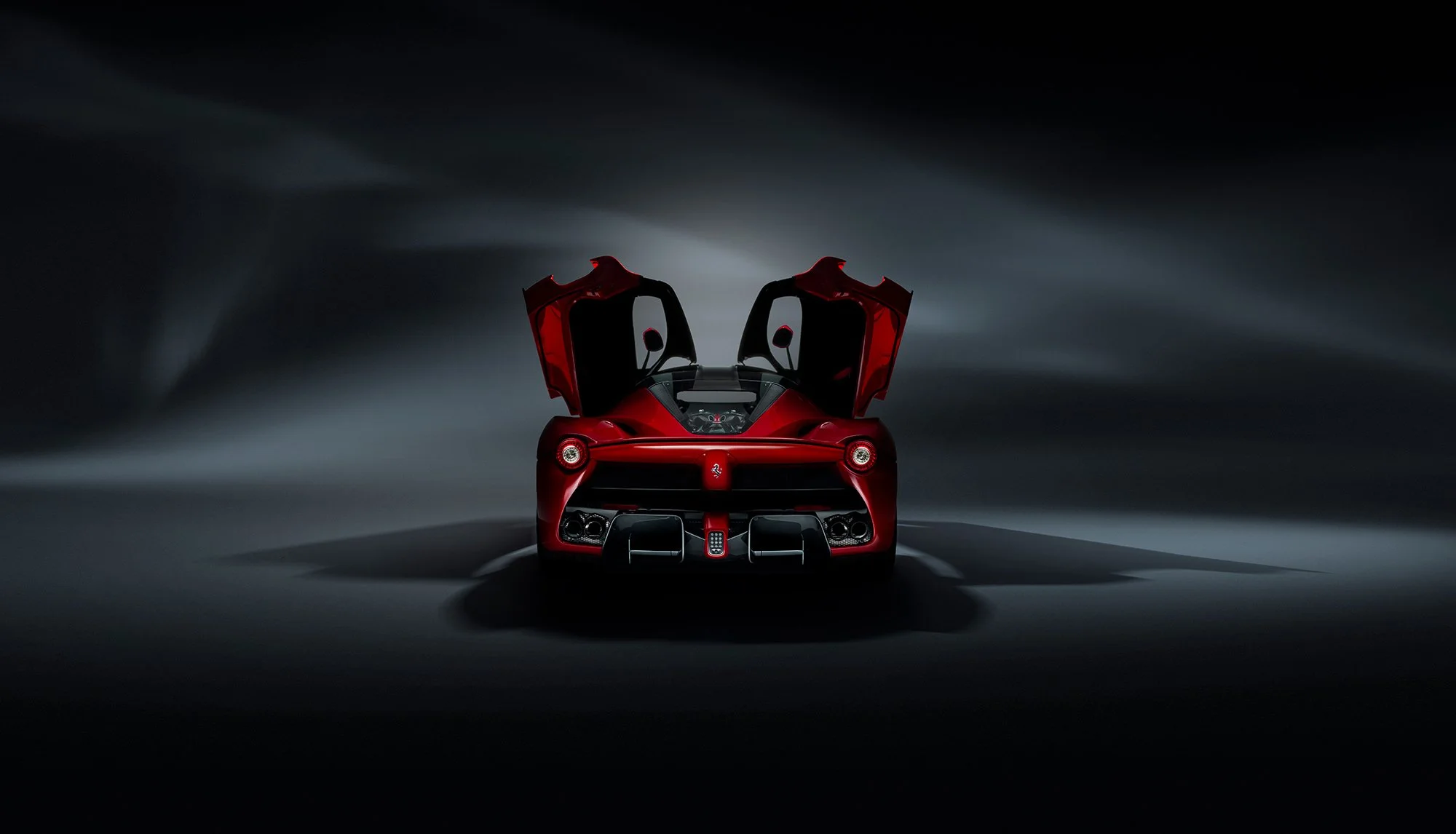
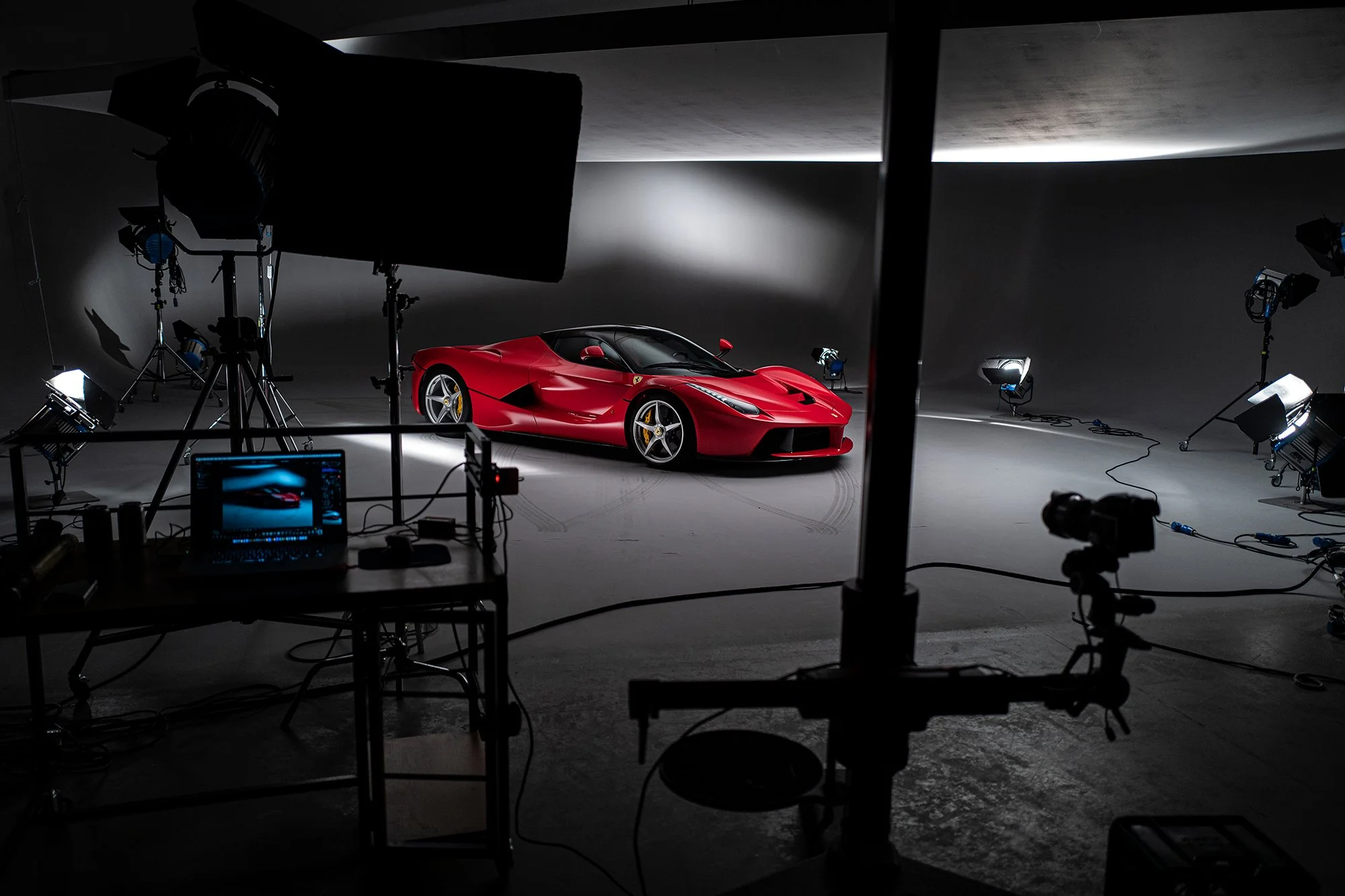
LaFerrari – The Hybrid Revolution
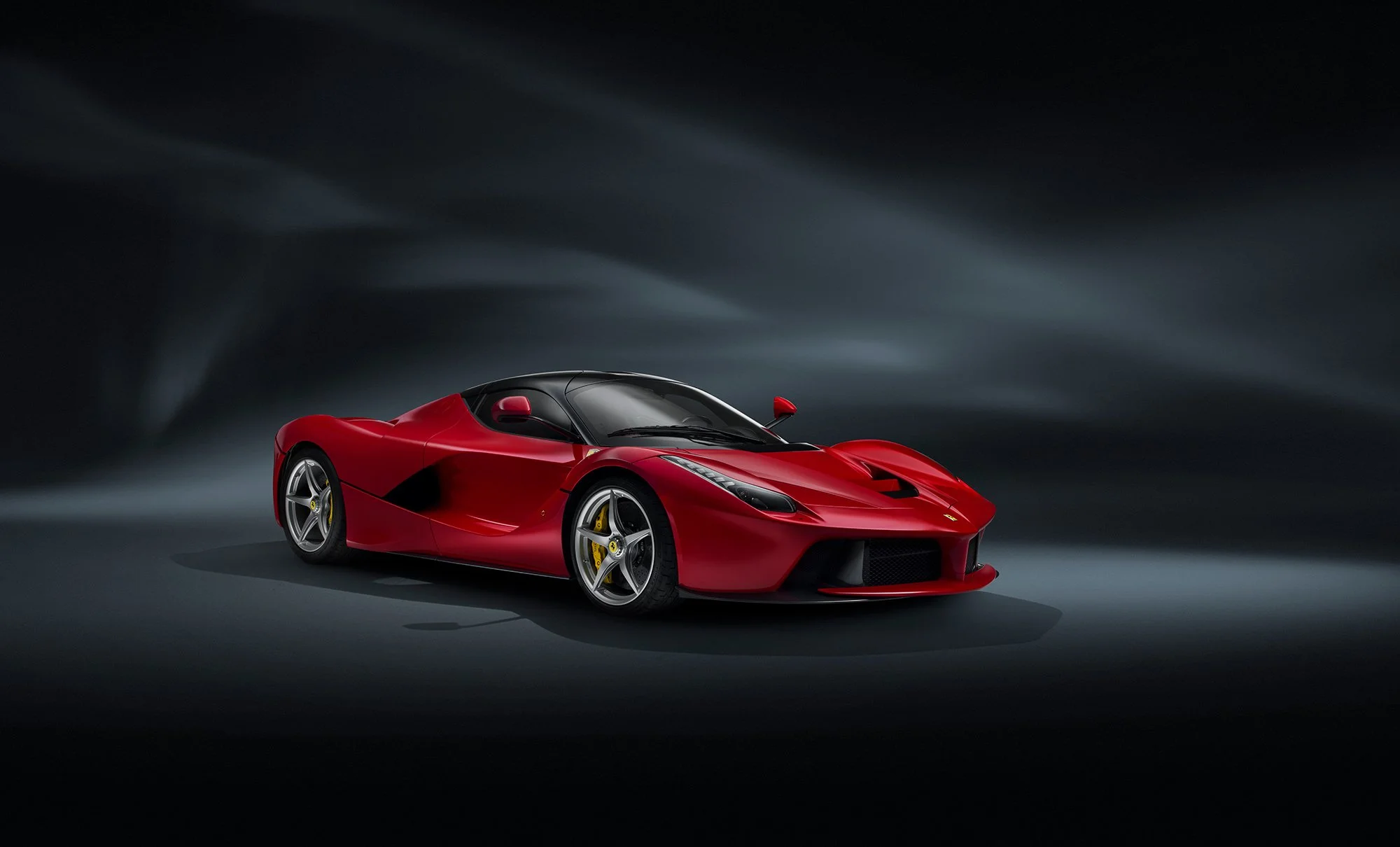
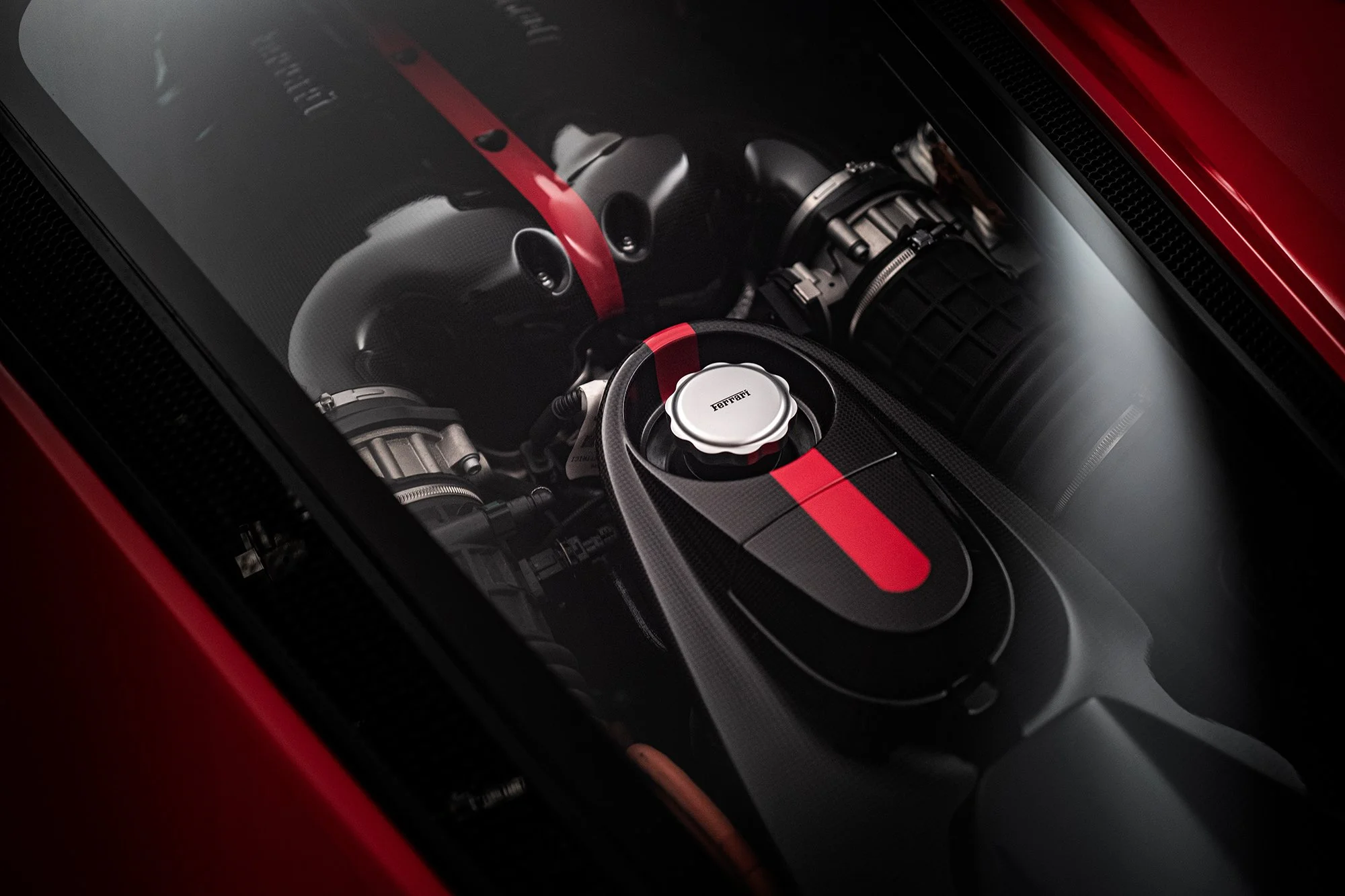
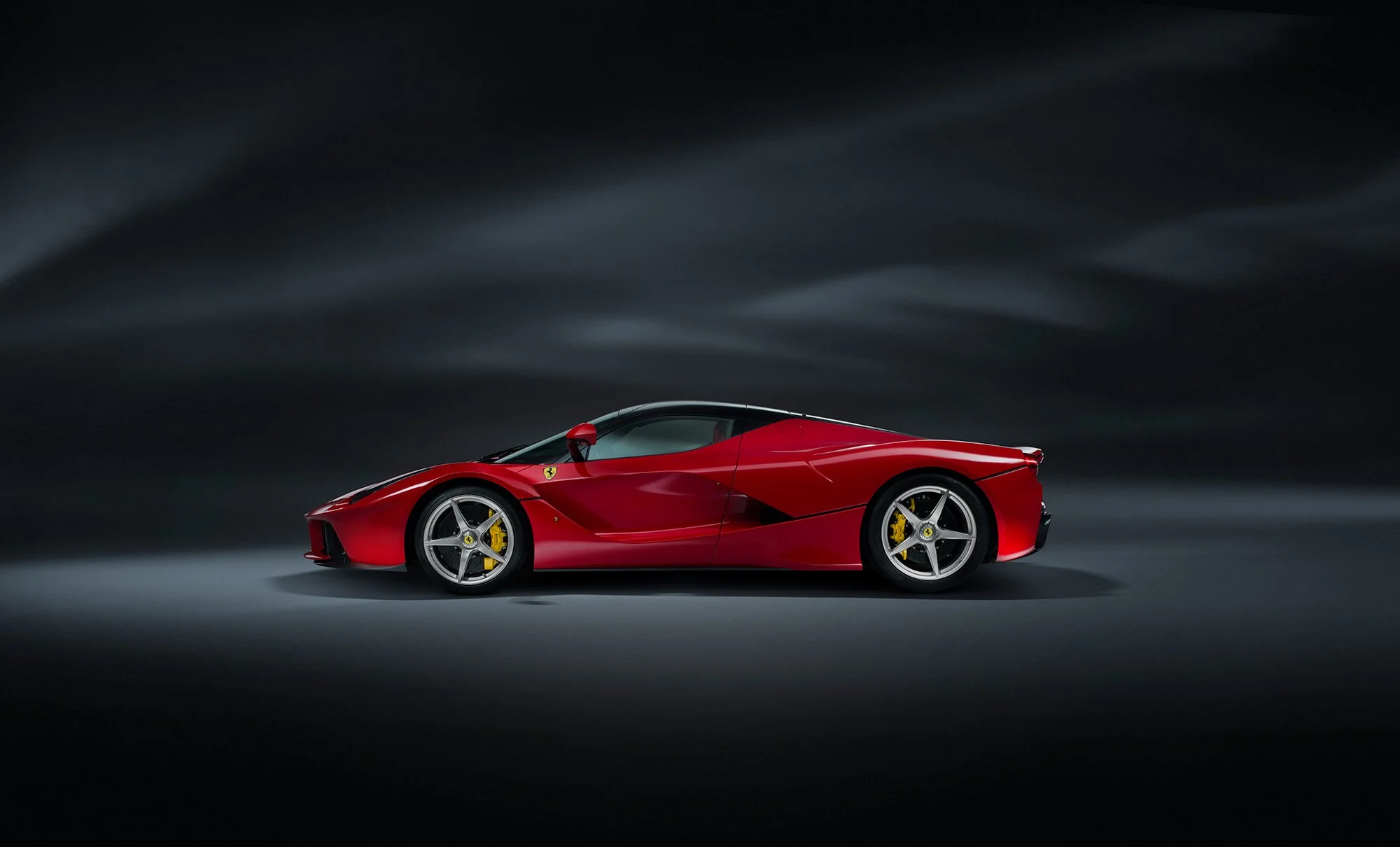
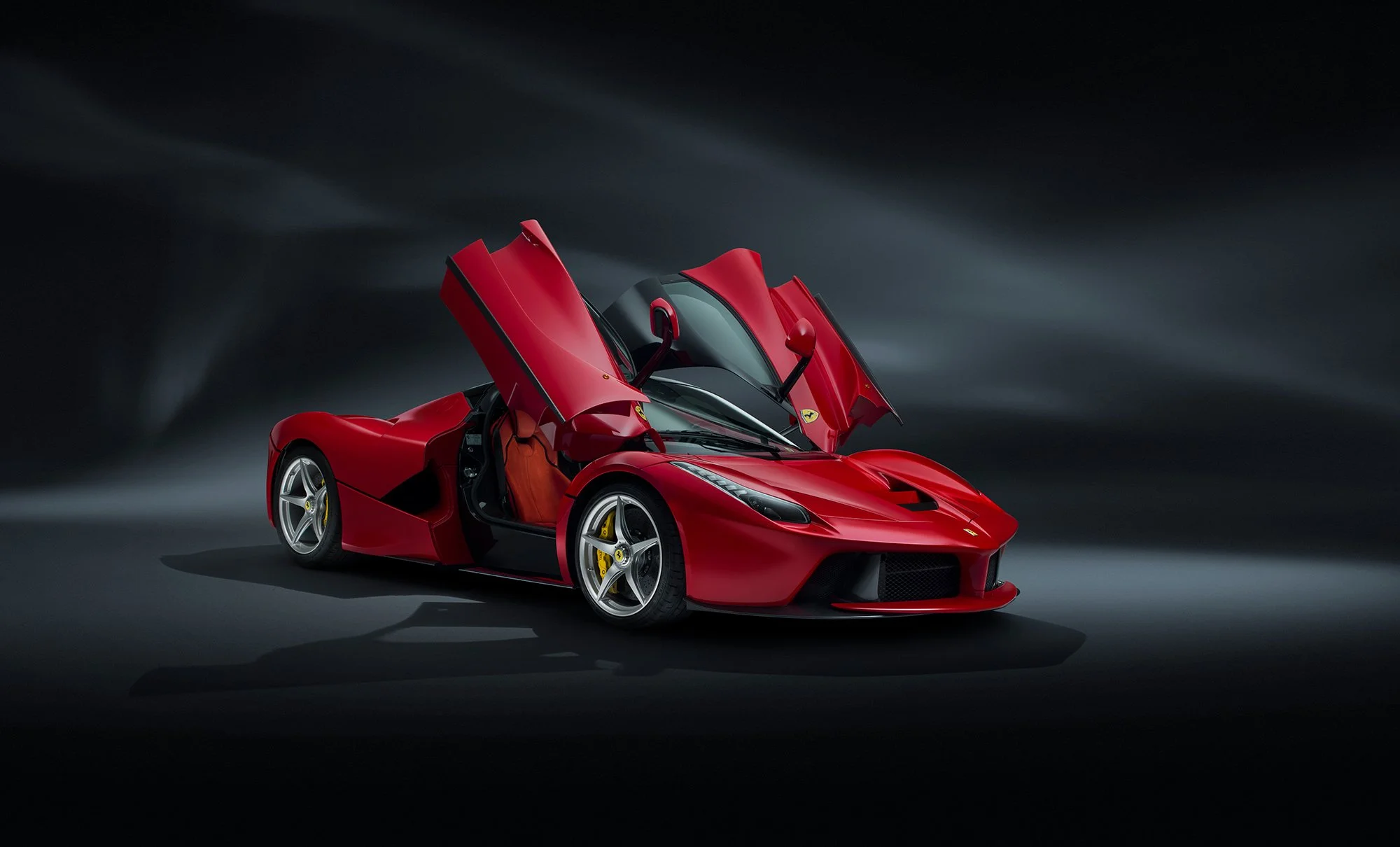
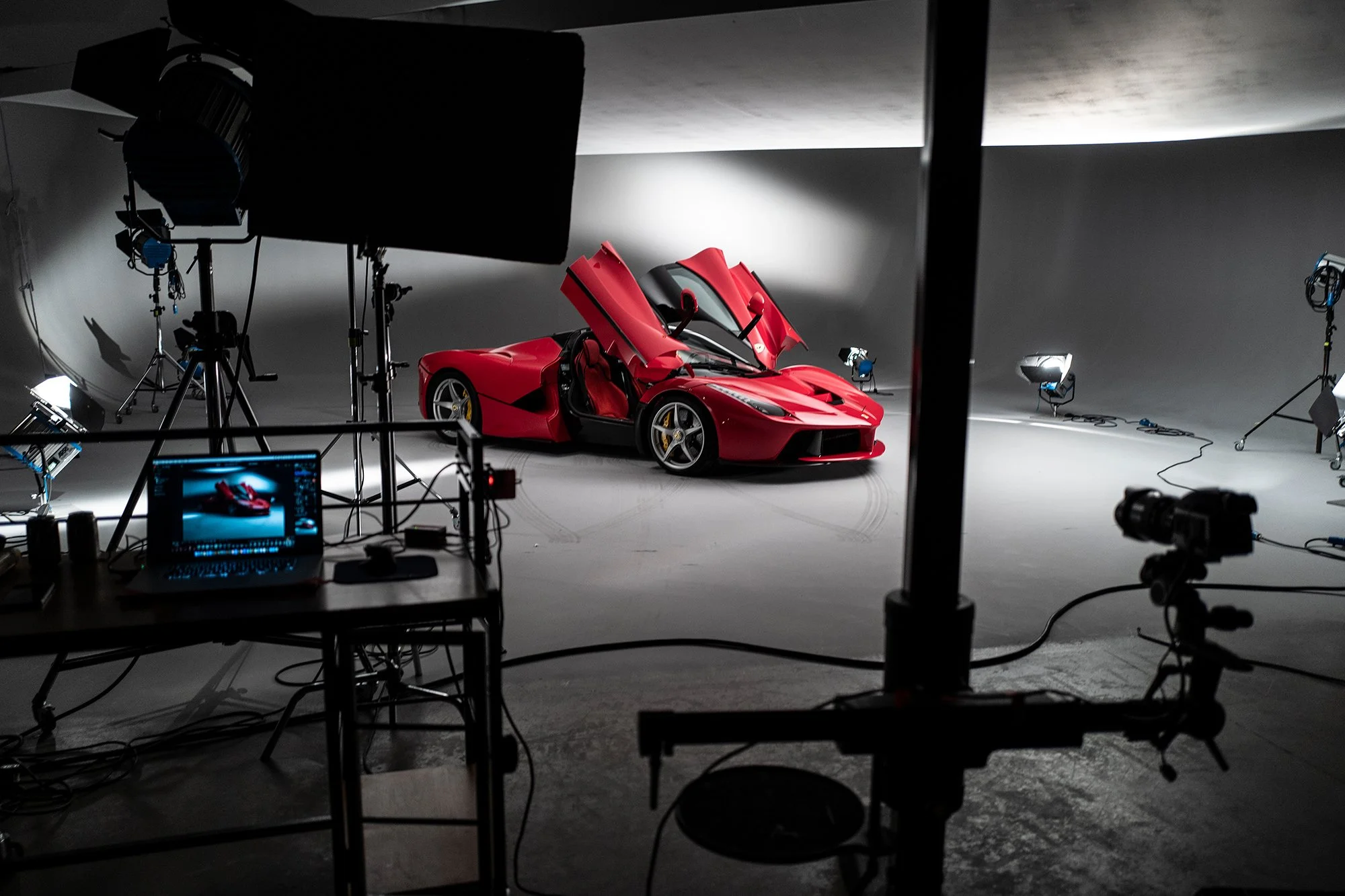
When Ferrari introduced LaFerrari, it fundamentally changed perceptions of hybrid performance. Combining a naturally aspirated V12 with Formula One-derived KERS technology, LaFerrari demonstrated that electrification could enhance excitement rather than diminish it. The car's dramatic design reflects its extraordinary engineering. Every panel, vent and aerodynamic surface exists for a reason. In the studio, the objective was to capture that fusion of beauty and innovation, creating images that highlighted both the elegance and technical sophistication of Ferrari's flagship hybrid hypercar.

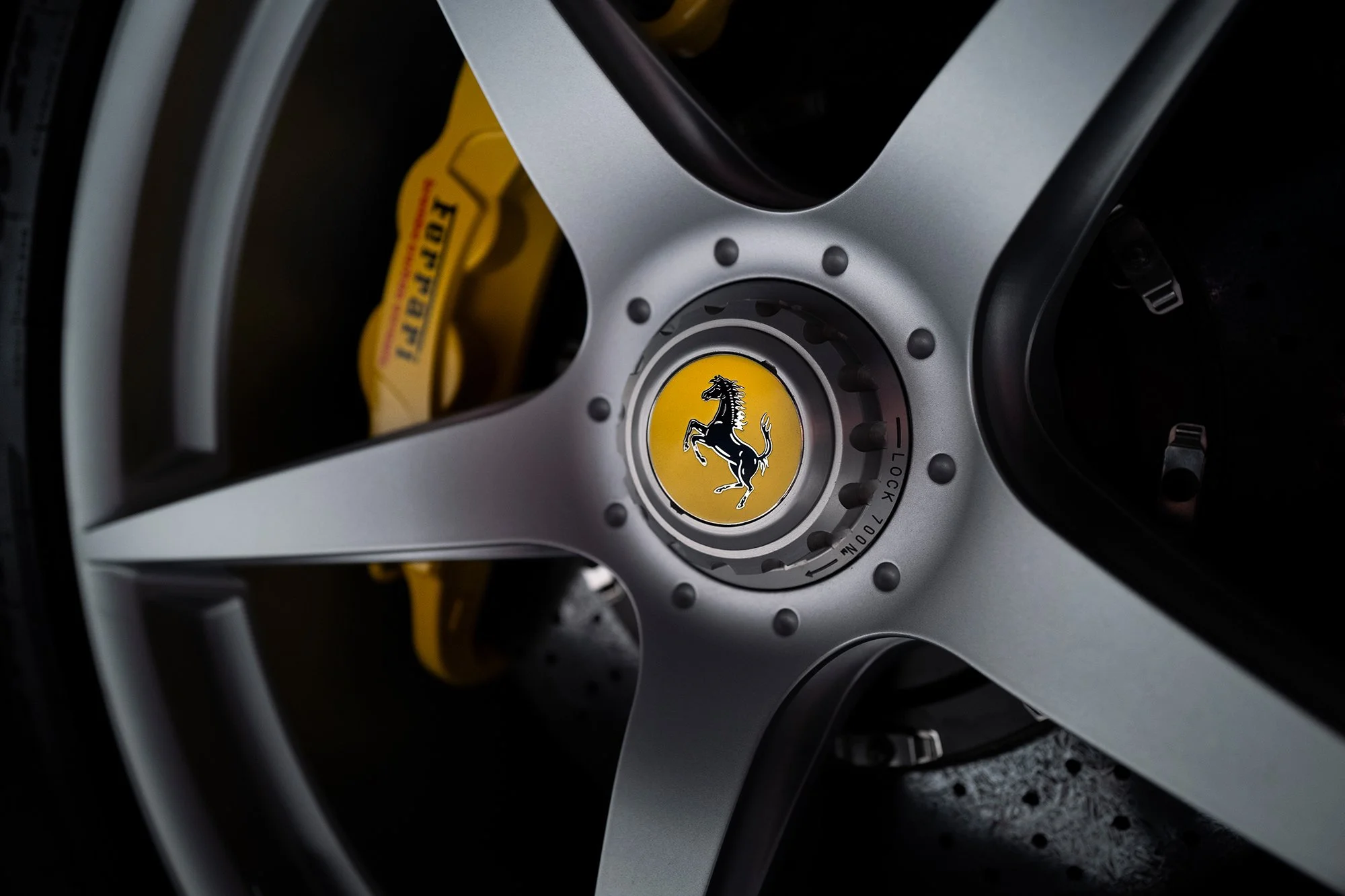
Enzo – A Turning Point in Ferrari History
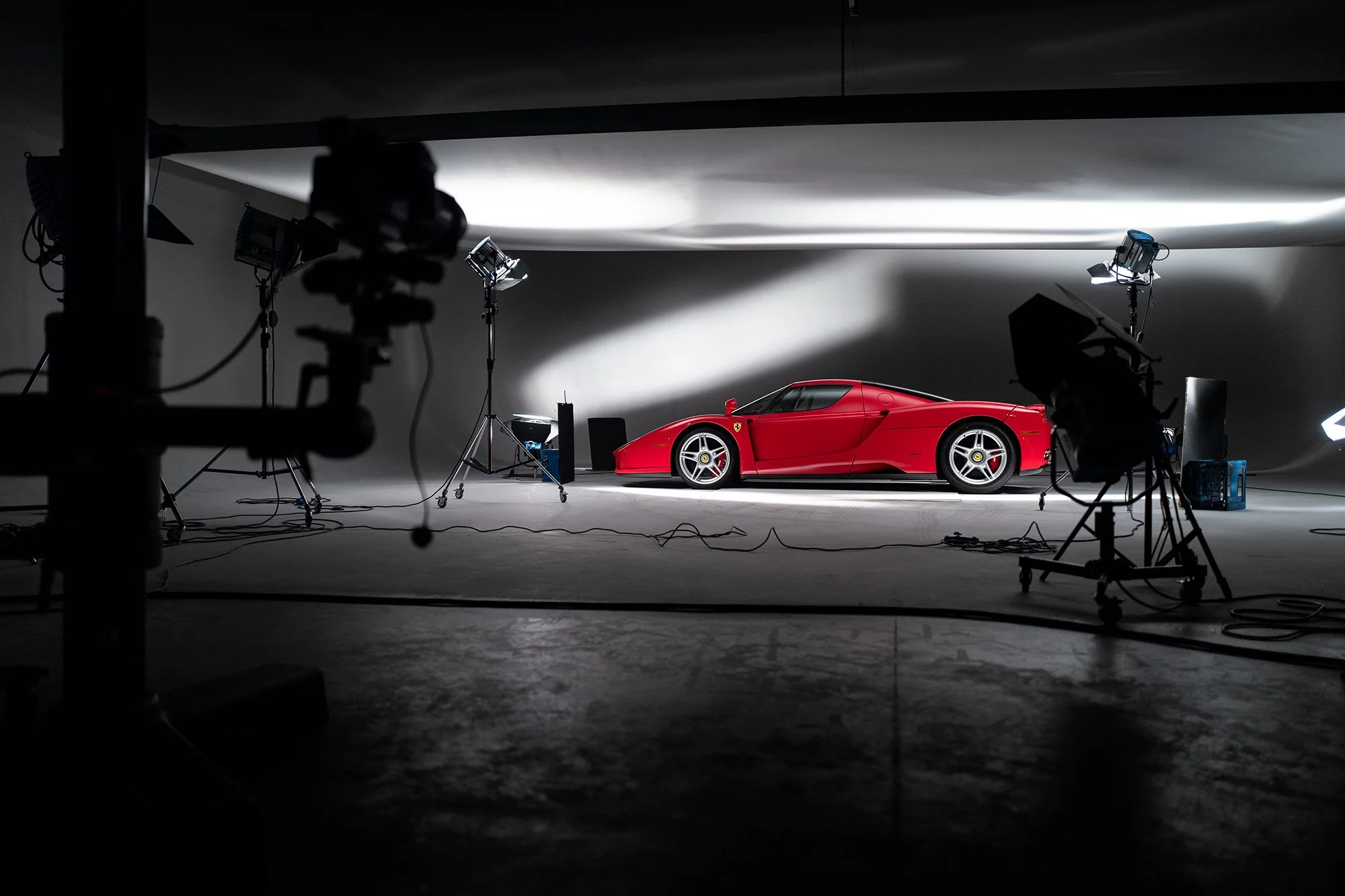
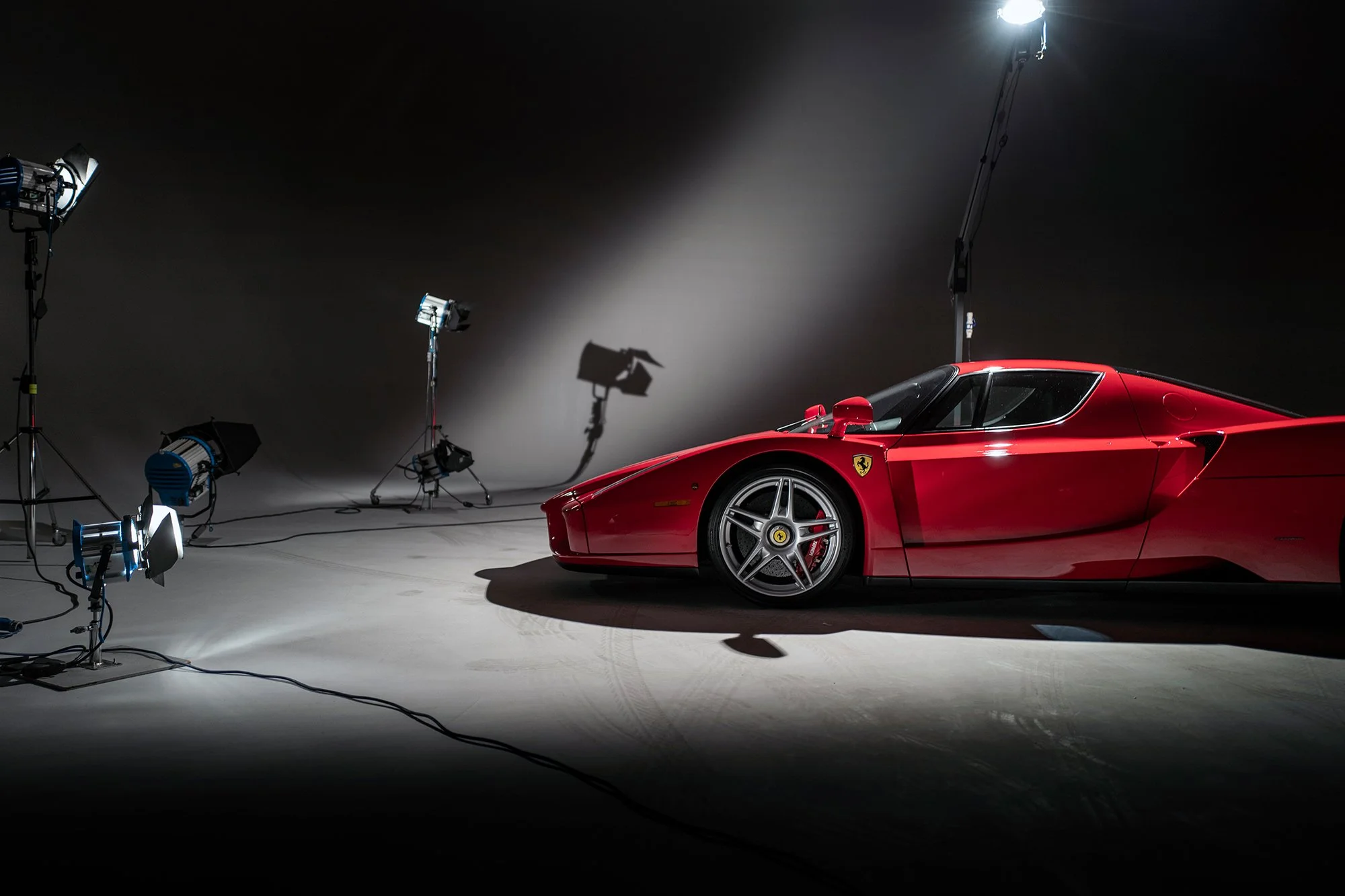
Named after Ferrari's founder, the Enzo represented a pivotal moment for the company. Introduced in the early 2000s, it embraced advanced electronics, carbon fibre construction and Formula One-inspired paddle-shift technology to create one of the most influential supercars of its generation. Its sharp, purposeful design remains instantly recognisable more than two decades later. Photographing the Enzo meant emphasising its technical precision and futuristic character, qualities that still make it feel remarkably modern today.
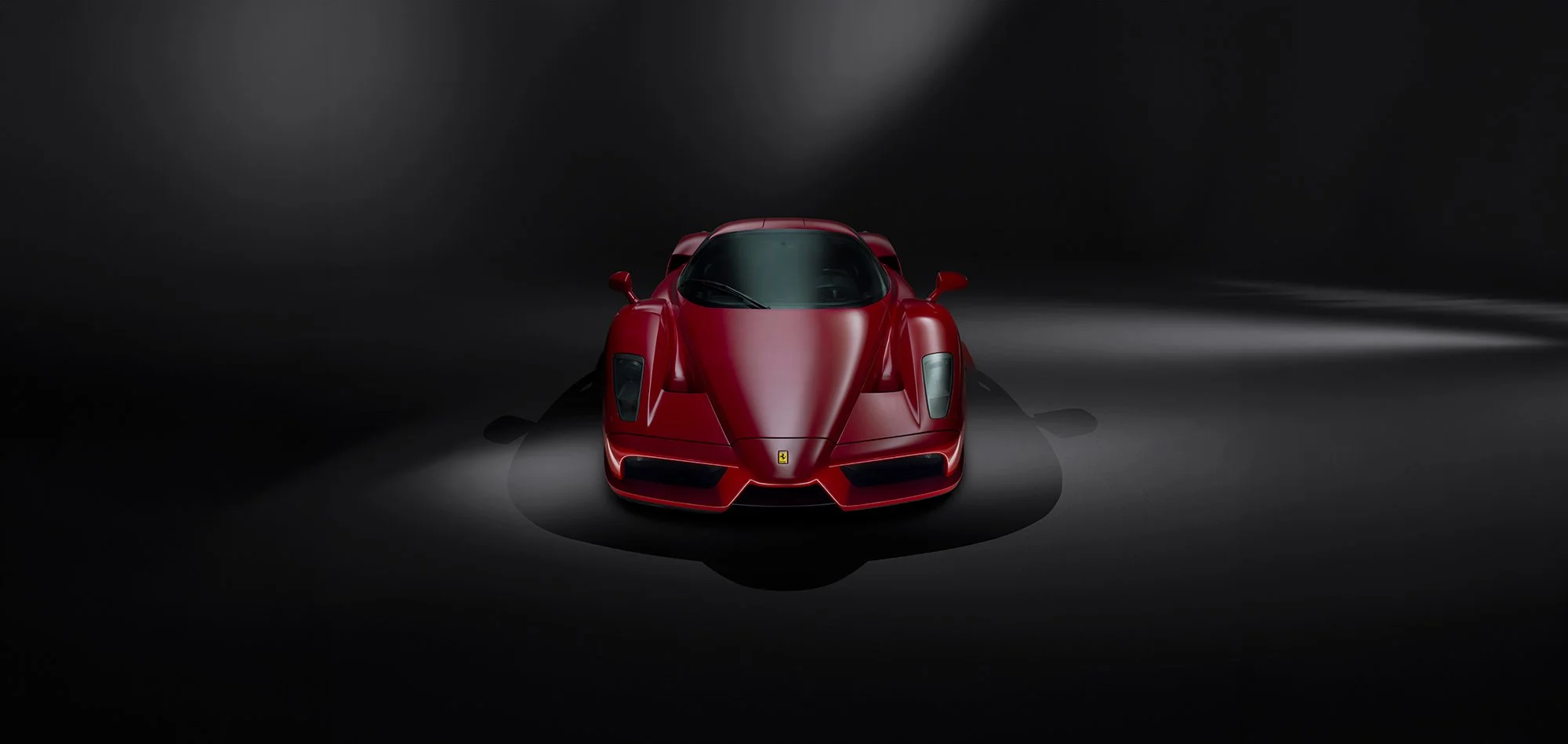
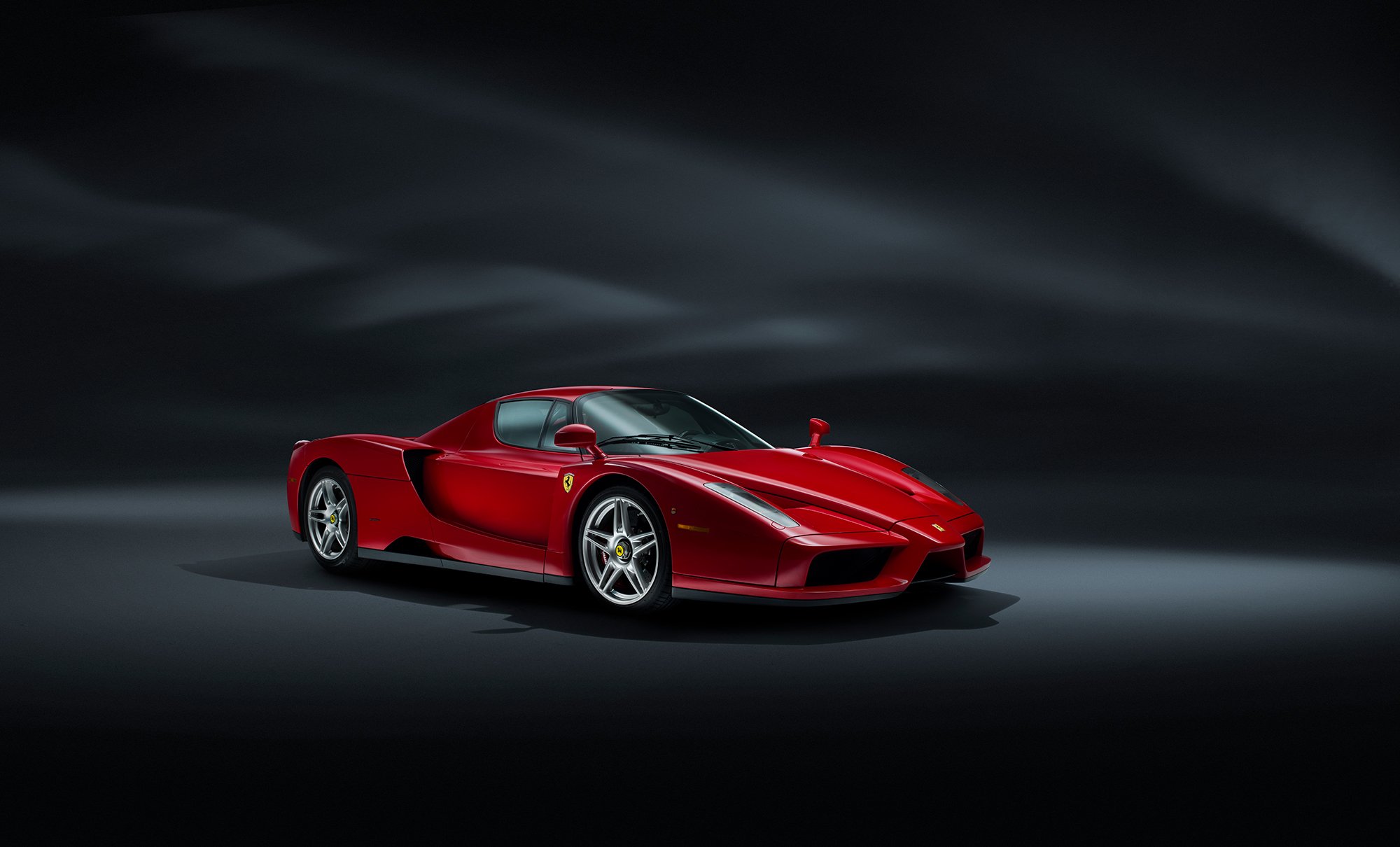
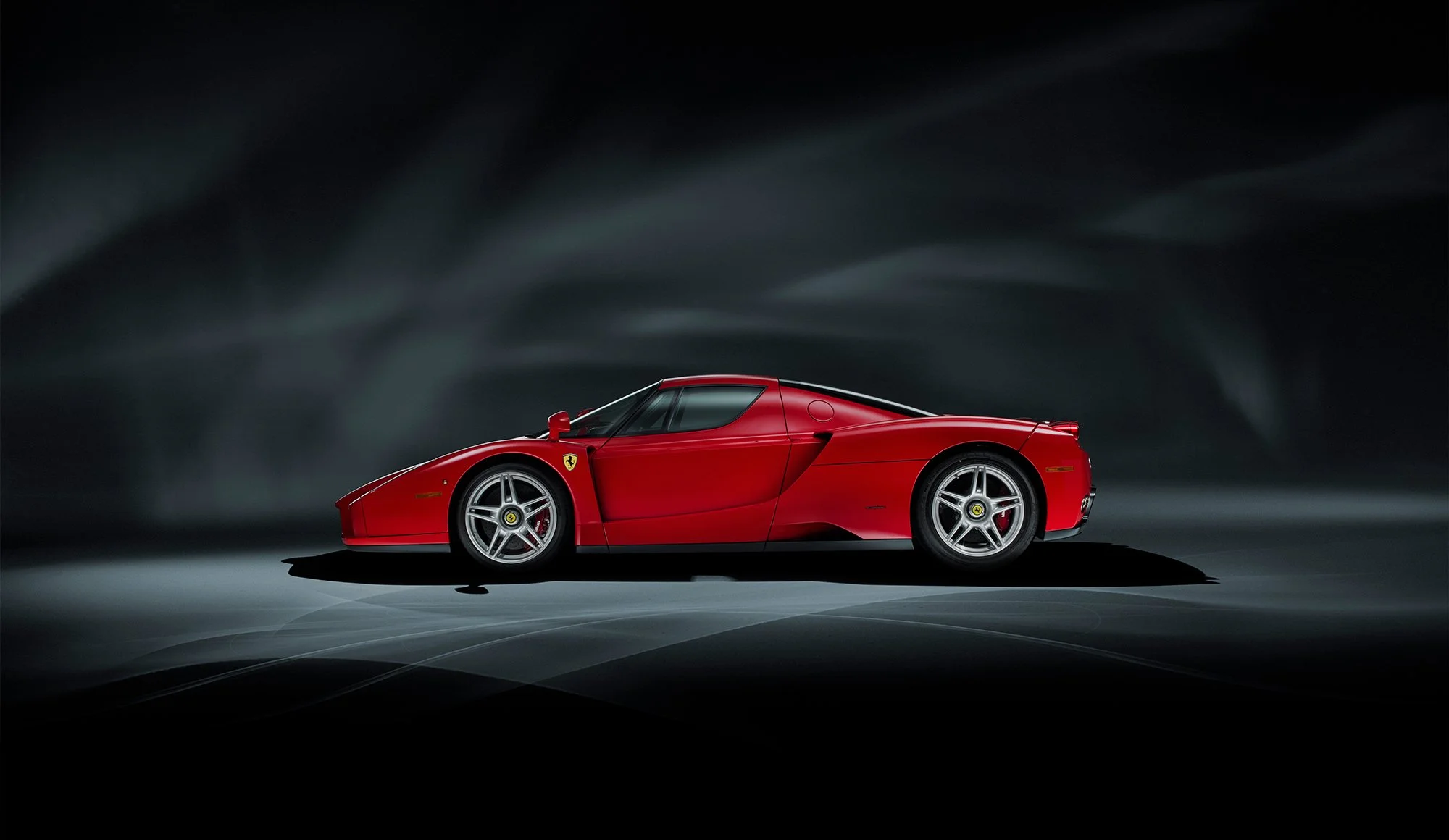
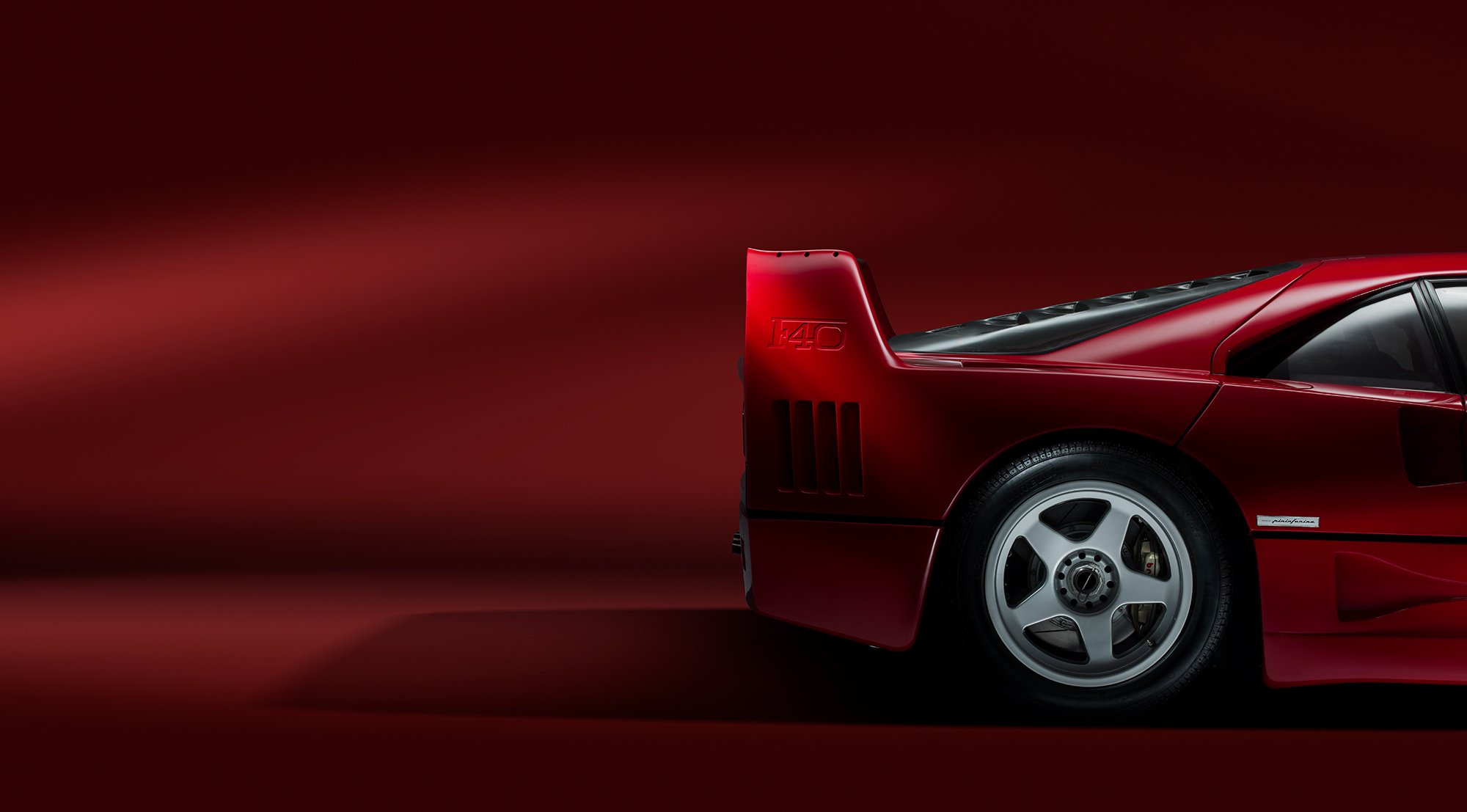
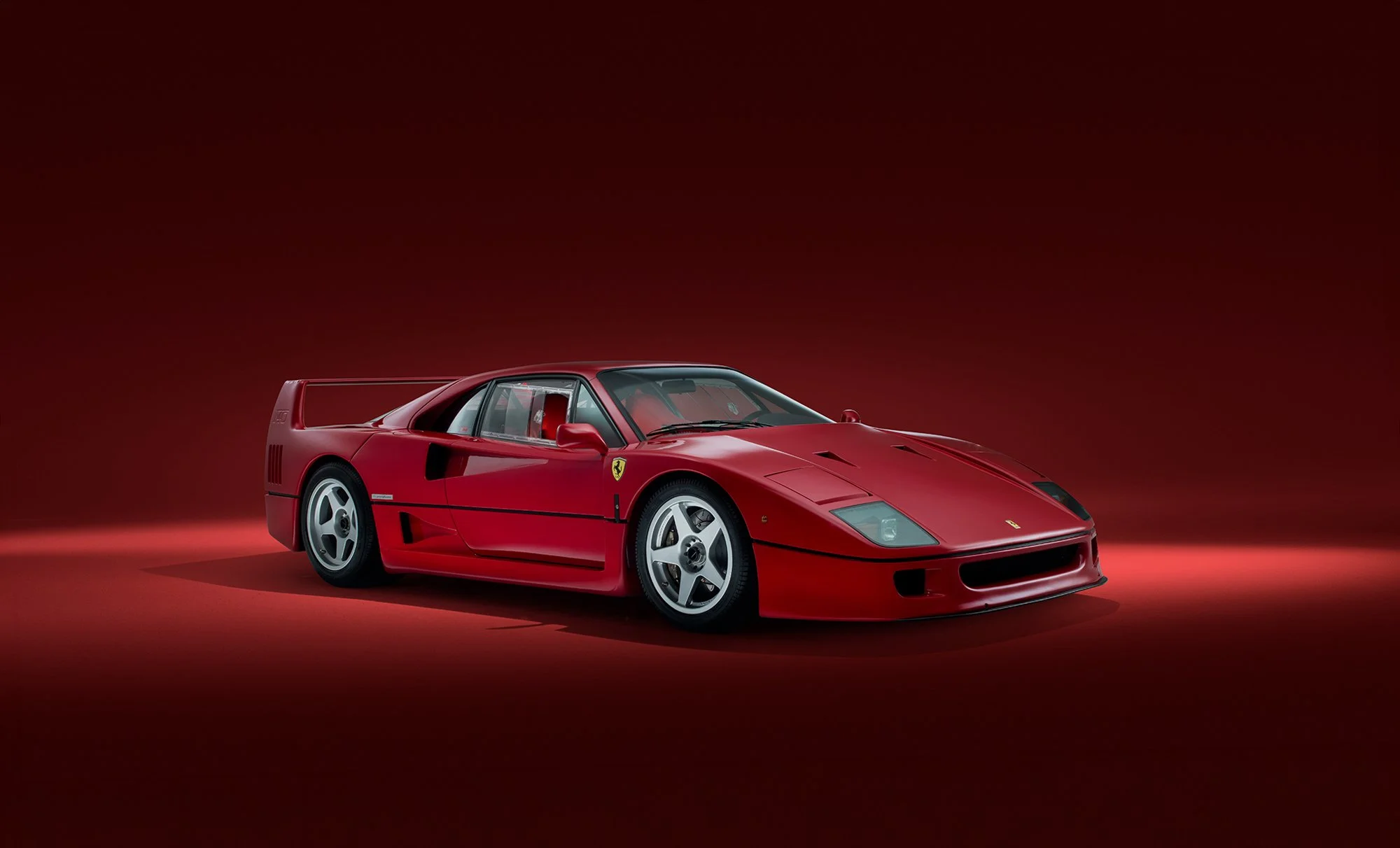
Ferrari F40 – The Ultimate Legend
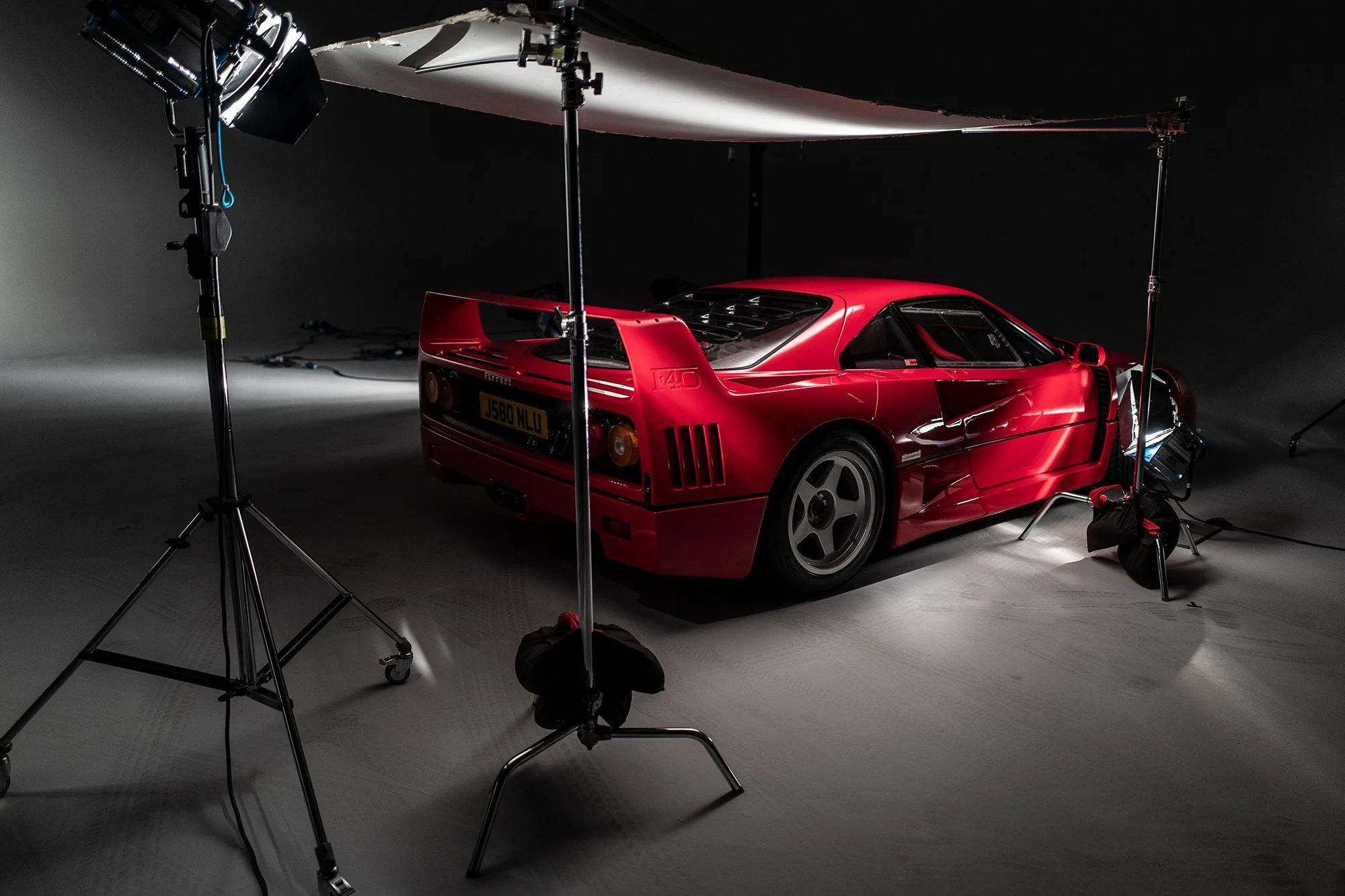
For many enthusiasts, the Ferrari F40 is the ultimate Ferrari. Built to celebrate Ferrari's 40th anniversary and famously the last model personally approved by Enzo Ferrari himself, the F40 remains one of the most celebrated performance cars ever produced. Raw, uncompromising and brutally focused, it became the first production car to exceed 200mph.
Standing beside the F40 in the studio is a special experience. There is an unmistakable aura surrounding the car that transcends its specifications and achievements. The challenge was to create images worthy of that legacy, revealing the purposeful aggression and iconic silhouette that have captivated enthusiasts for generations.
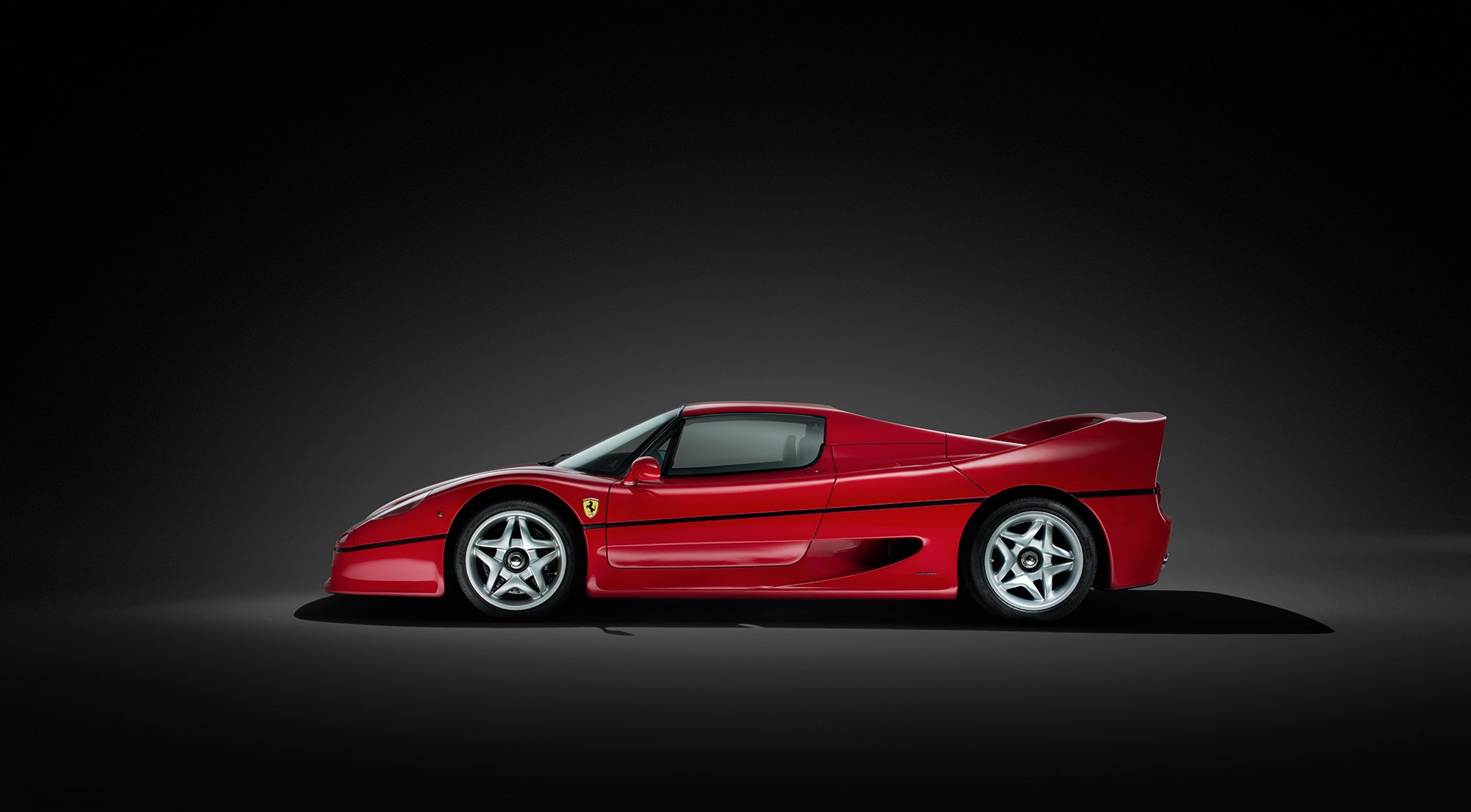
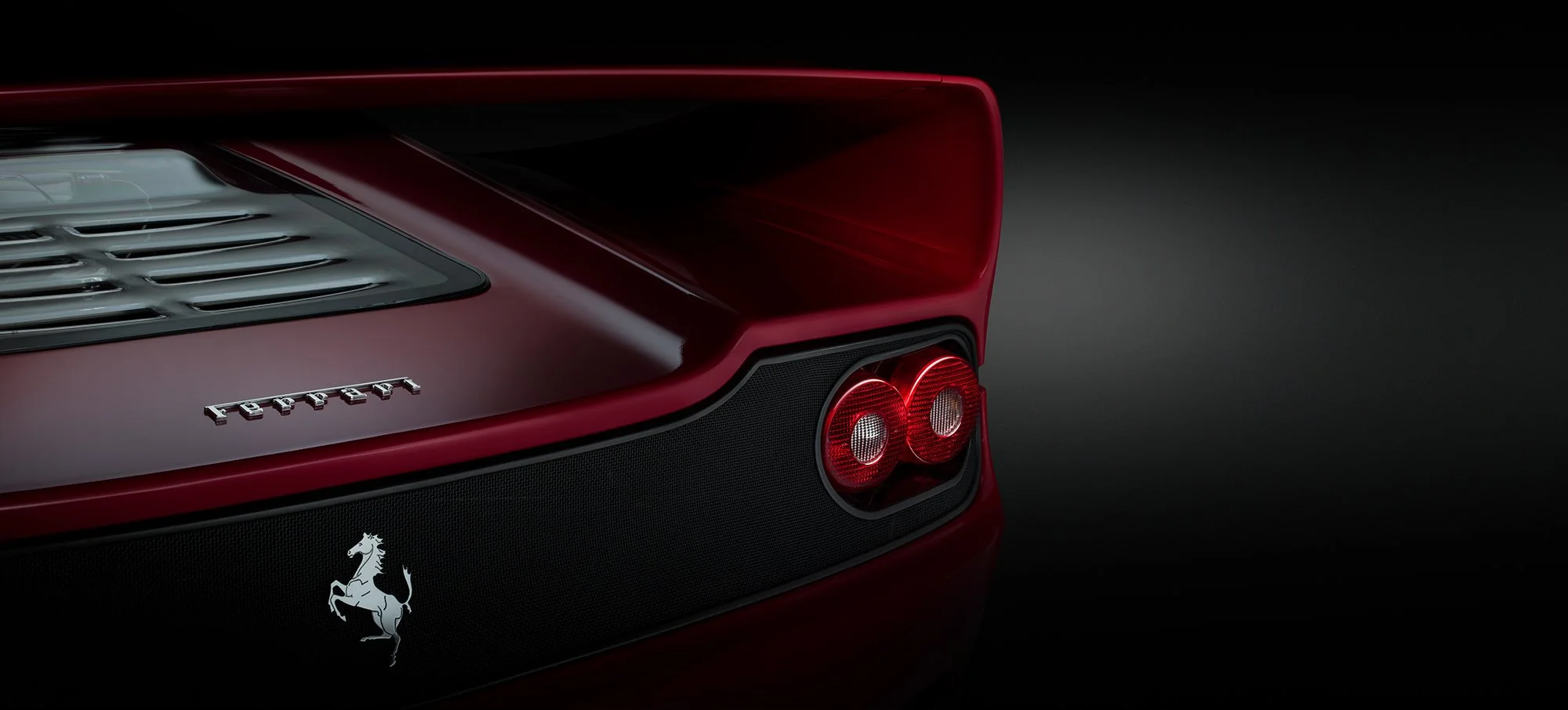
Ferrari F50 – Formula One for the Road
Completing the collection was the remarkable Ferrari F50. Created to celebrate Ferrari's 50th anniversary, the F50 took Formula One technology and translated it into a road-going supercar unlike anything seen before. Its carbon-fibre chassis and V12 engine, derived directly from Ferrari's Formula One programme, delivered an experience that was astonishingly close to that of a racing car. The F50's exposed engineering and dramatic proportions made it a fascinating subject to photograph, providing the perfect finale to an extraordinary collection.
Capturing the Soul of Ferrari
Looking back on the project, what stands out most is not simply the value or rarity of the cars. It is the stories they tell. Each Ferrari represents a milestone in automotive history. Each reflects a different era of engineering, design and innovation. Together they form a timeline of one of the most influential automotive manufacturers the world has ever known.
As photographers, our responsibility is to go beyond documenting these vehicles. Our job is to reveal their personality, their character and the emotional connection they create.
Over the course of the shoot, every lighting setup, every camera position and every creative decision was driven by that goal.
To capture not just what these Ferrari legends look like.
But what they feel like.
Behind the Scenes
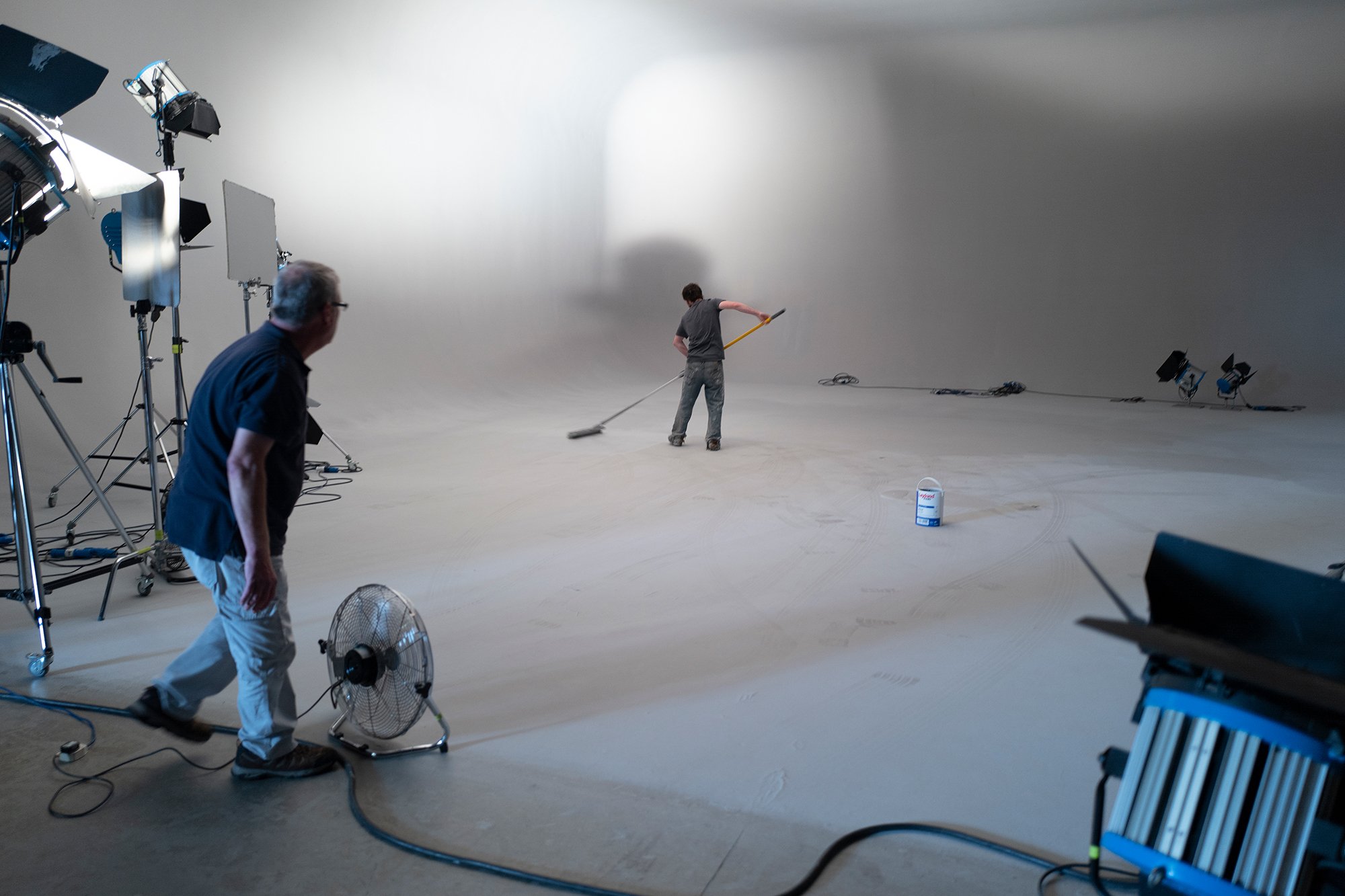
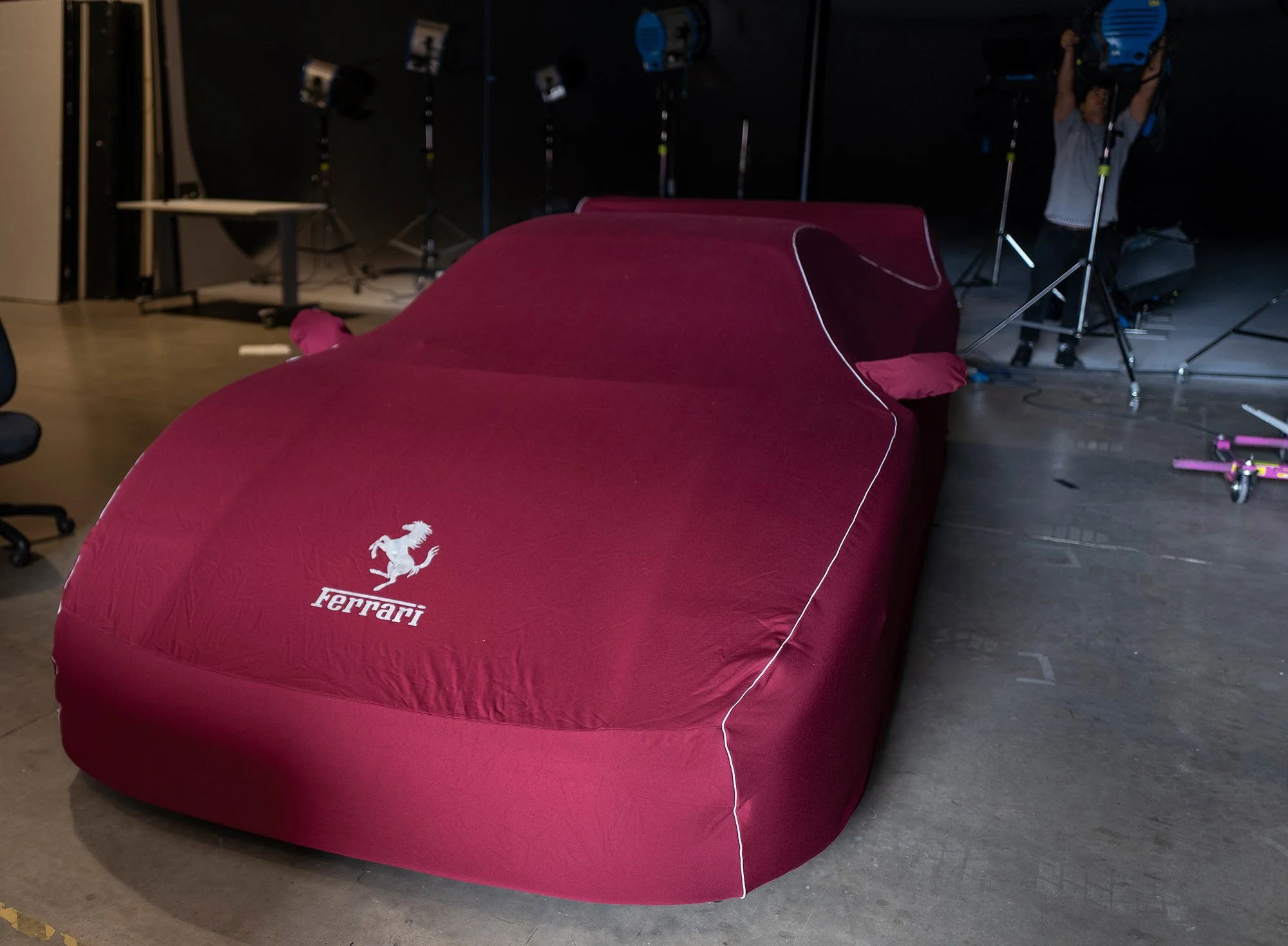
Creating a great image is a journey, and that often starts in studio with a lot of cables, lights and a whole load of other weird and wonderful stuff that most people never get to see. These images hopefully give you a little insight into what a professional commercial shoot actually looks like behind the scenes in real life.
Personally I love to work in studio, it is in many ways my cathedral where I get to paint what is in my imagination using lighting.
“I don’t shoot what it looks like, I shoot how it feels”
© Copyright Declaration 2026
All images and media contained in this website are protected by International Copyright Law and by the Copyright, Designs & Patents Act 1988.
Unauthorised use is strictly prohibited under all circumstances and cases without permission.