

Photographing the Legendary L-39 Albatros
When you spend more than two decades working as a commercial photographer, you quickly learn that every assignment presents a different challenge. Some demand precision in the controlled environment of a studio, while others require adapting to constantly changing conditions outdoors. Few, however, generate quite the same excitement as standing alongside one of the world's most iconic military jet trainers, camera in hand, preparing to create a series of dramatic aviation photographs.
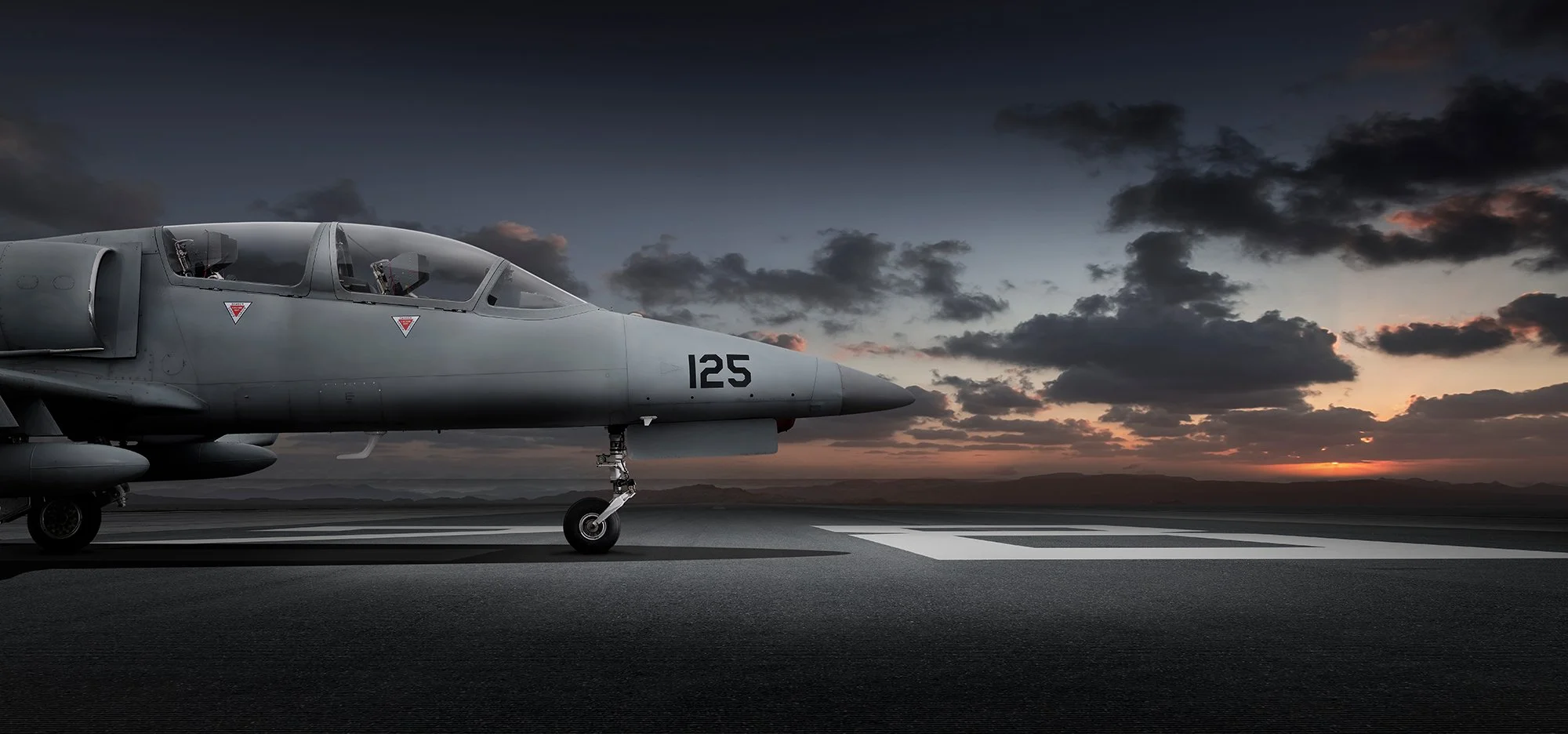
That was exactly the experience for award-winning commercial and aviation photographer Tim Wallace, who was commissioned by BBC Productions to photograph the infamous and legendary L-39 Albatros during a one-day production shoot. Although the schedule was tight, the opportunity to photograph one of the most recognisable jet trainers ever built was one that perfectly combined Tim's passion for aviation with his distinctive style of commercial photography.
A Commercial Photographer with a Passion for Aviation
While many know Tim Wallace for his internationally recognised automotive photography, his portfolio extends far beyond the world of performance cars and commercial vehicles. Over the past twenty years, Tim has built a reputation as one of the UK's leading commercial photographers, producing photography for global manufacturers, engineering companies and international brands.
Alongside this commercial work sits another lifelong passion, aviation photography.
From photographing Search and Rescue helicopters operating on live emergency taskings to documenting historic warbirds, military aircraft and commercial aviation, Tim has developed a style that combines technical accuracy with powerful visual storytelling. Rather than simply recording an aircraft, his objective is always to communicate its presence, character and engineering excellence through carefully considered light, composition and atmosphere.
That approach has seen him work alongside organisations including Air Ambulance charities, HM Coastguard Search and Rescue, BBC Productions and numerous aviation operators throughout the UK. The L-39 Albatros assignment was another opportunity to demonstrate how commercial aviation photography can move beyond documentary images to create photographs with real impact.
One Day to Capture an Aviation Icon
Unlike many commercial photography projects that may unfold over several days, this assignment had to be completed in a single day.
Working to BBC production schedules means preparation becomes absolutely critical. Every location, camera position, lighting angle and photographic opportunity has to be carefully planned before the first frame is even taken. With aircraft photography there are no second chances. Weather changes quickly, aircraft movements are tightly controlled, and access windows can often be extremely limited. Experience becomes just as important as technical ability.
Tim's commercial background has always centred around meticulous planning. Whether photographing multi-million-pound automotive collections or working airside around helicopters and fixed-wing aircraft, understanding logistics is every bit as important as understanding photography. The objective was straightforward: create a dramatic series of images that celebrated both the aircraft and its remarkable character while delivering photography suitable for television production and future promotional use.
Meeting the Legendary L-39 Albatros
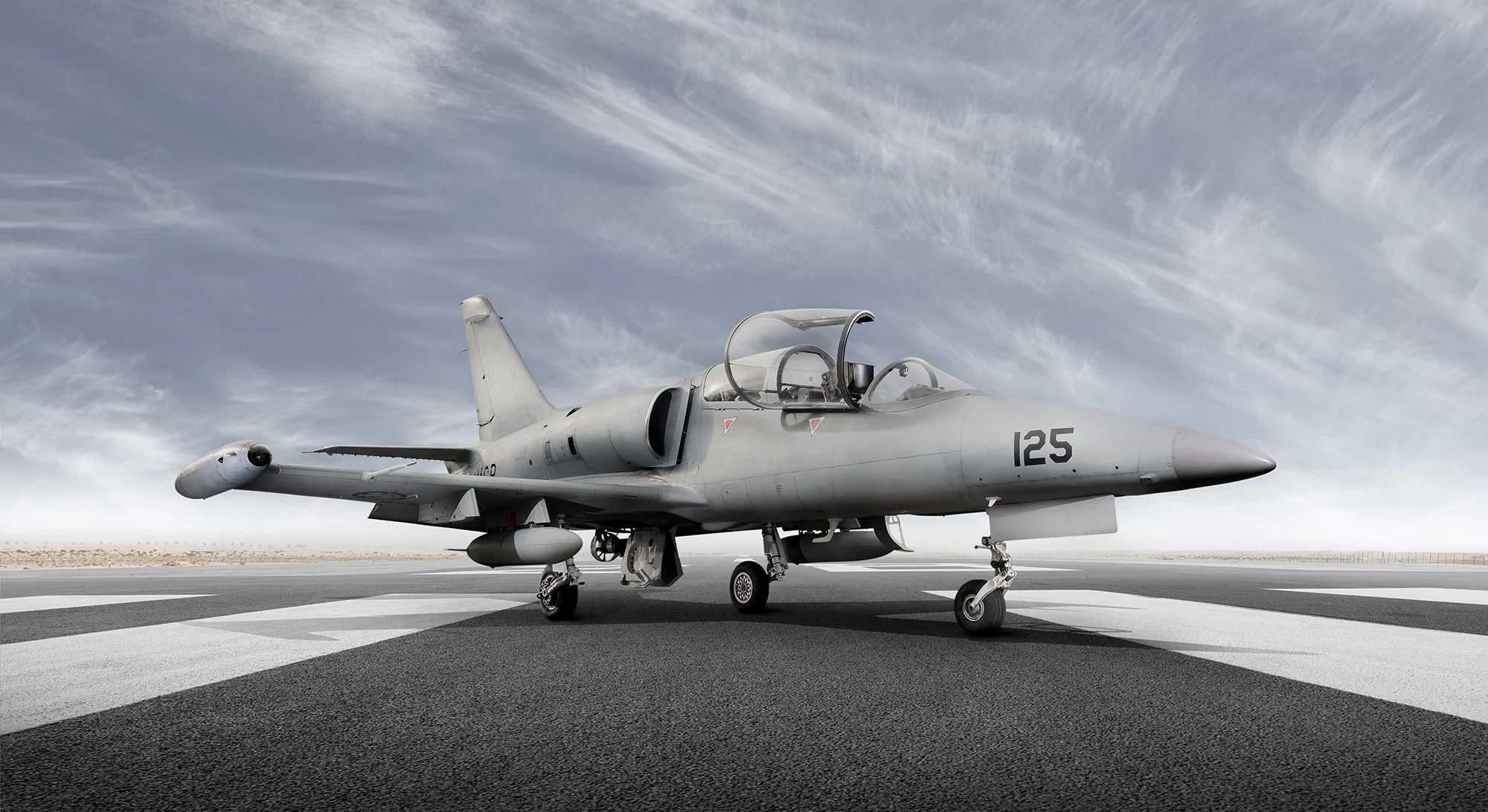
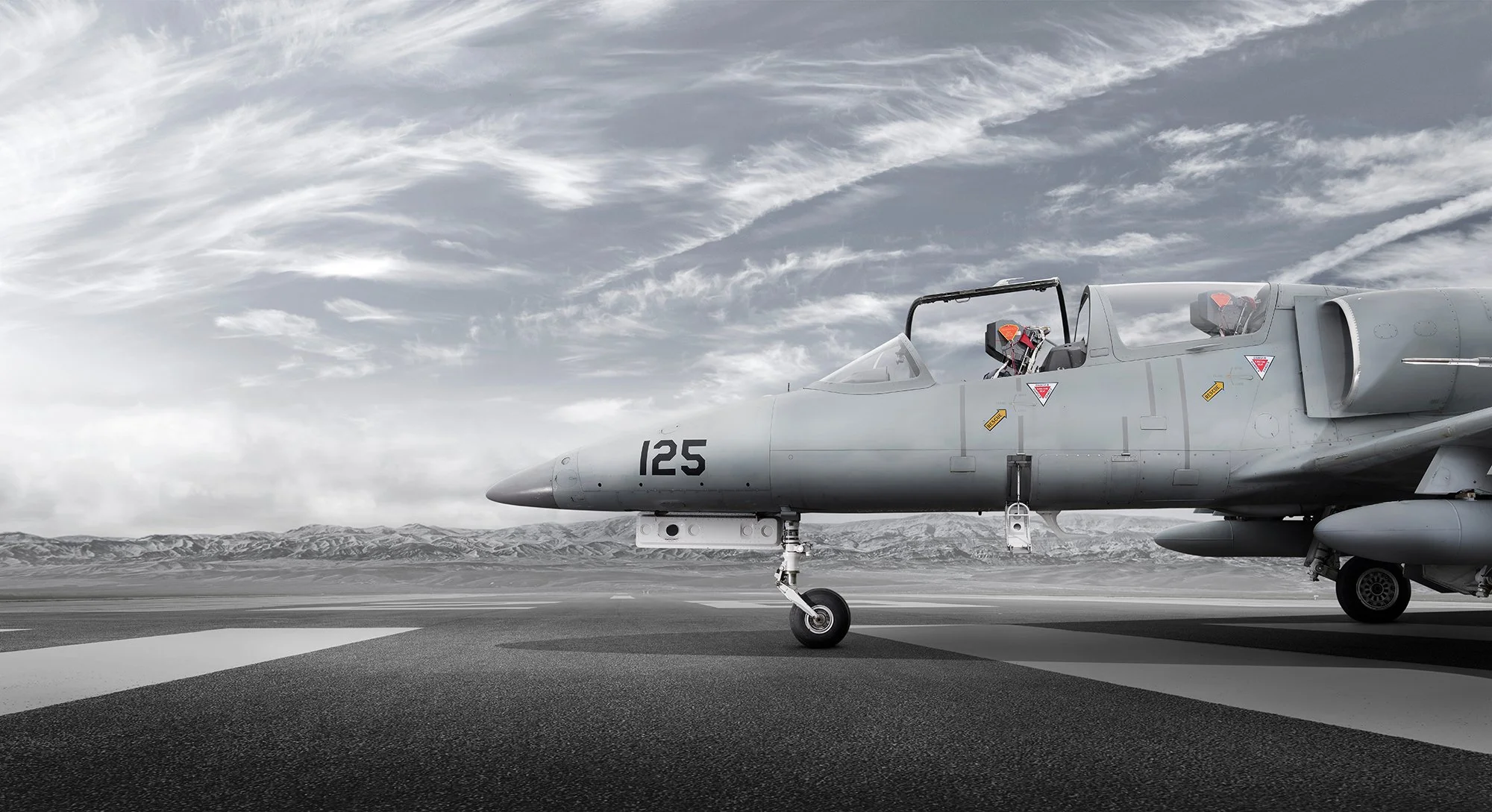
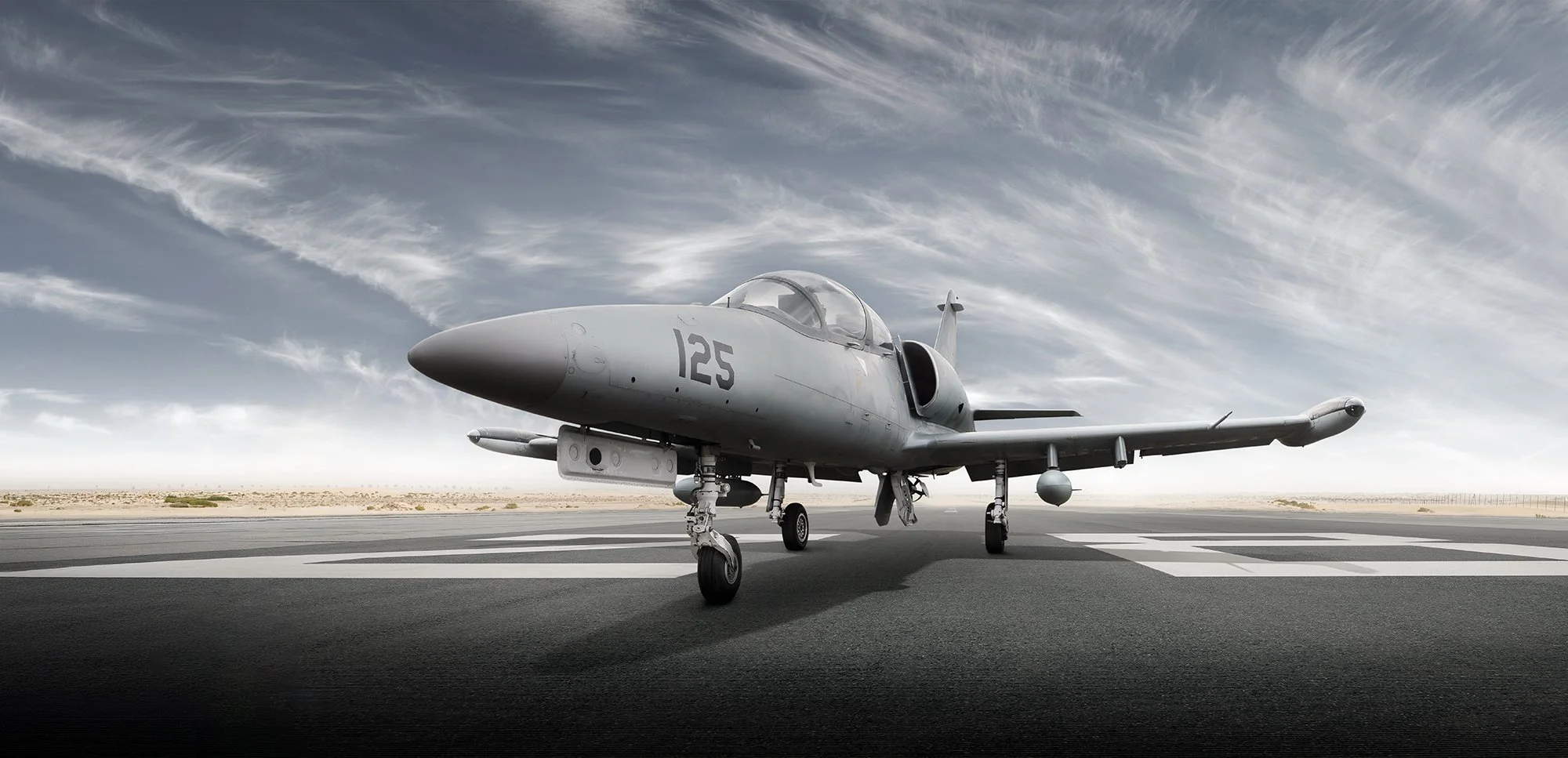
Standing beside the L-39 Albatros, it immediately becomes clear why this aircraft has achieved legendary status throughout the aviation world.
Originally developed during the late 1960s by Czech manufacturer Aero Vodochody, the L-39 was designed as both a primary and advanced jet trainer capable of preparing military pilots for high-performance combat aircraft. It also fulfilled weapons training roles, allowing pilots to undertake firing practice while experiencing the handling characteristics expected from modern military jets. The aircraft quickly proved to be an outstanding success.
More than 2,800 L-39 Albatros aircraft were produced, making it the most widely manufactured jet trainer ever built. It has served with over 30 air forces around the globe and has earned a reputation for exceptional reliability, forgiving handling and outstanding safety. Even decades after its introduction, the aircraft continues to operate successfully across military, civilian and private aviation sectors.
For aviation enthusiasts, the L-39 represents one of those rare aircraft that combines elegant design with genuine performance. Its clean aerodynamic lines, tandem cockpit and distinctive swept wings make it instantly recognisable, whether parked on the flight line or carving graceful arcs across the sky.
Built to Fly
The L-39 may have been designed as a training aircraft, but there is nothing ordinary about its flying qualities.
Ask almost any pilot fortunate enough to have flown one and you'll hear the same description.
It is simply a joy to fly.
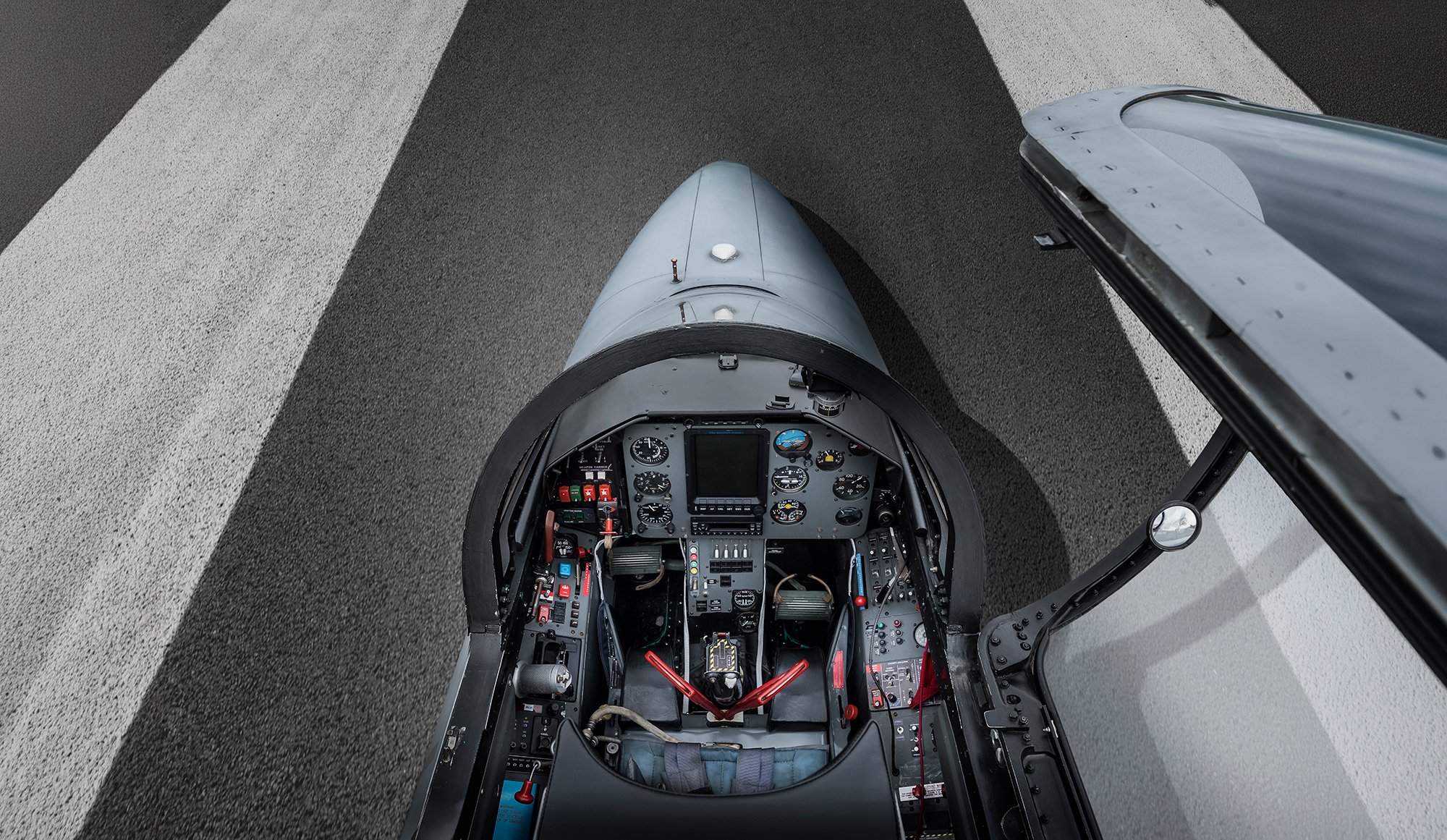
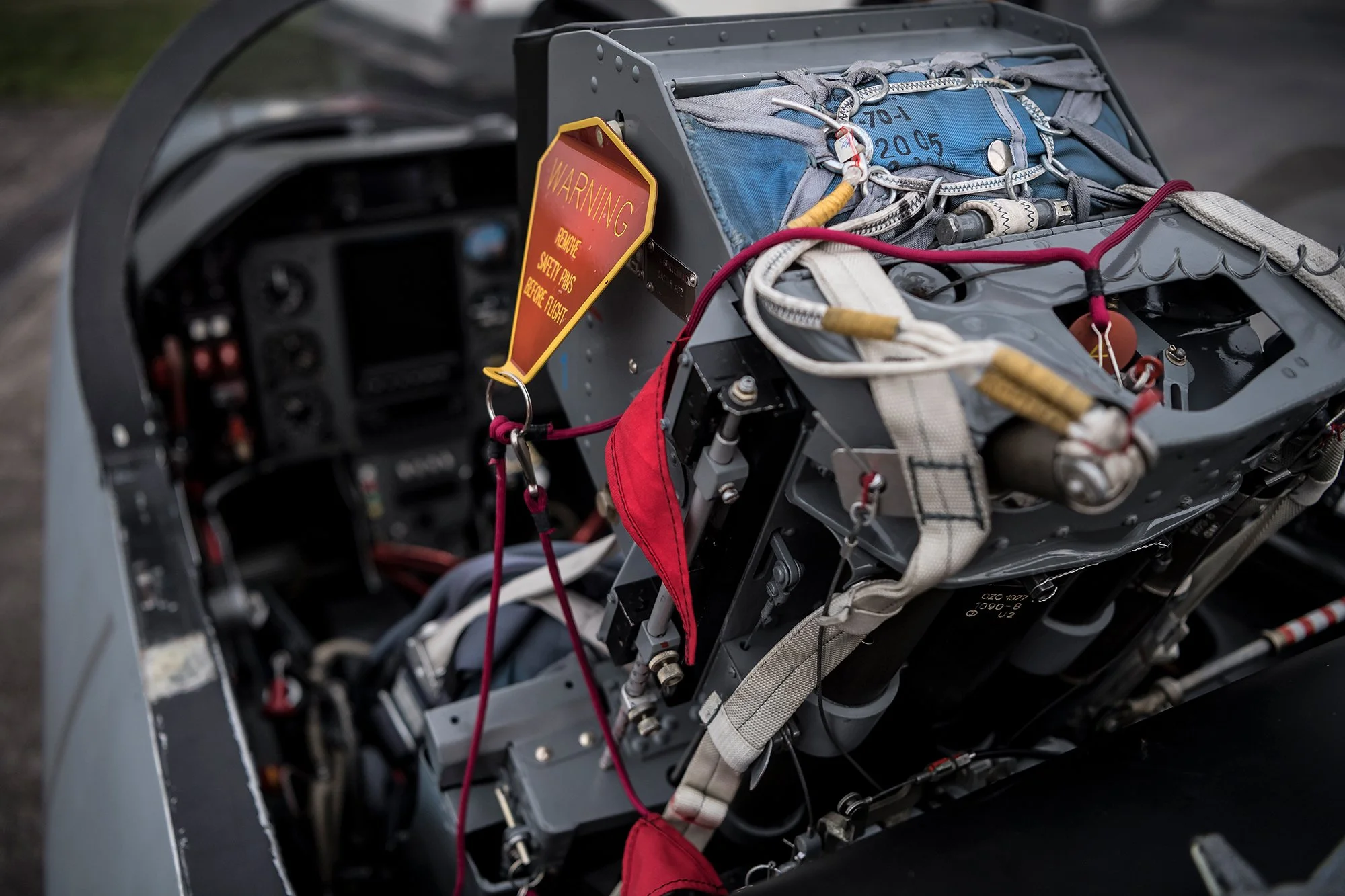
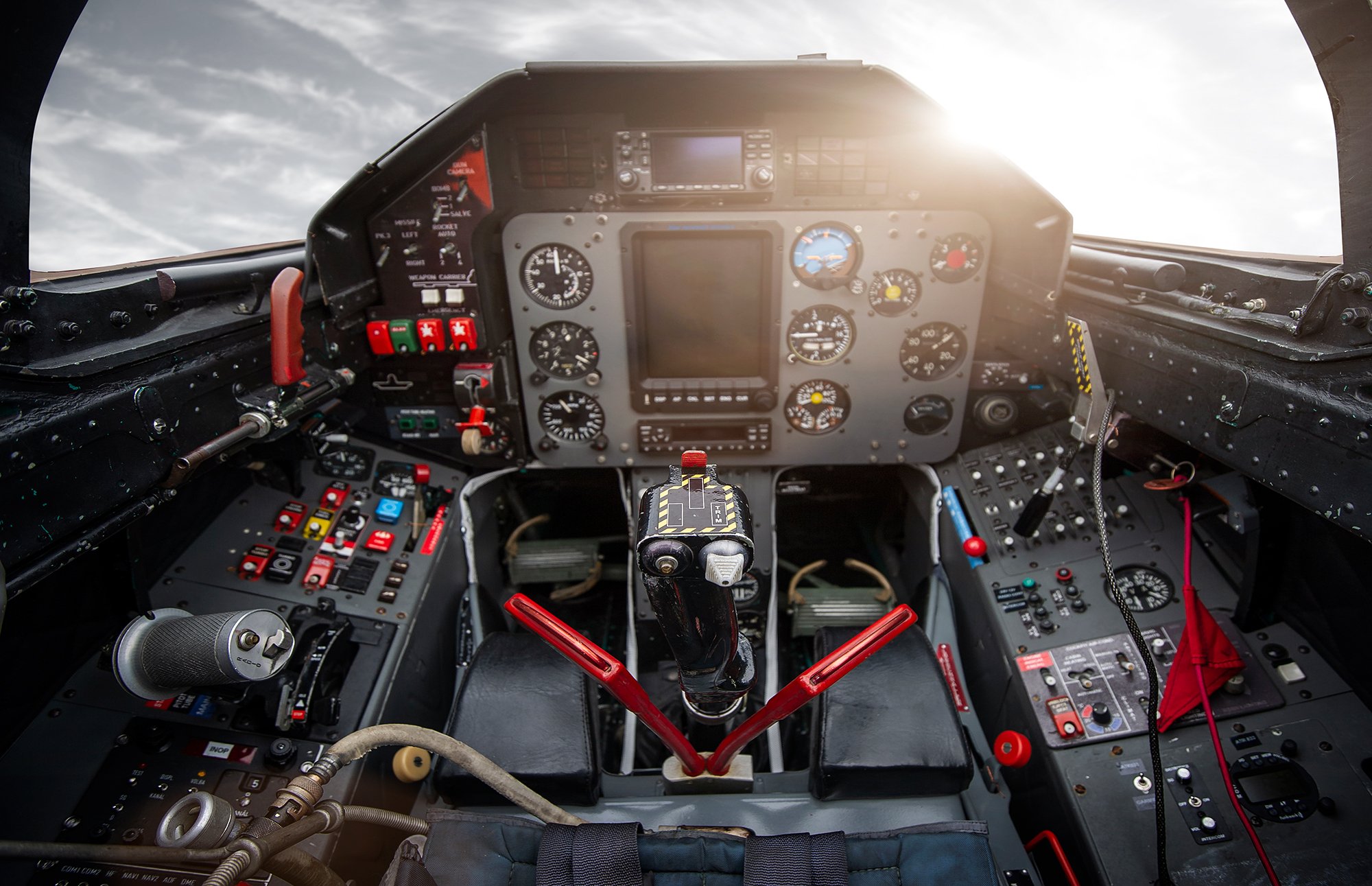
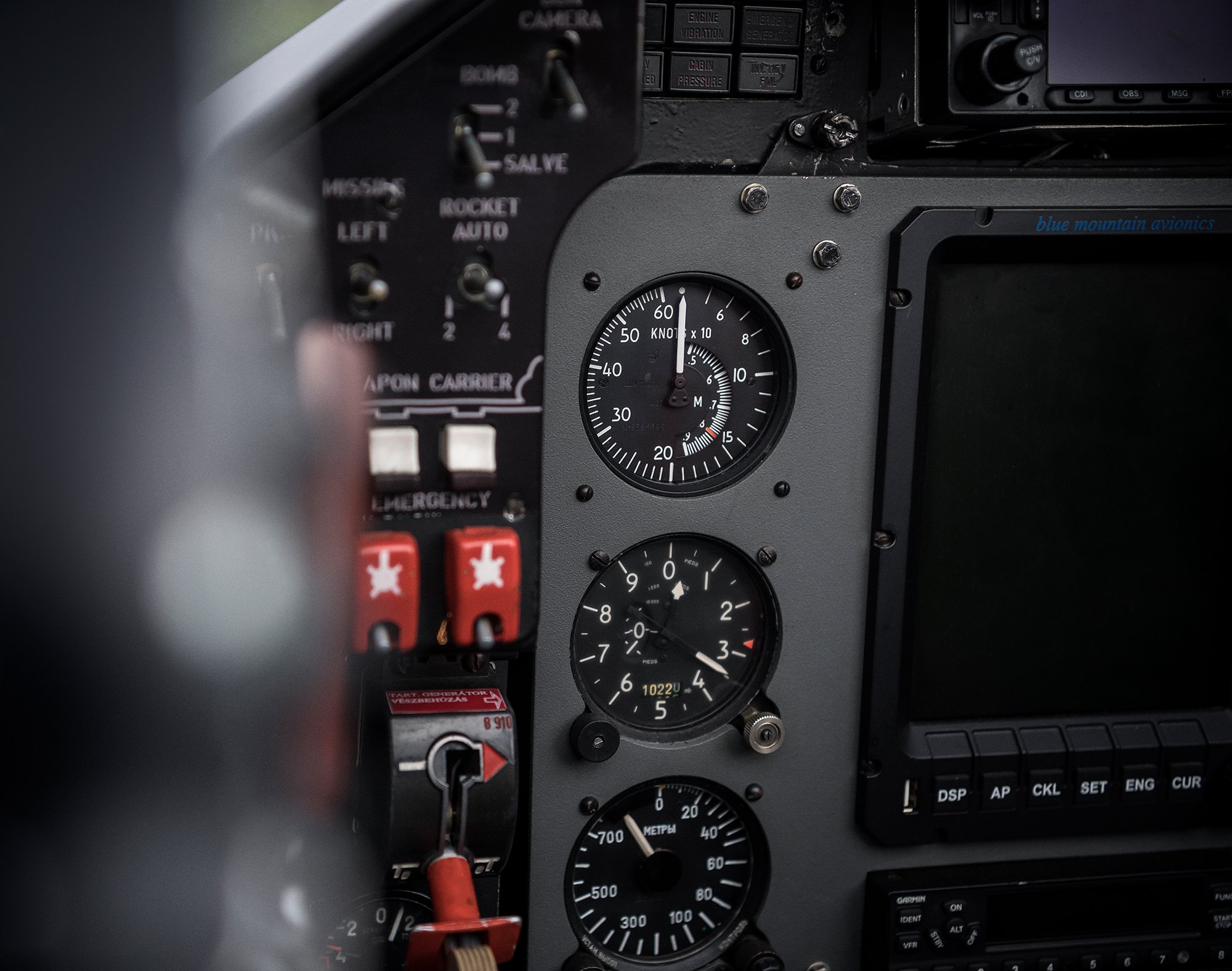
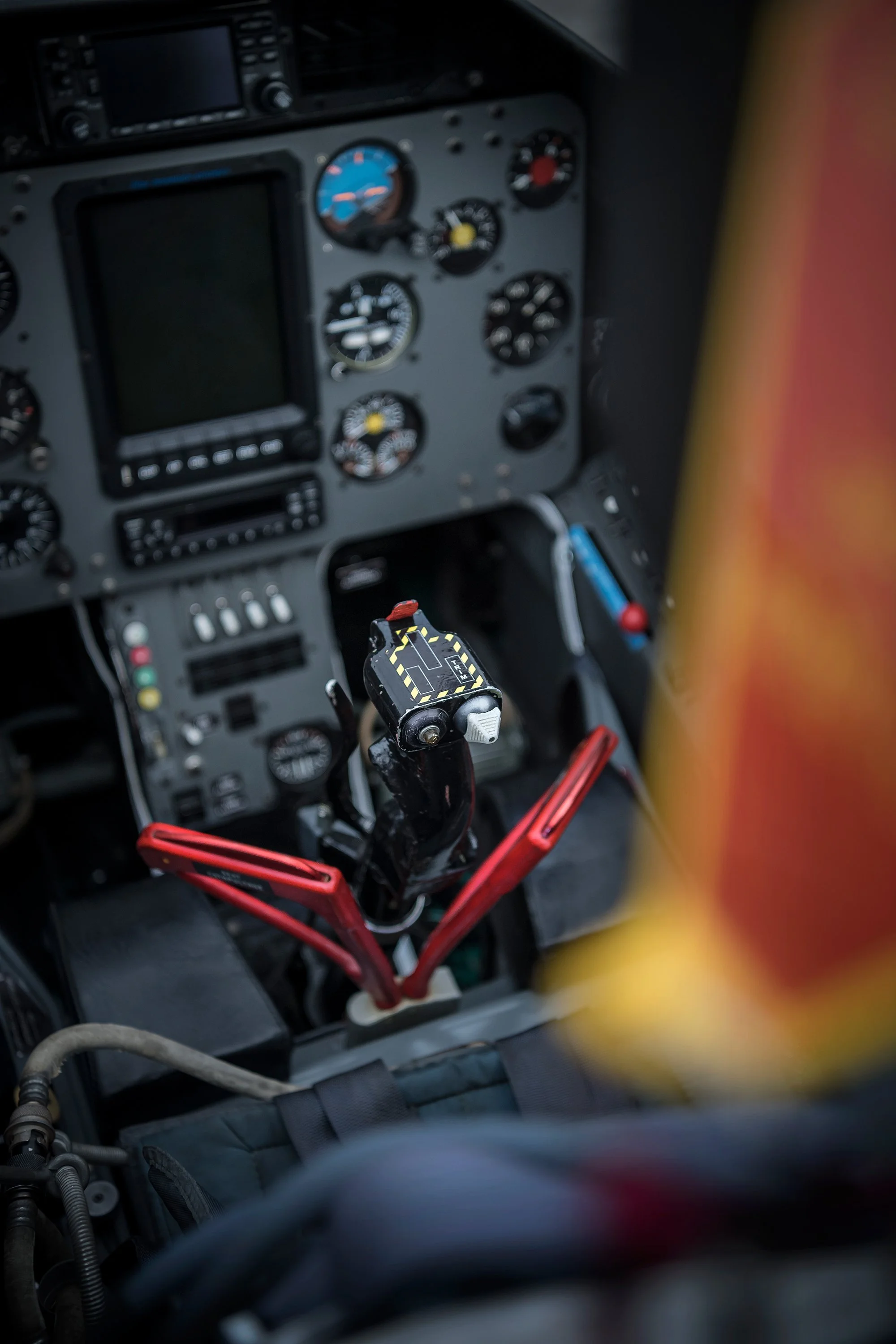
Designed for subsonic aerobatic performance, the aircraft performs complex manoeuvres with remarkable precision and grace. Pilots enjoy exceptional panoramic visibility from the tandem cockpit, creating an immersive flying experience while maintaining outstanding situational awareness.
In the air, the L-39 is capable of pulling up to 5G, allowing it to perform an impressive range of classic aerobatic manoeuvres including:
Aileron rolls
Barrel rolls
Loops
Cuban Eights
Immelmann turns
Cloverleaf manoeuvres
Despite these impressive capabilities, pilots consistently praise the aircraft for its forgiving handling characteristics, making it one of the safest and most respected jet trainers ever produced. It is this unique combination of performance and elegance that makes the aircraft such a compelling photographic subject.
From Military Training to Hollywood
Although originally designed for military service, the L-39 has enjoyed an extraordinary second life.
One of its highest-profile roles has been with the Breitling Jet Team, for many years recognised as Europe's largest civilian jet display team. Flying tightly choreographed formations, the team's L-39s have thrilled audiences across the continent, showcasing both the aircraft's agility and remarkable reliability.
The Albatros has also become a familiar face on the big screen. It has appeared in numerous television productions and feature films, perhaps most famously in the James Bond film Tomorrow Never Dies, further cementing its reputation as one of aviation's true modern classics.
Today, privately owned examples continue to fly throughout Europe, North America and beyond, allowing enthusiasts to experience authentic military jet flying in an aircraft that remains every bit as exhilarating as it was half a century ago.
Creating Dramatic Aviation Photography
For Tim Wallace, creating memorable aviation photography is never about photographing an aircraft in isolation.
Instead, every photograph begins with understanding the personality of the machine itself.
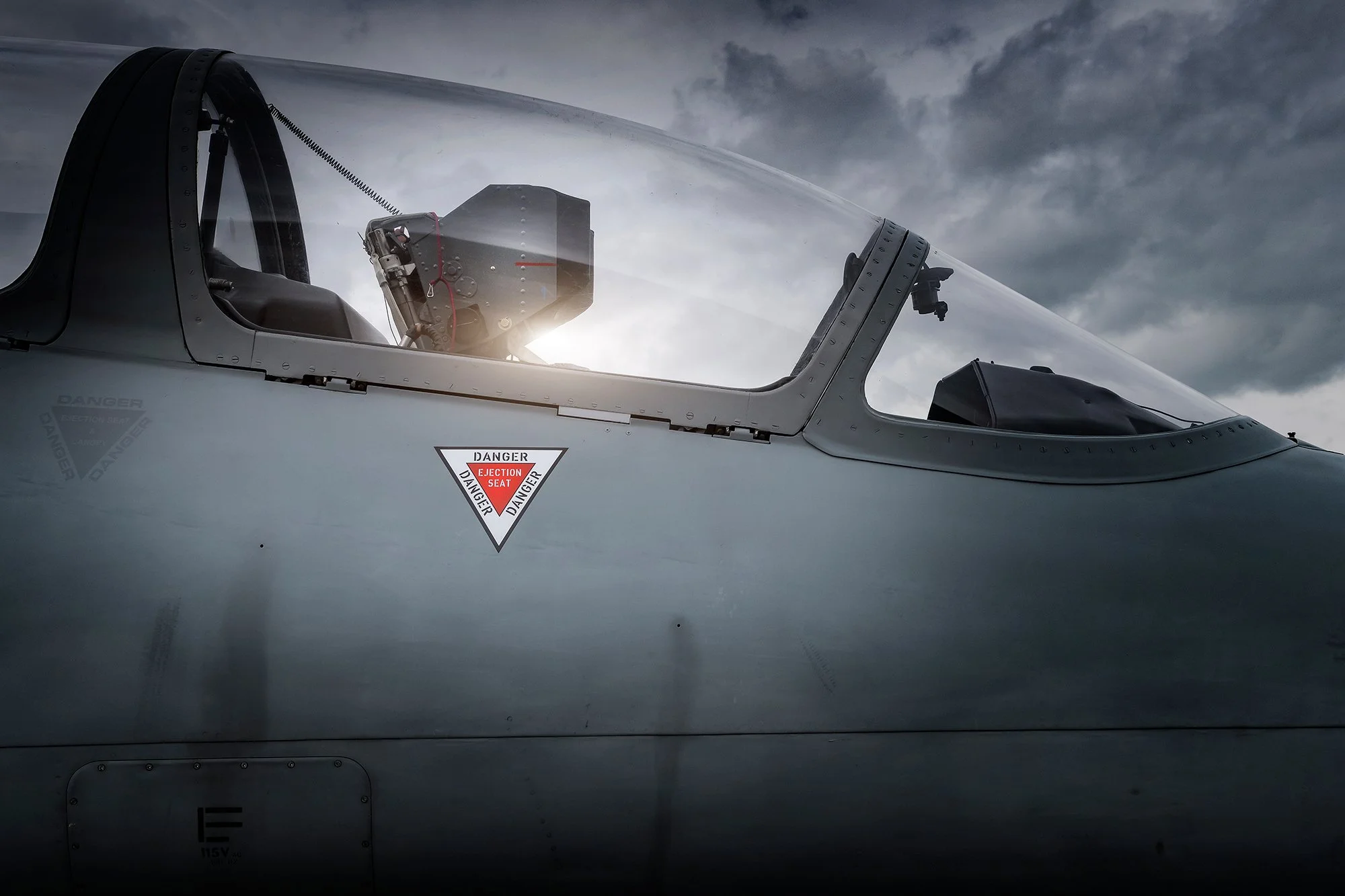
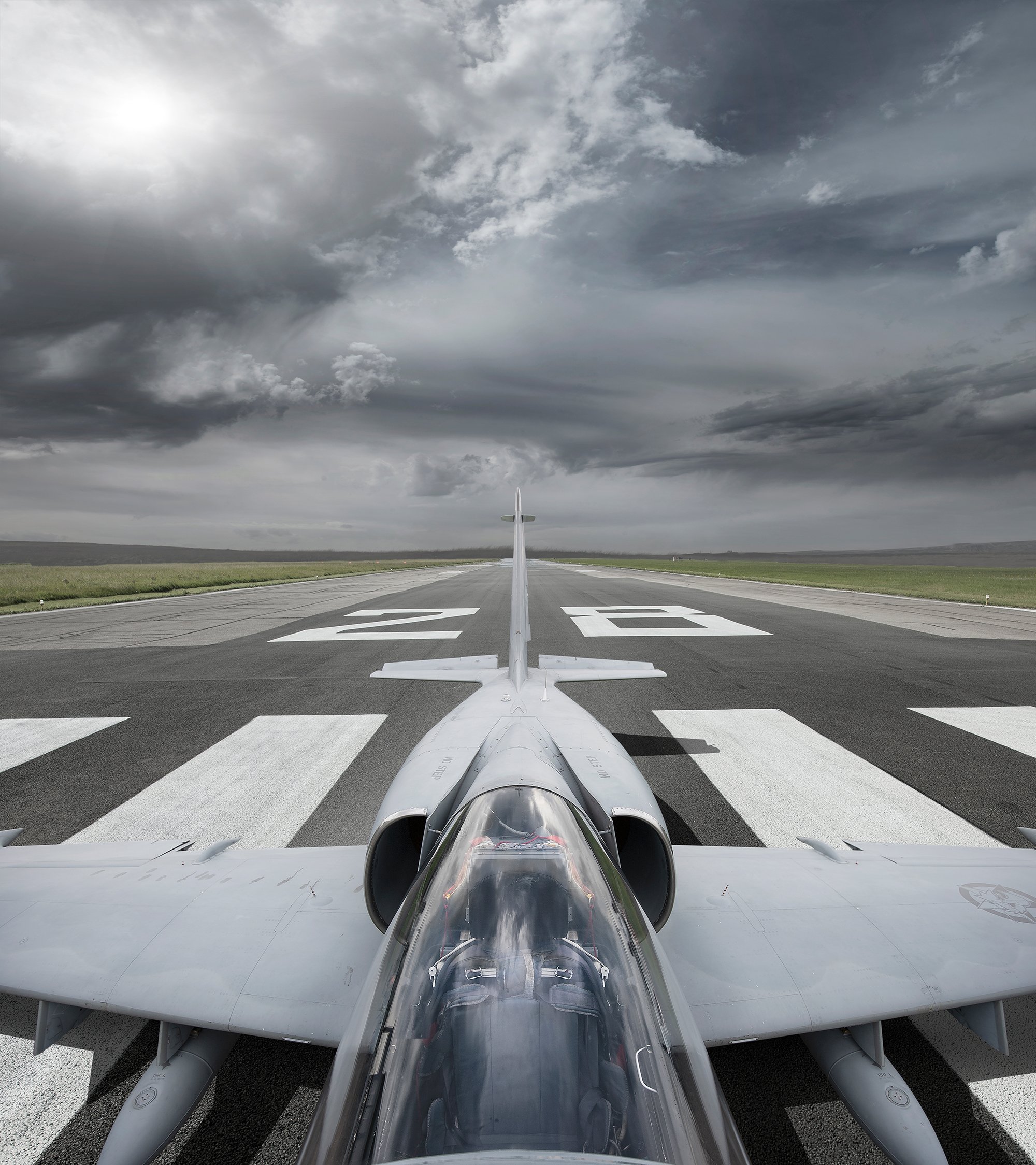
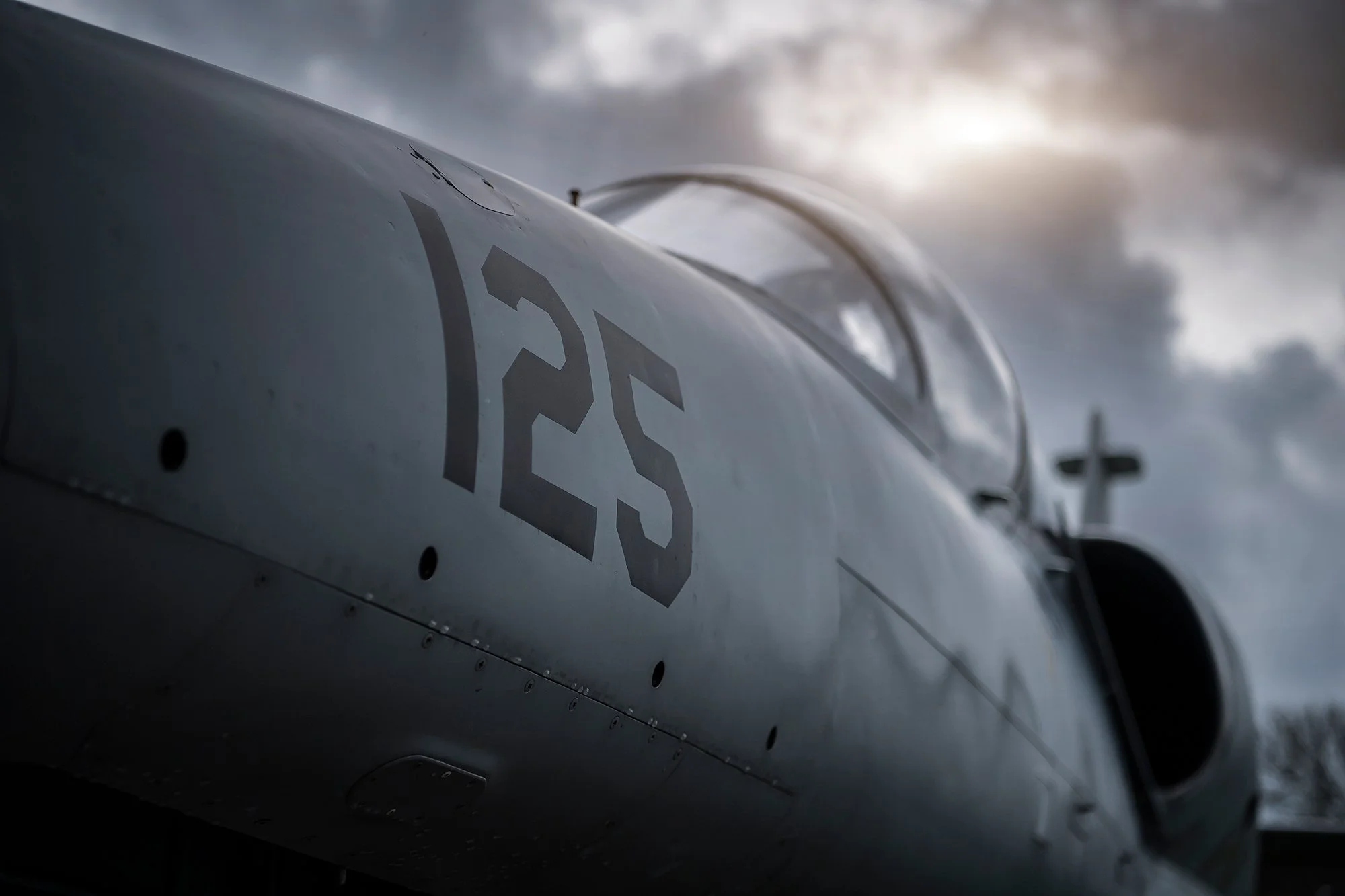
The L-39 possesses a unique combination of strength, elegance and precision. Those qualities need to be reflected not only through the aircraft's shape but also through the lighting, surrounding environment and camera angles chosen during the shoot.
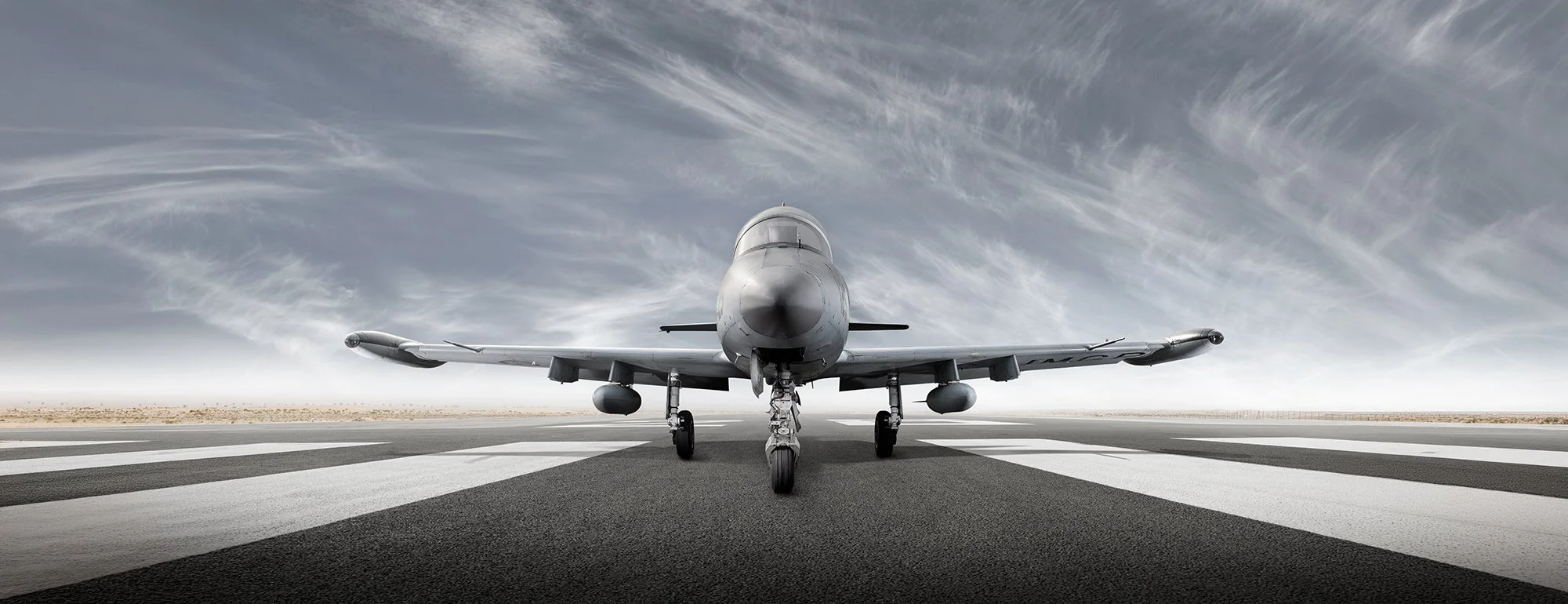
Strong directional light helps reveal the aircraft's sculpted fuselage, while carefully selected perspectives exaggerate its purposeful stance on the ground. Even before the engine starts, the photographs should communicate speed, energy and anticipation. This dramatic visual approach has become a hallmark of Tim's commercial photography.
Whether photographing a supercar, a heavy engineering vehicle or a military aircraft, the objective remains exactly the same: create imagery that captures attention immediately while remaining authentic to the subject. That philosophy has helped establish Tim's reputation as one of the UK's leading commercial photographers, trusted by international brands and production companies to deliver imagery that goes beyond simple documentation.
Why Aviation Photography Demands Experience
Unlike many forms of commercial photography, aviation photography presents a unique combination of technical, environmental and operational challenges.
Aircraft cannot simply be repositioned whenever required. Lighting changes constantly. Airfield operations continue around the photographer. Safety procedures must be followed without compromise. The photographer needs to understand not only composition and lighting but also aircraft operations, airport procedures and how aviation environment’s function. Years spent working alongside professional flight crews and emergency aviation operators provide an invaluable understanding that helps every assignment run efficiently and safely.
For clients such as BBC Productions, that experience provides confidence that the photography can be completed professionally, safely and creatively, even within demanding production schedules.
Capturing Engineering Excellence
Looking through the finished collection of photographs from the day, what stands out most is the timeless nature of the aircraft itself. Despite first flying over fifty years ago, the L-39 Albatros still looks modern. Its sleek proportions, purposeful design and beautifully balanced lines remain as striking today as when it first entered service.
For any commercial or aviation photographer, subjects like this are a privilege to photograph. The assignment also serves as another reminder that great aviation photography is about far more than simply photographing aeroplanes. It is about telling the story of remarkable engineering, celebrating the people who fly these incredible machines and preserving the legacy of aircraft that continue to inspire generations of aviation enthusiasts around the world.
For Tim Wallace, the opportunity to photograph the L-39 Albatros for BBC Productions was another memorable chapter in a career built on capturing extraordinary machines with creativity, technical precision and a passion for visual storytelling.
Whether photographing helicopters operating life-saving missions, historic warbirds or iconic military jets such as the legendary L-39 Albatros, the objective remains unchanged: to create aviation photography that leaves a lasting impression long after the engines have fallen silent.