McLaren Precision
McLaren - Product Photography That Reflects a World-Class Brand
Professional automotive based product photography is about far more than creating attractive images. It is about understanding a client's brand, communicating quality through every photograph and producing imagery that remains completely consistent across an entire campaign.
Over more than twenty years working as a commercial photographer, I have learned that the most successful product photography projects are rarely defined by a single spectacular image. Instead, they are measured by the ability to deliver a suite of photographs that all work together seamlessly, regardless of how many products are being photographed or how technically demanding the materials may be.
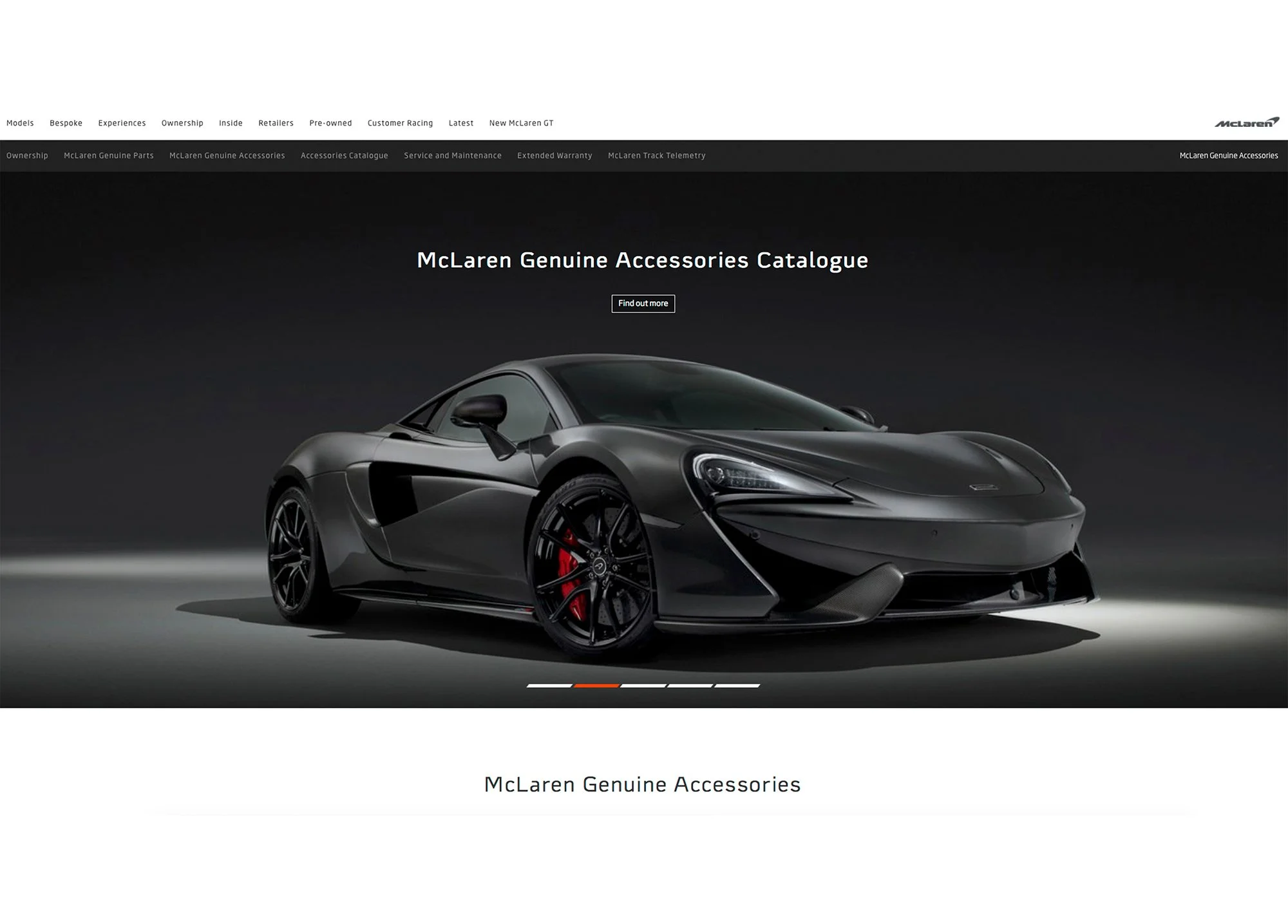
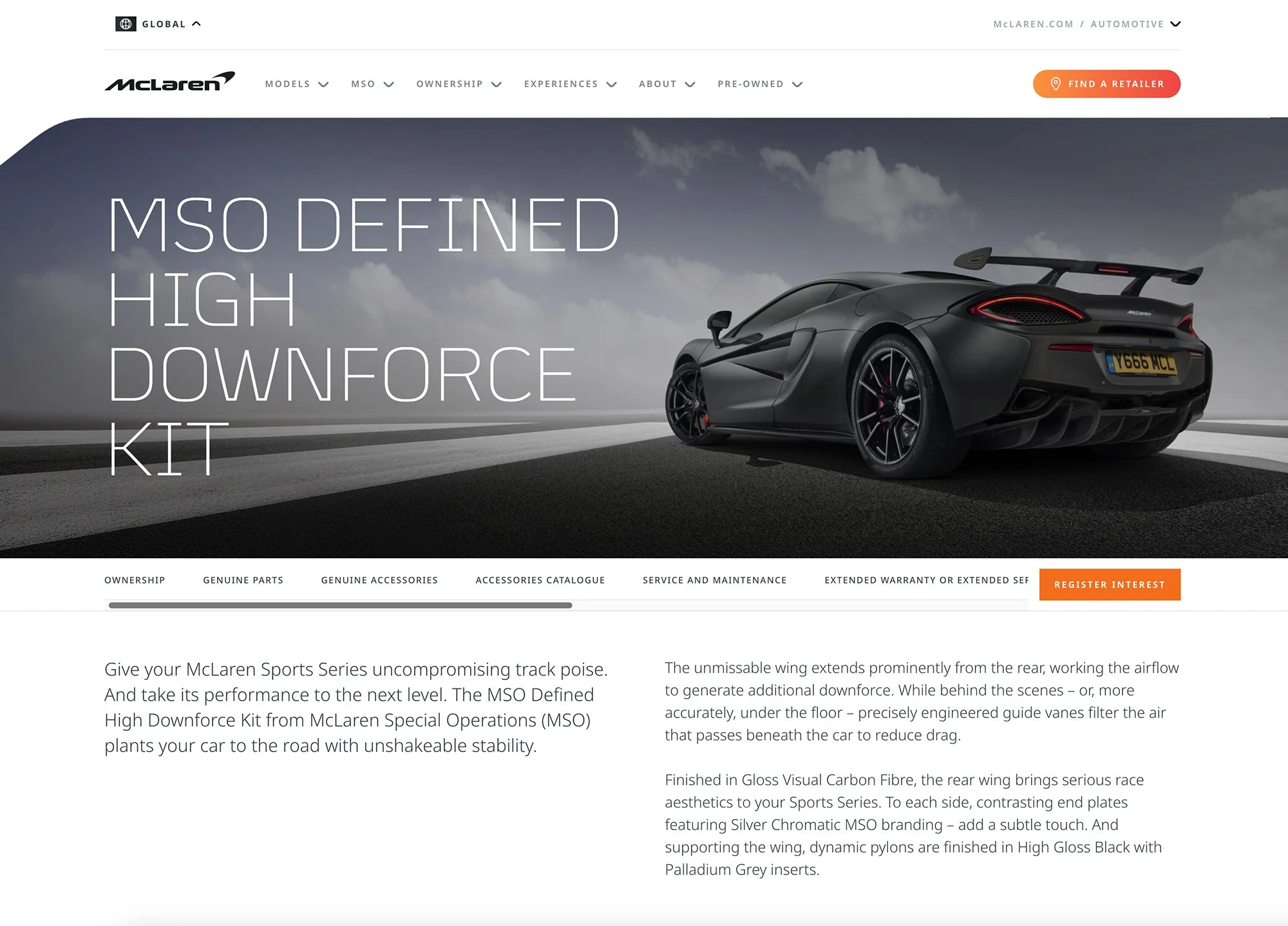
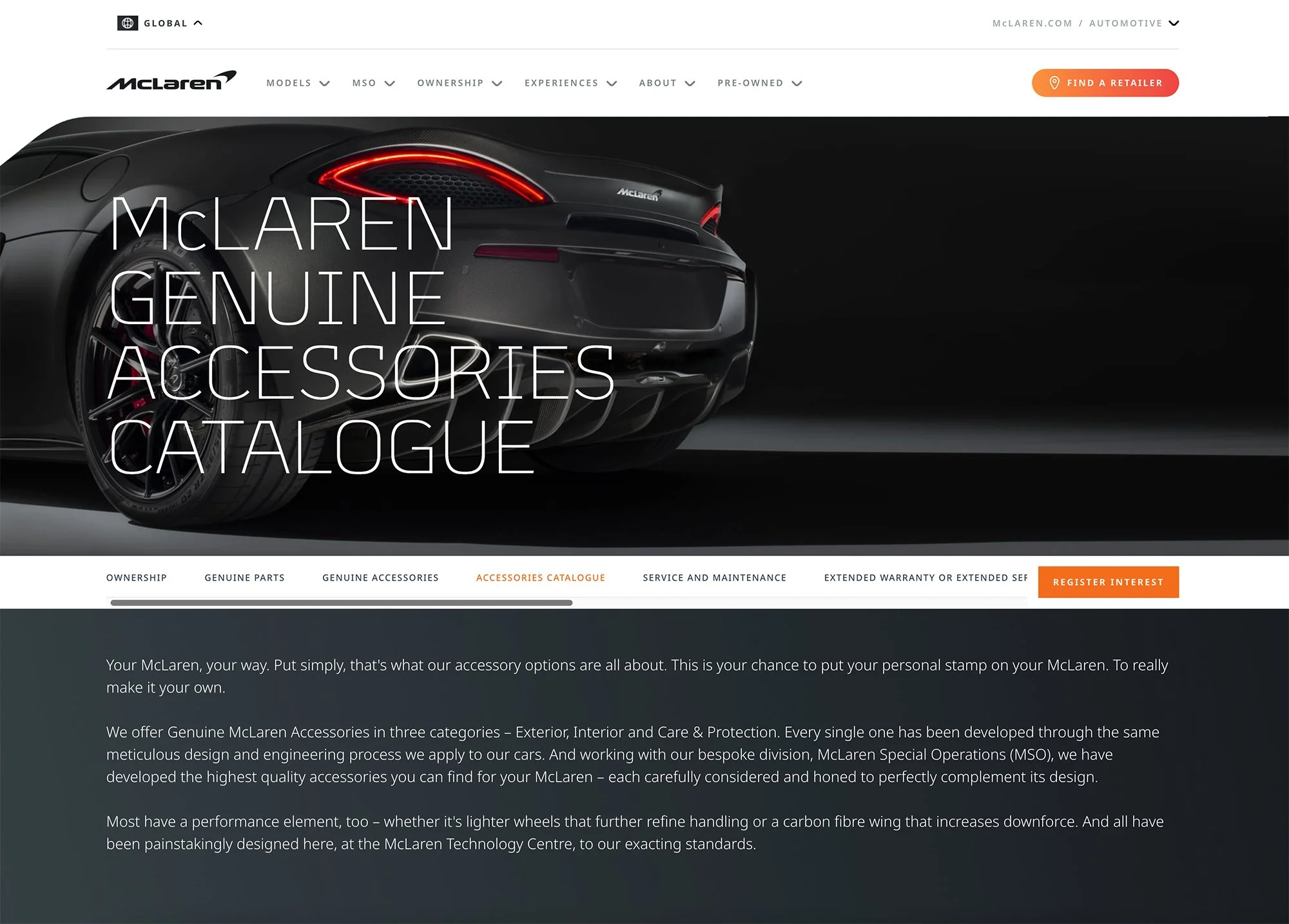
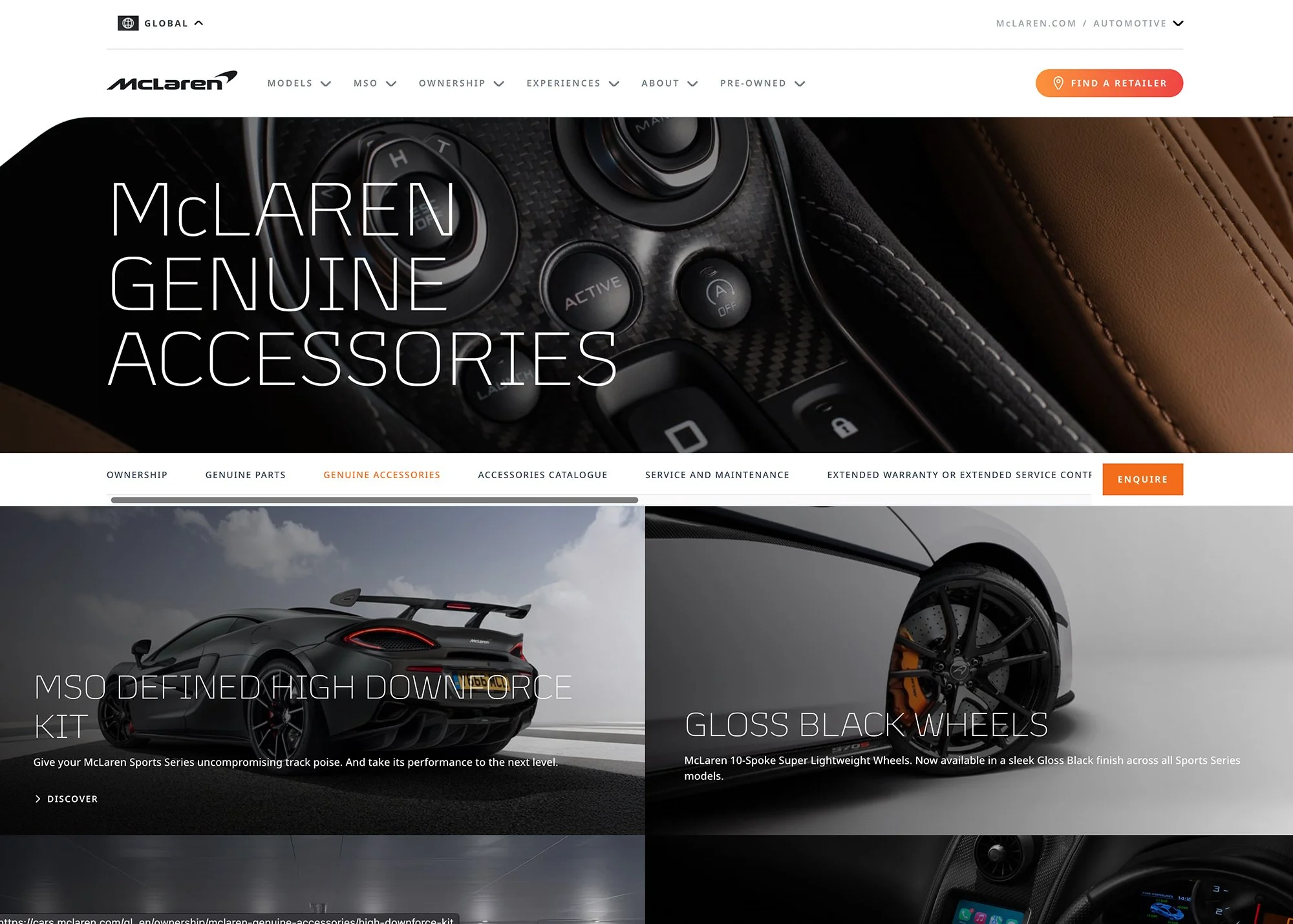
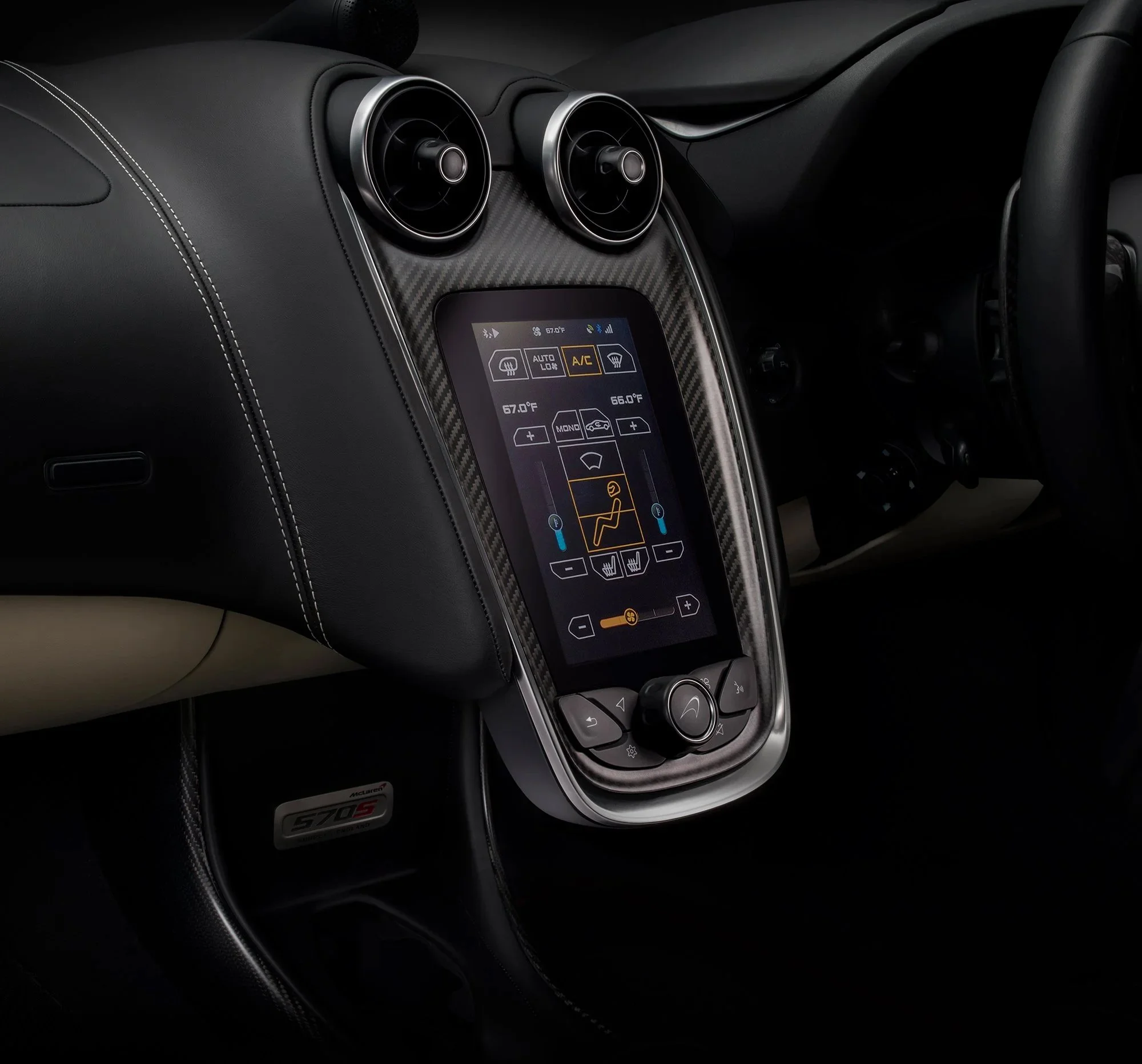
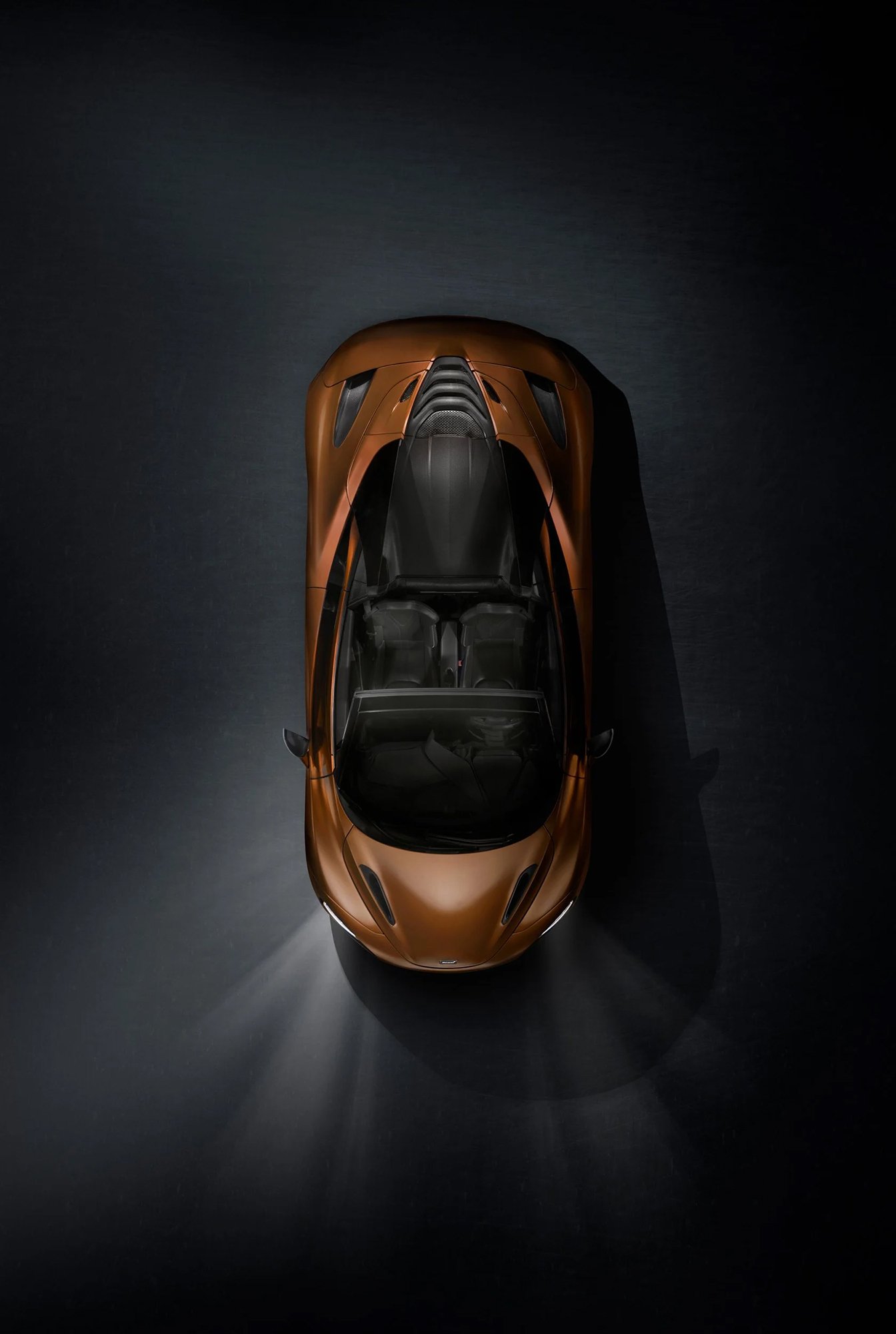
That experience has allowed me to work with many of the world's leading automotive manufacturers, producing both commercial car photography and specialist product photography for international marketing campaigns. One particularly rewarding relationship has been with McLaren Automotive, where I have completed three separate commissions producing product photography for their official accessories catalogues.
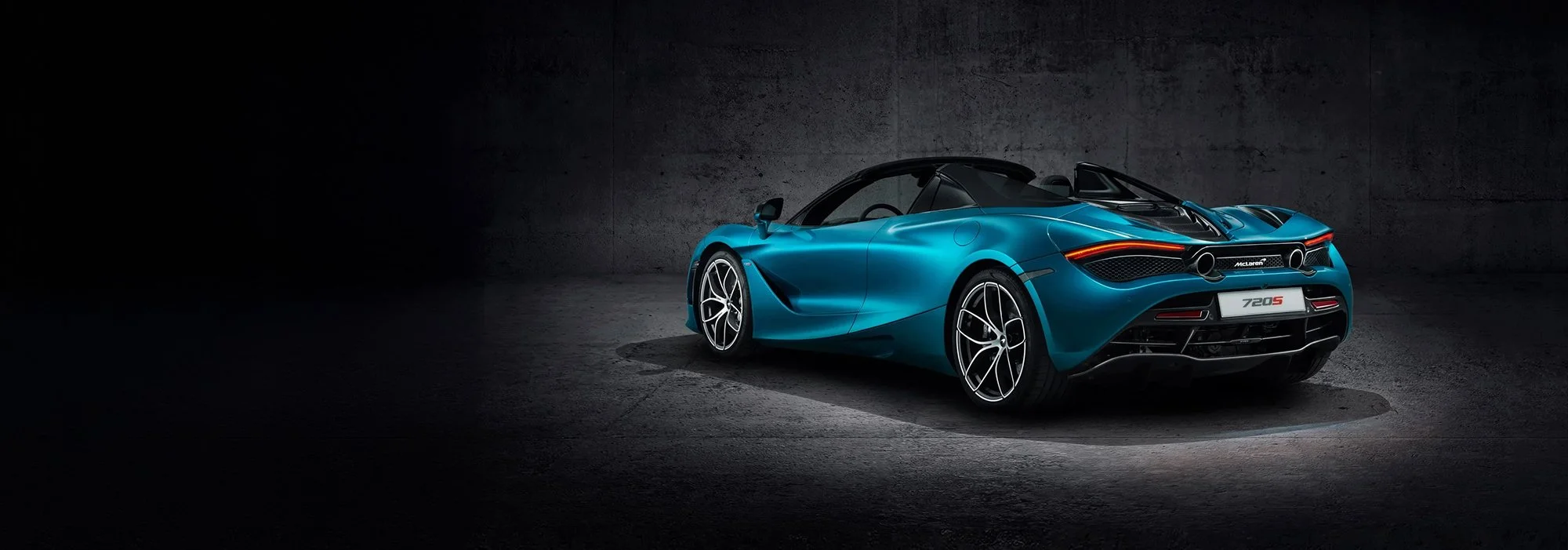
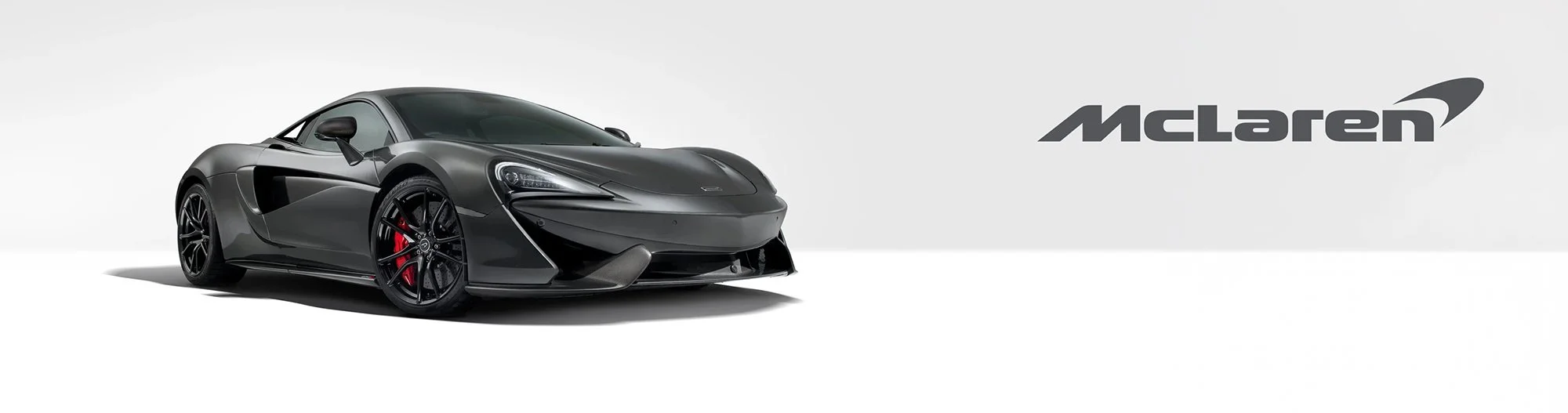
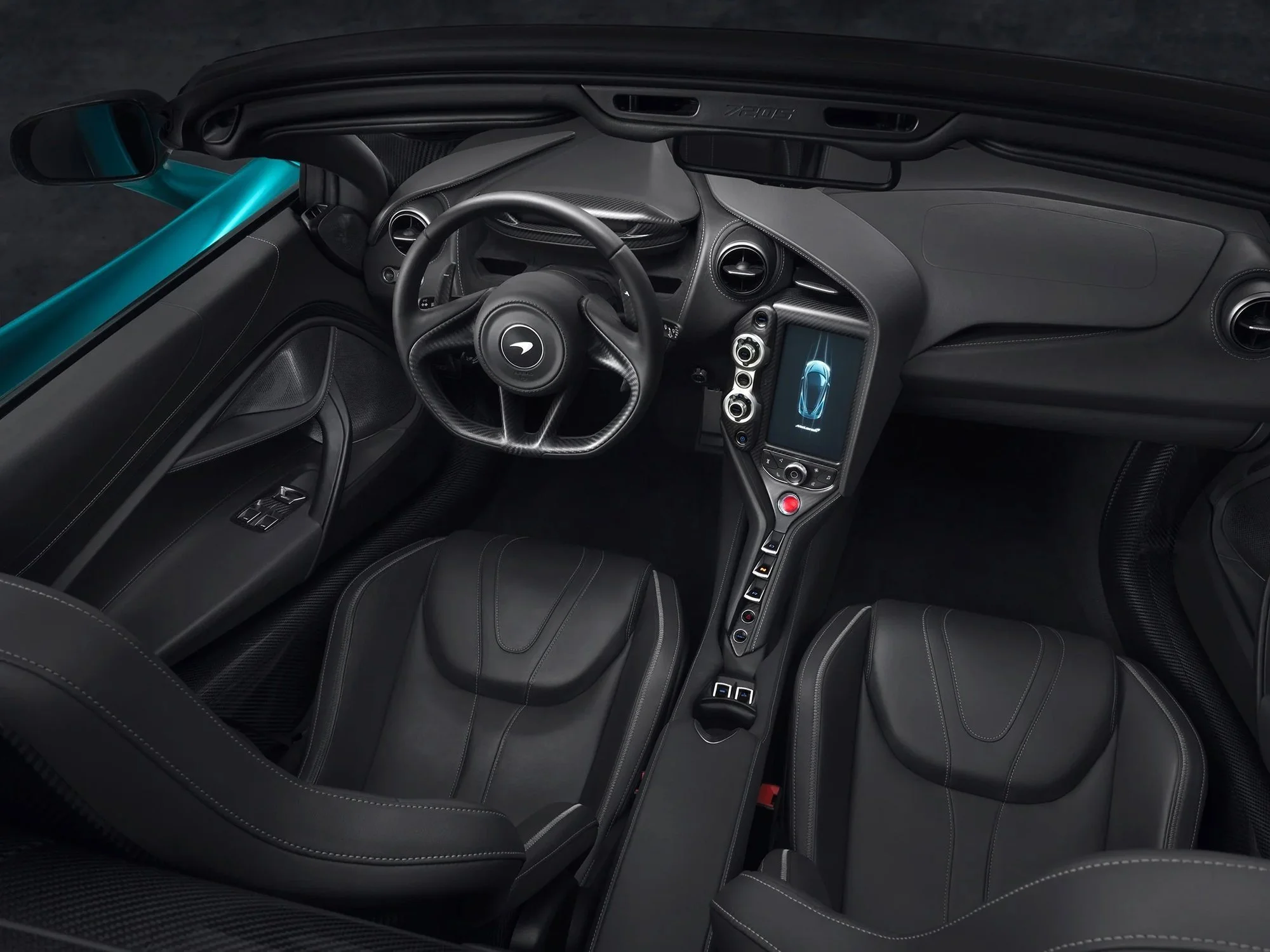
The first assignment centred on the McLaren 570S accessories range. Following the success of that project I was invited back to photograph McLaren Special Operations (MSO) accessories before completing a third commission for the McLaren 720S accessories programme.
For any commercial photographer, repeat commissions from a global luxury brand are among the strongest endorsements possible. They demonstrate confidence not only in creative ability but also in consistency, reliability and the ability to deliver photography that integrates perfectly into an established global brand. For me, these projects combined two specialist disciplines that have become the foundation of my career: premium automotive photography and technically demanding commercial product photography.
Product Photography Is About Brand Consistency
One of the biggest misconceptions surrounding product photography is that each image is created in isolation.
In reality, successful commercial product photography is about creating an entire visual language. Every photograph within a brochure, catalogue or marketing campaign must feel connected. Customers should experience a consistent visual style from the first page to the last without ever consciously noticing the photography itself. That consistency is what gives premium brands their polished appearance.
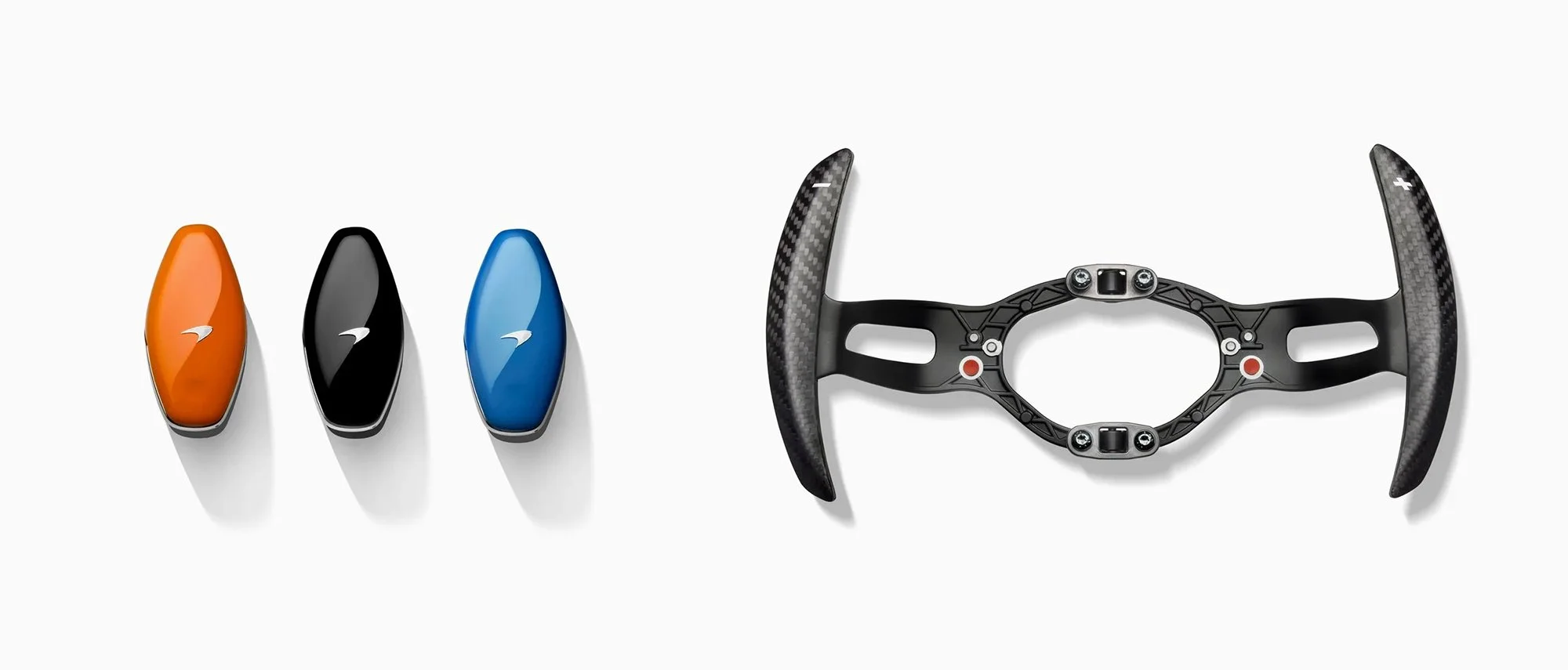
Whether photographing carbon fibre mirror housings, forged alloy wheels, interior trim components, luggage collections or performance accessories, every image has to share identical lighting characteristics, colour accuracy, tonal balance and composition. This becomes even more important within the automotive industry, where customers expect the same attention to detail from the photography as they do from the engineering itself.
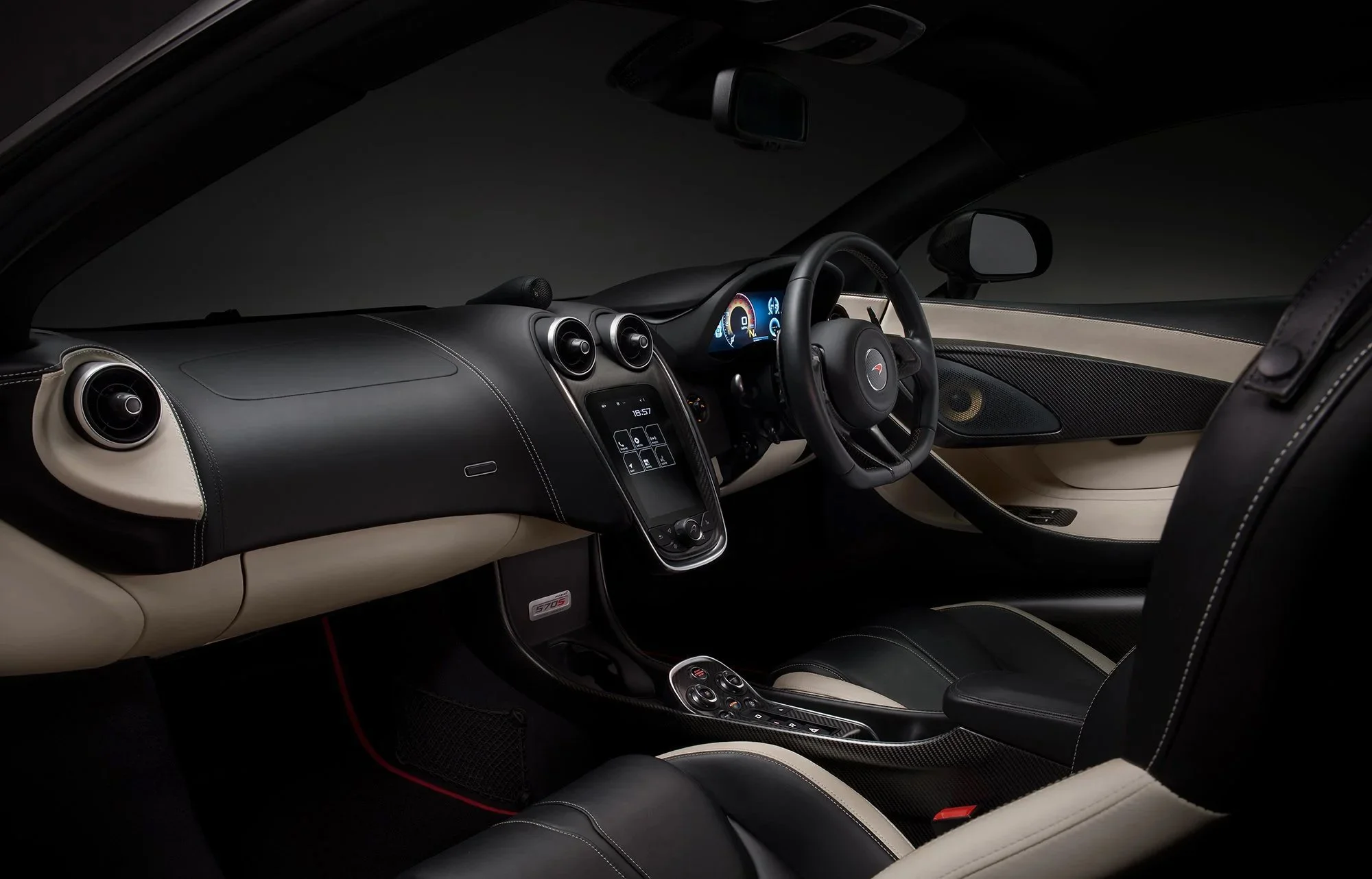
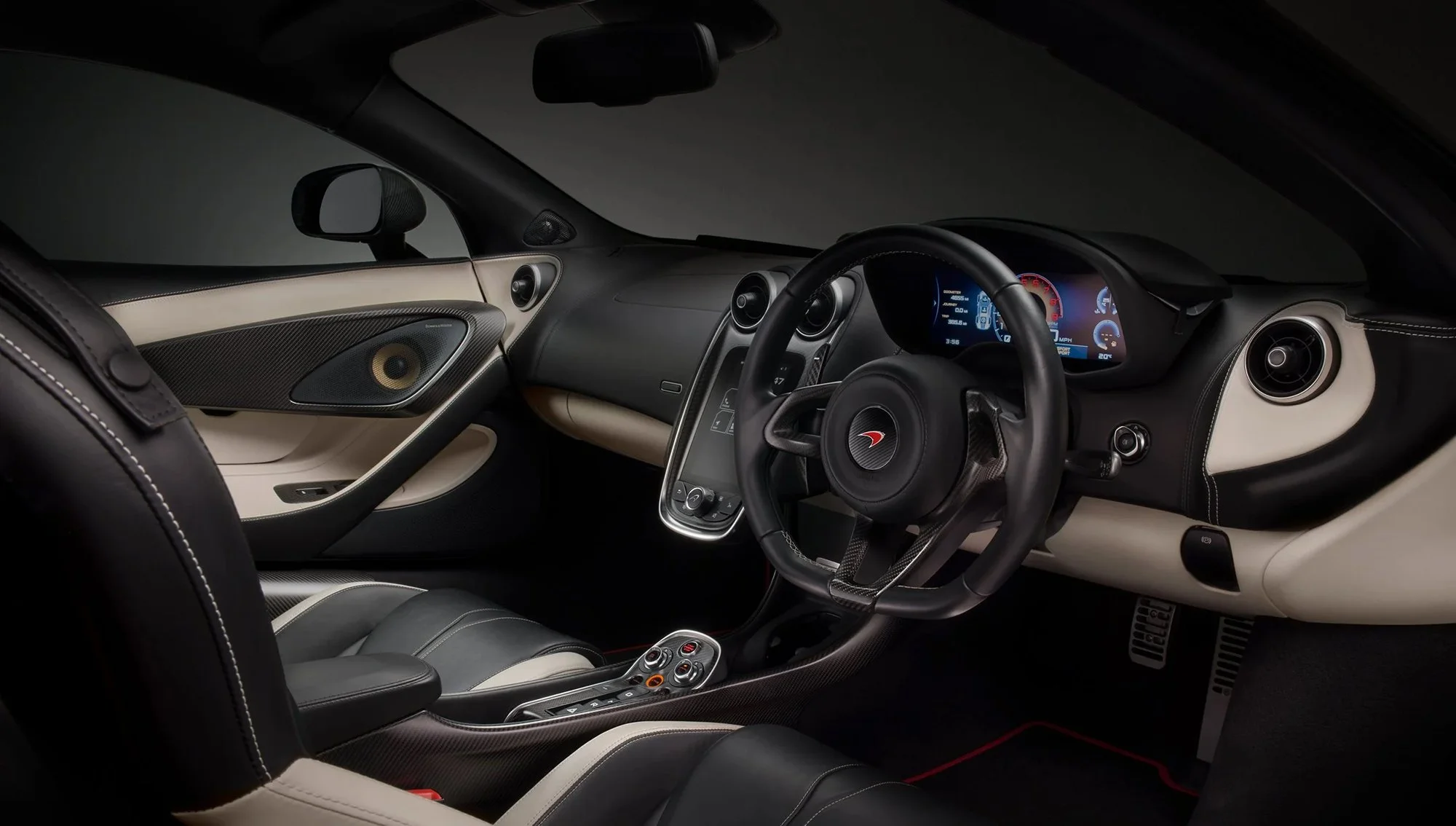
For McLaren, every accessory represents the same values as the cars themselves, precision engineering, exceptional craftsmanship and uncompromising quality. The photography therefore has to reinforce those values in every single frame.
Consistency is never accidental.
It comes from meticulous planning, carefully designed lighting, colour-managed workflows and repeatable production techniques that ensure every product looks like it belongs within the same collection, even when photographed months apart.
Over more than two decades producing commercial photography for international brands, developing those repeatable systems has become one of the greatest strengths of my studio workflow.
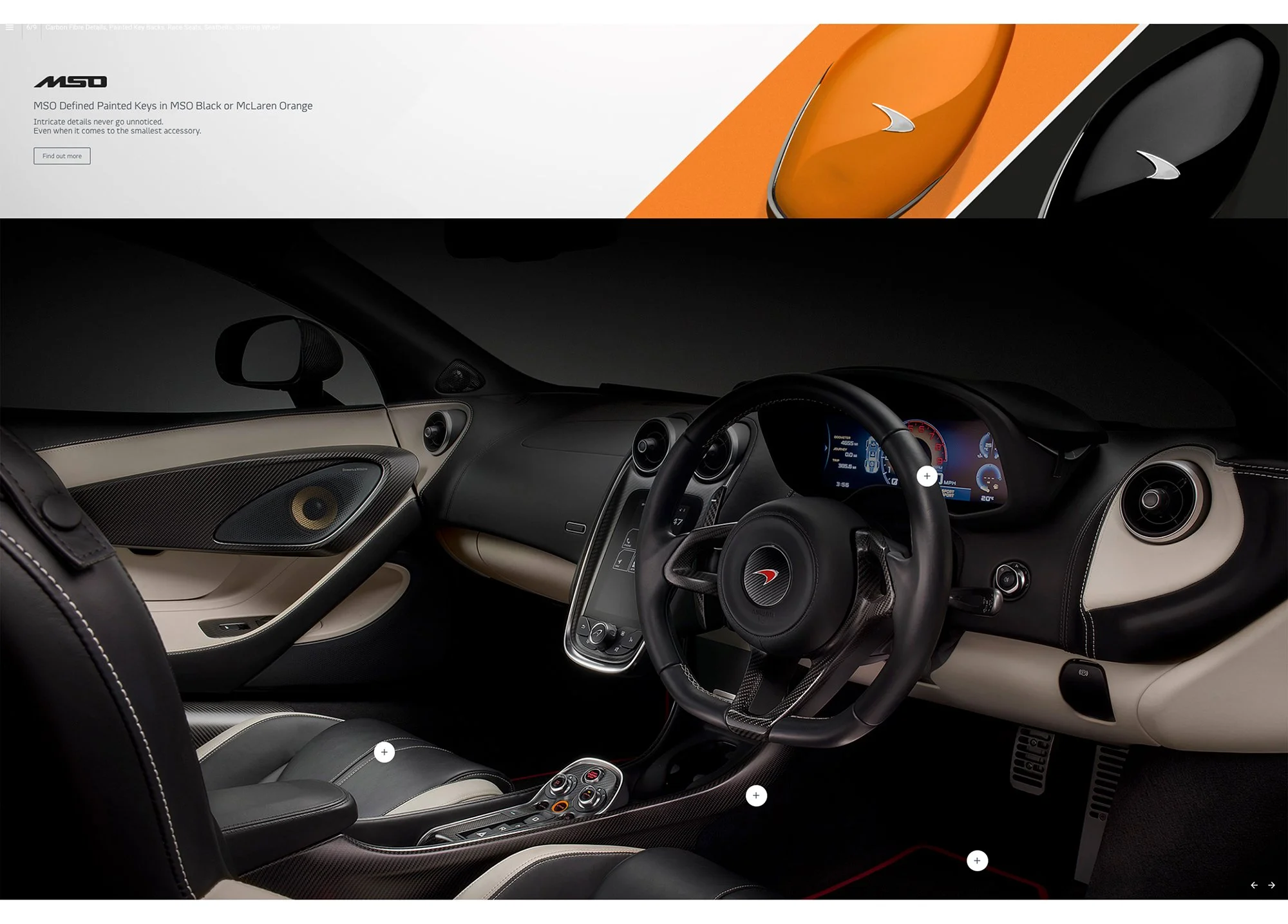
Product Photography That Follows Brand Guidelines
One of the most overlooked aspects of commercial product photography is the importance of understanding a client's brand guidelines.
Every major manufacturer invests enormous resources developing a visual identity that reflects who they are. Their typography, colours, layouts, advertising style and photography all work together to create a recognisable brand experience.
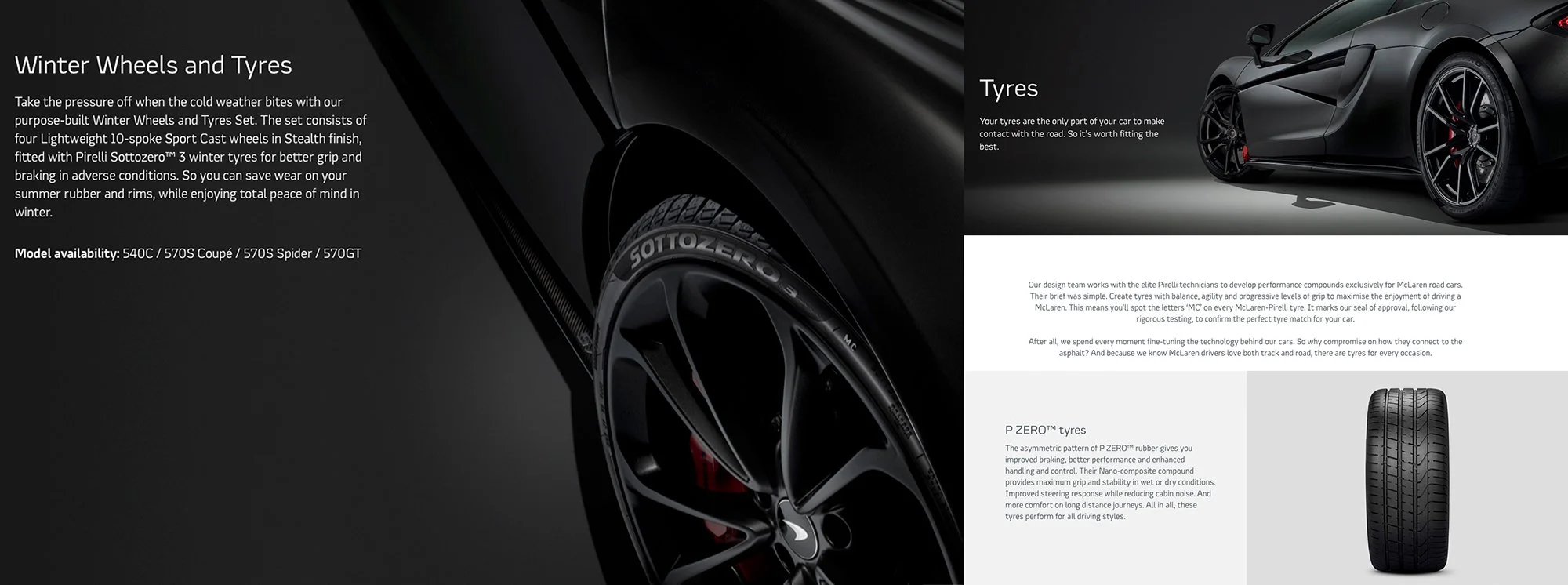
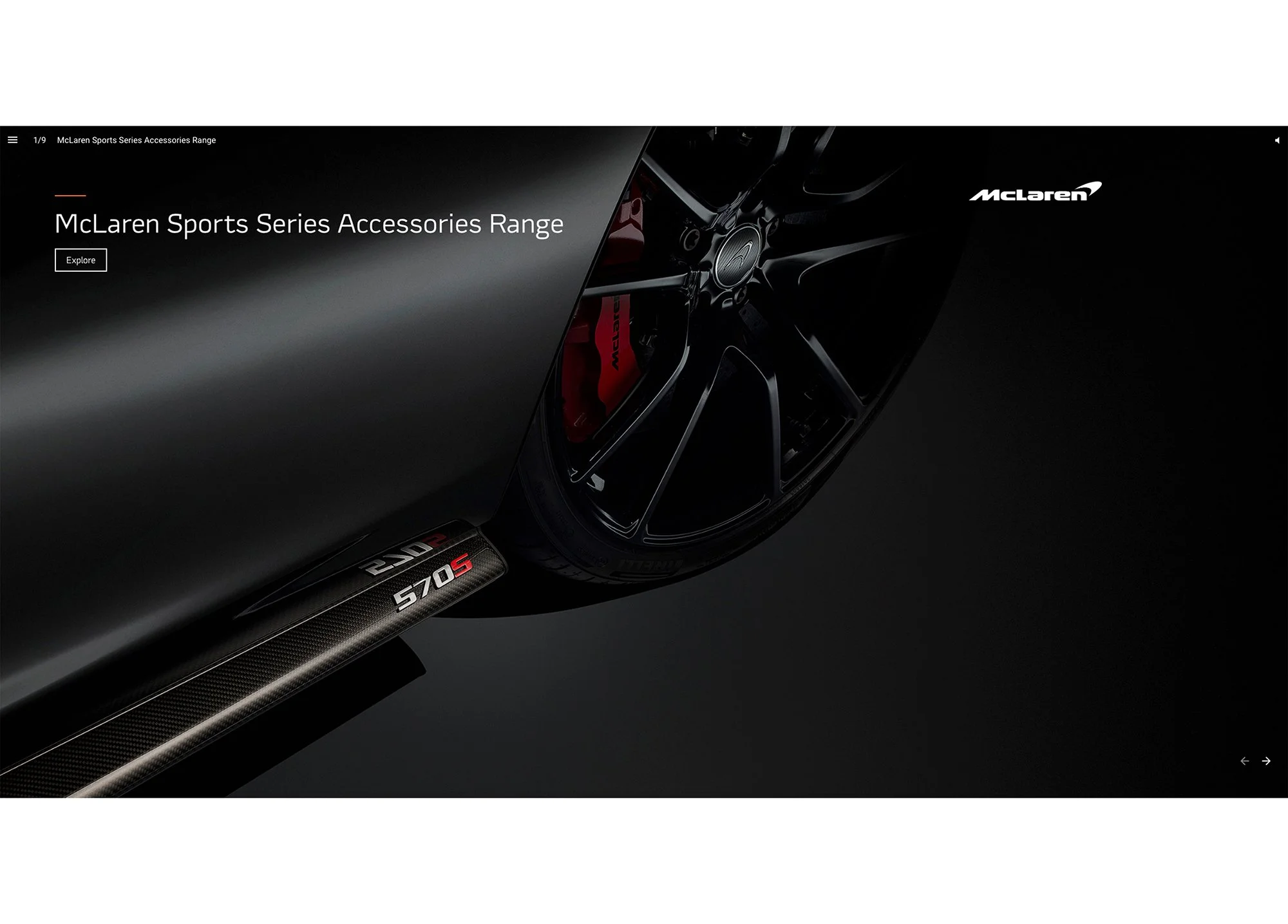
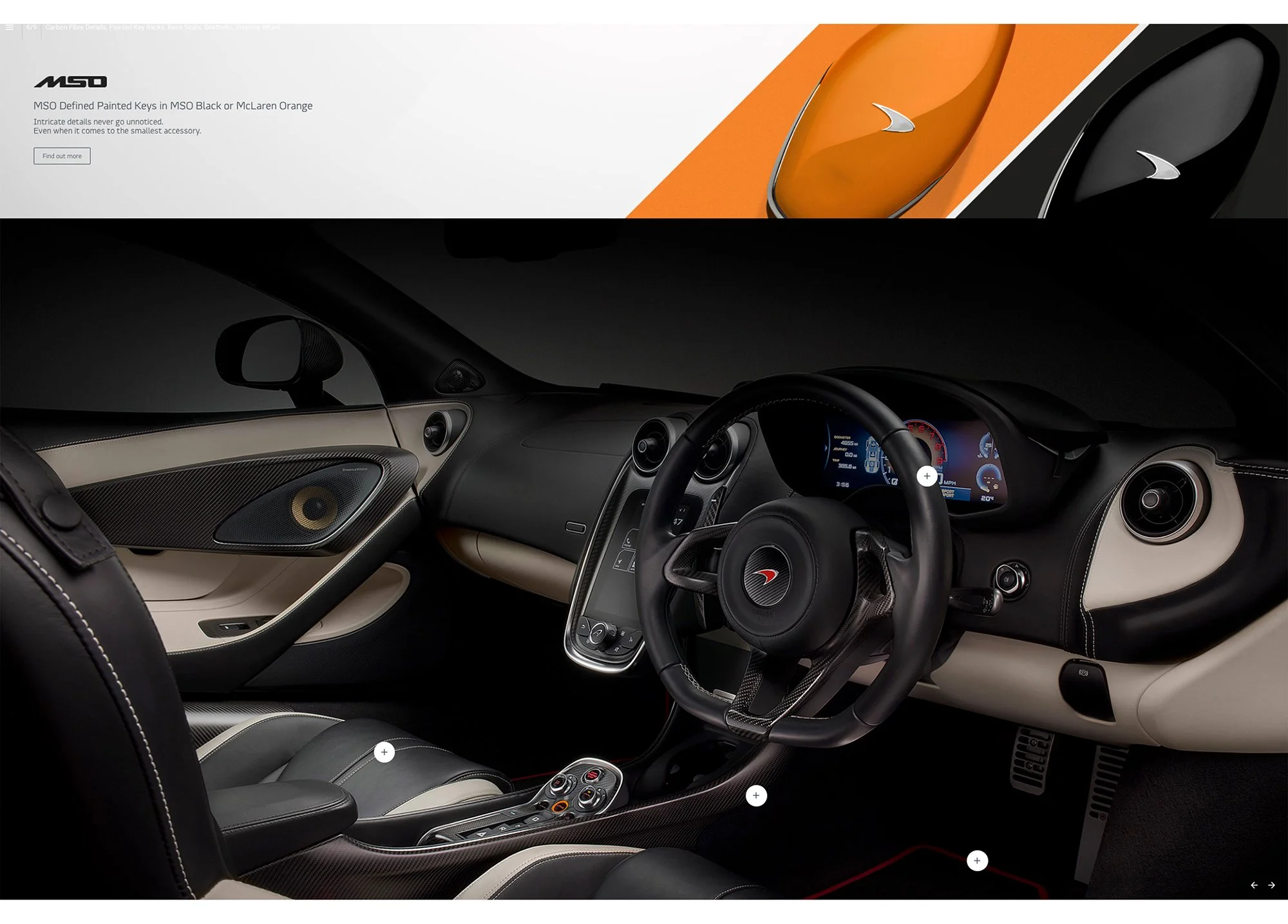
Photography must support that identity rather than compete with it.
Every commercial photography project begins with understanding the brief. That means understanding not only what needs to be photographed, but why it is being photographed, how the images will be used, who the audience is and how they fit into the wider marketing campaign.
Throughout my career I have worked with international automotive manufacturers, engineering companies and luxury brands where every image has to meet strict creative standards. The lighting style, camera angles, contrast, colour grading, background treatment and post-production all have to remain faithful to the client's existing visual language.
For companies such as McLaren, consistency is part of the brand. The photography therefore becomes an extension of the design team rather than simply a collection of product images. Producing photography that faithfully follows a client's brand guidelines while still creating engaging, premium imagery is one of the reasons global clients continue to commission experienced commercial photographers.
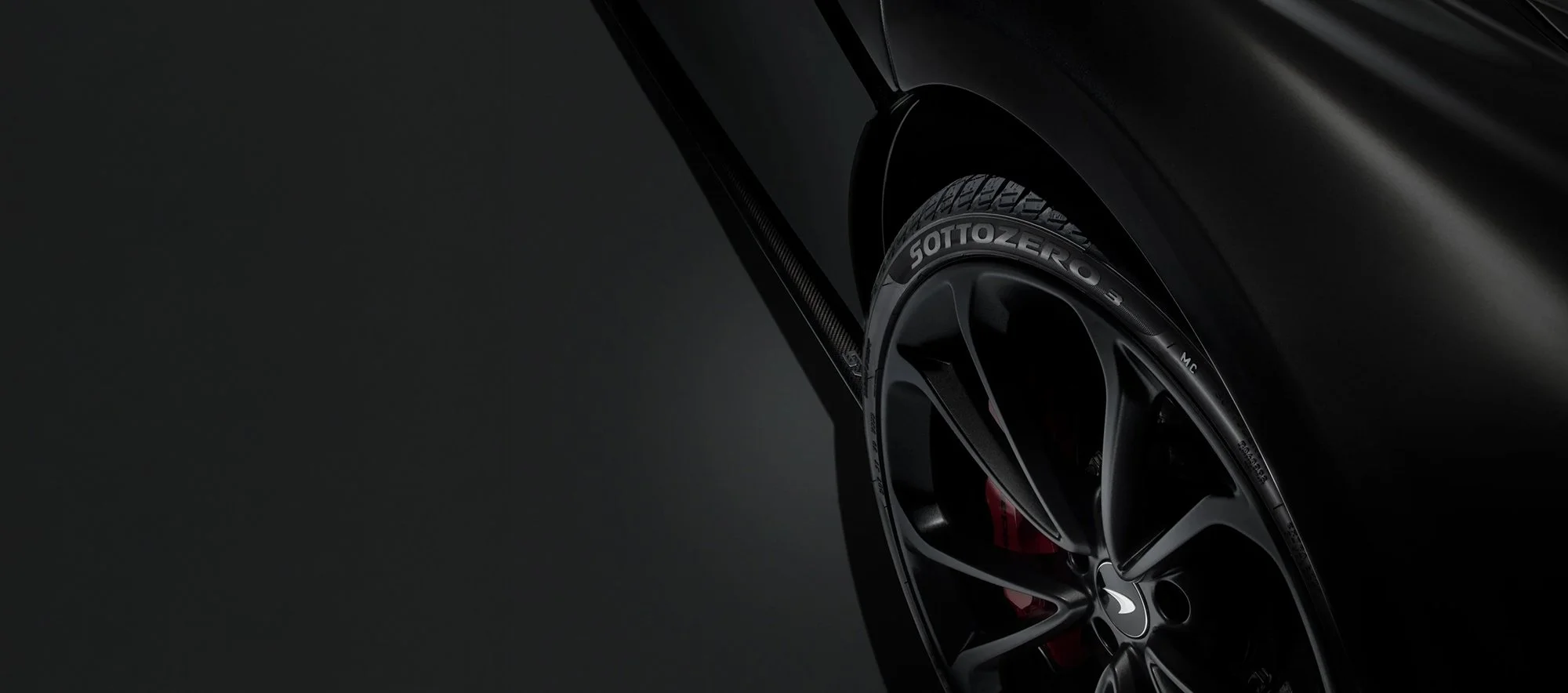
Lighting The World's Most Challenging Materials
Luxury automotive product photography presents some of the most technically demanding lighting challenges in commercial photography.
Many automotive accessories combine multiple reflective surfaces within a single product. Carbon fibre sits alongside polished bodywork. Satin metals meet gloss painted finishes. Soft leather is positioned next to highly reflective lacquered trim.
Every one of those materials reacts differently to light.
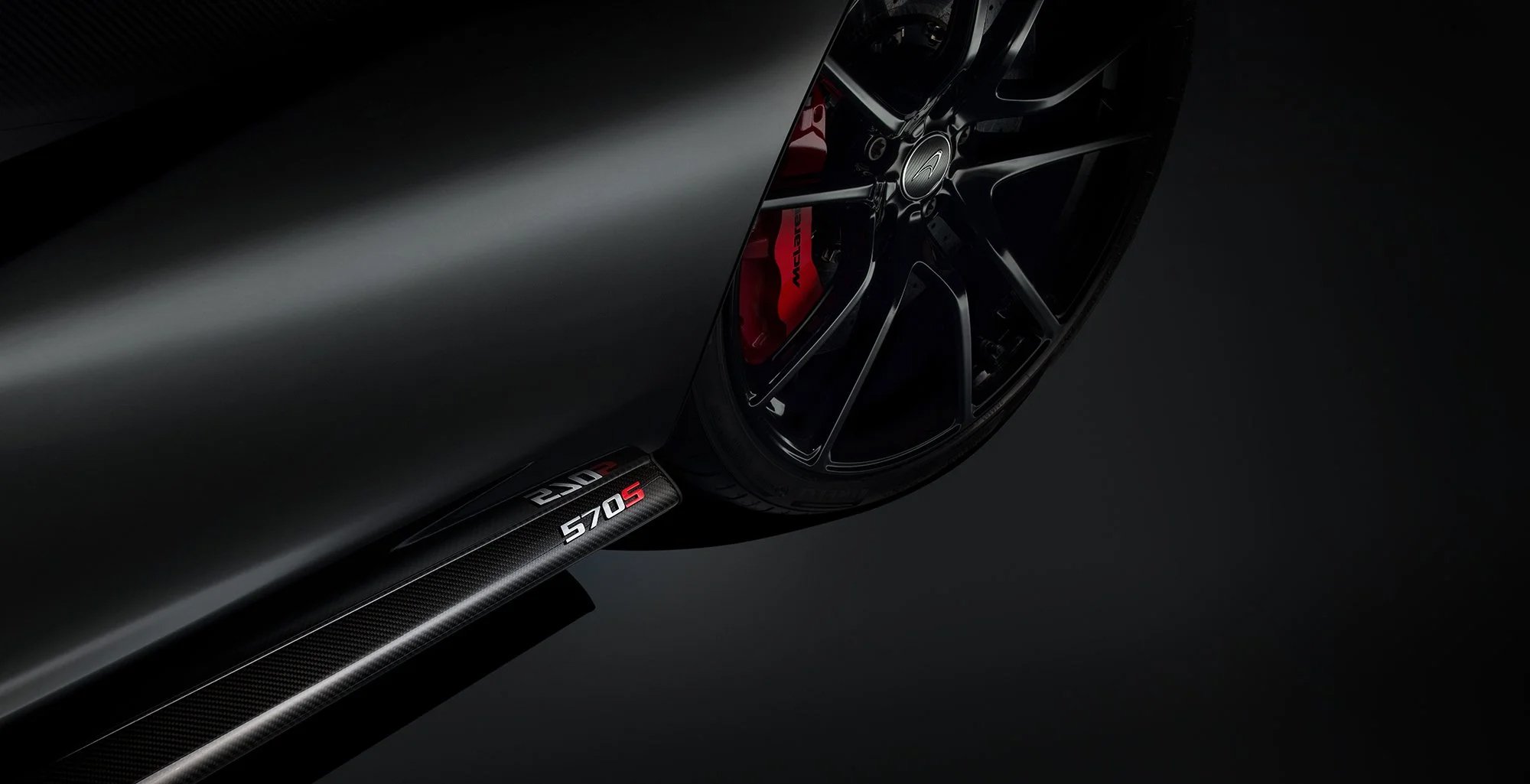
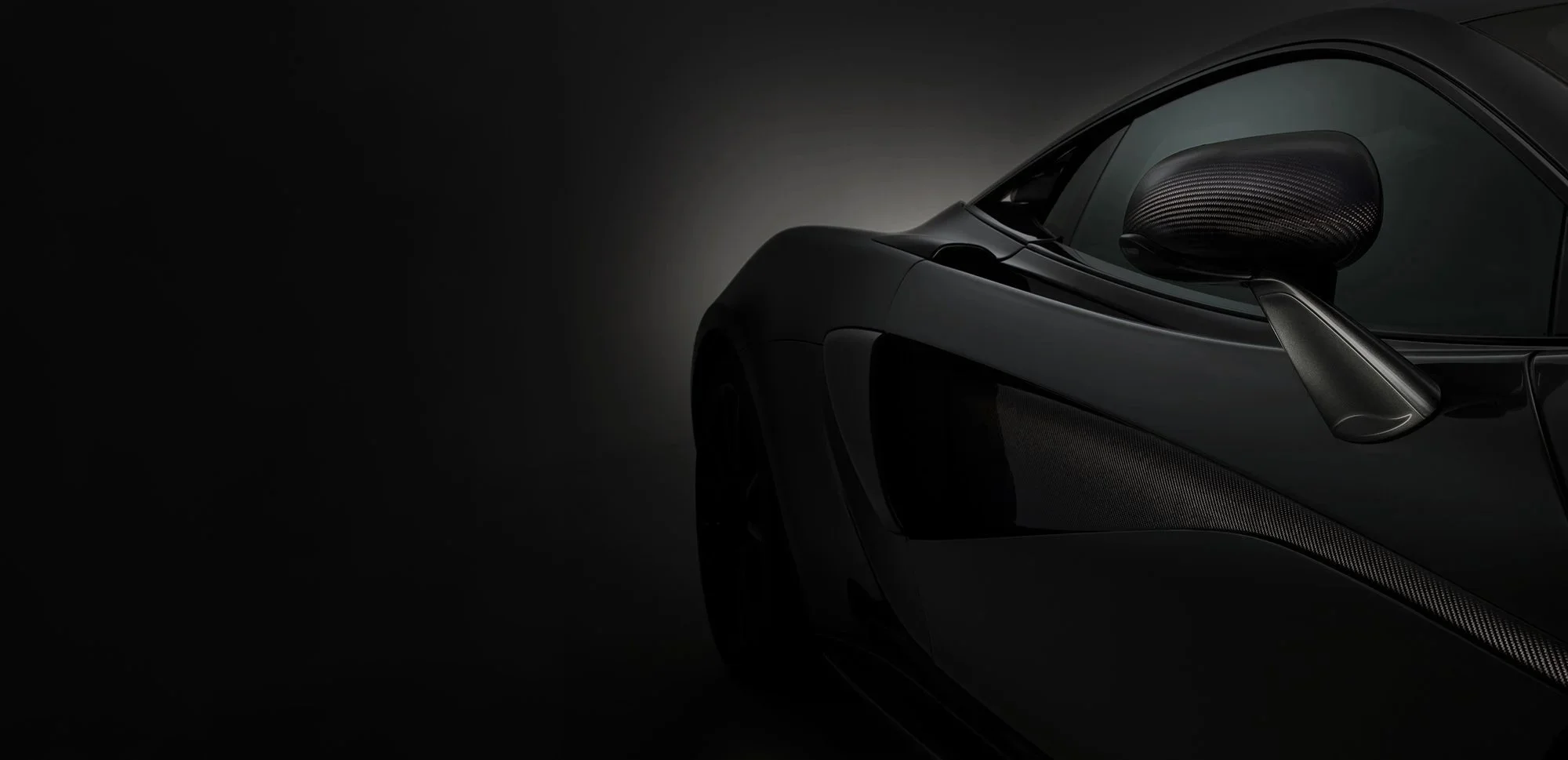
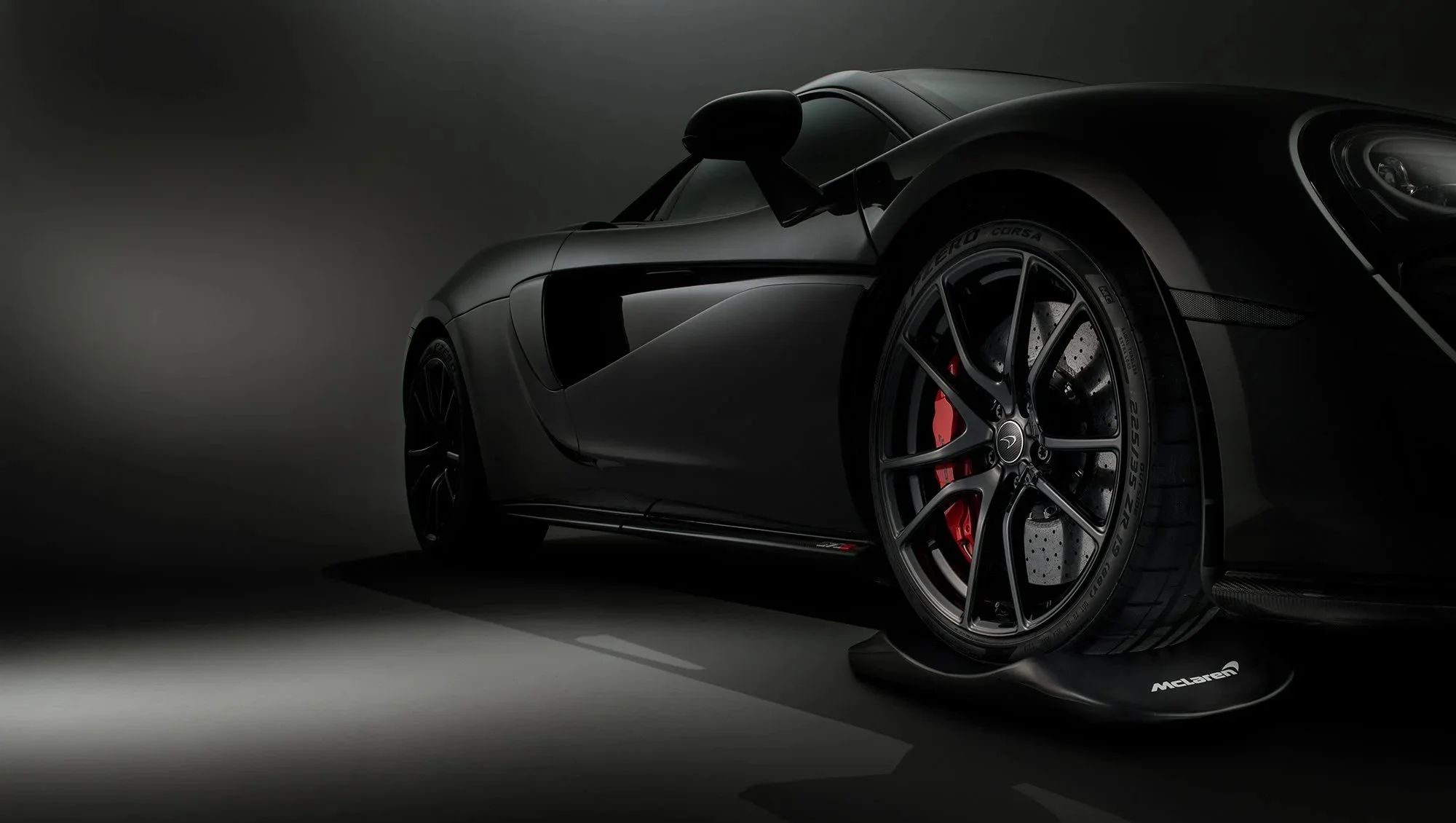

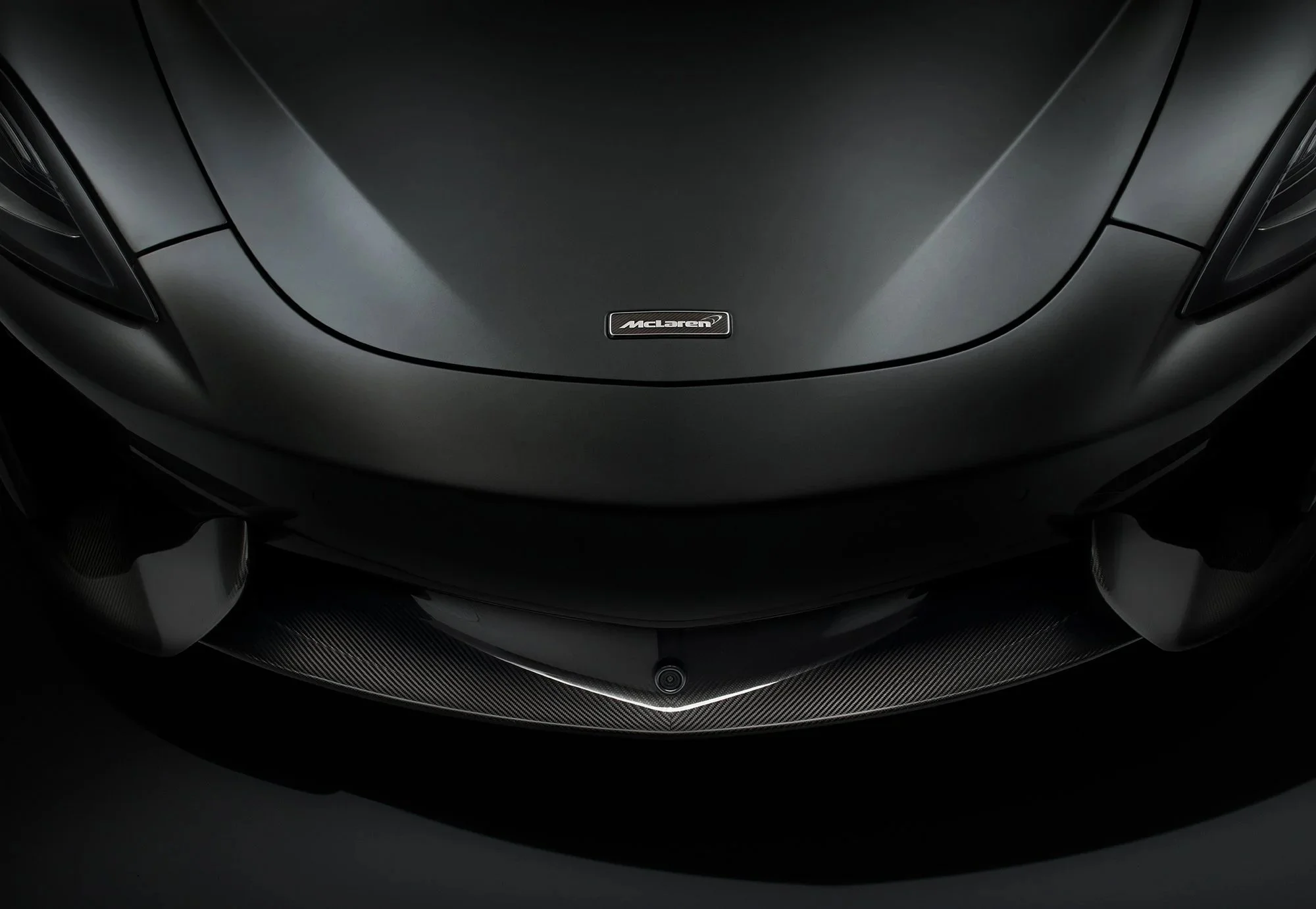
Carbon fibre is perhaps one of the most challenging surfaces to photograph successfully. The distinctive weave pattern has to remain visible while avoiding harsh reflections that can easily overpower the detail. The lighting must reveal depth, craftsmanship and texture without becoming distracting.
Gloss black surfaces require equally careful control. Too much light and reflections dominate the image. Too little and the product loses definition completely.
Leather introduces another set of challenges. Premium automotive leather should appear tactile and luxurious, with enough directional lighting to reveal grain, stitching and craftsmanship while avoiding deep shadows that hide detail.
Each product therefore requires a carefully considered lighting solution, often involving multiple precisely controlled light sources working together to create a clean, elegant and natural appearance. These technical considerations are often invisible to the viewer.
That is exactly how successful product photography should be. The lighting should never become the subject, the product should.

Where Car Photography Meets Product Photography
Although much of my career has centred around commercial car photography, projects such as these demonstrate how closely car photography and product photography are connected. The same understanding of reflections, surface control, colour accuracy and precision lighting that is essential when photographing an entire vehicle becomes equally important when photographing individual automotive components.
In many respects, product photography can be even more demanding.
When photographing an entire car, the viewer is naturally drawn towards the overall shape and design. With product photography there is nowhere for imperfections to hide. Every reflection, every highlight, every texture and every surface becomes the focus of attention.
The precision required is considerably greater.
Working extensively within both commercial car photography and product photography allows techniques developed in one discipline to strengthen the other. The result is imagery that feels refined, premium and entirely consistent with the quality of the products themselves.
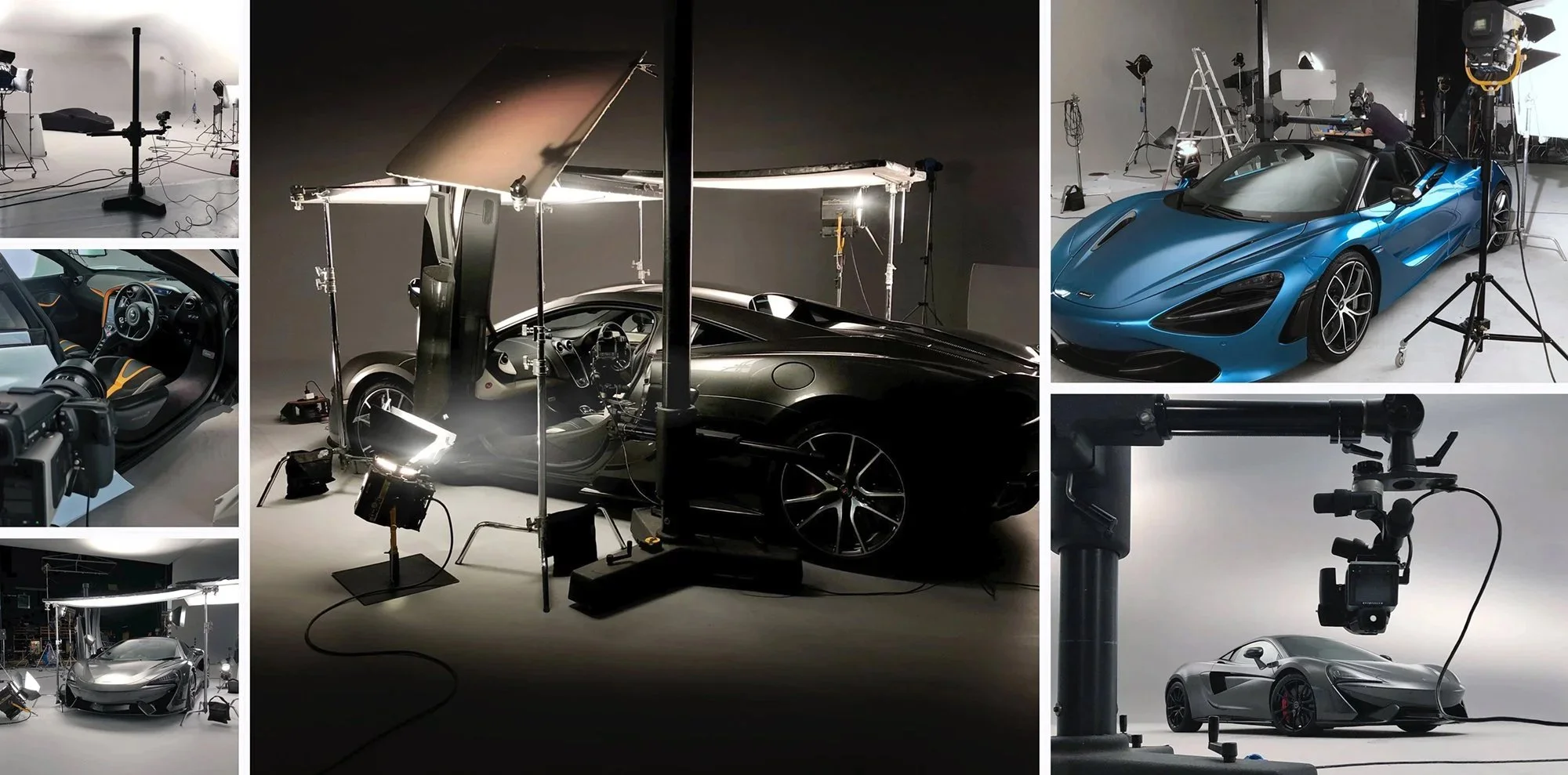
Behind the Scenes in Studio Shooting for McLaren
Twenty Years of Commercial Photography Experience
Experience is often the difference between creating attractive photographs and creating commercially successful photography. During more than twenty years as a professional commercial photographer I have worked with international brands across the automotive, transport, engineering and luxury manufacturing sectors. While every client presents different creative challenges, the underlying objective remains remarkably consistent.
Deliver photography that supports the brand.
Deliver photography that follows the brief.
Deliver photography that remains consistent across every marketing channel.
Whether the final images appear within printed brochures, dealership literature, exhibition graphics, advertising campaigns, websites or international marketing material, every photograph must contribute towards a unified brand identity.
This level of consistency cannot be improvised. It comes from years of experience developing studio lighting techniques, understanding production workflows and maintaining rigorous quality standards from the first photograph through to final delivery.
For clients such as McLaren, reliability is every bit as important as creativity.
When commissioning commercial product photography, they need complete confidence that every image will meet the required technical specification while maintaining the visual standards expected from one of the world's most respected automotive manufacturers.
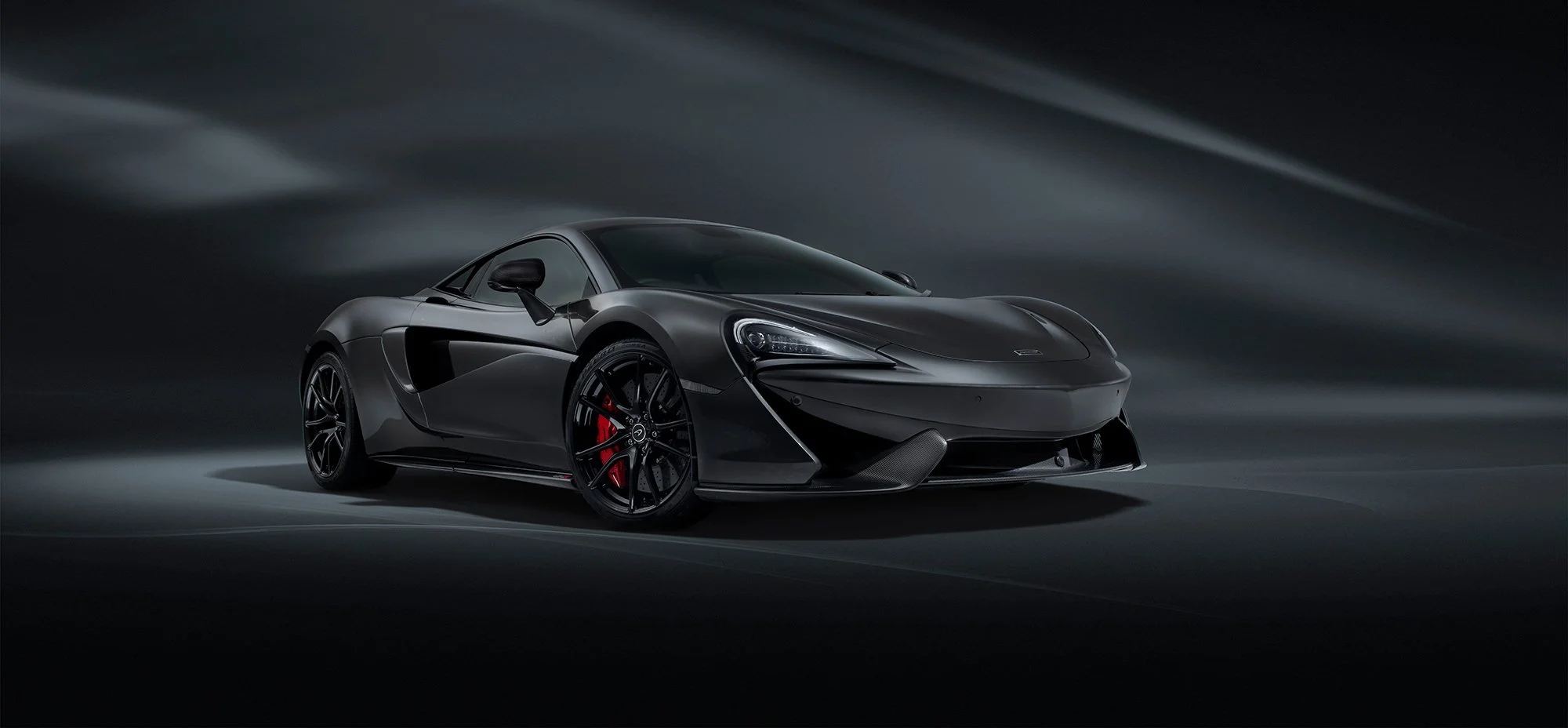
Professional Product Photography for Premium Brands
The three McLaren accessories commissions remain among the most enjoyable commercial photography projects I have undertaken.
Not simply because of the prestige associated with the brand, but because they brought together every aspect of specialist commercial photography that I enjoy most: technical lighting, precision, consistency and attention to detail.
Professional product photography is about much more than photographing objects. It is about understanding how imagery supports marketing, strengthens brand identity and helps communicate quality before a customer ever holds the product in their hands.
Whether producing commercial product photography, automotive product photography or high-end car photography, the principles remain exactly the same.
Understand the client.
Understand the brand.
Understand the brief.
Then create photography that exceeds expectations while remaining faithful to every aspect of the client's visual identity. For businesses investing in premium marketing, those details make all the difference.