

Next Generation Electric
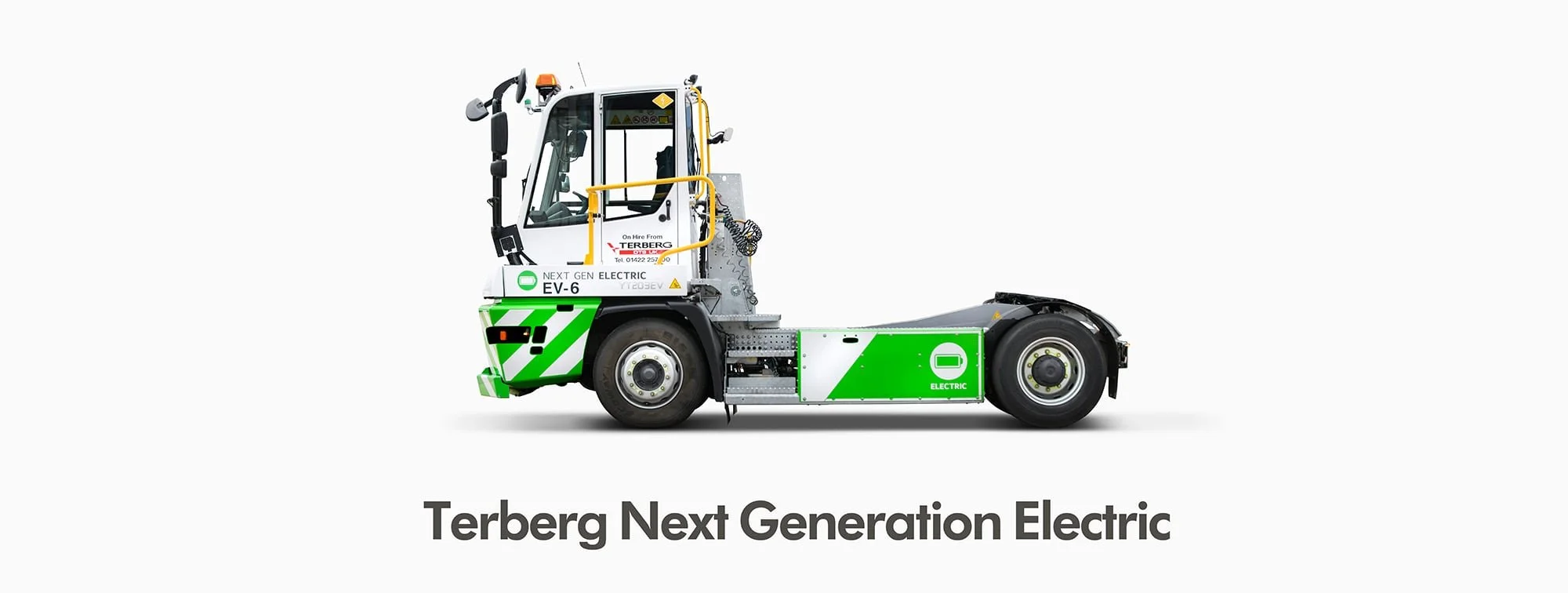
Photographing the Next Generation Electric Terberg YT203EV
Twenty Years of Specialist Vehicle Photography
One of the many things that I love about being a commercial photographer is the sheer variety of the subjects that I get to work with. Over the last 20 years I have photographed everything from some of the world's most beautiful performance cars and aircraft through to some seriously large and highly specialised commercial vehicles, and it is this latter area of my work that has taken me into some fascinating environments and locations both across the UK and Europe.
My truck and large vehicle photography has taken me into manufacturing facilities, logistics operations, ports, engineering centres and industrial sites, as well as some substantial photographic studios where getting an entire commercial vehicle into the space can be an exercise in itself.
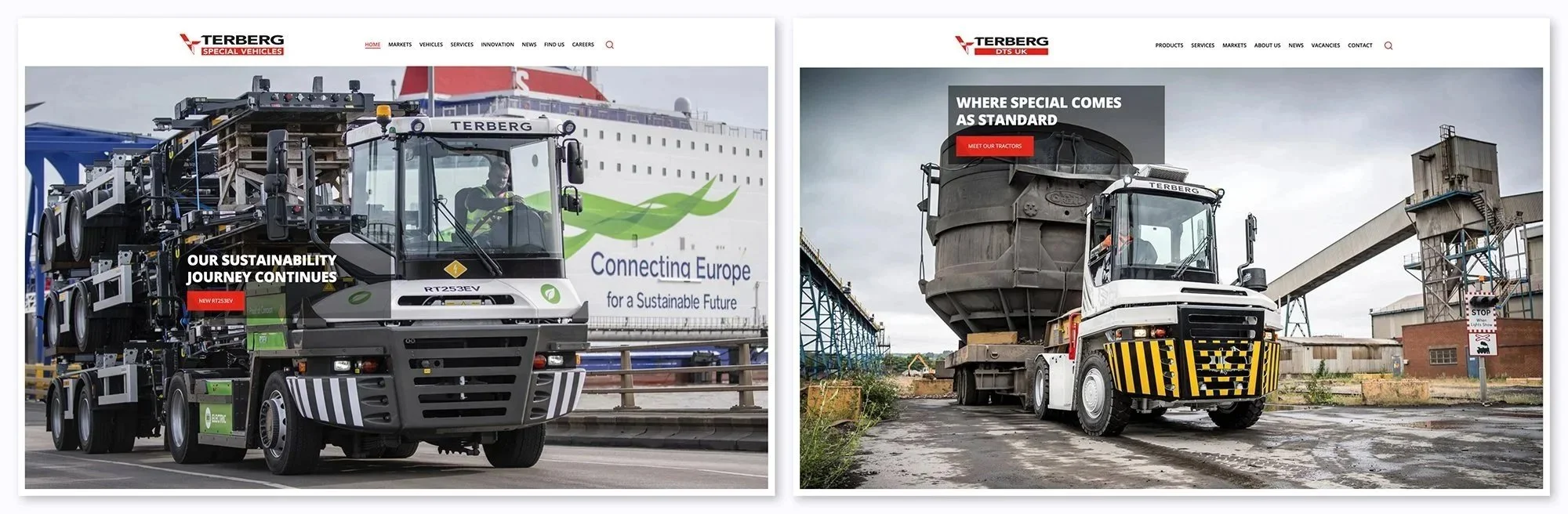
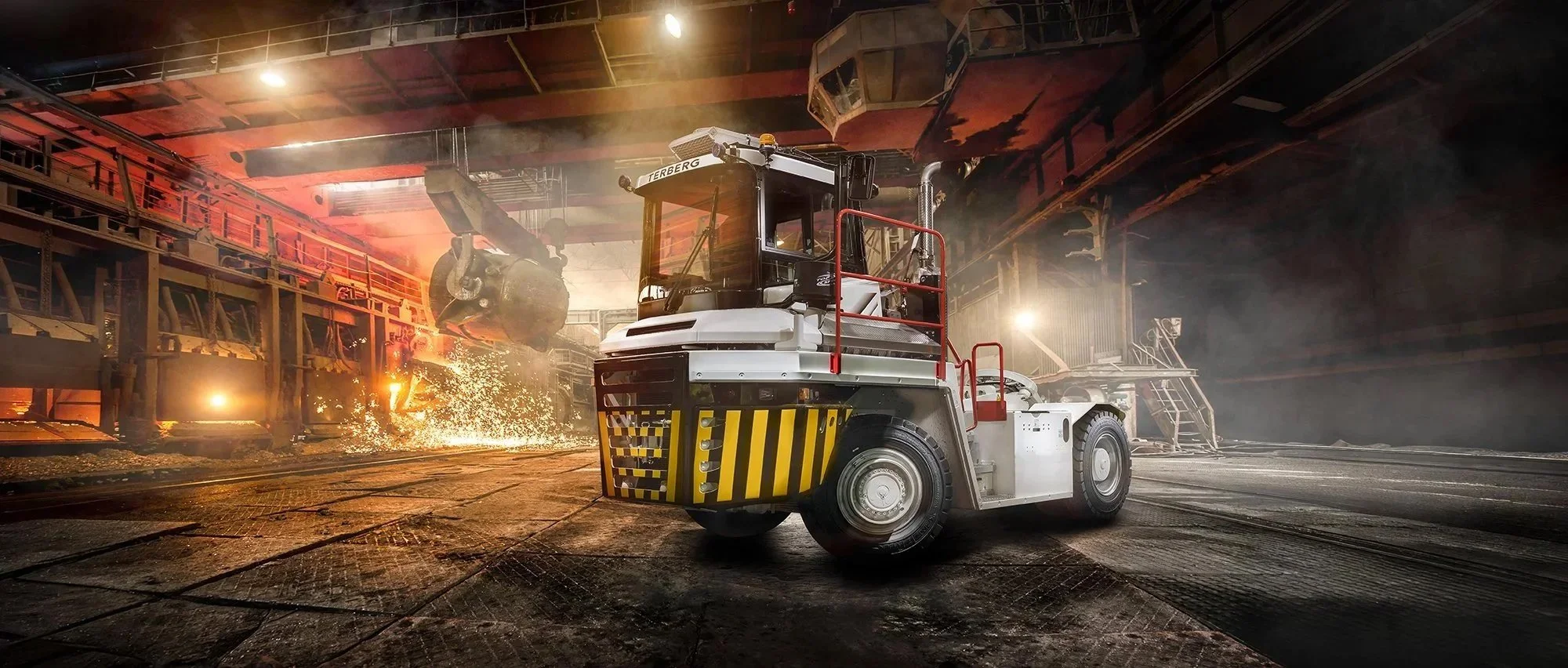
I work both on location and in the studio, depending entirely on what the client needs from the photography. Sometimes the requirement is to create very clean, precise brochure imagery that shows the vehicle itself in detail, while at other times the photography needs to put that vehicle into its real working environment, showing not only what it looks like but also how it operates and the people and infrastructure that surround it. That combination of technical and location-based truck photography has become a significant part of my commercial work over the years, working with clients including Terberg, Dennis Eagle, Veolia, Först and Pall-Ex.
My relationship with Terberg is particularly long standing. I have now been working with the Royal Terberg Group for more than twelve years, photographing different divisions and operations throughout the UK and Europe, including work at their manufacturing centres in Holland and within major industrial environments such as the Port of Rotterdam.
That history becomes particularly important when a new vehicle arrives.
The Importance of Consistency
When I am commissioned to photograph a new vehicle for a company such as Terberg, I am not starting with a blank sheet of paper.
There is already a considerable amount of visual history behind the company and the photography that I have produced for them over many years. Their vehicles have been photographed in different environments, by different divisions and for different marketing requirements, but there needs to be a visual connection between all of that work.
For me, consistency is one of the most important elements of any long-term commercial photography relationship.
It is not about making every photograph look identical. In fact, quite the opposite. The photography needs to evolve, particularly as the products and technology evolve, but it still needs to feel as though it belongs to the same brand.
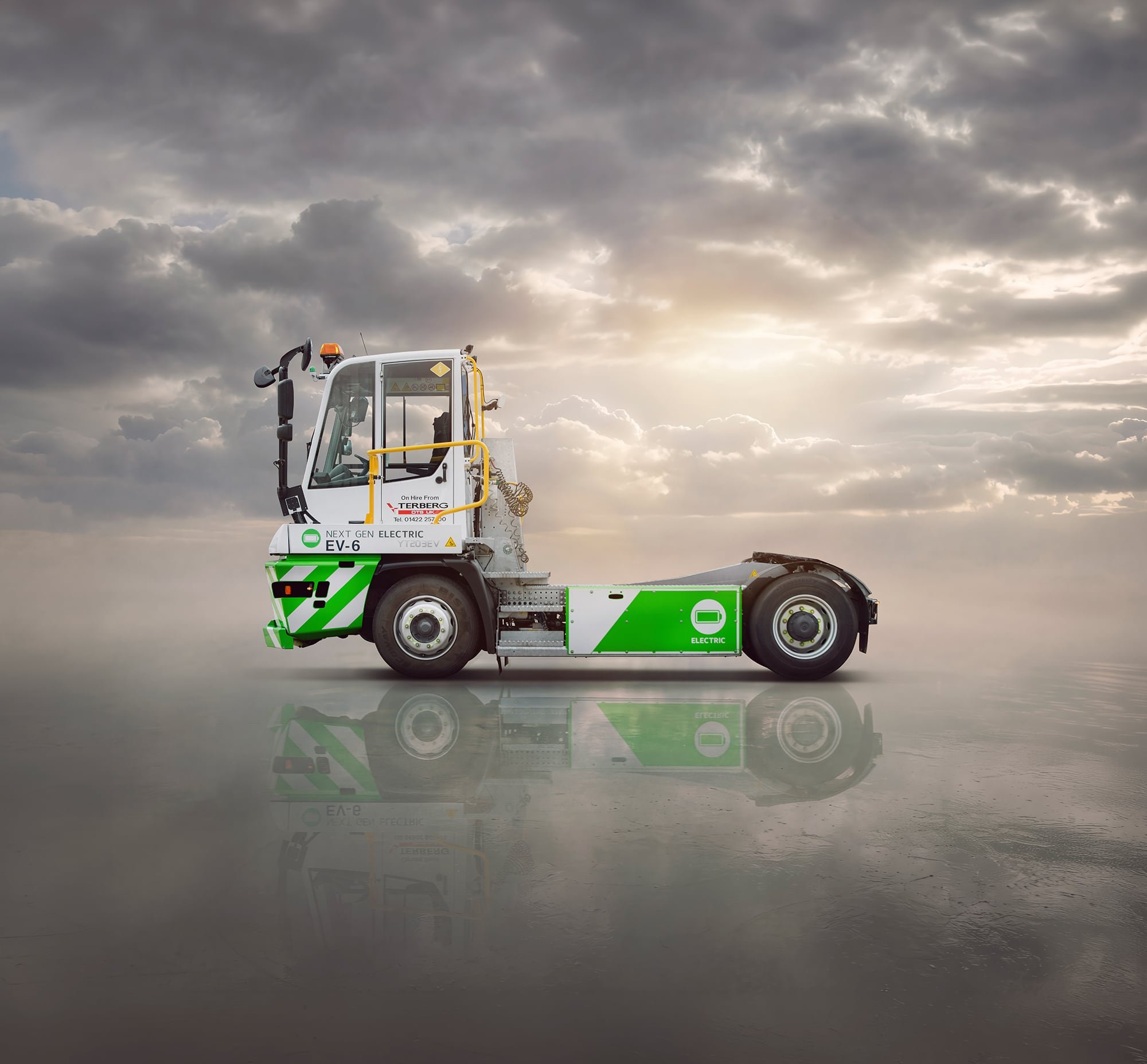
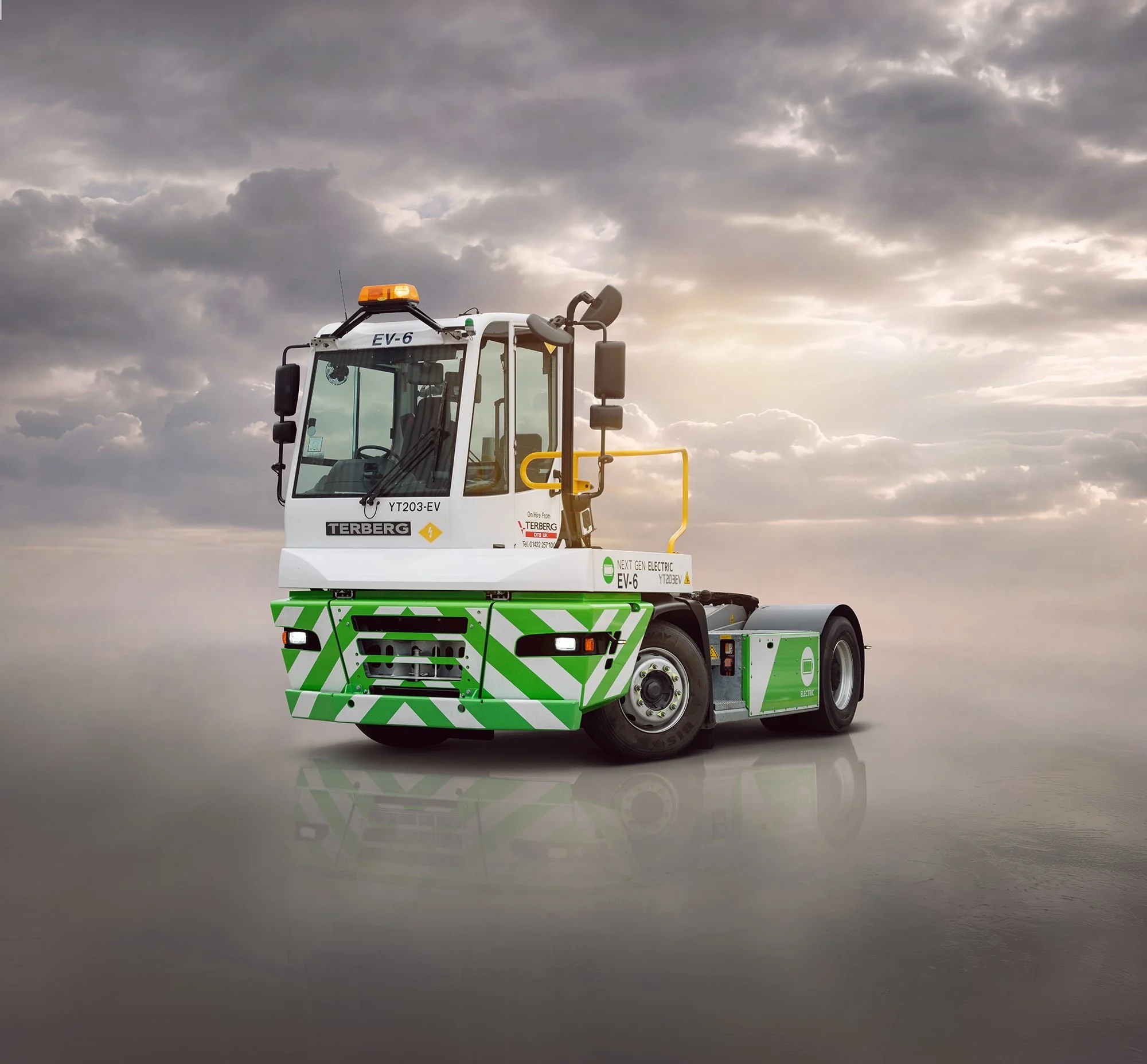
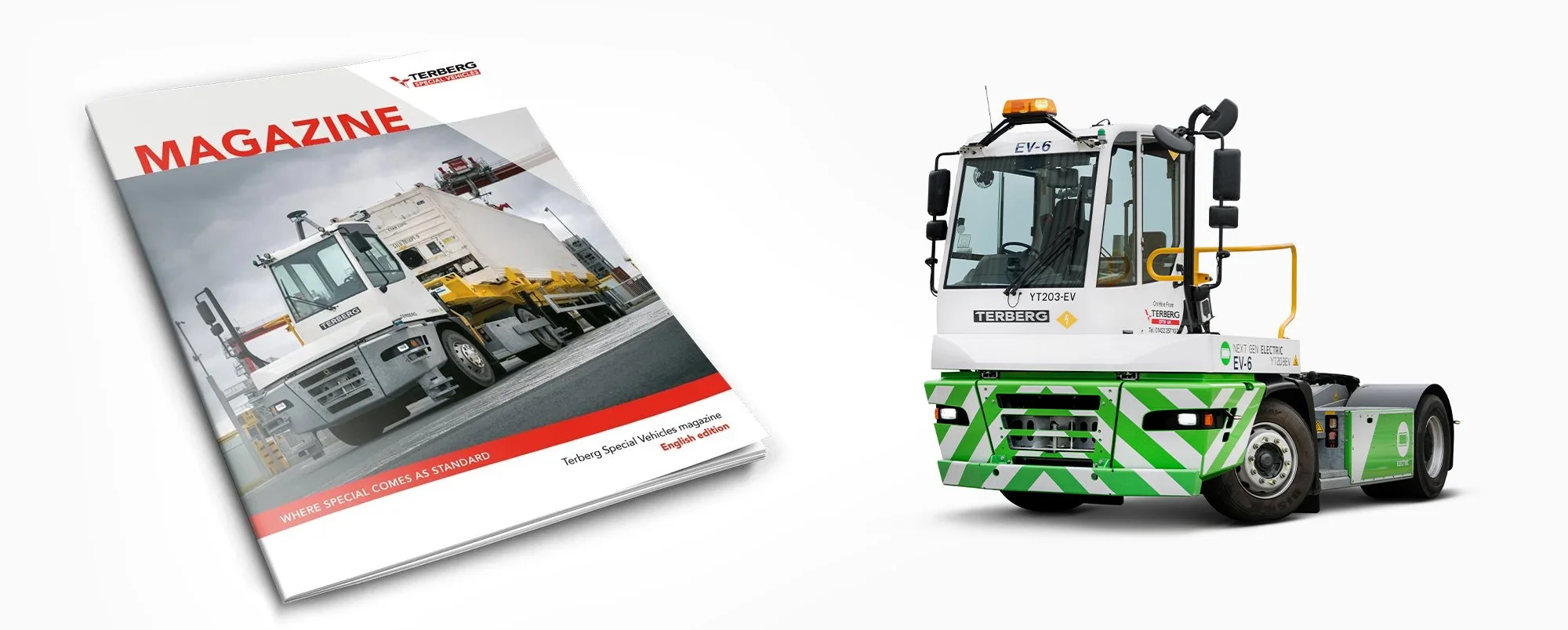
Terberg operates across a number of specialist vehicle divisions, and its photography is used across websites, brochures, marketing campaigns, corporate communications, exhibitions and other forms of commercial communication. My photography therefore becomes part of a much larger visual library, with images produced today potentially sitting alongside images that I created several years ago.
That is one of the reasons why having an established relationship with a client can make such a difference.
I already understand how Terberg wants its vehicles to be represented. I understand the level of finish that is required, how the vehicles should be positioned, how the environments can be used and, perhaps most importantly, what the photography ultimately needs to communicate to their customers.
That knowledge does not come from reading a brief. It comes from years of working together, and this latest commission was another example of that relationship.
The Terberg YT203EV
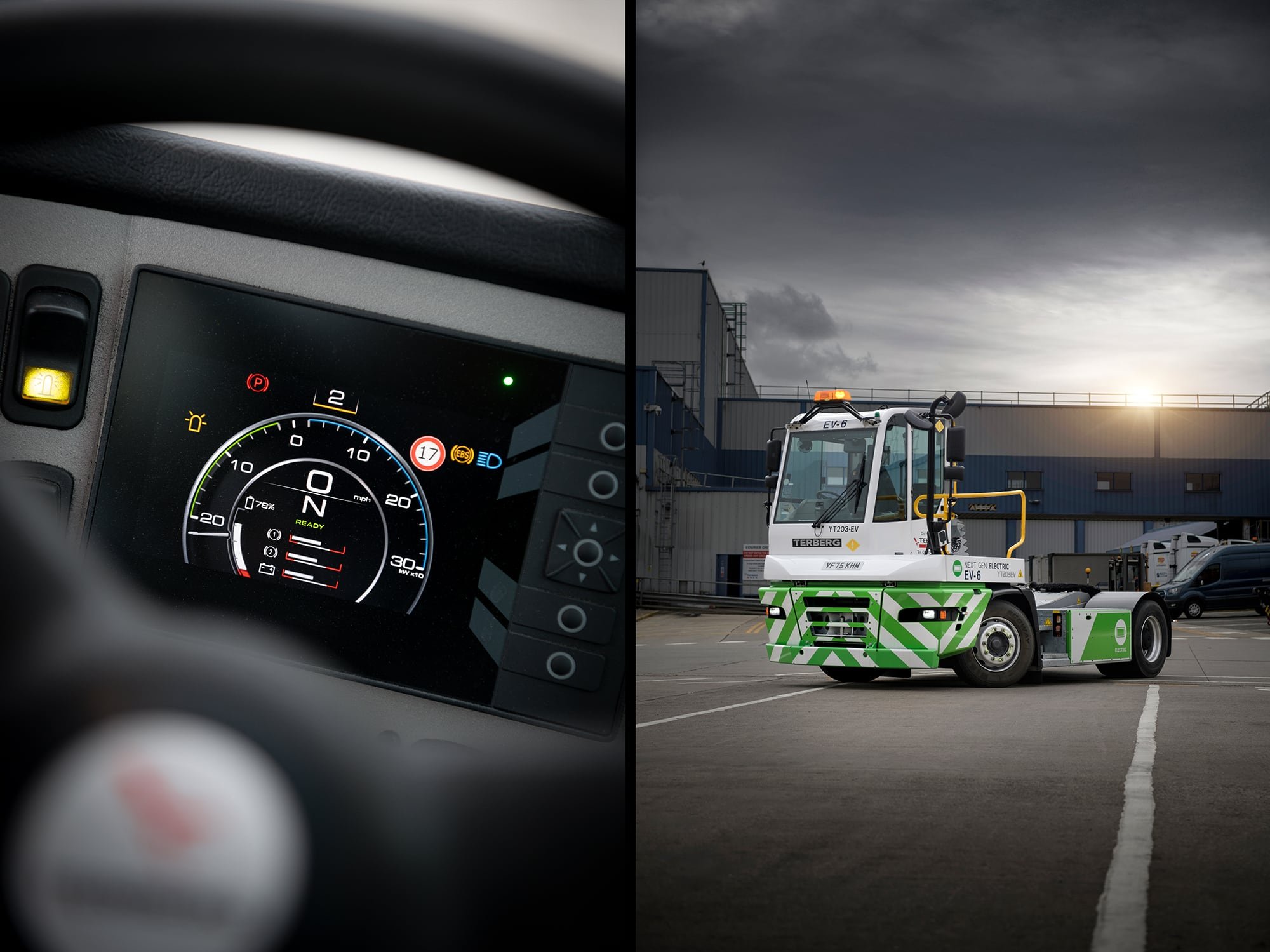
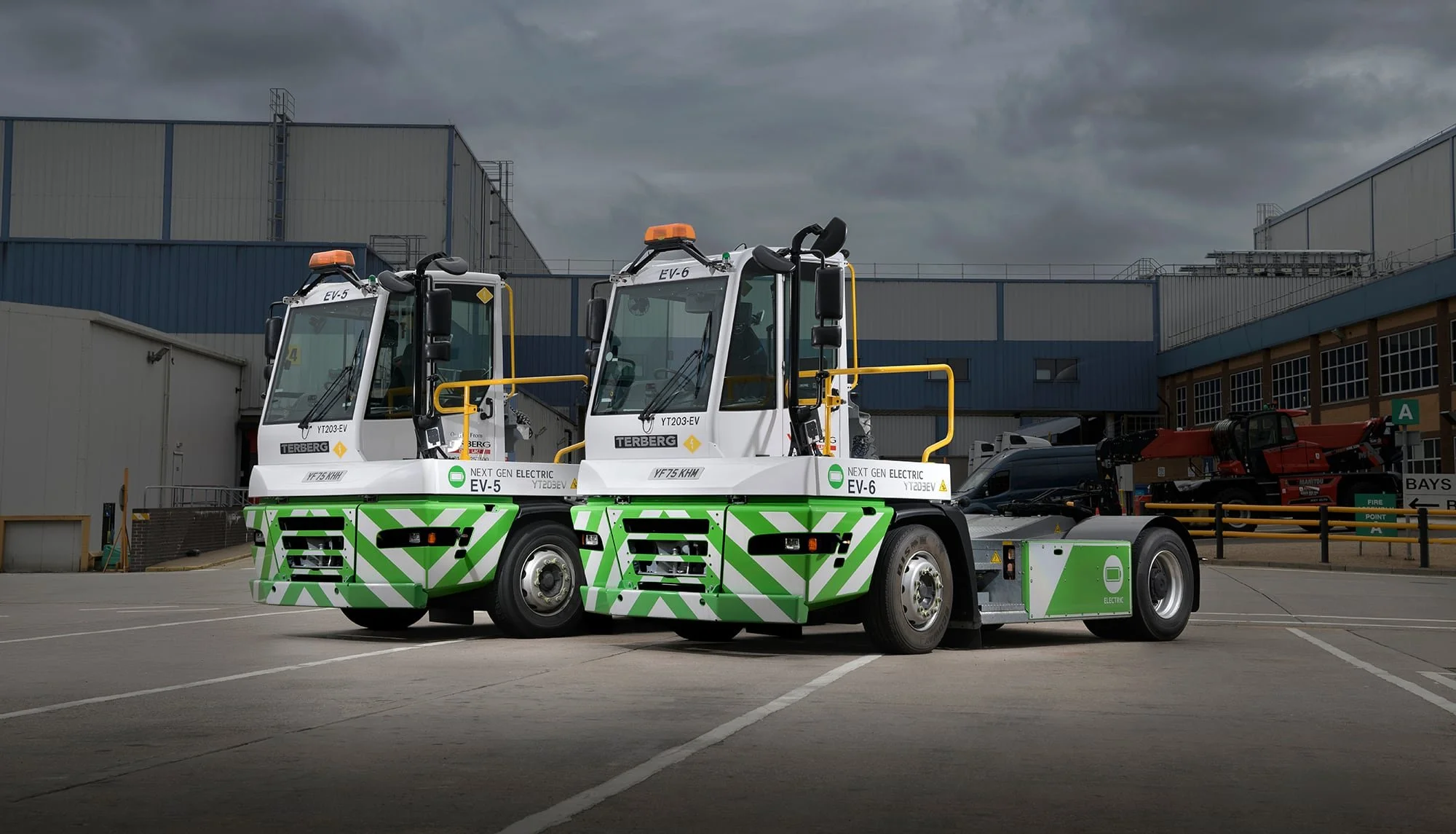
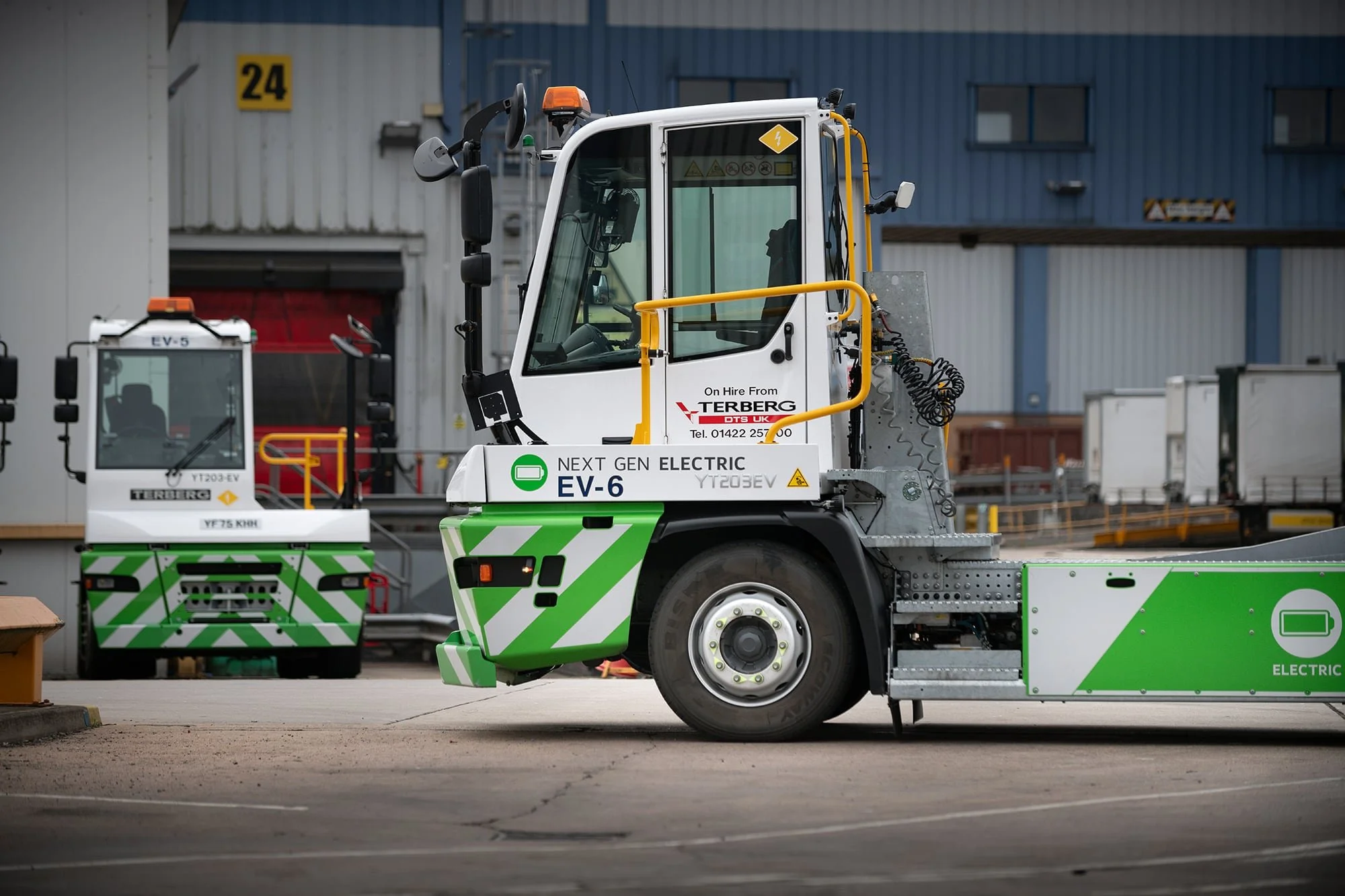
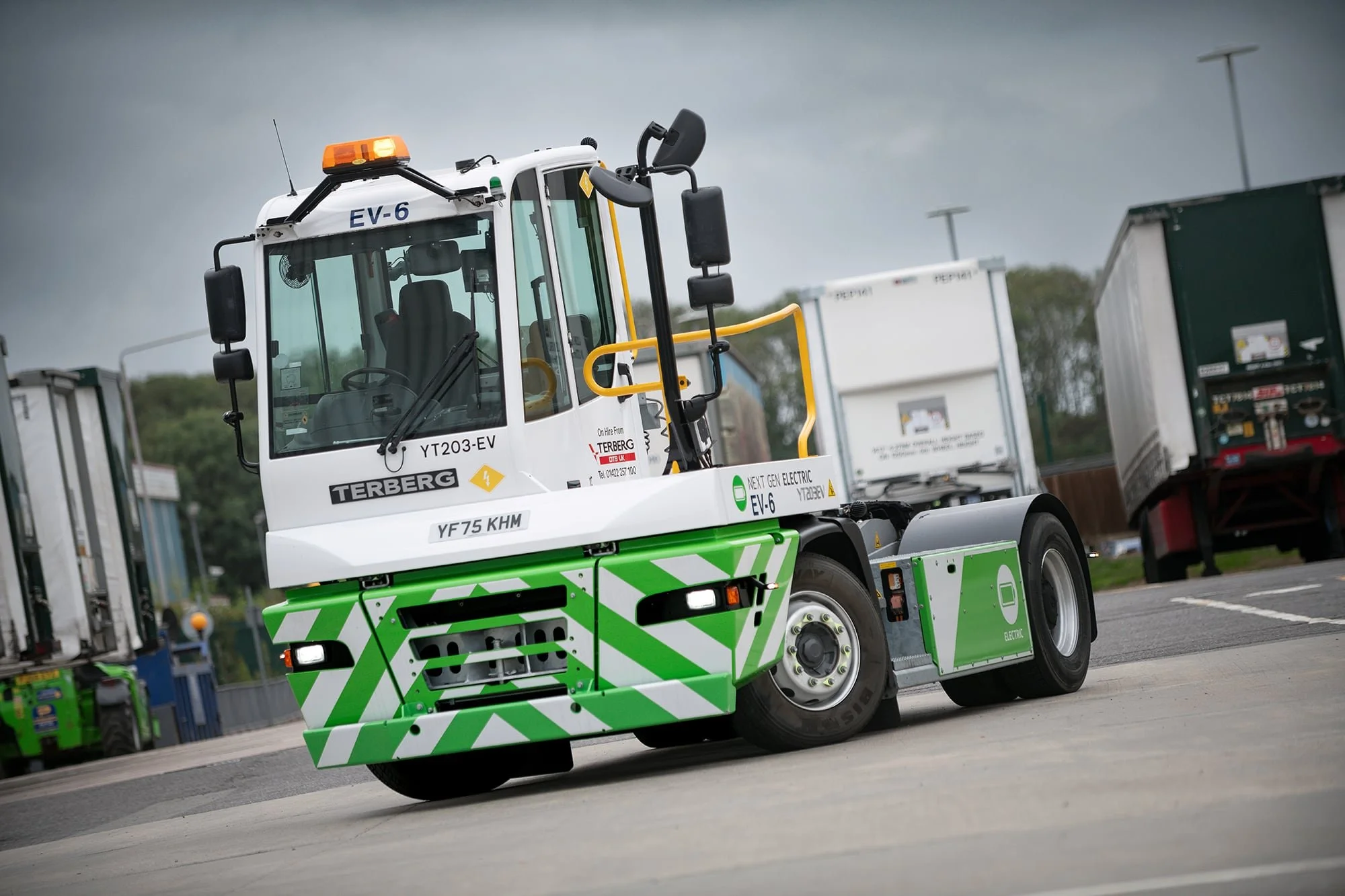
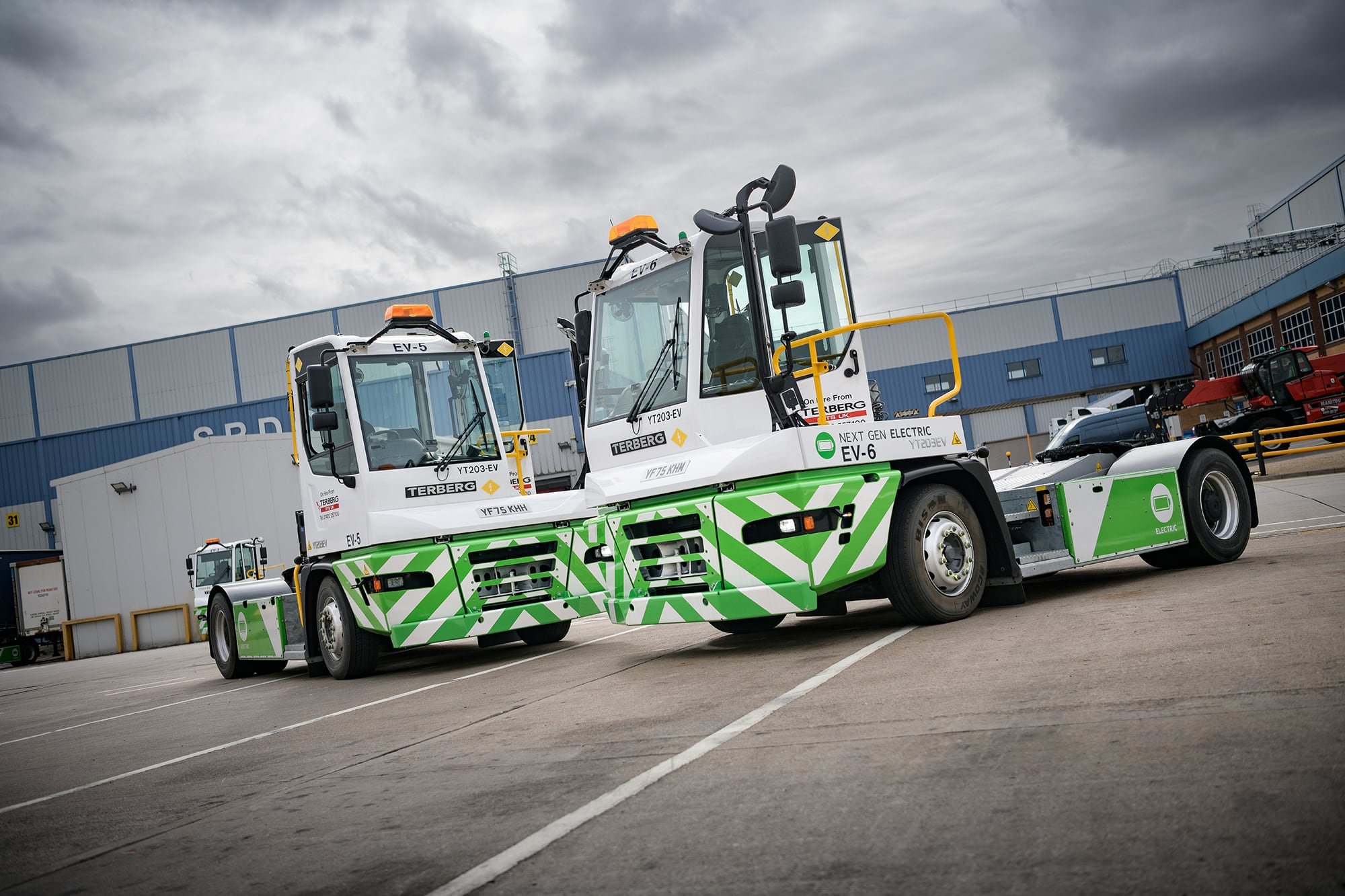
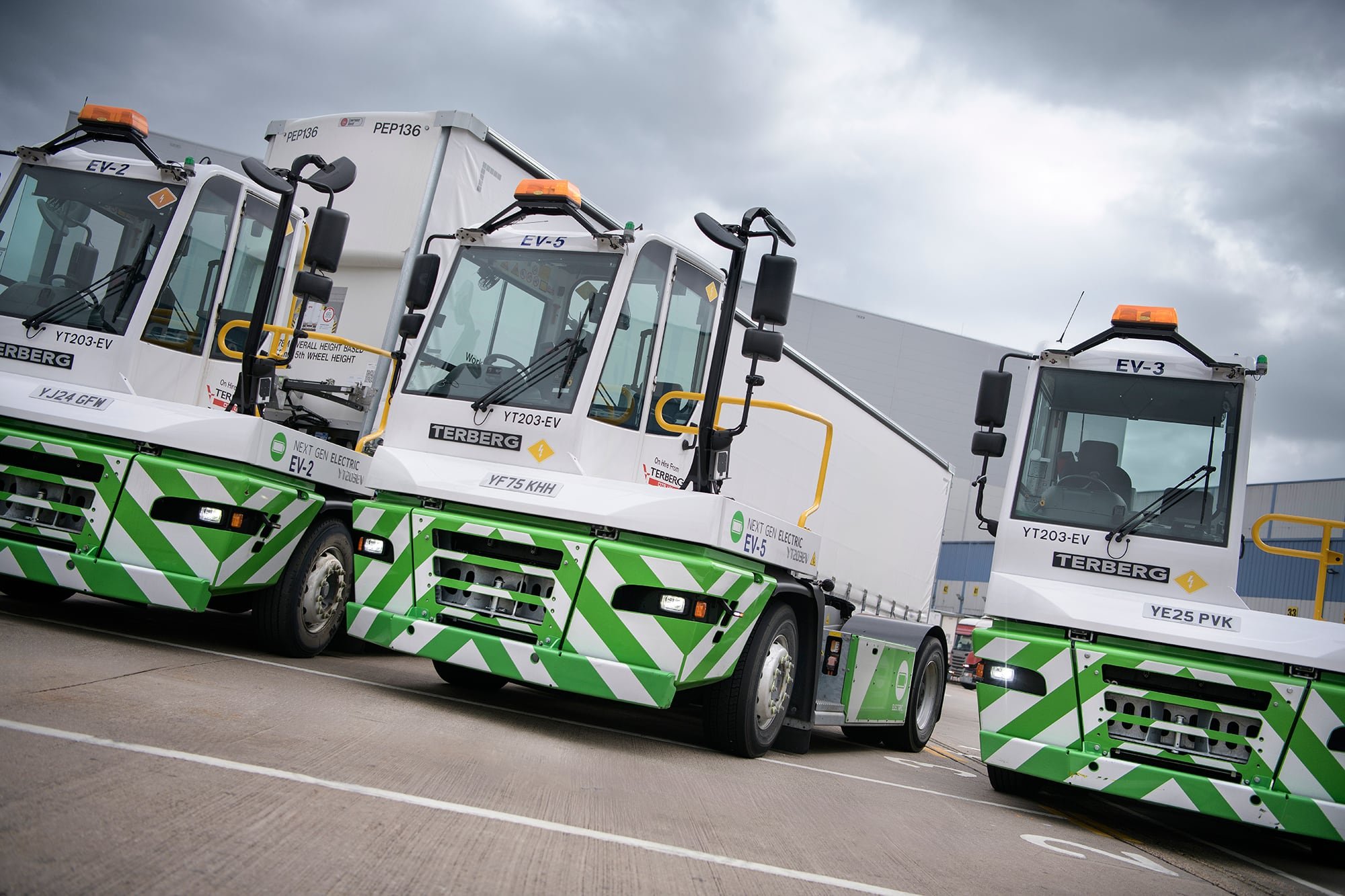
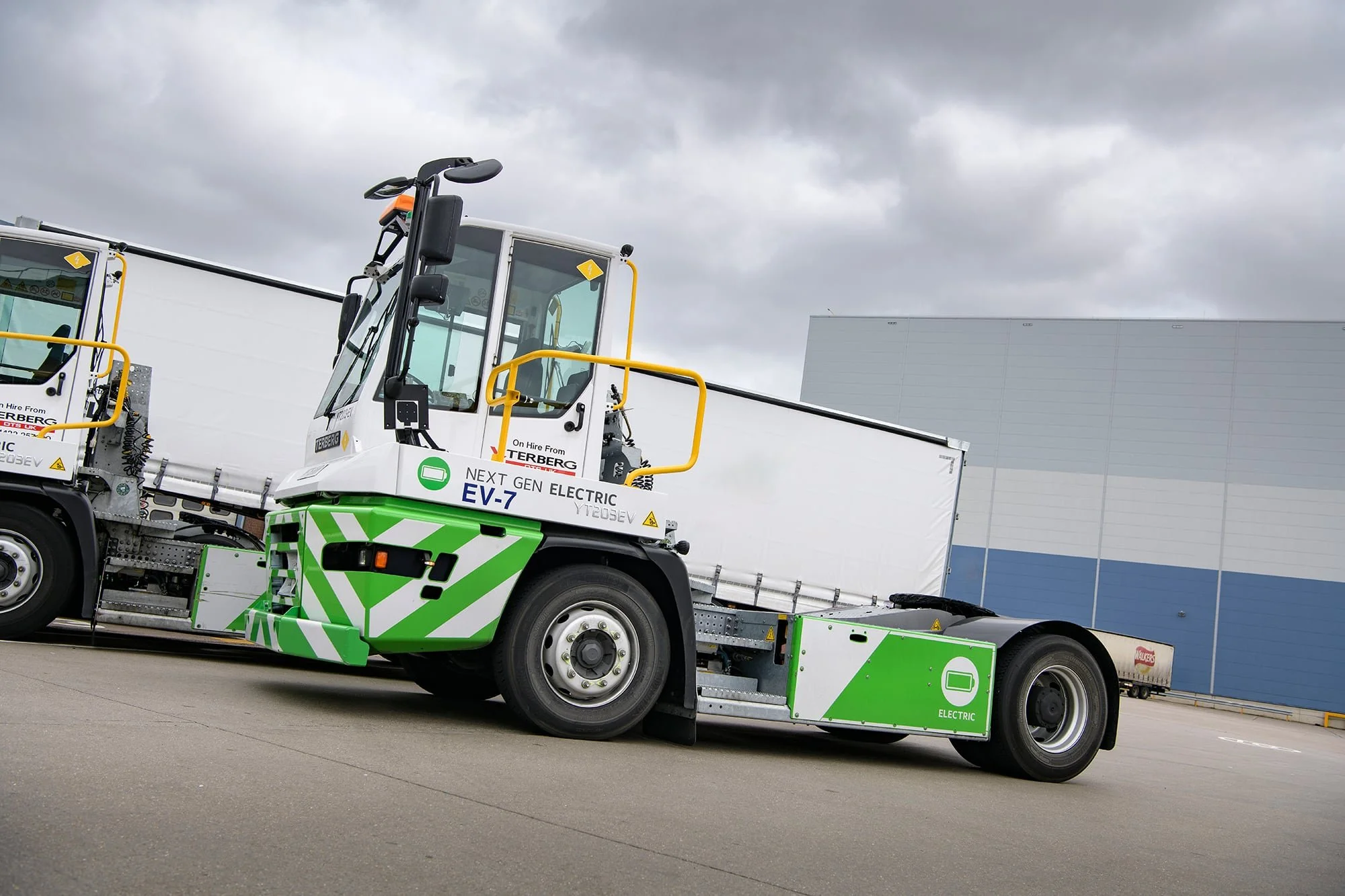
The subject was the new offering from Terberg DTS, the YT203EV, an electric yard and terminal tractor that represents an important part of Terberg's move towards the next generation of electric specialist vehicles.
It is quite interesting photographing an electric vehicle like this because, visually, it still has to communicate everything that customers expect from a heavy-duty terminal tractor. It needs to look strong, capable, dependable and ready to work, while at the same time representing a very different approach to how that work is powered.
The latest YT203EV is part of Terberg's next generation electric development, with the enhanced model offering LFP battery technology and a choice of 310 kWh or 155 kWh battery systems depending on the operational requirements of the customer. It has been developed for demanding environments including ports, distribution centres and industrial operations, where terminal tractors can spend long periods shunting trailers and containers rather than travelling long distances on the open road. That is an important distinction.
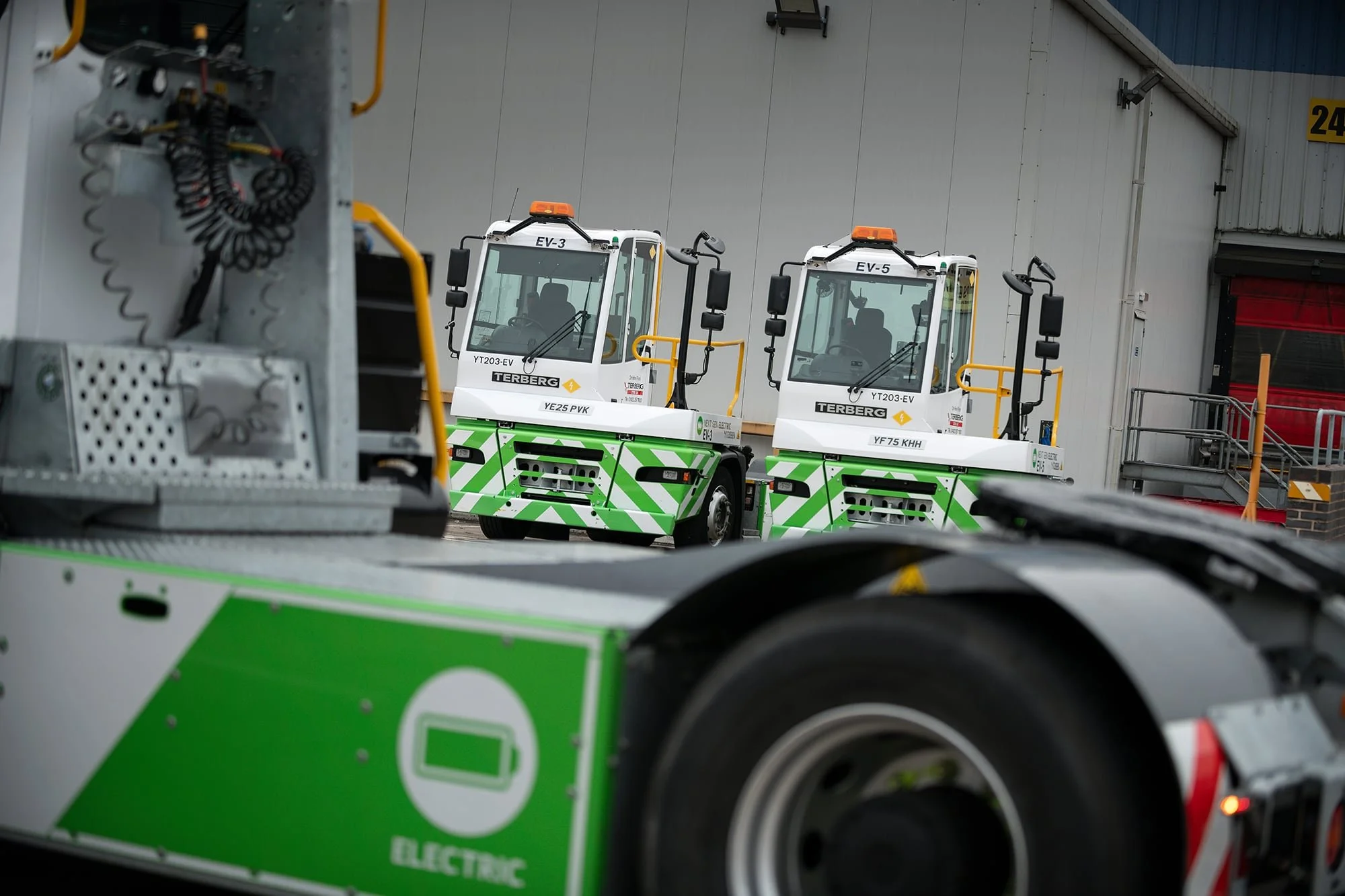
When we think about electric vehicles, the conversation often immediately turns towards cars and road transport, but some of the most interesting applications for electrification are happening in the specialist vehicles that most people never really see.
A yard tractor might spend its working life moving trailers around a distribution centre, industrial site or port. It is a highly functional machine, designed around repeated movements, precise manoeuvring and constant operational demands. The YT203EV takes that established role and applies electric drive technology to it.
The technology itself is fascinating, but what interests me photographically is how the vehicle represents a change in the industry.
The latest YT203EV incorporates regenerative braking, thermal management for the battery system and Terberg Connect telematics, while the electric drivetrain has fewer moving parts than a conventional diesel system. Terberg says the enhanced vehicle is intended to provide greater energy autonomy and flexibility for different operating environments.
For a company with such a long history in specialist vehicles, this is not simply a case of replacing a diesel engine with an electric motor. It is part of a much wider change in the way industrial and logistics operations are beginning to think about their vehicles, and that is something that needs to come across in the photography.
Photographing the Future
One of the challenges with commercial vehicle photography is that the photograph needs to do considerably more than simply show the product.
A technical specification can tell a customer about battery capacity, drivetrain configuration or charging technology, but photography has to create the initial connection. It needs to make somebody stop and look at the vehicle and, ideally, understand something about the company and the product before they have read a single line of copy. This is particularly important with something like the YT203EV because it is operating at the point where traditional industrial engineering meets a rapidly changing technology landscape.
The vehicle needs to be projected as a serious working machine that is highly capable.
That is where the experience of photographing specialist vehicles becomes so important. A commercial truck photographer has to understand scale, shape, perspective, light and environment, but also how those elements influence the way a vehicle is perceived. A terminal tractor is not a sports car and should not be photographed as one, but that does not mean the photography cannot be carefully considered and visually sophisticated.
In many ways, large commercial vehicles can be more challenging subjects than cars. They are physically enormous, they often have complicated surfaces and structures, and the environments in which they operate can be equally challenging. Ports, yards, factories and logistics centres are visually busy places, with machinery, buildings, containers, trailers and infrastructure competing for attention. The job is to control that visual information so that it supports the vehicle rather than overwhelms it.
That is something I have learned through many years of photographing trucks and specialist vehicles, and it is one of the reasons I enjoy this side of commercial photography so much.
Authentic Photography Builds Trust
For Terberg, there is another important element to all of this.
The photography has to be real.
That might sound obvious, but in commercial photography authenticity has become increasingly important. Customers are much more accustomed to seeing carefully constructed marketing imagery, and they can quickly recognise when something feels artificial or disconnected from reality.
Terberg sells highly specialised working vehicles to businesses around the world. Their customers need to have confidence in the engineering, the people behind the products and the company's ability to support those products throughout their operational life. Photography plays a surprisingly important part in that relationship.
When a customer sees a Terberg vehicle photographed within a genuine working environment, or sees the people and facilities behind the business, they are seeing something real. They are being shown the company rather than simply being shown an advertising image. That is why I have always believed that commercial photography should be authentic.
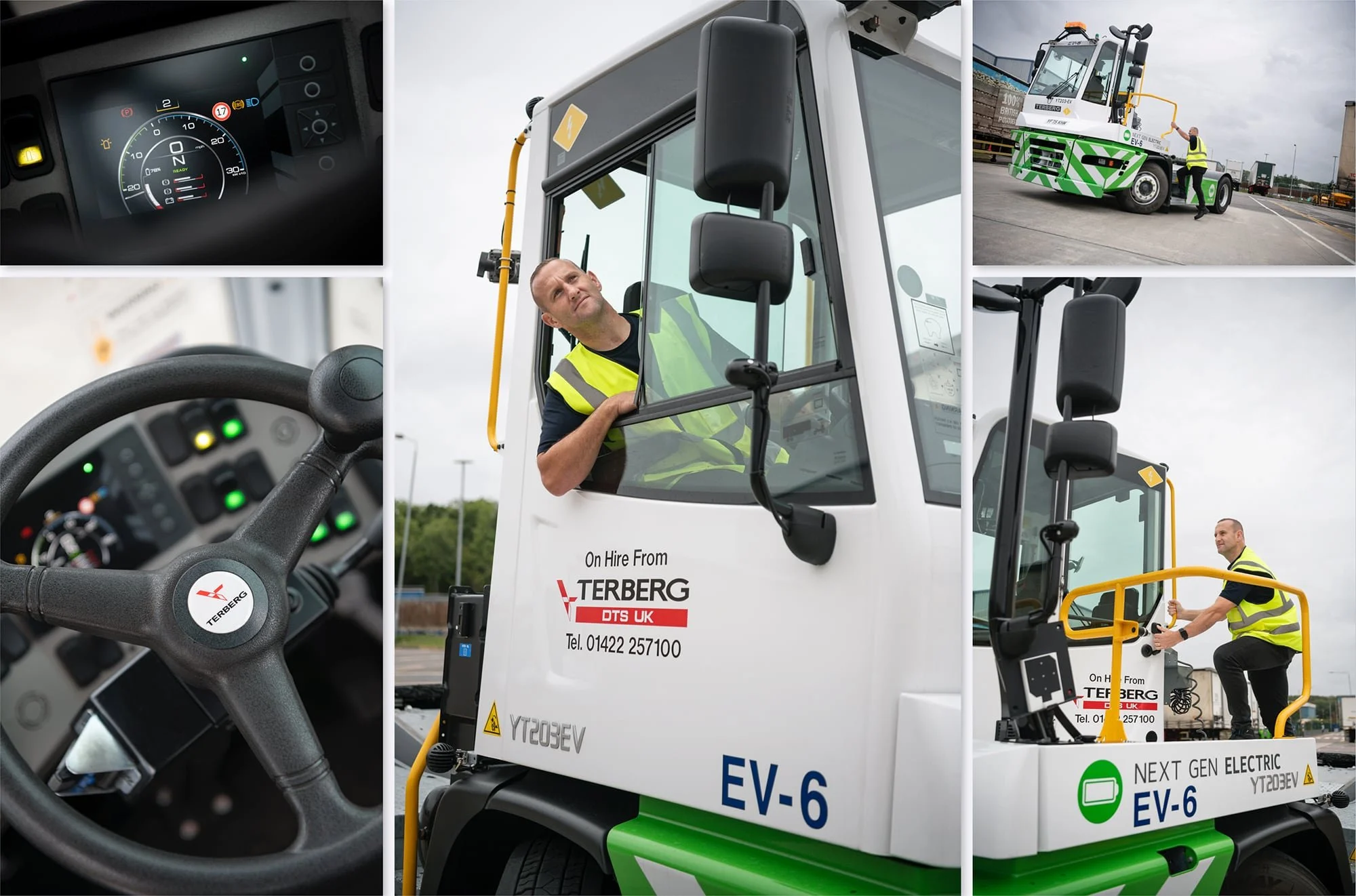
The photography should make the business look as good as it genuinely is, rather than trying to make it into something that it isn't. For a company such as Terberg, that authenticity becomes part of the wider trust that has been built with customers over many years. The photography supports that trust by showing the engineering, the vehicles, the people and the environments in which they operate, and ultimately that is what I am trying to achieve whenever I am engaged in a commission for a client.
Whether I am photographing a McLaren, an aircraft, a specialist tanker or an electric Terberg yard tractor, the objective is always much bigger than simply producing a good photograph.
The image has to communicate something about the business behind the subject.
The YT203EV is a great example of that. It is a highly capable specialist vehicle, but it also represents something much wider, the gradual transformation of the industrial and logistics sectors as electric technology becomes increasingly important.
For me, being able to photograph that transition for a long-standing client such as Terberg is exactly what makes commercial truck photography so interesting.
After 20 years of photographing specialist vehicles, I still find myself learning something new on every shoot.
And that, perhaps, is the best part of the job.
Tim Wallace is an award-winning commercial photographer specialising in truck photography, automotive photography and aviation photography for leading brands and businesses across the UK, Europe and internationally.