

The Light Within
Shooting Automotive Interiors
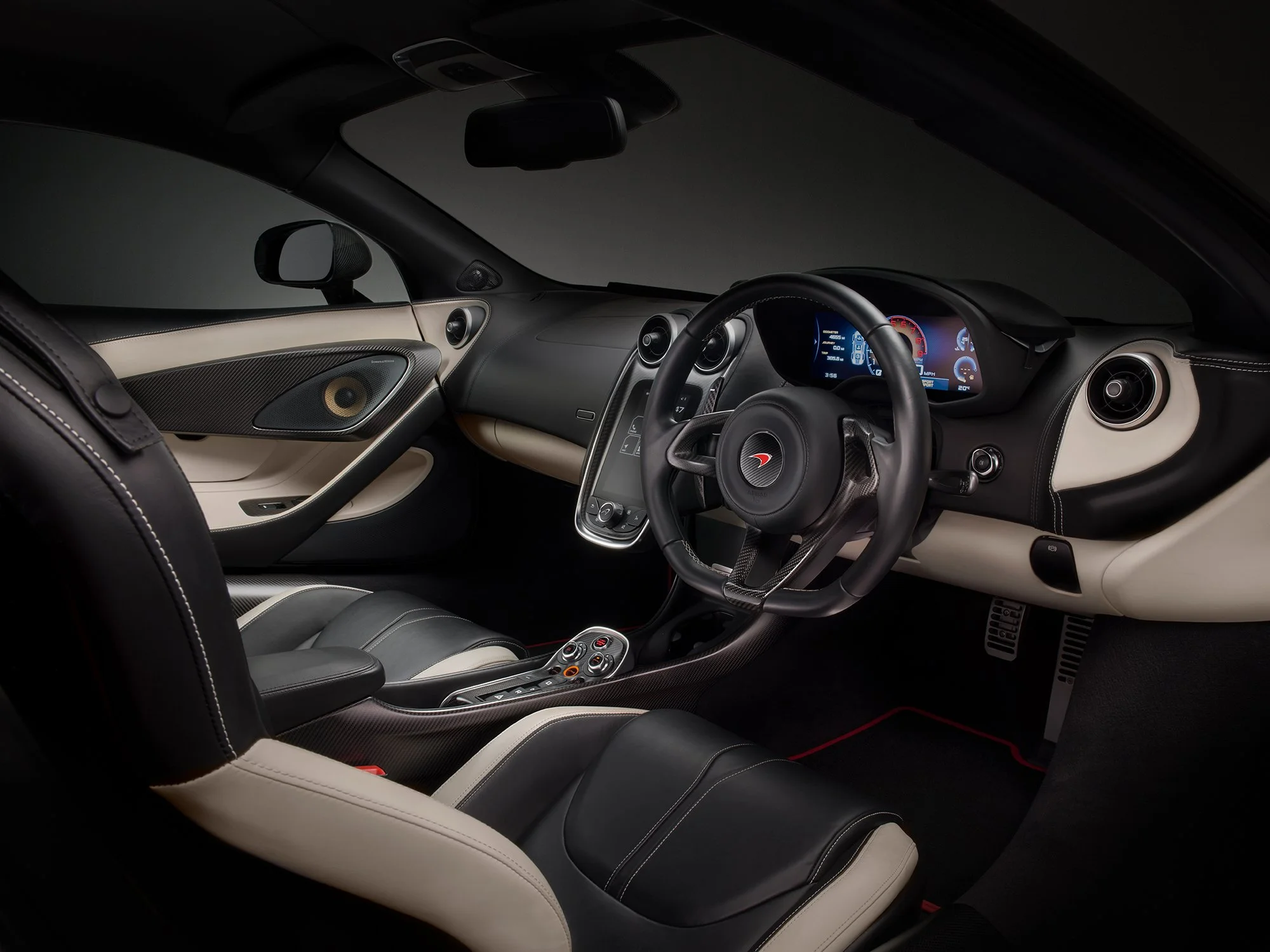
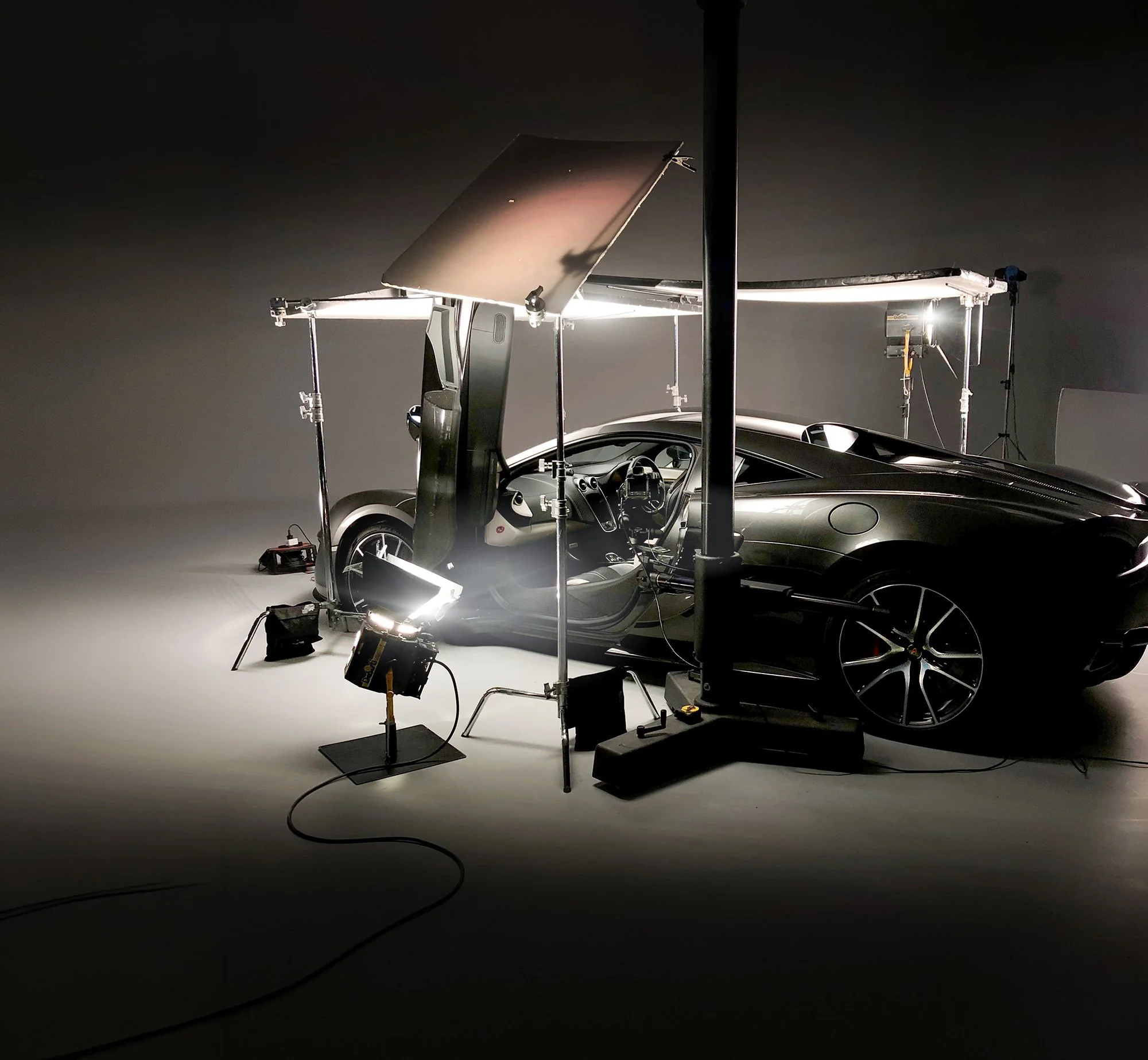
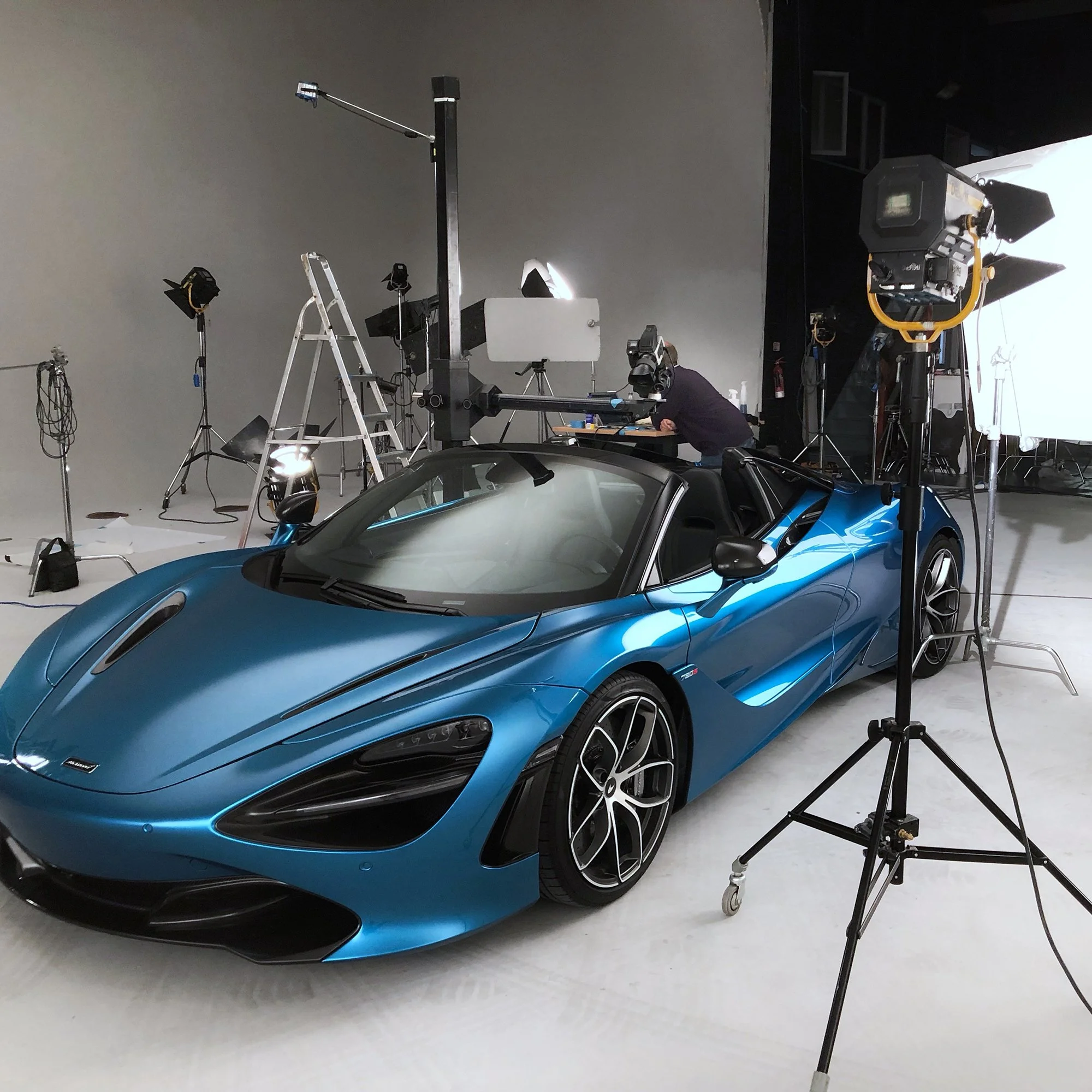
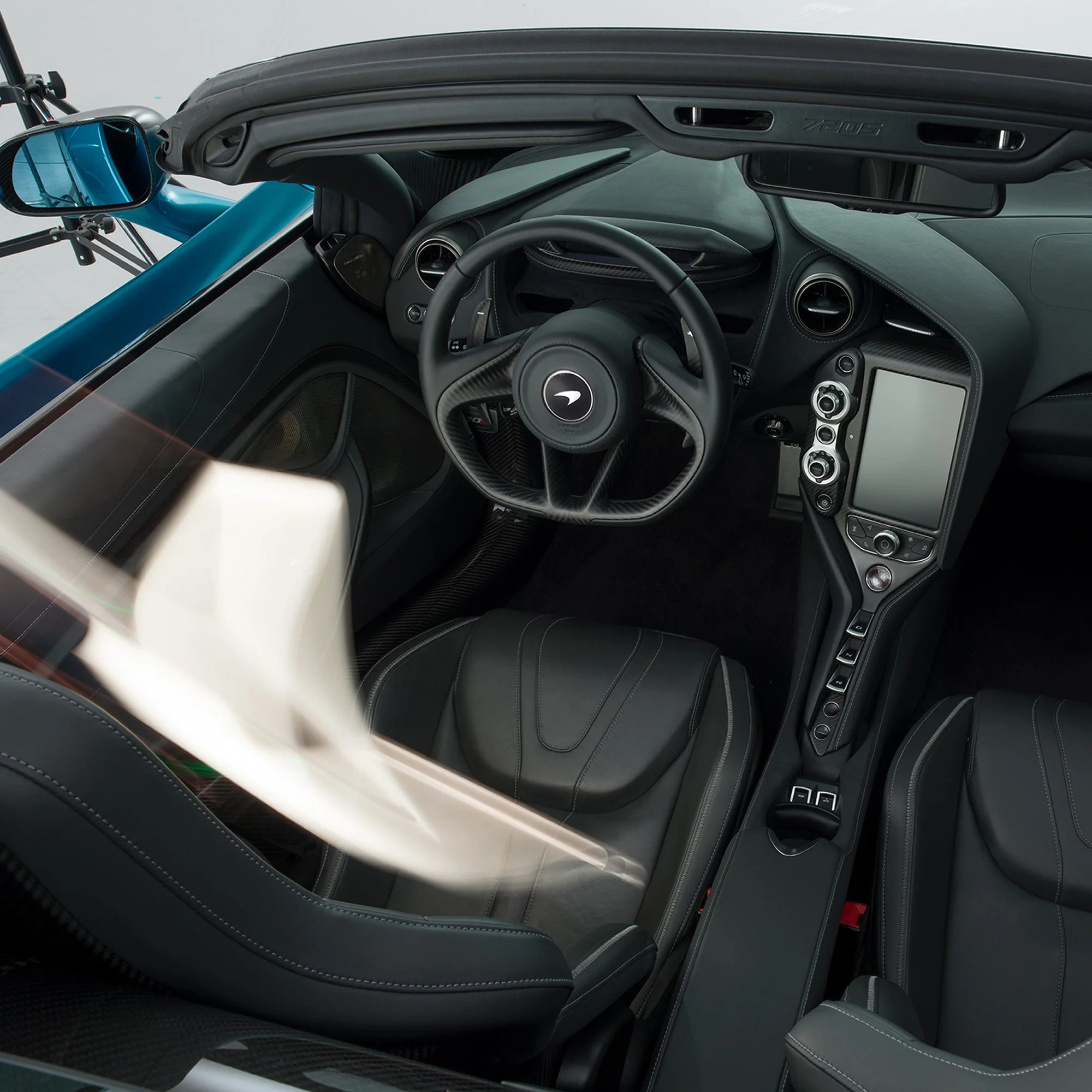
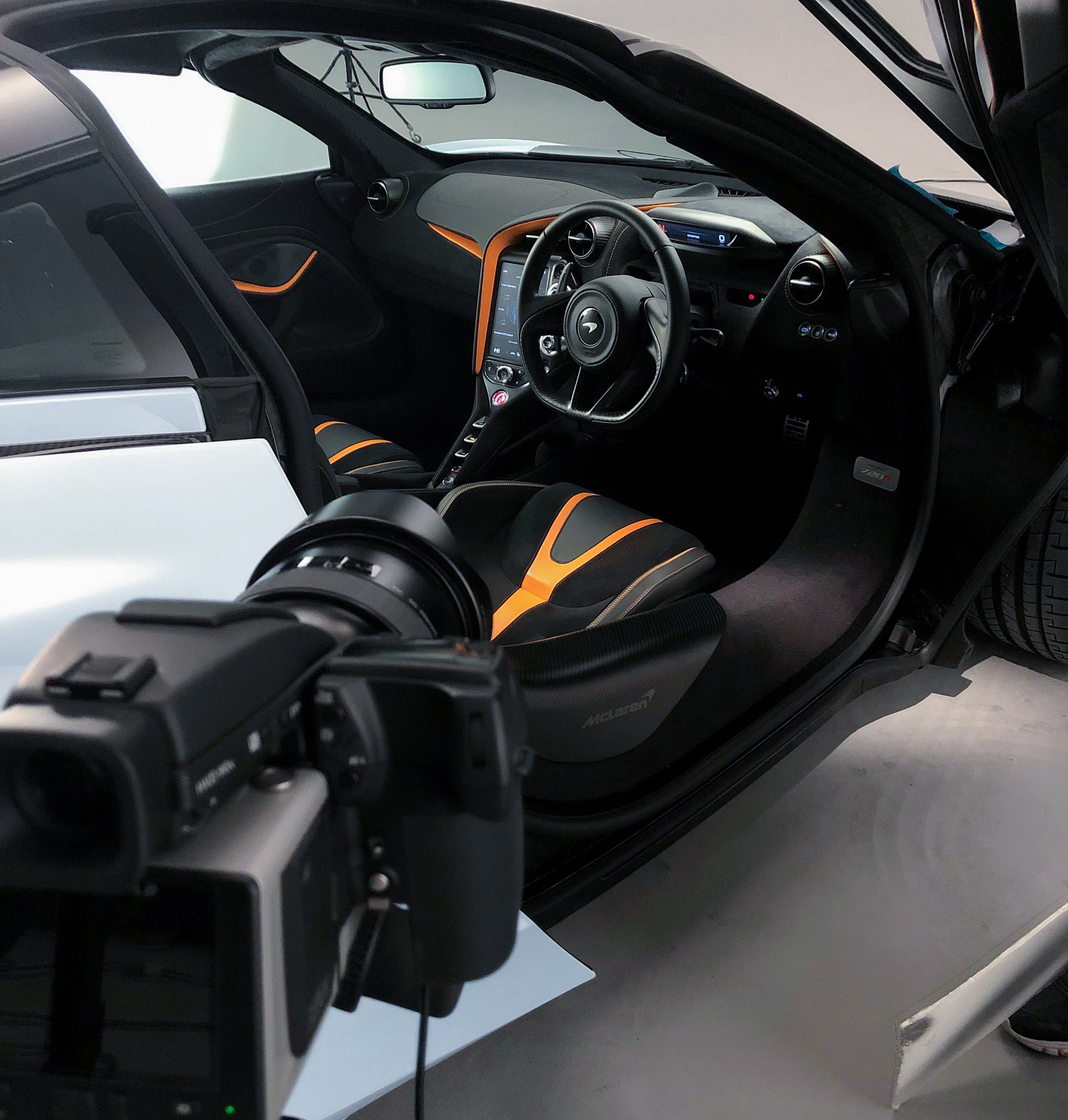
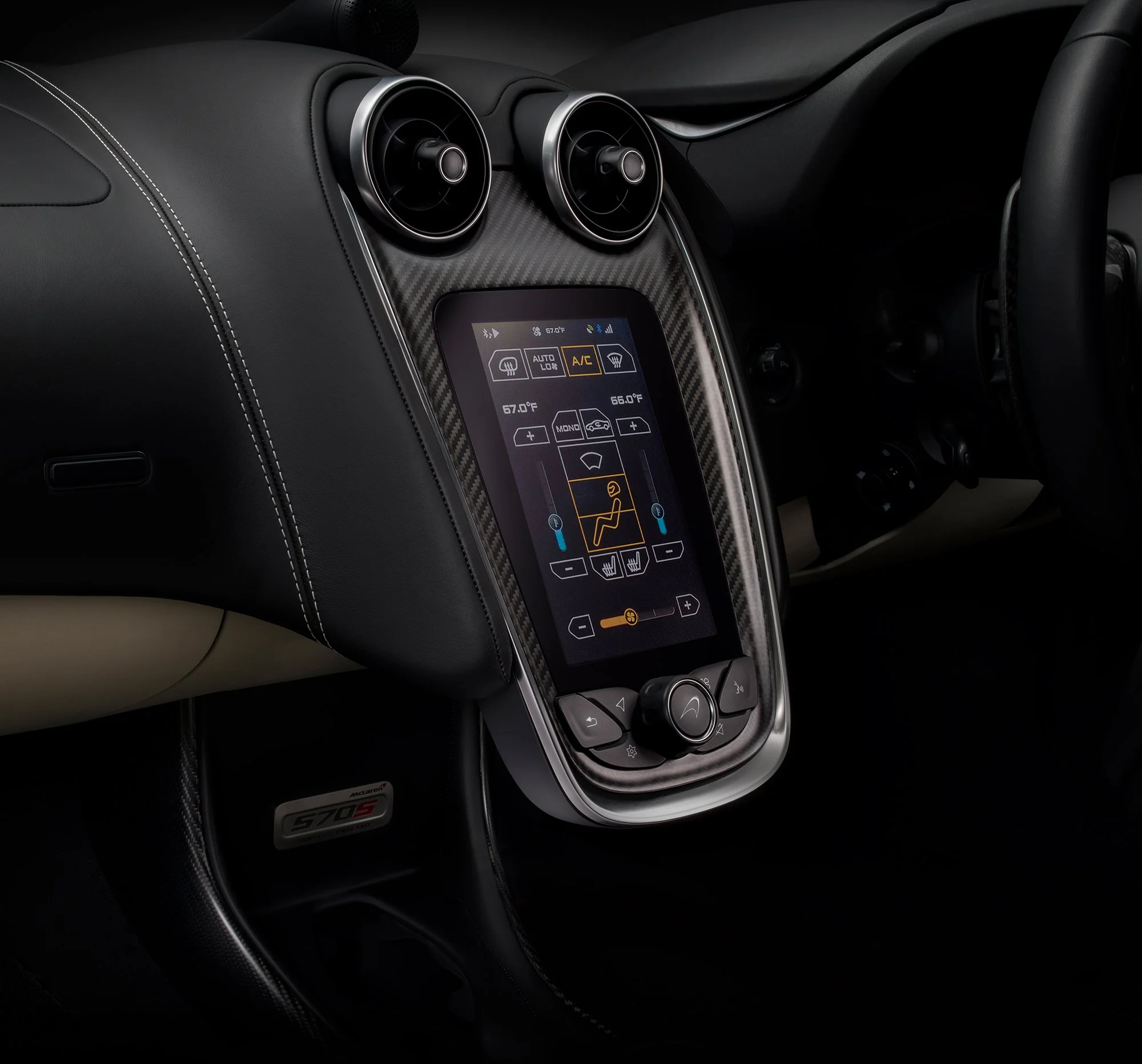
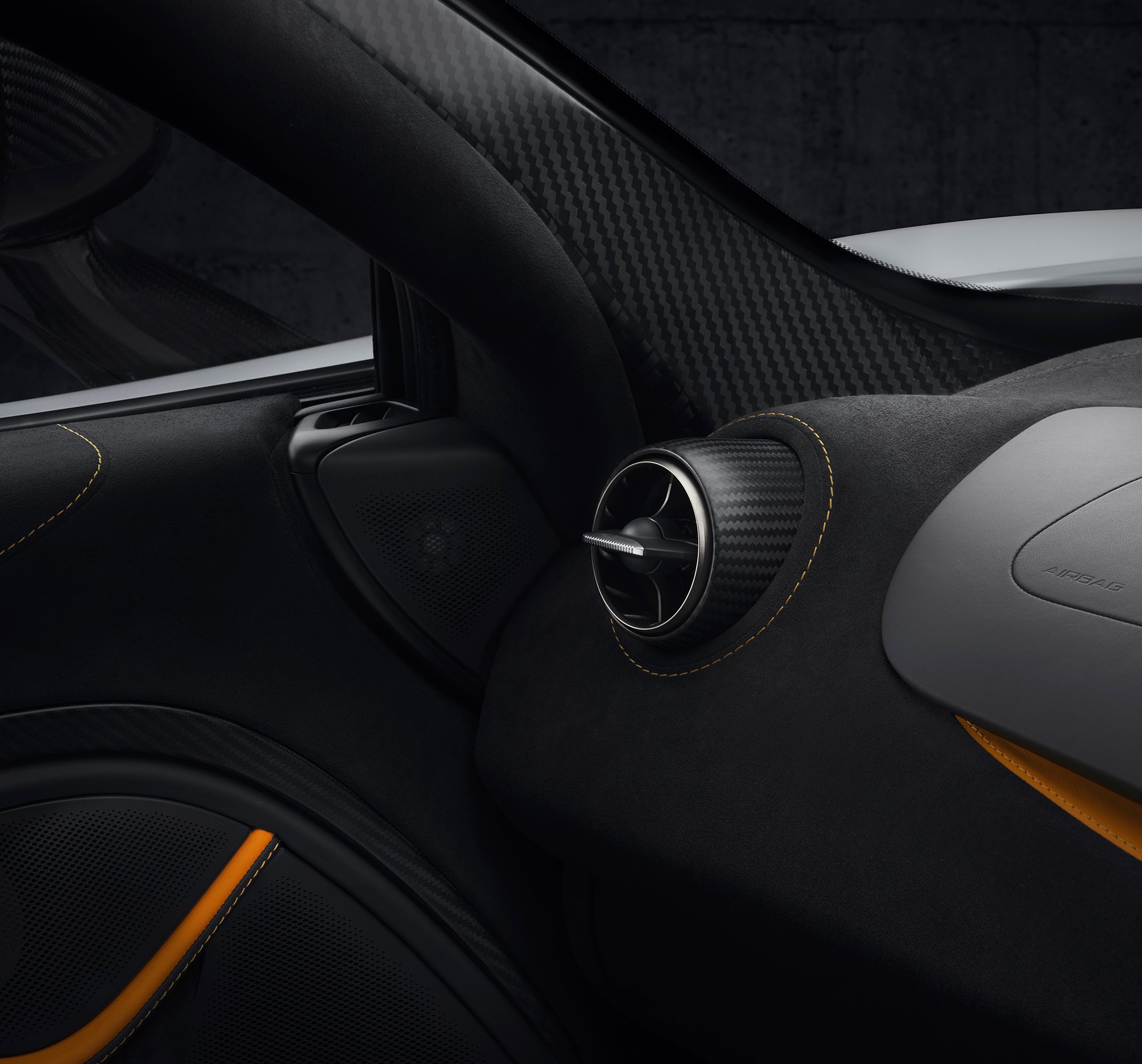
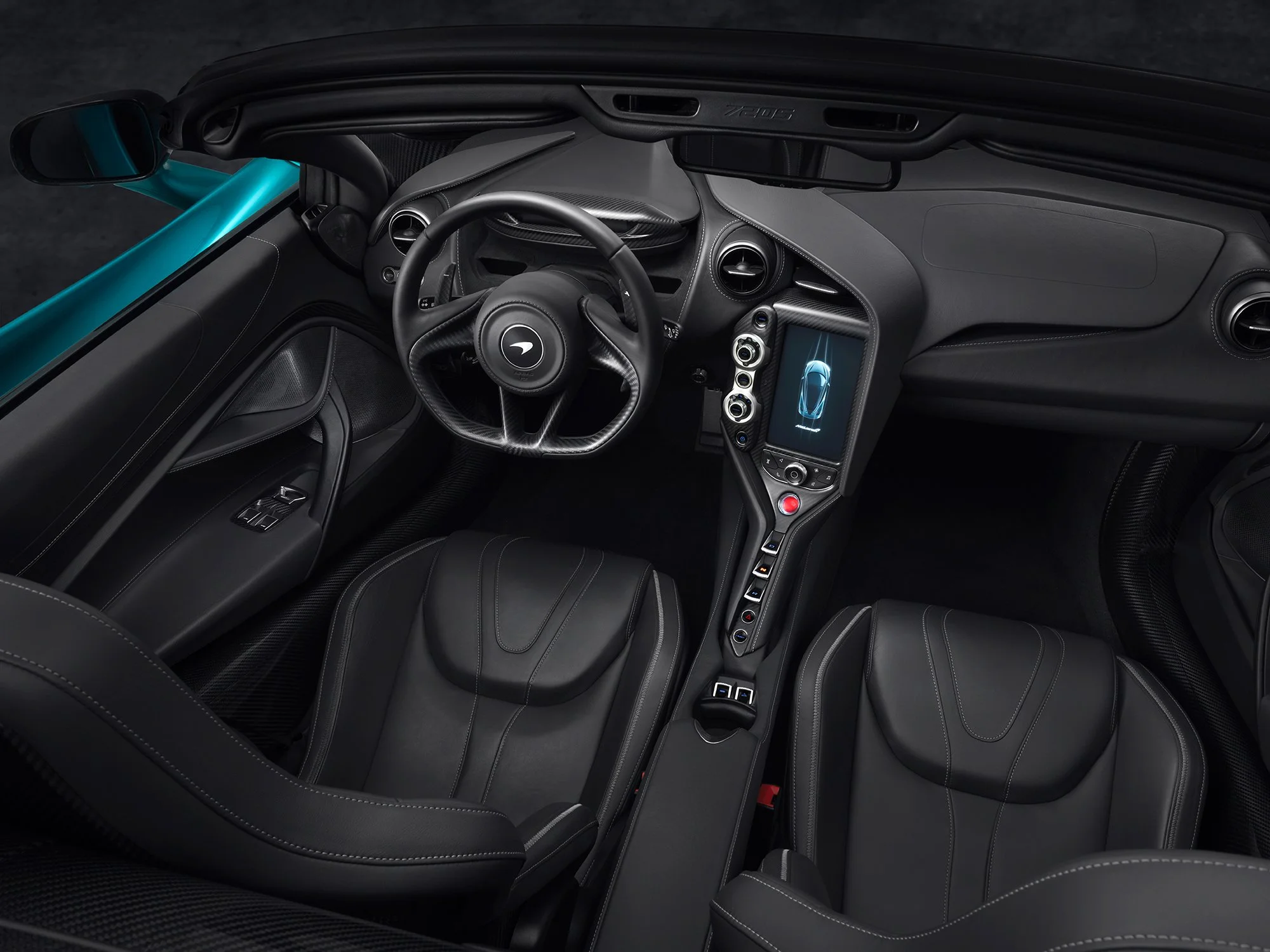
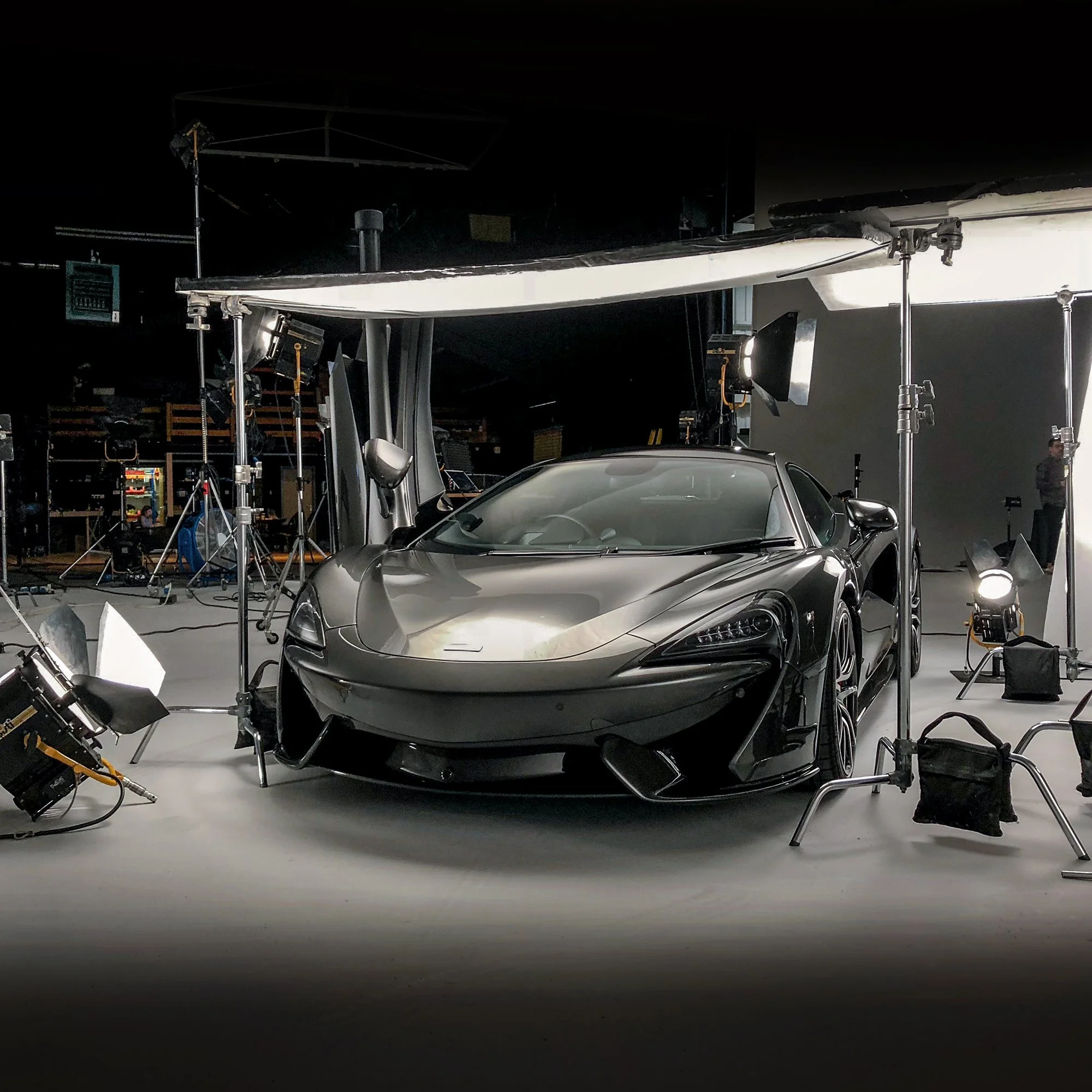
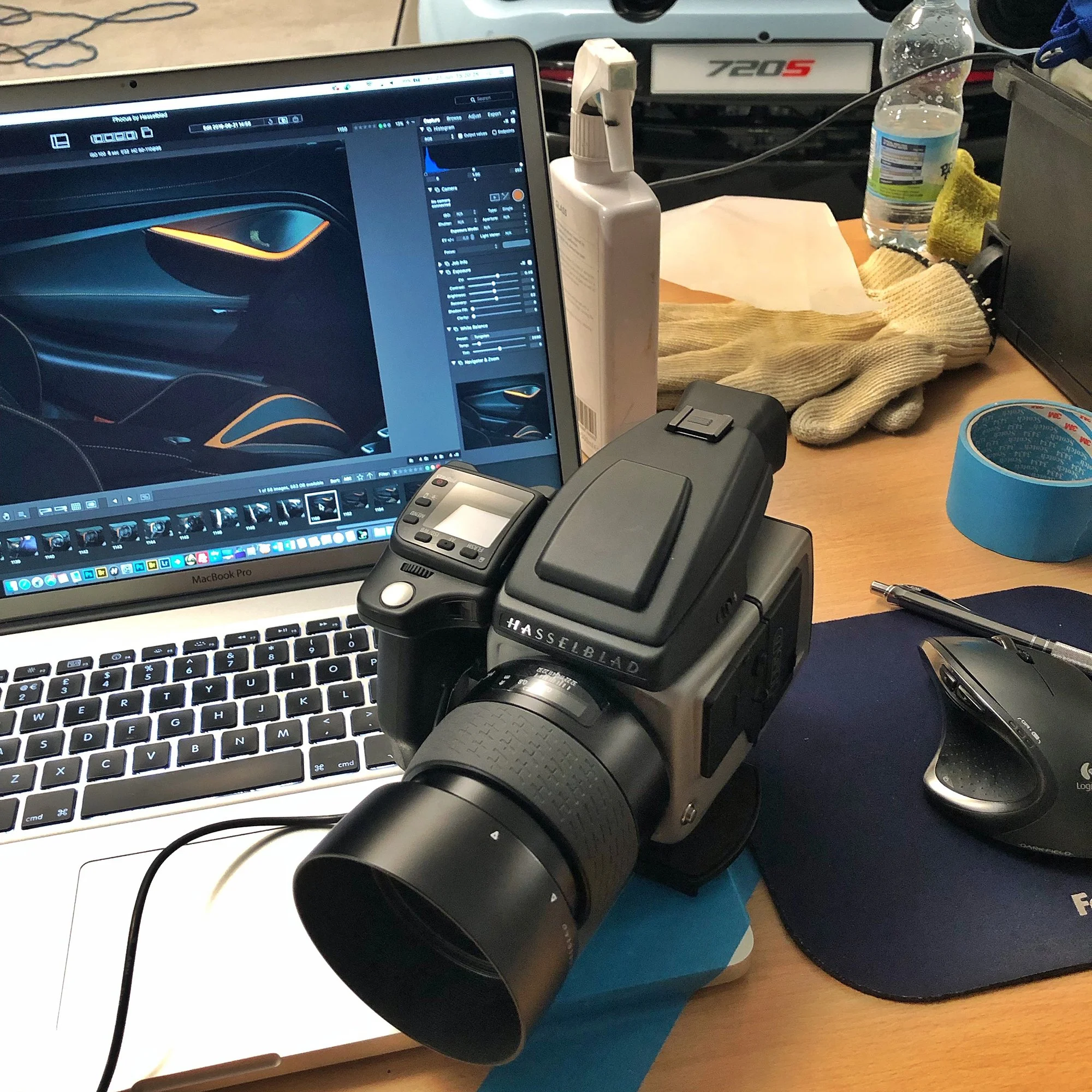
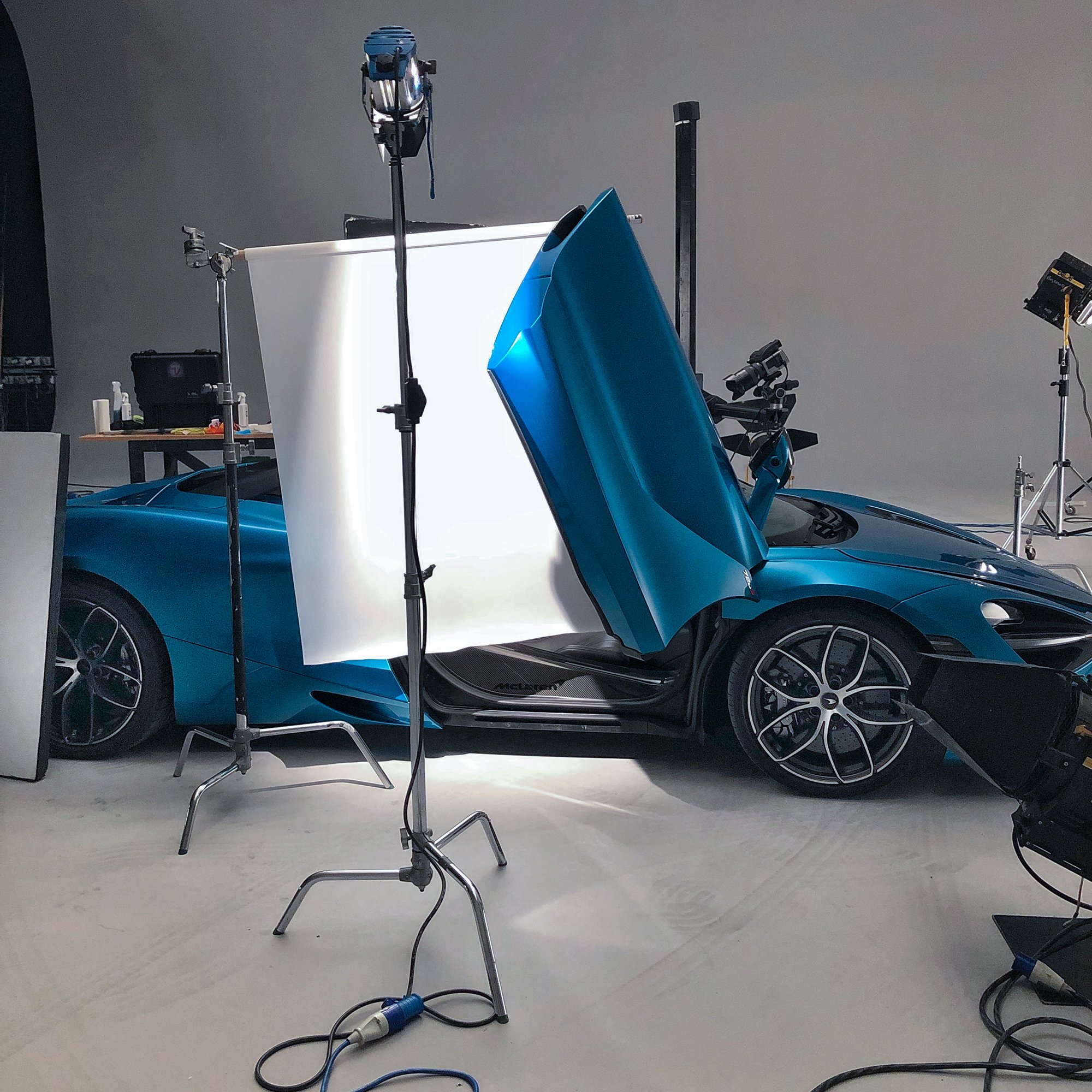
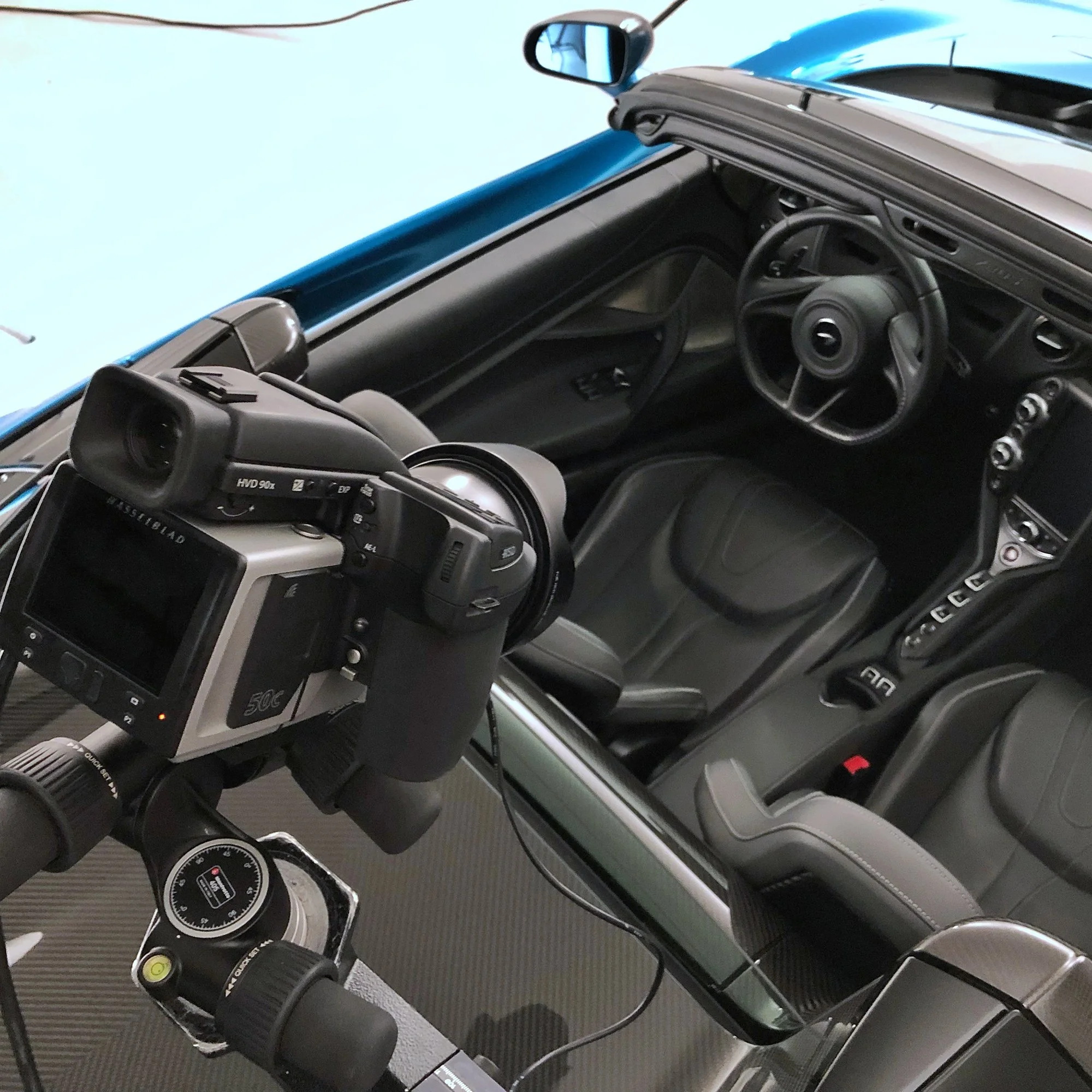
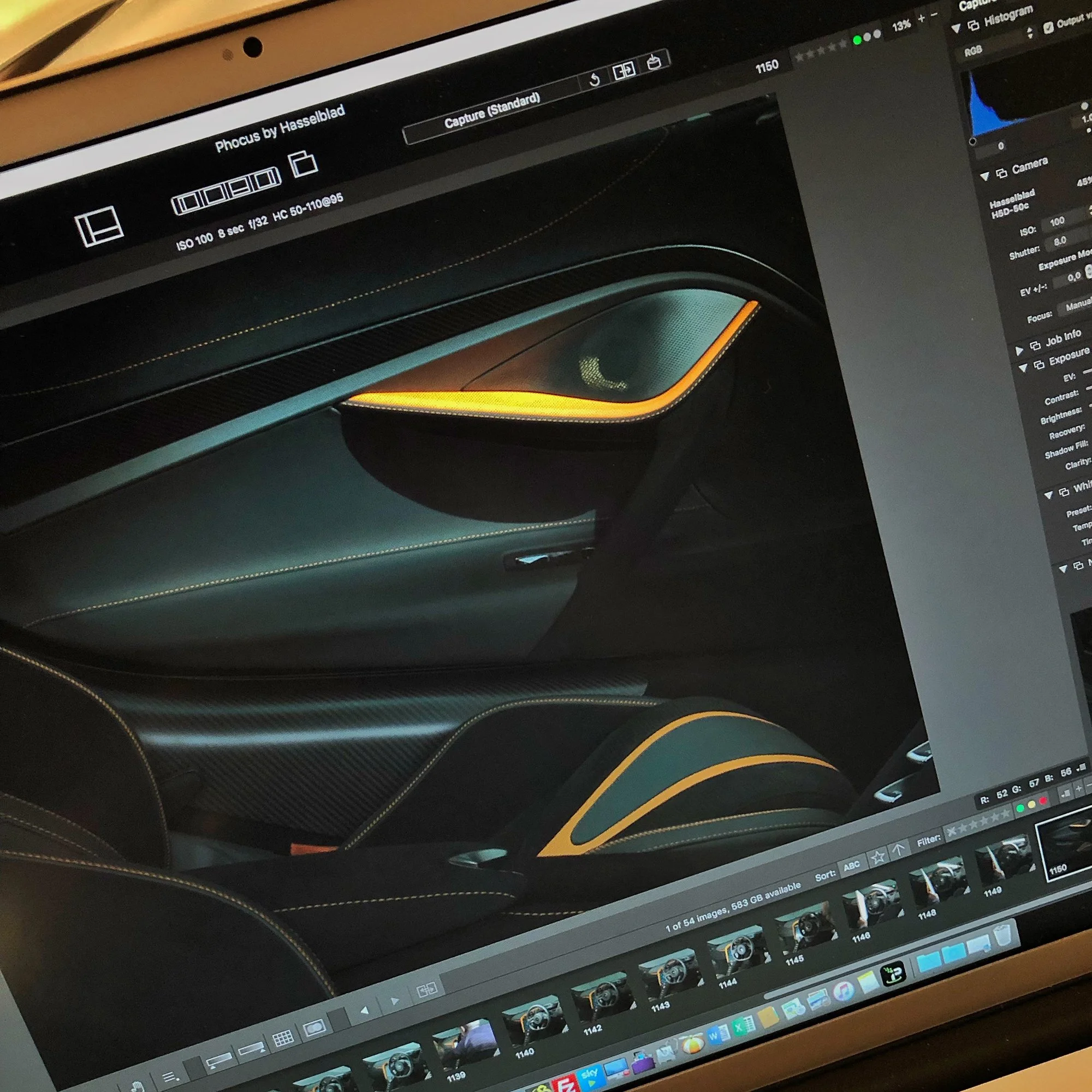
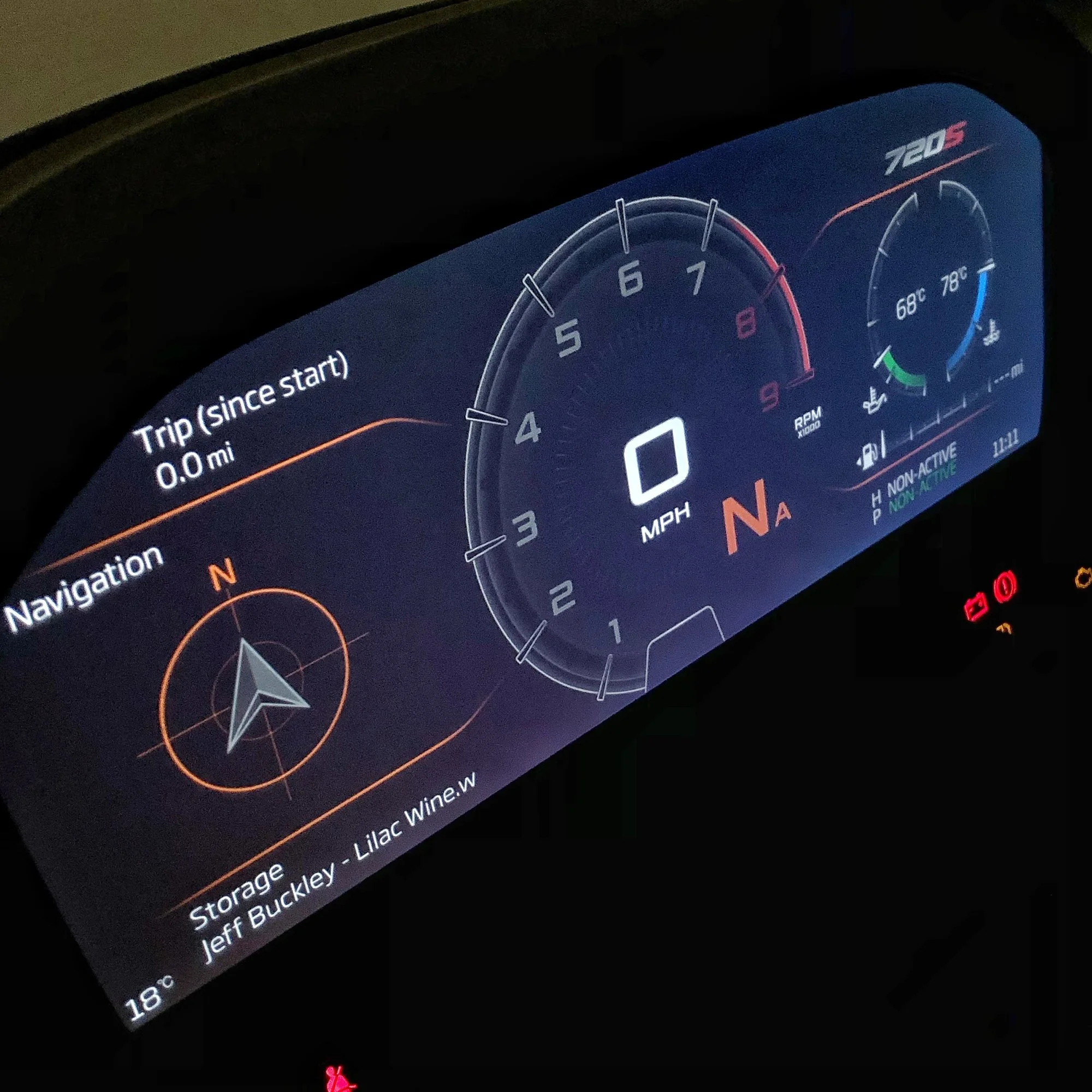
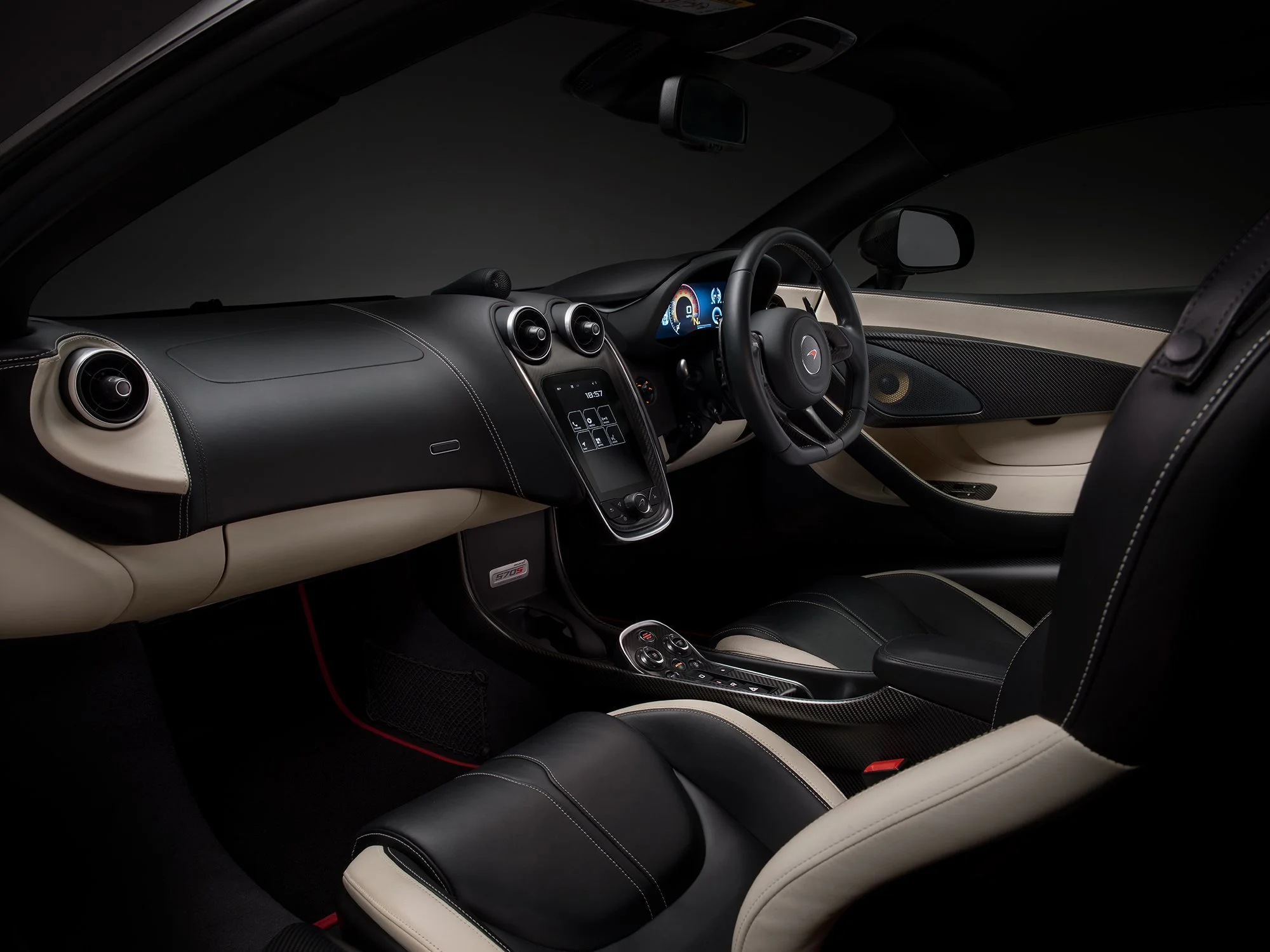
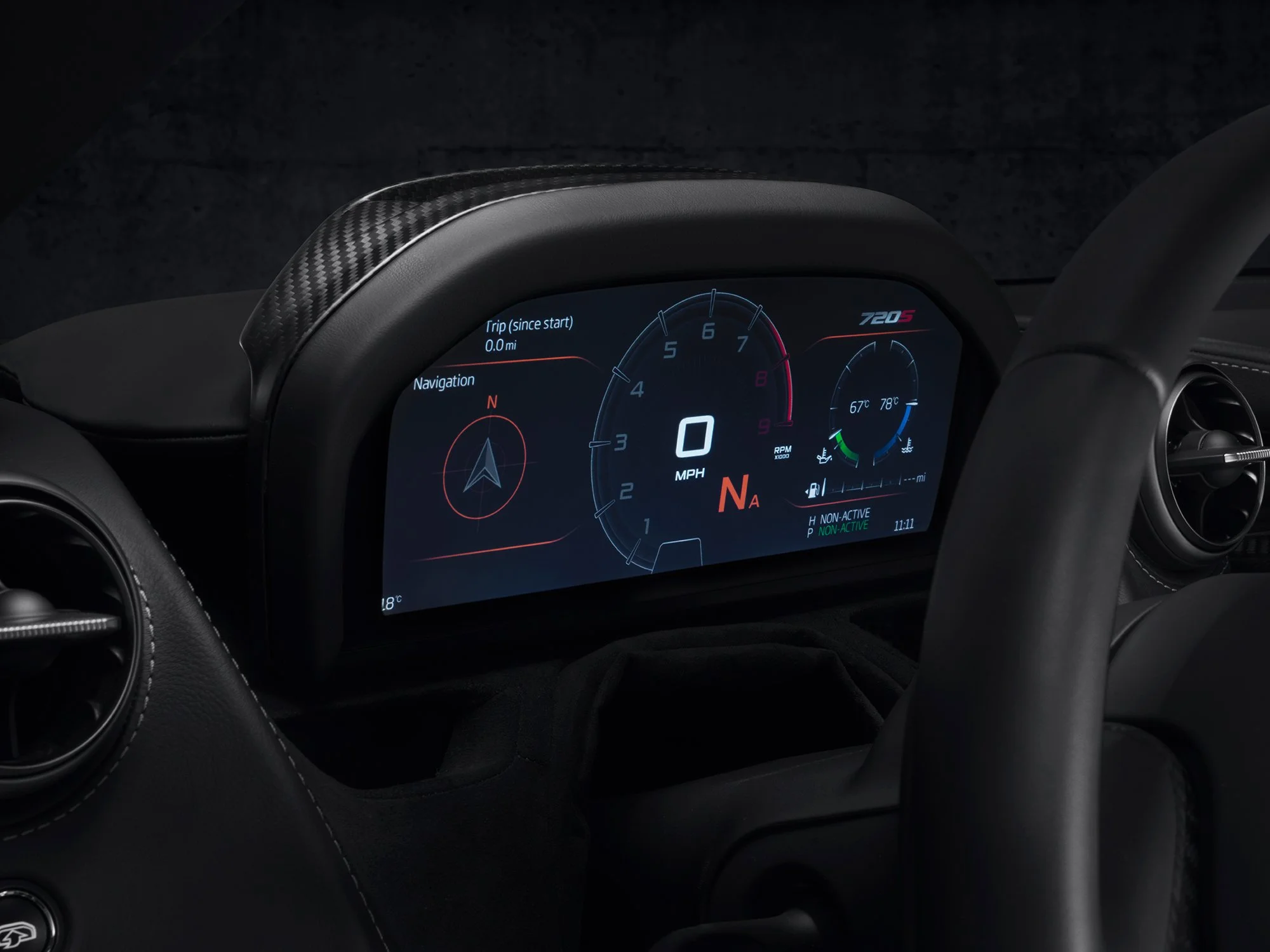
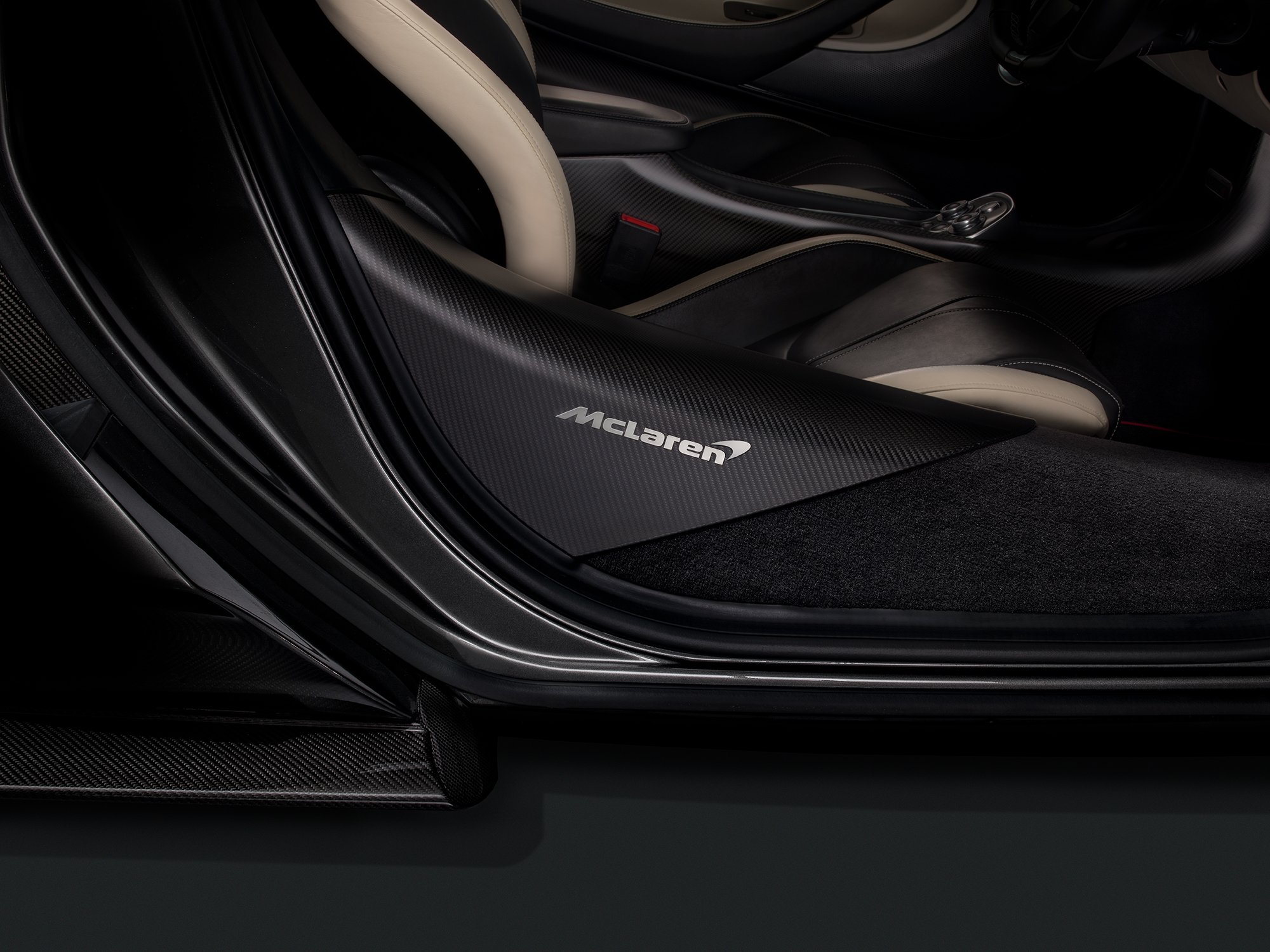
Shooting car interiors can be a lot more involved than most people would imagine, however when you get it just right it is ultimately rewarding. Perhaps it is because an interior is such a concentrated piece of design. Everything is close together, everything has a purpose, and every surface, material, stitch, button, screen and control has been considered by the people who designed and built the car. Here I share some BTS (Behind the Scenes) captures of that process along with examples of that same finished work.
From a photographic point of view, however, this concentration of detail can make an automotive interior one of the most difficult subjects to photograph really well.
Over the years I have photographed cars for a wide range of manufacturers, agencies and automotive clients, from some of the world's most recognisable performance and luxury marques to specialist automotive businesses. My work has taken me into studios and locations across many different types of commercial photography, but one thing has remained constant throughout my career as a professional commercial photographer: my fascination with light. For me, photography has always been about much more than simply operating a camera. The camera records what I give it, but it is the lighting that allows me to control what the camera actually sees.
That becomes particularly important when photographing the interior of a car for a client such as McLaren.
Working in a Confined Space
When you look at a finished automotive brochure photograph, it can appear remarkably simple. You see a beautifully designed interior, perfectly exposed, with the materials looking exactly as they should and every detail appearing effortlessly crisp. What you don't see is everything happening outside the frame.
The reality is that photographing an interior professionally can be a surprisingly physical and technically demanding process.
A modern supercar cockpit is not designed with a photographer and lighting equipment in mind. Space can be extremely restricted, particularly around the driver's seat, dashboard and centre console. There may be very little room to position equipment, and getting a camera into exactly the right position can require careful planning, and then there is the small matter of keeping the interior absolutely pristine.
Once a car has been prepared for a commercial shoot, you don't really want to be crawling around inside it any more than necessary. Dust, fingerprints and marks become the enemy. In a studio environment, dust can seem almost invisible to the eye until you look at the resulting high-resolution photograph and suddenly discover that every tiny particle has become remarkably obvious. You can spend hours removing dust in post-production, but my preference is always to solve as much as possible at the photography stage.
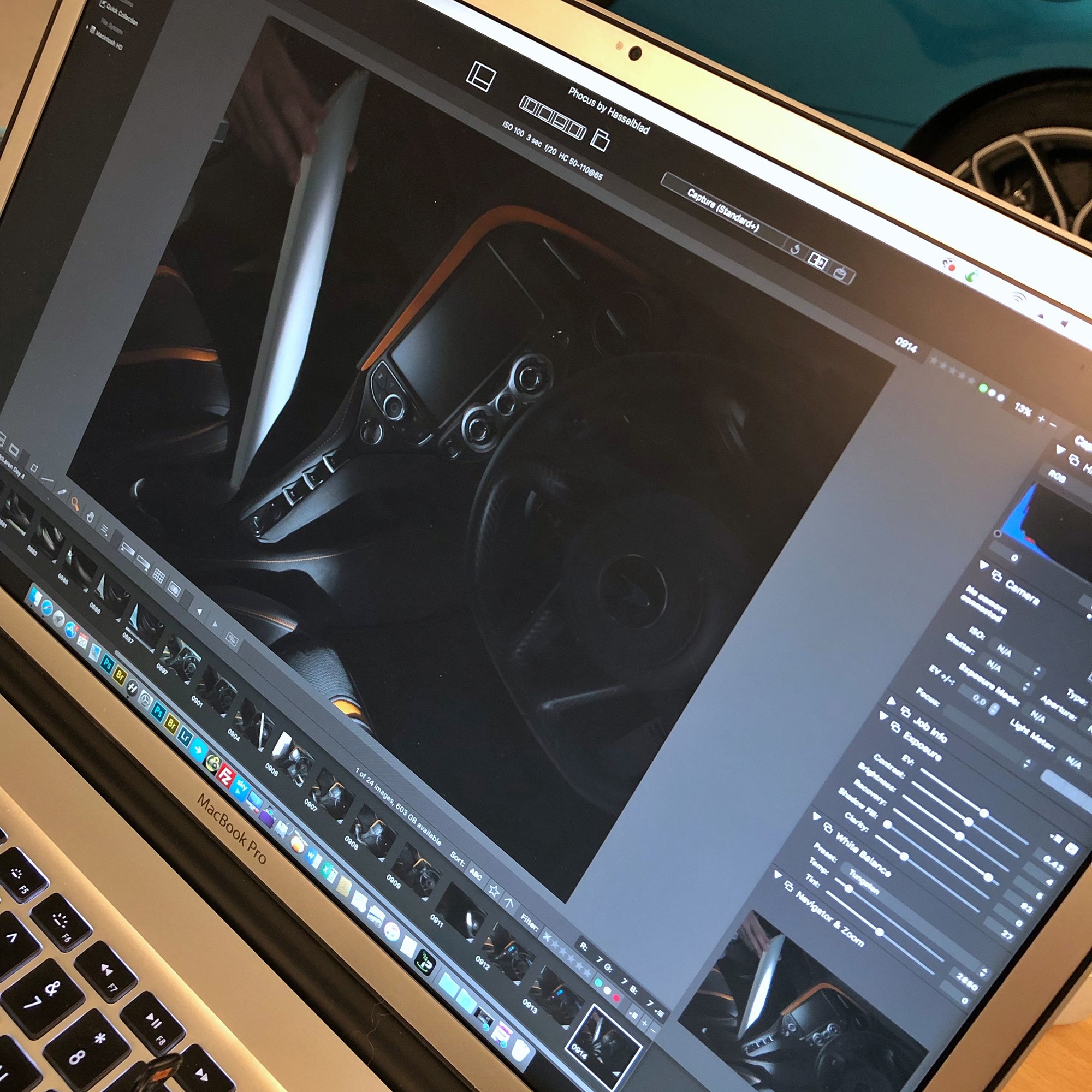
Good commercial photography is often about preparation rather than correction. Before making a single exposure, I am thinking about where the camera needs to be, what the client needs to see, how the materials should look and, most importantly, how the light needs to work across the entire interior.
Sculpting Light
This is where my love of lighting really comes into its own.
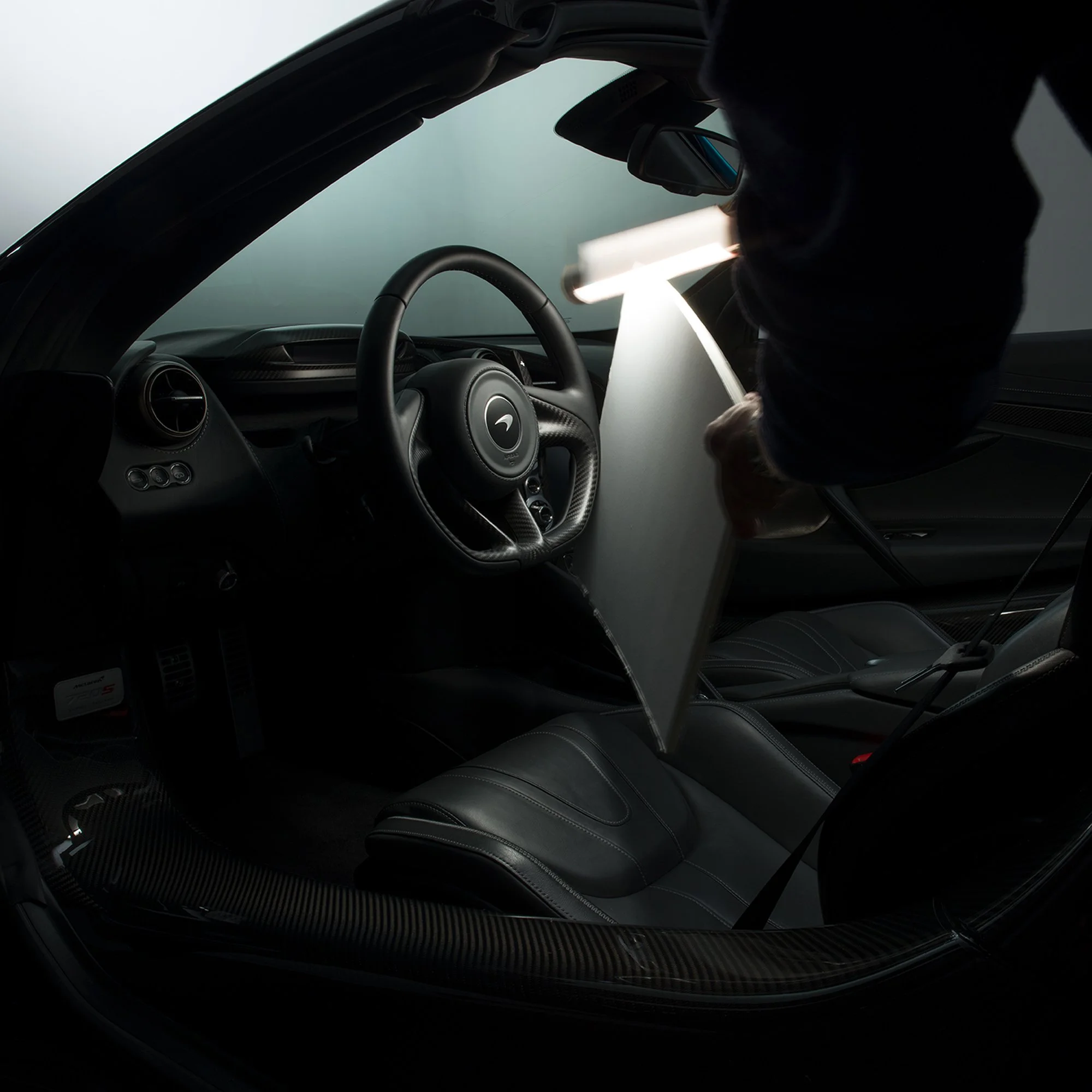
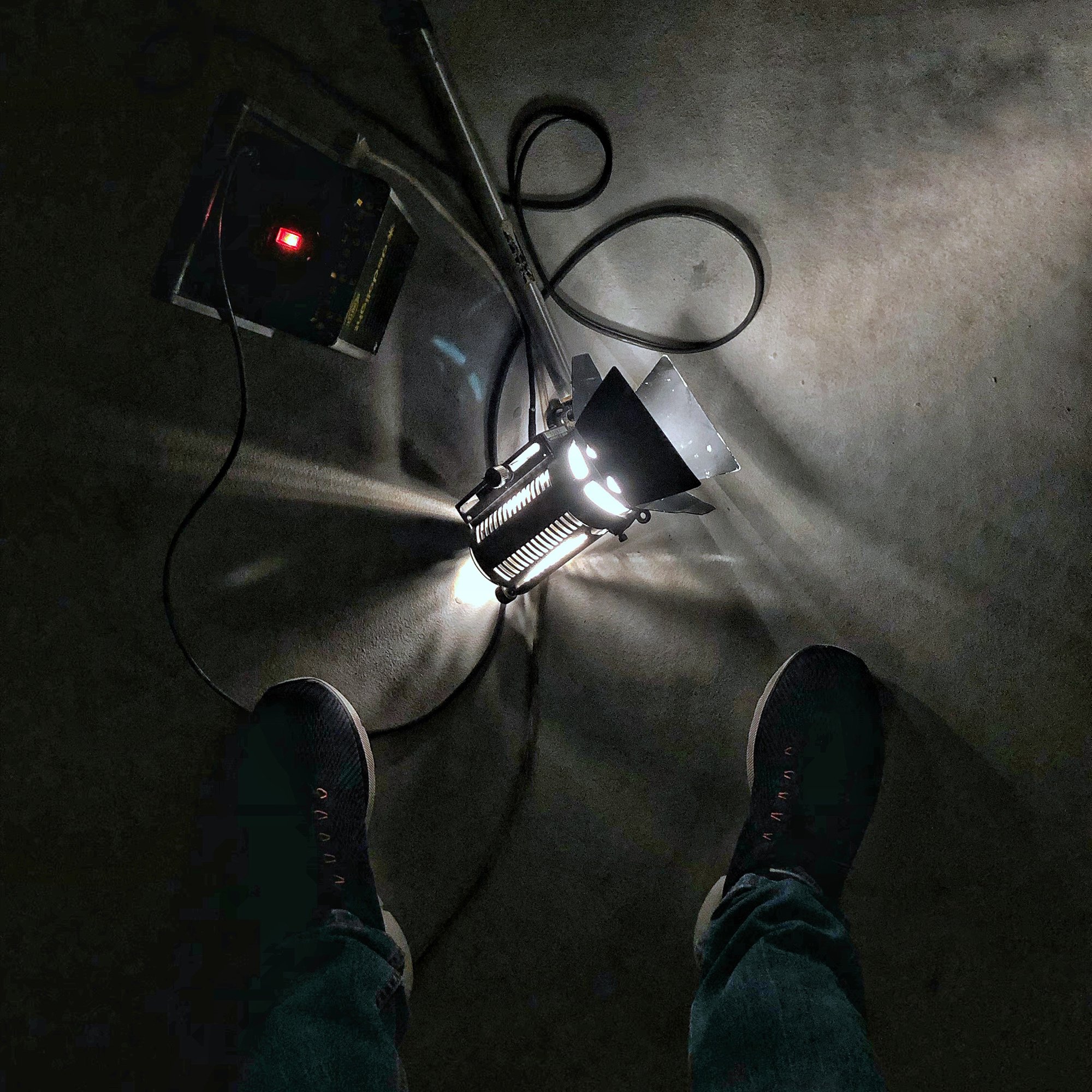
For interior photography, I often use continuous lighting because it gives me an exceptional degree of control over what is happening inside the car. Rather than simply placing a light somewhere and hoping for the best, I can work with the light almost like a sculptor, shaping and directing it across the surfaces. These shots must be well thought out and a 'perfect interior shot' (if such a thing exists) can take a lot more work than I think most people would realise if they have never seen it done professionally.
Everything must be true and correct in tone and colour for the client, to the degree that lighting that ant lighting we take through the car’s windscreen is often adjusted with coloured gels to counteract the glass tint that will otherwise give an unwanted cast to it.
Continuous lighting gives you much better control over surfaces and allows you to 'sculpt' light so that every surface, every stitch, and every instrument is shown correctly to reflect the high price tag that comes with the product. Inside a car, that control is incredibly important.
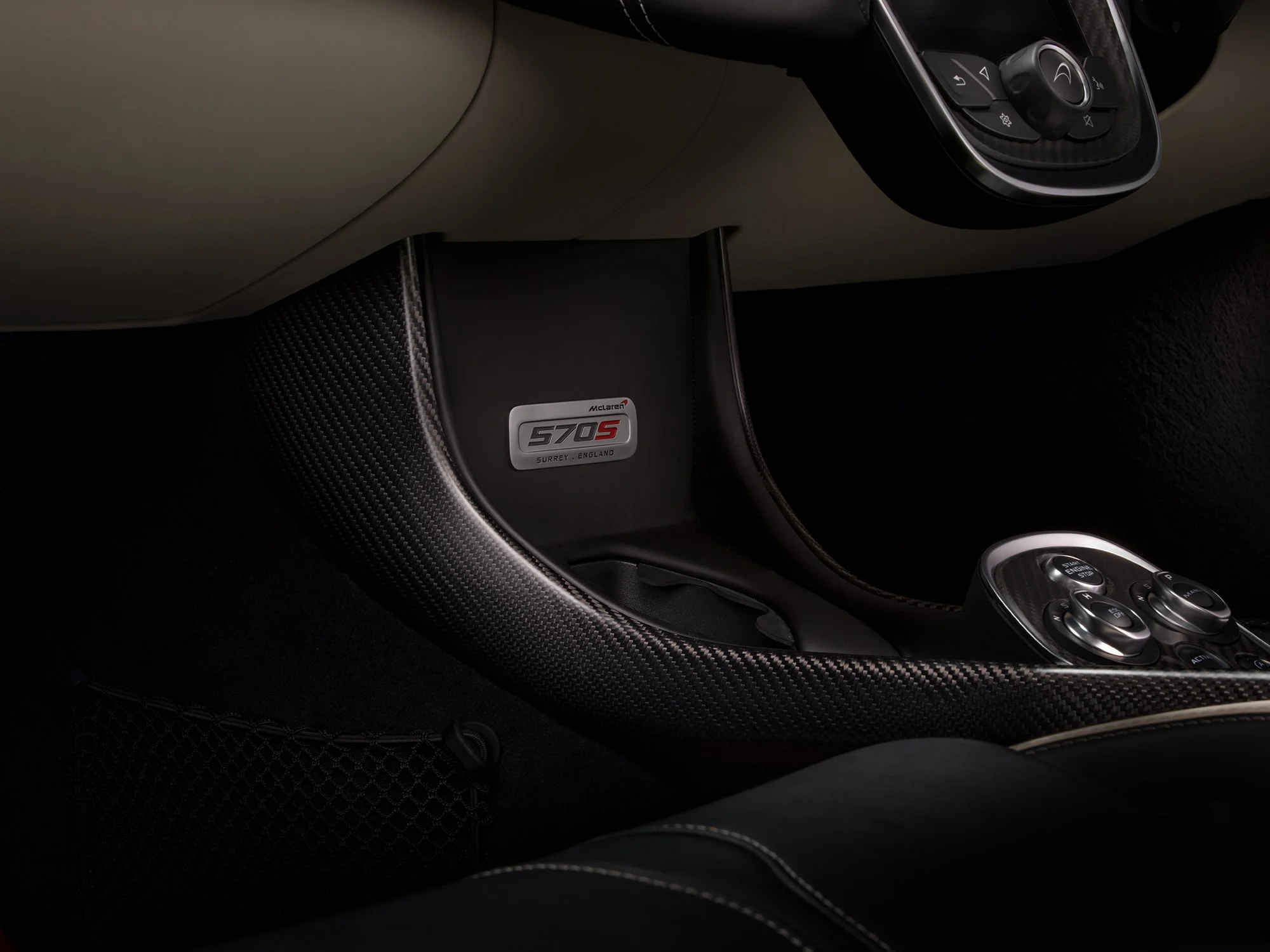
Leather doesn't react to light in the same way as carbon fibre. Brushed metal behaves differently again. Gloss black surfaces can become mirrors, while textured plastics and stitching need enough light to reveal their form without becoming distracting. Every material needs to be treated differently.
We will often build framework rigs around the cockpit area, allowing us to position reflective boards and other surfaces exactly where we need them. The continuous lighting is then bounced into these surfaces, creating much larger and softer sources of light that can be carefully controlled. It is not simply about making the interior brighter.
It is about deciding exactly where the light should appear and where it shouldn't. A highlight across a piece of leather can describe its shape. A carefully controlled reflection can reveal the curve of a carbon fibre panel. A subtle change in illumination can separate one material from another. A small adjustment to the position of a reflector can completely change the way a dashboard appears.
These are tiny decisions, but collectively they make an enormous difference to the finished photograph.
Colour Control
There is another layer to this type of photography that is often invisible to anyone looking at the finished image: colour control.
When photographing a high value product for a manufacturer, the photograph has to be accurate. It is not enough for an interior to simply look attractive. The tones and colours need to represent the actual product correctly. Even the car's windscreen can create problems.
Light passing through automotive glass can pick up a colour cast, which can subtly alter the appearance of the interior. When you are working at the level required for commercial brochure photography, "subtle" is not necessarily good enough. We can therefore use coloured gels to compensate for the effect of the glass and ensure that the light entering the cockpit is producing the correct result. This is the sort of detail that most people would never notice when looking at the final photograph. And that is actually the point.
The best commercial photography often hides the work that went into creating it. The viewer will not be of the lighting rig, the reflectors, the camera position or the post-production.
They should simply see the car exactly as the manufacturer wants them to see it.
Why Experience Matters
This is one of the reasons I have always believed that professional commercial photography is a highly skilled discipline. Anyone can take a photograph of a car interior.
Creating a photograph that is suitable for a major automotive manufacturer, however, is something very different.
The difference is not necessarily the camera.
It is understanding light, surfaces, colour, composition, reflections and the client's requirements, and then knowing how to bring all of those things together consistently.
I have spent many years working as a commercial photographer, photographing subjects that can be extremely difficult to light. Cars, trucks, aircraft, machinery and industrial products all present their own problems, but the underlying skill remains the same: understanding how light behaves and knowing how to control it.
That knowledge is accumulated over years of working professionally.
You learn that sometimes moving a light a few inches can completely transform a surface. You learn how different materials react to different sources. You learn when to make a reflection softer, when to remove one entirely and when a small highlight is essential to give a surface its shape.
Most importantly, you learn to see the photograph before you take it.
That is something I call Seeing Before Shooting.
Creating Something Real
We live in a time when it is possible to create almost anything digitally. CGI has become incredibly sophisticated.
Artificial intelligence can generate extraordinary imagery. Digital tools can alter, replace and manipulate almost every element of a photograph. But there is something about photographing a real product, in a real studio, with real light, that I still find incredibly satisfying.
When I photograph a McLaren interior, I am photographing the actual car.
The leather is real. The carbon fibre is real. The stitching is real. The reflections are real. The light is physically interacting with the materials in front of my camera.
There is no substitute for understanding how to make that happen.
Of course, professional post-production is an important part of commercial photography, and Photoshop has its place. I have always believed that the strongest starting point is a great photograph created in camera.
There are no short cuts, no fix it in Photoshop or use Ai, this is real authentic photography showing the clients 'real' product so that it positively engages their customers.
The objective is to create an image that is technically excellent, creatively considered and genuinely representative of what the client is selling.
That is particularly important when the photograph is going to appear in a brochure, campaign or global website. The image becomes part of the way a customer experiences the product.
The Invisible Craft
Perhaps that is what I enjoy most about shooting automotive interiors, the finished photograph can look effortless.
It can look as though the camera was simply placed inside the car, the lights were switched on and the shutter was pressed.
In reality, a professionally produced interior photograph can involve considerable planning, specialist lighting, carefully positioned reflectors, colour correction, cleaning, camera positioning and an enormous amount of attention to detail, and that is before the first frame is even considered.
For me, this is where the craft of professional photography becomes really interesting. It is about taking something that already exists and using photography and light to communicate exactly why it is special. After more than twenty years working as a professional commercial photographer, I still get a huge amount of satisfaction from that process.
I still love the lighting.
I still love the problem solving.
And I still love the moment when all those individual elements finally come together and the photograph on the screen looks exactly as I imagined it would.
That, to me, is the value of real photography.
Not simply recording what is there, but understanding it, lighting it and photographing it exceptionally well.
The best emotions come from what is real.