

Aston Martin DB2: A Timeless Design
The Beginning of the DB Legend
There are certain cars that seem to possess an elegance that goes far beyond their age, their performance or even the badge they wear on the bonnet. They have a presence that makes you stop and look, not because they are loud or particularly demanding of attention, but because their proportions, shape and details come together in a way that feels almost completely natural. For me, the Aston Martin DB2 is one of those cars, and it represents an important moment in the story of one of Britain's most celebrated automotive marques.
Having spent many years photographing Aston Martin models, from some of the earliest cars to much more recent designs, I have developed a real appreciation for the way the marque has managed to retain a sense of identity across generations. Each model has its own character, but there is often a common thread running through the design, an understated confidence that makes an Aston Martin recognisable without the need for extravagant styling. The DB2 is where that particular chapter of the story really began.
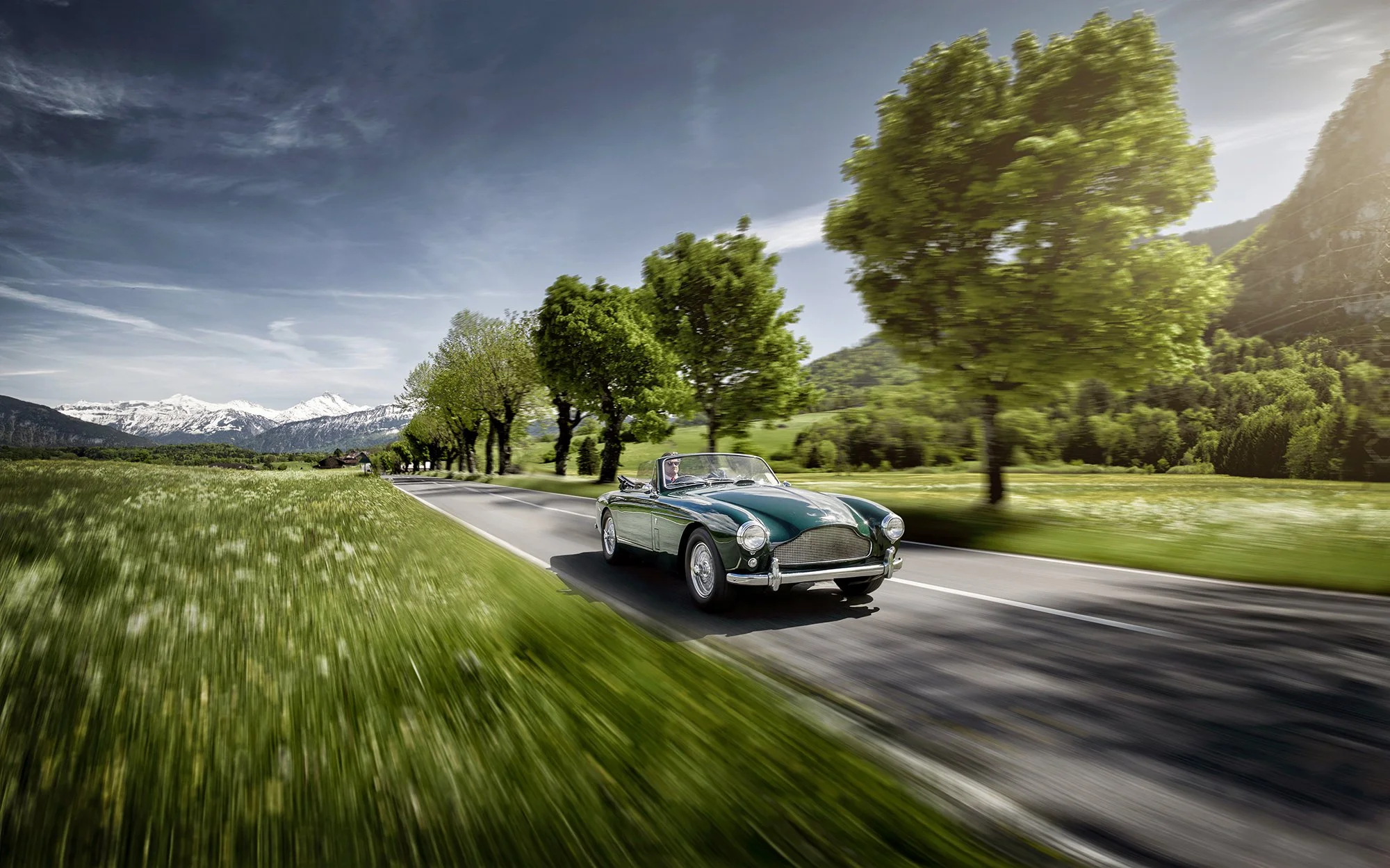
Introduced in 1950, the Aston Martin DB2 was the first production model to carry the now familiar DB name, following David Brown's acquisition of Aston Martin in 1947. Brown had also acquired Lagonda, bringing with it an important ingredient for the new car: a sophisticated six-cylinder engine developed by a team led by the legendary W. O. Bentley. It was a combination that helped establish the direction Aston Martin would follow for decades to come, bringing together sporting ability, engineering ambition and the kind of refinement expected of a luxury British motor car.
The DB2's beautifully flowing bodywork was designed by Frank Feeley, who had joined Aston Martin from Lagonda.
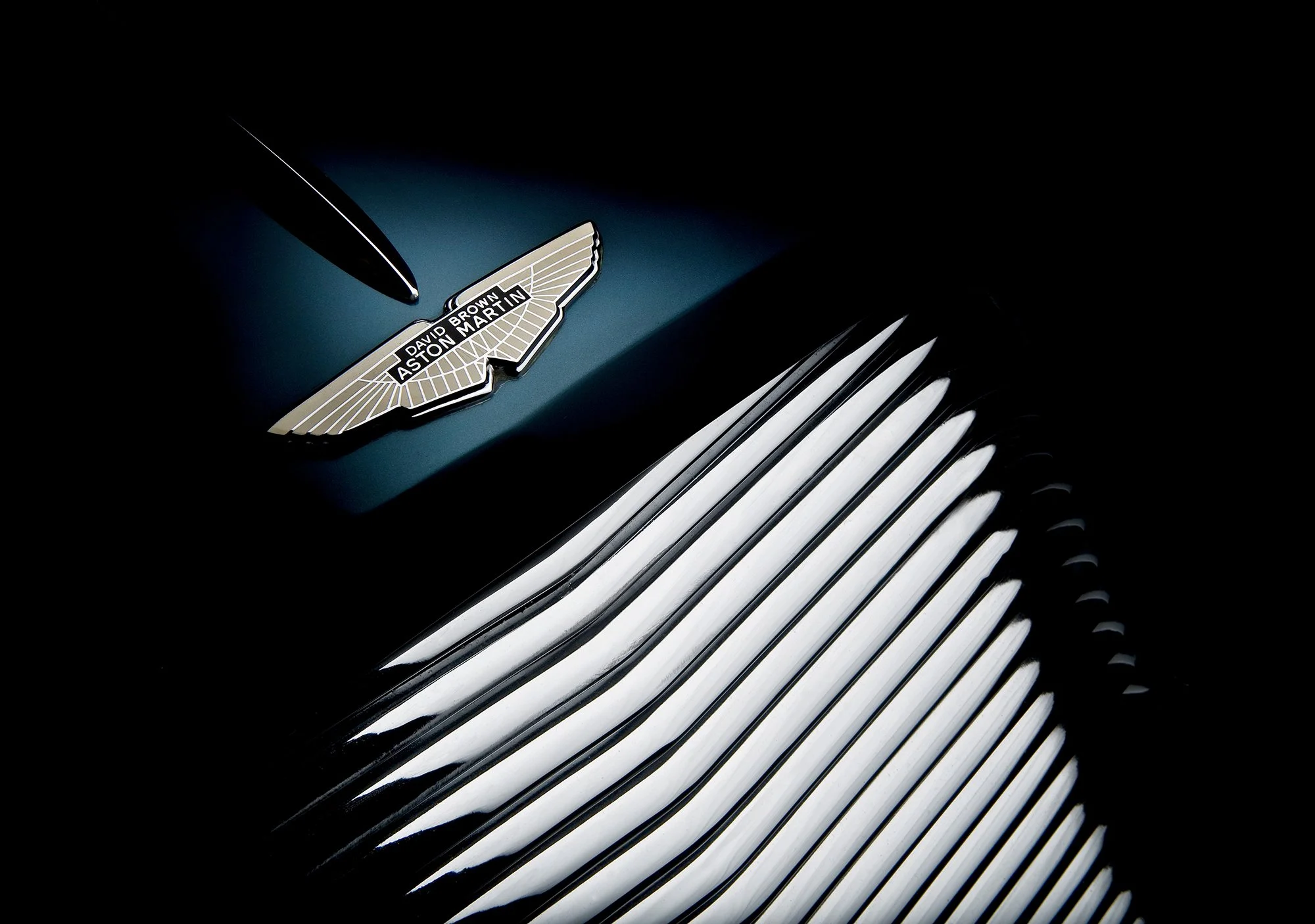
Production took place at the company's factory in Feltham, Middlesex, at a time when Britain was still recovering from the Second World War and manufacturing resources remained under considerable pressure. Despite those challenges, the DB2 offered something rather special. It looked modern, purposeful and distinctly different from many of the cars sharing the roads of post-war Britain.
When new, a DB2 cost around £1,920, a considerable sum at the time and a clear indication that this was never intended to be an ordinary family car. Yet the appeal was about more than its price or exclusivity. The DB2 demonstrated that Aston Martin could build a refined road car with genuine sporting credentials, establishing the foundations for the celebrated line of grand touring cars that followed.
For me, understanding this background makes photographing an early Aston Martin all the more rewarding. You are not simply looking at an old car. You are looking at a design that helped define a marque, created during a period when the company was finding its feet under new ownership and setting a direction that would influence generations of cars to come.
Racing Spirit and Beautiful Proportions
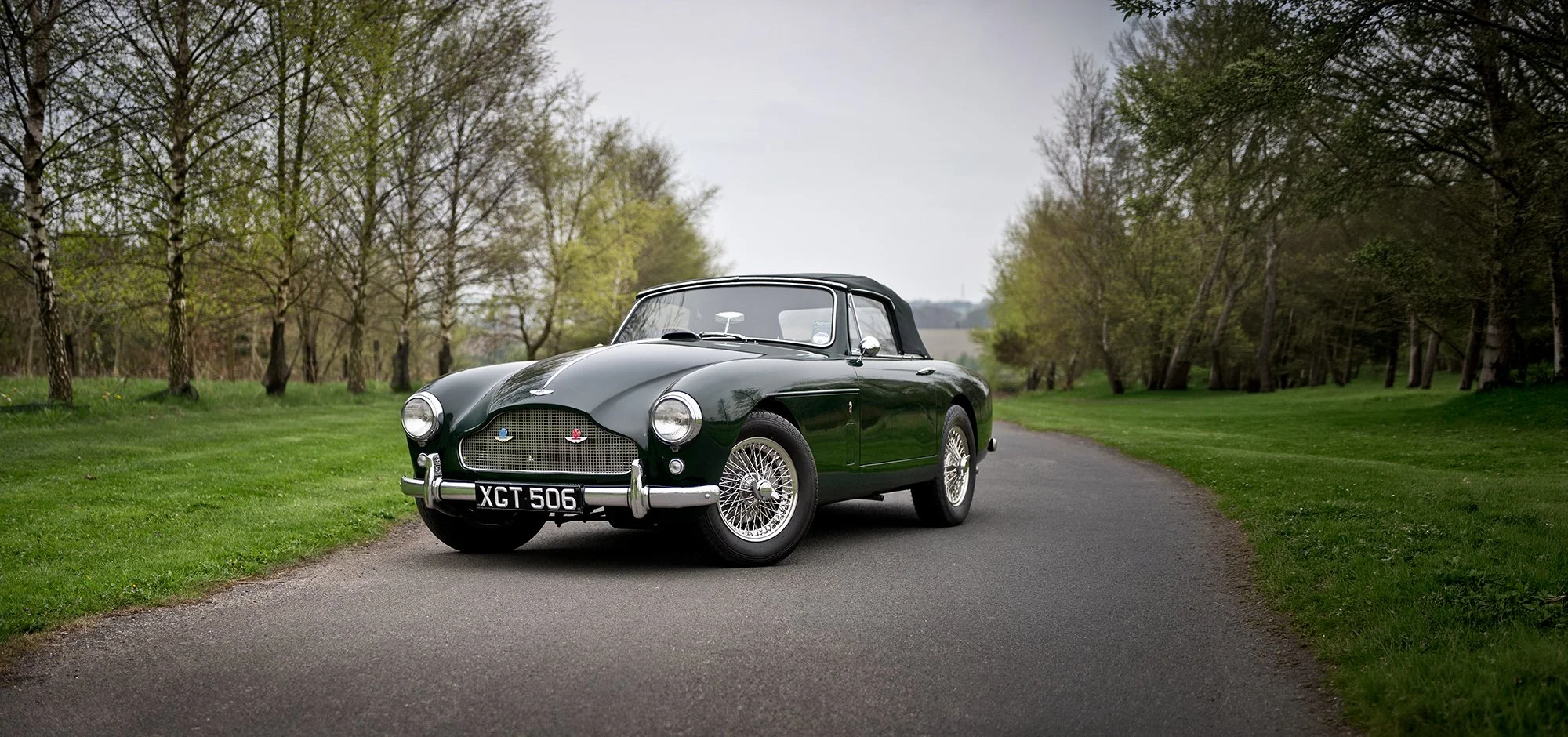
Although the Aston Martin DB2 is often admired today for its appearance, its story is equally connected to competition. The car had been developed from earlier experimental and racing machines, and its potential was demonstrated at Le Mans in 1950, where the factory team achieved a notable first and second place in the three-litre class. For a relatively small British manufacturer, this was an important achievement, helping establish the DB2 as a serious sporting car rather than simply an attractive luxury product.
That competition pedigree gave the DB2 a character that is still easy to appreciate. It was elegant without being fragile in appearance, sporting without being unnecessarily aggressive, and sophisticated without losing the sense that it had been designed to be driven. These qualities are part of what makes early Aston Martins so appealing to enthusiasts and collectors today.
Aston Martin developed the DB2 in several forms during its production life. The original fixed-head coupé, often described as a sports saloon, was joined by the elegant Drophead Coupé, while the Vantage specification introduced a more powerful version of the engine. In 1953, the DB2 gave way to the DB2/4, which added two occasional rear seats and a more practical rear luggage arrangement, carrying the design forward into a new chapter.
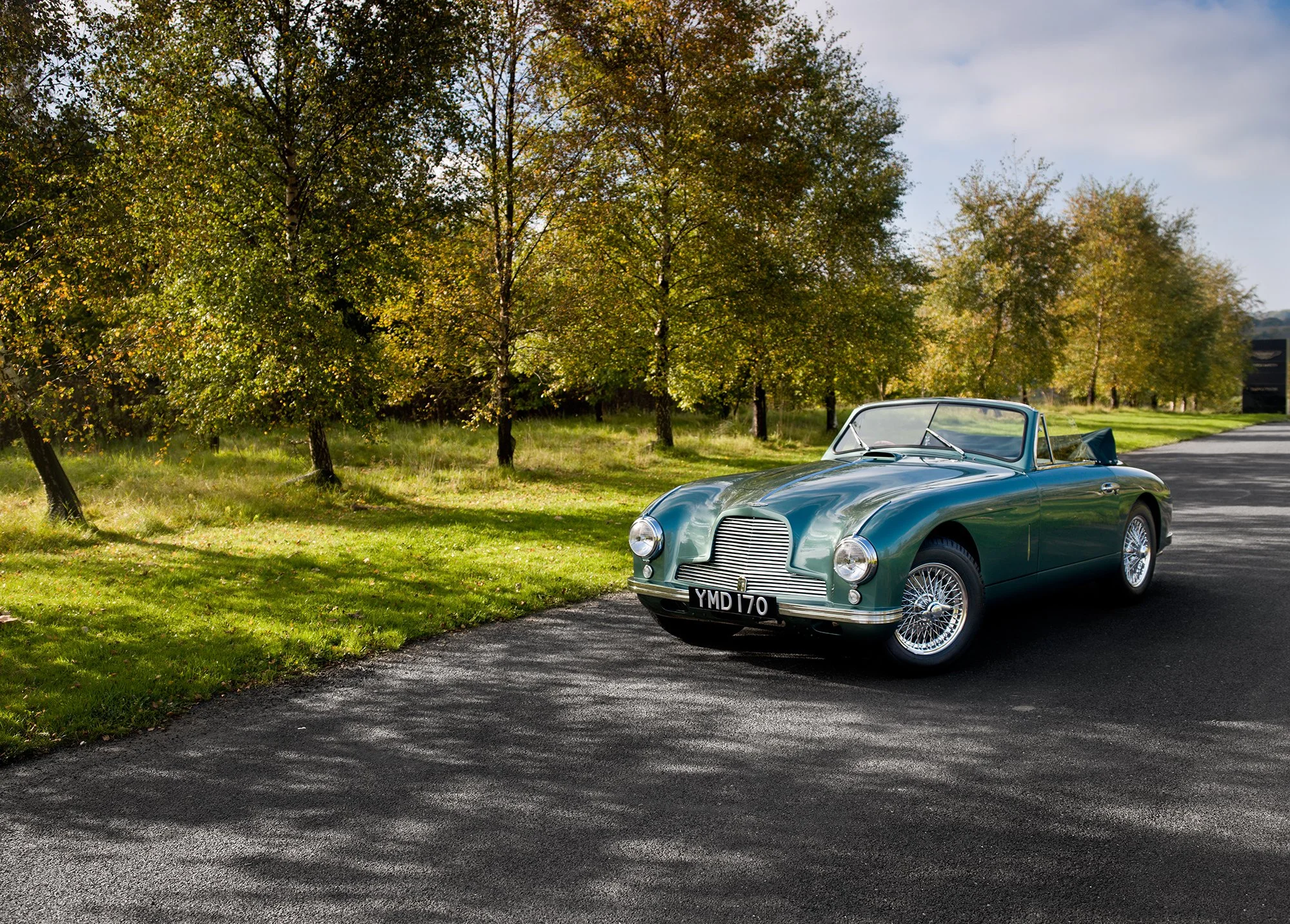
What interests me most, however, is the way the original DB2 manages to look both delicate and purposeful. The long bonnet, low roofline, gently curved wings and compact cabin create a beautifully balanced silhouette. Nothing appears to have been added simply to make the car look more impressive. Instead, the shape seems to have developed from a clear understanding of proportion, with every element working in harmony with the next.
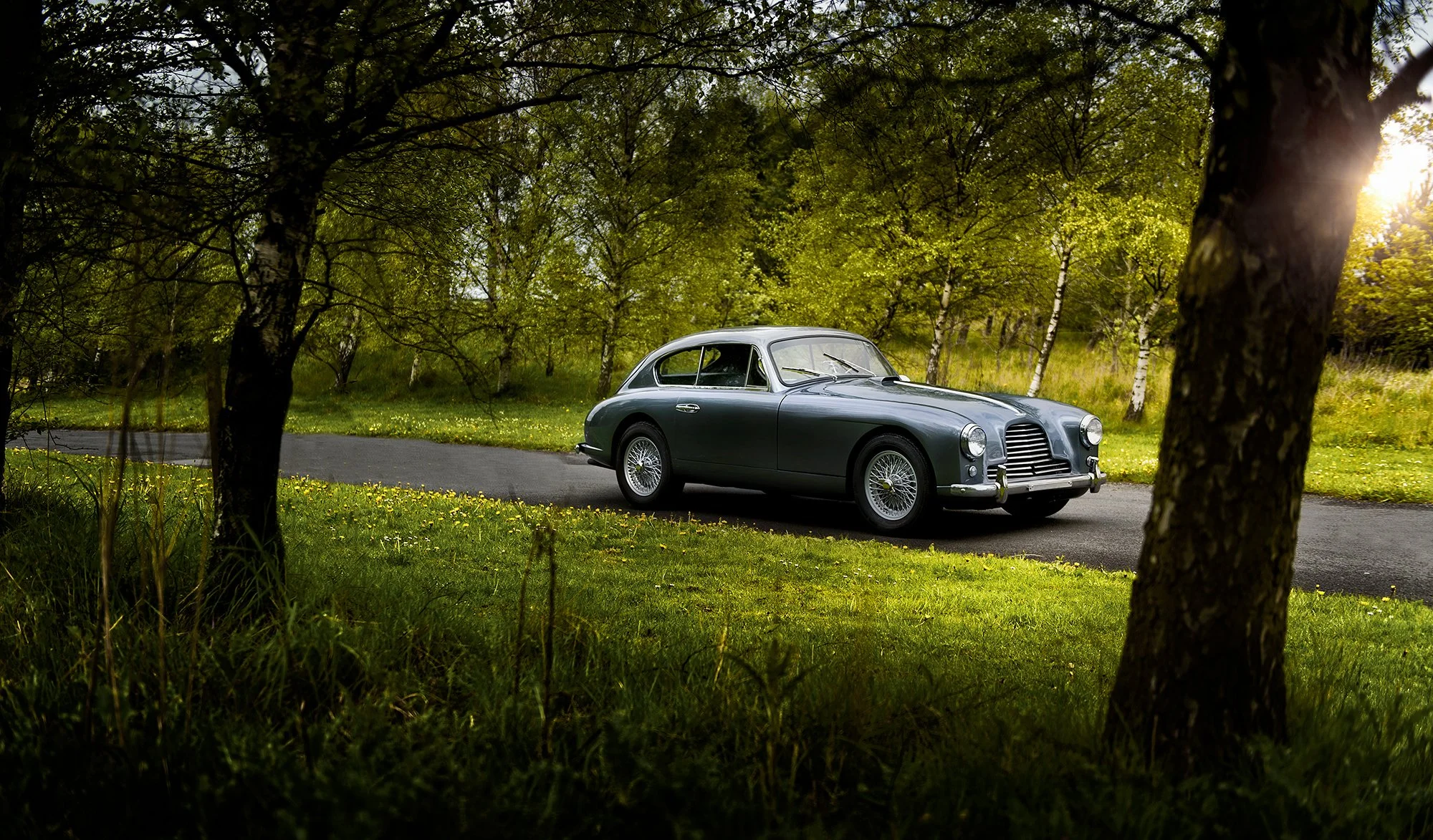
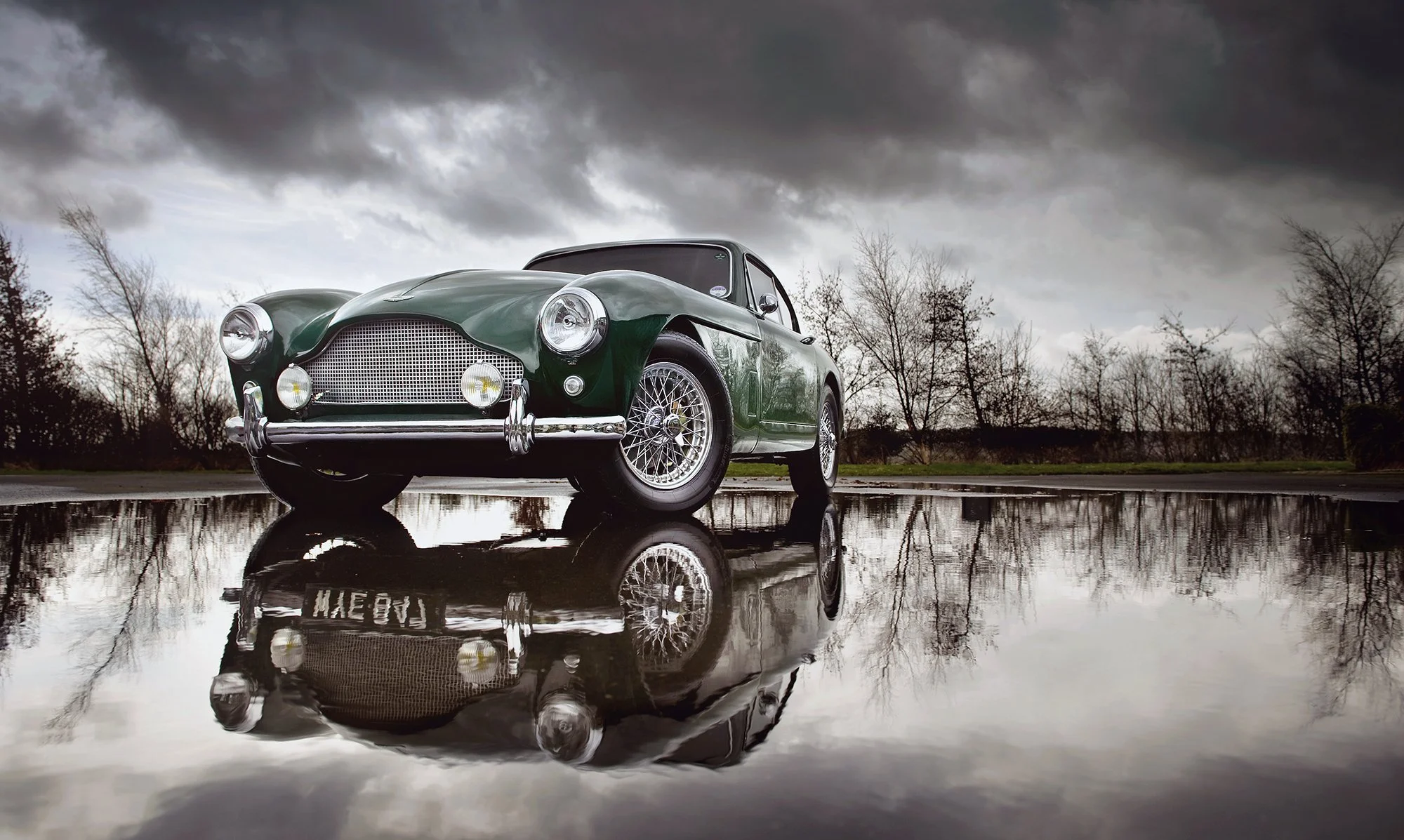
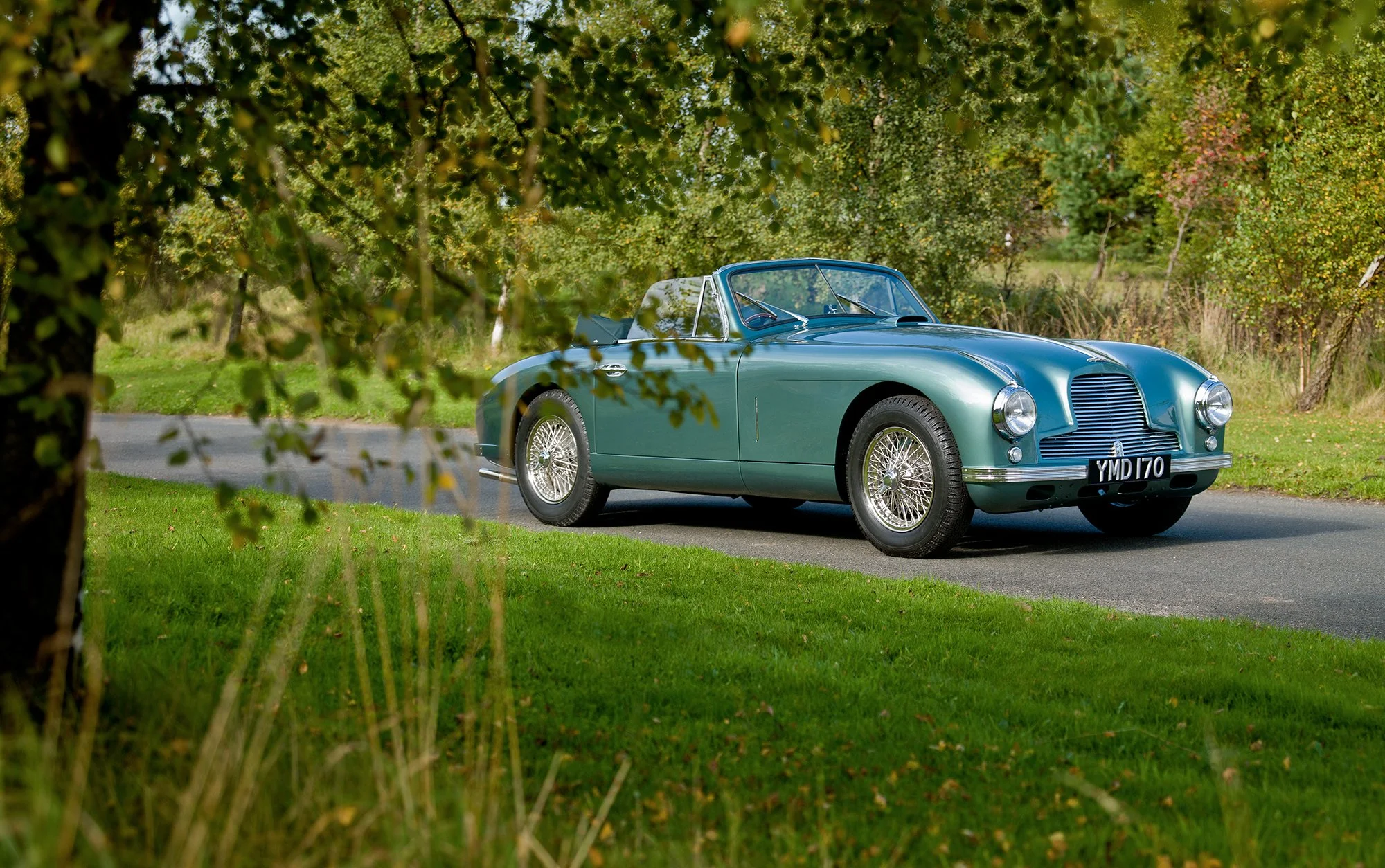
This is something I spend a great deal of time considering when I photograph cars. My approach is not simply to record what a vehicle looks like, but to understand what makes its design distinctive and then find a way of communicating that through the photograph. A car such as the DB2 does not need a complicated setting or an elaborate visual backdrop to make an impression. In fact, introducing too much into the scene can take away from the very qualities that make it special.
A simple environment, carefully chosen lighting and considered camera positioning can reveal an extraordinary amount about a car's design. The way the light travels across a curved front wing, the transition between the bonnet and the windscreen, or the subtle reflections running along the side of the body can all help explain why a particular shape works so well.
I have always enjoyed looking at cars as almost sculptural objects. Their designers work with curves, surfaces, proportion and the relationship between light and shadow, just as a sculptor considers the shape and form of a piece of work. When I approach an Aston Martin DB2 with my camera, I am looking for those relationships and trying to bring them to life in a photograph.
A Classic Aston Martin Worth Preserving
More than seven decades after its introduction, the Aston Martin DB2 has become an increasingly desirable part of the marque's history. Its importance as the first production Aston Martin to carry David Brown's initials gives it a special place among collectors, but its relatively low production numbers and attractive design also contribute to its appeal.
Around 411 examples were produced between 1950 and 1953, including both fixed-head and drophead versions. As with many historic cars, the value of an individual DB2 depends on a number of factors, including its condition, originality, history, specification and the quality of any restoration work. A well-preserved example with convincing provenance can command a significant premium over a car requiring extensive attention.
Recent auction results give a useful indication of the market. A restored 1952 DB2 saloon sold for £146,250 at Gooding & Company's London auction in 2024, despite having benefited from more than £300,000 in restoration work. That figure illustrates both the appeal of a properly presented example and the considerable investment that can be involved in bringing one of these cars back to its former condition.
Values can vary substantially, and particularly special cars, rare specifications or examples with important competition histories may sit in a different category altogether. For an ordinary road-going DB2, however, it is reasonable to think in terms of six-figure sums for many desirable examples, with the final value depending heavily on the individual car and the prevailing collector market.
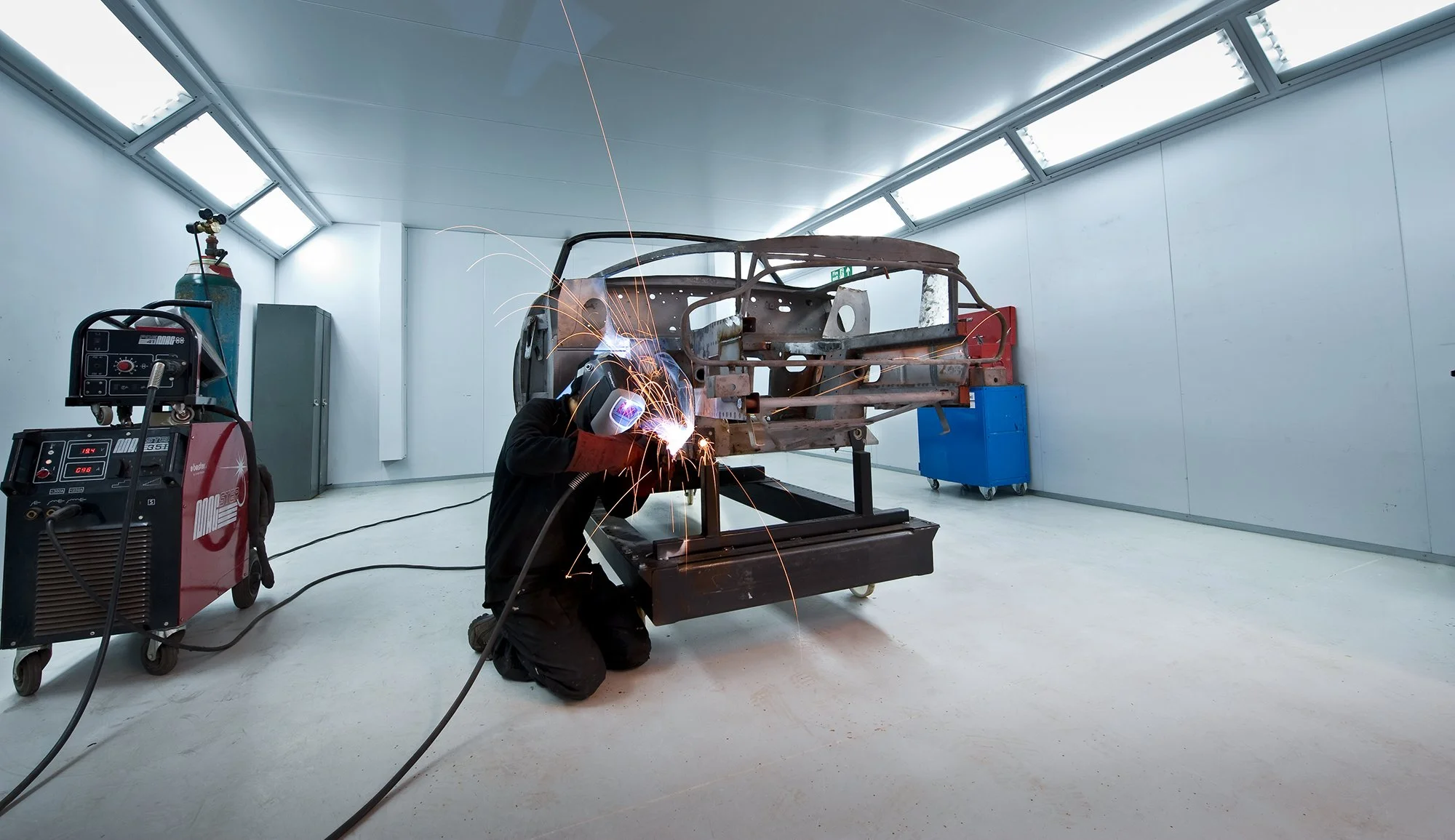
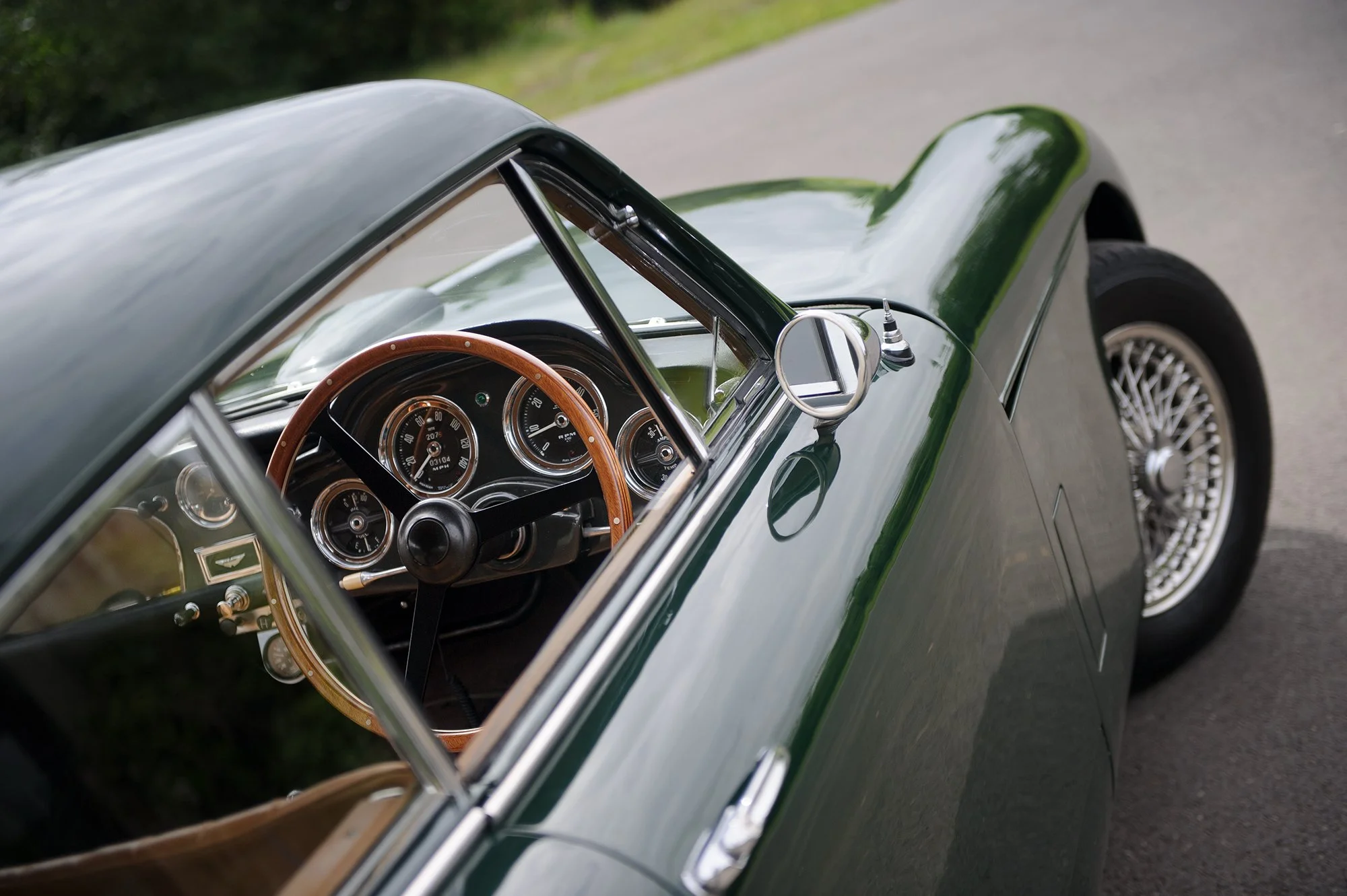
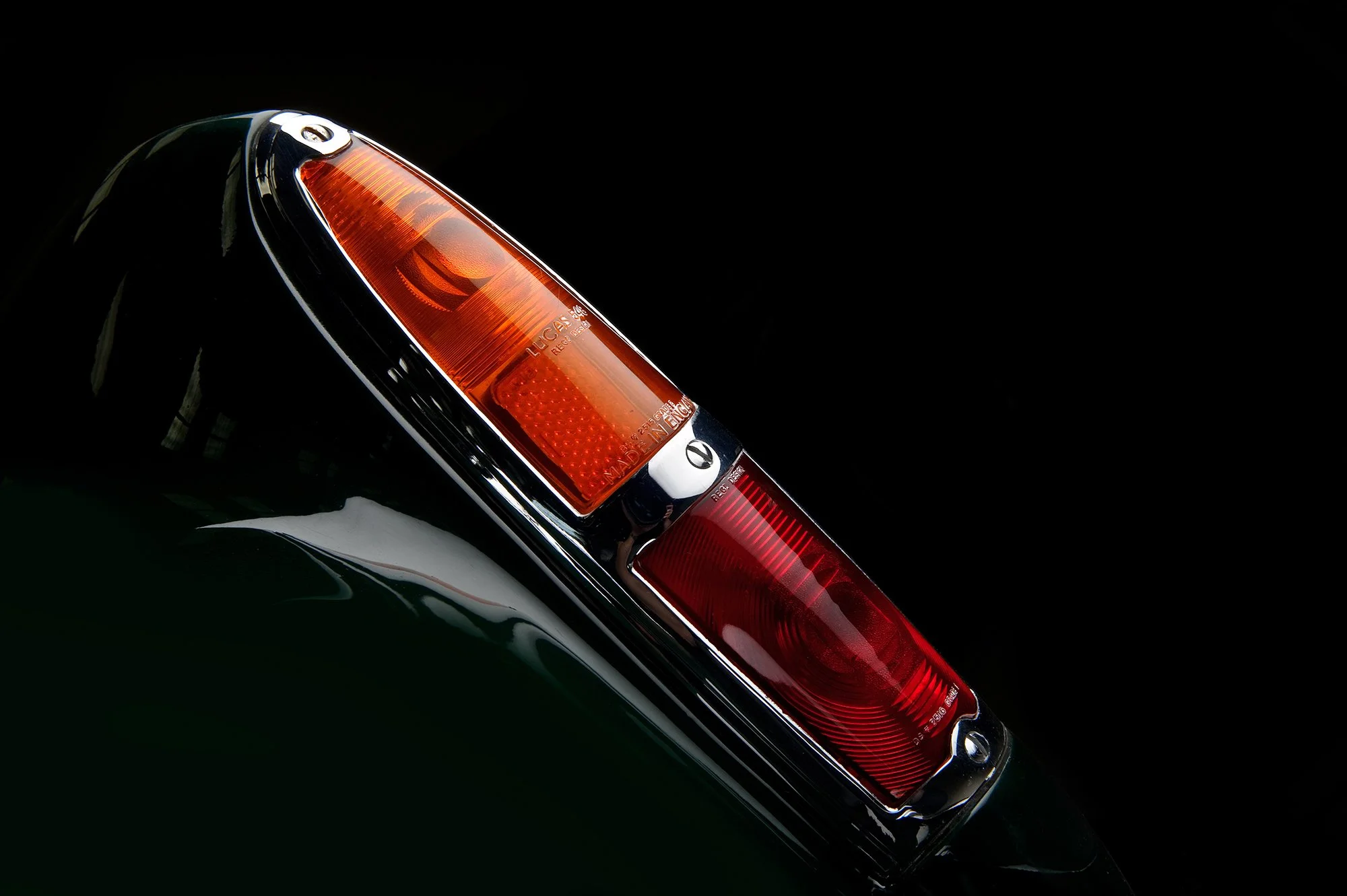
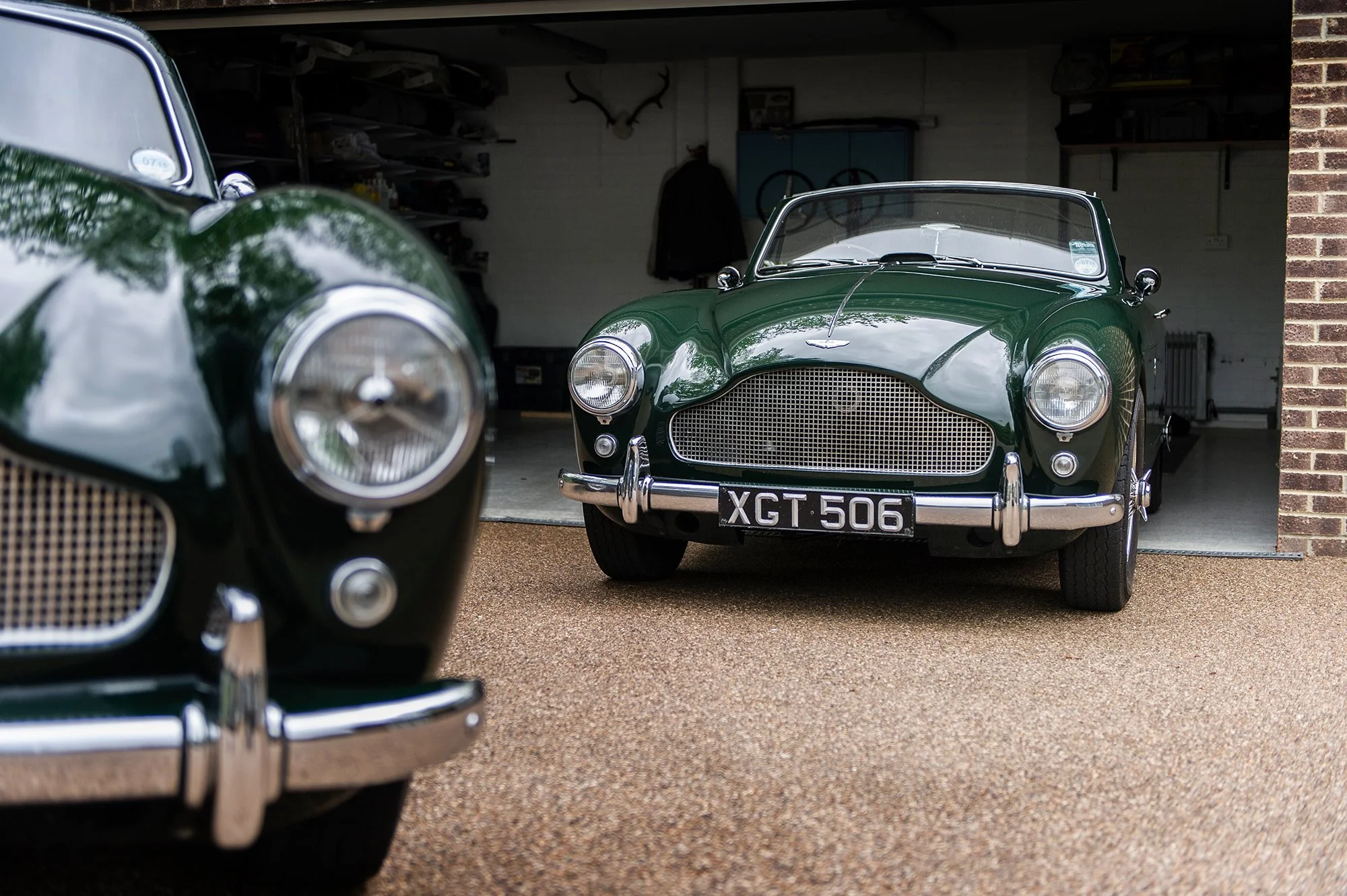
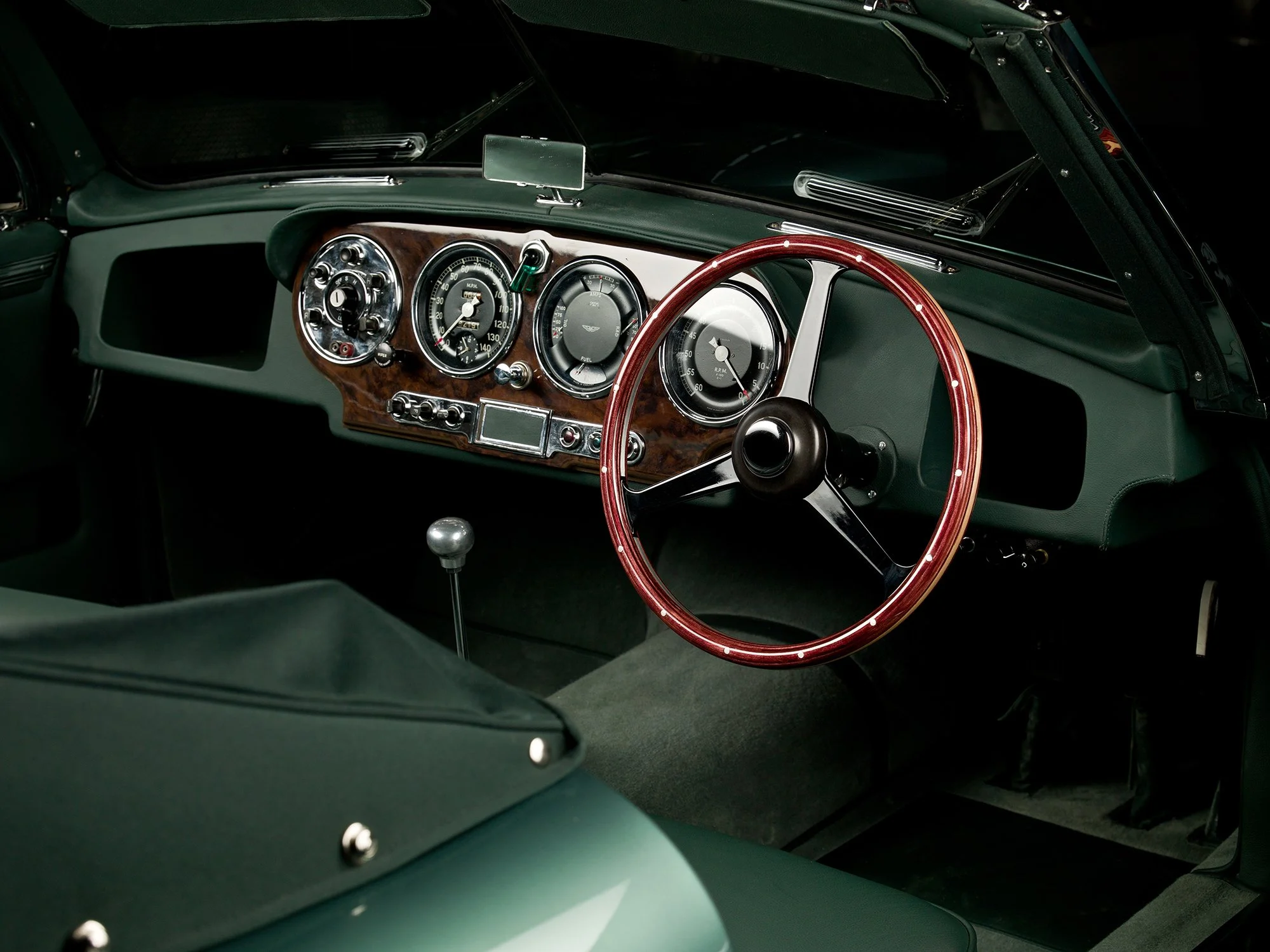
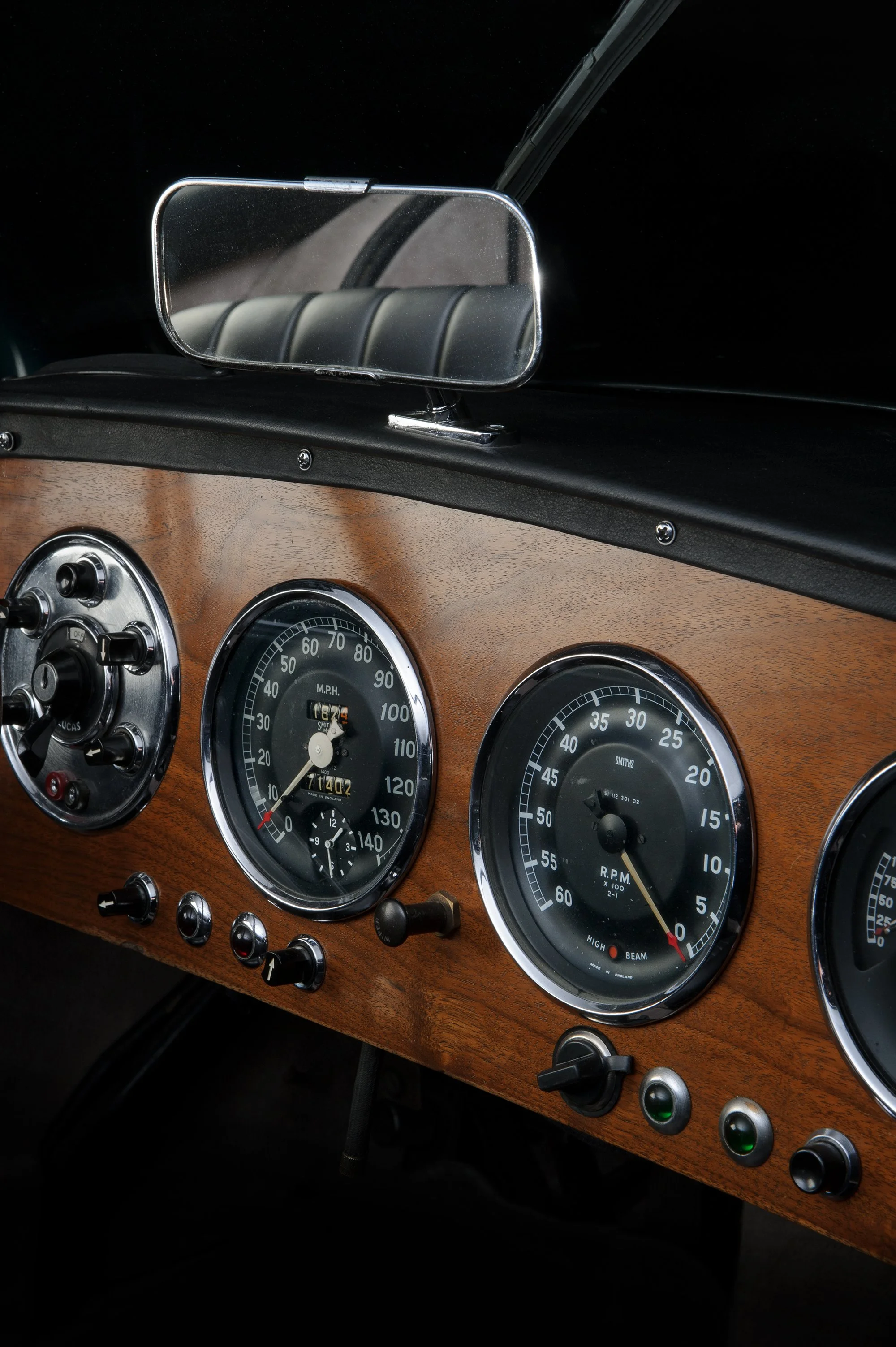
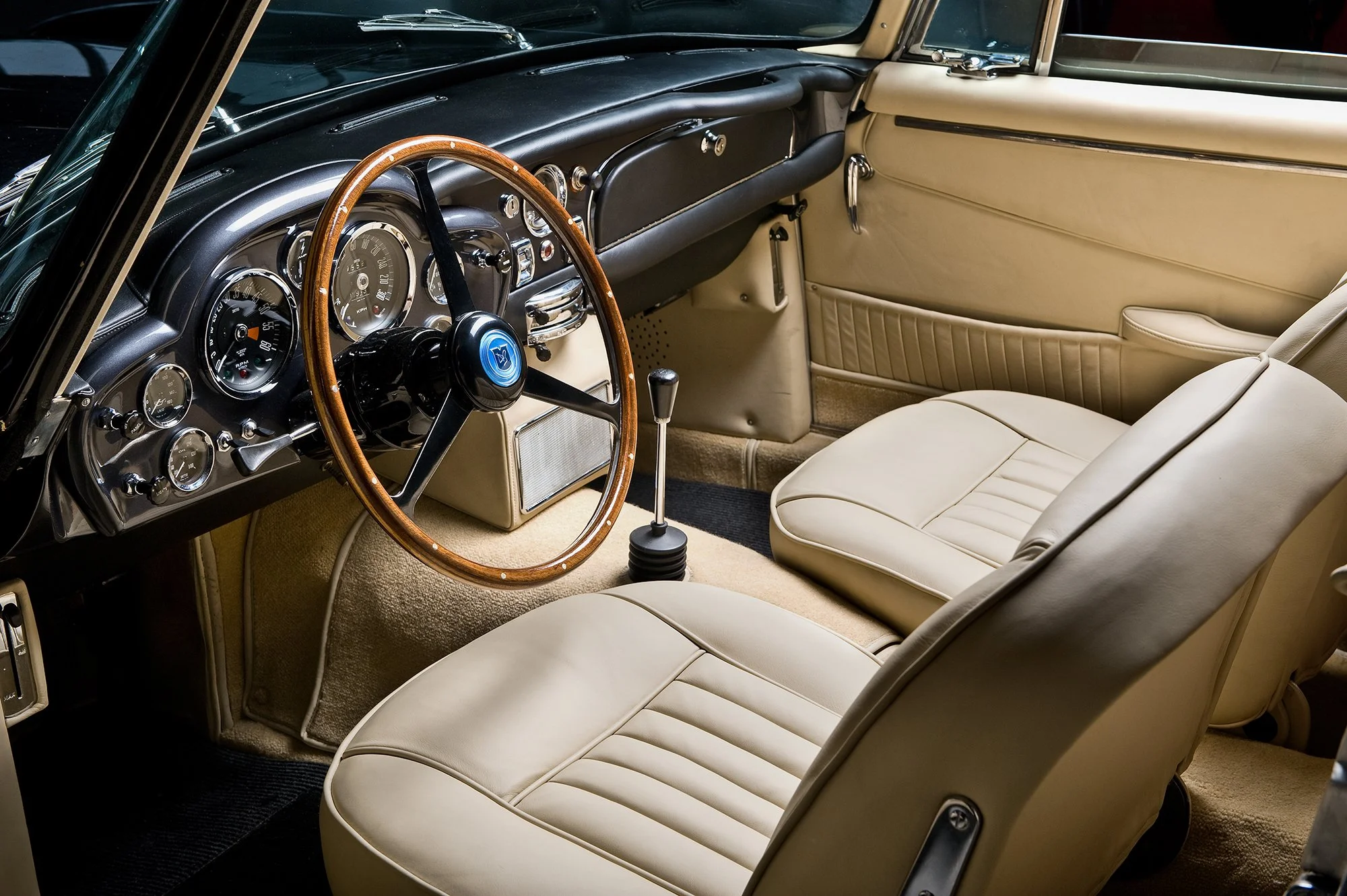
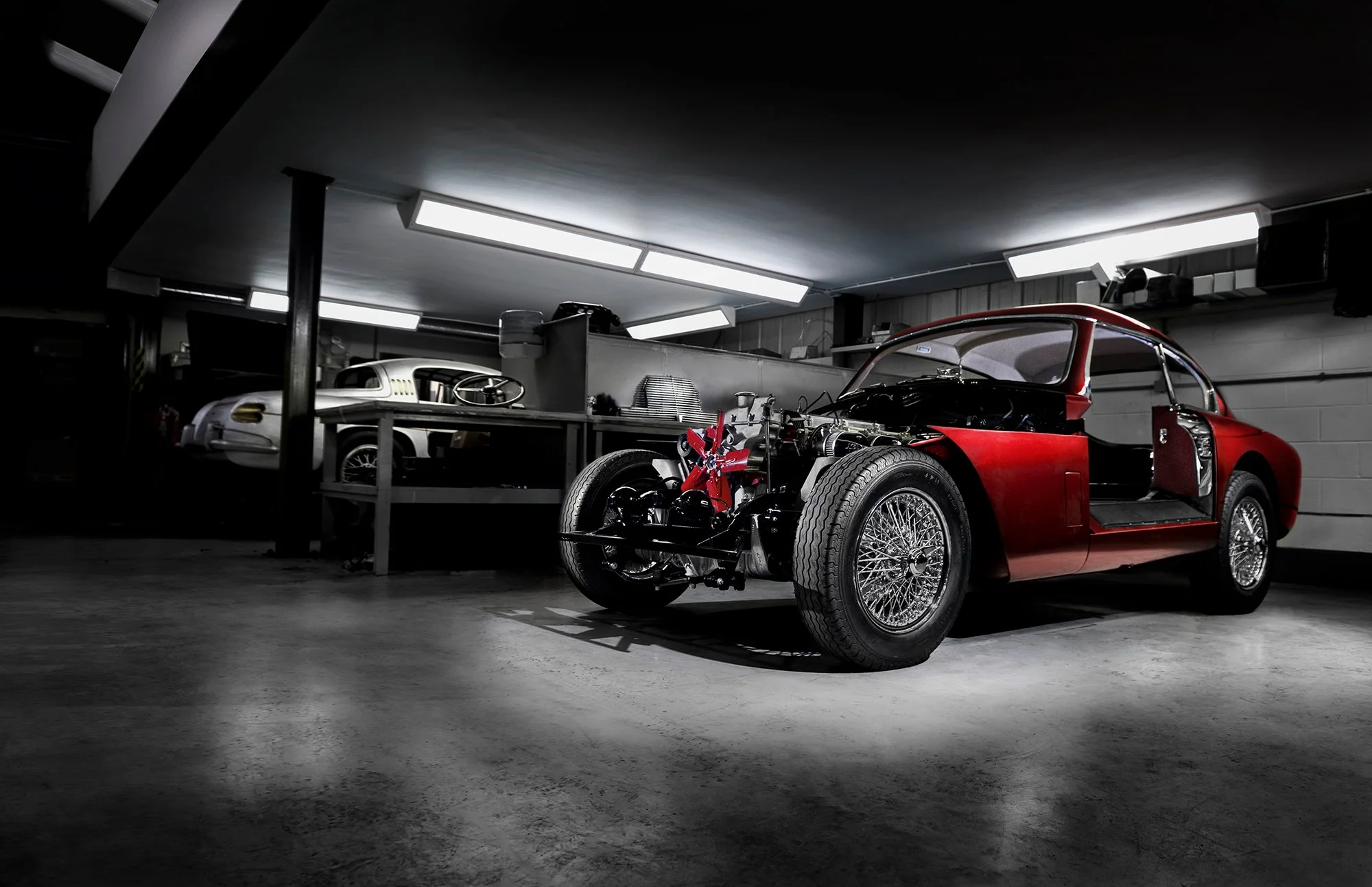
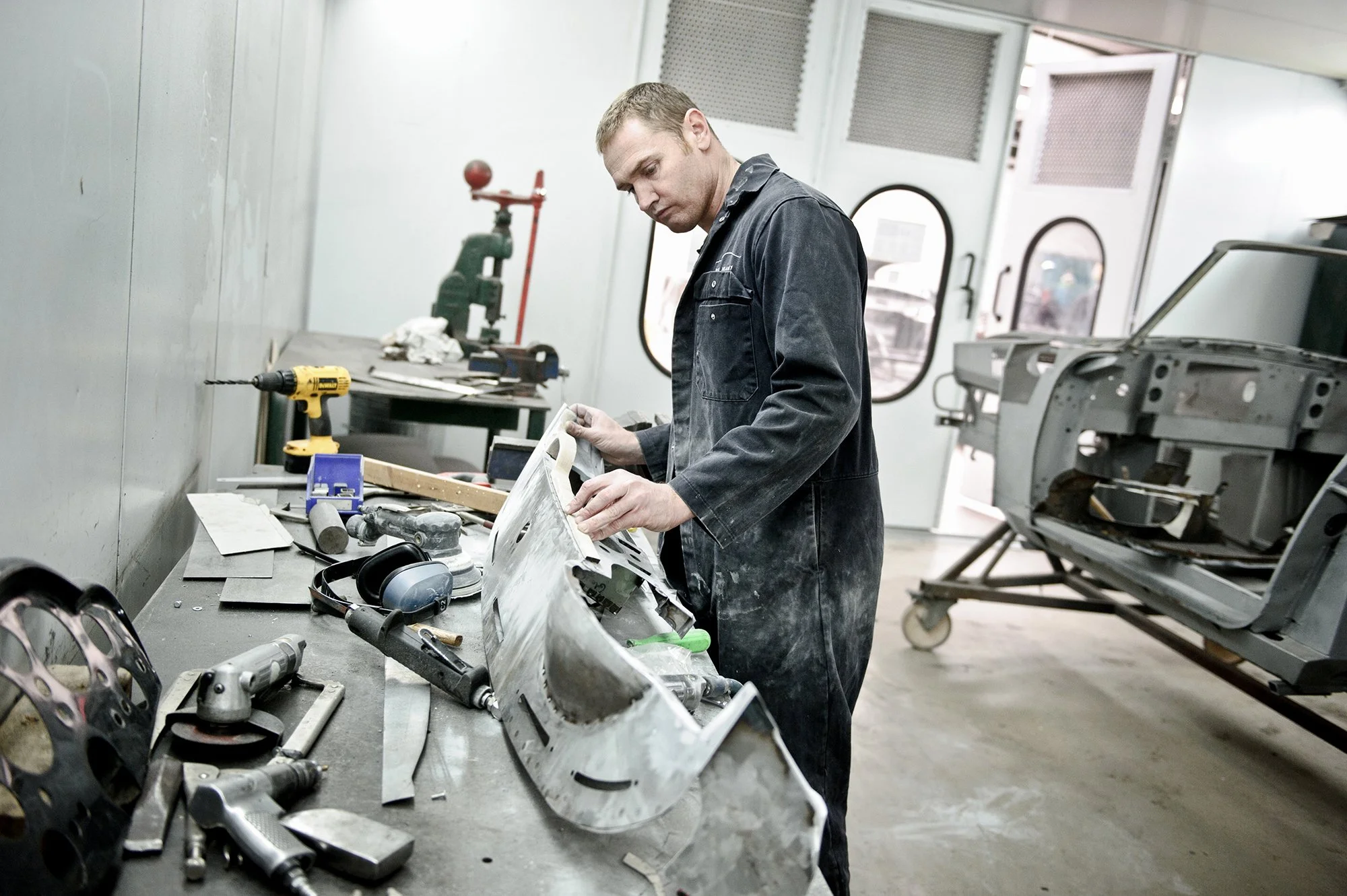
Restoration is another matter entirely. Bringing an early Aston Martin back to a high standard is a specialist undertaking, requiring experienced craftspeople who understand the marque and the expectations of its owners. Bodywork, paint, interior trim, mechanical components and the many smaller details that contribute to a convincing finished car can all demand considerable time and expense. A comprehensive restoration can cost well into six figures, and exceptional projects can exceed £300,000. The important point is that the cost of restoration does not automatically translate into an equivalent increase in market value.
The DB2's history is also connected to some important figures in motoring. David Brown himself used an experimental DB2 prototype as his personal road car, while American racing driver and enthusiast Briggs Cunningham was associated with the model through competition. Cunningham raced a DB2 at the inaugural Sebring race meeting in 1950, helping demonstrate the car's sporting credentials on the international stage.
These stories add another layer of interest to the DB2. Every surviving example represents not only a piece of automotive design but also a tangible connection to the people, places and events that shaped Aston Martin during its formative years under David Brown.
From a photographer's perspective, the preservation of these cars is particularly important because their original design details are part of their historical value. The quality of the bodywork, the character of the interior and the way the car sits on its wheels all contribute to its identity. Photographing a restored DB2 is therefore about more than making an attractive image; it is also an opportunity to record the care, craftsmanship and design decisions that have allowed the car to survive.
Seeing the Car Beyond the Camera
Over the years, my work as a car photographer has taken me into the world of some remarkable vehicles, including many Aston Martin models that represent different periods in the company's history. Each commission brings its own challenges, whether I am working in a studio environment, on location or creating a set of images for a client's marketing campaign. Yet one thing remains consistent: the importance of looking carefully at the car before deciding how to photograph it.
It is tempting to think that successful car photography is primarily about having the right camera, the right lenses or the latest lighting equipment. Of course, professional equipment matters, but it is only one part of the process. The real work begins with understanding the subject, recognising what makes it distinctive and deciding how best to translate that into an image. With a car such as the Aston Martin DB2, I would want to preserve the simplicity of its design rather than overwhelm it with visual effects. The shape already contains everything needed to create an engaging photograph. The challenge is to use light and composition to reveal those qualities in a way that feels natural, considered and visually compelling.
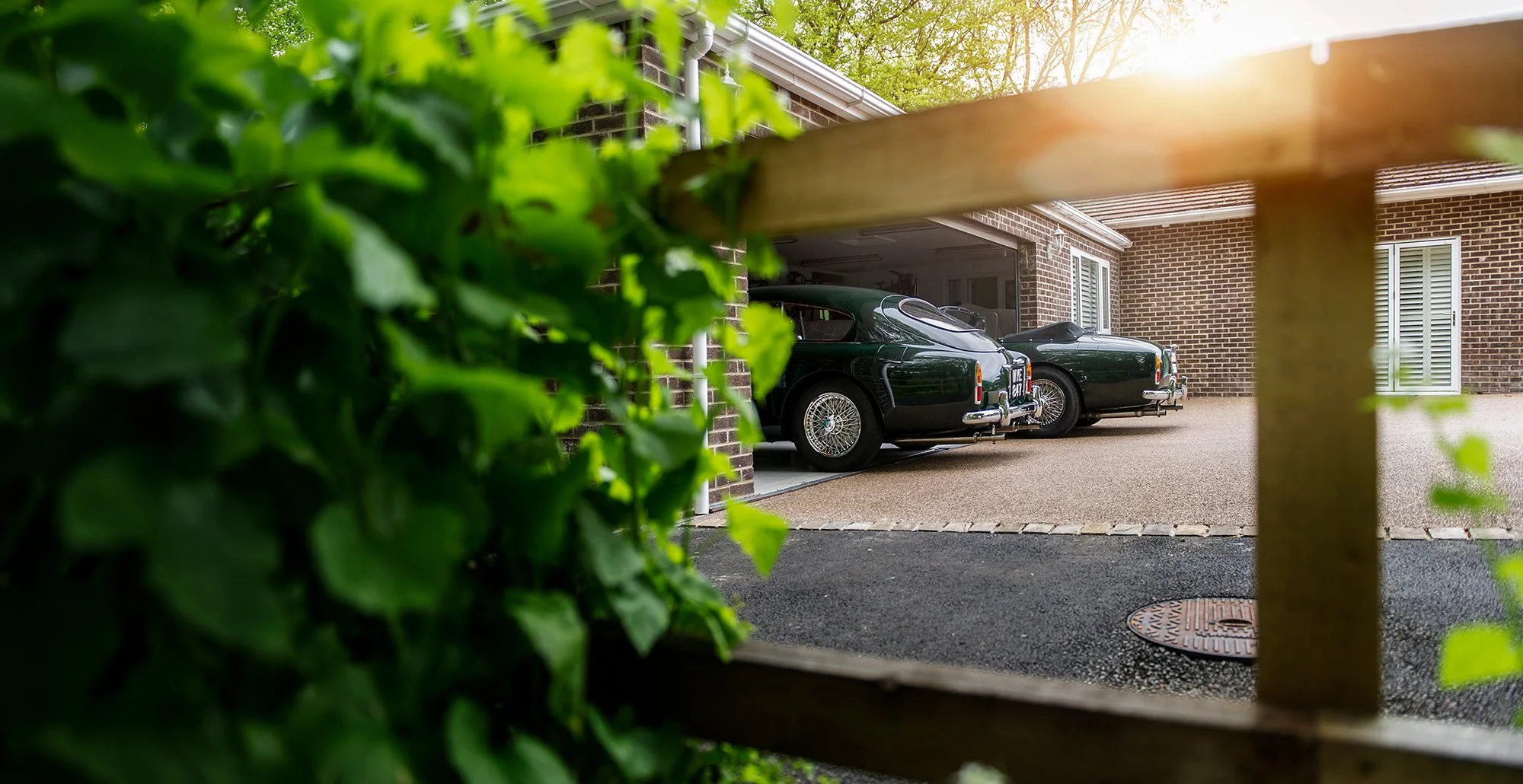
Light is particularly important because it allows us to read the surface of a car. A carefully positioned source of light can reveal the curvature of a wing, separate one surface from another and create a gradual transition across the bodywork. Equally, a poorly controlled reflection can interrupt the shape or draw attention away from the design. Understanding these subtleties is one of the reasons professional car photography requires both technical knowledge and a strong visual instinct.
My aim is always to create photographs that feel as though they have a purpose. For a manufacturer, that might mean producing imagery that communicates design quality and reinforces a brand's identity. For a specialist automotive business, it could mean presenting a vehicle in a way that reflects the level of craftsmanship involved in its creation or restoration. For an editorial assignment, the photographs may need to tell a wider story about the car and its place in motoring history.
The Aston Martin DB2 is an excellent example of why this approach matters. Its beauty is not dependent on dramatic styling or extravagant details. Much of its appeal comes from the relationship between its individual elements, the flow of its bodywork and the way its proportions come together as a complete form. A successful photograph should allow the viewer to appreciate those qualities rather than distract from them.
After many years working as a professional commercial car photographer, I still find that some of the most effective images come from relatively simple ideas executed with care. It might be the choice of background, the position of the car, the direction of the light or a small adjustment to the camera angle. These decisions can make an enormous difference to the final result, particularly when photographing vehicles with such a strong design identity. For clients commissioning professional car photography, this is where experience becomes valuable. It is not simply about producing a collection of attractive pictures, but about creating imagery that communicates the right message, presents the subject at its best and works effectively across websites, brochures, advertising and wider marketing campaigns.
The Aston Martin DB2 remains a wonderful reminder of what can be achieved when thoughtful design and genuine sporting character come together. It helped establish a name that would become synonymous with British automotive elegance, and its influence can still be felt in the cars that followed.
For me, photographing a car like this is an opportunity to look beyond the badge and the history and concentrate on the design itself. To find the lines, the surfaces and the interplay of light that make the car special. Ultimately, that is what continues to interest me about car photography: the opportunity to take something that has been carefully designed and crafted, and create an image that allows someone else to appreciate its beauty in an entirely new way.
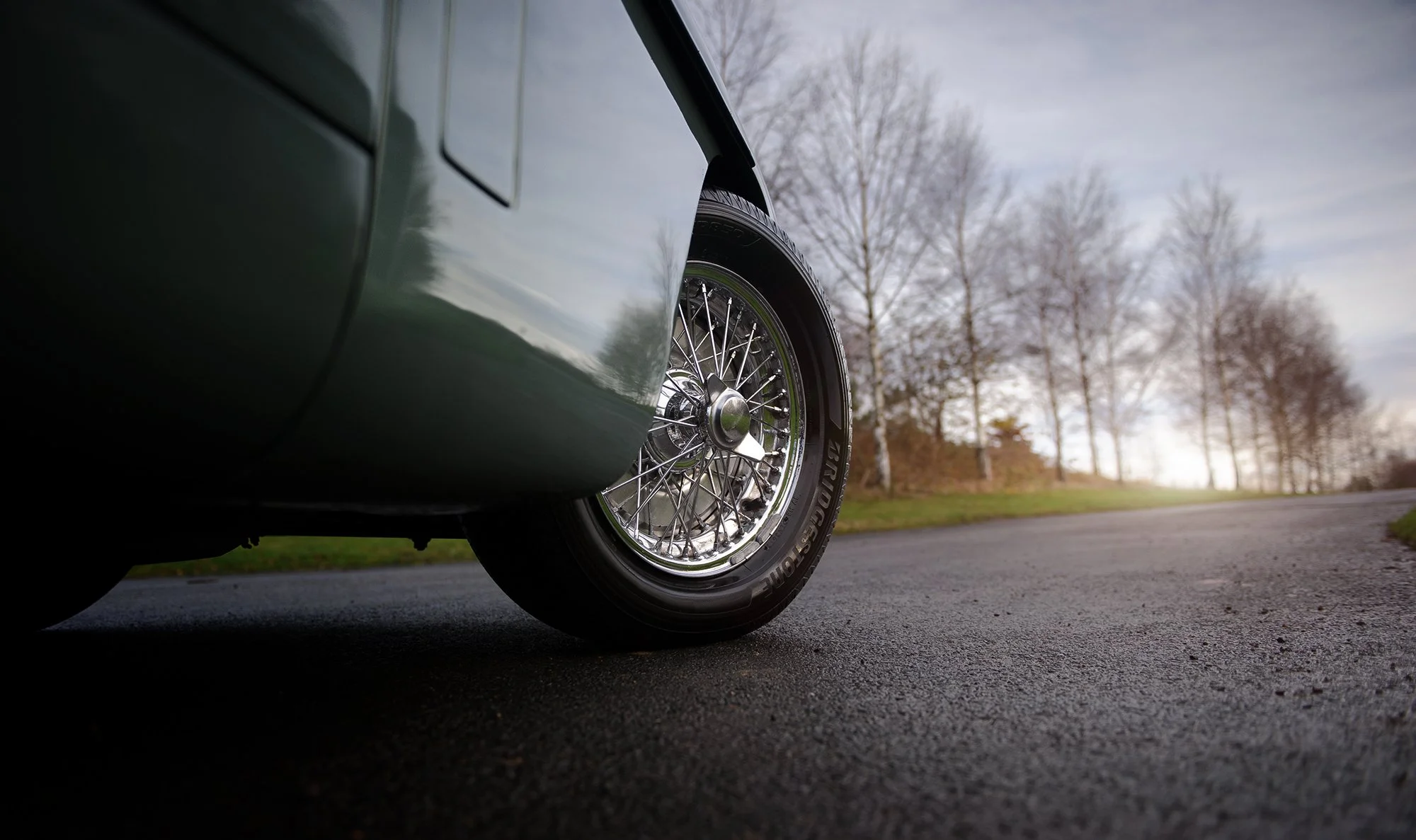
Driven by Light - A guide to Car Photography
If you are interested in understanding more about Car Photography please visit our dedicated guide.
What does it take to build a career in commercial car photography?
What’s the best way to learn about lighting?
And what did my journey into it look like when I started out?