

The Flying Predator
Boeing AH-64 Apache: An Extraordinary Attack Helicopter
Few helicopters possess the same commanding presence as the Boeing AH-64 Apache. With its unmistakable silhouette, aggressive stance and remarkable ability to operate in environments where few other aircraft could venture, the Apache is one of the most distinctive military helicopters ever built. It is an aircraft designed around a very specific purpose, yet its engineering, history and sheer visual character have helped make it fascinating to aviation enthusiasts around the world.
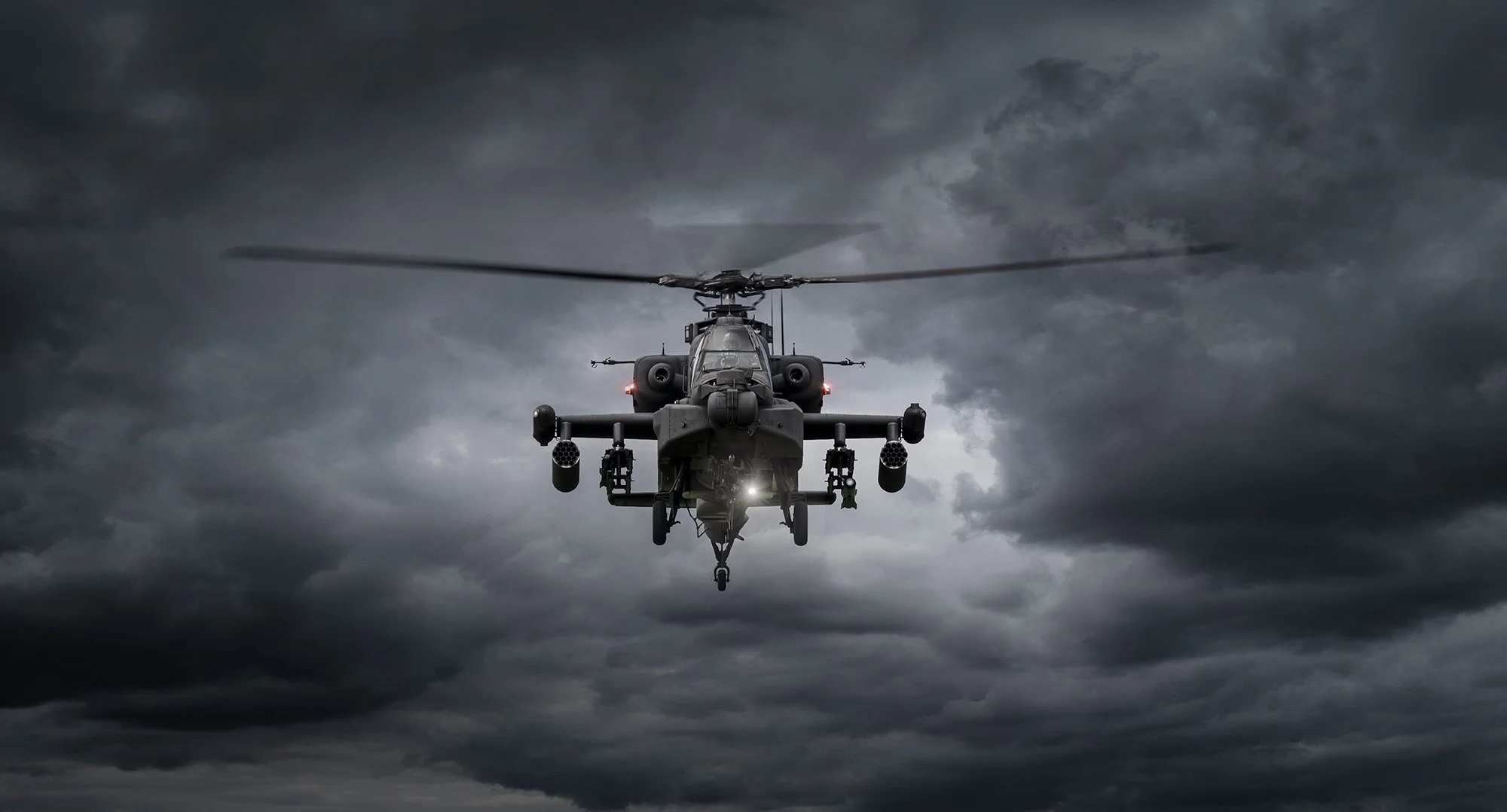
The Apache is far more than a helicopter carrying an impressive collection of equipment. It represents decades of development in military aviation, combining the ability to operate close to the ground with advanced sensors, exceptional manoeuvrability and the technology needed to function in some of the most demanding conditions imaginable. From its beginnings during the Cold War to the latest versions operating with armed forces across the world, the Apache has continually evolved while retaining the distinctive character that makes it so instantly recognisable, for anyone interested in aviation, it is an aircraft that deserves a closer look.
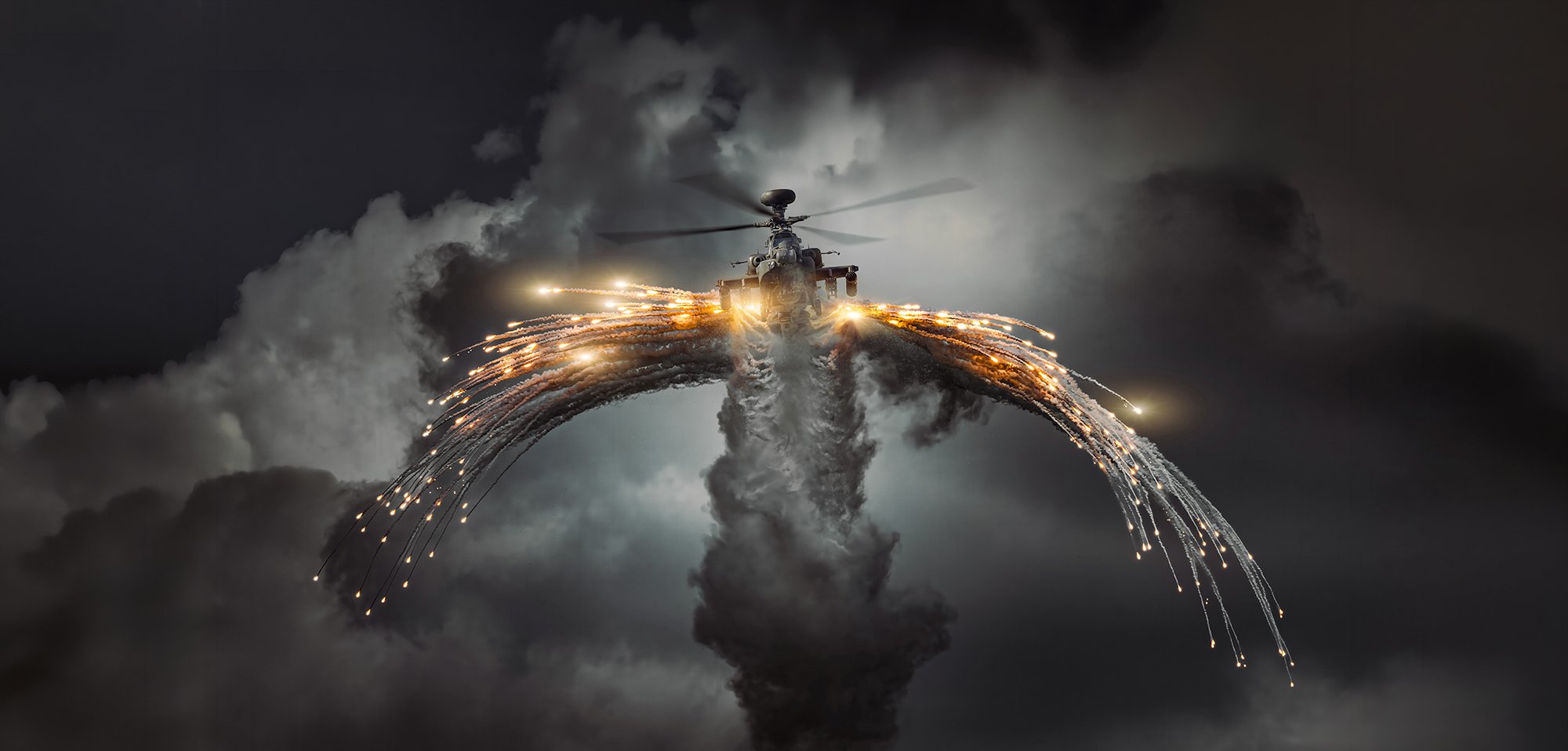
The Birth of an Aviation Icon
The story of the AH-64 Apache begins in the early 1970s, during a period when military planners were looking for new ways to protect ground forces and respond to the changing nature of modern warfare. The Cold War was driving significant developments in military technology, and the appearance of increasingly capable, armoured vehicles created a demand for an aircraft that could identify and engage ground targets while remaining highly mobile.
Helicopters offered an important advantage over conventional aircraft. They could fly at relatively low altitudes, use terrain to conceal their approach and operate without the need for a conventional runway. However, the next generation of military helicopters would need to be considerably more capable than the machines that had come before them. The United States Army began its Advanced Attack Helicopter programme to find a suitable aircraft, with Hughes Helicopters developing what would become the YAH-64 prototype. The first prototype flew on 30 September 1975, beginning a development journey that would ultimately produce one of the most successful attack helicopters in aviation history.
The design was selected for further development in 1976, and the aircraft progressed through an extensive programme of testing and refinement. In 1982, the US Army approved the Apache for production, with the first production aircraft delivered in January 1984. By this stage, Hughes Helicopters had become part of the wider McDonnell Douglas organisation, which would later itself become part of Boeing.
From the beginning, the Apache was designed to survive in a challenging environment. Its structure, cockpit arrangement and critical systems reflected the reality that an attack helicopter might have to operate in areas where it could be exposed to hostile fire. This was not an aircraft designed simply to fly quickly from one location to another. It was intended to combine mobility, protection, observation and firepower in a single platform. One of the most interesting aspects of the Apache is how deliberately its appearance reflects that role. The narrow forward fuselage, stepped cockpit, substantial rotor system and compact, purposeful proportions give it an unmistakable profile. Unlike a transport helicopter, which must accommodate passengers or cargo, the Apache is shaped around its crew, its sensors and its mission equipment.
The result is an aircraft that looks purposeful even when sitting motionless on a flight line. Its design has a certain visual honesty: almost every major feature appears to serve a practical function. The Apache entered operational service during a period of rapid change in military aviation. It would not take long for the aircraft to demonstrate why the US Army had invested so heavily in its development. Its combination of advanced night-fighting equipment, accurate targeting systems and ability to work closely with ground forces represented a significant step forward from earlier generations of attack helicopters.
What began as a Cold War requirement had become a platform capable of adapting to a much wider range of operational demands. That adaptability would prove central to the Apache's longevity.
What Makes the Apache So Different?
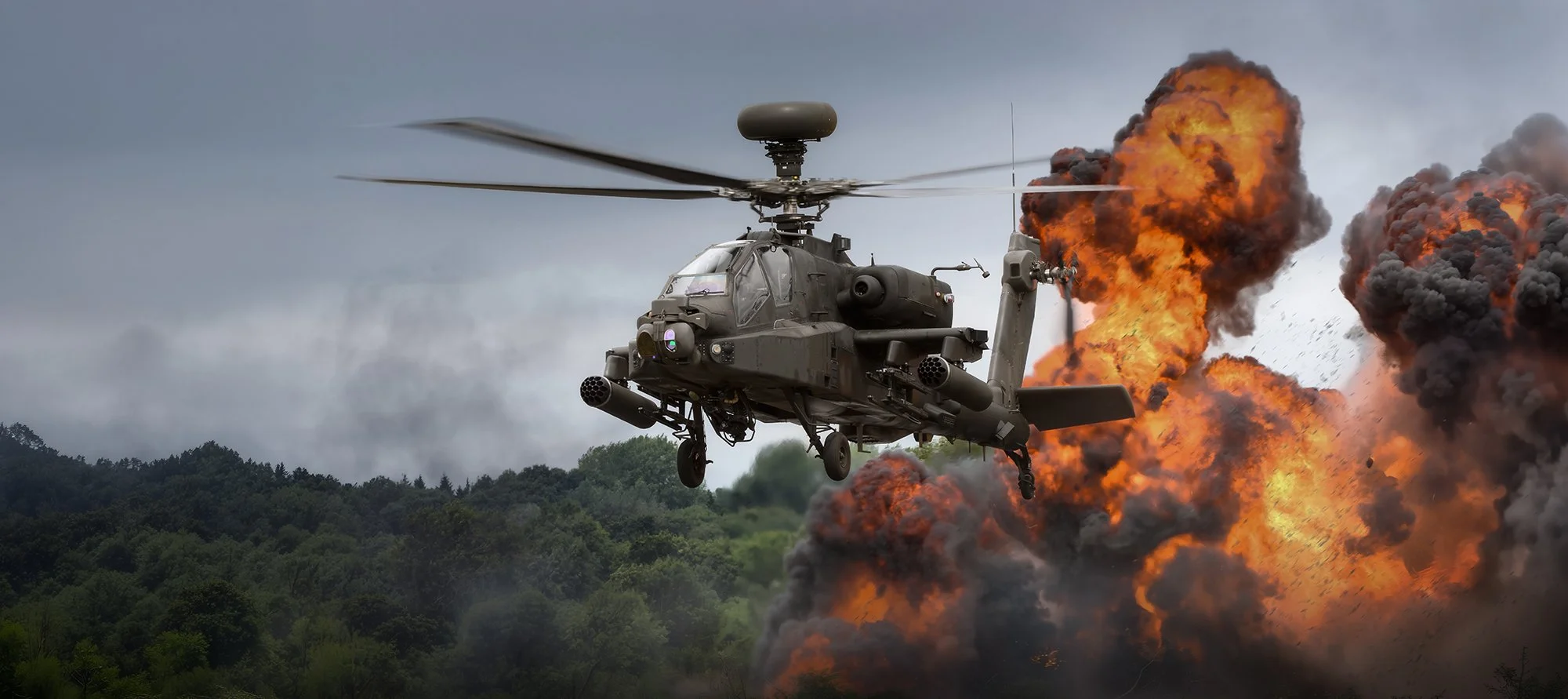
At first glance, the Apache might appear to be simply a heavily armed helicopter. Look a little closer, however, and it becomes clear that its real distinction lies in the way its various systems work together. The AH-64 is a twin-engine attack helicopter with a four-bladed main rotor and a tandem cockpit, meaning that its two crew members sit one behind the other rather than side by side. The pilot occupies the rear position, while the co-pilot gunner sits in the front. This arrangement gives both crew members their own working environment while keeping the aircraft's forward profile relatively narrow.
It is a configuration that immediately sets the Apache apart from many conventional helicopters. Rather than being designed primarily to carry people or supplies, its cockpit and fuselage are arranged around the demanding task of operating an attack aircraft at low altitude and in close cooperation with other military units. The crew arrangement is only part of the story. One of the Apache's most important features is its ability to gather and interpret information about the environment around it. Modern versions incorporate sophisticated optical and infrared sensors, allowing the crew to observe their surroundings in darkness and in conditions where ordinary vision would be limited.
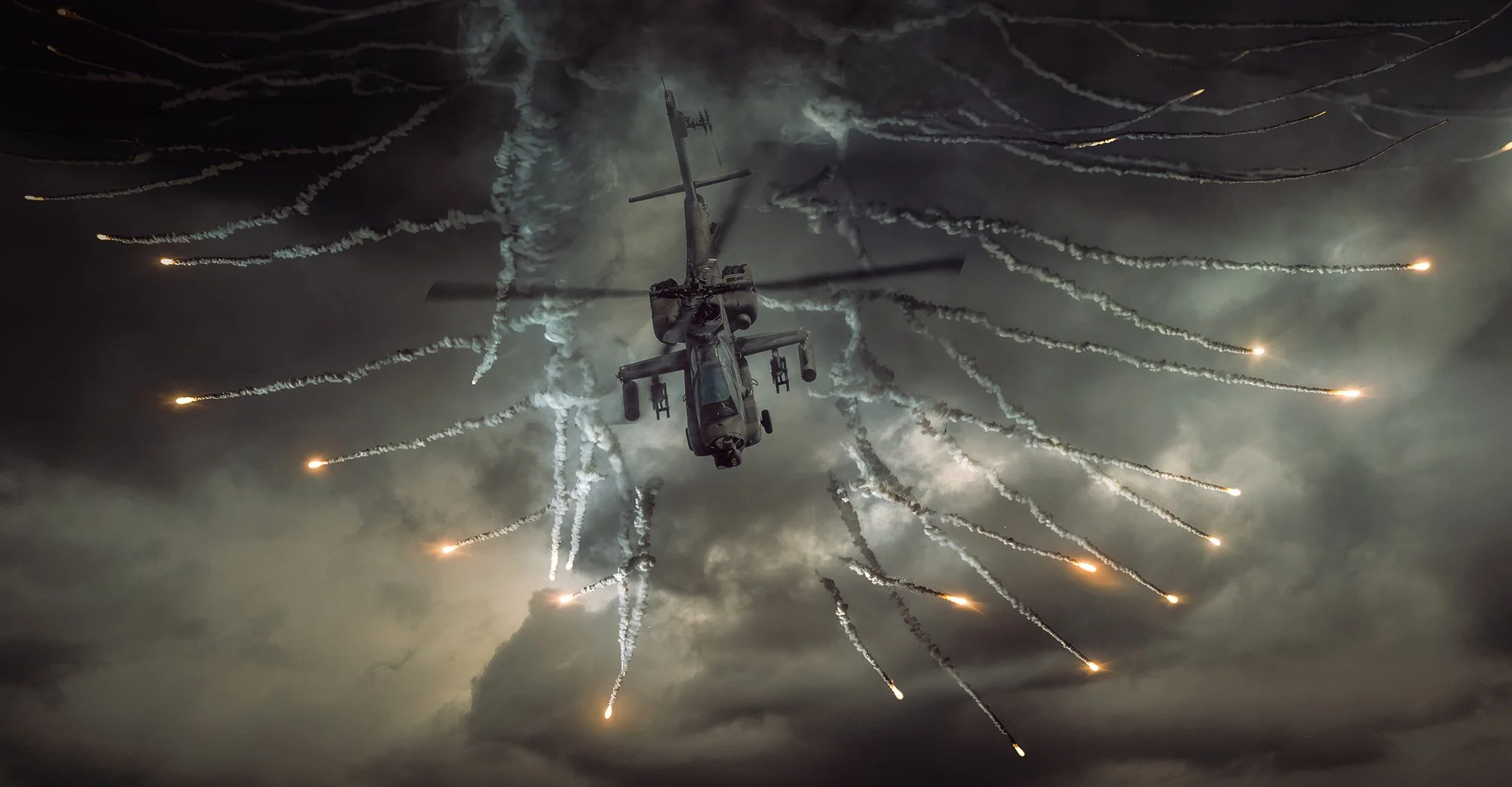
This ability to operate effectively at night was a particularly important advance when the original Apache entered service. Darkness, which had traditionally complicated military aviation, could become an advantage for a crew equipped with the right sensors and training. The aircraft's combination of night-vision equipment, targeting systems and onboard technology helped establish its reputation as a formidable all-weather fighting platform.
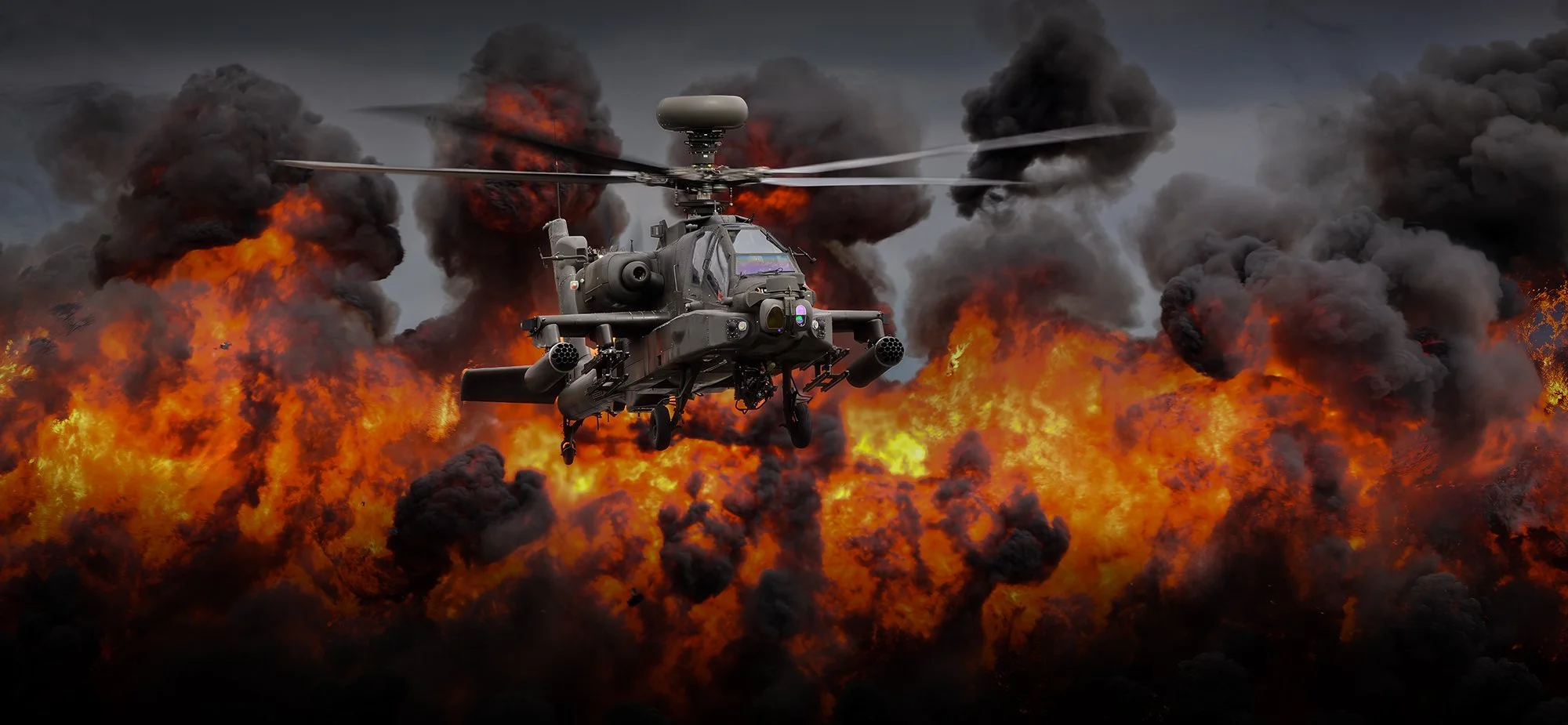
The later AH-64D Apache Longbow took this concept further. Introduced through a major programme of improvements, the Longbow variant featured a distinctive radar mounted above the main rotor. This unusual installation is one of the easiest ways to identify the aircraft in photographs. Positioning the radar above the rotor allowed it to scan for potential targets while much of the helicopter remained concealed behind terrain or other obstacles. In practical terms, it gave the Apache another way to gather information without necessarily exposing the entire aircraft. Combined with improved avionics and fire-control systems, it represented a substantial development in the helicopter's capabilities.
The Apache also carries an integrated 30mm automatic cannon beneath the forward fuselage, along with weapon stations on short wings attached to either side of the aircraft. These wings distinguish it from many other helicopters and provide space for different combinations of mission equipment and weapons. Visually, they contribute to the Apache's broad, muscular appearance. They also demonstrate how its design differs from a helicopter built primarily for transport, rescue or general utility work. Every part of the aircraft has been influenced by the need to combine observation, mobility and combat capability.
Power comes from two turbine engines, providing the performance needed to carry the aircraft, its crew and its mission equipment. The twin-engine arrangement also contributes to its operational resilience, although, as with any aircraft, performance and safety depend on many factors beyond the number of engines alone. Perhaps the most remarkable characteristic of the Apache is the way it can use its manoeuvrability to work with the landscape. Unlike a fast-moving jet, which often operates at considerably higher speeds and altitudes, an attack helicopter can fly close to the ground, use changes in terrain to its advantage and move between observation points with considerable flexibility.
This ability does not make it invulnerable. The modern battlefield remains a dangerous environment for helicopters, and the Apache must contend with changing threats, including increasingly sophisticated air-defence systems. Its design and equipment have therefore continued to evolve to improve awareness, survivability and the ability to operate alongside other forces. The Apache is a reminder that the most important aviation advances are not always about speed or altitude. Sometimes, the greatest achievement is the ability to combine several demanding roles within one carefully developed aircraft.
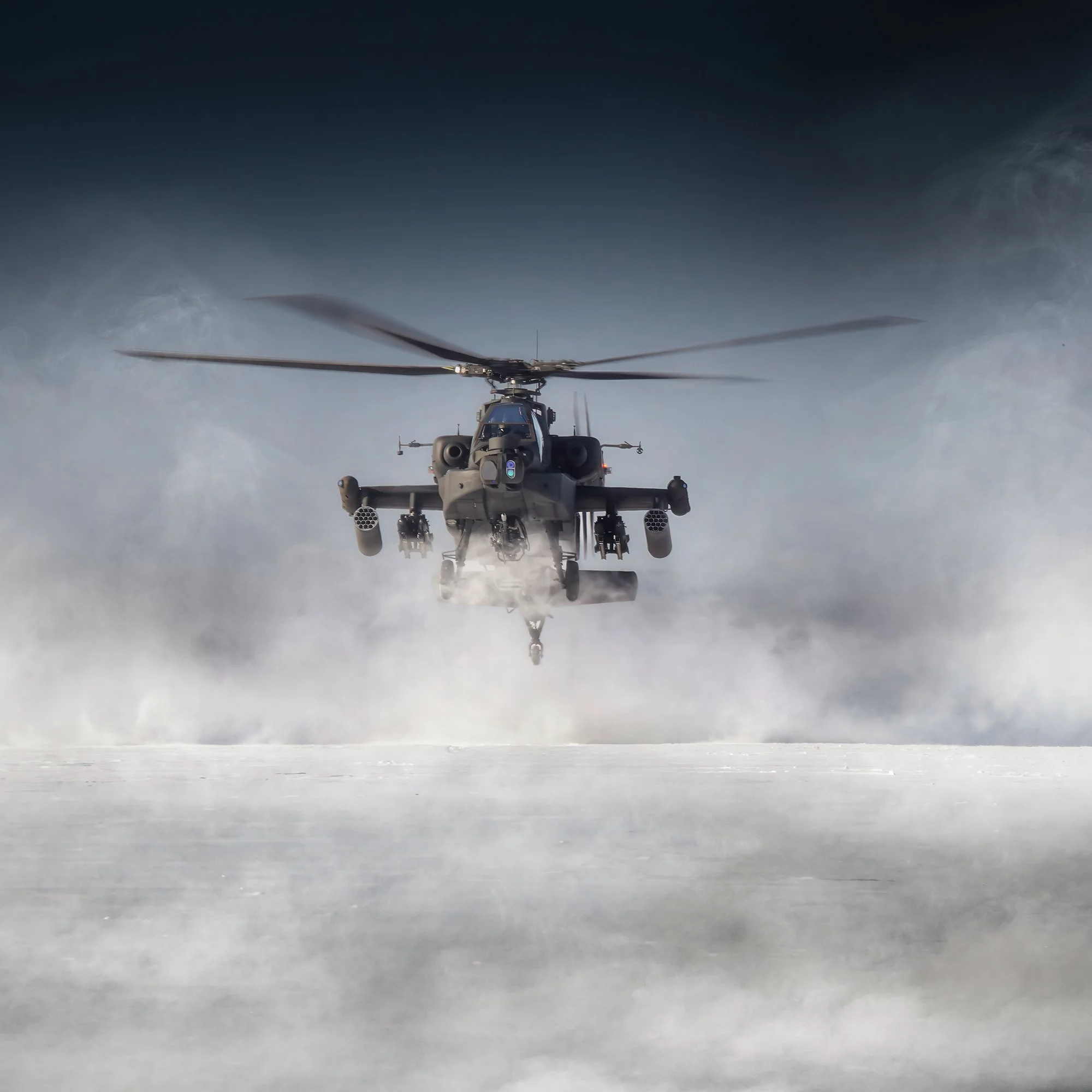
From The Gulf War to a New Generation
The Apache's reputation was established through decades of operational service, beginning with its first major combat deployment in the late 1980s and continuing through conflicts and military operations around the world. One of its most widely recognised early milestones came during the 1991 Gulf War. US Army Apache’s were involved in the opening attacks of Operation Desert Storm, demonstrating the role that attack helicopters could play in a modern, coordinated military campaign. Their ability to operate at low altitude and engage ground targets made them an important part of the wider operation.
The Gulf War helped bring the Apache to the attention of a much broader international audience. Images of the aircraft, with its distinctive nose, raised cockpit and rotor-mounted Longbow radar on later versions, became familiar to aviation enthusiasts and the general public alike. Its operational history continued through subsequent deployments, including operations in Afghanistan and Iraq. The missions undertaken by Apaches have varied according to the requirements of individual operations, encompassing armed reconnaissance, support for ground forces, escort duties and the protection of other aircraft.
This range of roles is an important part of the helicopter's story. Although it was originally developed with a particular emphasis on countering armoured threats, the Apache has proved adaptable to changing operational environments. Its sensors, communications and targeting equipment have developed alongside its airframe, helping crews work with other aircraft and forces on the ground. The Apache has also become an international aircraft. A growing number of nations have selected it for their armed forces, reflecting its established reputation and the substantial training, maintenance and support infrastructure built around the type.
The British Army is among its operators, and the helicopter has become a familiar sight at military aviation events in the United Kingdom. The British fleet has progressed through earlier Apache variants to the AH-64E, a significantly updated version designed to improve performance and operational capability. In March 2025, the UK's Defence Equipment and Support organisation confirmed the handover of the 50th and final AH-64E for the British Army's new fleet. The aircraft were built in the United States, with the operational fleet based at Wattisham Flying Station in Suffolk and the training fleet at the Army Aviation Centre in Middle Wallop, Hampshire.
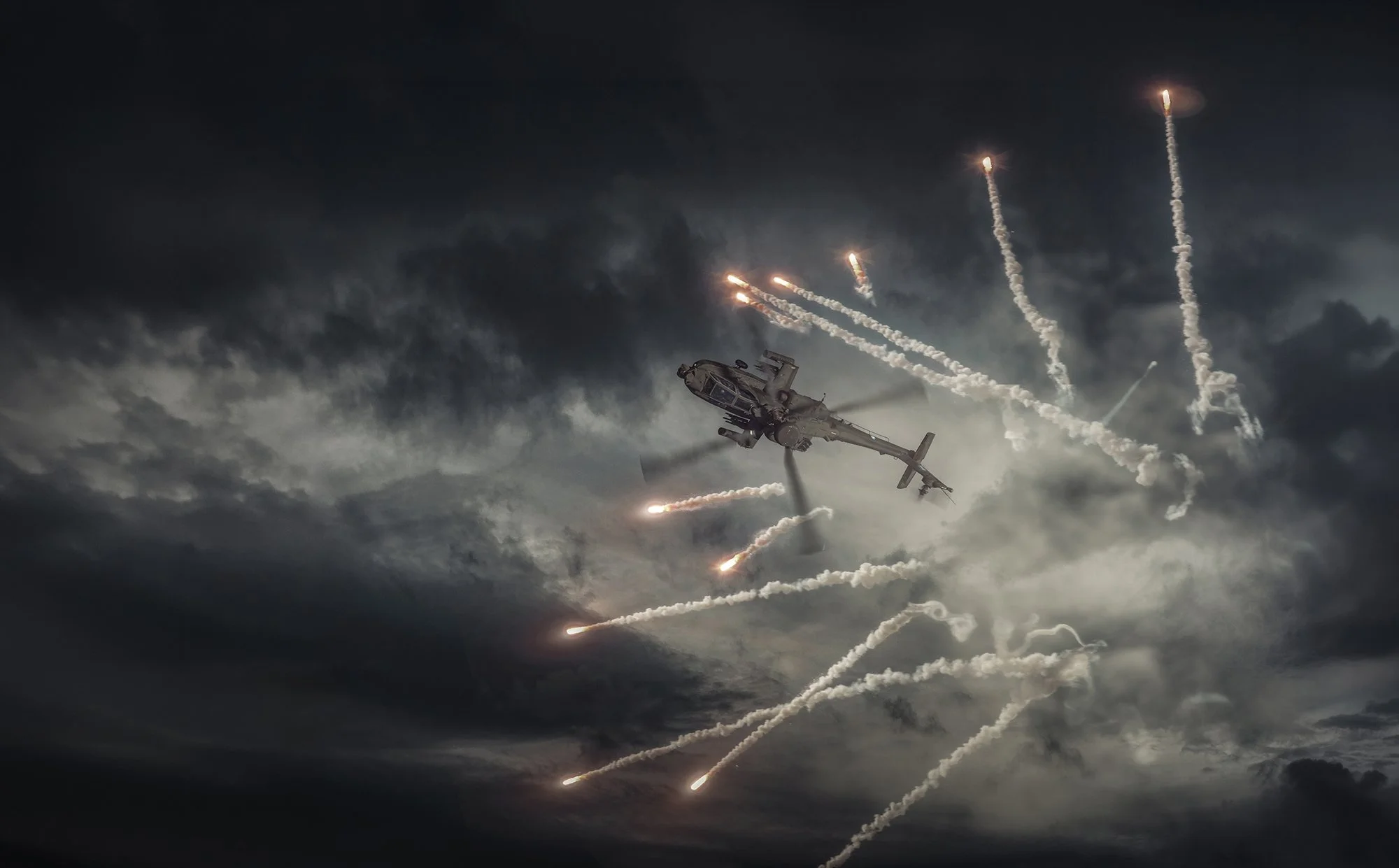
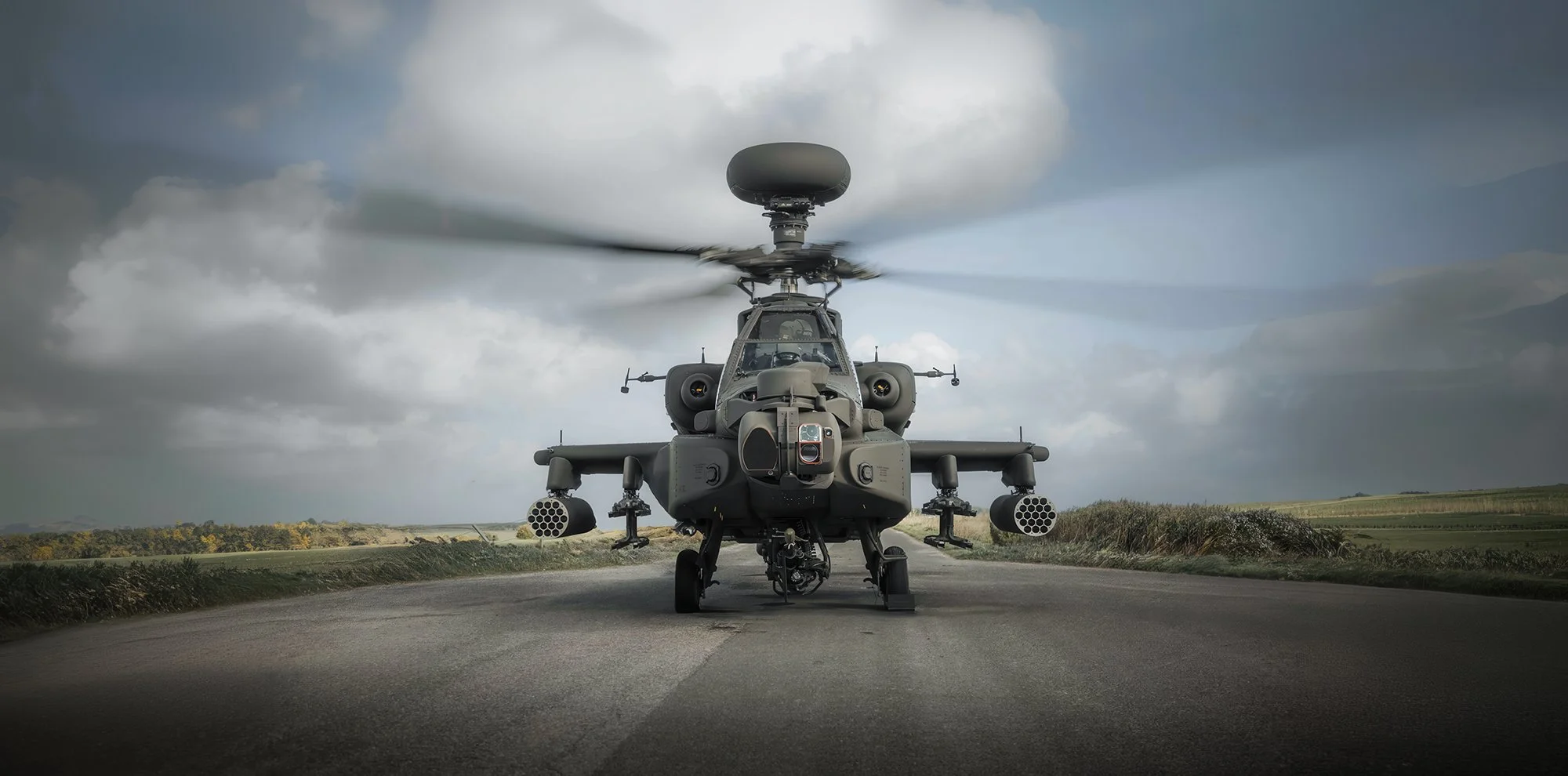
The AH-64E demonstrates how a successful aircraft can continue to evolve without losing its essential identity. It incorporates improvements to propulsion, avionics, sensors and communications, allowing it to meet the demands of a modern operating environment. Although it retains the familiar Apache outline, the aircraft beneath that familiar shape is the product of decades of development. That is one of the most impressive aspects of the Apache programme. The original AH-64A entered service in 1984, yet the platform has continued to receive major upgrades rather than simply disappearing as newer designs emerge. Boeing reports that more than 1,300 Apache’s are operating around the world, with the aircraft in service with numerous international customers. The company's current AH-64E programme is intended to keep the helicopter relevant for decades to come, with further development focused on improved capabilities and cooperation with other systems, including uncrewed aircraft.
For an aircraft that first flew half a century ago, that is a remarkable story of longevity. The Apache's future will depend on how well it continues to adapt to new threats and changing military requirements, but its continued development illustrates the value of a strong original design supported by sustained investment.
There is also something particularly compelling about the Apache from an aviation enthusiast's perspective. Modern aircraft can sometimes become difficult to distinguish from one another, especially when viewed at a distance. The Apache has never really suffered from that problem. Its silhouette is instantly recognisable, whether seen hovering above a runway, manoeuvring across a landscape or sitting beneath the lights of an aircraft hangar.
It has presence, but that presence is not simply the result of its weapons or its military reputation. It comes from the way its shape communicates its purpose. The long rotor blades, compact fuselage, stepped cockpit and unusual sensor installations make it a fascinating subject for anyone interested in aircraft design.
The Boeing AH-64 Apache is ultimately an example of how engineering, operational experience and continuous development can combine to create an enduring aviation icon. It has evolved considerably since the first prototype took to the air in 1975, yet it remains unmistakably the same aircraft in spirit.
More than four decades after entering operational service, the Apache continues to occupy an important place in military aviation. It is powerful, highly specialised and technologically sophisticated, but perhaps its greatest achievement is its ability to remain relevant in a world where the demands placed on military aircraft never stand still.
For all its advanced systems and remarkable capabilities, the Apache remains easy to recognise for what it is: a helicopter designed with an extraordinary sense of purpose. That combination of history, engineering and unmistakable character is what makes it such a fascinating aircraft to explore.