When Reality Becomes Your Greatest Marketing Asset
Why authenticity, trust and commercial photography matter more than ever in the age of Artificial Intelligence "In an age where almost anything can be created, the businesses that will stand apart are those that can still prove something far more valuable: that what they do, who they are and the trust they have earned is real."
For more than twenty years, I have had the privilege of photographing businesses that build remarkable things. My work has taken me inside some of Europe's largest engineering facilities, onto active airfields, into advanced manufacturing plants and alongside organisations whose reputations have been built through decades of innovation, precision and expertise. Whether working with automotive manufacturers, commercial vehicle companies, aviation organisations or specialist engineering businesses, I have always found myself surrounded by people who care deeply about the quality of what they produce and the standards they uphold.
Although the industries have varied enormously, one observation has remained remarkably consistent throughout my career. My clients have never commissioned me simply because they needed professional photographs. What they were really investing in was confidence: confidence that their products would be represented honestly, that their people would be portrayed with professionalism and respect, and that every image would reinforce a reputation they had often spent many years, sometimes generations, building. The camera has always been the tool that enables this, but it has never been the reason clients choose to invest in commercial photography.
That distinction feels particularly significant today because we are entering a period in which the relationship between imagery and trust is beginning to change. Artificial Intelligence has developed at an extraordinary pace, placing increasingly sophisticated image generation into the hands of businesses of every size. Visual concepts that once required weeks of planning, specialist equipment and experienced creative teams can now be produced within minutes, and the quality of those results will continue to improve. Inevitably, this has prompted questions about the future of photography and whether traditional commercial photographers will eventually be replaced by technology.
It is an understandable conversation, but I have gradually come to believe that it asks the wrong question.
The real issue is not whether Artificial Intelligence can create convincing imagery, because it clearly can and will almost certainly become even more capable in the years ahead. The more interesting question is what happens when creating visually impressive images is no longer difficult. History suggests that whenever technology democratises a particular skill, attention shifts elsewhere. Once technical excellence becomes widely available, people begin looking for qualities that cannot be automated quite so easily.
We have seen this pattern repeatedly throughout history. Handmade craftsmanship became more desirable as manufacturing became industrialised. Live performances retained their appeal despite unlimited access to recorded music. Luxury brands continue to command loyalty because authenticity, heritage and trust have become part of the product itself rather than simply attributes of it. In each case, technological progress did not eliminate value; it changed where value was found.
I believe commercial photography is approaching exactly the same point.
As artificial imagery becomes increasingly commonplace, businesses will inevitably need new ways to demonstrate credibility. Customers will continue to appreciate creativity, but they will also become more discerning about what they see, asking not only whether an image is impressive but whether it genuinely represents the organisation behind it. For companies operating in engineering, manufacturing, aviation and other specialist industries, that distinction is particularly important because they are rarely selling products alone. They are selling expertise, reliability and the confidence that they can deliver on every promise they make.
That is why I believe authentic commercial photography is becoming more valuable rather than less. Its purpose has never simply been to create attractive marketing material; its real value lies in helping businesses communicate who they are through images that are grounded in reality. At its best, commercial photography provides evidence. It demonstrates capability, reveals the people behind the products and allows customers to look beyond carefully crafted marketing messages to see the experience, commitment and professionalism that define an organisation.
The irony is that technology may ultimately reinforce this value rather than diminish it. The easier it becomes to create images that could belong to anyone, the more powerful it becomes to show photographs that could belong only to you.
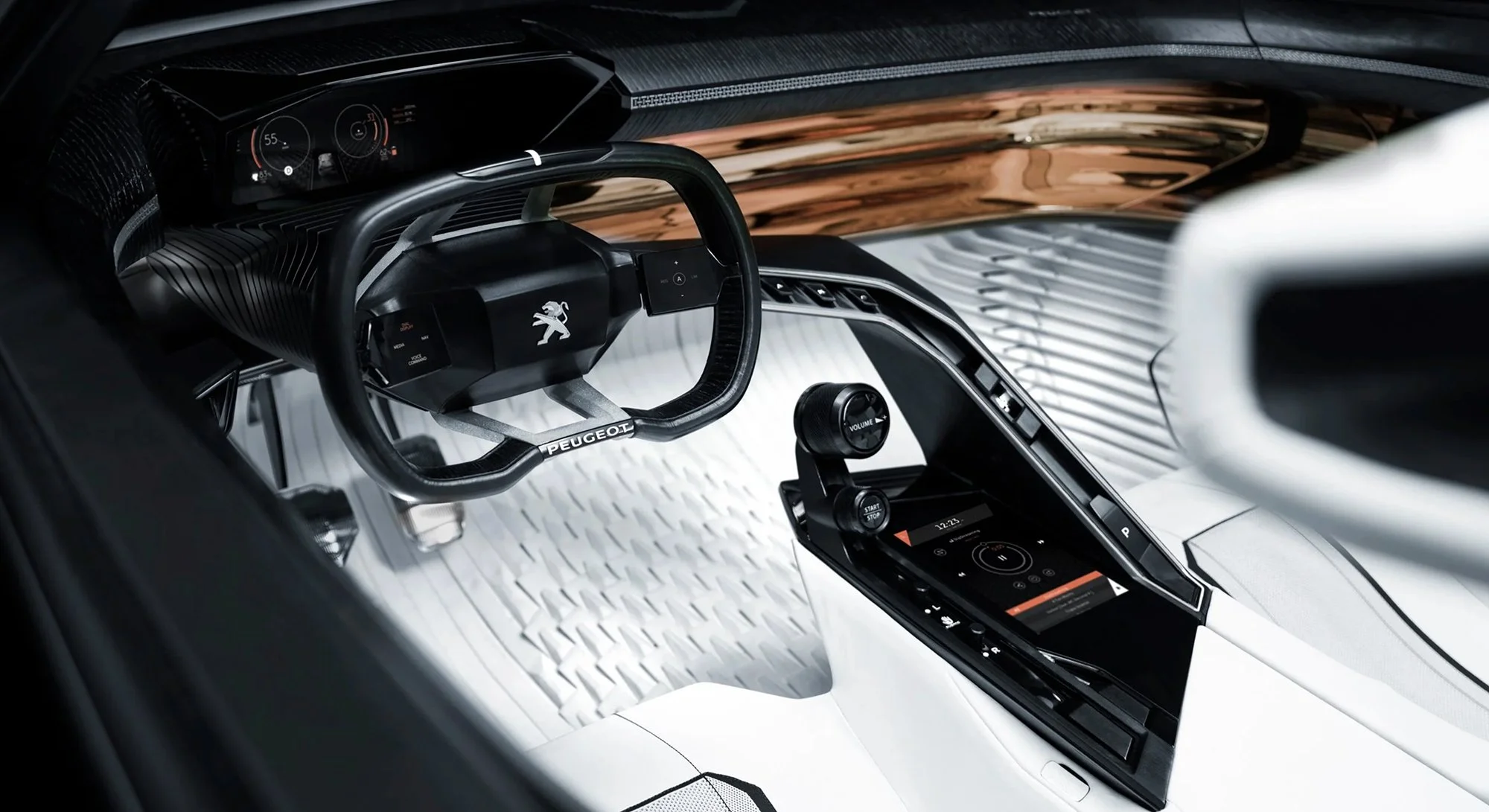
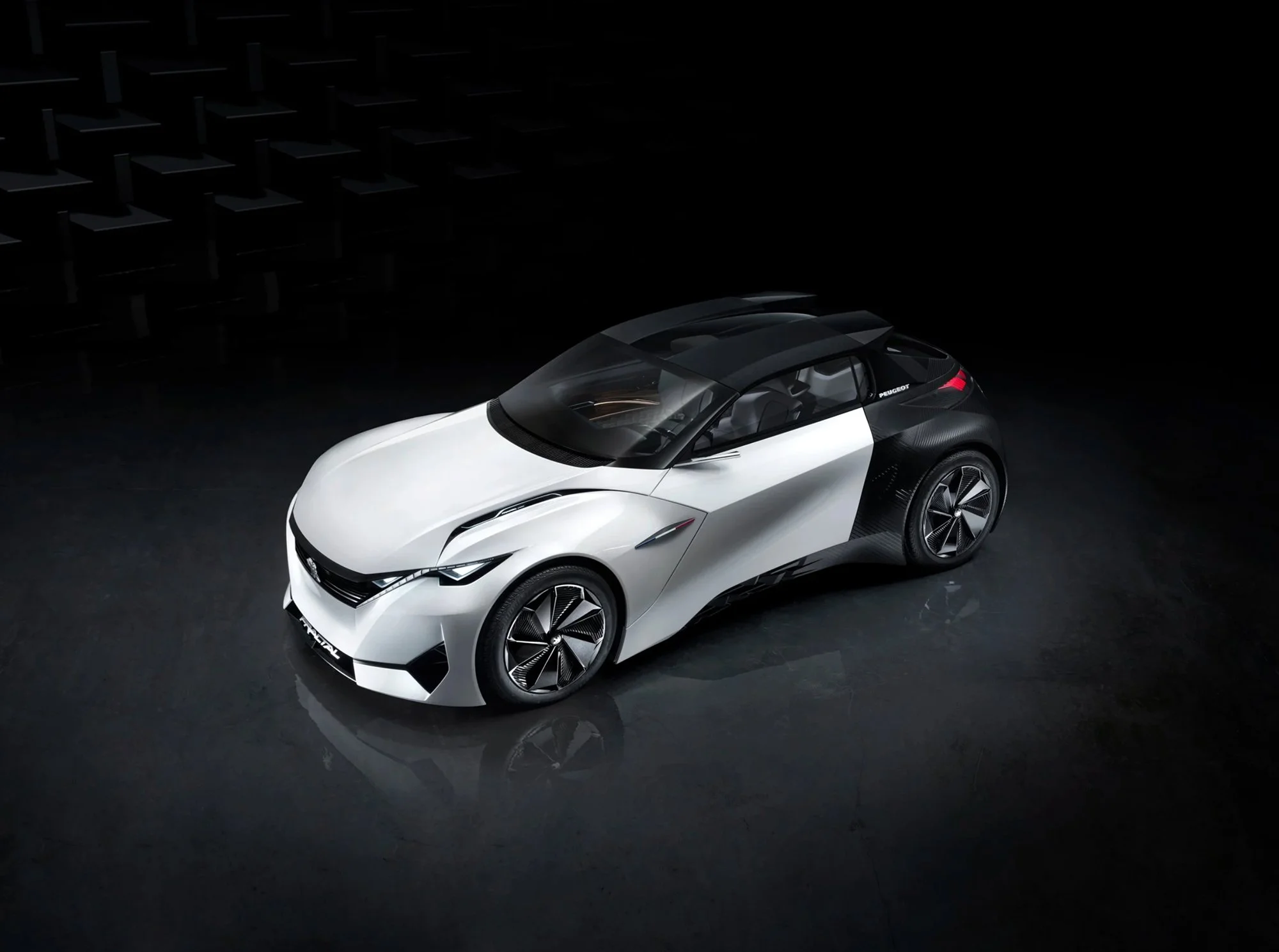
Trust Has Always Been the Product
One of the biggest misconceptions surrounding commercial photography is that clients are paying for photographs. They are not, at least not in the way many people imagine. Exceptional photography is simply the expected standard, much as clients assume an architect understands structural design or an engineer understands precision. Technical competence is the starting point, not the finished product, because the real value lies in understanding a business well enough to represent it with honesty and accuracy.
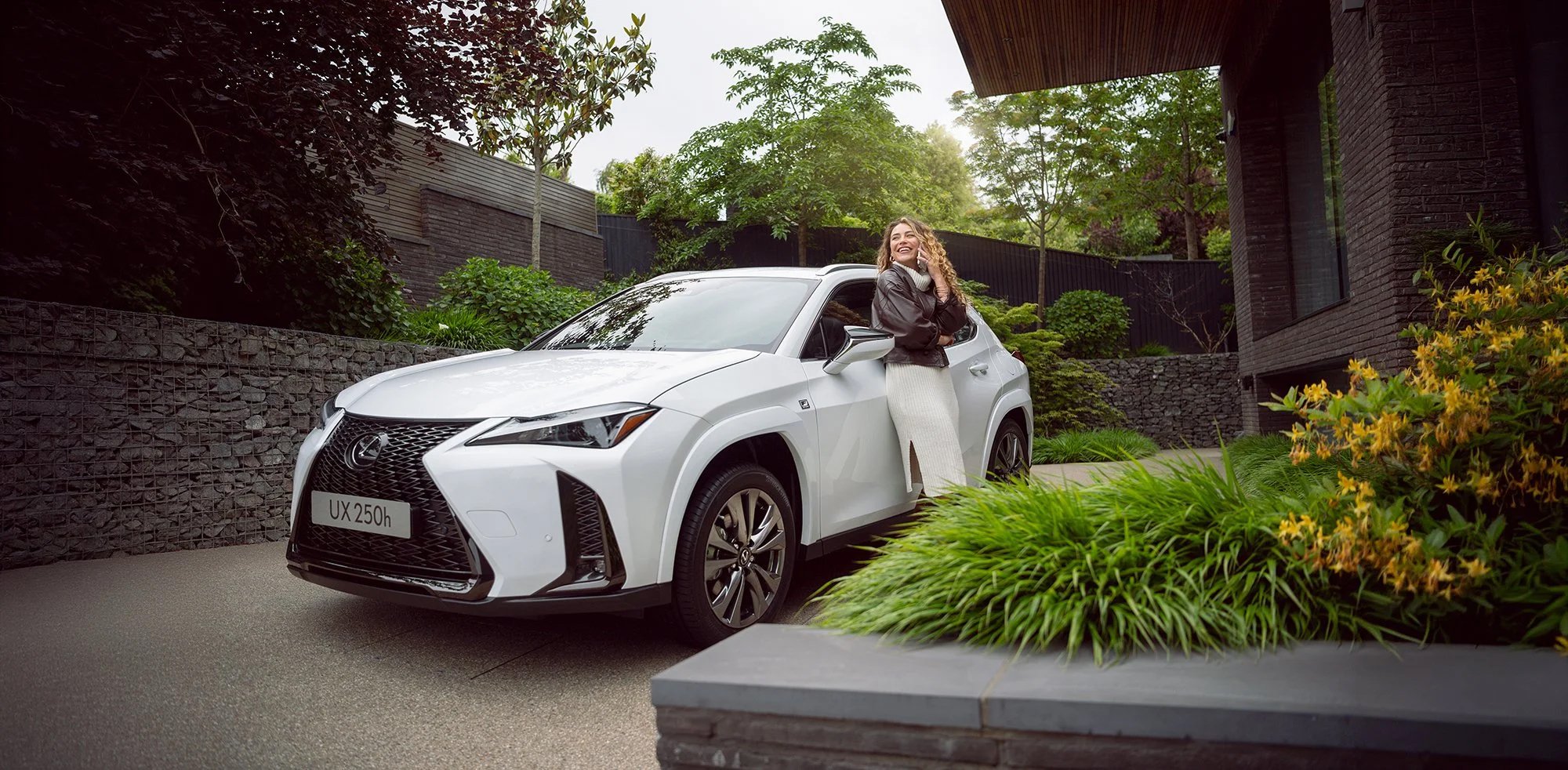
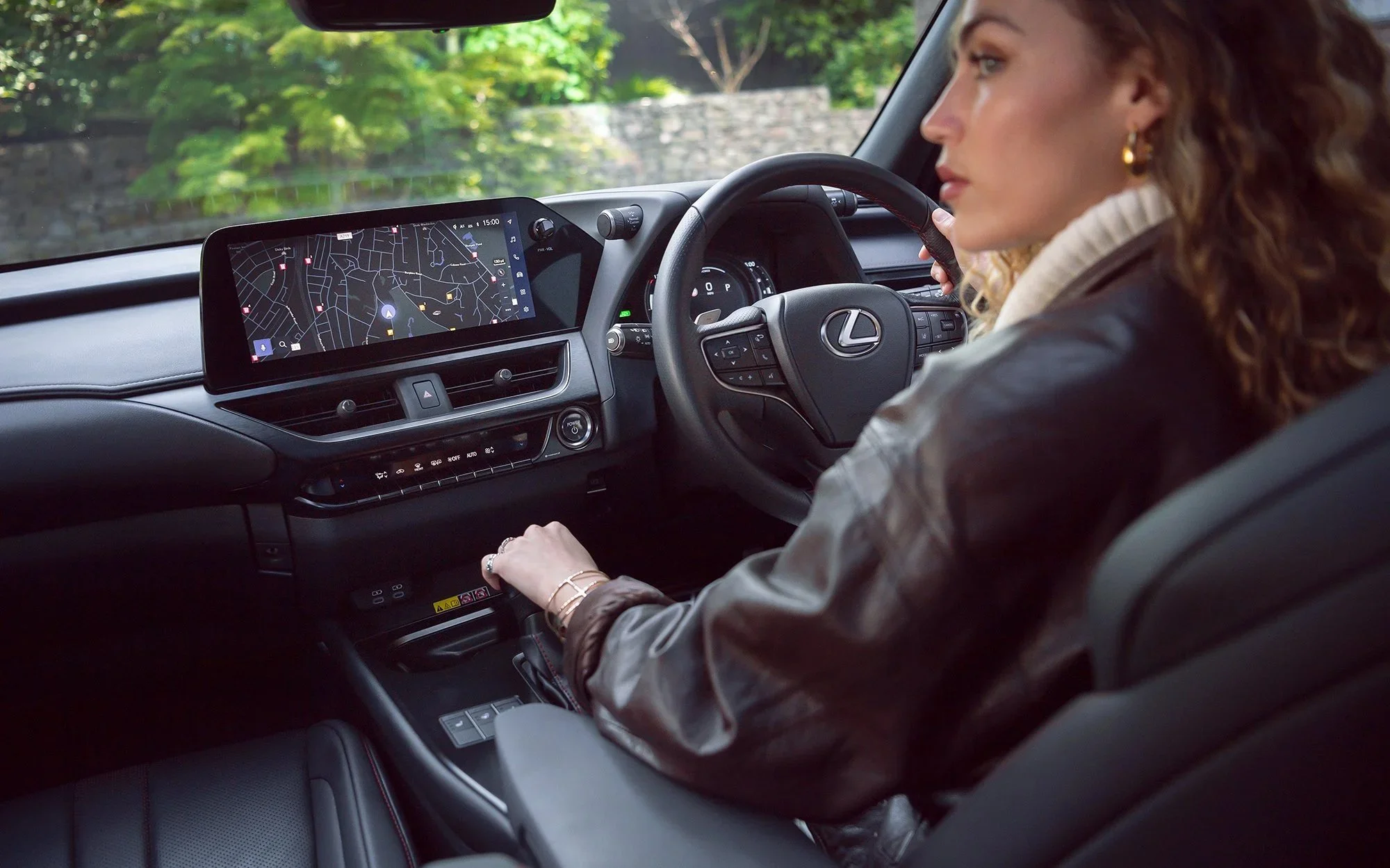
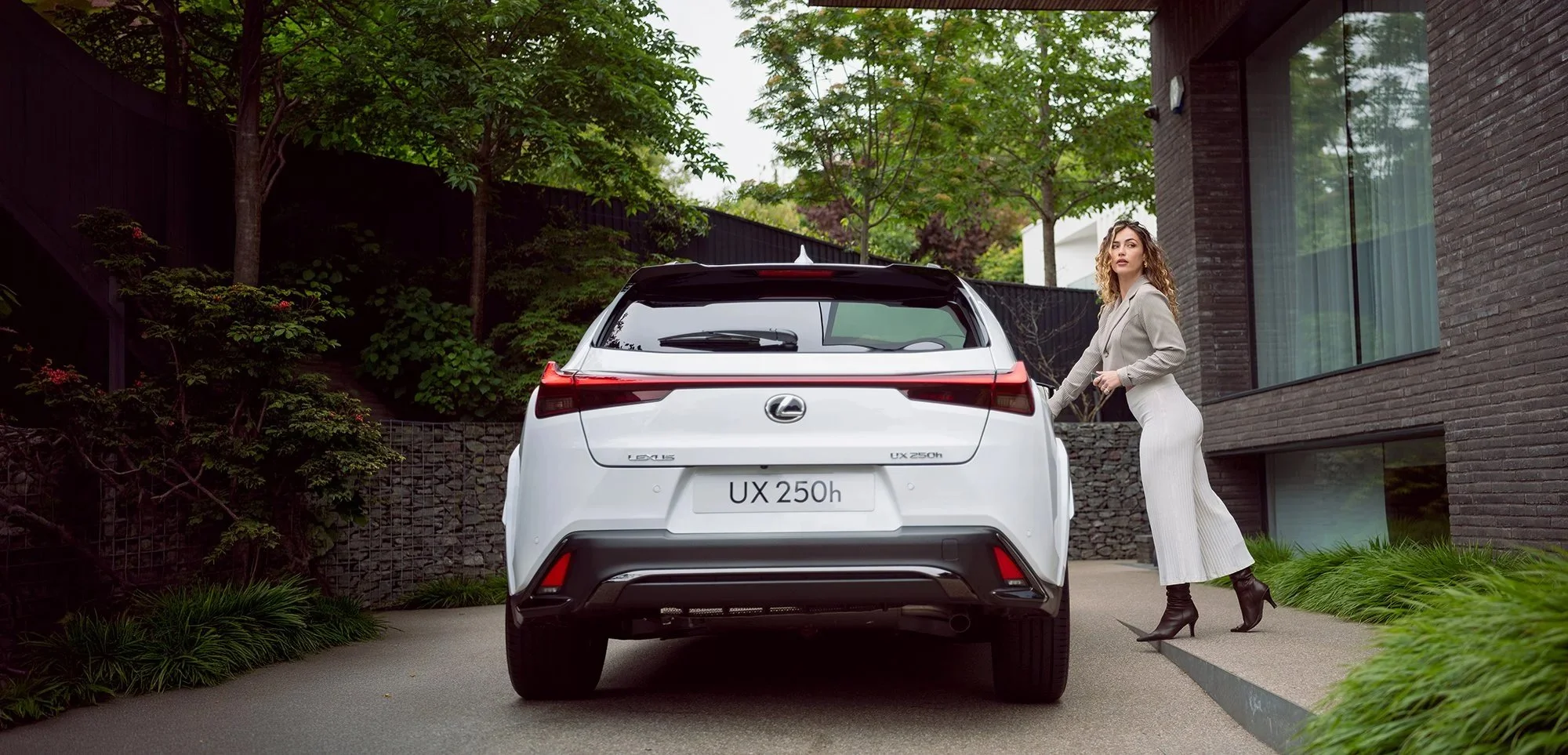
When a company invites a photographer into its organisation, it is opening the door to far more than its products or facilities. It is granting access to its people, its processes, its culture and, in many cases, years of accumulated knowledge that have shaped the business into what it is today. That level of access is built entirely upon trust, and it is a responsibility I have never taken lightly. Whether photographing the manufacturing operations of Royal Terberg Group, producing campaigns for the Motor Insurers' Bureau or working with clients such as Dennis Eagle and Lexus UK, I have always been conscious that every assignment carries an obligation to understand the organisation before attempting to represent it.
This understanding begins long before a camera equipment is unpacked. It comes from conversations with marketing teams, engineers, designers, directors and technicians, all of whom see the business from different perspectives and contribute to a broader understanding of what the organisation stands for. Those conversations are often every bit as valuable as the photography itself because they reveal not only what a company produces but why it matters, what challenges it has overcome and what distinguishes it from competitors operating in the same market.
Only when those questions have been answered does photography become something more than illustration. It becomes communication, enabling businesses to present themselves with confidence because the images reflect something genuine rather than something manufactured.
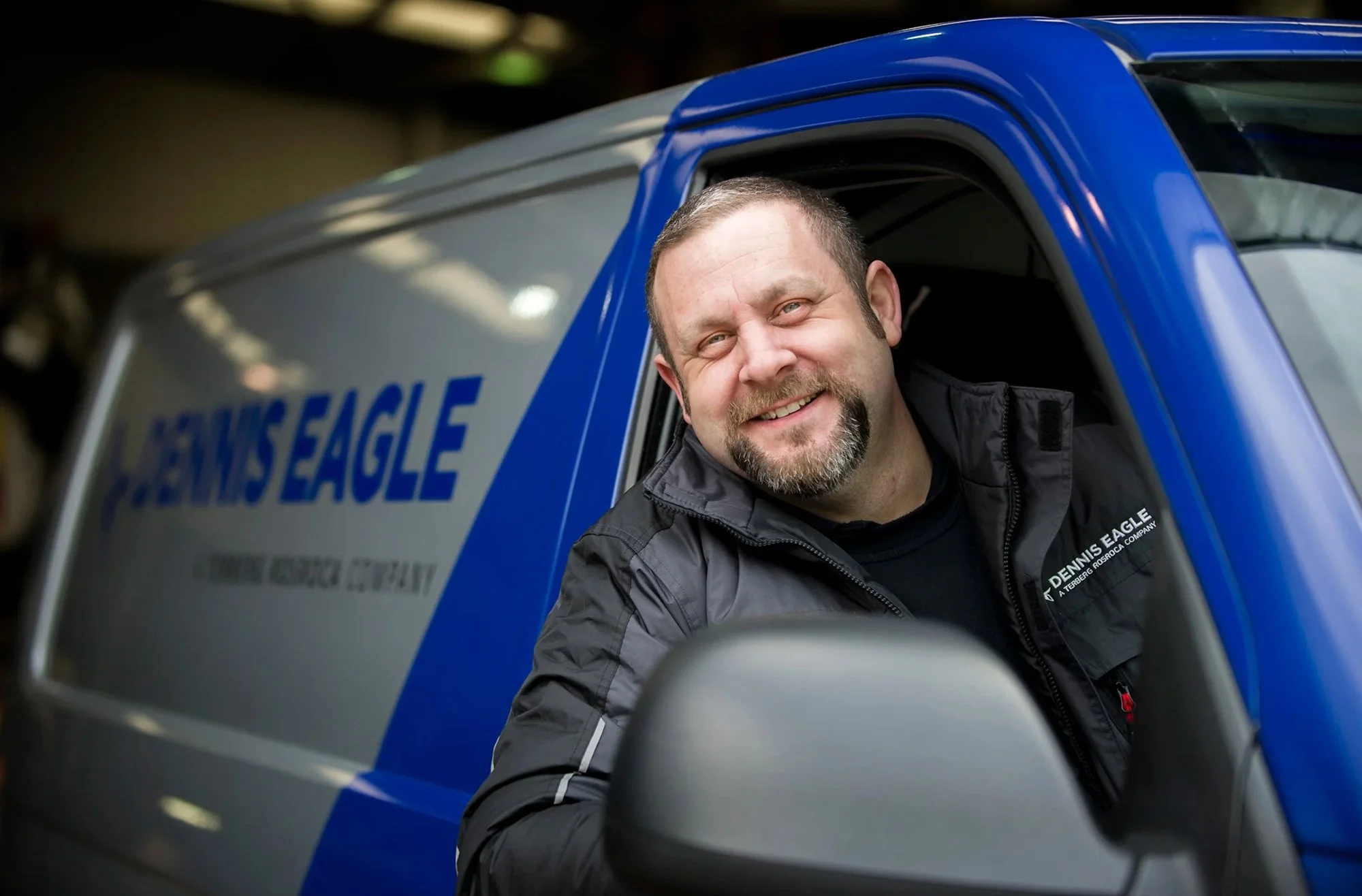
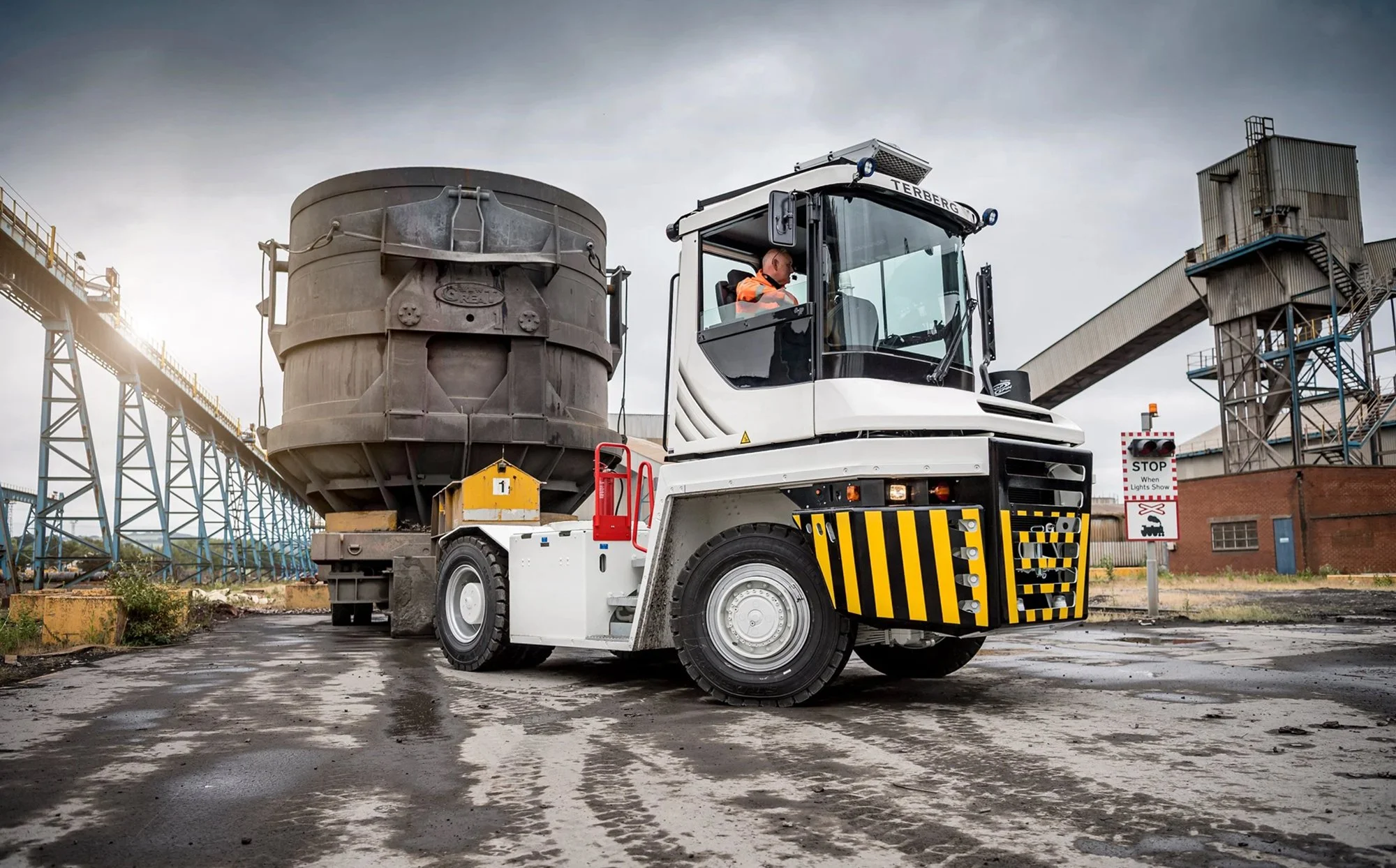
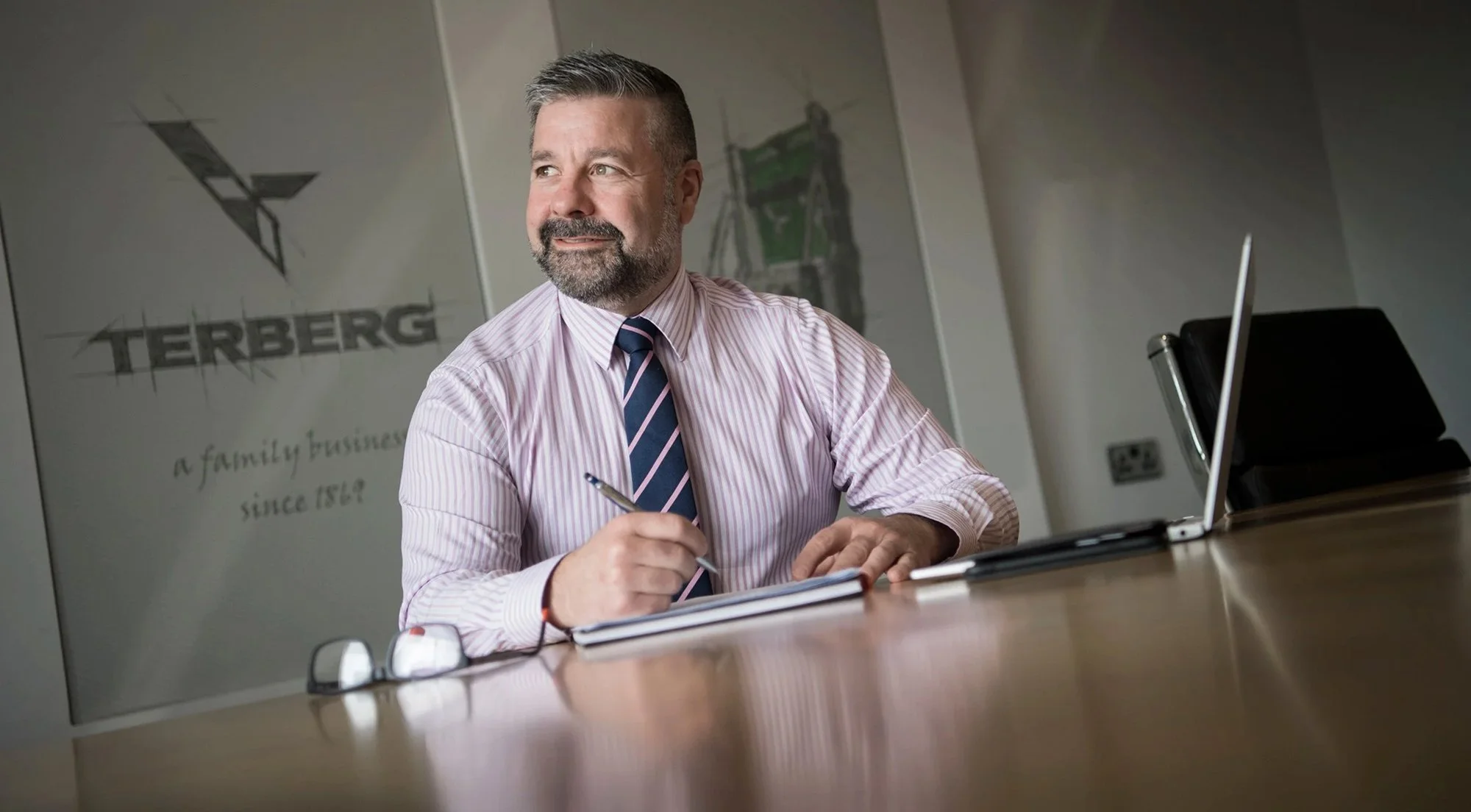
Understanding Before Photographing
Looking back over more than two decades, I have come to realise that one of the most valuable skills I have developed has very little to do with cameras. Equipment evolves continuously, lighting techniques become more refined and software grows more powerful with every passing year, but none of those developments has fundamentally changed the way I approach a commercial commission. What has remained constant is the importance of understanding the organisation standing in front of the camera before attempting to tell its story.
Every business has its own character. Even organisations operating within the same sector often have remarkably different cultures, shaped by their history, leadership and the people who work within them. Spend enough time inside engineering facilities, manufacturing plants, aviation hangars or research and development centres and those differences quickly become apparent. Some businesses are driven by relentless innovation, others by craftsmanship and tradition, while many combine both in ways that are not immediately obvious to an outsider. Those qualities rarely appear in a marketing brief, yet they often become the defining characteristics that separate one organisation from another.
That is why I have always believed that the most important part of any commission begins long before a single photograph is taken. The conversations held during the planning stages are every bit as important as the time spent behind the camera because they provide an opportunity to understand not only what a business does, but why it does it. Marketing teams naturally focus on communication objectives, engineers explain the technical challenges behind the products, designers reveal the thinking that shaped them and directors often share the broader vision that has guided the company over many years. Individually those conversations may seem unrelated, but together they begin to build a picture that no creative brief could ever fully capture.
Once that understanding has been established, the photography becomes far more purposeful. Decisions about locations, lighting and composition are no longer based solely on aesthetics but on whether they genuinely reflect the organisation's identity. The objective is not simply to create beautiful photographs, but to create images that feel unmistakably authentic because they could not belong to any other business.
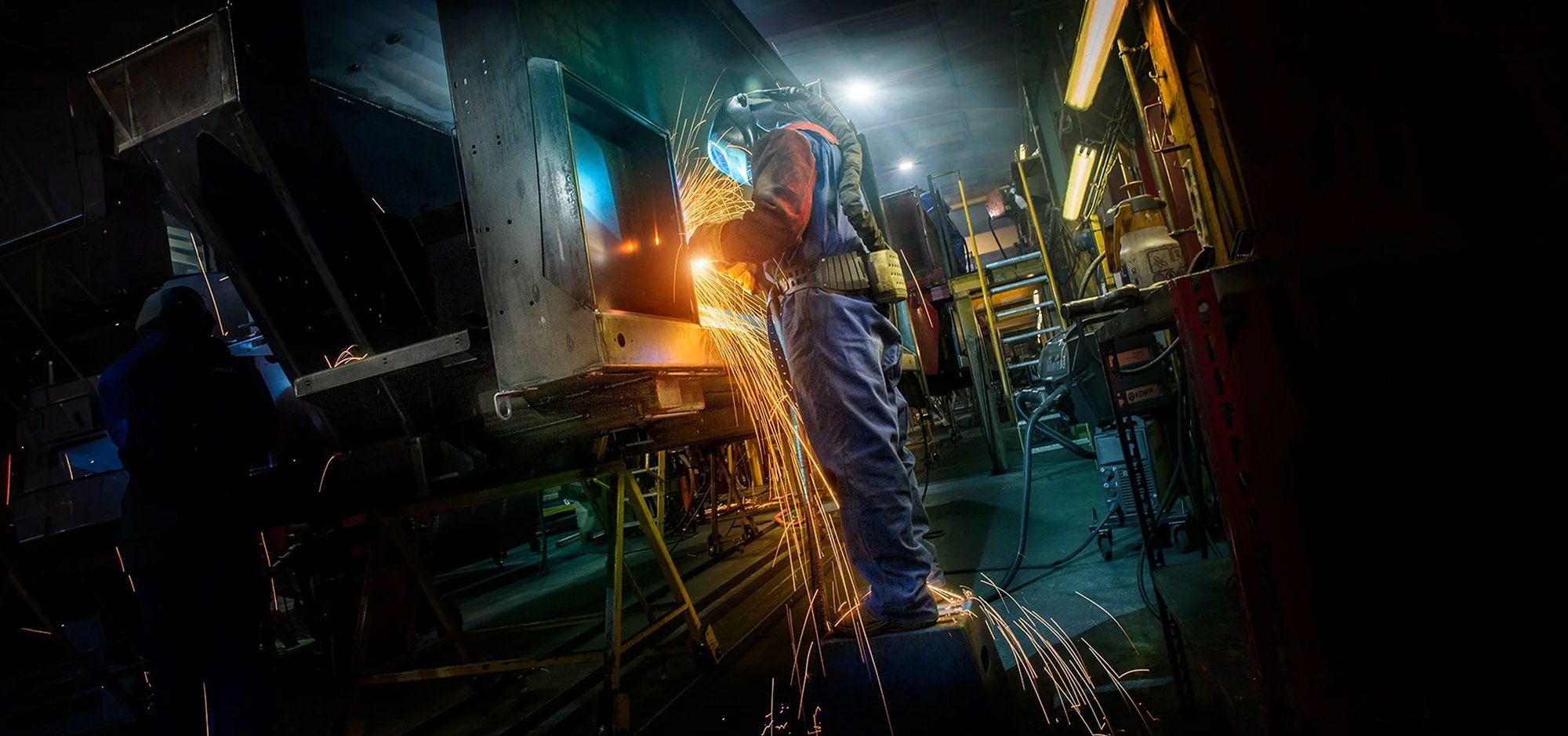
This is one of the reasons I have always enjoyed working with engineering and manufacturing companies. At first glance these environments can appear highly technical, but beneath the machinery and production lines lies an extraordinary amount of human expertise. Every finished product represents thousands of decisions made by designers, engineers, technicians and skilled operators, many of whom will never be seen by the customers who ultimately rely upon their work. Commercial photography has a unique ability to reveal those unseen stories, connecting people not only with the products themselves but with the knowledge, dedication and experience that brought them into existence.
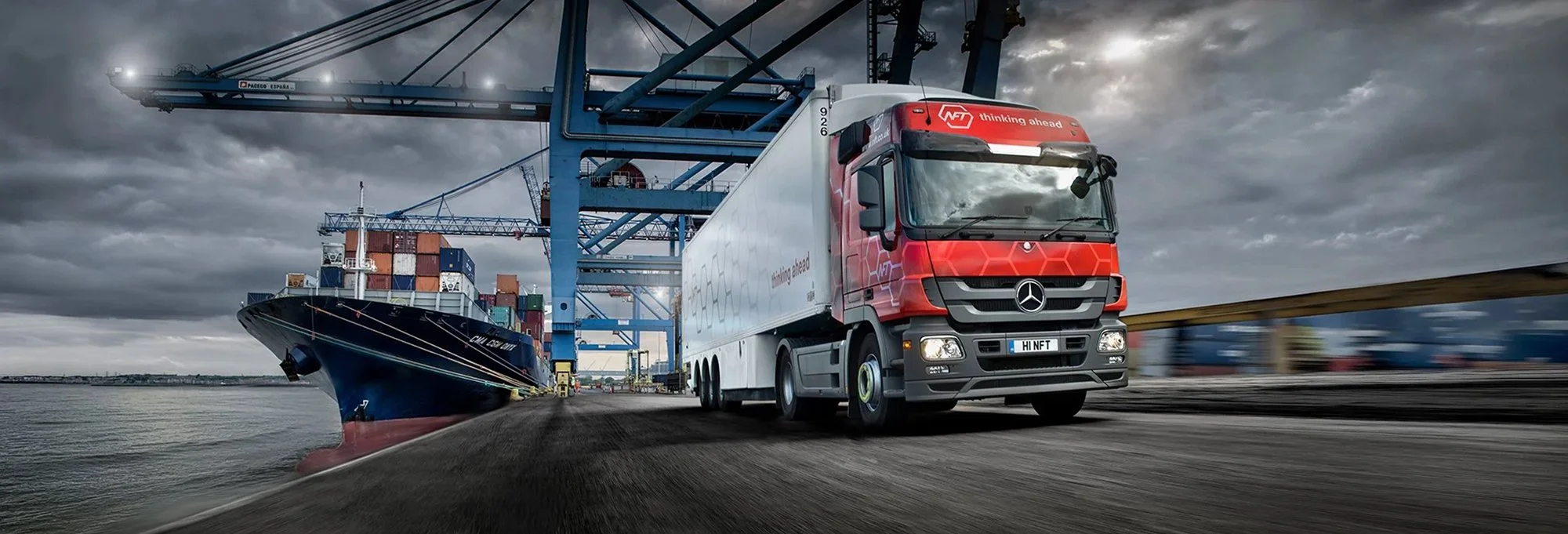
The Value of Collaboration
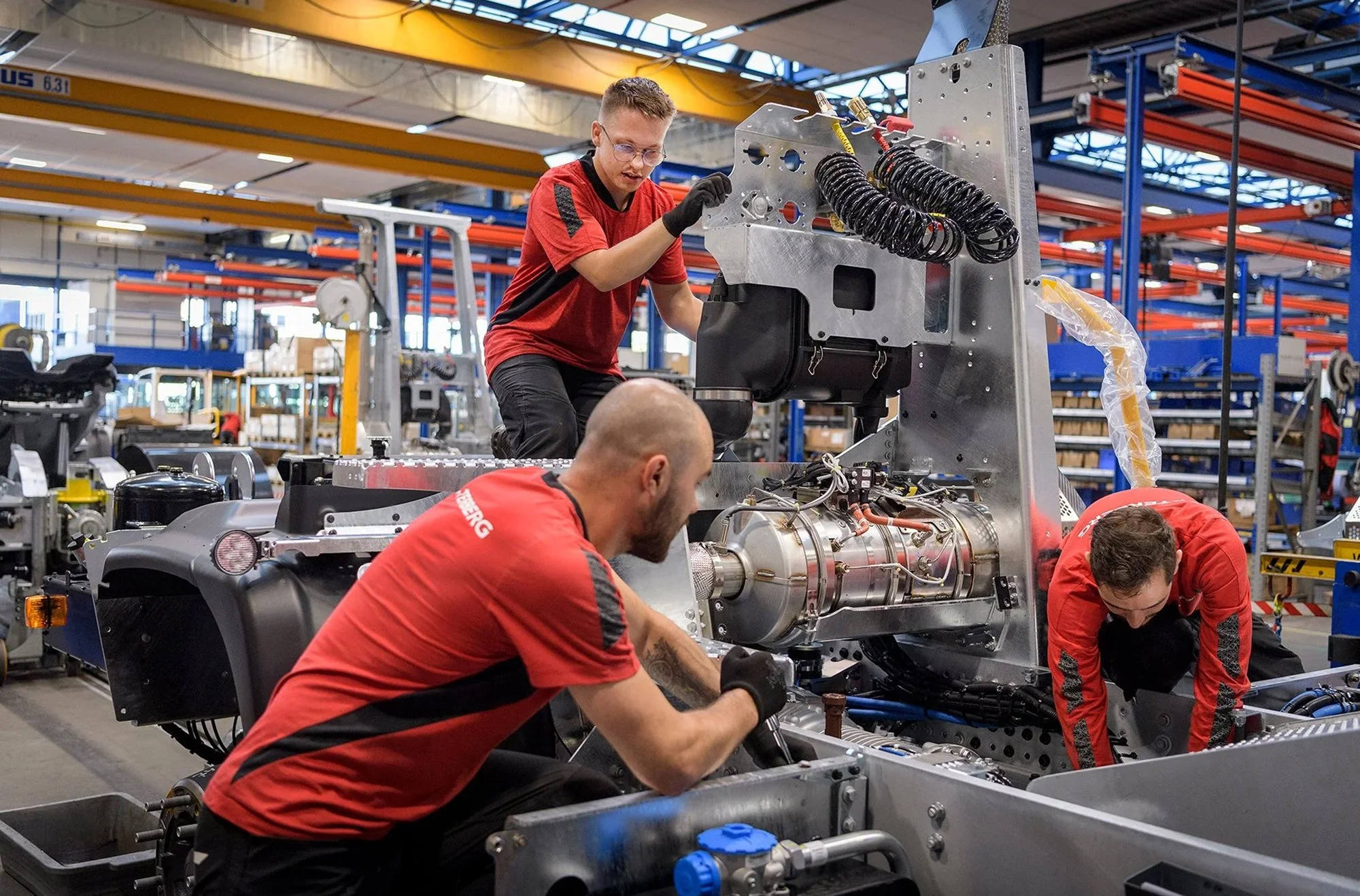
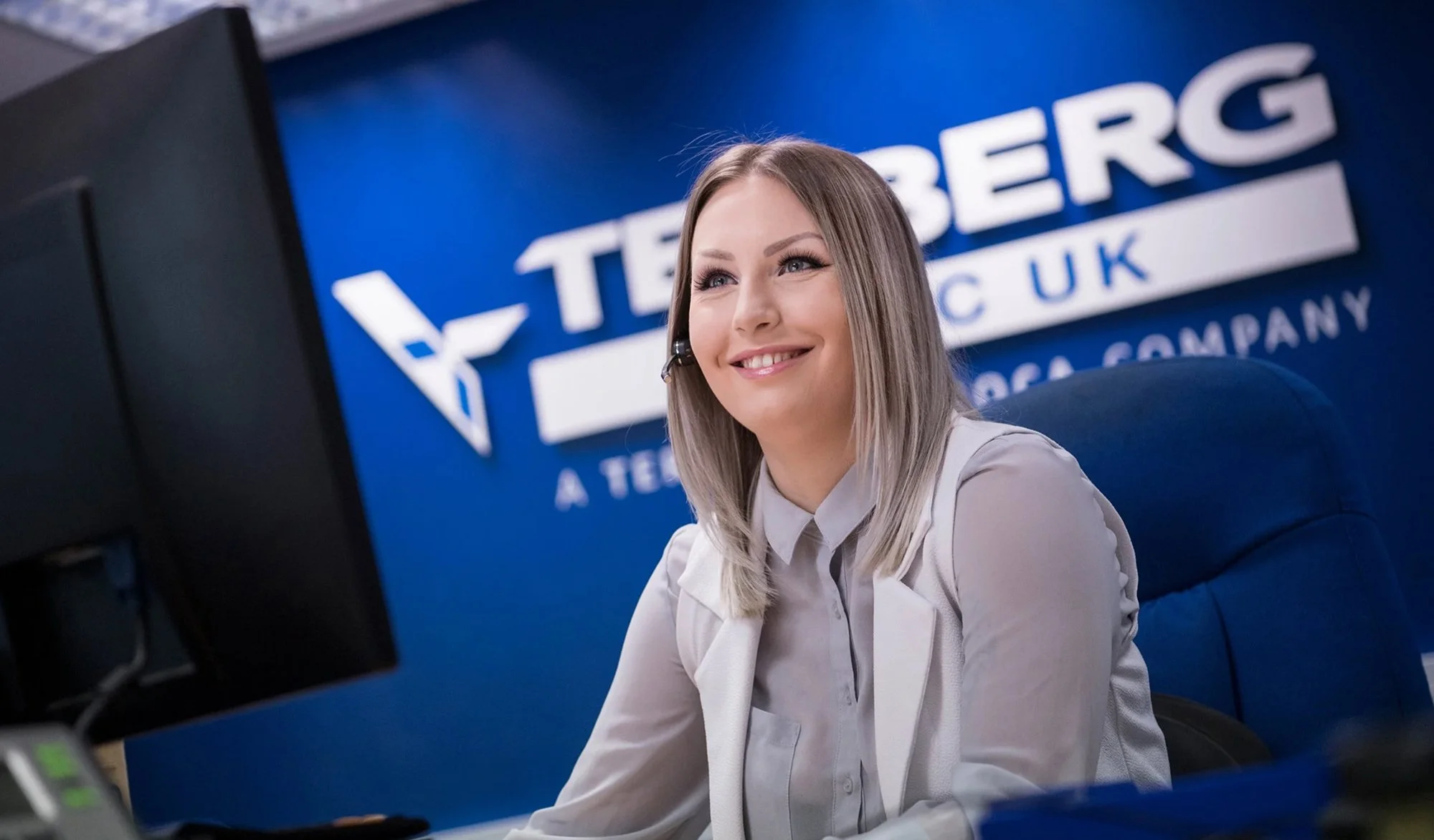
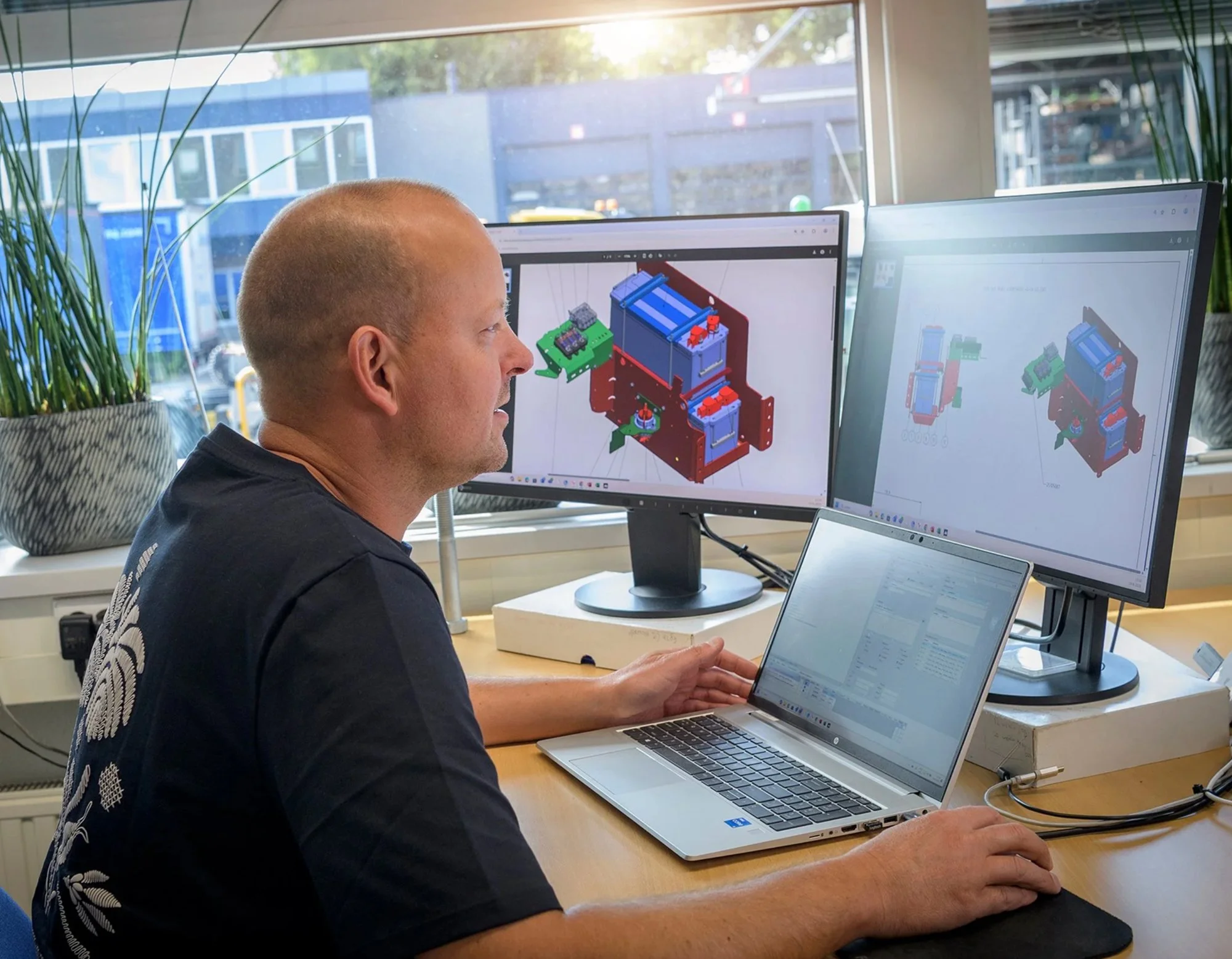
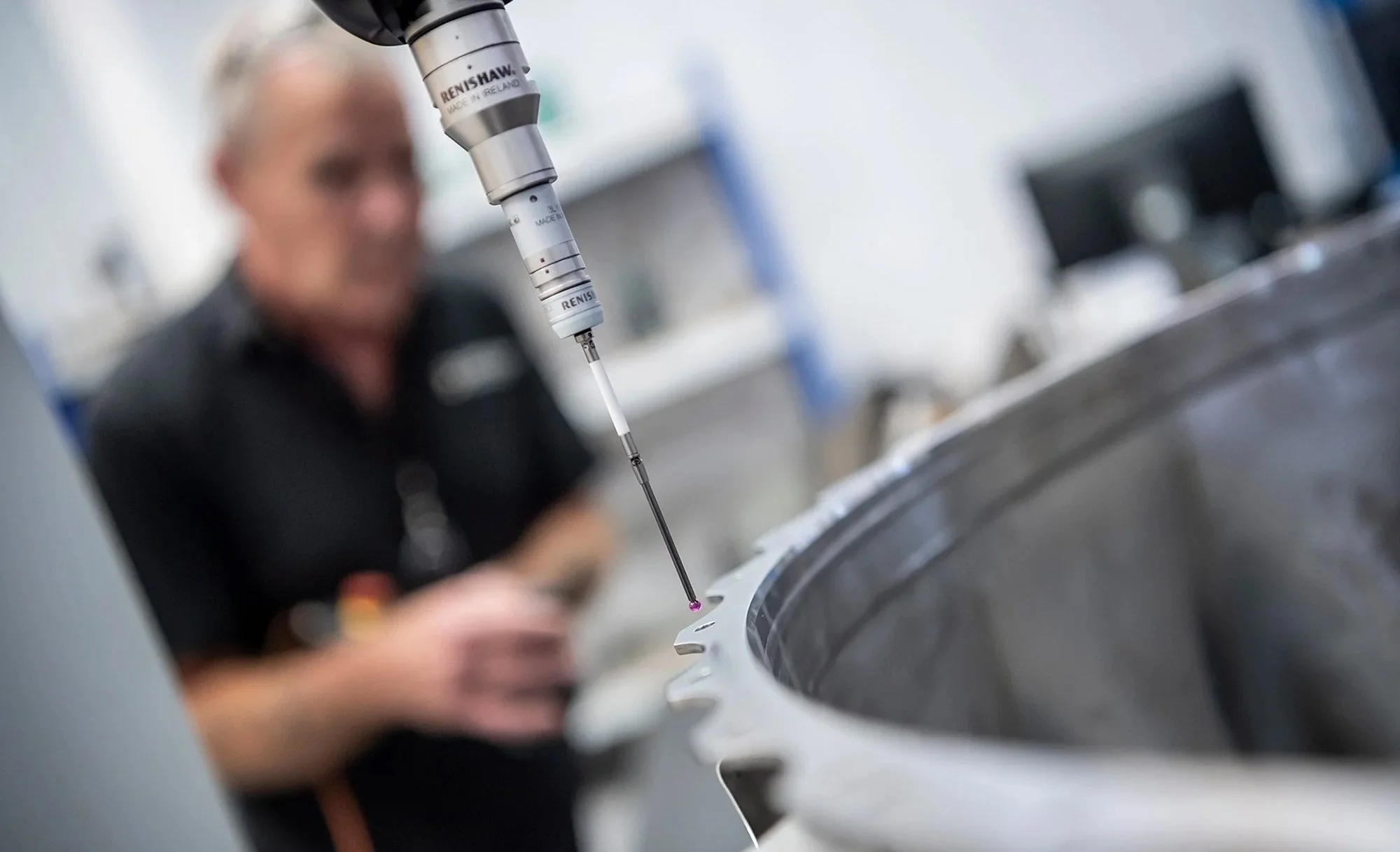
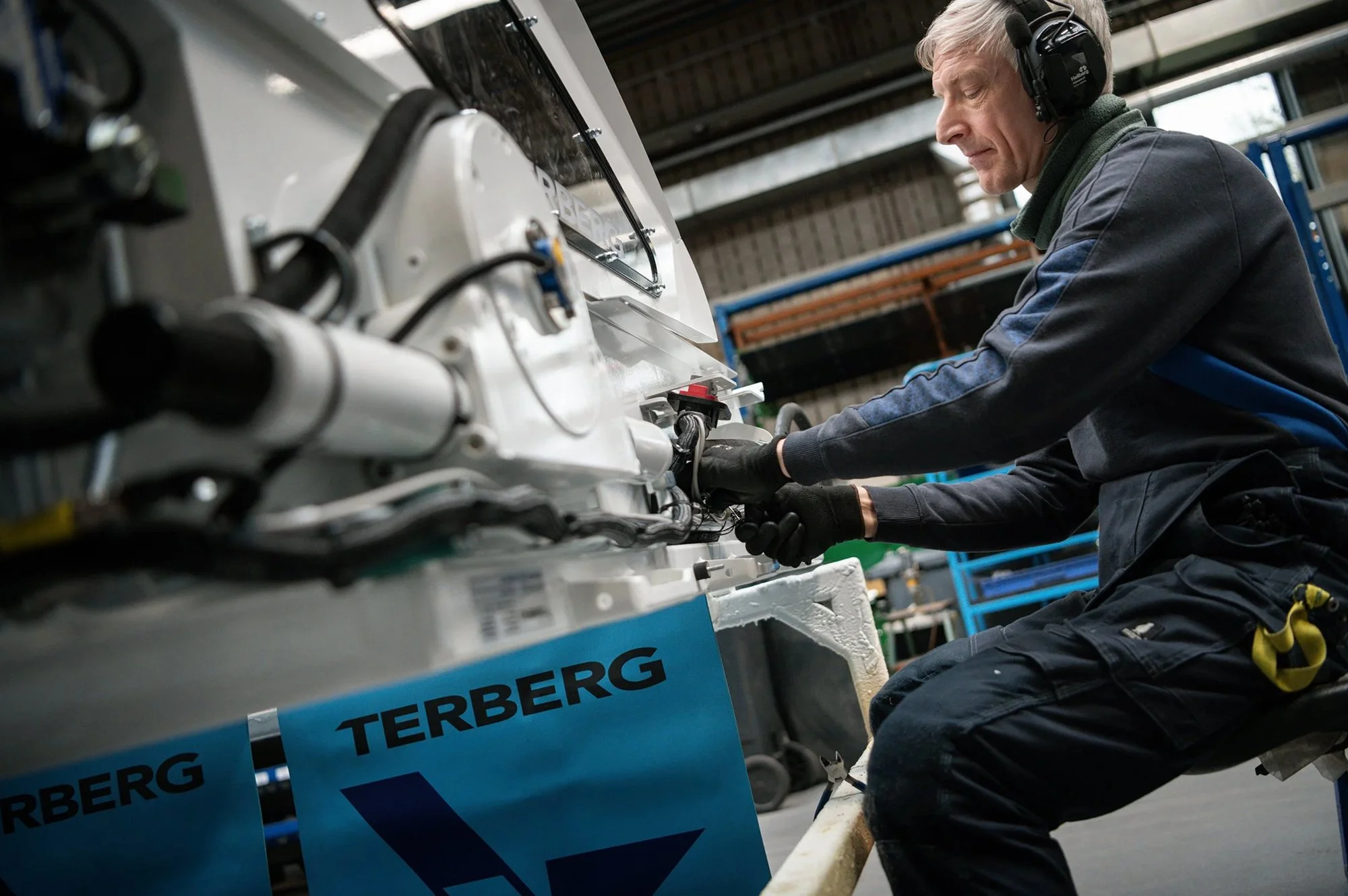
One project that illustrates this particularly well was an assignment for Royal Terberg Group in the Netherlands, where I was commissioned to photograph three of the company's principal manufacturing and engineering facilities. To an outside observer it may have appeared to be a relatively straightforward commercial photography project, but the reality reflected something that has become increasingly clear throughout my career: the best commercial photography is rarely the work of one individual. It is almost always the result of collaboration.
Long before I arrived on site, production schedules had been adjusted, specialist vehicles prepared and departments coordinated so that photography could take place without disrupting the day-to-day operation of a busy international manufacturer. Engineers, production managers, marketing teams and factory supervisors all contributed to the planning, each recognising that the finished photographs would become part of the company's global identity for years to come.
That level of preparation says something important about the role photography plays within modern business. Organisations no longer commission imagery simply to fill the pages of a brochure or illustrate a website. Increasingly, photography has become part of how businesses define themselves, helping customers understand not only what they produce but the standards they apply, the people they employ and the values they represent.
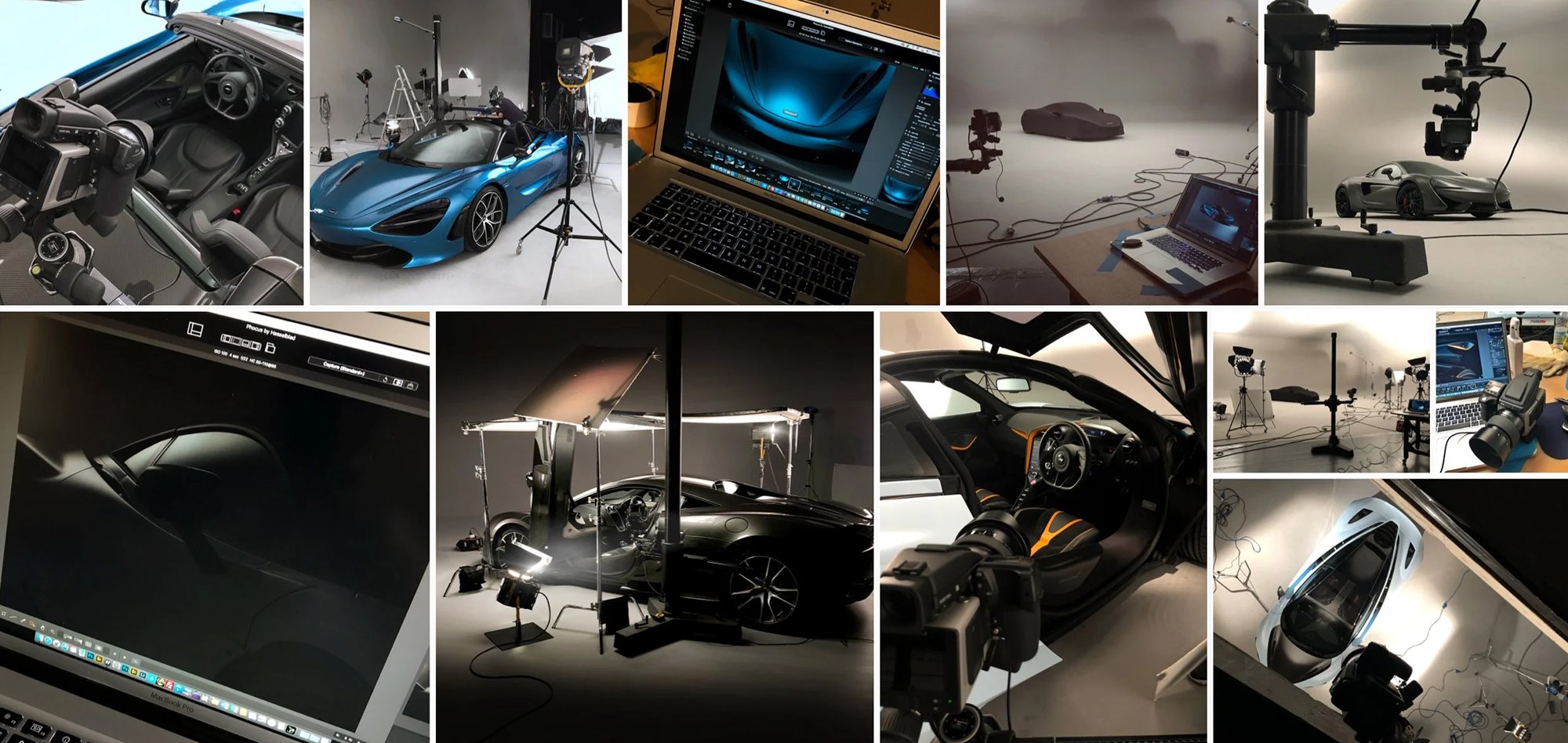
The people who appear in those photographs are not professional models and nor should they be. They are engineers refining complex machinery, technicians assembling specialist components and manufacturing teams whose expertise has often been developed over decades. Asking them to perform for the camera would miss the point entirely. My role is to create an environment in which they can continue working naturally, allowing the photographs to reflect the quiet confidence that comes from genuine experience rather than carefully directed performance.
It is often the smallest details that communicate the most. The familiarity with which someone handles a specialist tool, the concentration visible during a complex assembly process or the effortless interaction between colleagues who have worked together for years all contribute to an authenticity that cannot easily be manufactured. Customers may never consciously analyse these details, but they recognise them instinctively because they reveal something that carefully staged imagery often struggles to achieve credibility.
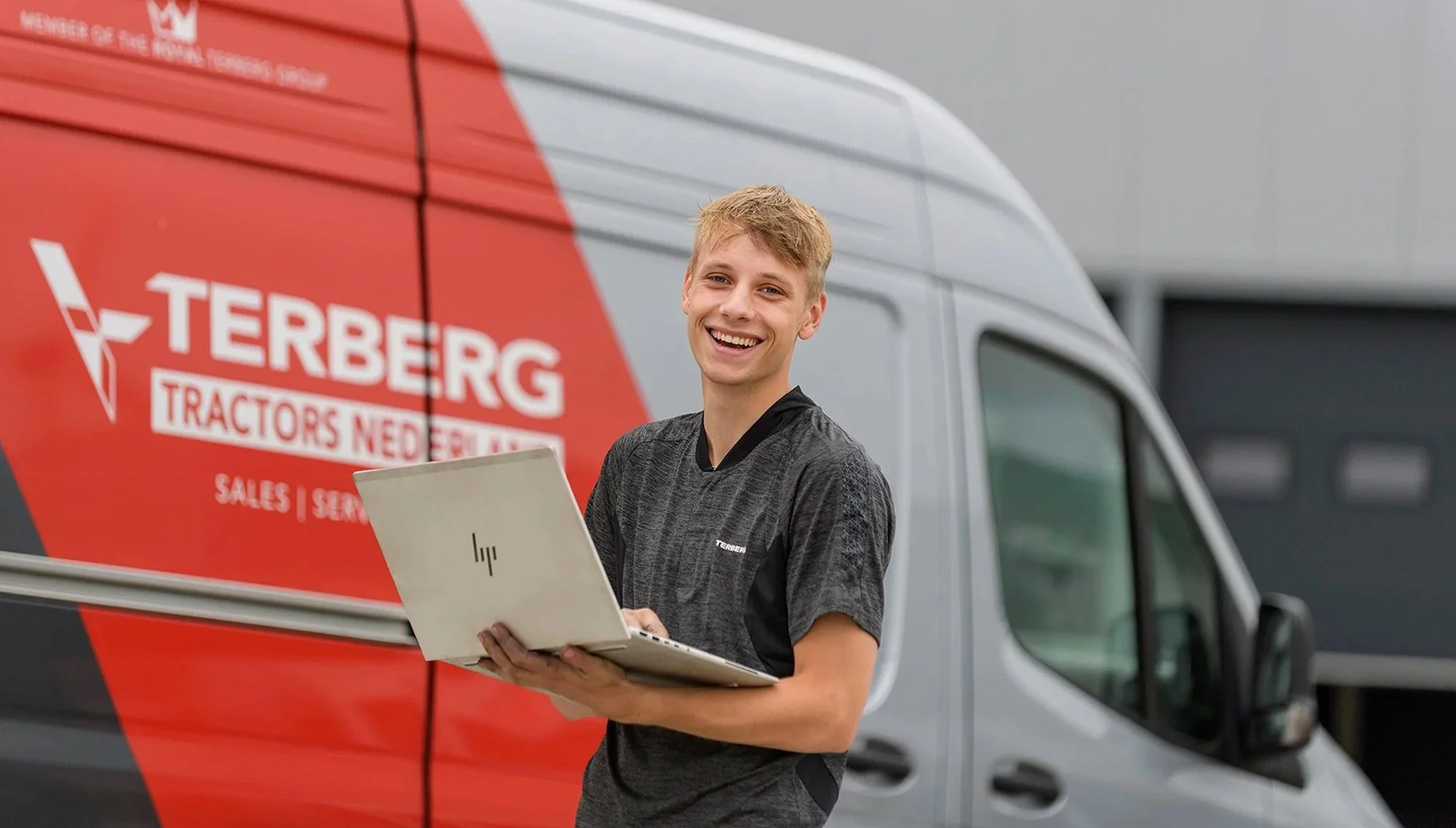
Photography as Evidence
This is perhaps where commercial photography differs most significantly from many other forms of visual communication. Its purpose is not simply to persuade but to provide reassurance.
Every important purchasing decision carries an element of uncertainty. Whether a business is selecting a manufacturing partner or commissioning a specialist engineering company, or a private individual is looking to purchase a new family car, the decision ultimately comes down to trust. Marketing messages can explain capabilities, brochures can describe products and websites can list achievements, but photographs have the unique ability to support those claims with something tangible.
A well-crafted commercial photograph is not valuable simply because it is visually striking. It is valuable because it demonstrates that the people, products and expertise behind the business genuinely exist. It allows prospective customers to look beyond carefully written marketing copy and gain a clearer understanding of the actual organisation and their product.
This is why I believe authenticity is becoming one of the most powerful assets any business can possess. In an age where creating visually impressive content is becoming easier than ever, the organisations that stand apart will not necessarily be those with the most spectacular imagery. They will be the ones whose communications consistently reflect reality, because trust is rarely built through perfection alone. It is built through honesty, consistency and the confidence to show people who you really are.
Beyond the Photograph
One of the most rewarding aspects of commercial photography is that it provides access to industries and organisations that most people never have the opportunity to see from the inside. Over the years I have worked within manufacturing plants where complex vehicles are assembled with extraordinary precision, engineering facilities where products evolve through countless stages of development and aviation environments where professionalism and preparation are measured not simply by efficiency but by safety itself.
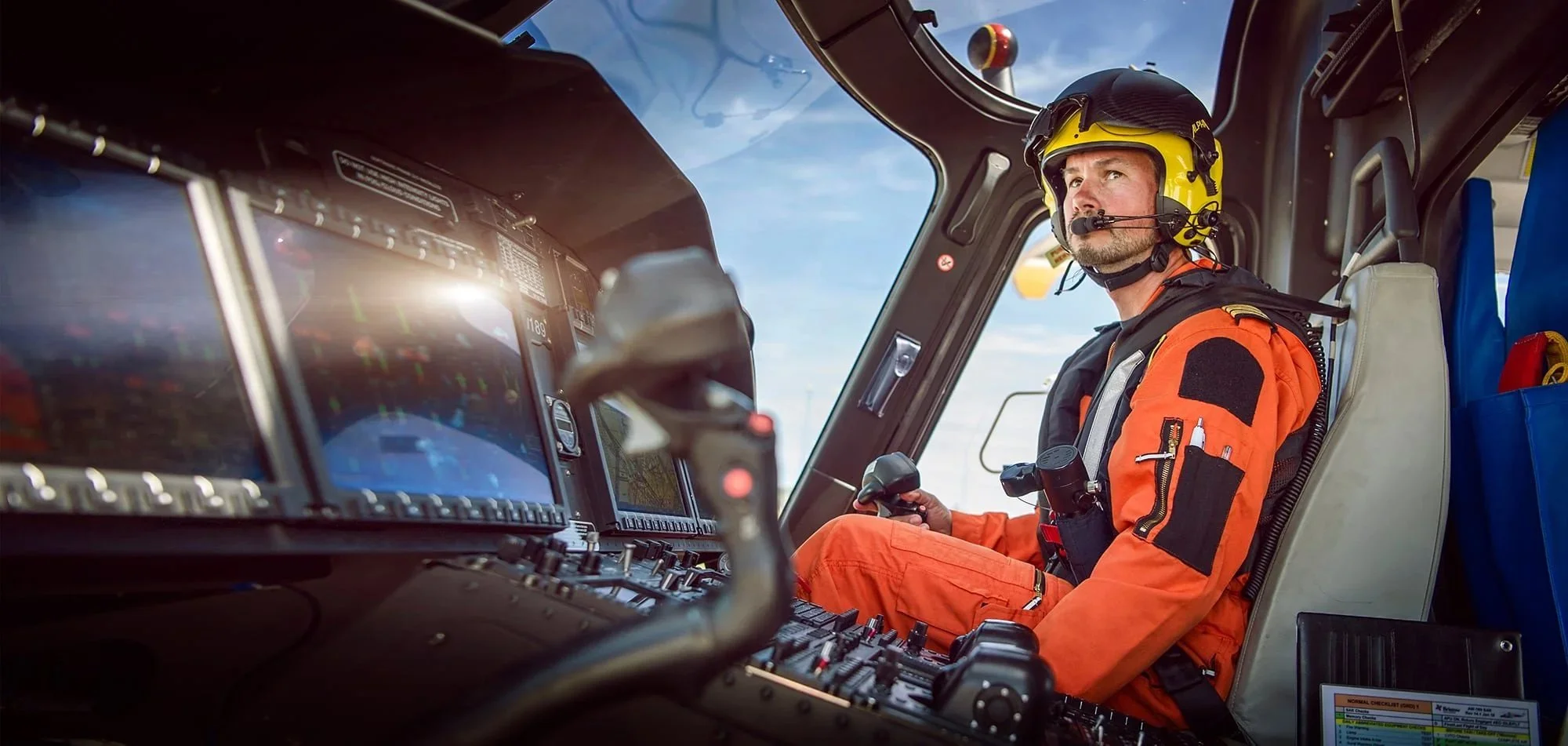
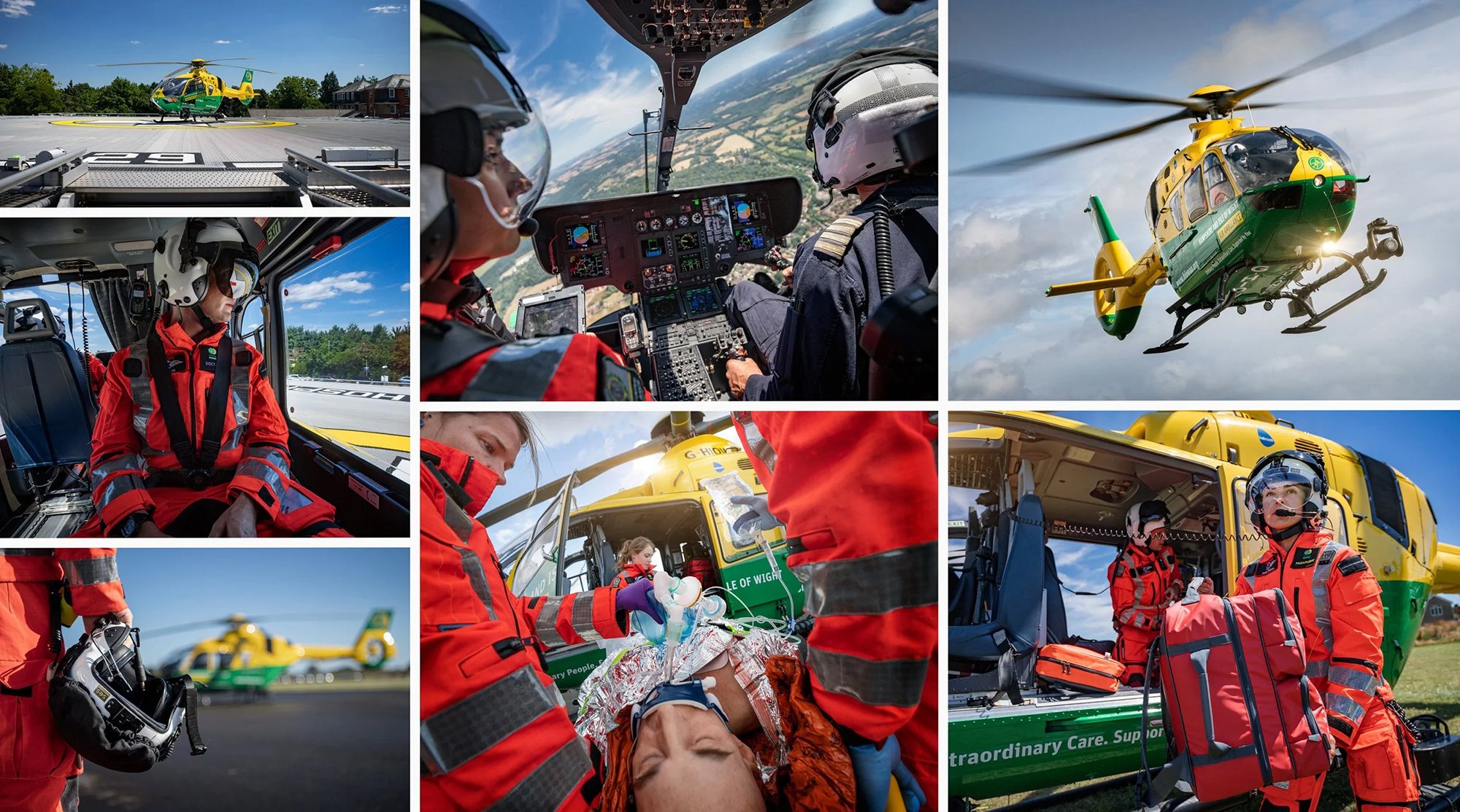
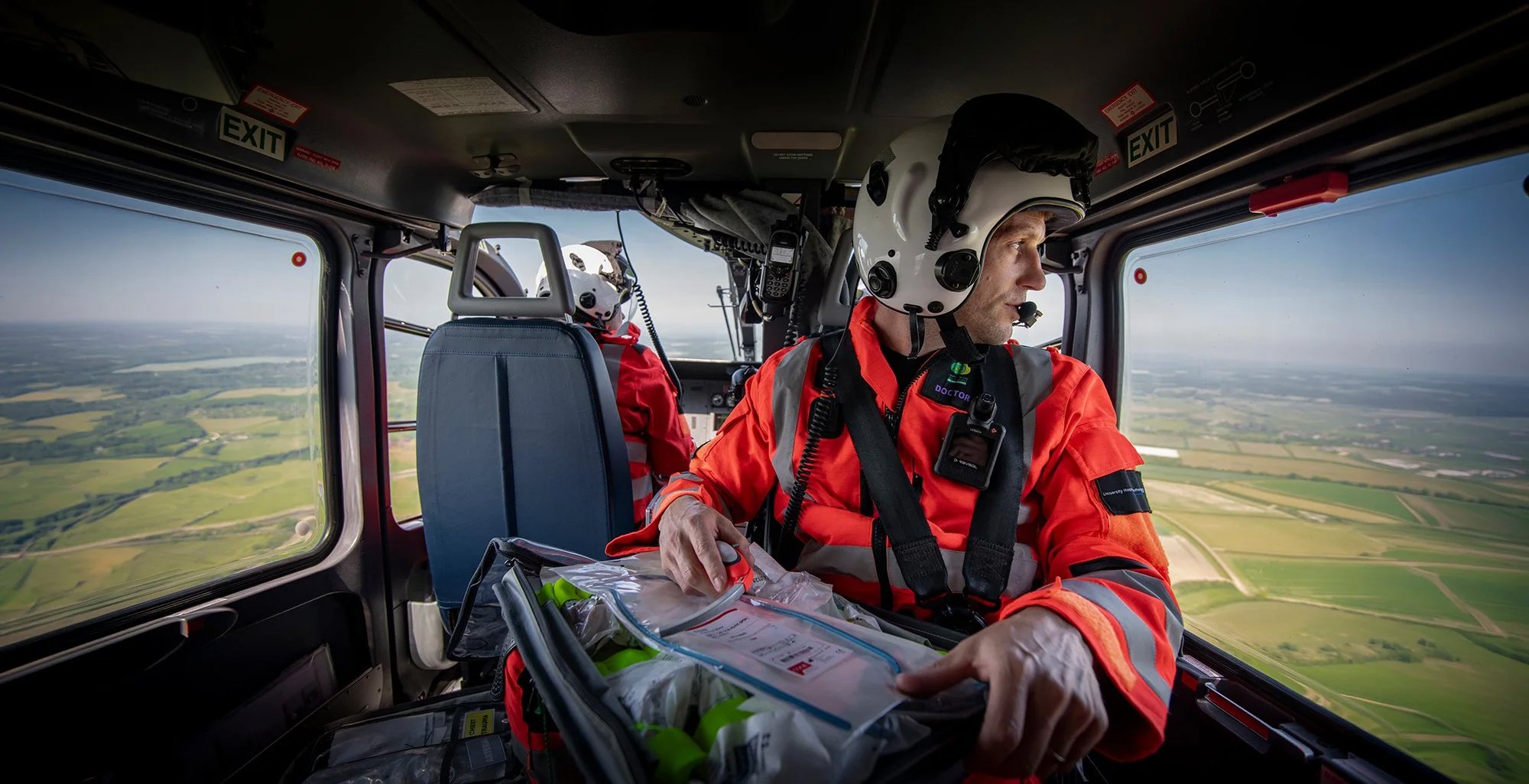
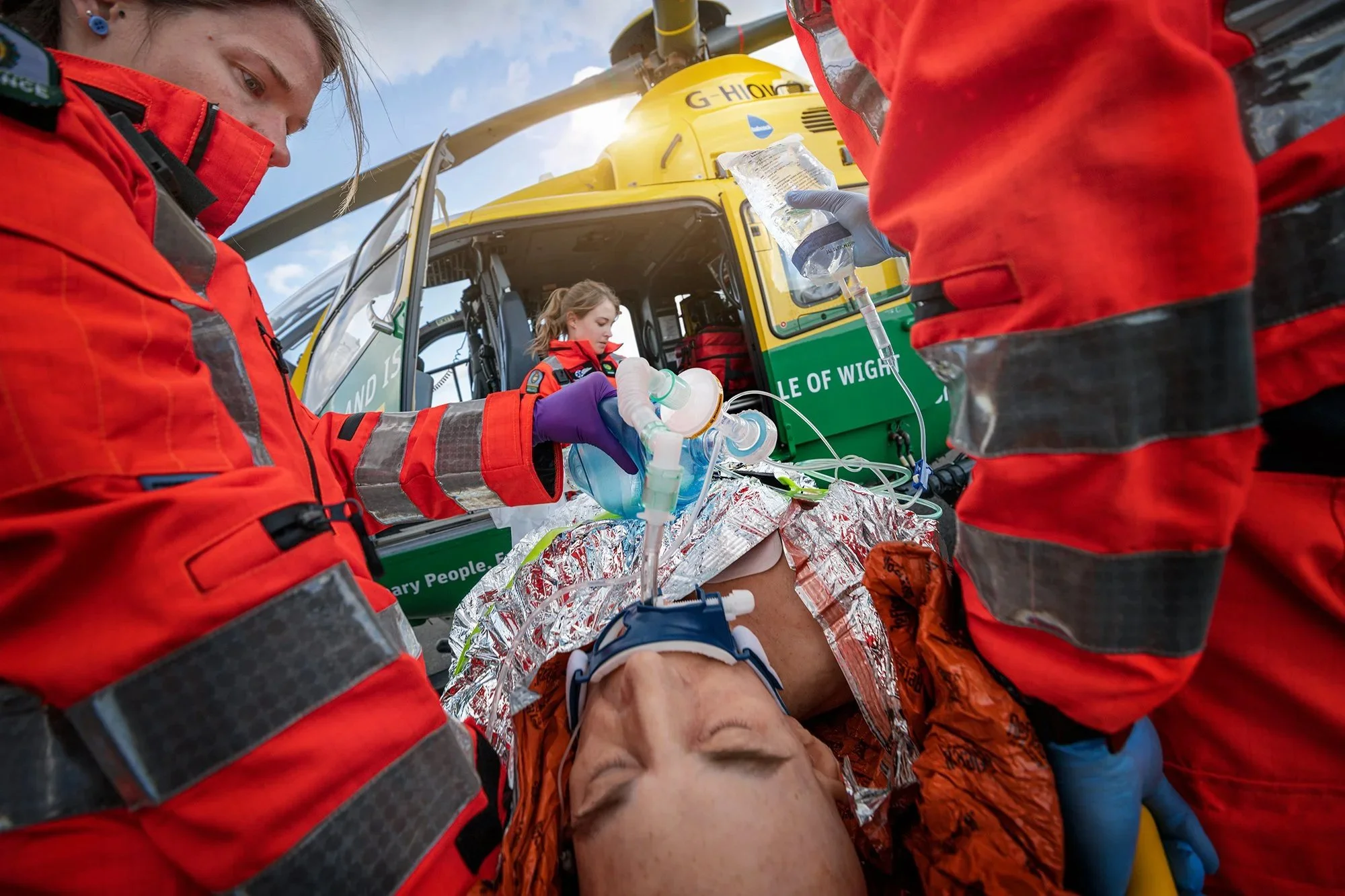
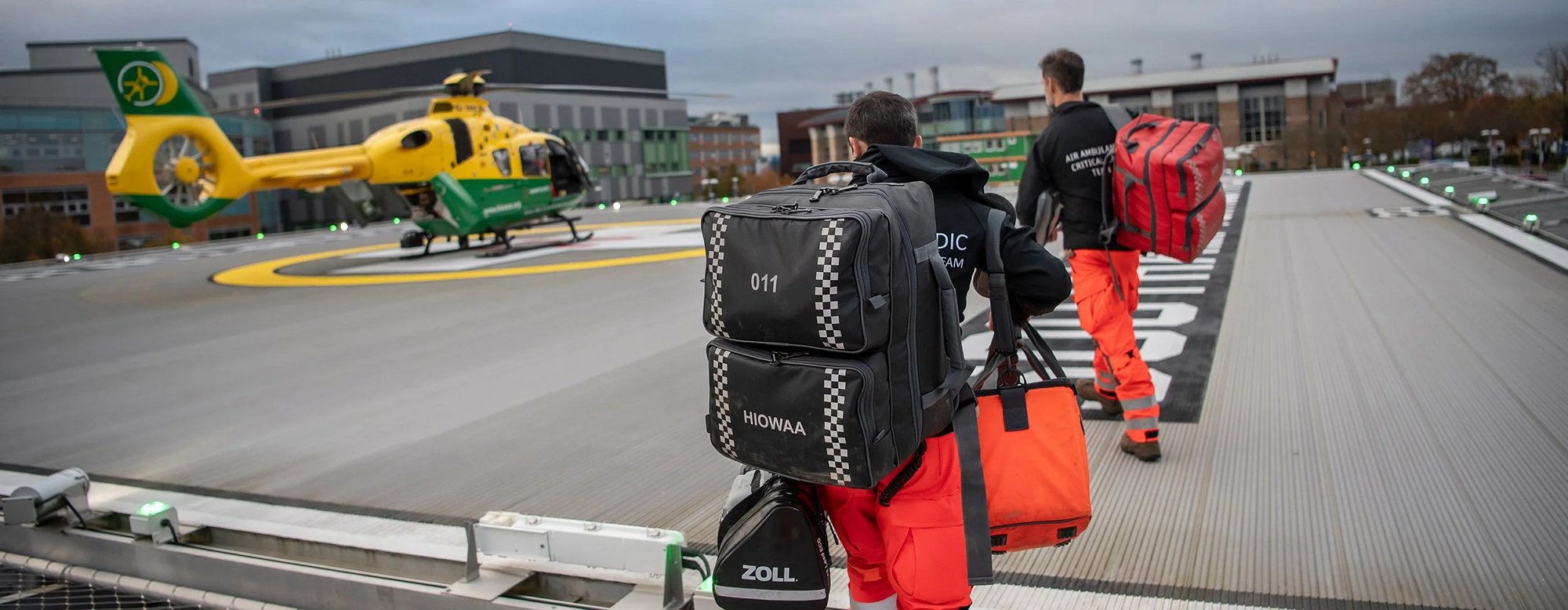
My work has also taken me into extraordinary situations working with Air Ambulance HELIMED Operations on live tasking missions. Such organisations 100% rely on donations from private individuals and local businesses to be able to maintain and operate a crucial service that ultimately saves lives every day. Telling their story and being genuine is very important indeed.
Although these organisations operate in very different sectors, they all have one thing in common. Their success depends upon trust.
Customers invest in them because they believe in the expertise of the people behind the services and products, the quality and the reliability of the service they provide.
Those qualities are not created by marketing departments; they already exist within the organisation. The role of marketing, and by extension commercial photography, is to reveal them honestly and consistently.
That distinction is important because authenticity cannot be manufactured. A business either possesses it, or it does not. Photography simply provides a means of communicating it.
Perhaps that explains why some commercial images remain memorable long after others have been forgotten. The strongest photographs rarely rely on dramatic lighting or elaborate production techniques alone. Instead, they resonate because they capture something genuine: the confidence of an engineer who has spent decades refining their craft, the quiet concentration of a technician solving a complex problem or the sense of pride shared by a team seeing months of work become a finished product. These moments are rarely spectacular in the conventional sense, yet they communicate something that customers instinctively recognise as real.
As technology continues to change the way visual content is created, I believe those authentic moments will become increasingly valuable. Not because generated imagery lacks quality, but because businesses will increasingly need to demonstrate that the people, expertise and values behind their brand genuinely exist. In many ways, commercial photography becomes less about creating aspiration and more about providing reassurance.
When Presence Matters
There is another aspect of professional photography that is easy to overlook because it cannot be measured by resolution, lighting diagrams or camera specifications.
It is simply the value of being there.
Some of the most significant photographs I have produced throughout my career were never planned in advance. They emerged from spending time within an organisation, observing how people worked together and recognising moments that no creative brief could ever predict. Sometimes it is the first light of the morning catching a newly completed vehicle as it leaves the production line. On other occasions it is the expression of an engineer examining a prototype for the first time or the brief exchange between colleagues that quietly reflects years of shared knowledge and mutual respect.
These are not moments that can be choreographed with complete accuracy because they arise naturally from the environment itself. Recognising them depends upon patience, observation and an understanding of the business that extends beyond the technical requirements of the assignment. The camera records what happens, but experience helps identify the moments that genuinely matter.
It is also why trust remains such an essential part of the relationship between photographer and client. Businesses do not simply grant access to their facilities because someone owns professional equipment. They open their doors because they believe the photographer will understand their environment, respect the people working within it and represent the organisation with honesty. That trust is earned over time and, in many respects, becomes one of the most valuable assets a commercial photographer possesses.
The Responsibility of Representation
Nowhere has that responsibility been more evident than during my work with Air Ambulance charities and aviation organisations.
Unlike a commercial marketing campaign, these assignments take place within operational environments where the priorities are very different. Every member of the crew has a clearly defined role, every procedure exists for a reason, and every decision has the potential to affect somebody's life. In those circumstances, photography is never the priority. The responsibility is to document events without ever becoming part of them, ensuring that the work of the crews can continue safely and without distraction.
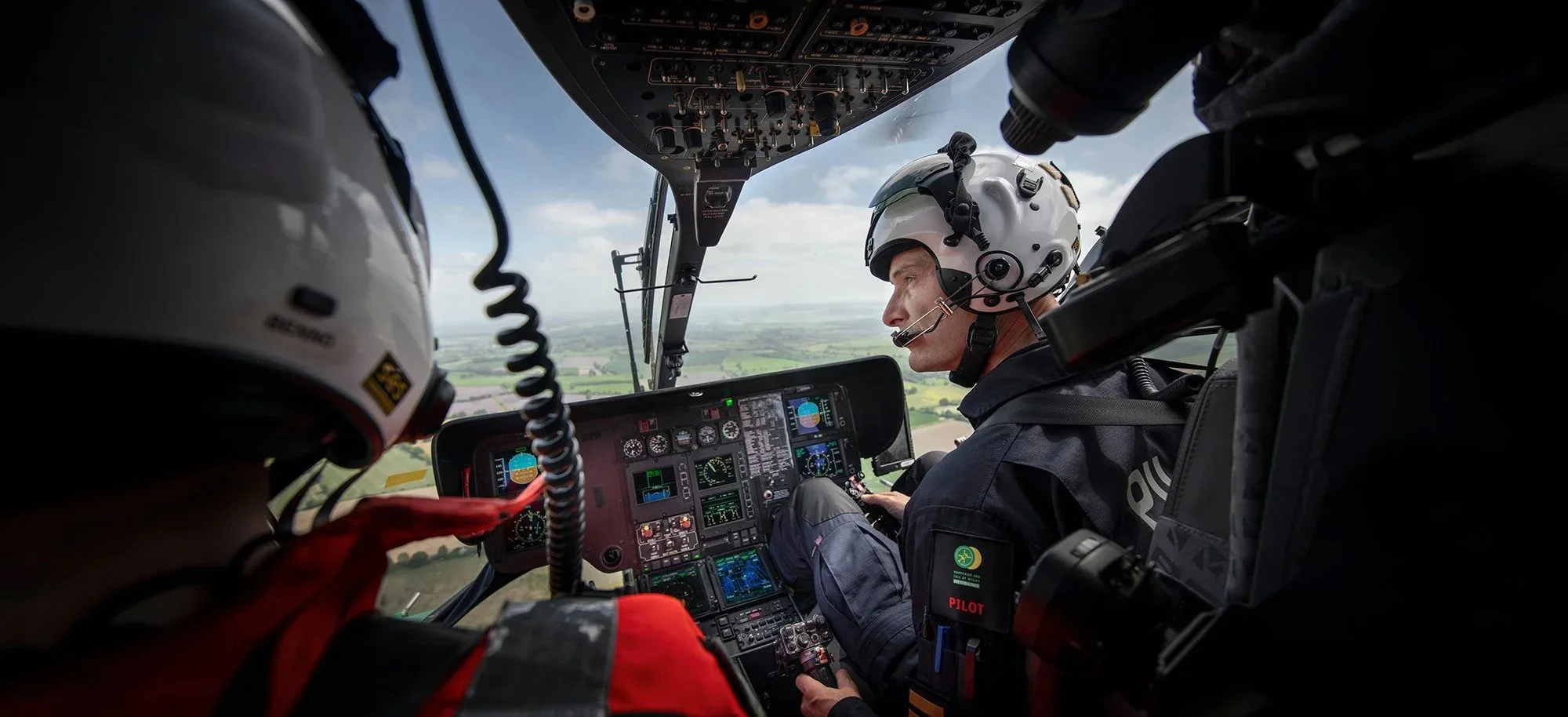
Working alongside helicopter pilots, doctors, paramedics and emergency service personnel has reinforced an important lesson that extends far beyond aviation. Trust is never assumed; it is earned through preparation, professionalism and consistency. The specialist training required to work safely within these environments is only one part of that process. Equally important is demonstrating an understanding of the culture, responsibilities and pressures under which these teams operate, because only then can photography accurately reflect the professionalism that defines their work.
The resulting images have an important purpose. They help charities communicate the value of their service, illustrate the impact of public support and enable people to understand what takes place behind the scenes of an organisation they may only encounter during moments of crisis. Yet the photographs resonate for a much simpler reason. They are real.
Every aircraft has flown. Every crew member has carried out their role. Every mission represents genuine people responding to genuine events, and that authenticity is something audiences recognise instinctively, even if they cannot immediately explain why.
For me, that illustrates one of the enduring strengths of commercial photography. At its best, it is not simply a creative discipline. It is a form of visual journalism, documenting reality with honesty while helping organisations communicate their purpose in a way that feels credible because it is rooted in truth.
Technology Changes. Human Judgement Endures.
None of this should be interpreted as an argument against technological progress. Throughout my career I have embraced new tools wherever they have genuinely improved the way I work, from the transition to digital capture through to advances in lighting, post-production and workflow. Artificial Intelligence is simply the latest stage in that evolution, and like every innovation before it, it offers exciting opportunities when used thoughtfully and responsibly.
The mistake, however, is to assume that better technology automatically replaces human judgement. Cameras have become more sophisticated over the years, but they have never learned how to understand a client's objectives. Editing software has become astonishingly capable, yet it still cannot recognise the subtle cultural differences between two organisations that manufacture similar products.
Ai can generate extraordinary imagery, but it cannot spend a morning talking to engineers about the challenges of bringing a new product to market, nor can it recognise the significance of a fleeting interaction that quietly captures the character of a business. Those qualities remain uniquely human, and I suspect they always will.
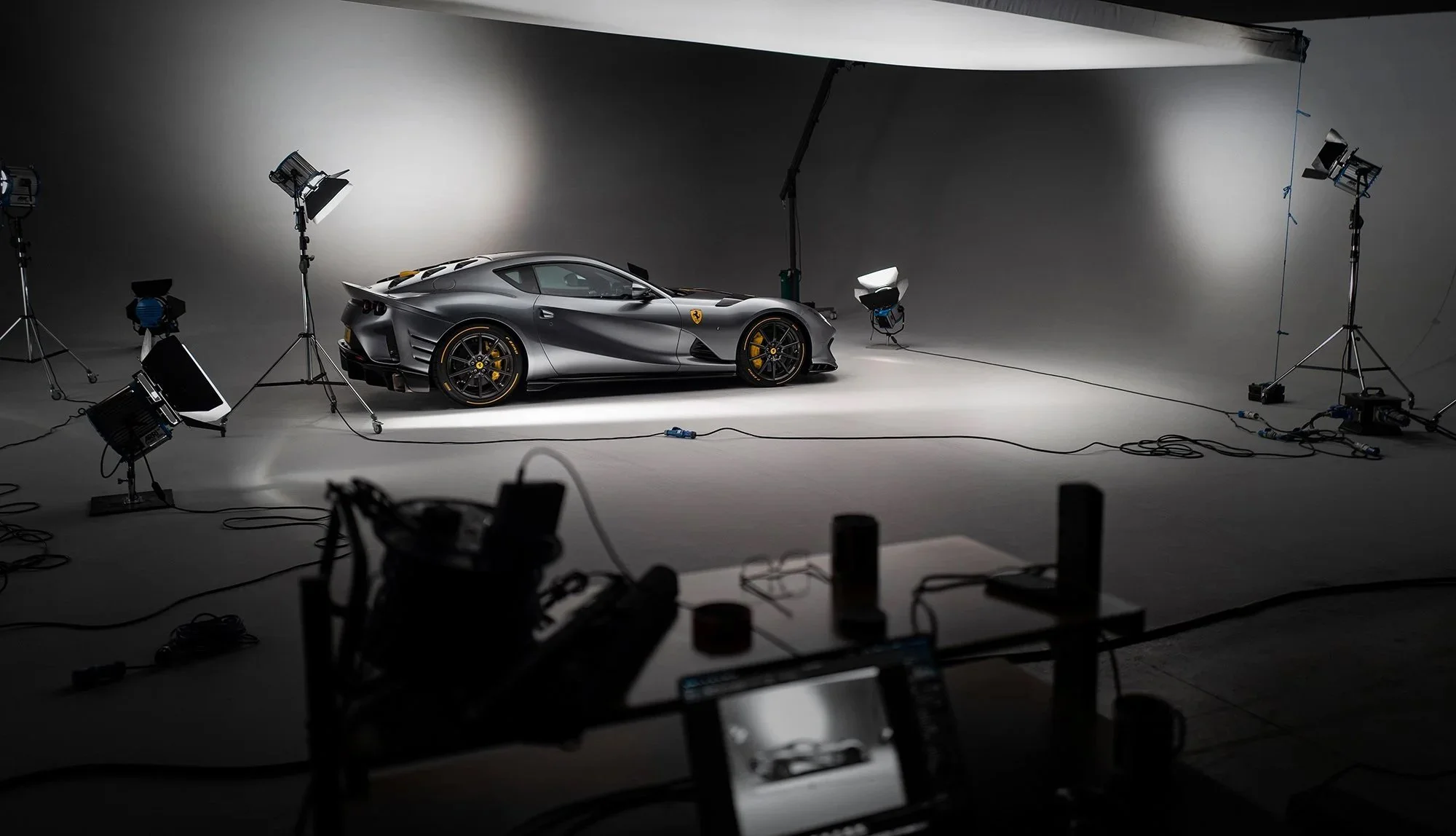
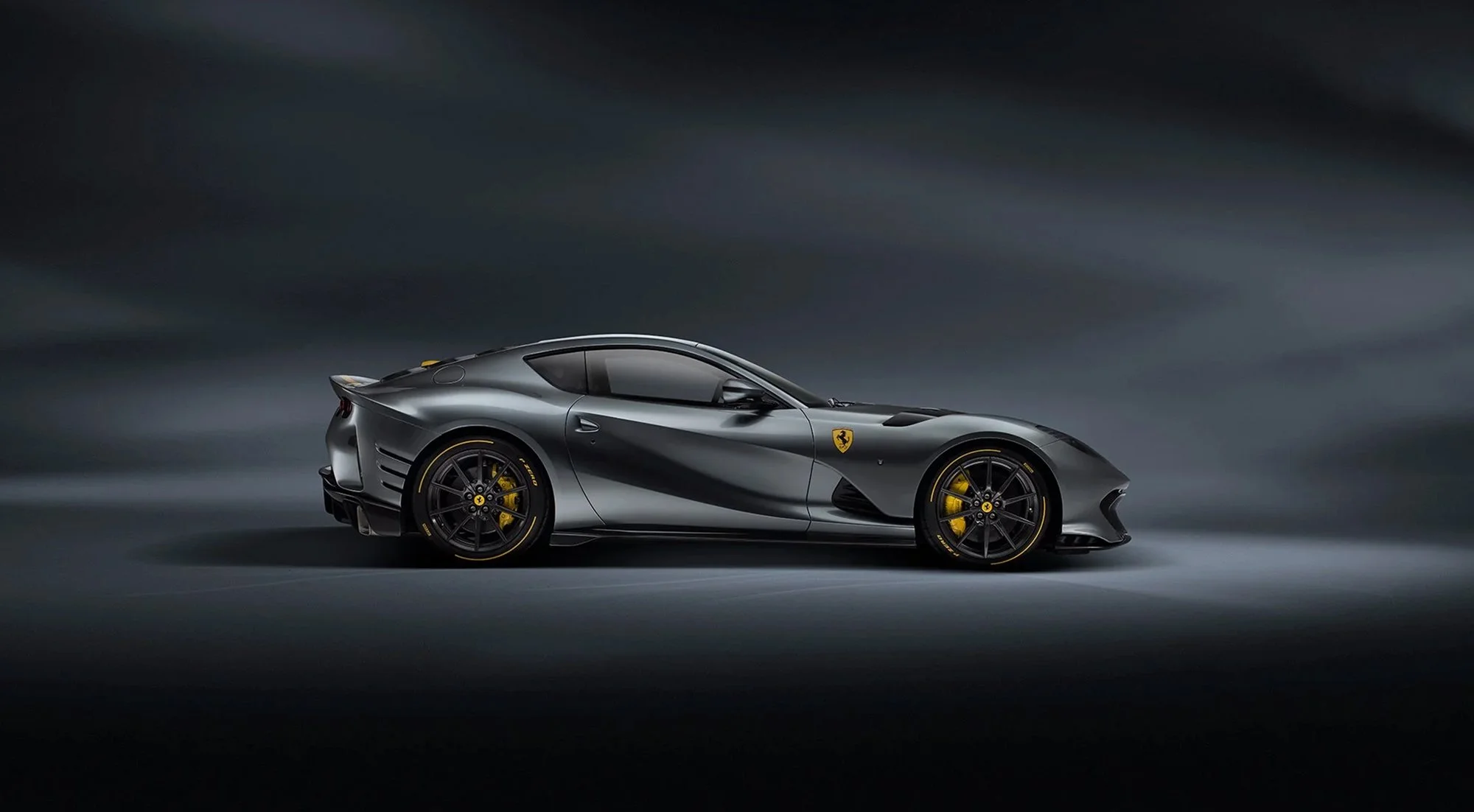
I firmly believe that as Ai becomes more common place in our lives and people become increasingly aware of its presence they will seek out the authentic. Indeed in many ways those photographers that are technically capable to generate authentic and outstanding photography that is real will be a premium. For example if I was looking to buy a £100k Ferrari I would really be more comfortable seeing a real photograph of that vehicle rather than a Ai rendering. I also believe that as Ai grows more common place that the businesses within marketplaces will also be seeking and indeed actively shouting about their ‘authenticity’
The future of commercial photography will undoubtedly involve new technologies, new workflows and new ways of creating visual content. Yet I believe the qualities clients value most will remain remarkably familiar: curiosity, experience, empathy, professionalism and the ability to understand an organisation well enough to represent it honestly.
The tools may continue to evolve, but the principles that underpin meaningful communication have changed very little.
The Future Belongs to Businesses That Can Prove They Are Real
When people ask whether I worry about the future of commercial photography, my answer is always the same. I don't worry about photography; I think about the businesses I work with and the challenges they face in communicating their value. Technology will continue to evolve, creative tools will become increasingly sophisticated and the way organisations produce visual content will undoubtedly change, but the fundamental principles of business rarely shift as dramatically as the technology surrounding them.
Every successful organisation is built upon trust. It is earned through the quality of its products, the expertise of its people and the consistency with which it delivers on its promises. Those qualities cannot be manufactured overnight, nor can they be generated by software. They develop gradually through years of experience, thousands of individual decisions and an ongoing commitment to doing things well. Marketing does not create that trust; it simply communicates it.
That, perhaps, is where commercial photography has always delivered its greatest value.
The photographs themselves are never the end product. They are a means of helping customers understand the organisation behind them, revealing not only what a business makes but how it thinks, how it works and the standards to which it holds itself. A well-executed commercial photograph does far more than illustrate a product. It becomes evidence of craftsmanship, capability and professionalism, allowing prospective clients to connect with the people and expertise that exist behind every finished piece of engineering, every manufactured component and every specialist service.
In many ways, I believe the organisations that will thrive over the coming years will be those that recognise this distinction. They will embrace new technologies because innovation has always been part of successful business, but they will also understand that technology is most valuable when it supports authenticity rather than replacing it. They will use Artificial Intelligence to improve efficiency, accelerate ideas and streamline communication, while continuing to invest in the genuine experiences, relationships and expertise that define who they are. The technology may become increasingly sophisticated, but the story it tells must still be true.
Throughout my own career I have worked with businesses whose reputations have been built over decades rather than months. Whether standing inside an advanced manufacturing facility, photographing engineers developing the next generation of commercial vehicles or documenting the remarkable professionalism of emergency service crews, I have been reminded time and again that the most valuable stories are rarely the loudest ones. More often they are found in the quiet confidence of people who know their craft, the pride that comes from doing difficult work well and the commitment to standards that customers may never fully see but instinctively recognise.
Those are the qualities that have always fascinated me, and they remain the reason I continue to enjoy commercial photography after more than twenty years. The camera has simply been the means by which I have been able to tell those stories. The real subject has never been the machinery, the vehicles or even the photographs themselves. It has always been the people, the businesses and the trust they work so hard to earn.
Perhaps that is why I remain optimistic about the future.
Not because technology will slow down, because it won't. Nor because Artificial Intelligence will somehow become less capable, because it almost certainly won't. I remain optimistic because I believe the more digital our world becomes, the more valuable authenticity will become alongside it. As businesses are presented with an ever-expanding range of ways to create convincing visual content, those that can demonstrate genuine expertise, genuine craftsmanship and genuine people will find themselves holding something increasingly difficult to imitate.
That is not simply an advantage for photographers.
It is an advantage for every business built upon reputation.
Ultimately, customers do not form long-term relationships with organisations because they produce the most polished marketing or the most visually impressive advertising. They choose them because they inspire confidence. They believe in the people behind the products, they trust the standards behind the brand and they feel reassured that what they see reflects what they will actually experience.
That has always been the foundation of successful commercial photography, even if we have not always described it in those terms.
In a world where almost anything can now be imagined, rendered and generated with remarkable realism, the organisations that stand apart will not necessarily be those capable of creating the most extraordinary imagery. They will be the businesses with the confidence to show who they really are, because authenticity is no longer simply a creative choice.
It is becoming one of the strongest commercial advantages any organisation can possess.