A Remarkable Aircraft with an Extraordinary Story
Photographing the Waterbird Seaplane: A Living Piece of Aviation History
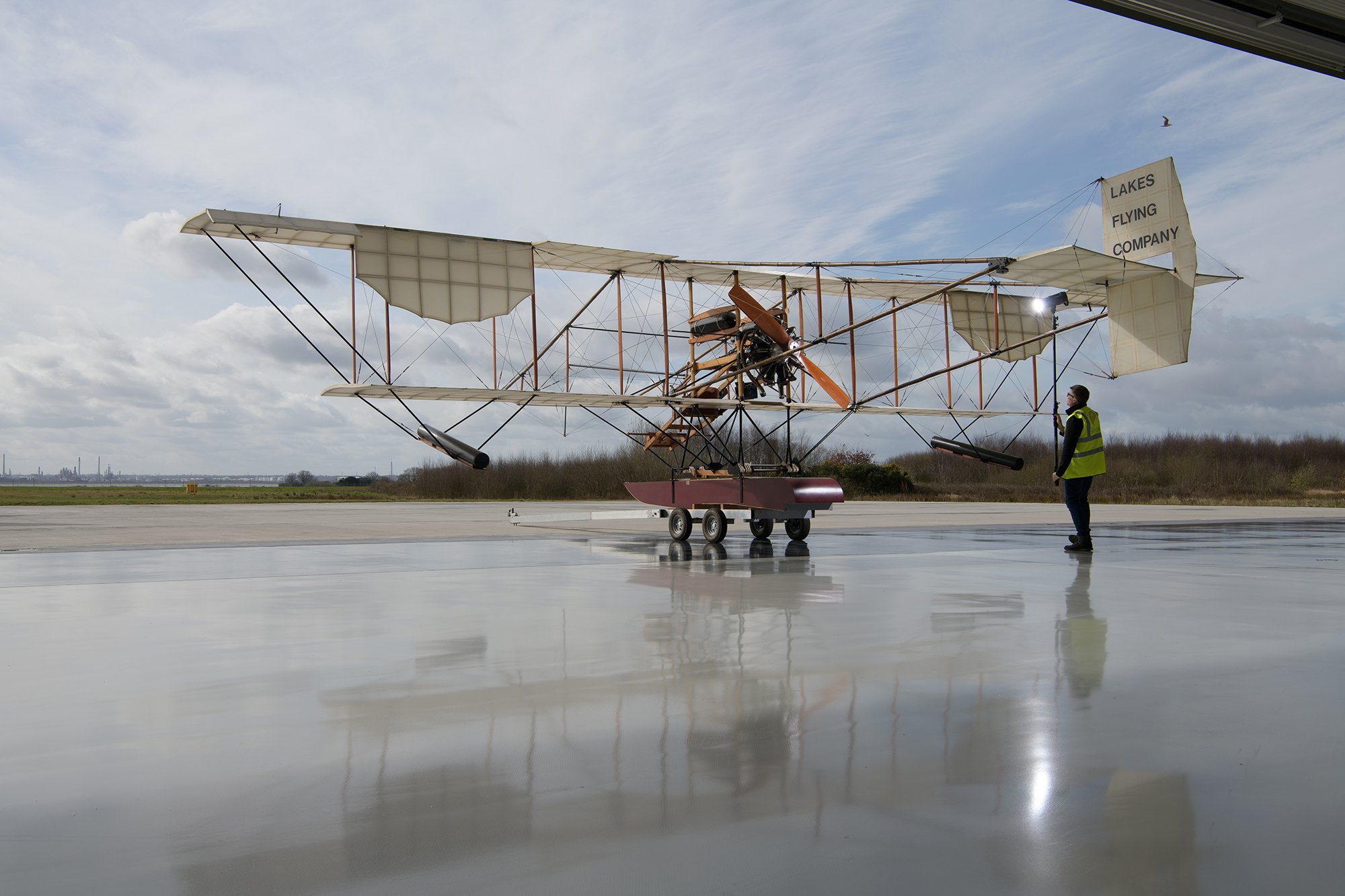
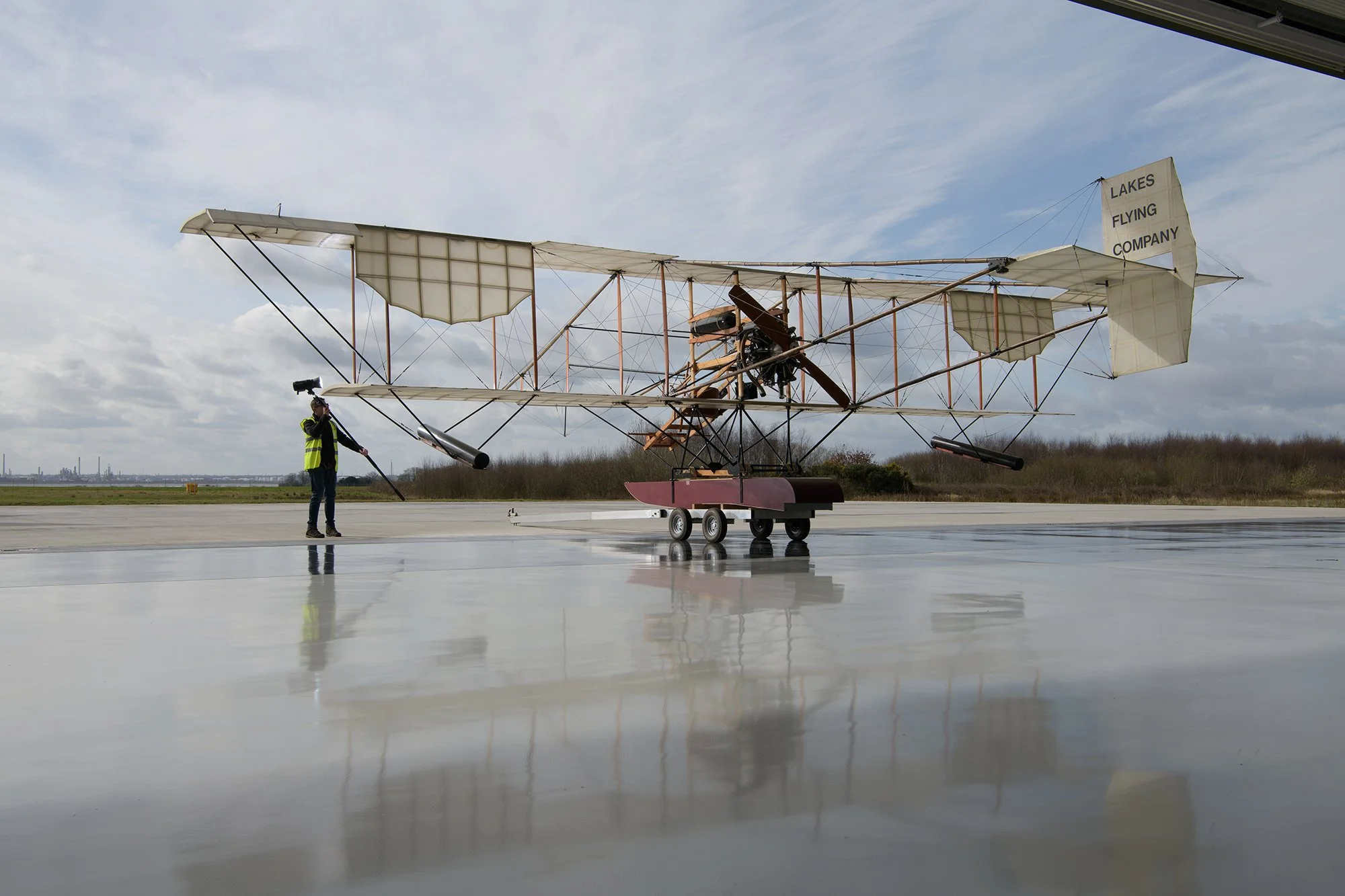
There are certain aircraft that immediately capture your imagination, not simply because of their appearance, but because of the history, ingenuity and human determination they represent. The Waterbird seaplane is undoubtedly one of them. Recently, I had the privilege of photographing this remarkable aircraft for my client BBC Productions as part of a wider project celebrating some of the most fascinating machines in aviation history for the television series Warbird Workshop.
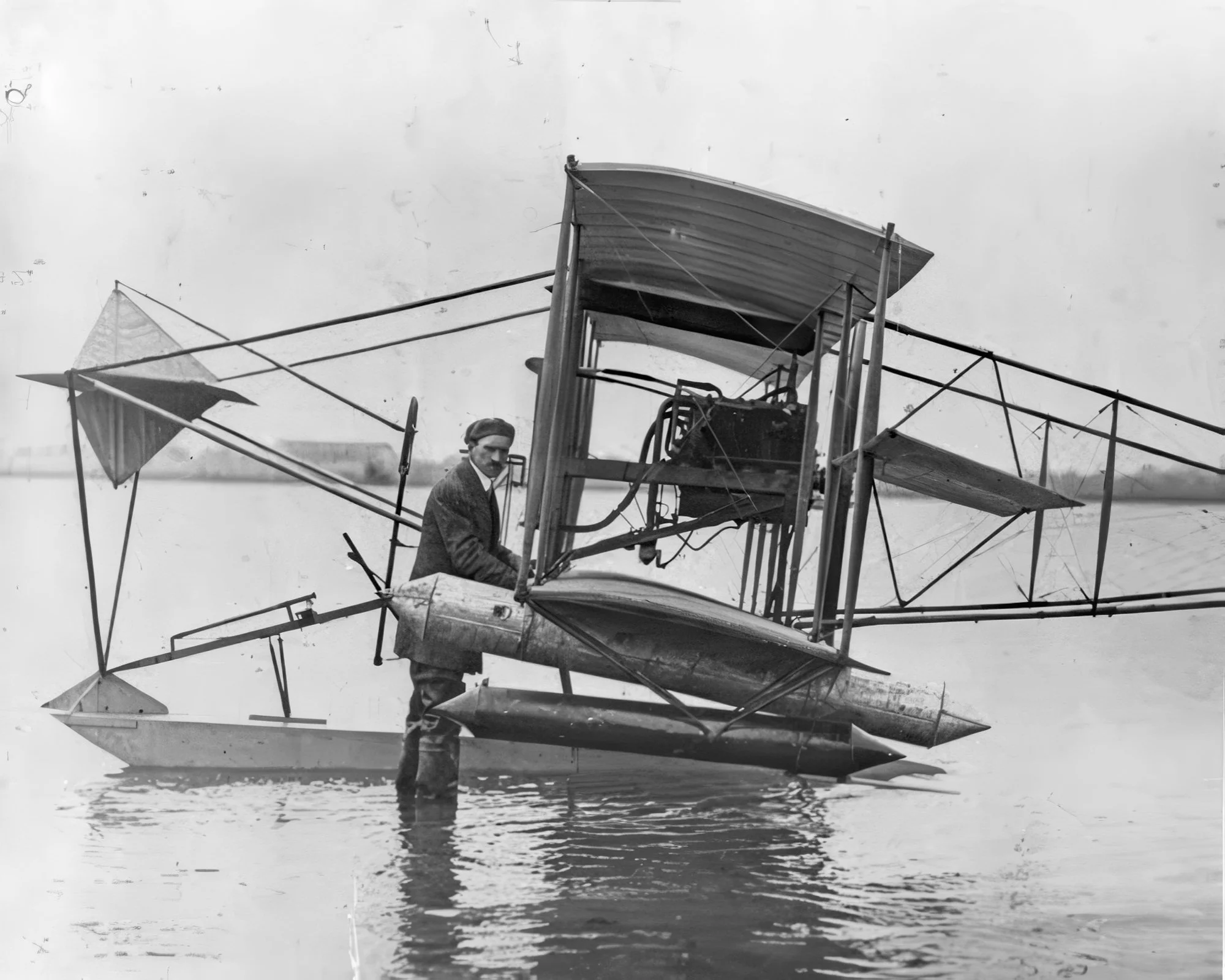
Operated by The Flying Lakes Company, the Waterbird is a recreation of an important early British seaplane, and spending time photographing it was a particularly rewarding experience. With its distinctive shape, delicate structure and unmistakable character, it looks wonderfully different from the aircraft most people associate with modern flight. There is something almost timeless about its appearance, offering a glimpse into an era when powered aviation was still in its infancy and every successful flight represented another step into the unknown.
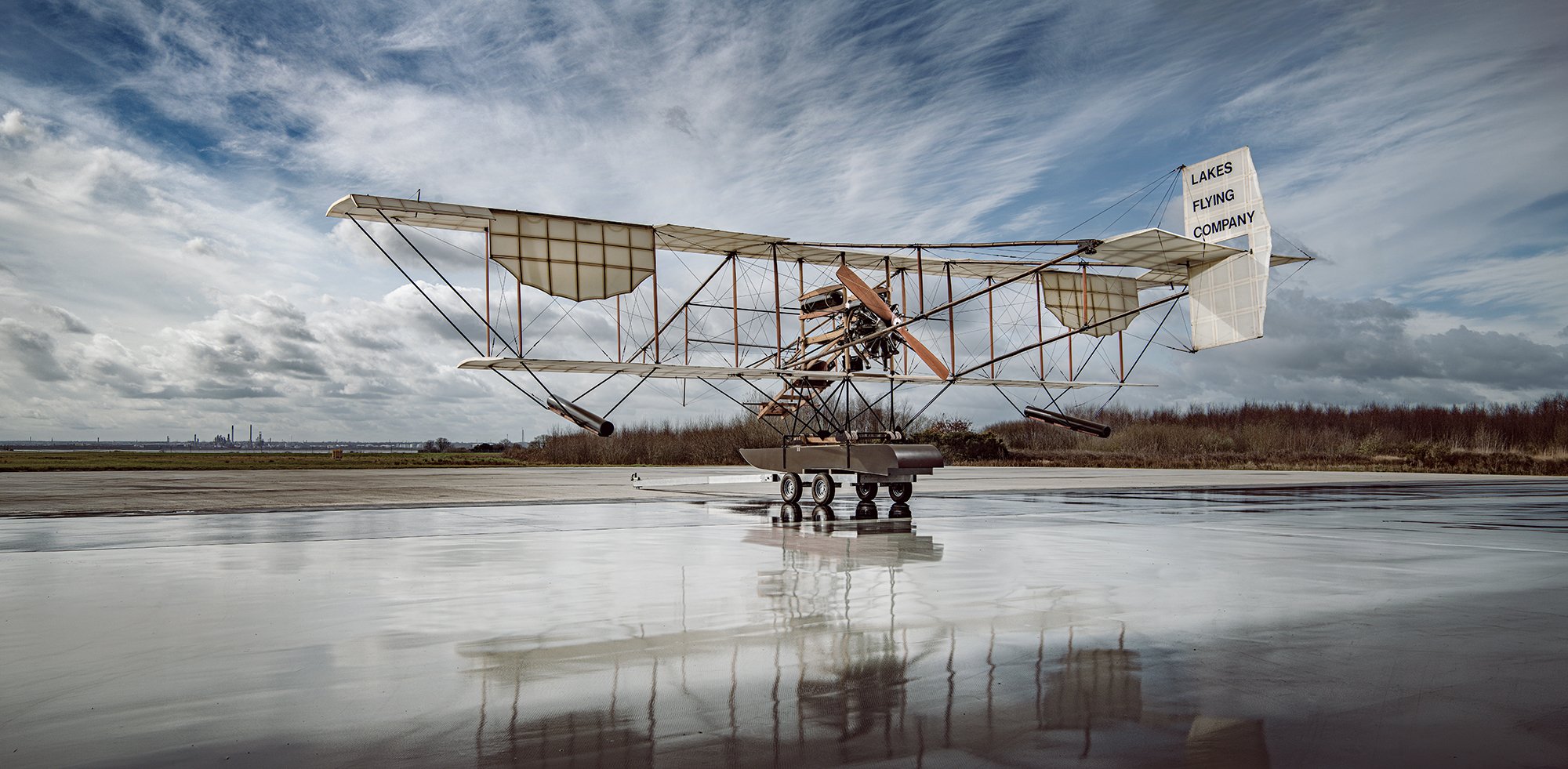
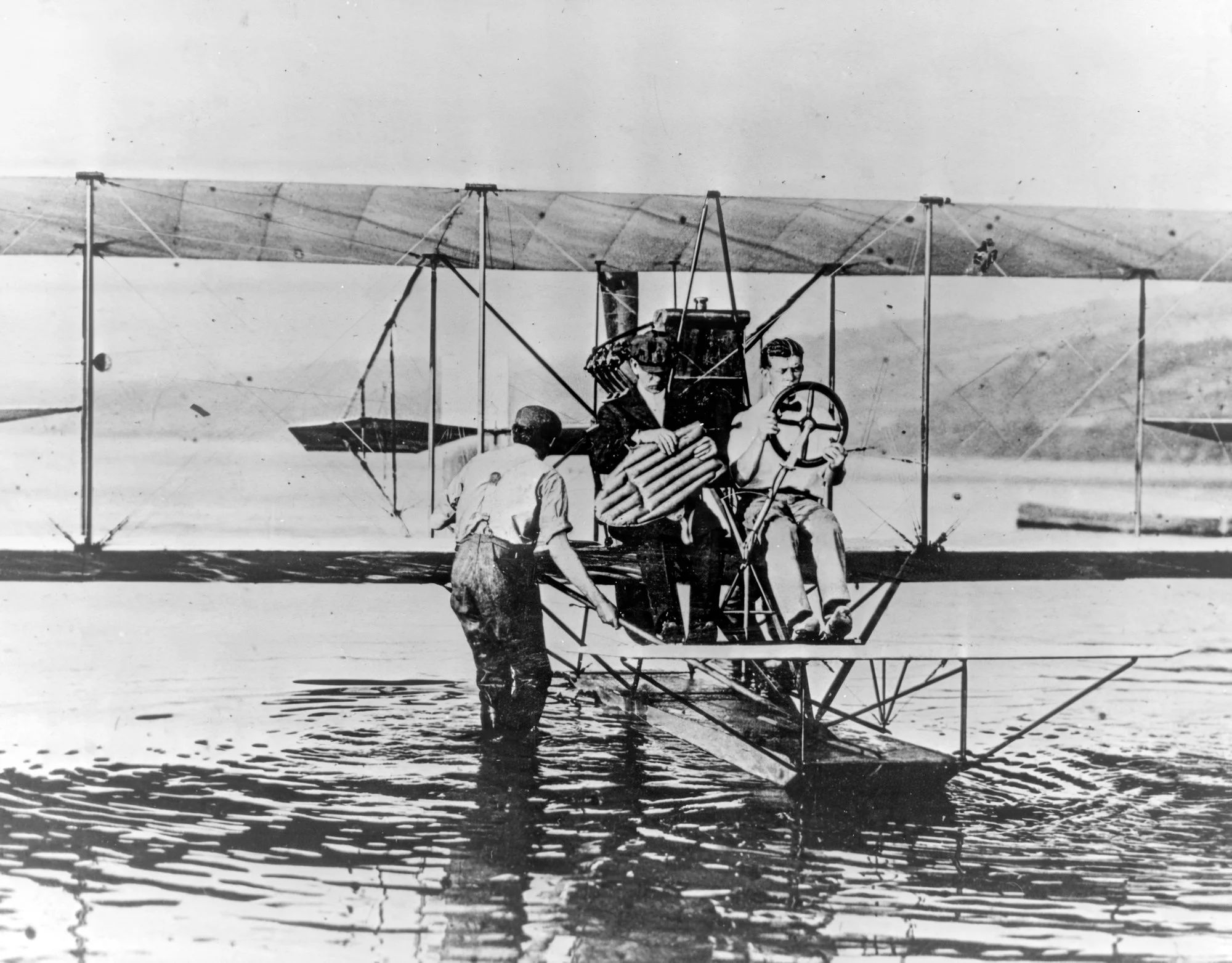
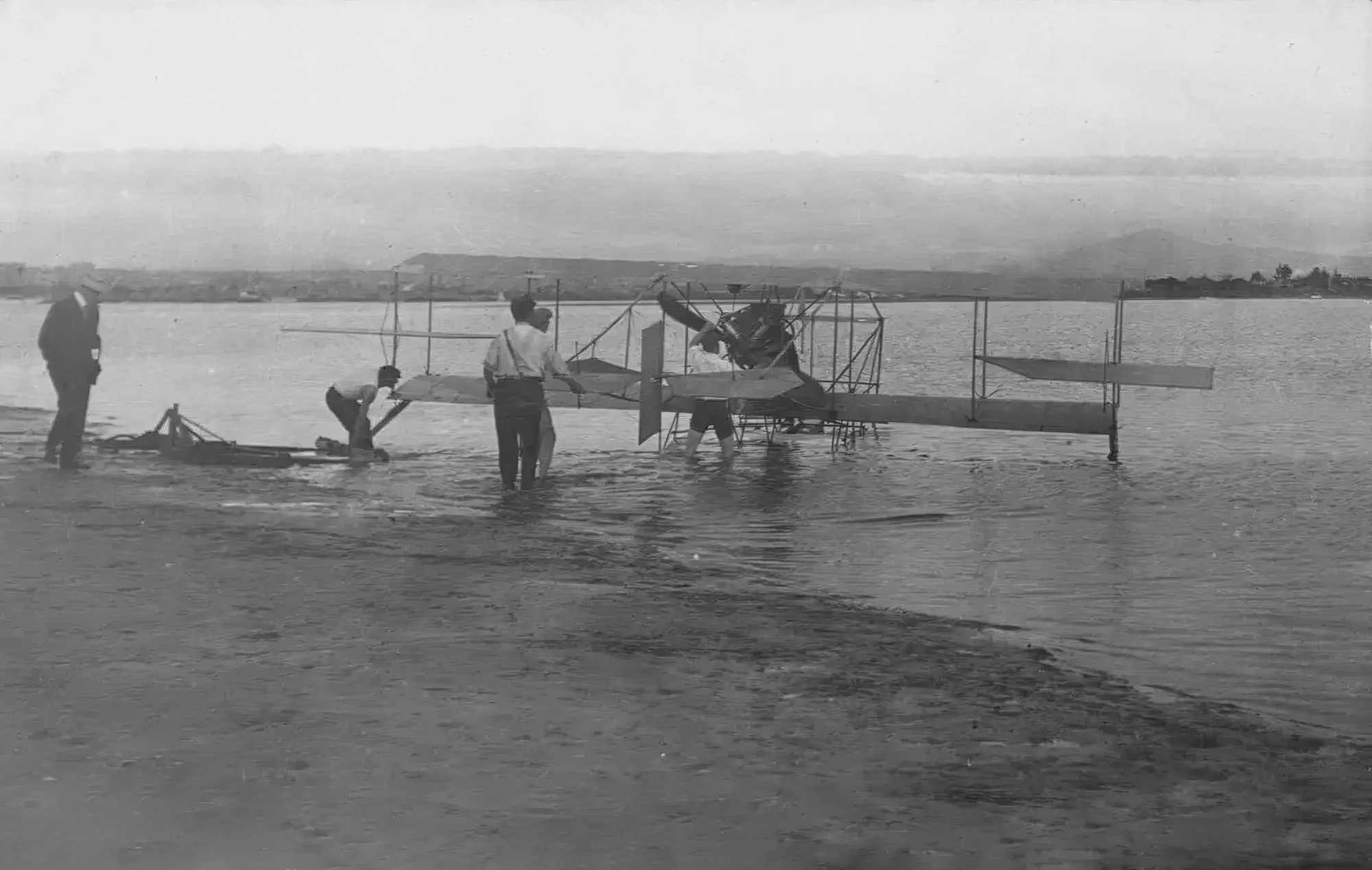
The original Waterbird first flew on 25 November 1911 at Windermere in the Lake District. It became the first aeroplane to successfully take off from and land on water outside France and the United States, marking an important moment in the development of British aviation. At a time when flying itself was still an extraordinary achievement, the ability to operate from water opened up exciting possibilities for the future.
More than a century later, the recreation of this pioneering aircraft provides a tangible connection to those early days. It is one thing to read about aviation pioneers in a history book, but quite another to stand beside an aircraft that brings their achievements to life. For me, that connection between the past and the present is one of the things that makes photographing historic aircraft so enjoyable.
Photographing Something Truly Different
As an aviation photographer, I have spent many years working with aircraft of all shapes and sizes, from modern business jets and commercial aircraft to historic machines with fascinating stories behind them. Every aircraft presents its own photographic opportunities, but something as unusual as the Waterbird offers a particularly distinctive creative challenge.
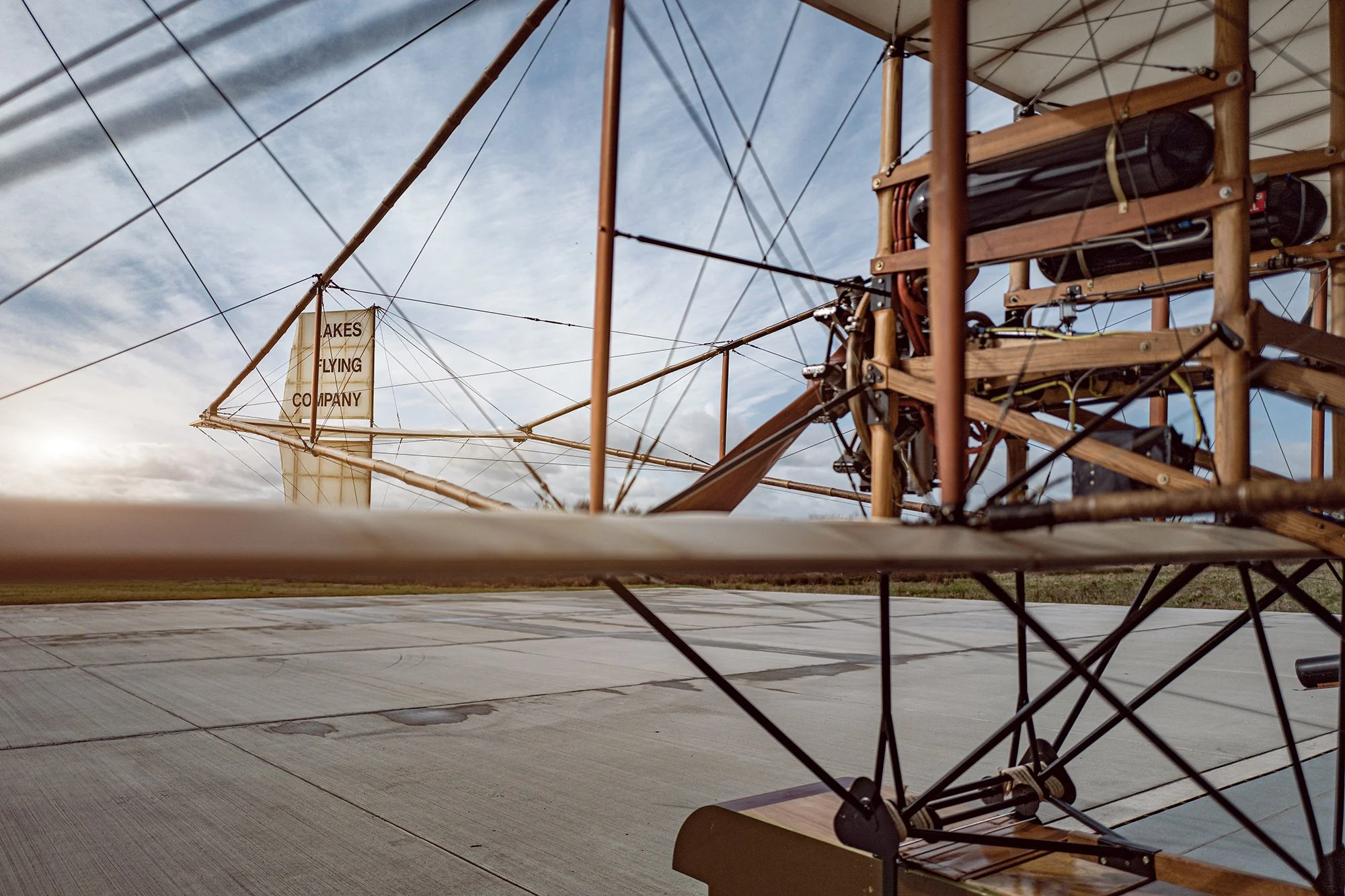
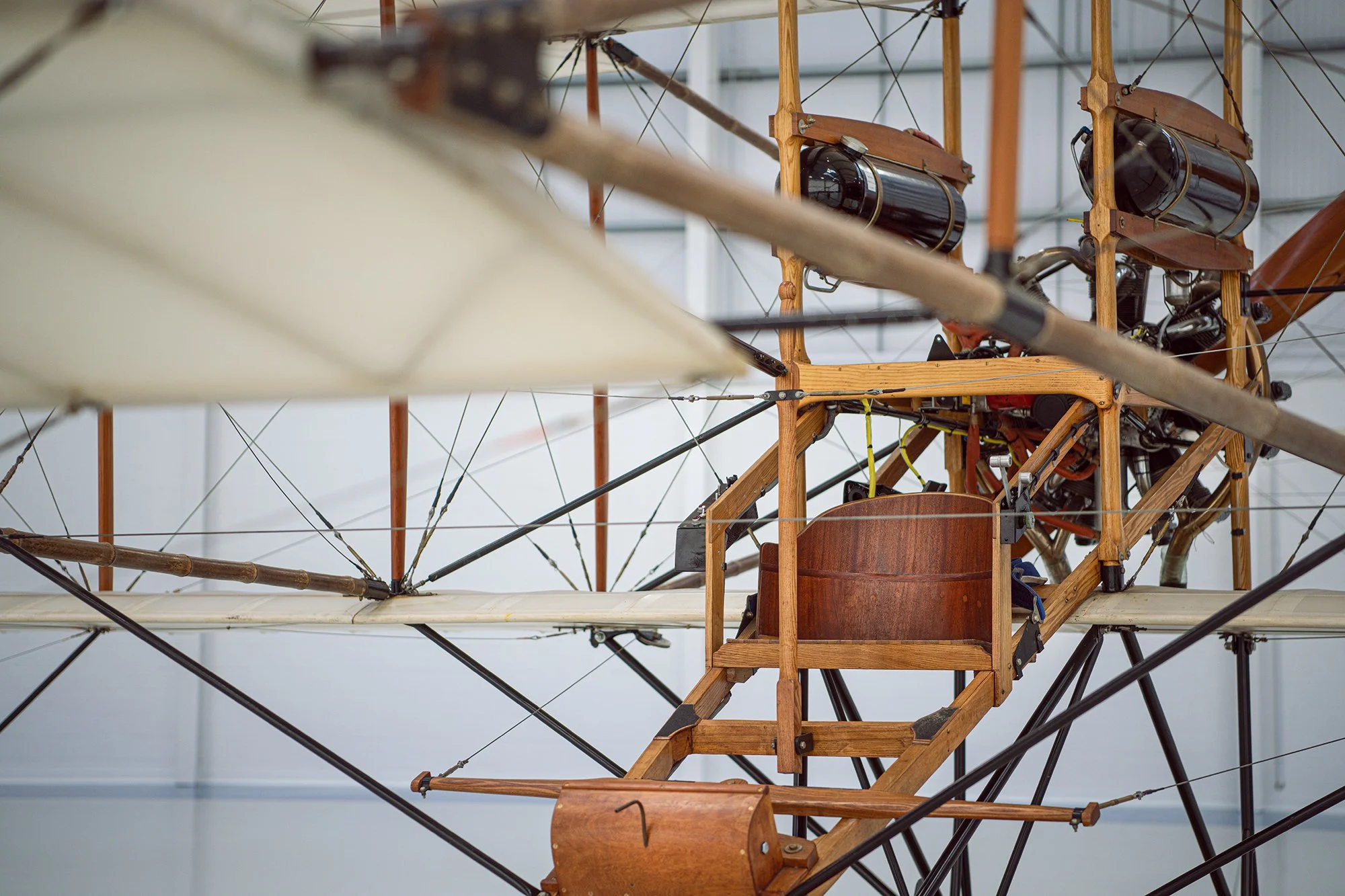
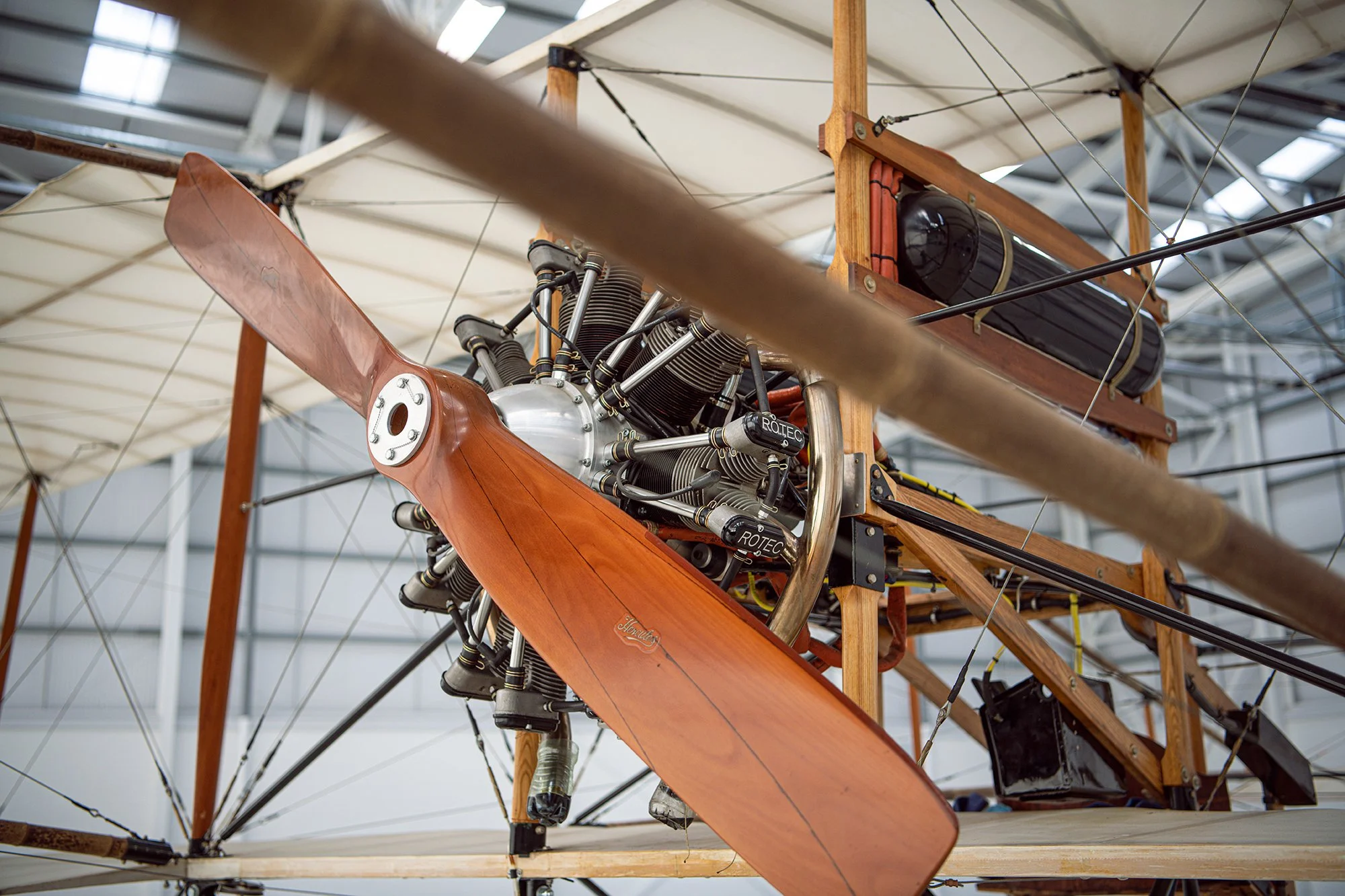
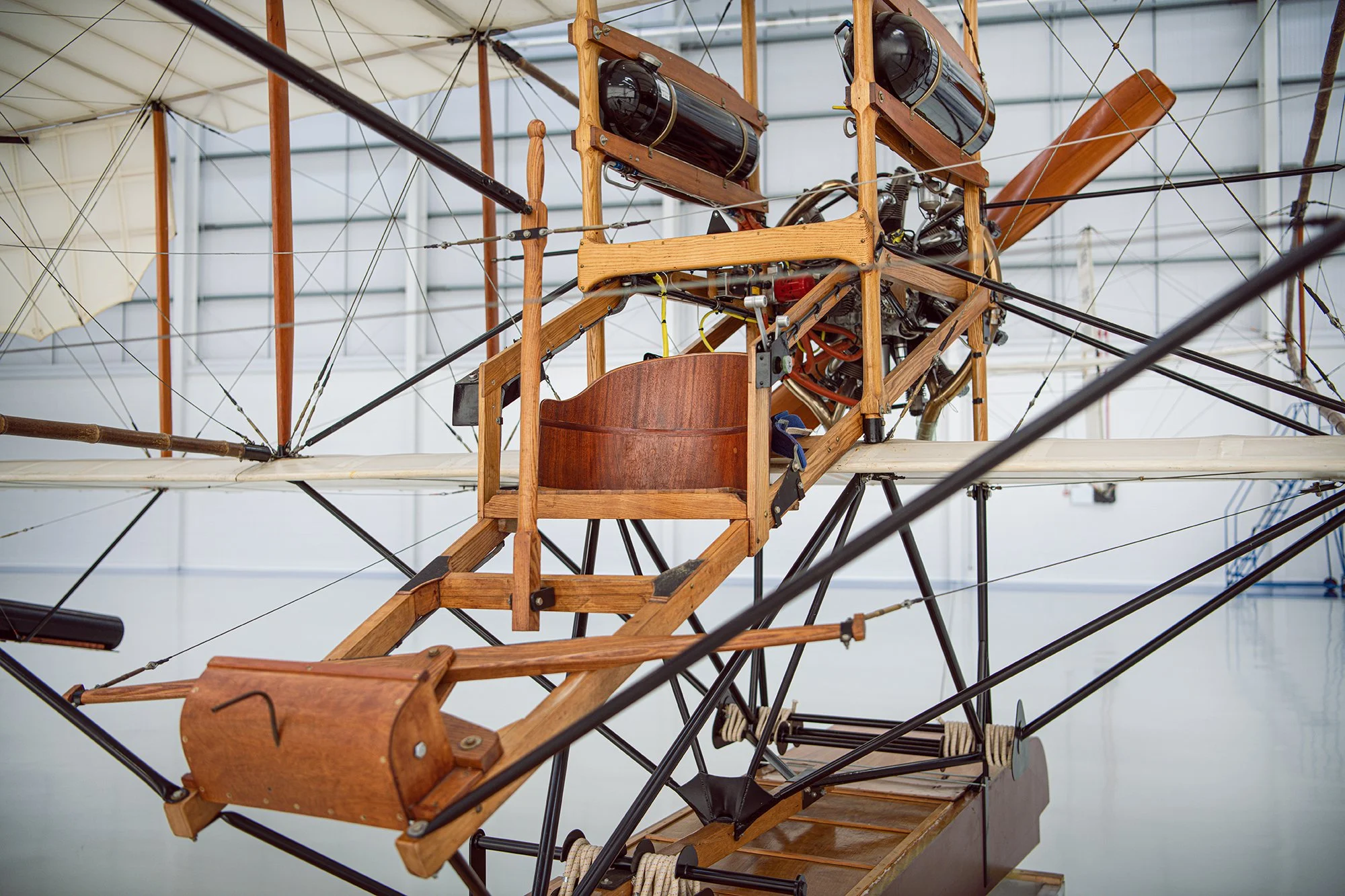
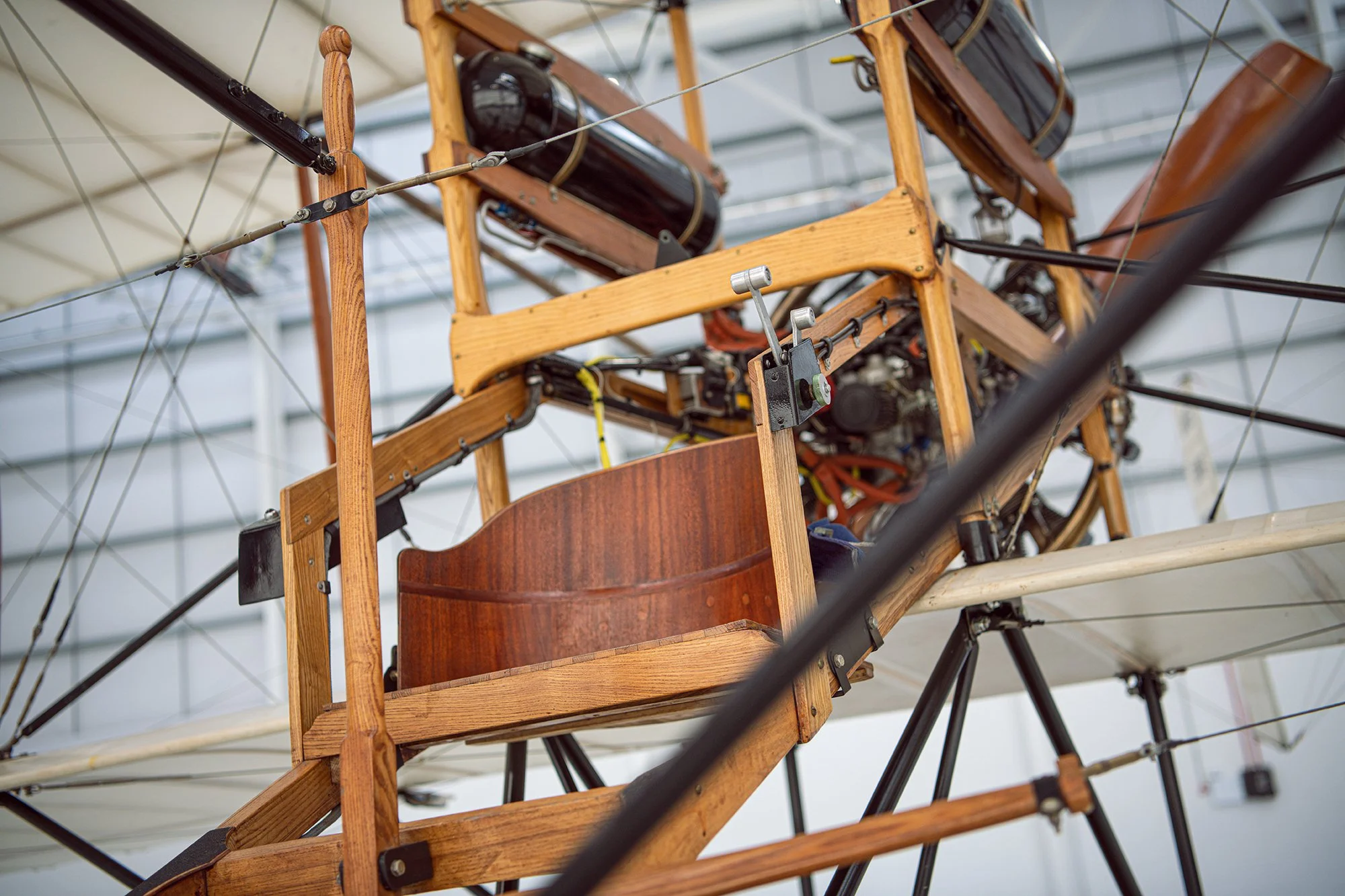
Unlike many familiar aircraft, its appeal lies as much in the elegance of its structure as in its overall shape. The exposed framework, carefully considered proportions and float-supported design all contribute to an appearance that feels worlds away from contemporary aviation. There are details everywhere that reward closer inspection, and finding ways to bring these elements together into a compelling photograph is a large part of the enjoyment.
For this BBC Productions assignment, I wanted to create images that did more than simply record the aircraft's appearance. My aim was to capture its personality, communicate its historical significance and give the viewer a sense of what makes it so special, capturing also lots of close in shots of the incredible and quite beautiful workmanship in its build.
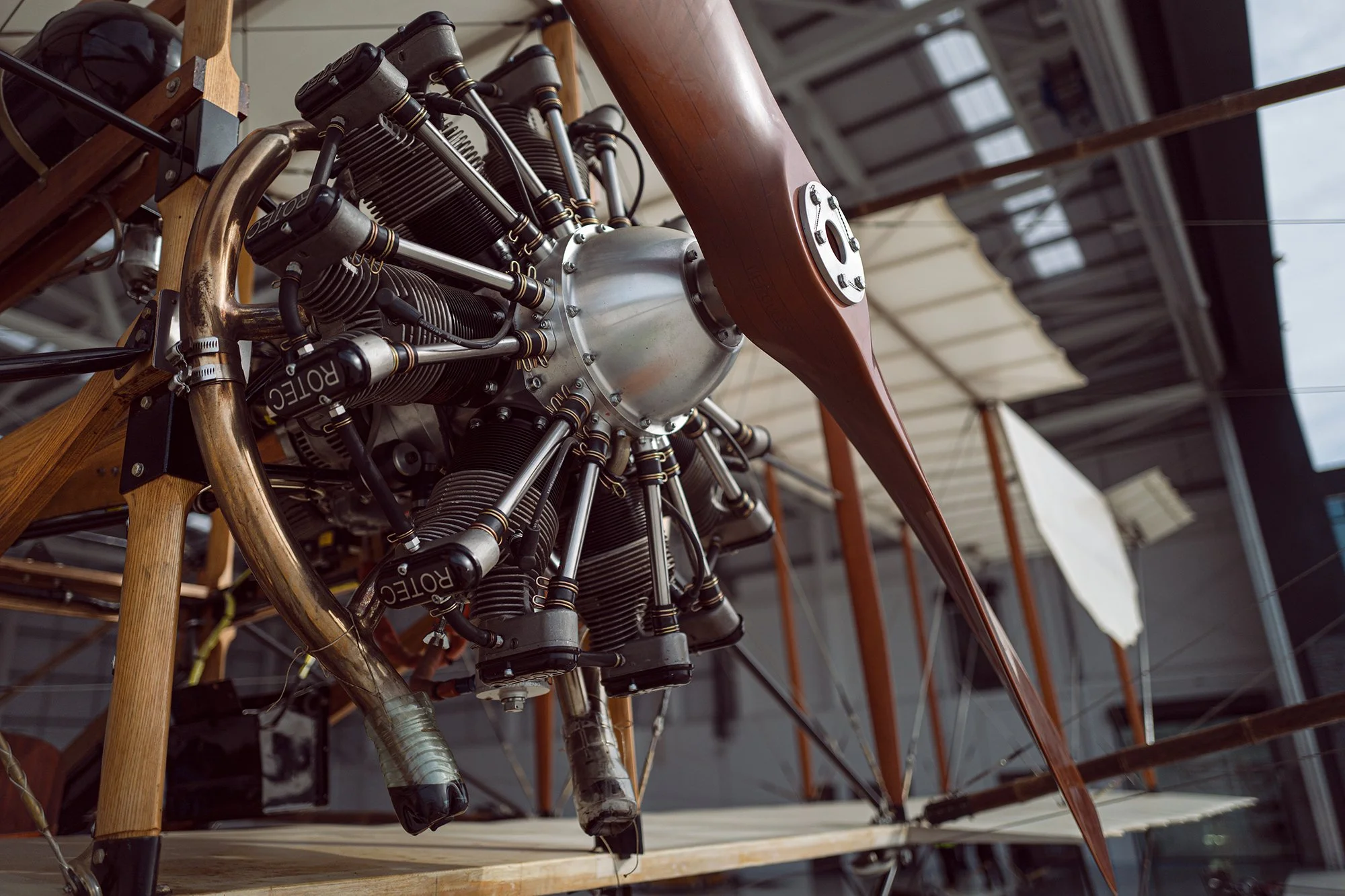
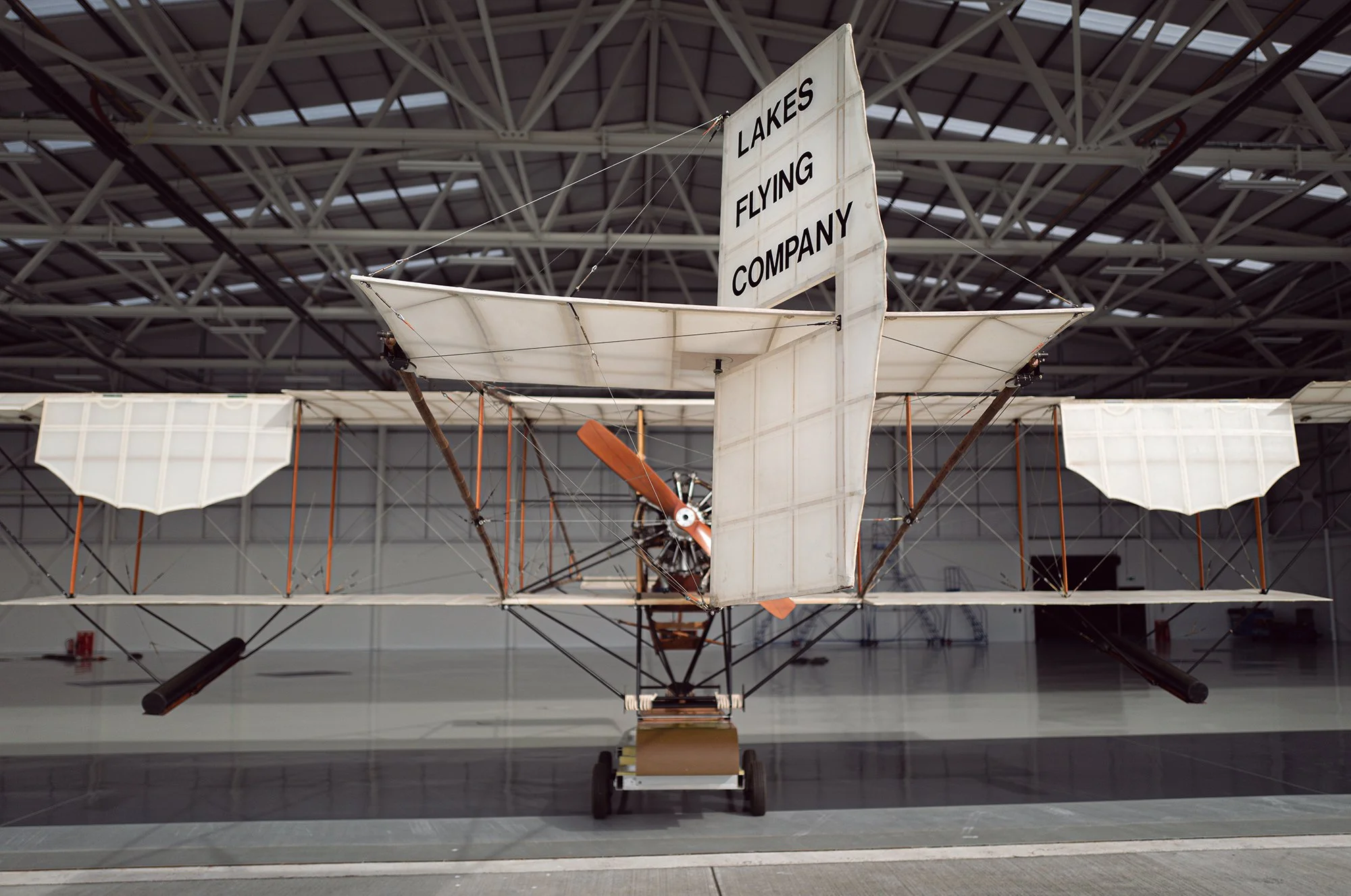
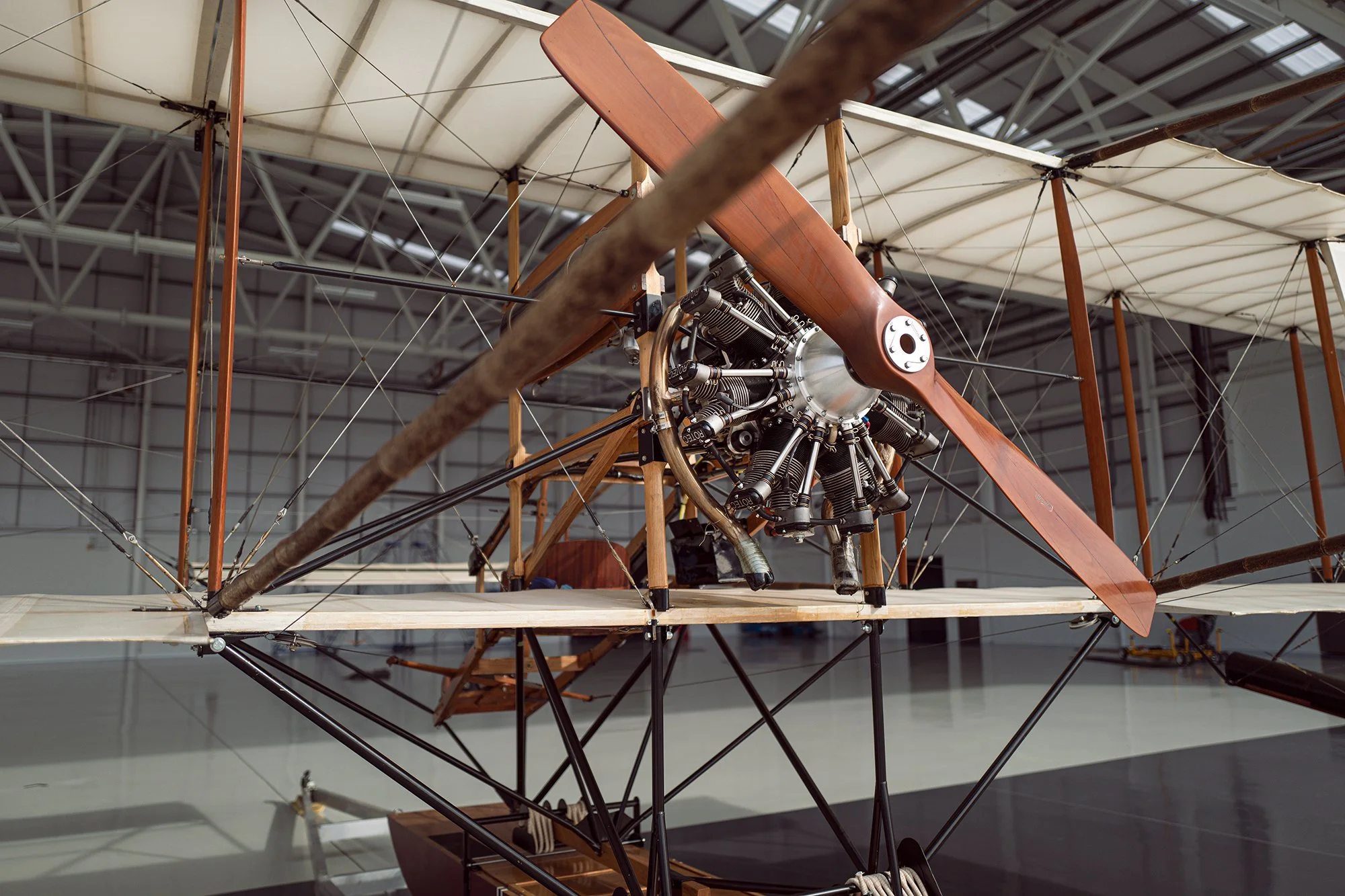
Lighting and composition were particularly important. With vintage aircraft, the temptation can be to photograph them in a straightforward documentary style, showing the entire machine clearly and accurately. While that certainly has its place, I believe these remarkable aircraft deserve imagery that conveys something of their character.
By carefully considering the direction and quality of light, the relationship between the aircraft and its surroundings, and the way individual details are presented, it becomes possible to create photographs with a more cinematic quality. A carefully illuminated section of the structure can reveal the intricacy of its construction, while a wider composition can emphasise its unusual silhouette and delicate proportions.
The objective was to produce photography that encouraged people to look more closely. Rather than simply seeing an old aeroplane, I wanted viewers to appreciate the thought, craftsmanship and ambition represented by the Waterbird.
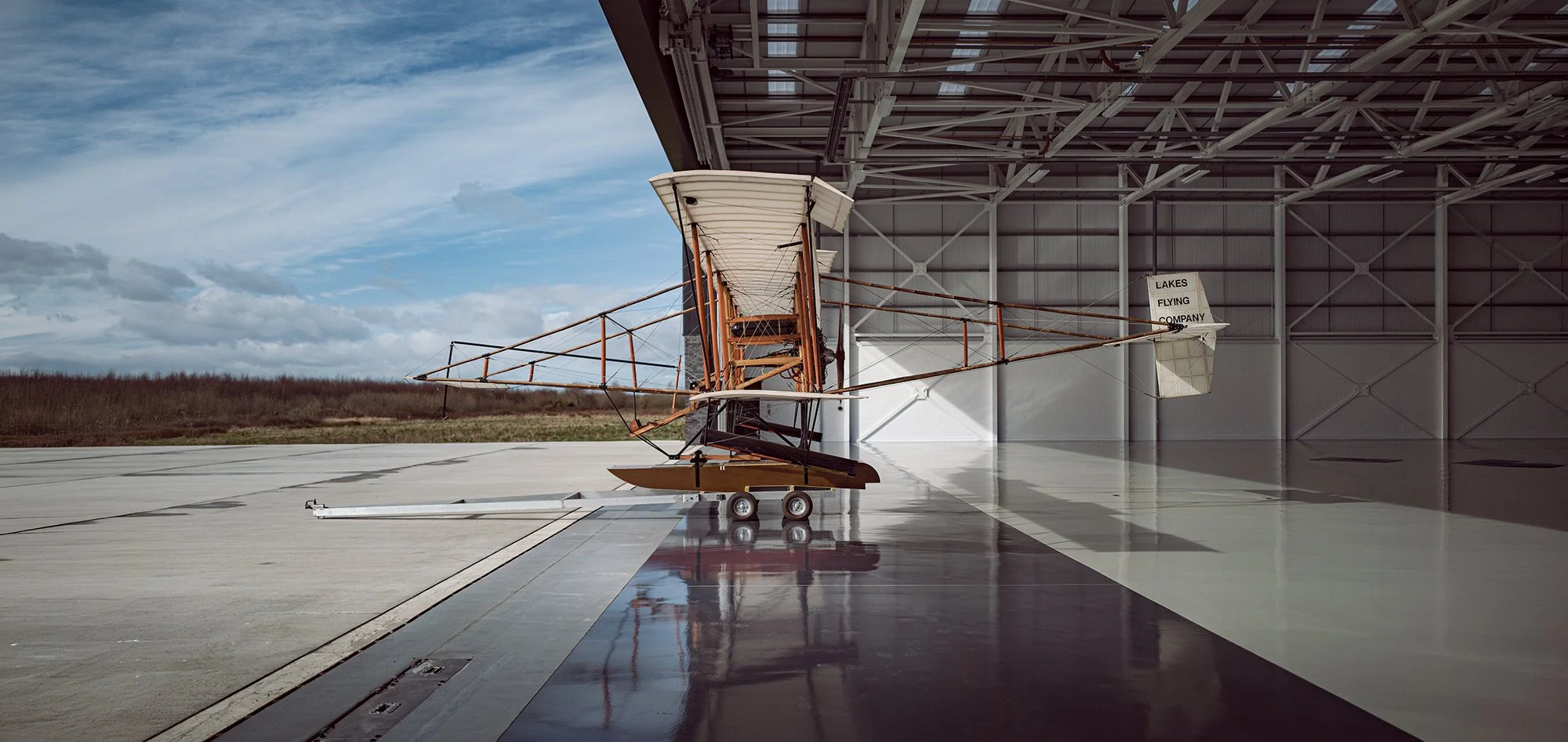
The Craftsmanship Behind Keeping Aviation History Alive
One of the most important aspects of photographing vintage aircraft is remembering that the machine in front of the camera represents far more than a collection of components. Behind every beautifully presented historic aircraft is a considerable amount of work, knowledge and dedication.
Recreating an aircraft from the earliest days of aviation is a remarkable undertaking. It requires patience, research and an understanding of traditional construction techniques, often drawing upon historical records, original designs and the knowledge of experienced craftspeople. Materials must be worked carefully, components made to fit, and countless individual tasks completed before the finished aircraft can take its place in the sky.
The Waterbird is a wonderful example of how modern dedication can bring an important chapter of aviation history back to life. Its recreation allows people to experience something that might otherwise exist only in photographs, drawings and written accounts.
This is something I find particularly compelling as a photographer. When looking at an aircraft, it is easy to concentrate on the finished result, especially when it has been restored or recreated to such an impressive standard. However, the real story often lies in the work that is less immediately visible: the hours spent researching, repairing, shaping, fitting and refining every detail. Keeping historic aircraft flying demands an equally impressive commitment. The skills required are specialised, and much of the knowledge involved has traditionally been passed from one generation of engineers and craftspeople to the next. Experienced specialists share techniques, practical understanding and an appreciation of how these machines were originally constructed. That accumulated knowledge is invaluable, particularly as the people who remember older methods and materials become fewer.
Preserving these skills is every bit as important as preserving the aircraft themselves. Without them, maintaining and operating historic machines becomes increasingly difficult. Every successful restoration or recreation therefore represents not only an engineering achievement, but also the continuation of a living tradition. By documenting the aircraft, its construction and its finer details, images can help communicate the care involved and encourage a wider appreciation of the people who make this work possible.
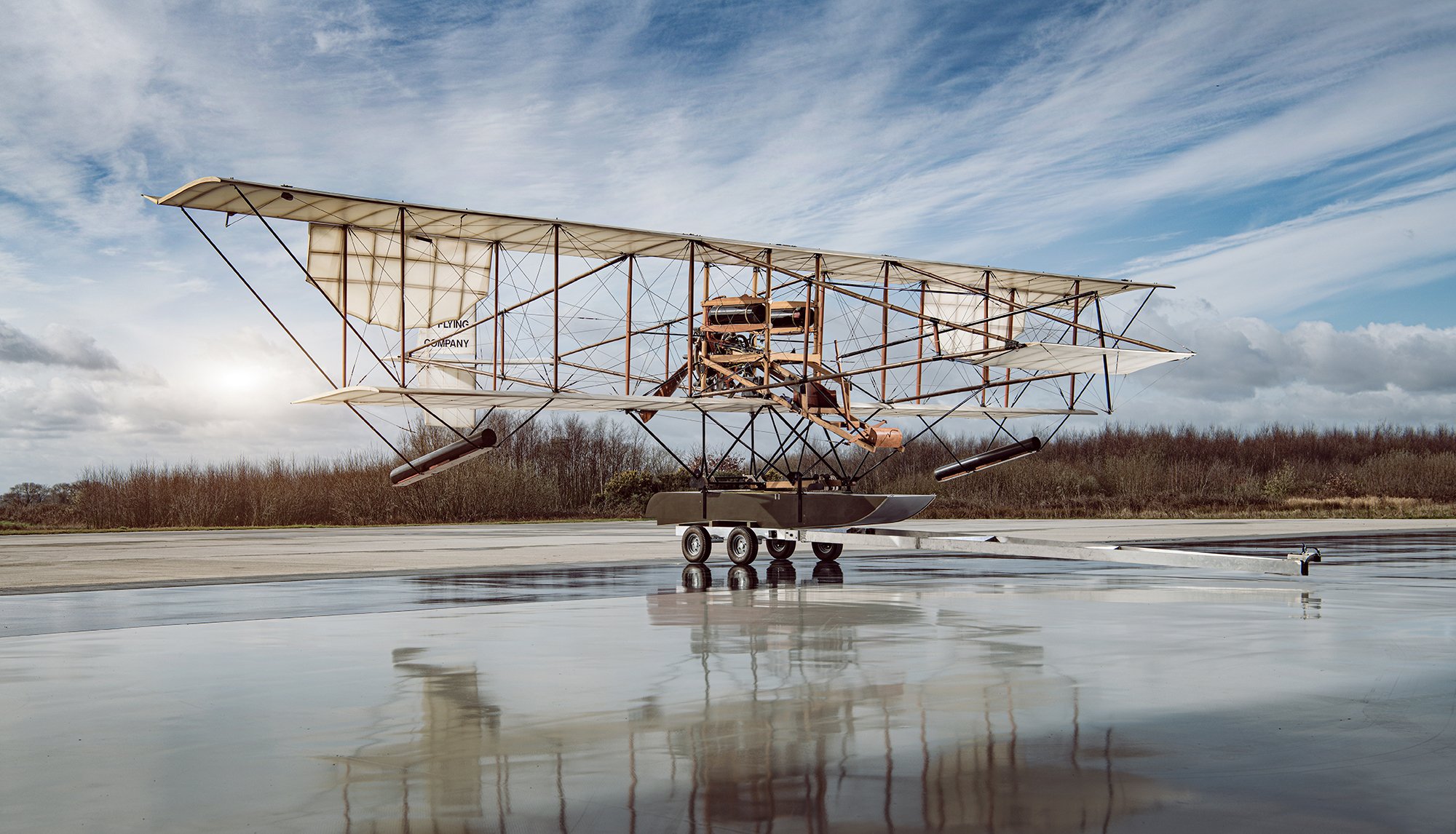
Creating Images That Tell a Story
Throughout the wider BBC Productions assignment, my intention was to approach each aircraft as an individual subject with its own identity and history. The Waterbird fitted that approach perfectly, offering an opportunity to create imagery that felt atmospheric, considered and visually distinctive.
My commercial photography work often involves balancing creative ambition with the practical demands of a production. Access, timing, location and the surrounding environment all influence the final images, so preparation and adaptability are essential. Even when a subject is visually striking, producing photographs that genuinely do it justice requires careful thought.
I was fortunate to work with a supportive BBC production team who encouraged a creative approach to the project. This made it possible to look beyond conventional aircraft photography and develop images that felt more cinematic, while remaining faithful to the character and significance of each subject. The Waterbird was particularly rewarding in this respect. Its unusual design naturally draws the eye, but the challenge was to translate that first impression into photographs that would hold a viewer's attention. I wanted the images to communicate a sense of discovery, encouraging people to consider not only what they were looking at, but also the extraordinary story behind it.
Preserving the Past for Future Generations
One of the most satisfying moments from the wider project came when photography produced for the series was selected for exhibition display in London as part of the programme launch. Seeing the images presented publicly on a large scale was a fantastic experience and a rewarding recognition of the time, planning and creative effort invested throughout the assignment.
It also reinforced an important point: photography can help bring specialist subjects to a much wider audience. Not everyone has the opportunity to visit an aircraft restoration facility, meet the people responsible for preserving historic machines or see an unusual early seaplane at close quarters. A well-considered photograph can offer that introduction and inspire someone to discover more.
The Waterbird is a particularly fitting example of why this matters. Its story reaches back to a pioneering period in British aviation, yet its recreation demonstrates that history does not have to remain confined to the past. Through the dedication of those who build, maintain and operate these aircraft, important achievements can continue to be experienced by new generations. For me, photographing the Waterbird for BBC Productions was a privilege because it brought together so many of the things I value about my work: a fascinating subject, an opportunity to create distinctive imagery, and the chance to help tell a story that deserves to be remembered.
Aircraft like this remind us that aviation history is not simply about machines. It is about the people who imagined them, the people who built them, and the generations who continue to protect their legacy. Being able to capture a small part of that story through photography is one of the most rewarding aspects of my work as an aviation photographer.