

Aviation Photography
The Piper L-4 Cub, a Little Aircraft with a Remarkable Story
Some aircraft are impressive because of their size, others because of their speed, and a few because of the extraordinary engineering that allows them to fly. But every now and then, I find myself photographing an aircraft that reminds me that the real magic of aviation lies somewhere else entirely. It is in the stories these machines carry, the people who flew them, and the remarkable dedication of those who work tirelessly to keep them flying today.
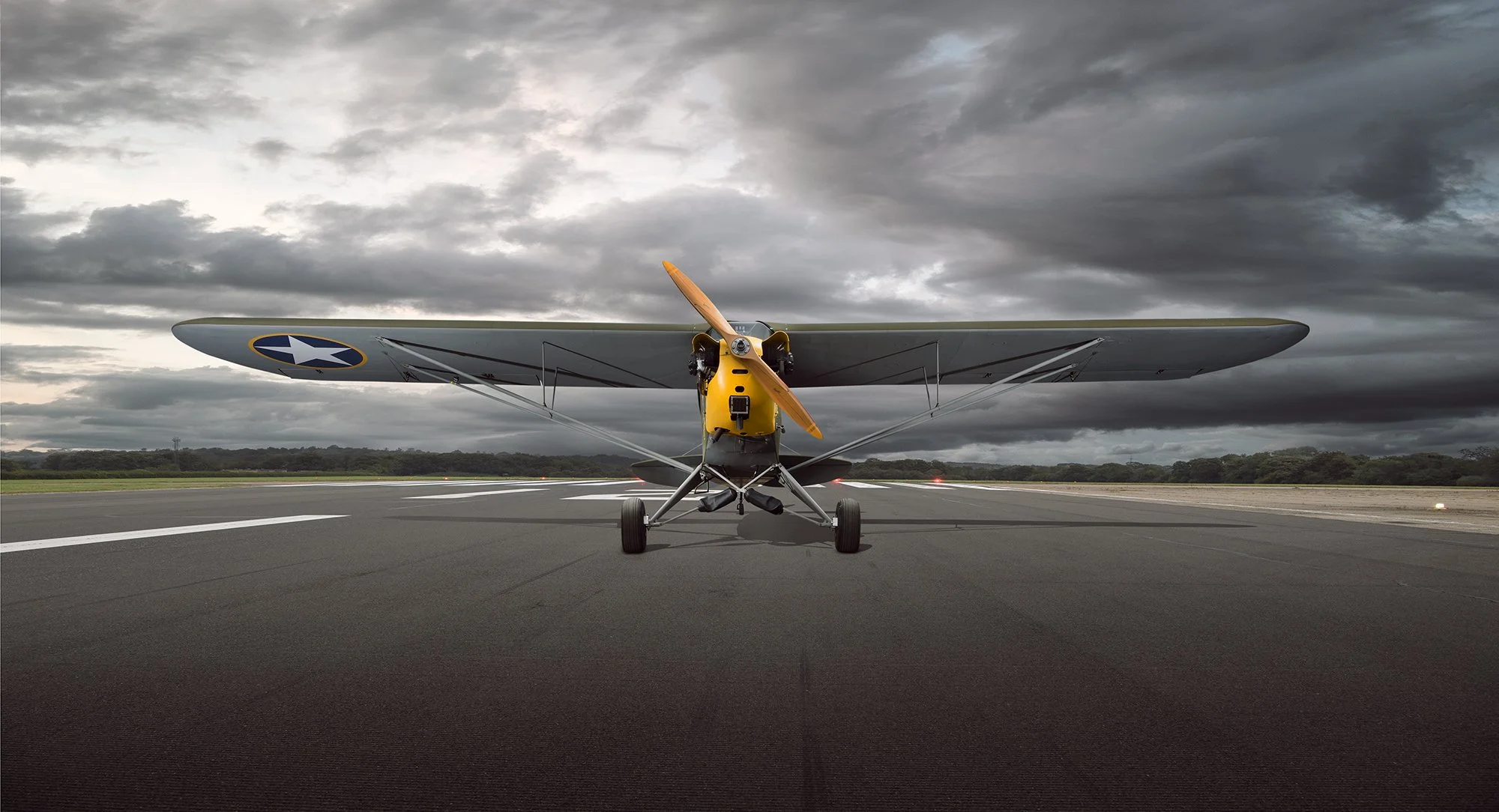
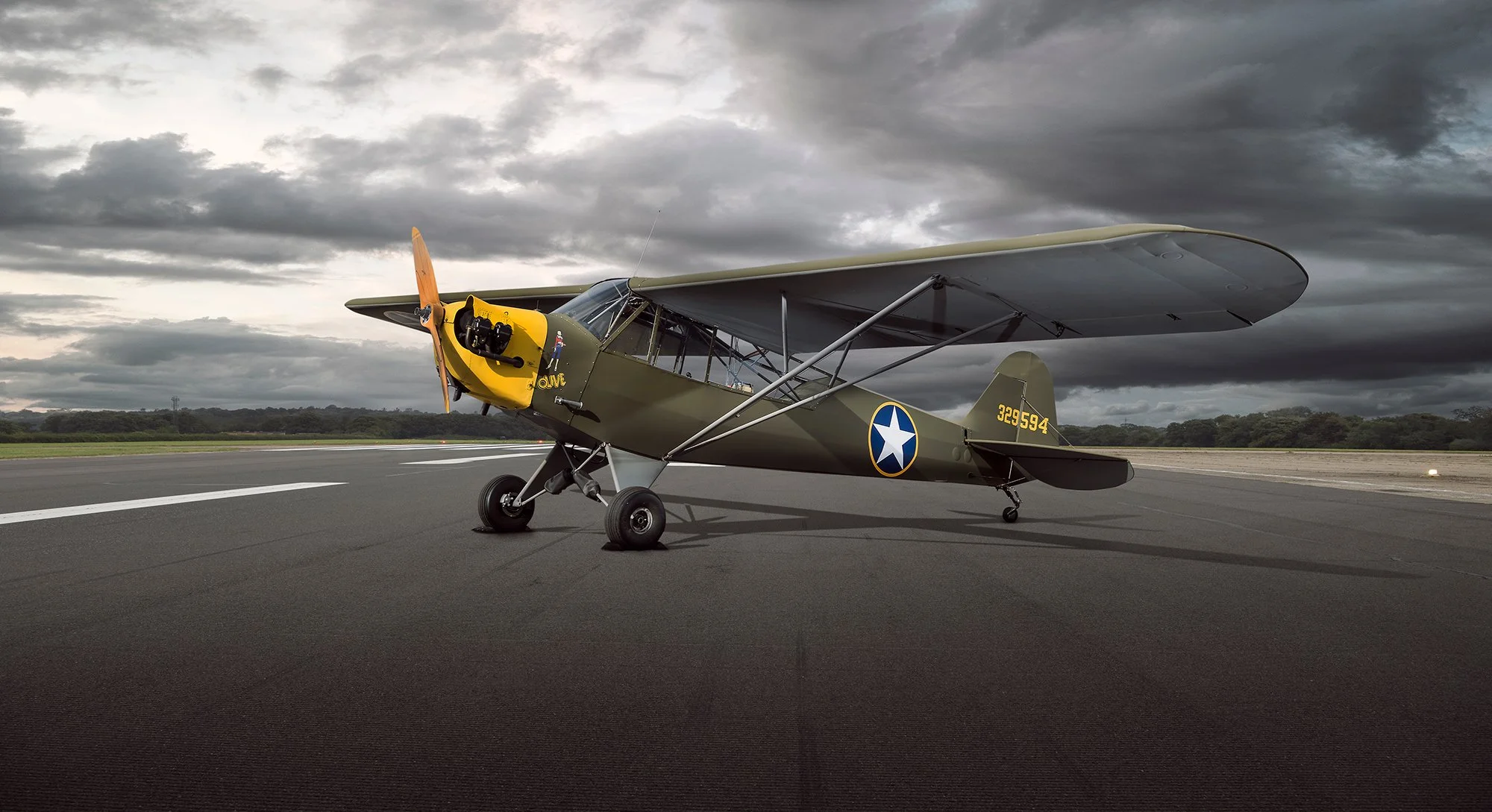
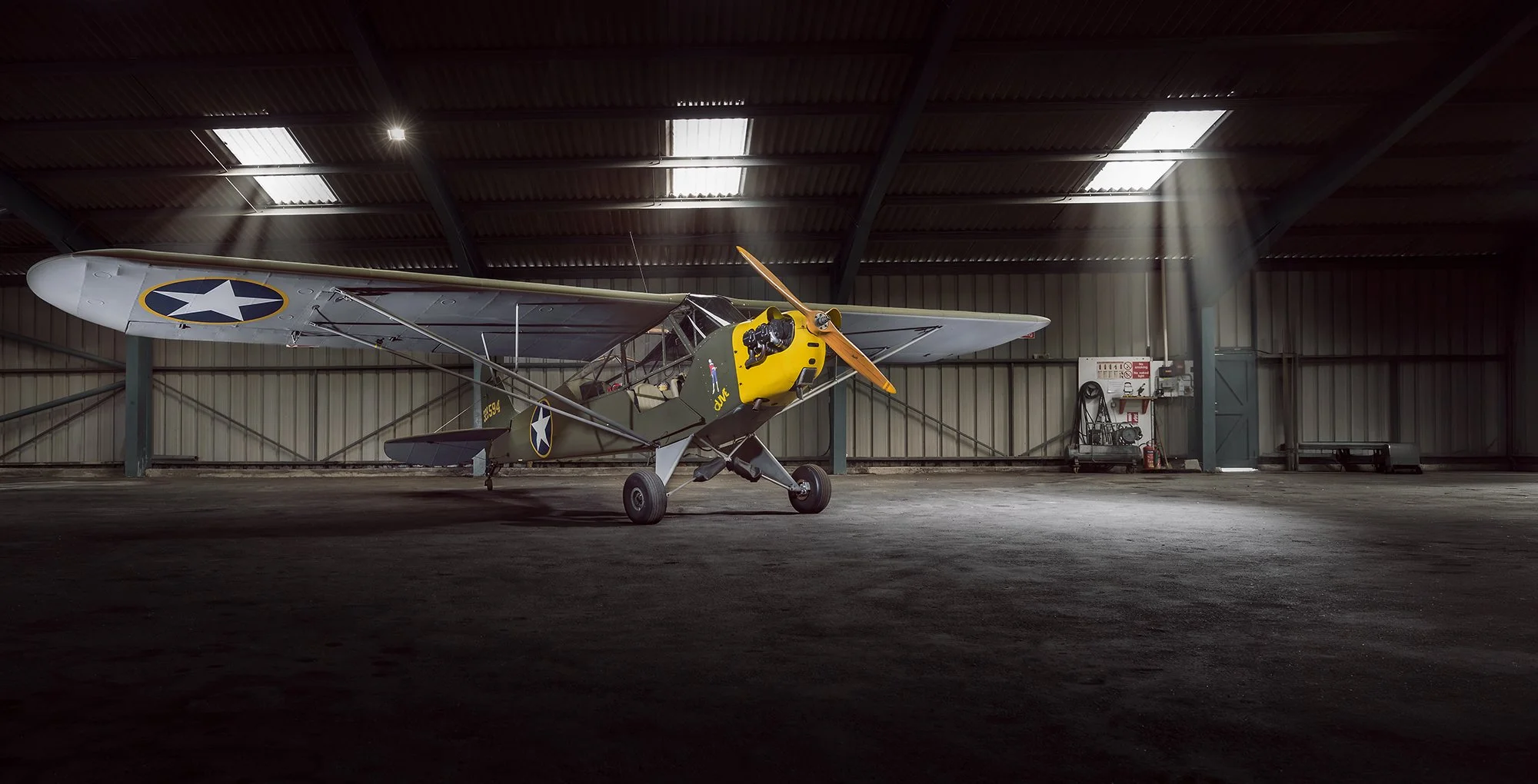
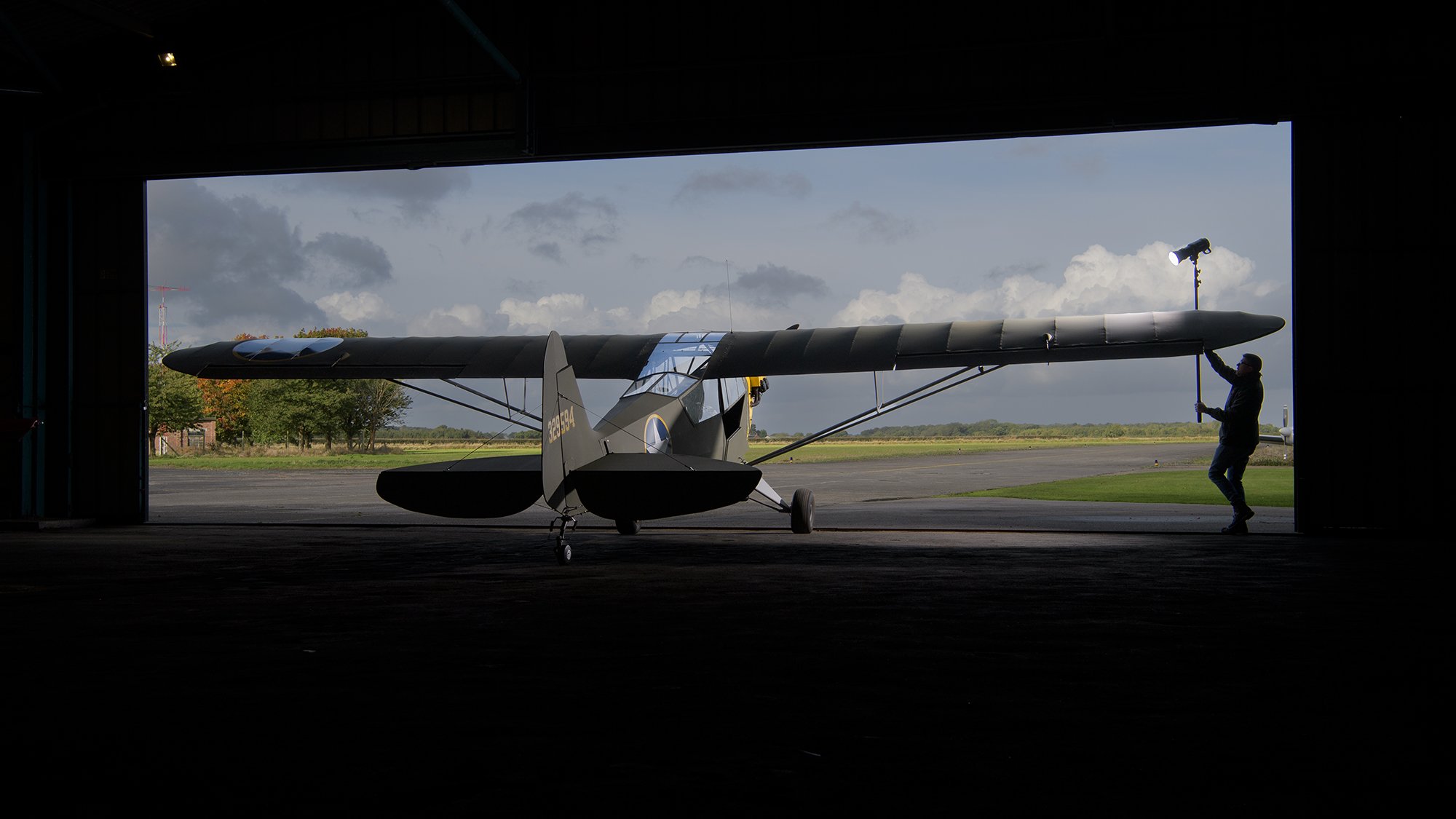
A recent commission for BBC Productions gave me the opportunity to photograph a wonderful example of aviation history, a vintage Piper L-4 Cub with the current serial number 329594, originally serving with the United States Army Air Forces as serial number 43-29594.
Built during 1943 as a Piper J-3C-65 Cub and associated with the military designation L-4 Grasshopper, this is the sort of aircraft that I find particularly fun to photograph. It may not have the imposing presence of a large military transport or the dramatic lines of a modern fighter but spend a little time looking at one and you begin to appreciate just how much character it possesses.
For me, aviation photography has always been about more than simply recording an aircraft's appearance. It is about trying to communicate something of its personality, its history and the feeling it creates when you stand beside it. With an aircraft such as this, there is an enormous amount of history to explore before I even pick up my camera.
A Small Aircraft with a Big History
The Piper Cub is one of those designs that seems almost impossibly simple by modern standards. Its high wings, straightforward construction and compact proportions give it a charm that is difficult to replicate in a more contemporary aircraft. Yet this simplicity was precisely what made it so useful, both before and during the Second World War.
When the United States entered the war, the military needed aircraft that could do something rather different from the fast fighters and heavy bombers that tend to dominate our memories of the conflict. The armed forces needed a practical, economical machine that could fly slowly over the battlefield, land on rough ground and give commanders a view of what was happening below.
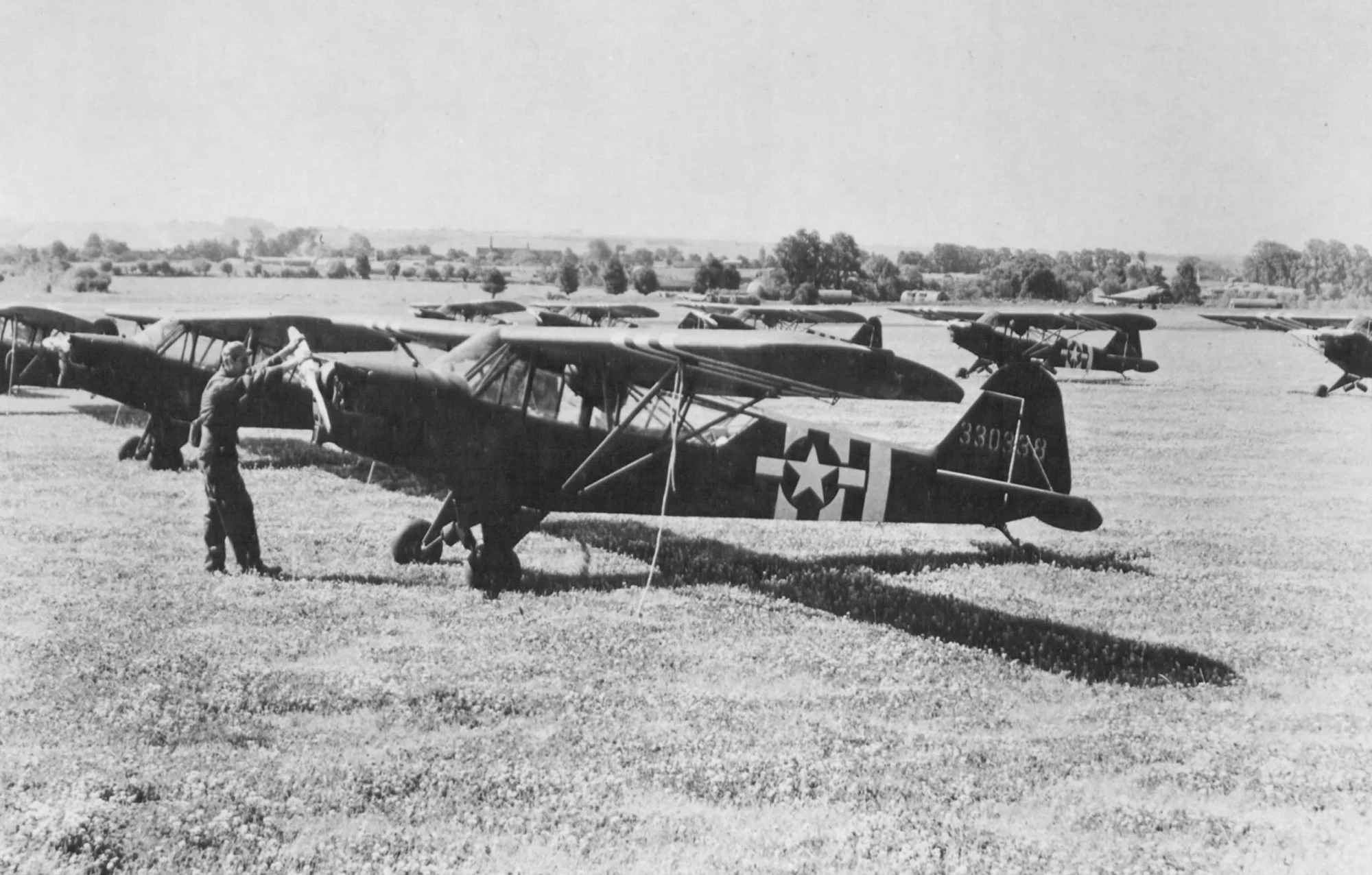
The answer was the military version of the Piper J-3 Cub, designated the L-4 Grasshopper. The US Army Air Forces ordered thousands of these small aircraft during the war, and they went on to perform a remarkable variety of duties.
Their work included observing enemy positions, helping artillery units direct their fire, carrying messages and transporting personnel between military positions. They also undertook reconnaissance missions and, in certain circumstances, helped evacuate wounded soldiers.
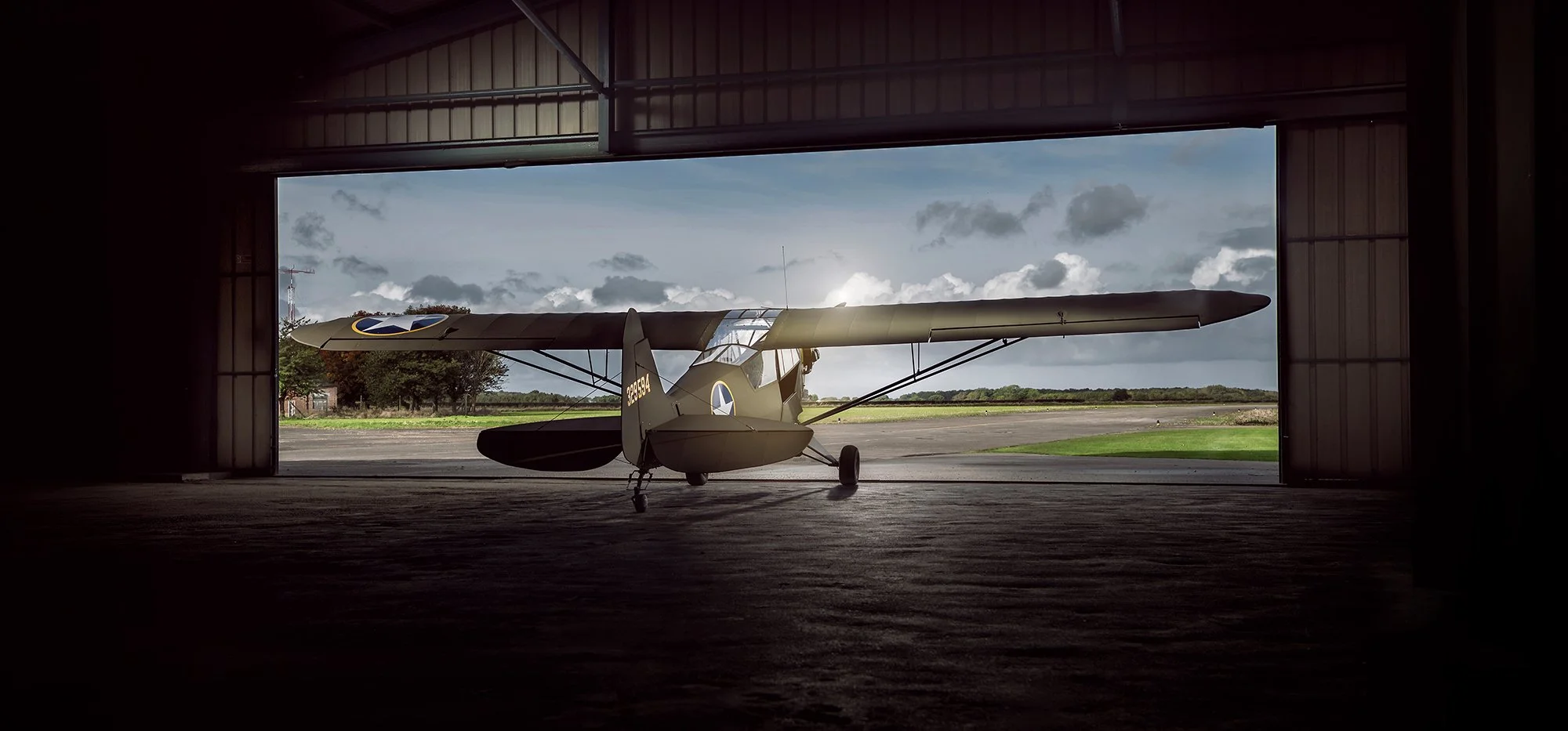
One of the most interesting things about the L-4 was its ability to operate where larger aircraft simply could not. Its modest size and low-speed flying characteristics made it suitable for landing in fields, on makeshift strips and in other locations close to the front line. It was, in many respects, an airborne utility vehicle, doing an essential job without the need for the glamour or complexity of a larger military aircraft.
The Grasshopper also played a part in some remarkable wartime stories. Perhaps one of the most unusual involved Major Charles Carpenter, whose L-4 became known as Rosie the Rocketeer. Carpenter had bazookas fitted to the aircraft's wing struts, turning a humble observation plane into a rather unlikely weapon against German armour. He was credited with destroying several enemy tanks, demonstrating that even a little aircraft could sometimes make an unexpectedly significant contribution.
It is stories such as these that make photographing an aircraft like the L-4 Cub so rewarding. When you stand beside it, you are looking at a design that represents a very different period of aviation, when simple machines and determined people could make an extraordinary difference.
Although I cannot claim that this particular aircraft took part in any specific wartime operation without supporting records, its original USAAF identity connects it to that wider history. Its story today is also about something equally important: the commitment required to preserve a piece of aviation heritage for future generations.
Photographing Character, Not Just an Aircraft
As a commercial photographer, I spend much of my time thinking about light, composition and how to create an image that communicates something beyond the obvious appearance of a subject. Whether I am working with a well designed sports car, a huge commercial vehicle or an aircraft, the underlying challenge is much the same. I want the finished photograph to make the viewer feel something.
Working with BBC Productions on this shoot provided a wonderful opportunity to do exactly that.
With a vintage aircraft, there is a temptation to concentrate entirely on its historical significance, but I believe it is just as important to photograph the physical character of the machine itself. The Piper Cub has a lovely combination of delicate proportions and purposeful design. Its wings, fuselage and undercarriage are uncomplicated, yet everything has a reason for being there.
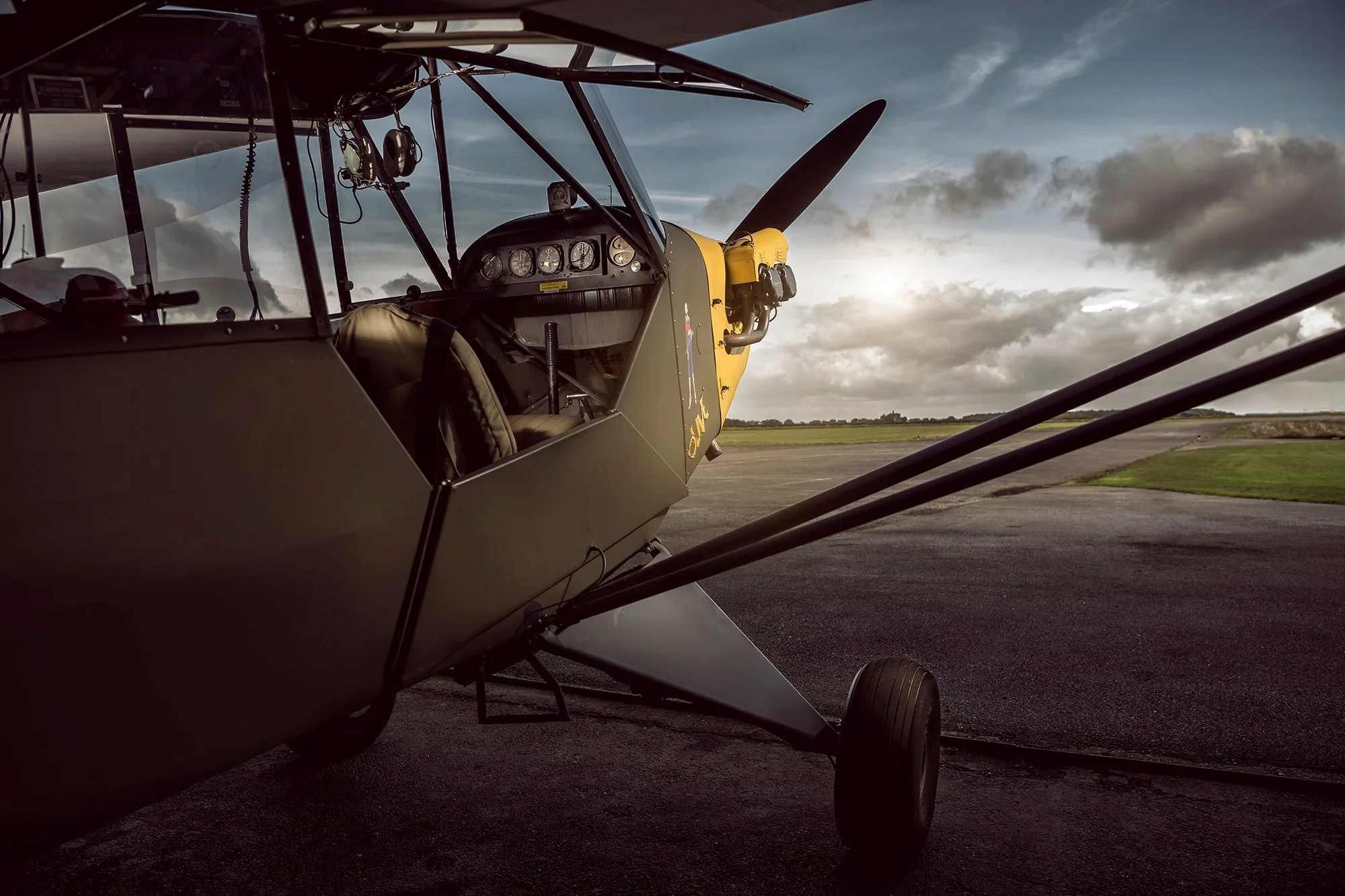
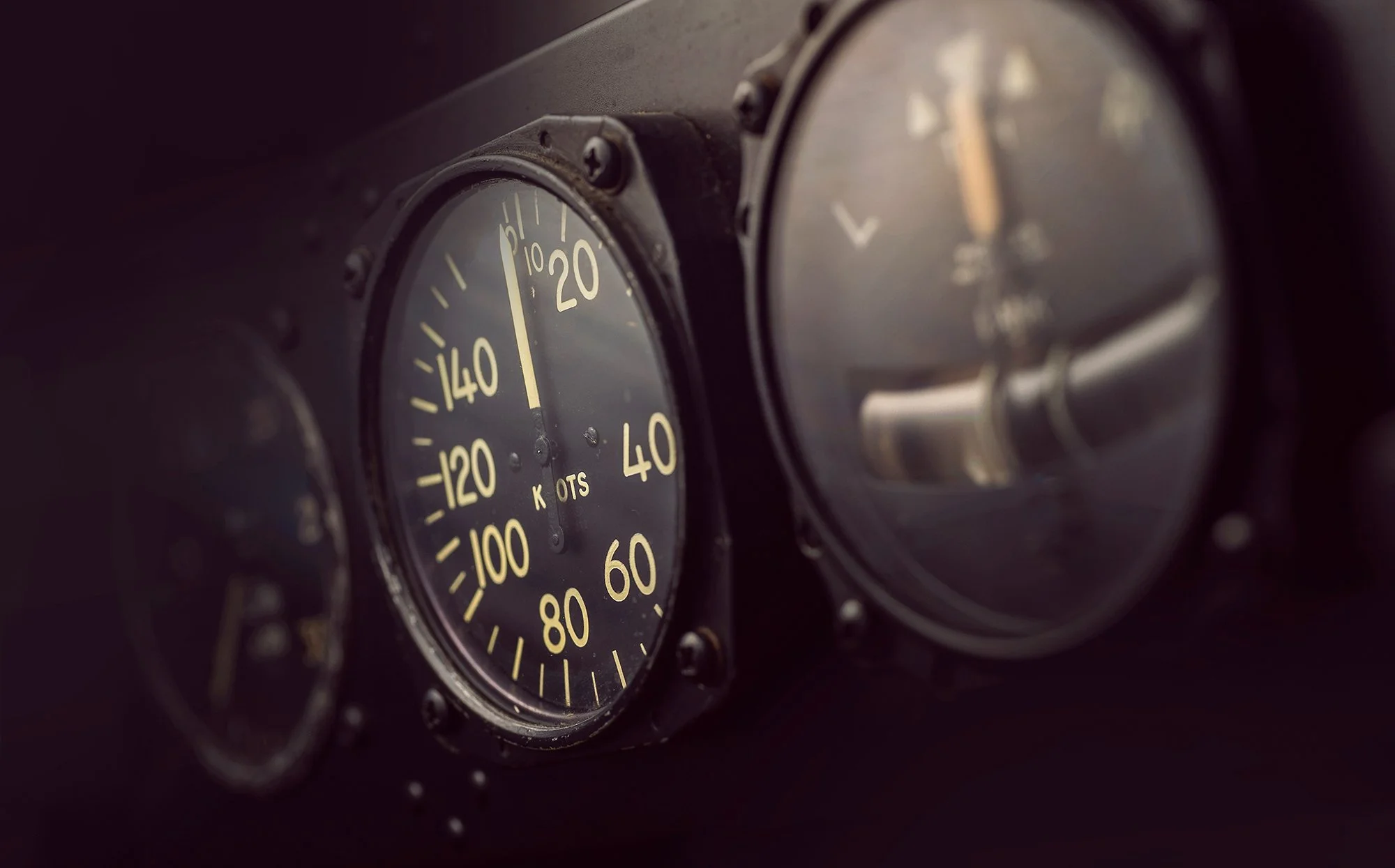
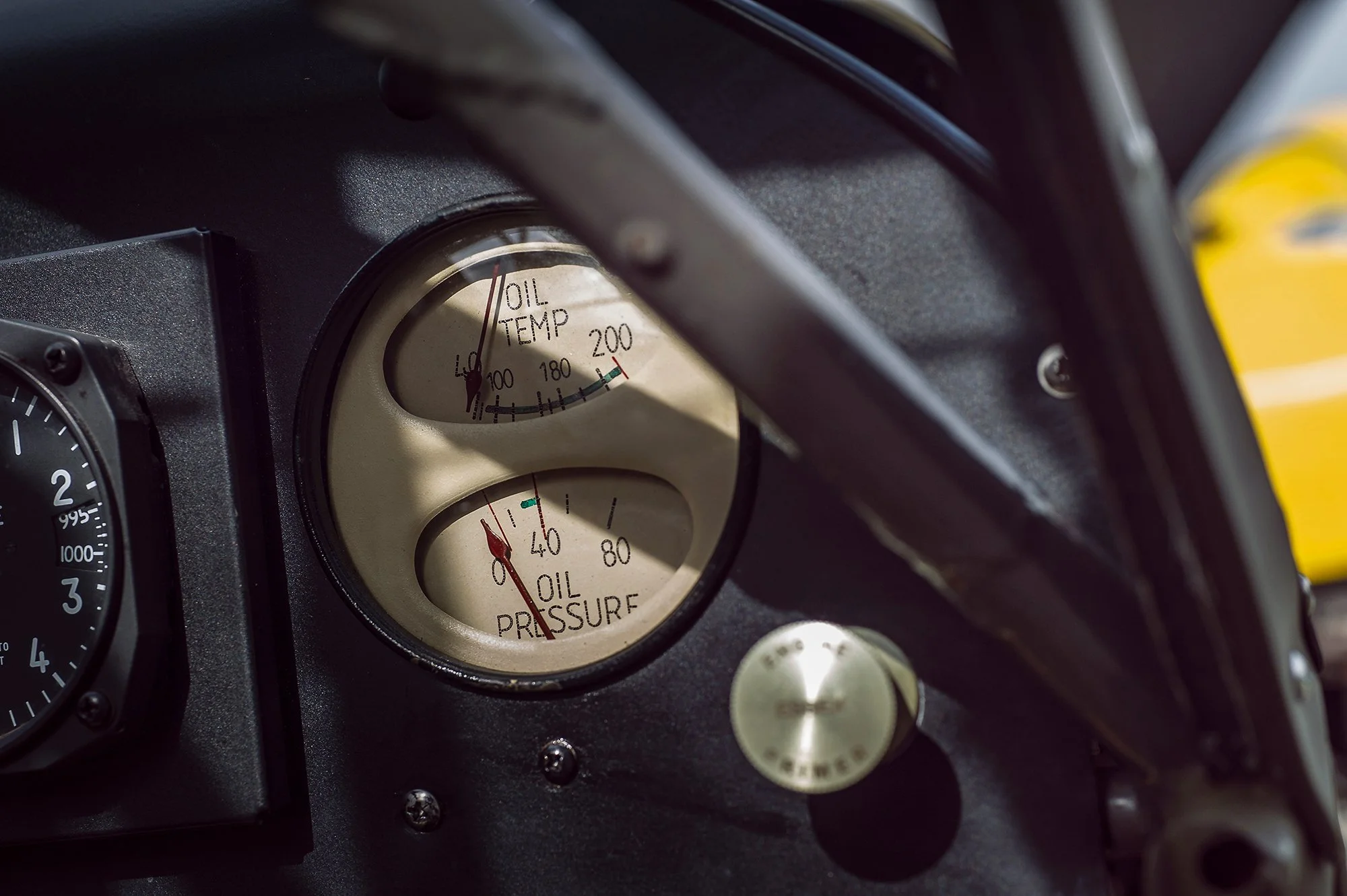
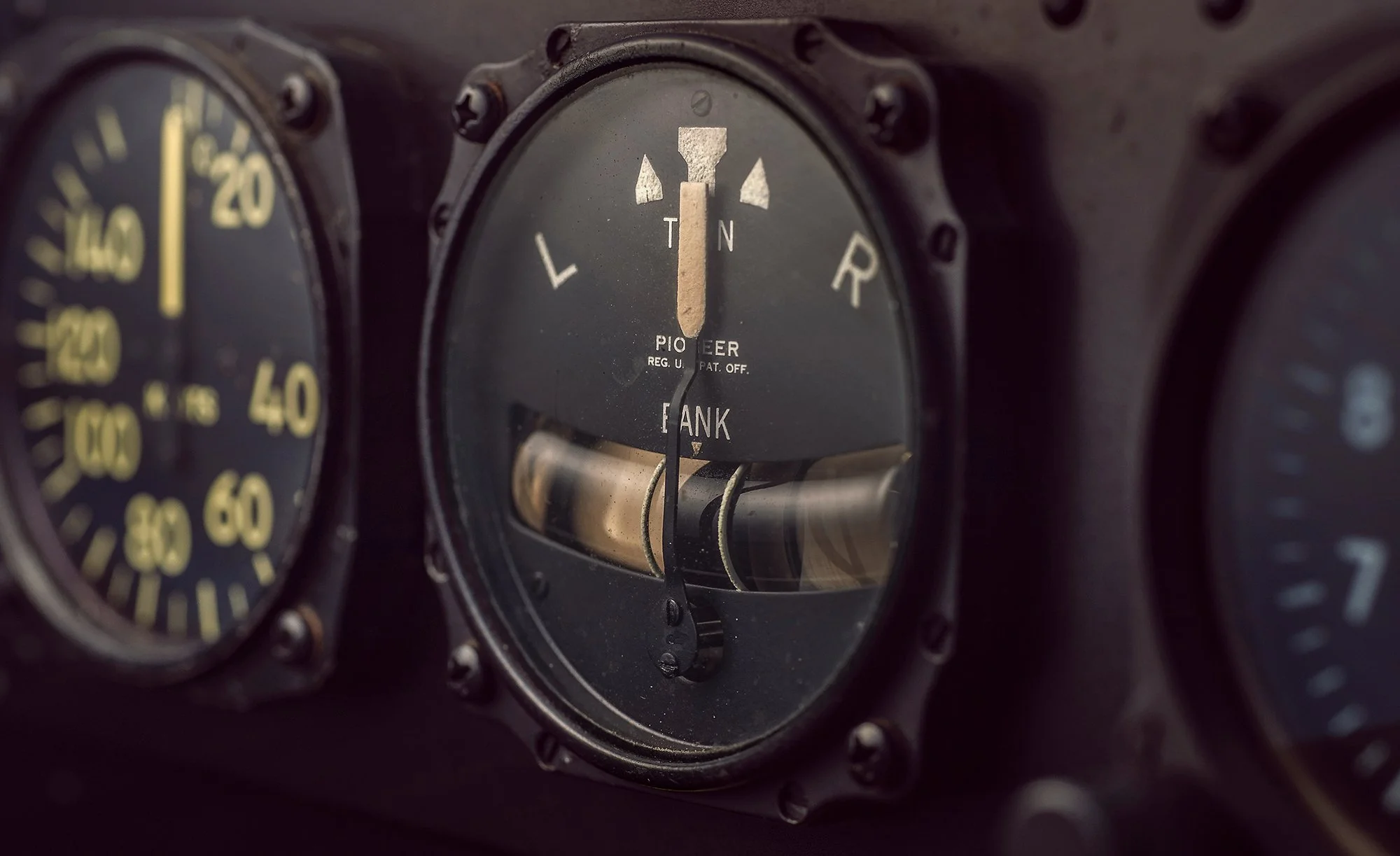
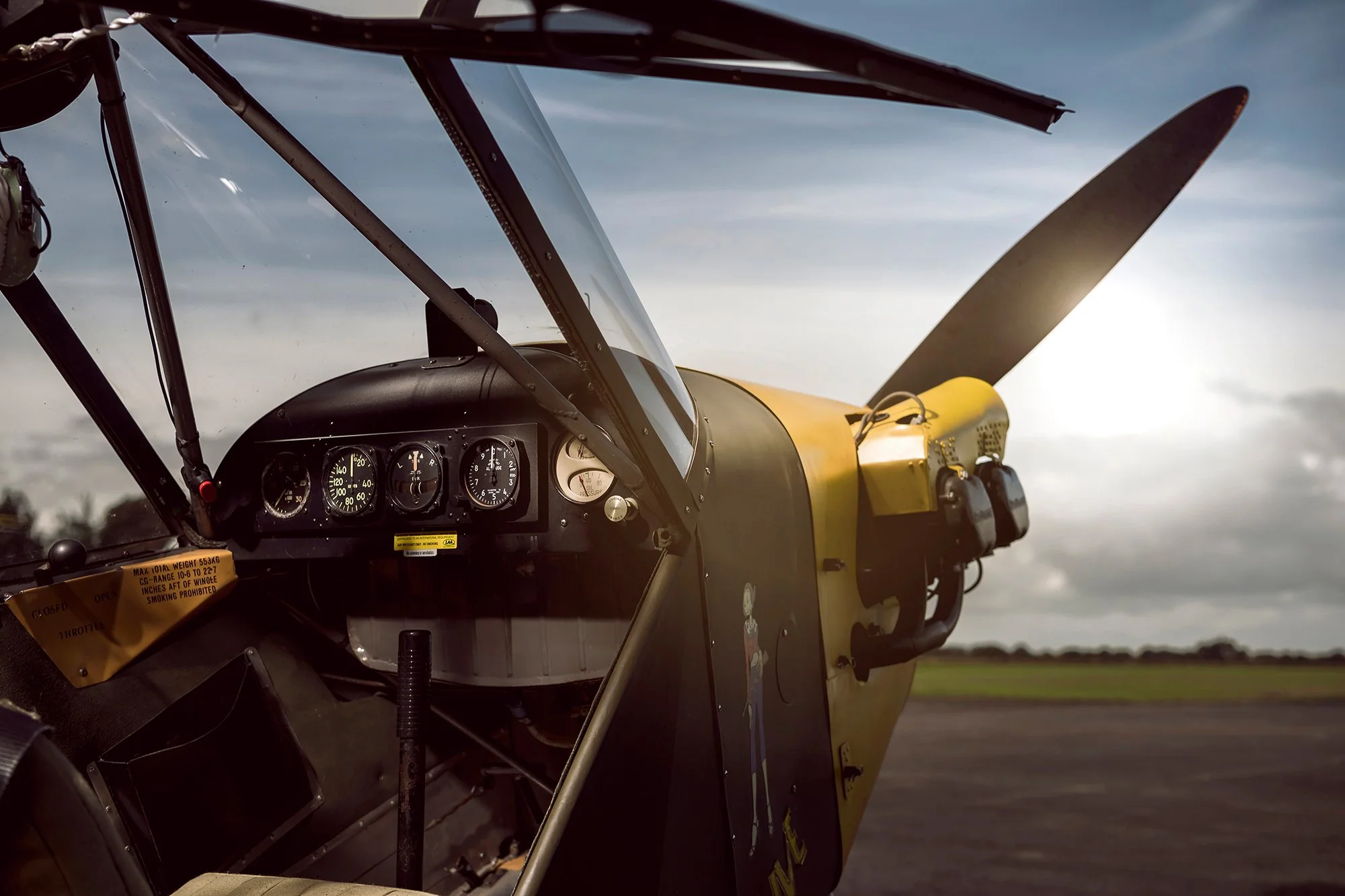
I enjoy looking at the smaller details that might otherwise be overlooked. The shape of the cockpit, the structure of the wings, the relationship between the fabric-covered surfaces and the exposed framework, and the way the aircraft sits on its wheels all contribute to its identity. These are the details that help tell the story visually.
Lighting is particularly important in this sort of work. The way light travels across a curved surface, picks out the edges of the airframe or reveals the texture of an older material can completely change how an aircraft appears in a photograph. A flat image might tell you what the aircraft looks like, but carefully considered lighting can give it depth, atmosphere and a sense of presence.
I am always looking for those little opportunities to bring a subject to life. Sometimes it is a wider composition that communicates the aircraft's overall shape and setting. At other times, it is a closer view that draws attention to a particular feature or a detail that hints at the craftsmanship involved in its construction.
There is also something rather special about photographing an aircraft that has been around for so many decades. Unlike a newly manufactured machine, a vintage aircraft carries a visual connection to another time. Even when it has been beautifully restored, its design speaks of an era when aviation was developing at an astonishing pace and aircraft were built around very different priorities. For me, that is where the creative challenge becomes especially interesting. I am not simply trying to make an old aircraft look attractive. I want the photographs to communicate why it matters.
Keeping Aviation History Alive
One of the things I think we sometimes overlook when admiring vintage aircraft is the extraordinary amount of work involved in keeping them airworthy.
From the outside, it can be easy to see a beautifully presented aircraft and assume that maintaining it is simply a matter of keeping it clean, carrying out routine servicing and storing it somewhere dry. The reality is very different.
Restoring an aircraft to flying condition can involve years of work, painstaking research, specialist knowledge and a considerable amount of patience. Every part has to be understood, assessed and maintained to an appropriate standard. Materials that were commonplace when the aircraft was built may be difficult to source today, while certain components require specialist skills and knowledge that cannot simply be learned from a manual.
For aircraft such as the Piper Cub, this can involve working with traditional construction methods, including fabric covering, wooden components and carefully assembled metal structures. Keeping these materials in good condition requires an understanding of how the aircraft was originally built, how it behaves in service and how best to preserve its integrity.
What I find particularly encouraging is the way so much of this knowledge continues to be passed from one generation to the next. Experienced restorers, engineers and craftspeople share their skills with younger people, helping them understand techniques that have been developed and refined over many decades.
It is a form of practical knowledge that deserves enormous respect.
There is a human story behind every restored aircraft, often involving countless hours of work that most people will never see. The person who painstakingly repairs a component, the engineer who researches an original specification, or the restorer who spends days getting a particular detail right may never receive the same attention as the pilot who flies the finished machine. Yet without their efforts, many of these aircraft would never leave the ground again.
And that is why I believe photography has an important role to play in aviation heritage.
A good photograph can help people appreciate not only the aircraft itself but also the commitment behind its preservation. It can encourage curiosity, prompt questions and help communicate why these machines deserve to survive. For me, that is one of the most satisfying aspects of photographing historic aircraft. The work becomes part of a much bigger story about preserving knowledge, craftsmanship and engineering history.
The Importance of Telling the Story
My commission for BBC Productions was a reminder of just how much interest can be found in an aircraft that, at first glance, might appear relatively modest.
The Piper L-4 Cub was never intended to be the fastest or most sophisticated aircraft of its generation. Its importance came from its usefulness, its adaptability and its ability to carry out jobs that were essential to the people relying on it. During the Second World War, aircraft of this type helped military units observe the battlefield, communicate and move personnel and supplies.
Today, an aircraft such as this L-4 Cub offers us an opportunity to connect with that history in a very tangible way.
Standing beside it, you can appreciate the simplicity of its design, but you can also begin to imagine the people who built, maintained and flew machines like it during one of the most challenging periods in modern history. You can think about the pilots who took them into the air, the soldiers waiting for information on the ground, and the engineers and restorers who have helped ensure that examples of this design remain with us.
As an aviation photographer, I consider it a privilege to work with subjects that have such stories to tell. Every aircraft presents a different creative challenge, but the most rewarding projects are often those where the photography becomes a way of sharing something much more meaningful than appearance alone.
The Piper Cub is a wonderful example of that principle. It is small, relatively simple and wonderfully unpretentious, yet its place in aviation history is far greater than its size might suggest.
And perhaps that is the real joy of photographing aircraft like this. They remind us that history does not always belong to the biggest, fastest or most powerful machines. Sometimes, it belongs to the little aircraft that quietly got on with the job, and to the generations of people who have worked so hard to ensure that their stories continue to be told.
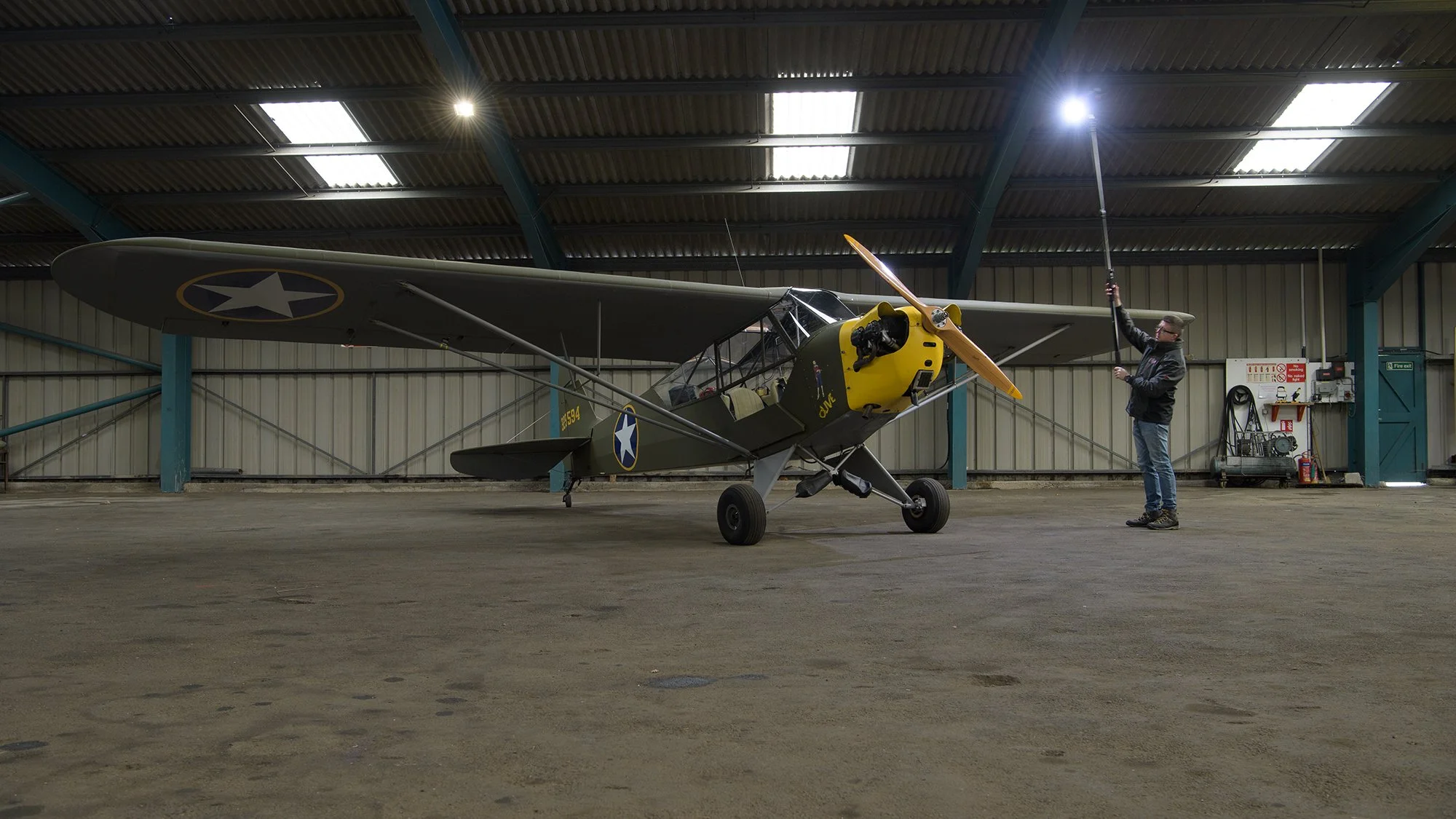
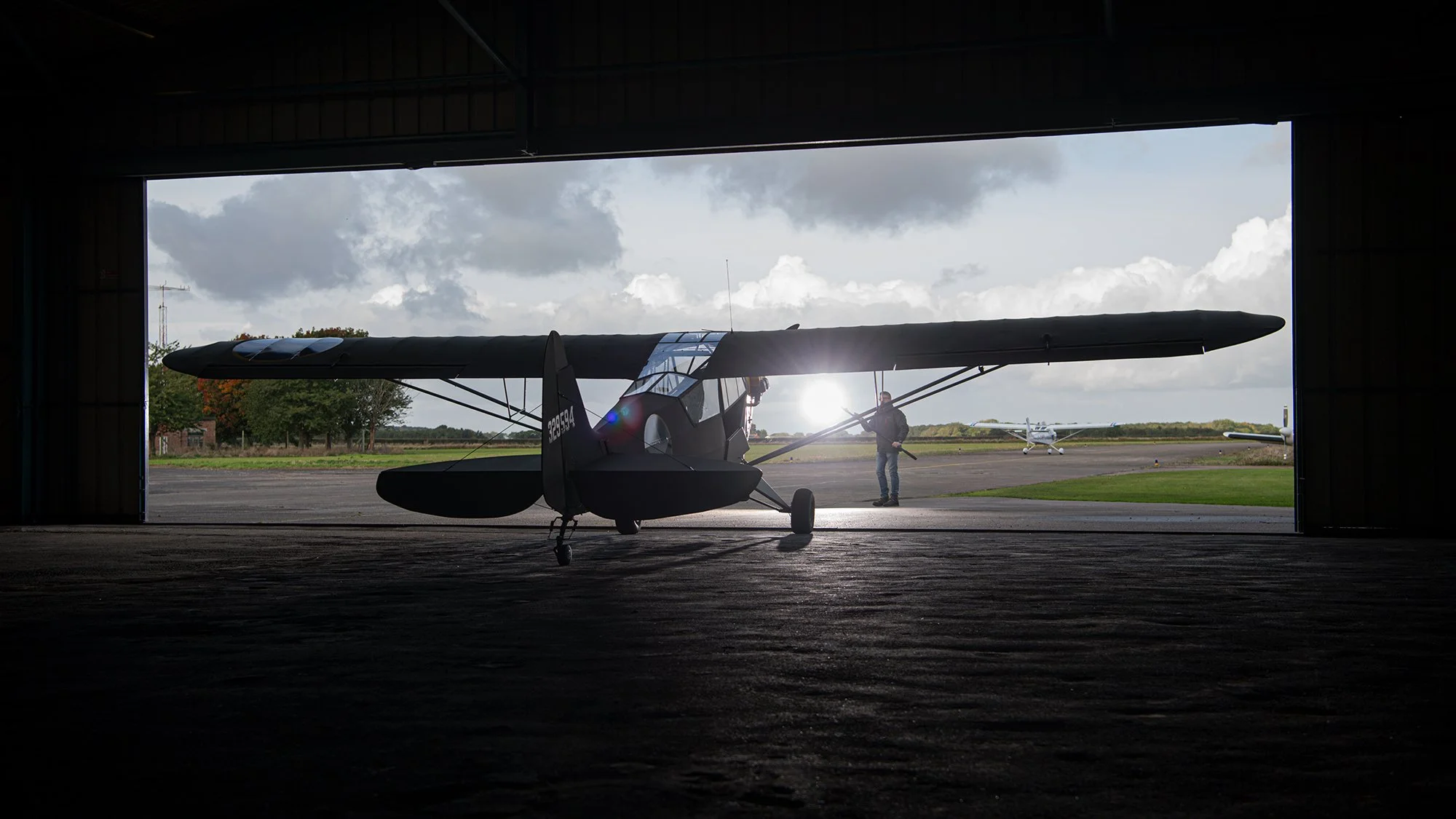
Behind the Scenes shooting with Tim Wallace
If you would like to see more of our aviation photography please visit our dedicated Aviation Portfolio.