Logistics Photography: More Than Just Trucks
Understanding the Business Behind the Images
Logistics is an industry that most of us depend upon every single day, yet it is one that we rarely stop to think about in any great detail. From the movement of goods between manufacturers and distribution centres to the final delivery of products to businesses and homes, the logistics industry represents an incredibly complex network of people, vehicles, facilities and processes working together to keep everything moving.
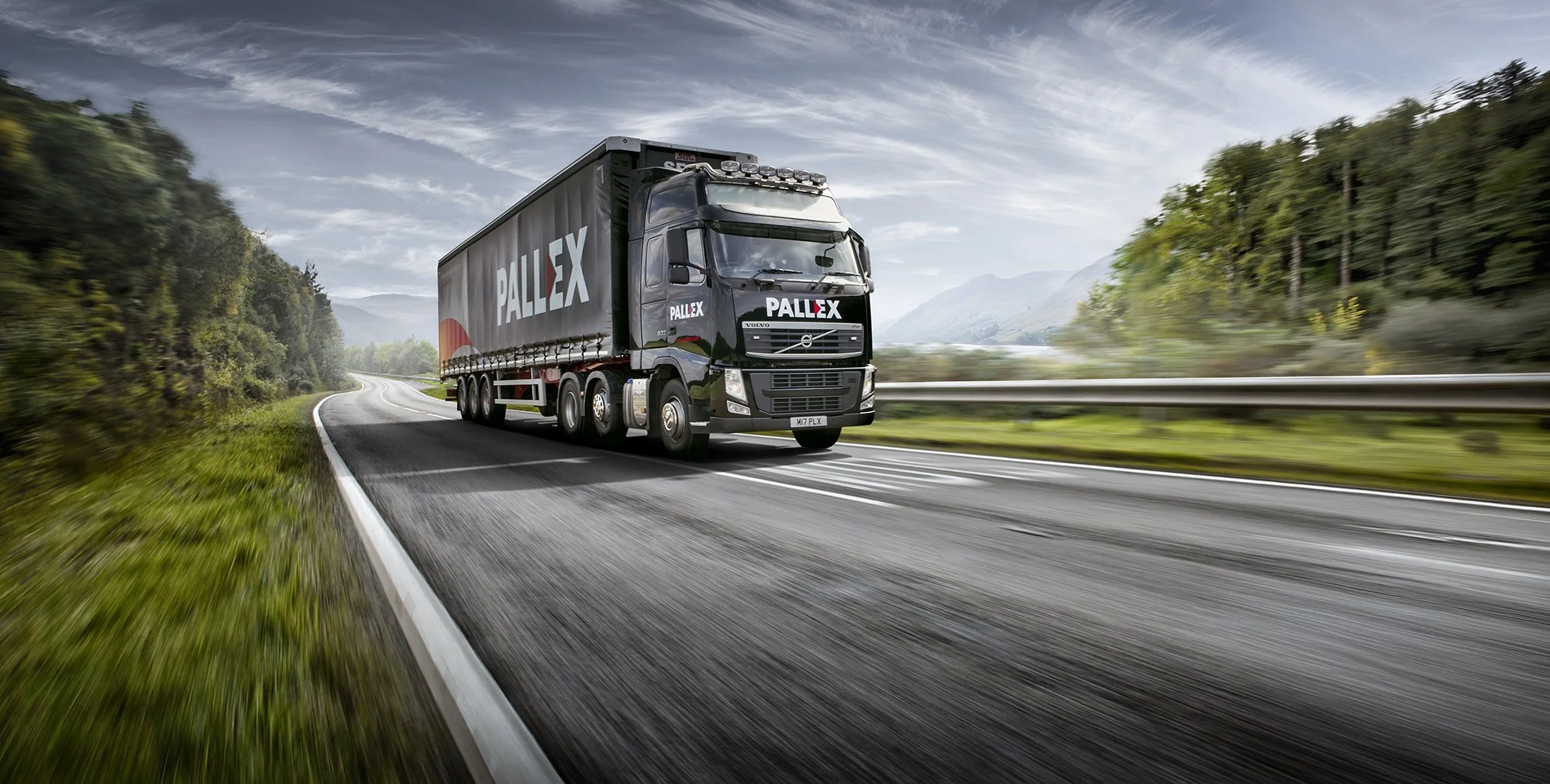
For me, as a professional commercial photographer, this makes logistics and truck photography a particularly interesting and rewarding area of my work. It is an industry where the photography needs to do considerably more than simply show a fleet of trucks. The images need to communicate the scale of the operation, the professionalism of the business, the efficiency of its processes and, perhaps most importantly, the people who make it all happen.
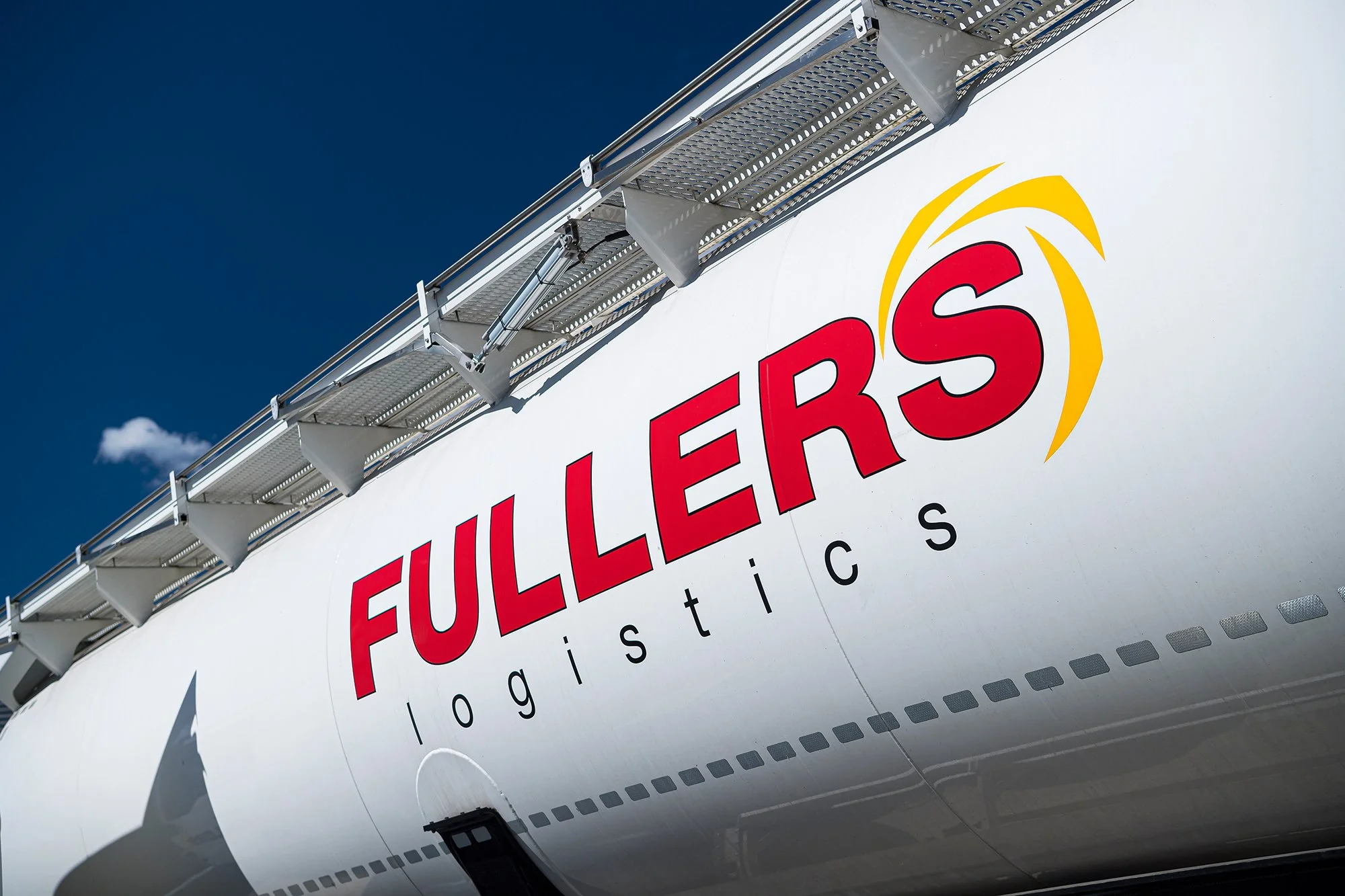
Over more than 20 years working as a commercial photographer, I have been fortunate enough to work with some outstanding companies across the transport, freight, manufacturing and supply chain sectors. My clients have included Royal Terberg Group, Veolia, Fullers and Pall-Ex UK, each presenting its own challenges and opportunities to create photography that supports its wider marketing and business objectives.
Although these companies operate in different areas of the transport industry, they share one important requirement. They need professional photography that represents their business accurately, presents their brand consistently and gives their customers a genuine understanding of the services they provide.
This is where experience in logistics photography and truck photography becomes particularly valuable. Understanding how to photograph a vehicle is one thing but understanding how that vehicle fits into a much larger commercial operation is something else entirely.
Planning Around a Working Operation
One of the aspects of logistics photography that people may not immediately appreciate is the amount of planning that takes place before a camera is even taken out of its bag.
Unlike a conventional product photography shoot, where an object can often be placed on a table or within a controlled studio environment, logistics photography frequently involves working within a busy operational setting. Trucks need to be available, drivers need to be briefed, warehouse teams need to understand what is happening, and particular areas of a site may need to be accessible at specific times.
All of this has to be carefully coordinated around a business that still needs to function normally.
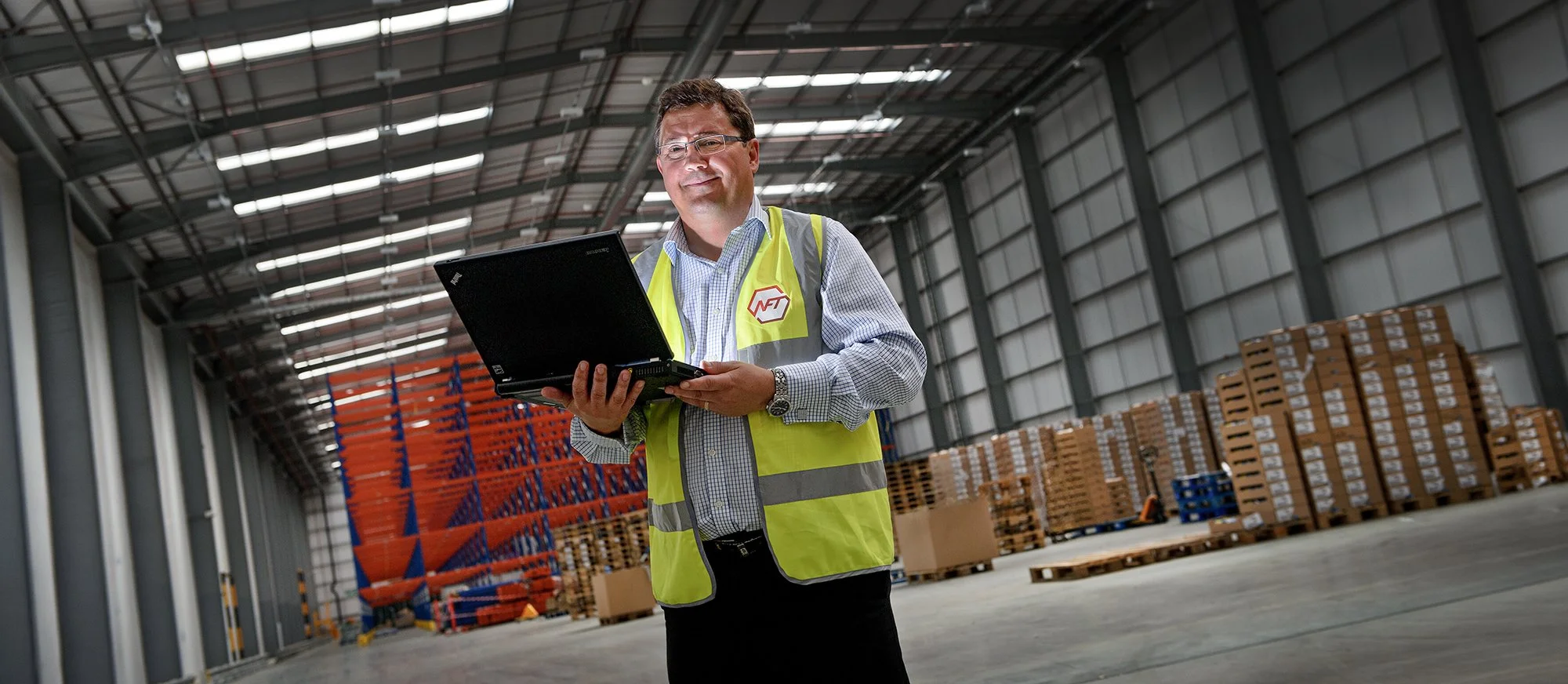
A distribution centre cannot simply stop operating for a day because a photographer has arrived. Deliveries need to be processed, vehicles need to leave on schedule and customers still expect their goods to arrive when promised. The challenge is to create the required photography while having as little impact as possible on those essential activities.
This is something that my experience across commercial transport photography has taught me to appreciate. I understand that the people organising a shoot are often juggling a considerable number of responsibilities themselves, and the photography needs to fit into their working day rather than become another problem for them to manage.
Planning therefore begins well before the shoot. We discuss the objectives, identify the locations and vehicles required, establish the images that need to be created and agree on a practical schedule with the client. Where staff or operational processes need to be photographed, we also consider how these can be incorporated without unnecessarily disrupting the business.
Good preparation makes an enormous difference to the final result. It allows us to work efficiently, gives everyone a clear understanding of what is required and creates the opportunity to concentrate on the photography itself when the day arrives.
Having worked in these environments for many years, I believe this understanding of the client's business is just as important as the technical skills required to produce the images.

Creating Dynamic Truck Photography
Trucks are naturally a major part of logistics photography, and they provide some wonderful opportunities to create dynamic commercial imagery.
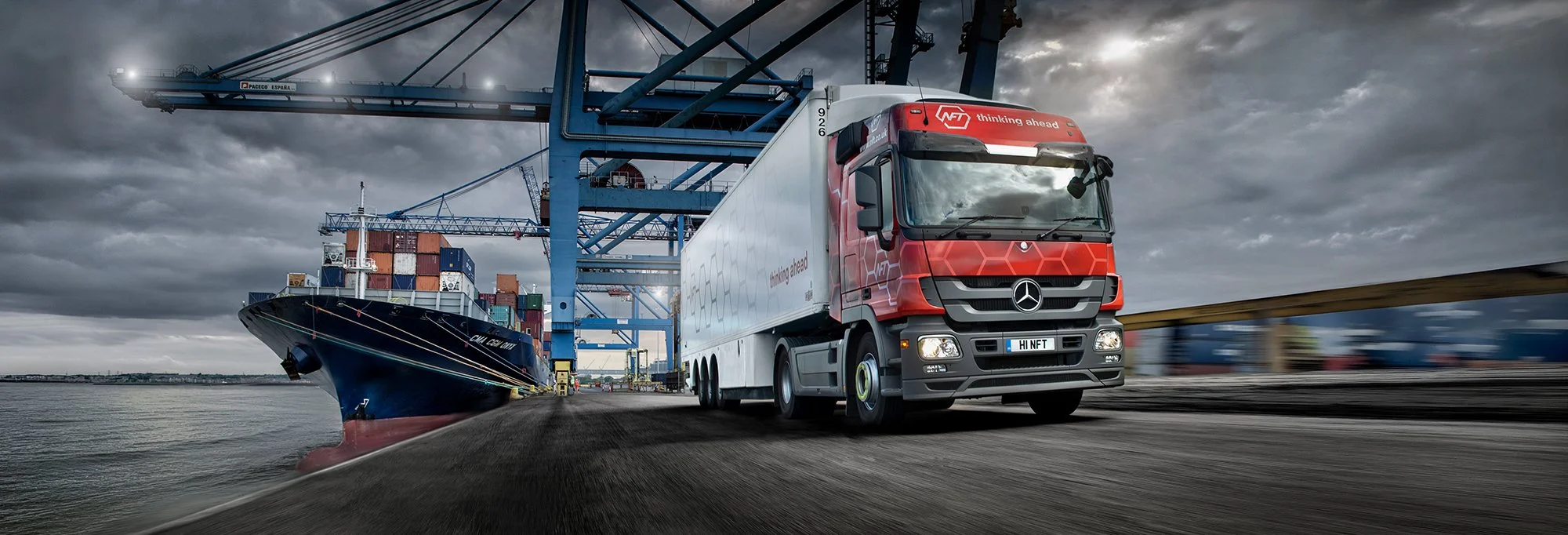
A modern tractor unit and trailer can be an impressive subject in its own right, but the way it is photographed can make a considerable difference to how the vehicle and the business behind it are perceived. The objective might be to show the scale of a fleet, highlight a particular livery, communicate the capability of a transport operation or create a striking image for a website, advertising campaign or marketing brochure.
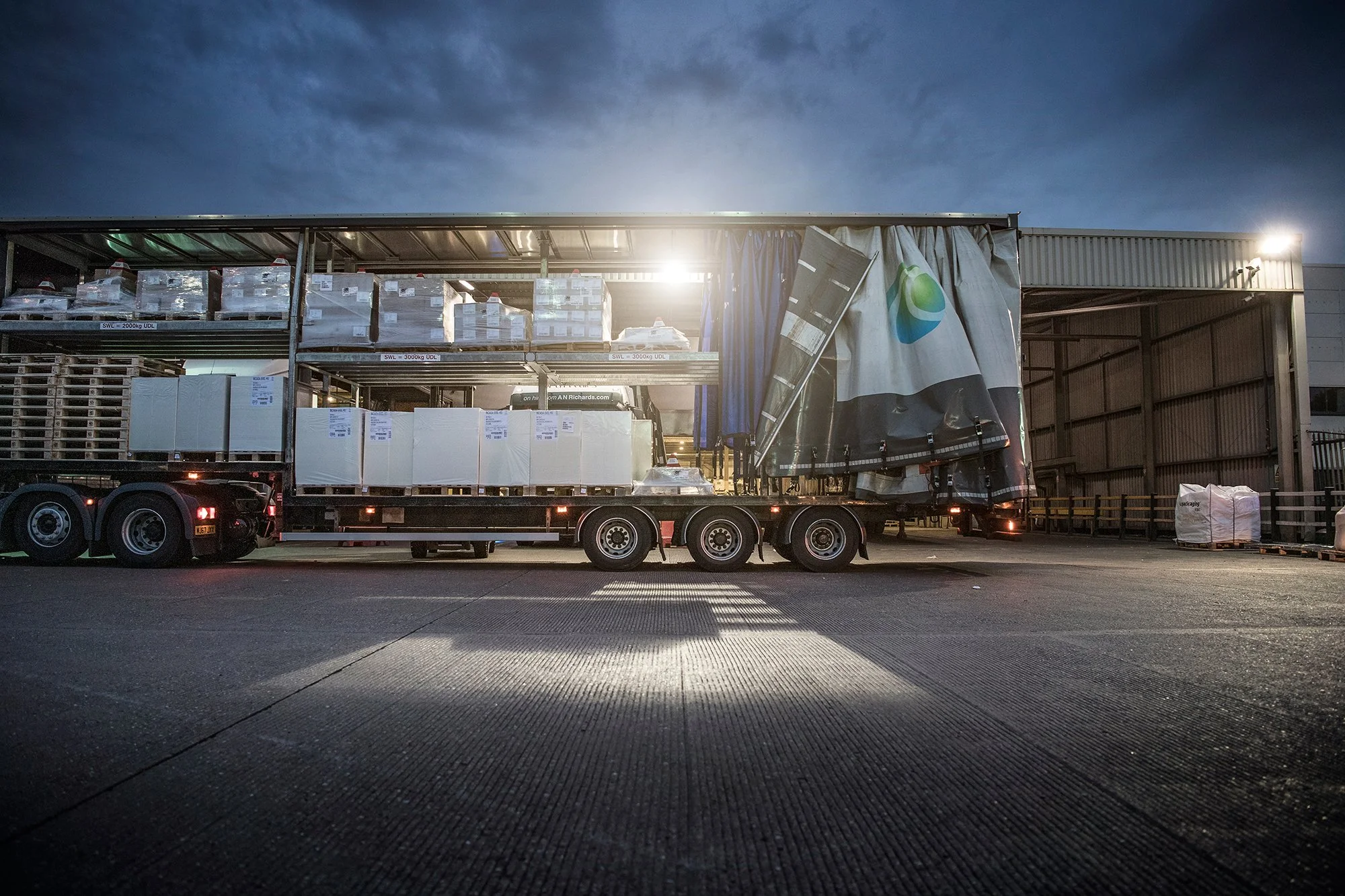
Sometimes the best approach is to photograph a vehicle within its working environment, using the surroundings to establish context and tell a wider story. At other times, a more carefully controlled location, considered lighting and precise composition can create a much stronger advertising image.
Movement can also play an important role. A truck photographed travelling along a road communicates something very different from one parked in a distribution yard. The former can convey progress, energy and the movement of goods, while the latter might be better suited to showing the scale and organisation of an operation.
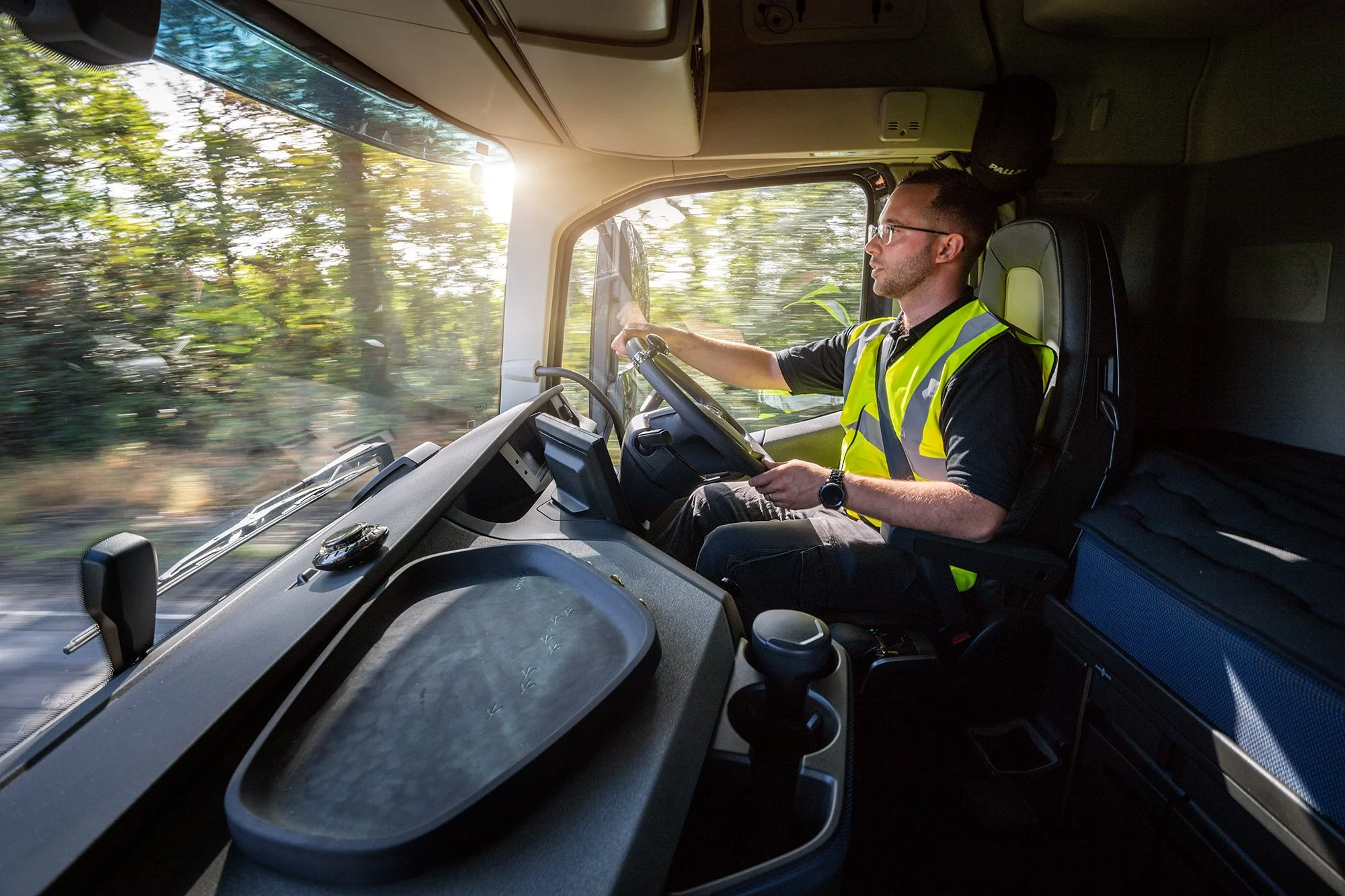
Creating convincing moving vehicle photography requires experience, preparation and careful coordination. When working with large tractor-trailer combinations, there are additional considerations around vehicle speed, braking distances, positioning and communication between the driver and photographic team.
It is not simply a case of getting alongside a truck and taking pictures. The route, available space, light, background and position of the vehicles all need to work together. When photographing from a moving chase vehicle, communication is essential, particularly when working with large commercial vehicles that respond differently from passenger cars.
These are the details that make specialist truck photography such an interesting discipline. Understanding the vehicles, anticipating their movements and knowing how to work safely and efficiently allows me to concentrate on creating images that feel purposeful, confident and visually engaging.
Showing the People Behind the Process
Although trucks and distribution facilities are important elements of logistics photography, the people behind the operation are equally significant.
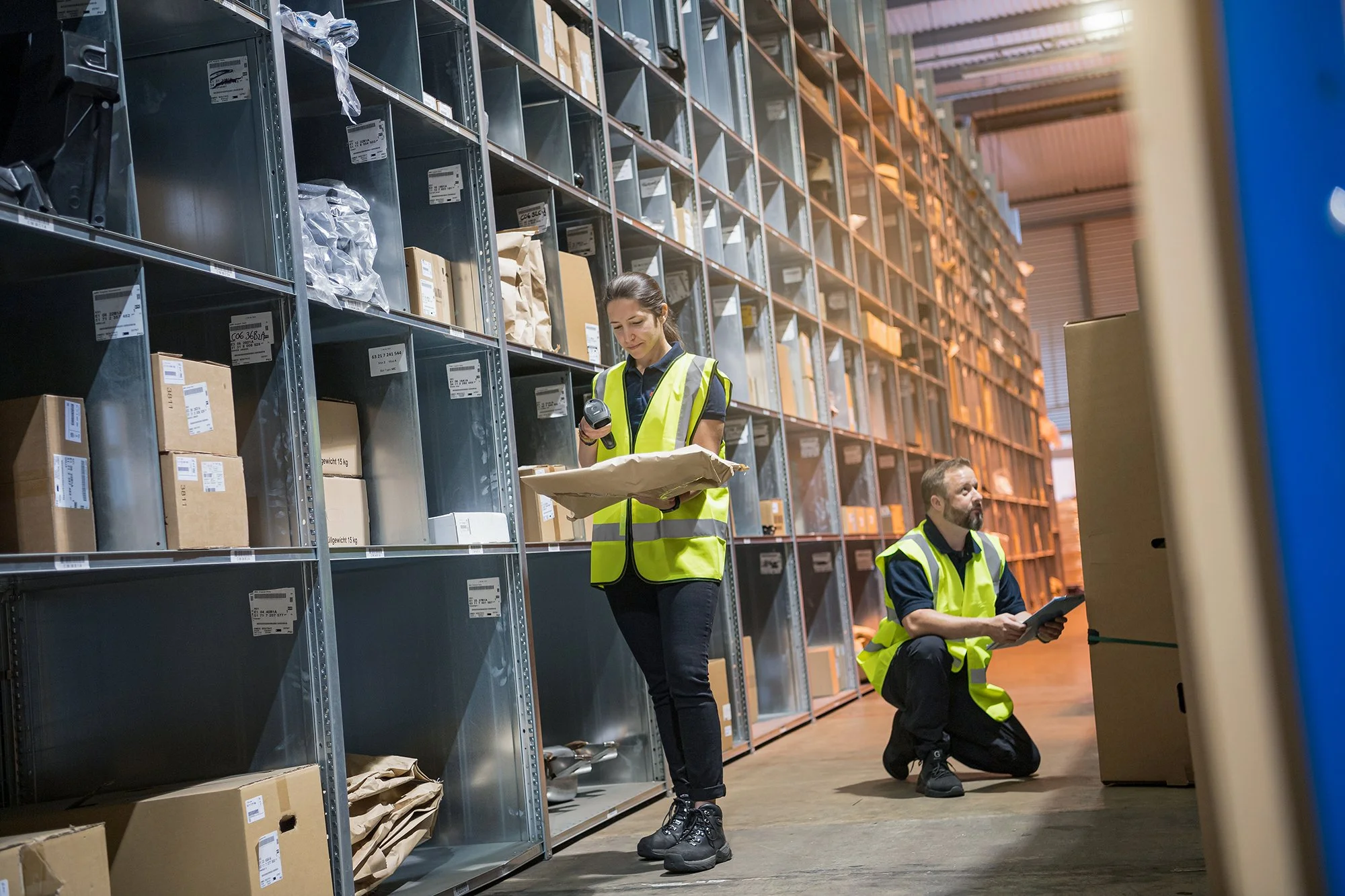
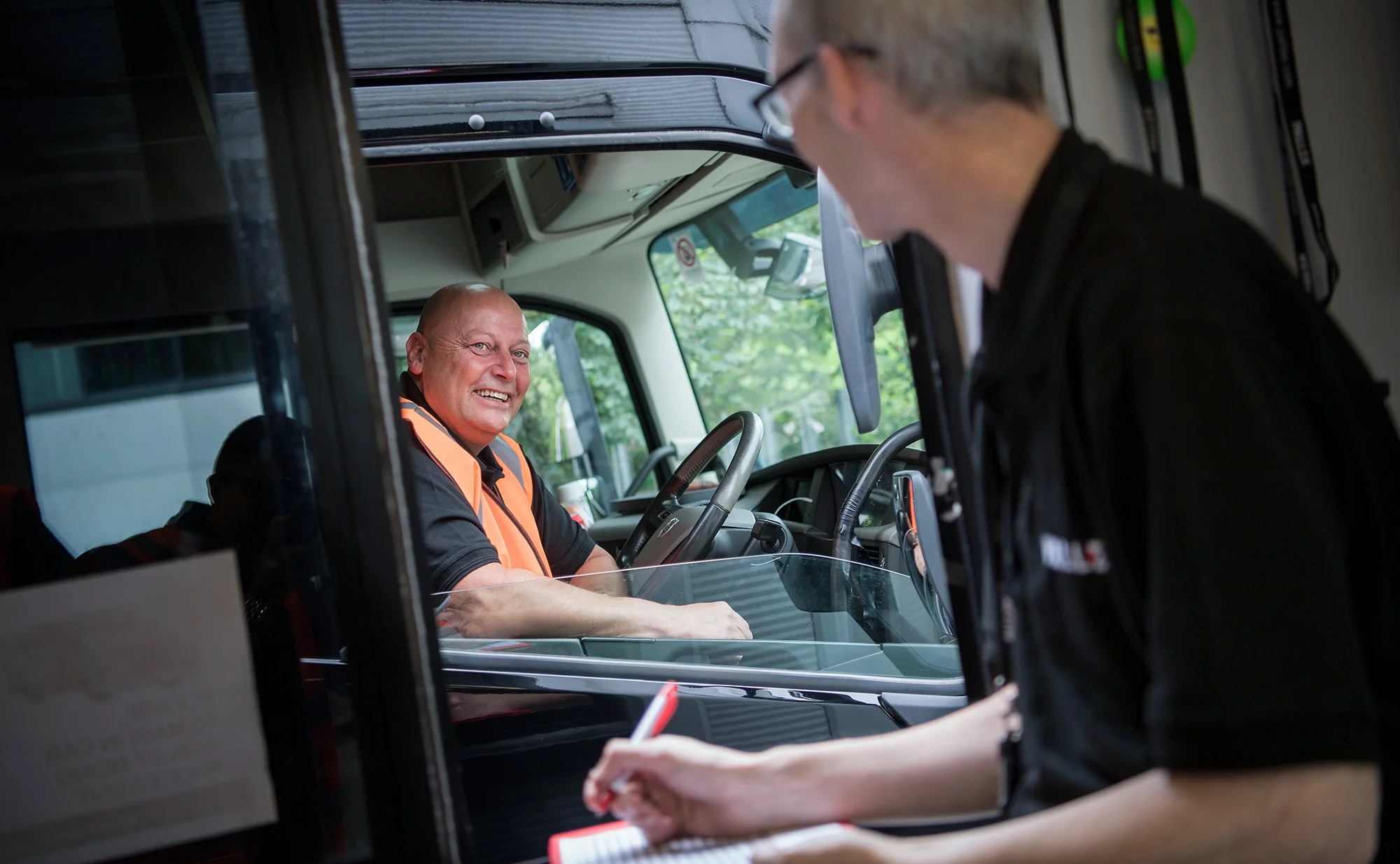
A logistics company is not simply a collection of vehicles and warehouses. It is a business built around people, from drivers and warehouse operatives to engineers, planners, customer service teams and management. Each plays a role in delivering the service that customers rely upon.
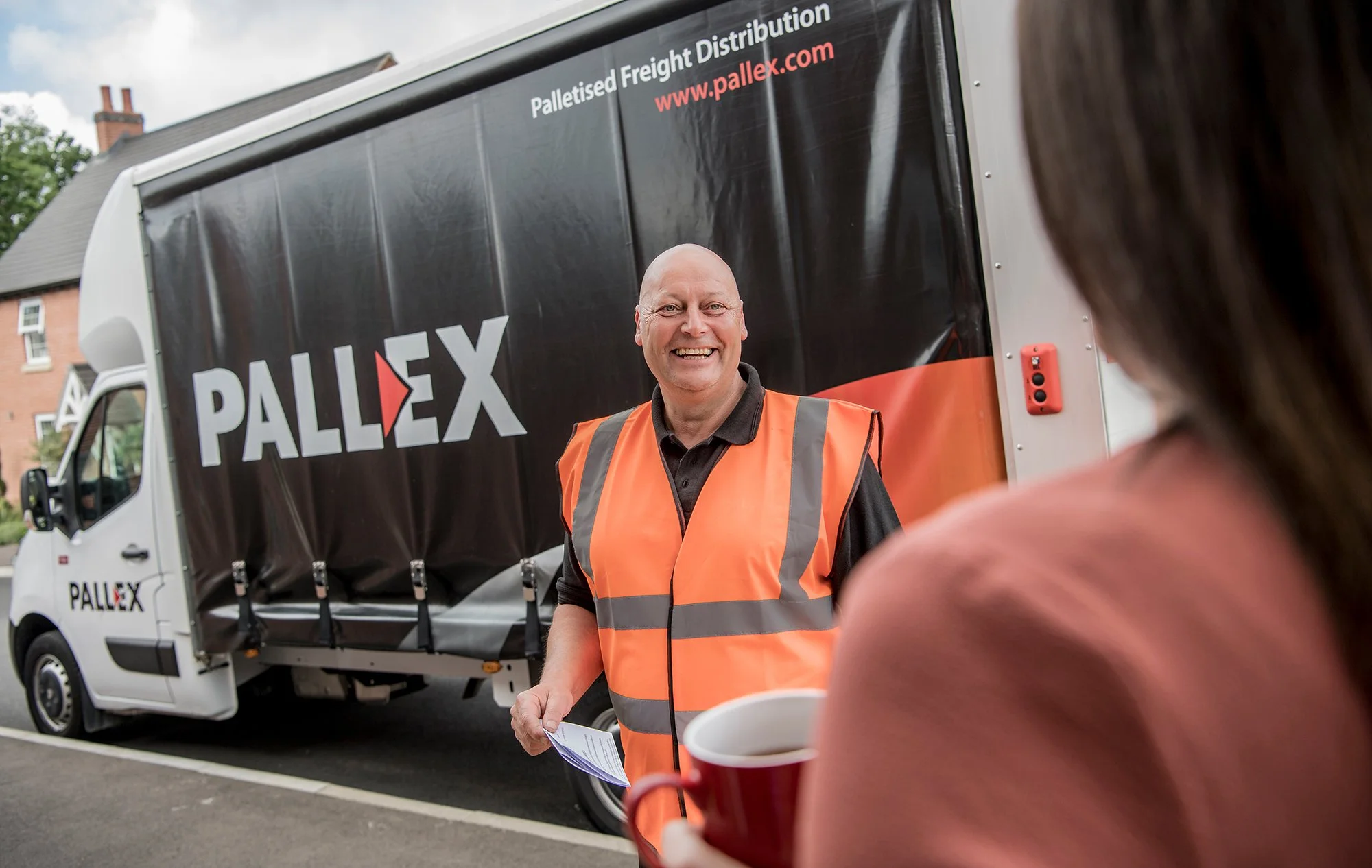
For this reason, I often encourage clients to look beyond traditional fleet photography when considering their requirements. Images of staff working within their environment, handling customer enquiries, preparing deliveries or coordinating operations can help bring a brand to life.
This is particularly important for businesses using their website as a primary point of contact with potential customers. Professional imagery can communicate the personality of an organisation, helping visitors understand not only what the company does but also the people they might be working with.
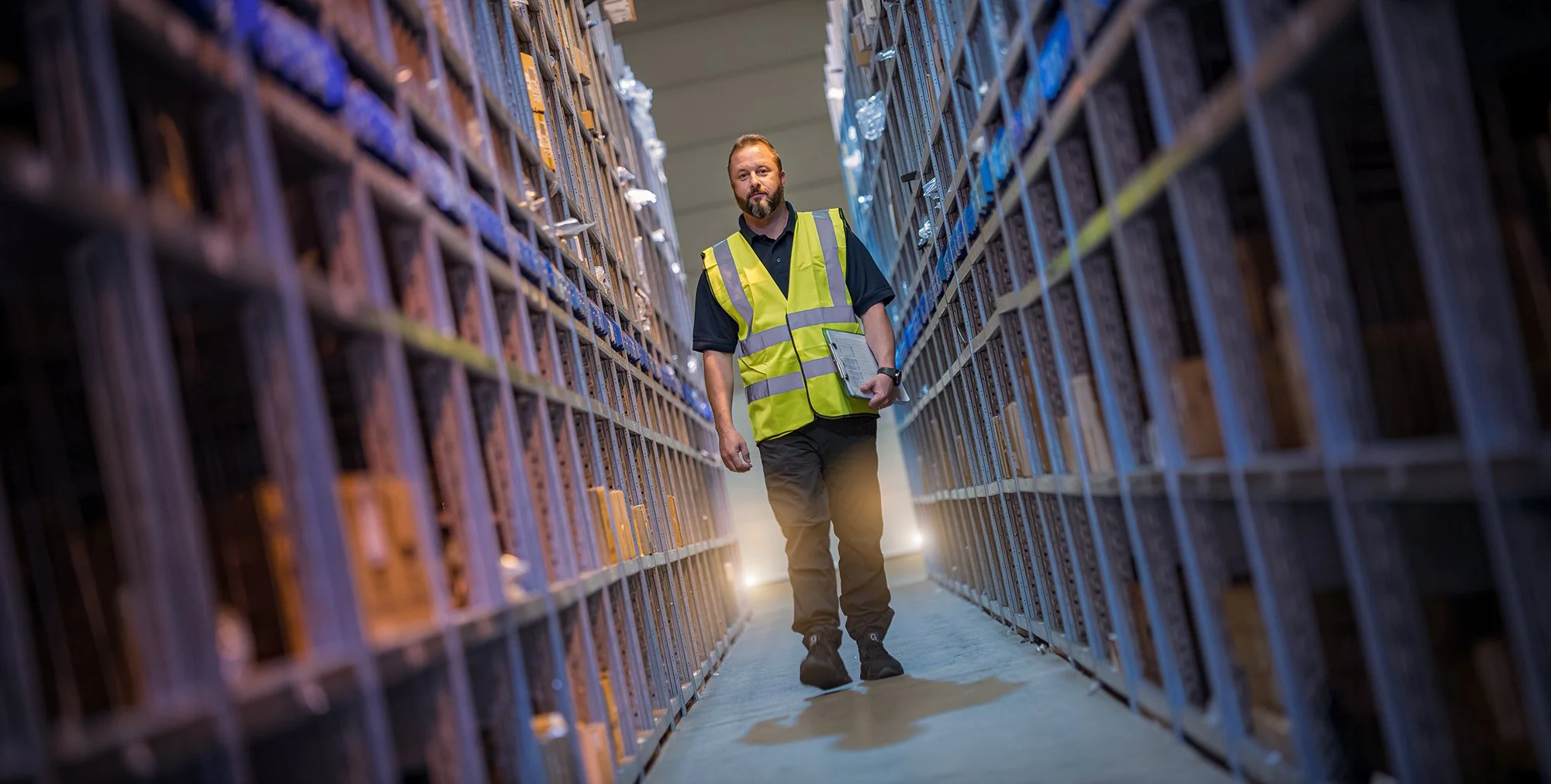
Authenticity is important here. The objective is not to create a collection of artificial scenes that bear little resemblance to everyday working life. Instead, it is about finding genuine moments and presenting them in a considered, professional way that supports the client's brand and marketing message.
The strongest photography often comes from combining these different elements. A dynamic truck image might establish the visual impact, a warehouse photograph could explain the operational capability, and a series of staff portraits or customer service images might communicate the human qualities that distinguish the business.
Together, these photographs create a much more complete picture of the organisation.
For companies operating across multiple locations or countries, maintaining a consistent visual style is also important. A carefully planned photography library provides marketing teams with a collection of images that work together, rather than a mixture of unrelated photographs created at different times and to different standards.
Working With Pall-Ex: A Complete Logistics Story
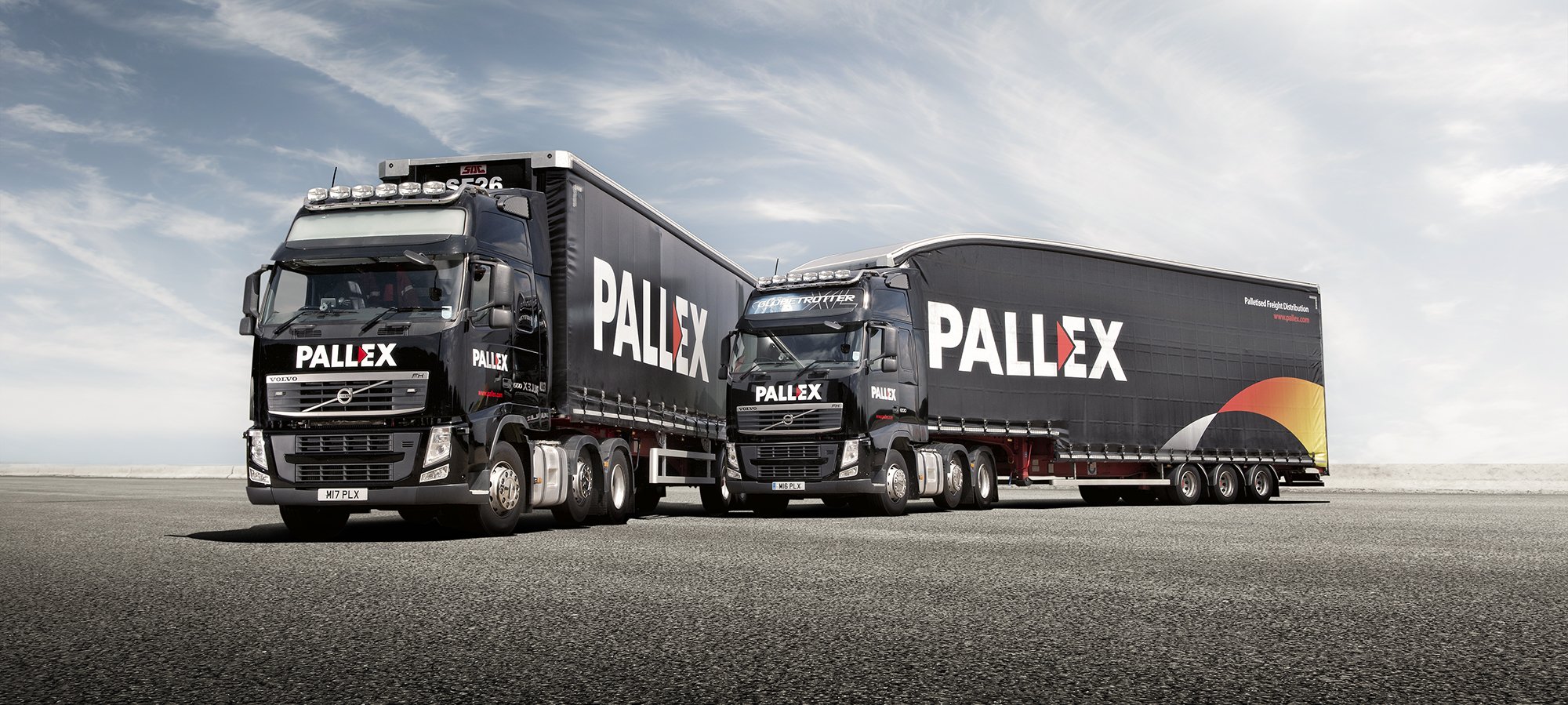
One of the projects that demonstrates the breadth of logistics photography particularly well is my work with Pall-Ex, a leading palletised freight distribution network.
I have worked alongside the Pall-Ex team on a number of projects, creating commercial photography for its marketing activities and website requirements. The relationship has been especially rewarding because the briefs have allowed us to look at the business as a whole, rather than concentrating exclusively on its trucks.
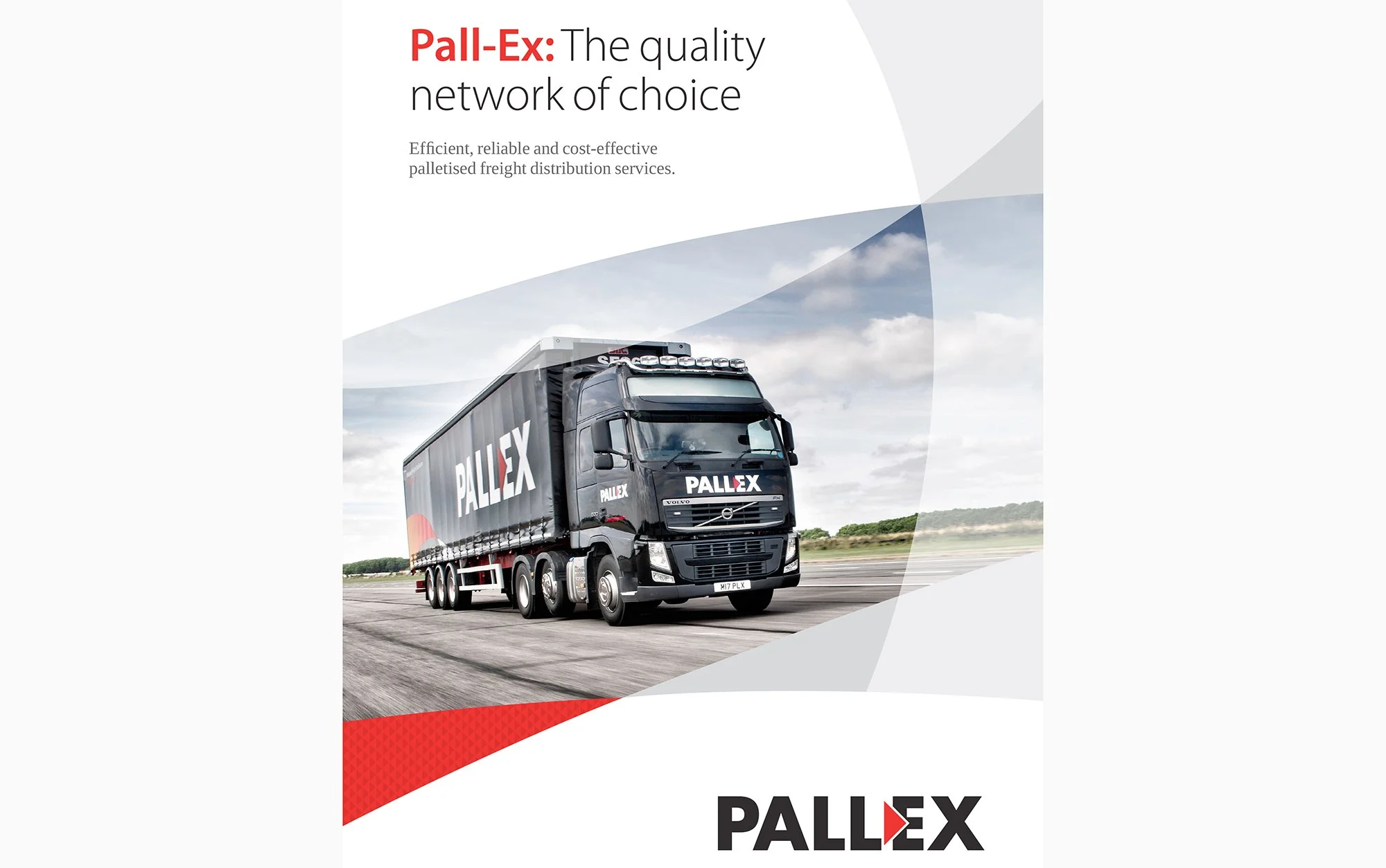
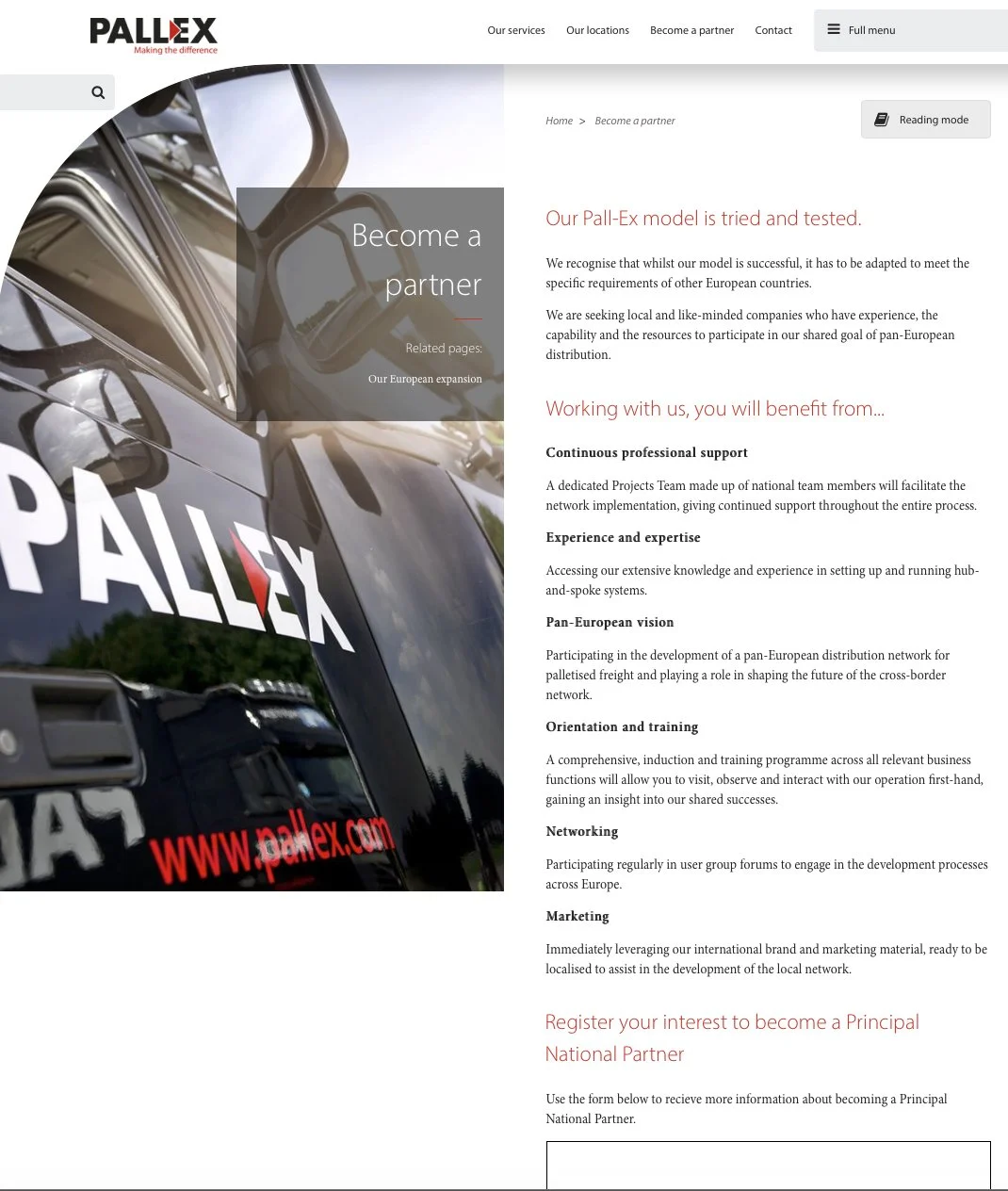
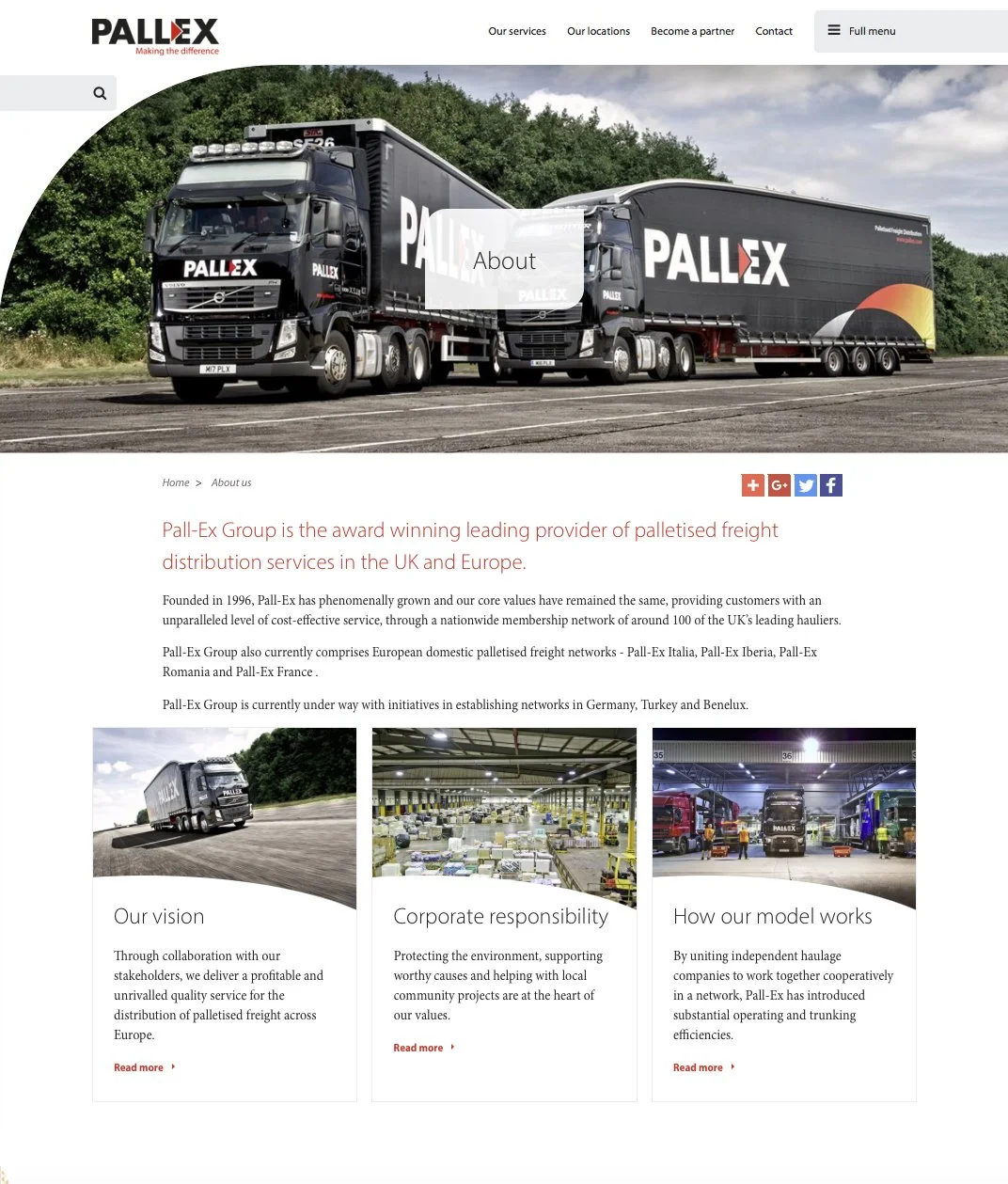
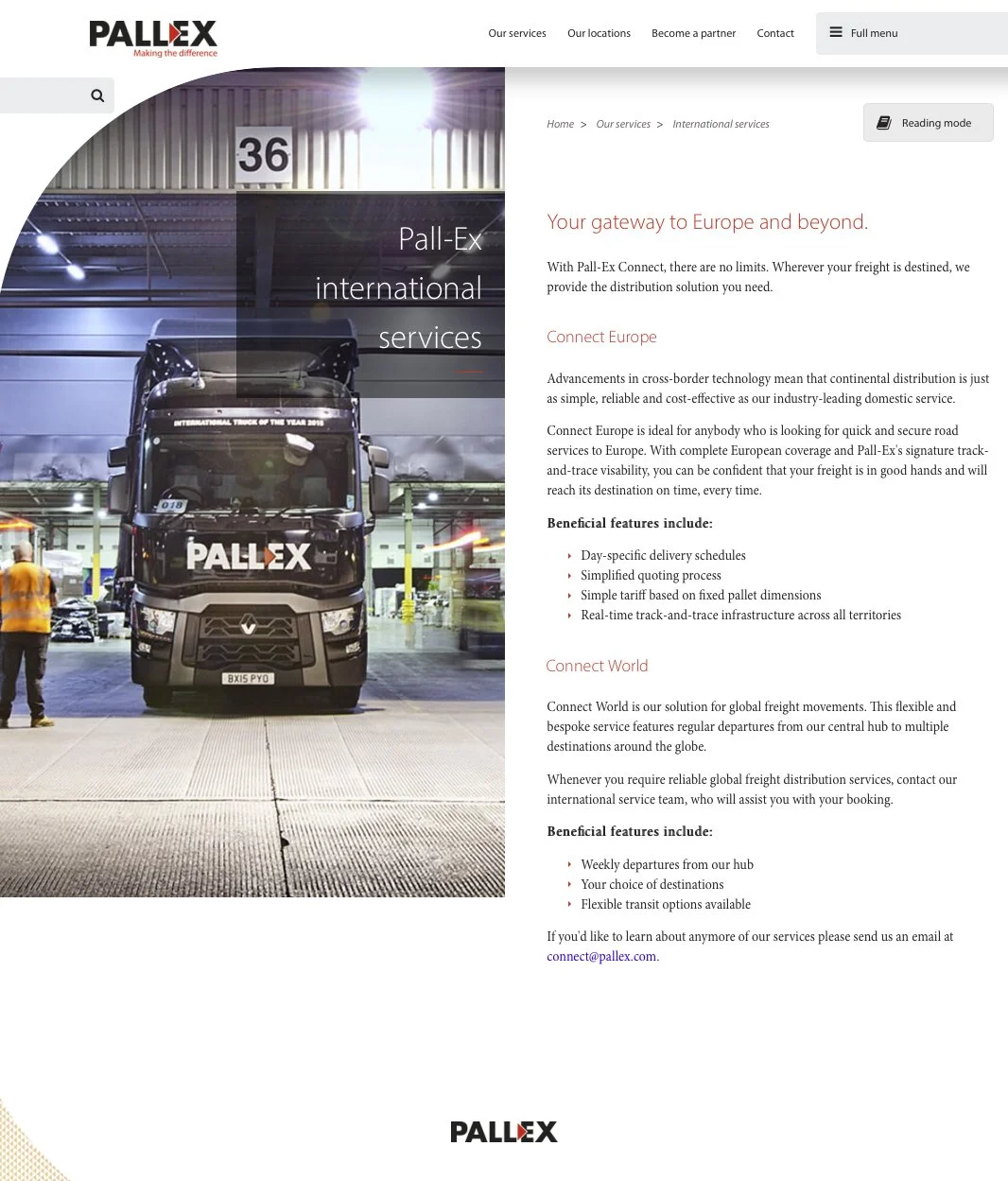
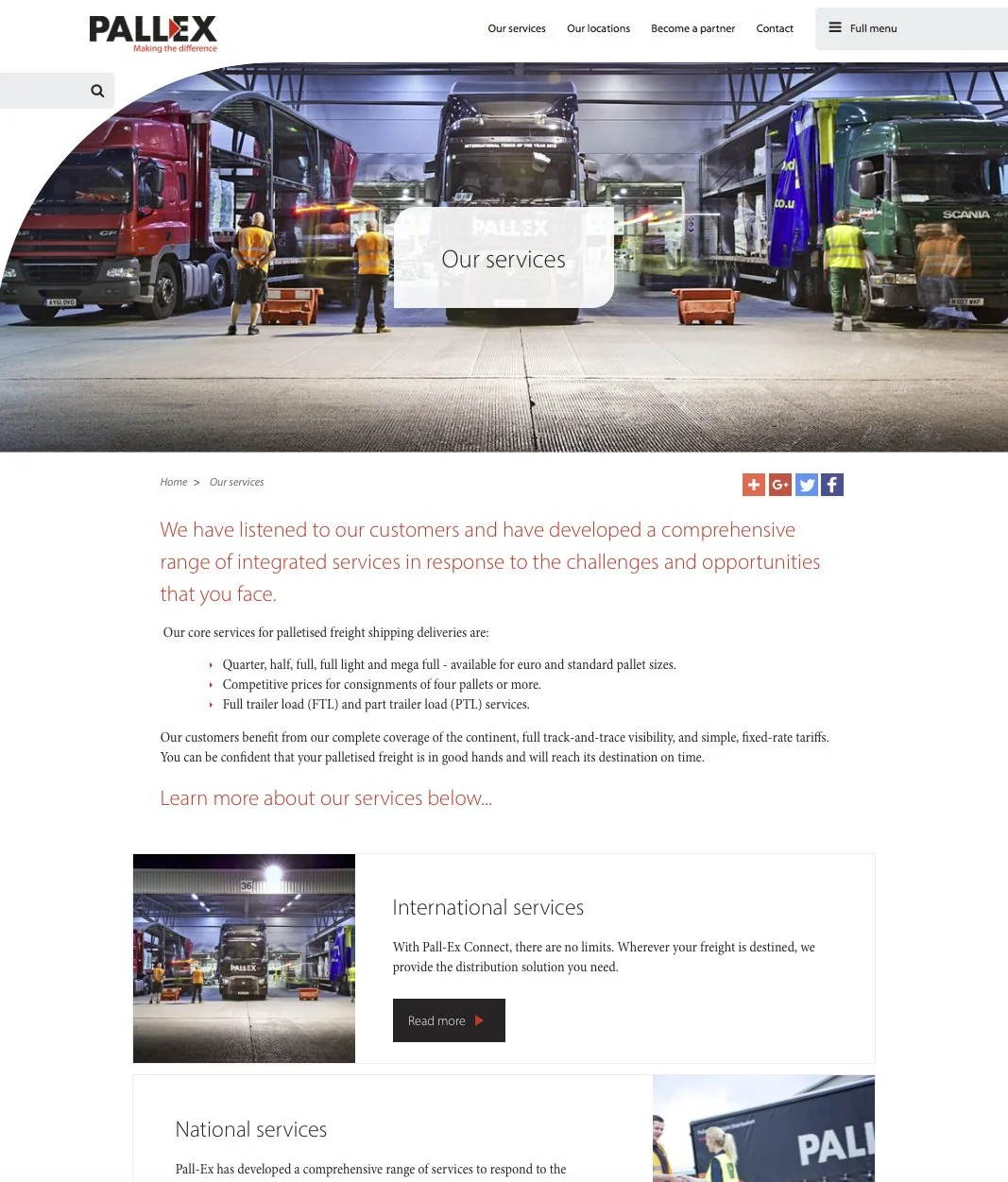
One significant project involved creating a substantial collection of image assets for a new global Pall-Ex website. There was a considerable amount of material to produce within a relatively short timeframe, so close collaboration with the marketing team was essential. We divided the project into different sections, each designed to communicate an important part of the business and its operating model.
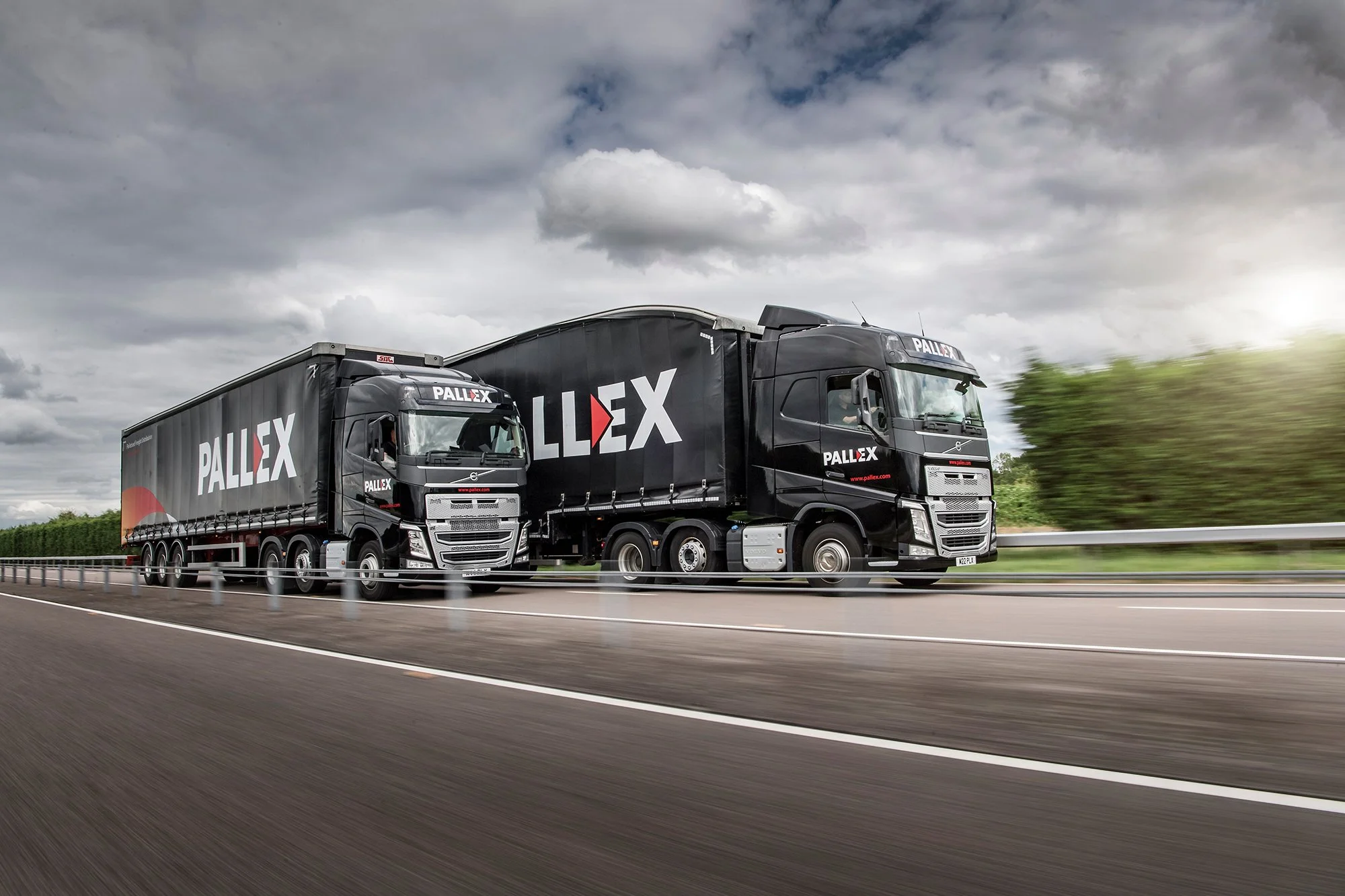
We began at the MIRA proving ground, where I created a series of dynamic truck photographs using a moving chase vehicle. I was harnessed into the chase vehicle, photographing the Pall-Ex tractor-trailer combination as we moved around the circuit.
Photographing moving cars is something I have done for many years, but working with a large tractor-trailer unit presents a different set of challenges. Acceleration is slower, positioning takes careful coordination and there is a great deal of communication involved in getting both vehicles into the right place at the right speed.
Two-way radio communication and, when necessary, hand signals help the team coordinate each pass. We have to work within the available track distance, anticipate how the vehicles will respond and make the most of each opportunity. Planning and understanding the limitations of the equipment and vehicles are essential to achieving the results we need.
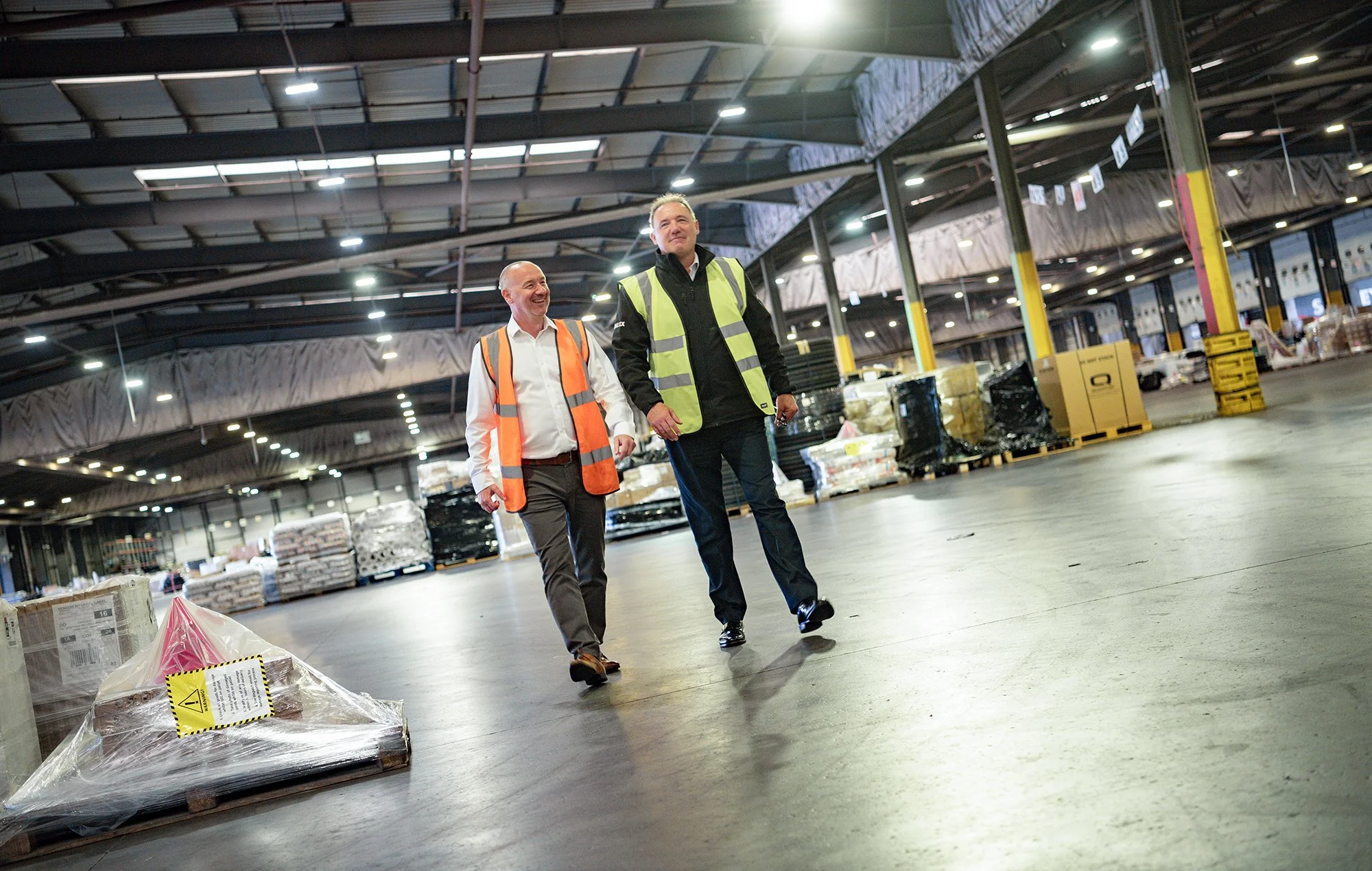
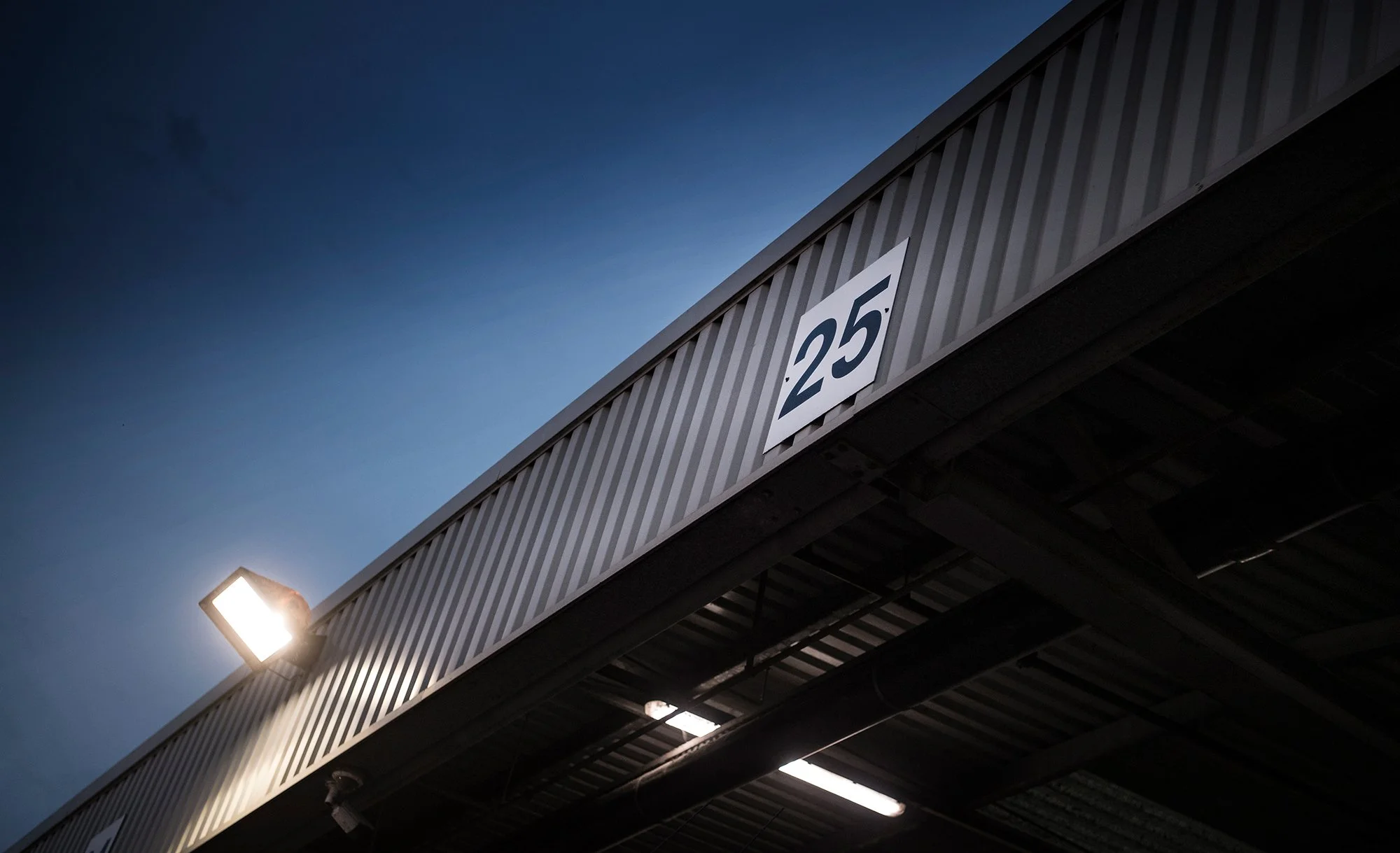
Following the proving-ground work, we moved on to photographing the warehouse environment, operational processes and the stages involved in handling and delivering freight. This allowed us to create imagery that showed more of the Pall-Ex operation, helping to explain the service behind the vehicles.
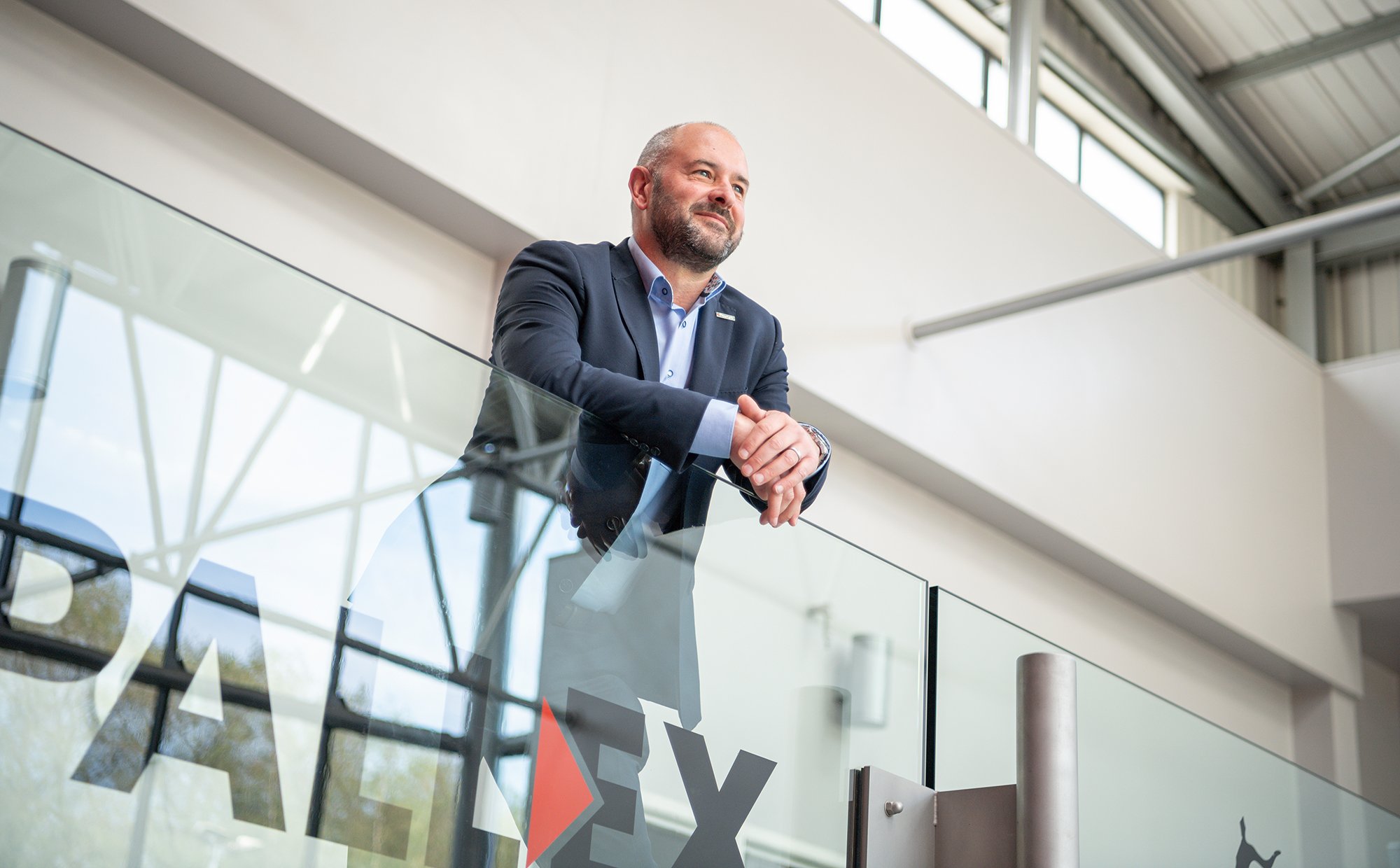
We also photographed staff and areas such as customer service. This was an important part of the project because it gave the imagery a human dimension, showing the people who support customers and help keep the network operating effectively.
Reflecting on the project, I particularly enjoyed the opportunity to work with the Pall-Ex marketing team on a brief that provided such a broad creative canvas.
The team had a clear understanding of what they wanted to achieve, and everyone worked together to plan and deliver the photography within a relatively short period. The resulting collection was intended to support the company's new global website, alongside its wider marketing and advertising requirements.
For me, this is a good example of what logistics photography can achieve when it is approached as a complete commercial project. The trucks provide the visual impact, the operational photography explains the process, and the people bring the business to life.


Logistics Photography That Works For Your Business
Over the years, I have come to believe that the best commercial photography is created when the photographer understands both the visual brief and the business behind it.
For logistics companies, that means recognising the importance of operational schedules, appreciating the demands placed on staff and vehicles, and planning each shoot carefully to deliver the required images without creating unnecessary disruption.
It also means thinking beyond individual photographs. A well-produced collection of logistics photography and truck photography becomes a valuable commercial asset, supporting websites, advertising campaigns, brochures, recruitment material and ongoing marketing activity.
Whether the requirement is for a new fleet, a major distribution operation, warehouse processes or a complete library of brand imagery, my approach remains the same: to work closely with the client, understand what the photography needs to achieve and create images that communicate their business with clarity, creativity and consistency.
After more than 20 years working across transport and industrial photography, I still find these projects rewarding because every operation has its own character and story to tell.
The challenge is to capture that story in a way that makes people stop, look and understand what makes the business special.
That is what good logistics photography should do.