

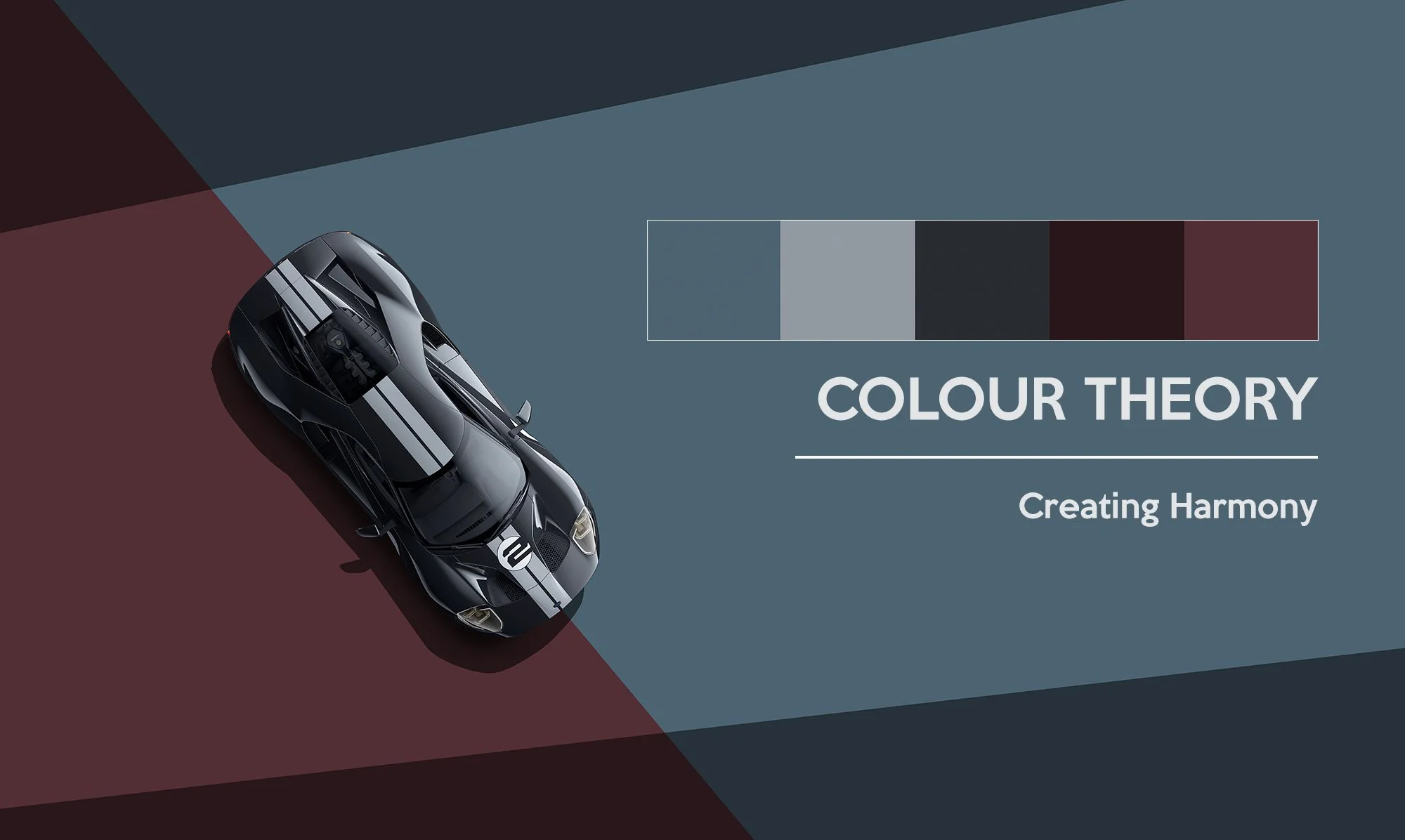
Some images just seem inherently more pleasing and instantly appealing; this effect is not solely due to the physical content within the frame but can also be heavily influenced by the colour palette used. One cinematic example that illustrates this beautifully is the striking, carefully curated palette of colours and how they harmonise in the highly stylised films of Wes Anderson. Colour can subconsciously guide and influence how we feel when we view an image, shaping how attractive or engaging it appears to us, and sometimes even evoking a strong emotional response on a deeper, almost instinctive level.
In 1907, Auguste and Louis Lumière introduced autochrome, a groundbreaking and revolutionary method for reproducing colour in photographs. This innovative technique stunned the world and captivated audiences everywhere. “Soon the world will be colour-mad,” photographer Alfred Stieglitz wrote that July from Munich, expressing his awe and anticipation. “And Lumière will be responsible for this remarkable transformation.”
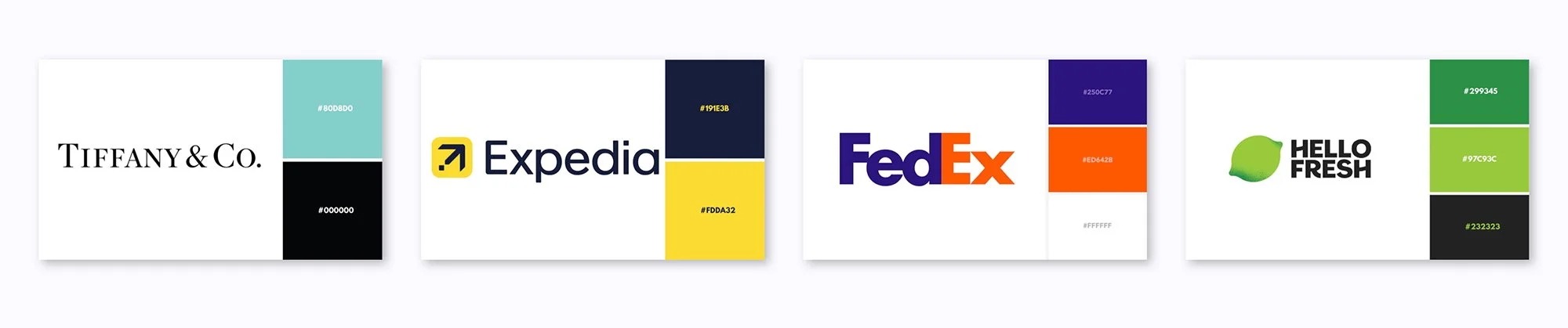
We’ve come a long way in the last century, and the power of colour has expanded and evolved in many exciting new ways. Indeed, the world remains undeniably ‘colour mad,’ with colour continuing to shape and influence our everyday experiences. Today, we make numerous lifestyle choices and purchasing decisions largely based on the visual media we encounter. This might be a social media post, a glossy magazine advert, or even a striking billboard prominently displayed in the street. What is absolutely crucial in today’s culture is the concept of 'brand’ — a measurable and strategic power that influences what we think, feel, and desire. This intangible force has been carefully built by countless dedicated professionals working meticulously behind the scenes, who analyse trends, current events, and consumer behaviours to craft these powerful ‘triggers’ into their offerings. Colour almost always plays a central role in defining a brand and how we instantly recognise it — from the iconic red of Coca-Cola to Tiffany’s unmistakable shade of turquoise, often lovingly referred to as robin’s-egg blue, colour remains a fundamental element in brand identity and emotional connection.

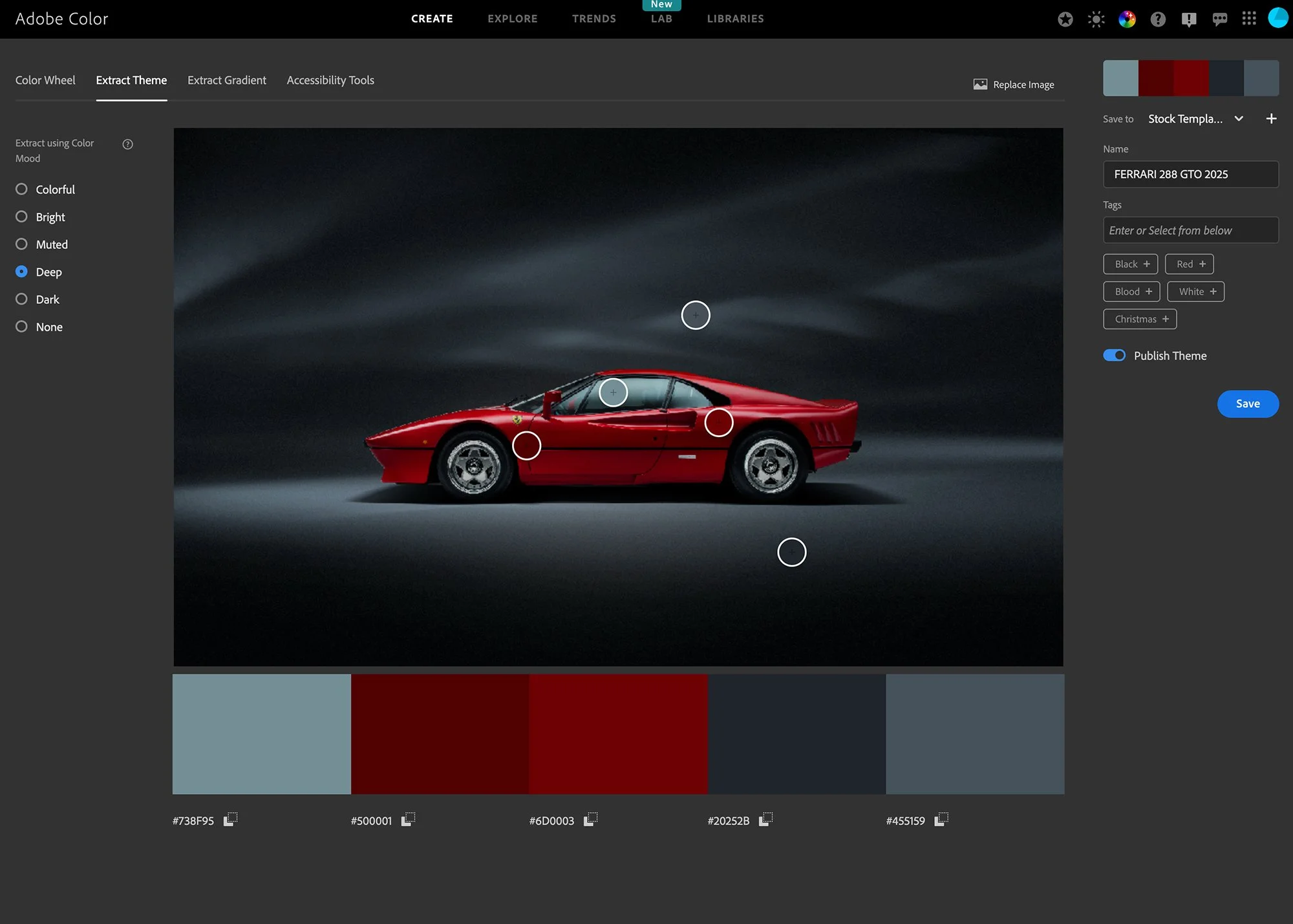
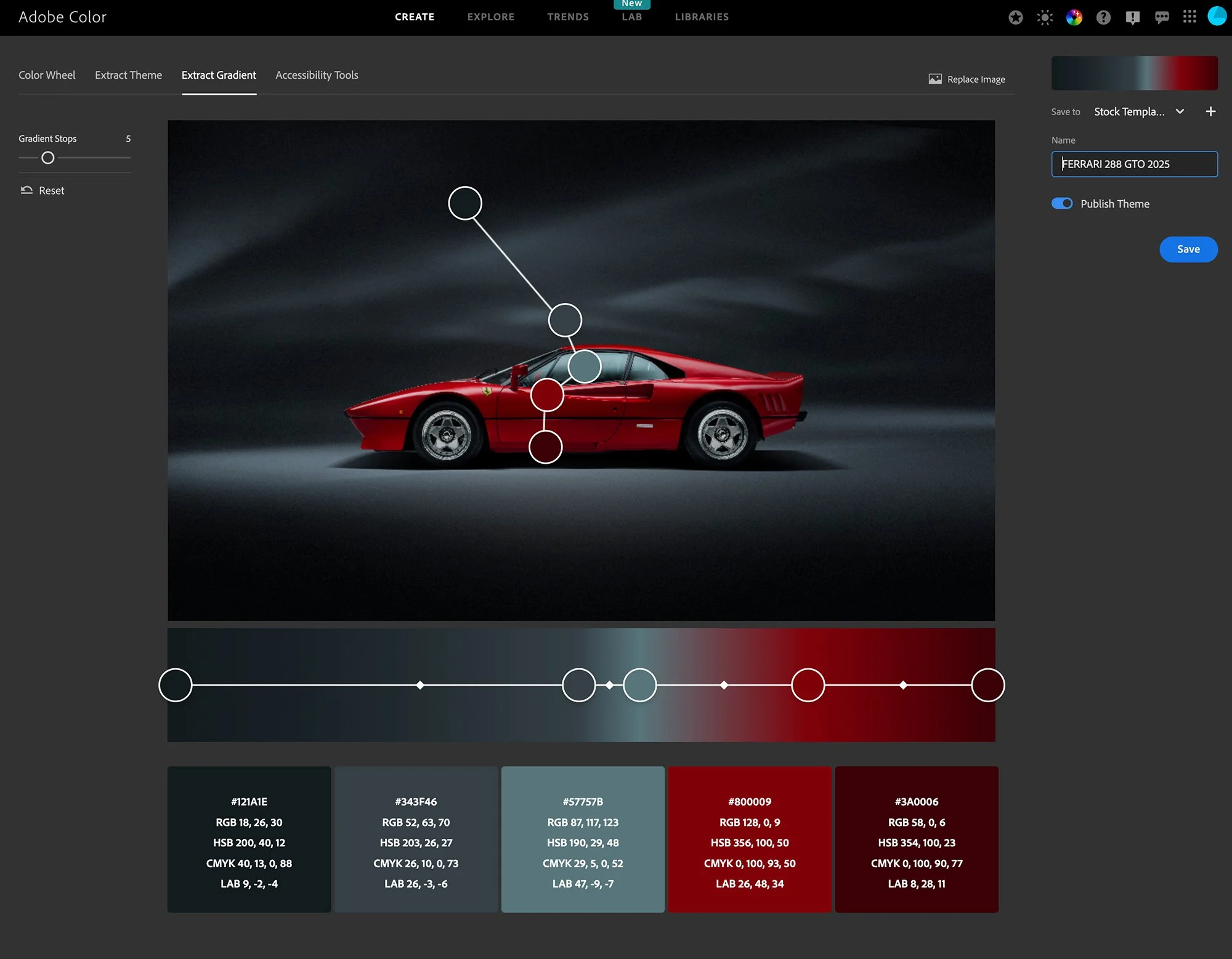
Colour plays a valuable role in our daily life, it conveys feelings, changes actions, and influences every element of how we as emotional humans view the world. There are some great resources out there that can help you look at colour in a far more informed way and understand more about how it works. Some examples of this are the Adobe Color and their tools, as well as the Color Palette Generator from Sessions College.
Colour theory
Colour theory looks at how colours work together through concepts like colour harmony, which are pleasing combinations based on their relationship on a colour wheel. Common schemes include complementary (opposite colours for high contrast), analogous (adjacent colours for harmony), and triadic (three equidistant colours for vibrancy).

Complementary:
Pairs of colours that are directly opposite each other on the colour wheel, such as blue and orange, red and green, or yellow and purple. This creates high contrast and a vibrant look.
Analogous:
Three colours that are next to each other on the colour wheel, such as red, orange, and yellow. This creates a harmonious and pleasing effect.
Triadic:
Colours that are evenly spaced around the colour wheel, forming a triangle. This combination is vibrant and balanced, using colours like red, yellow, and blue.
Split-complementary:
A base colour and the two colours adjacent to its complement. This softens the high contrast of a complementary scheme while still providing visual interest.
Monochromatic:
Uses different values (tints, tones, and shades) of a single colour. This creates a subtle, sophisticated, and cohesive look.
What is a Colour Wheel
The colour wheel is a simple yet incredibly powerful tool that helps us make informed decisions about colour, enabling the creation of colour schemes that deeply resonate with audiences and achieve very specific visual effects or moods. This circular diagram organises colours in a logical way based on their relationships, categorising them into primary colours, secondary colours, and tertiary colours while clearly illustrating how they smoothly transition and blend into one another. Designers, artists, and creatives use this invaluable visualisation tool to better understand complex colour interactions and to develop harmonious, balanced colour schemes tailored for various digital projects, branding, and marketing.
Sir Isaac Newton invented the colour wheel in 1666, laying the essential groundwork for modern colour theory that continues to influence both scientific and artistic disciplines today. His intense curiosity about the nature of light led him to conduct experiments passing white light through a prism, which separated the white light into its constituent spectrum of colours. This intriguing and groundbreaking phenomenon inspired Newton to arrange these colours into a circular format, thus creating the very first colour wheel. This ingenious diagram clearly demonstrated the relationships between colours and established a systematic, visual way to understand how colours interact, complement, and blend with each other. Sir Isaac Newton's colour wheel remains a foundational tool, widely respected and utilised in the fields of both science and art worldwide.
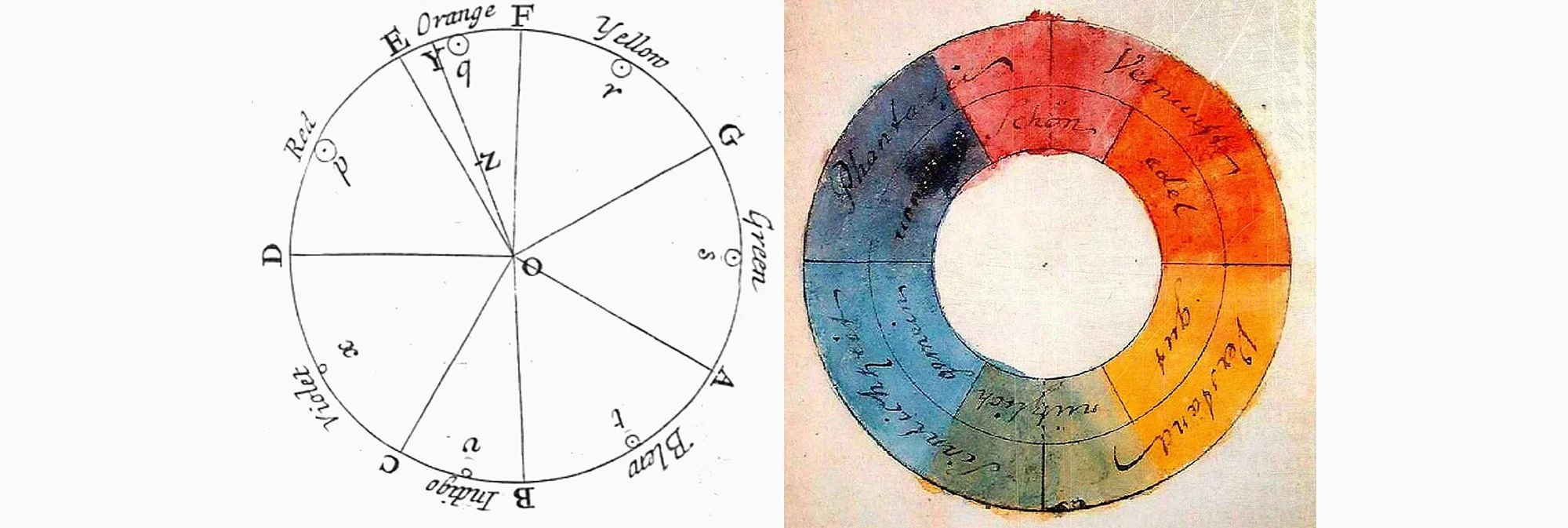
The Power of Colour in Commercial Photography
According to some research, it takes fewer than 90 seconds for customers to form subconscious judgments about products, with a massive 85% citing colour as the primary reason for purchasing a certain product and 80% saying colour increases brand recognition. Furthermore, ads in colour are read up to 42% more often than ads in black-and-white.
For professional photographers, colour isn’t just an aesthetic choice — it’s a strategic one. The right hue can define a brand, influence emotion, and ultimately shape how an audience connects with an image. Today’s brands and marketing agencies understand this more than ever, often relying on photographers to make these colour choices feel intentional, authentic, and on-message.
For working photographers, a solid grasp of colour theory and colour psychology isn’t optional — it’s part of the creative toolkit. From pre-production and storyboarding to lighting and post-processing, understanding how colour behaves allows you to control mood, focus attention, and build consistency across a campaign.
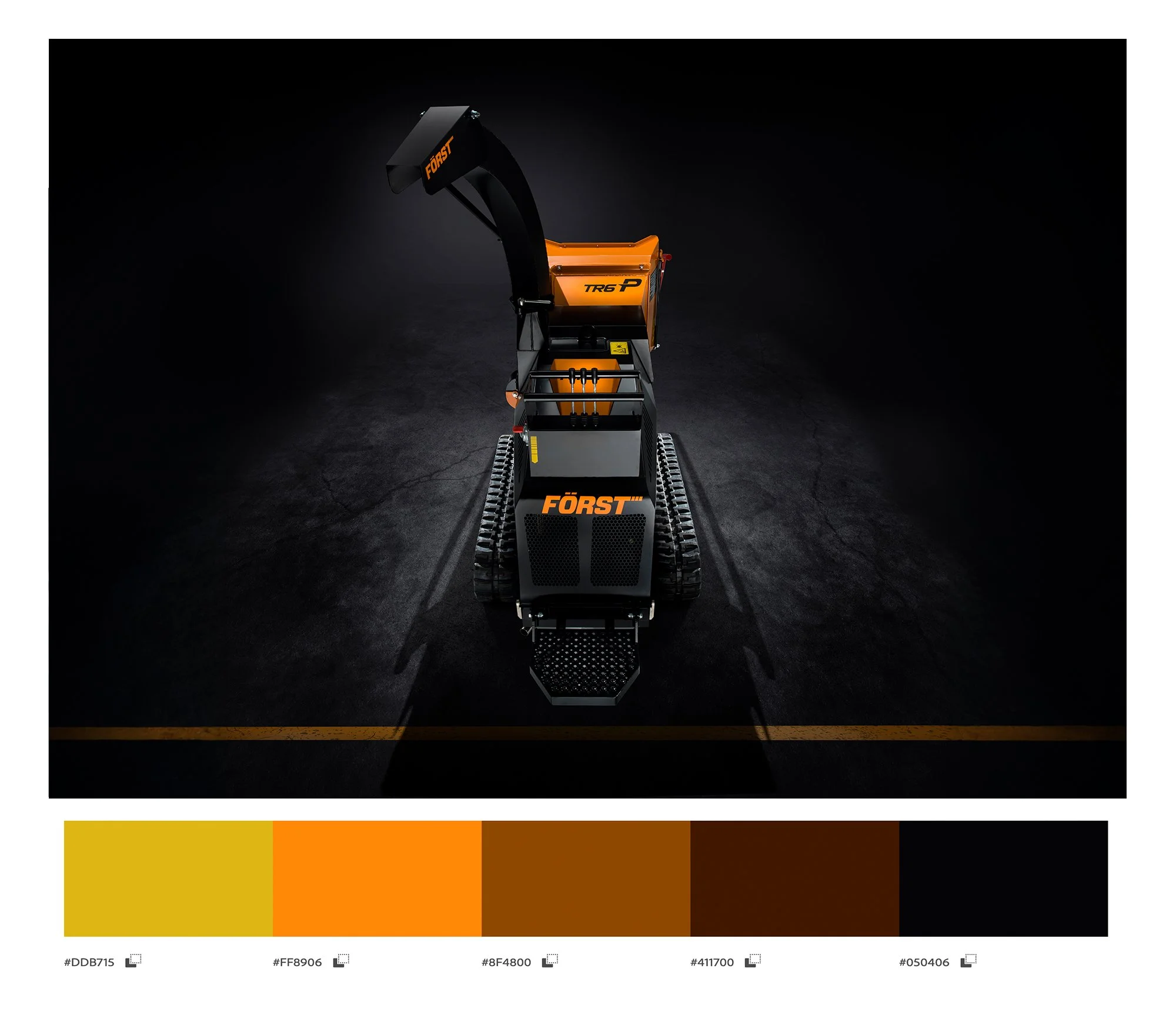
Colour as a Branding Language
Most clients come with clear brand guidelines, but the real challenge lies in translating those values visually. Brands seek colours that trigger emotion and reinforce recognition — and your job as the photographer is to make those choices feel natural within the frame.
Think about how colour serves a purpose:
Red acts as a call to action — bold, powerful, energetic.
Yellow radiates positivity, youth, and optimism.
Green conveys wellness, balance, and sustainability.
Blue suggests reliability, confidence, and calm.
When you can weave these emotional cues into your lighting setups, and post-production colour grading, your imagery becomes more than visually pleasing, it becomes persuasive.
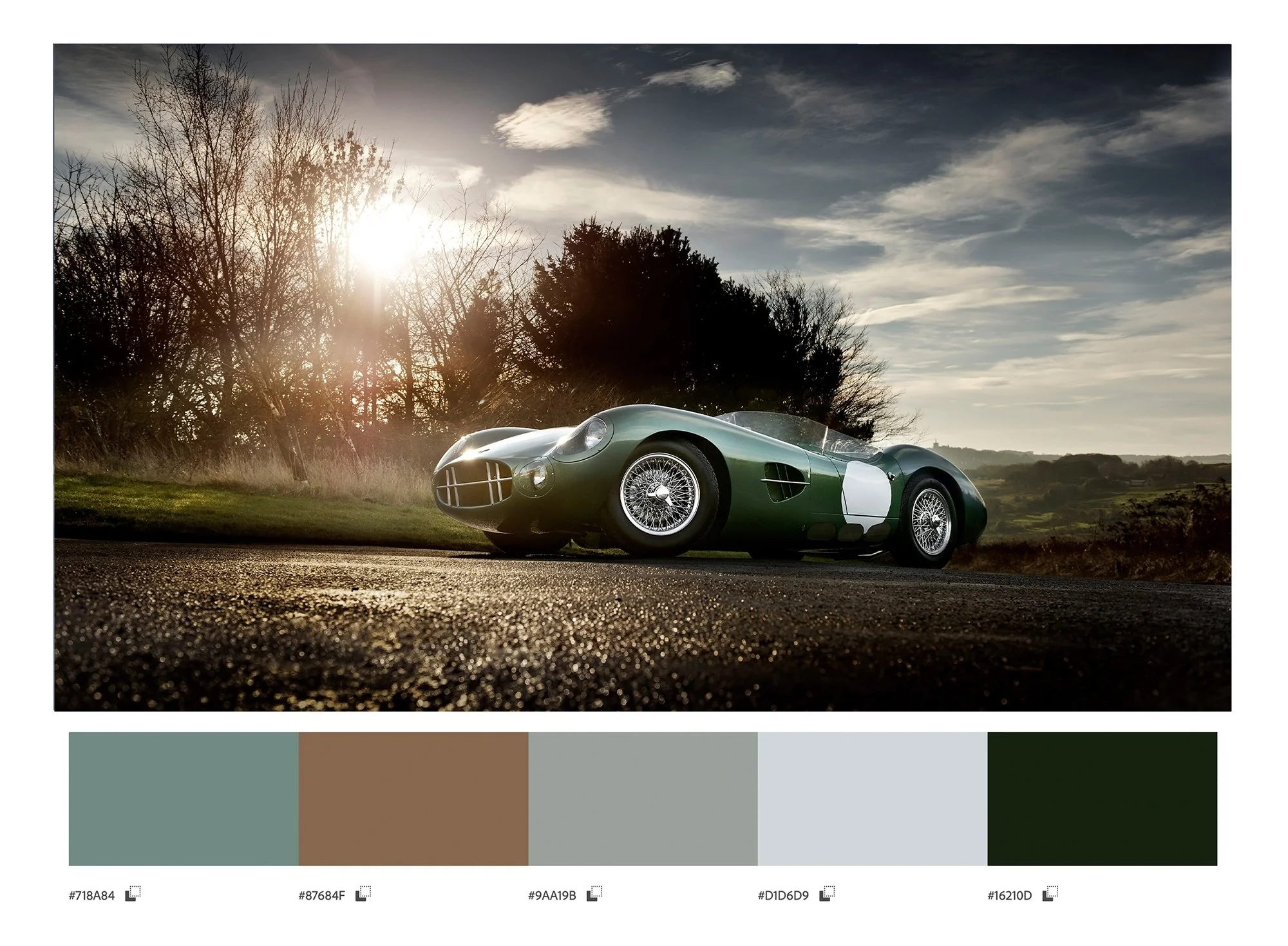


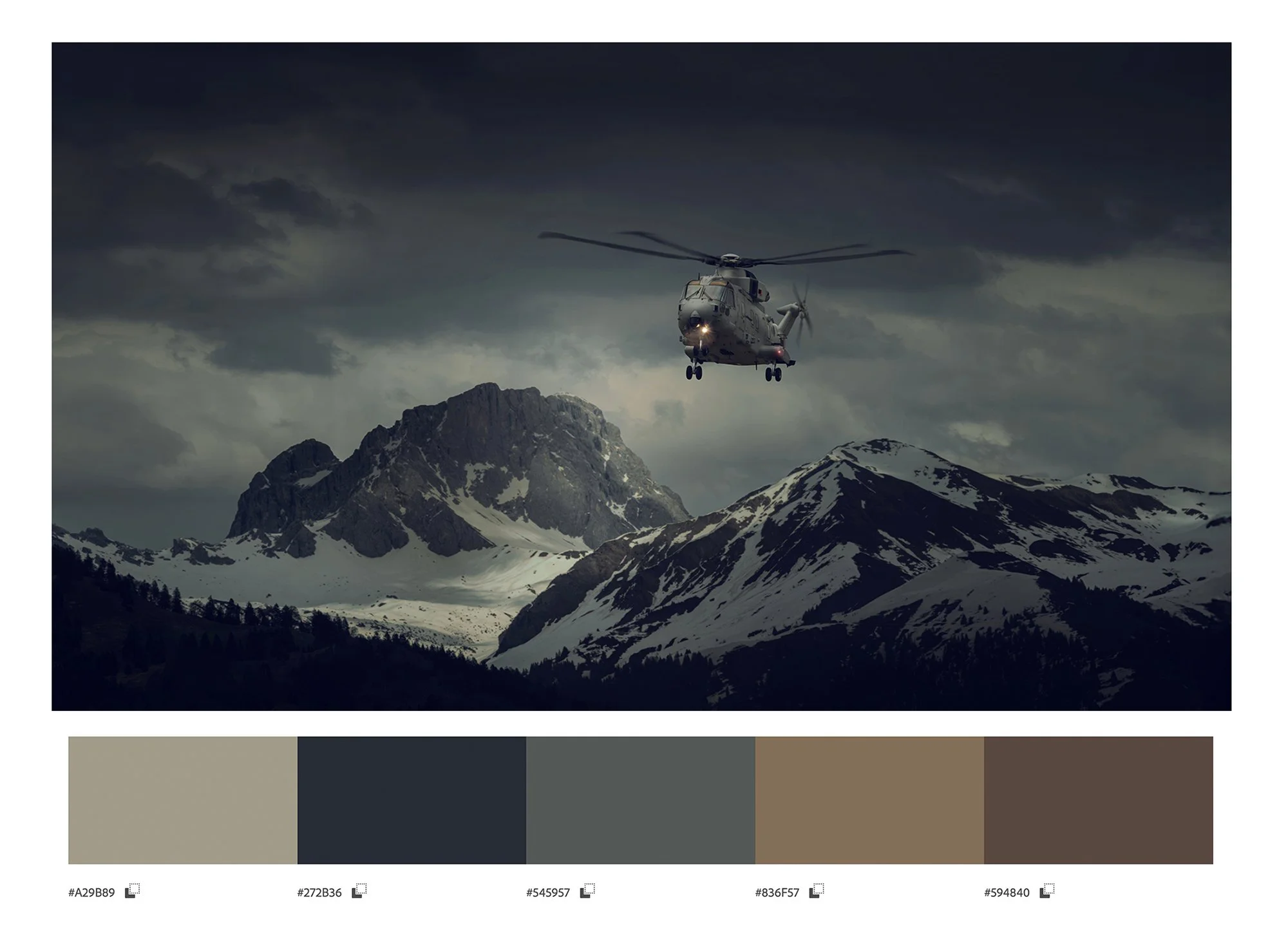
Staying Ahead of Colour Trends
Commercial imagery moves fast. Keeping up with the design world’s colour trends can give your work a fresh edge and keep you in sync with what clients are looking for.
Each year, companies like Pantone, Behr, and Sherwin Williams, release their “Colours of the Year,” offering insight into the cultural mood.
For 2025, Pantone’s Colour of the Year is Mocha Mousse (PANTONE 17-1230) — a warm, rosy brown chosen for its sense of comfort and understated sophistication.
Of course, some hues have greater staying power. When Getty Images identified Gen Z Yellow as a defining visual trend, it wasn’t just about a colour — it was about optimism, individuality, and cultural relevance. The tone’s rise, influenced by Beyoncé’s Lemonade, pushed yellow to the forefront of visual culture. Even now, it continues to perform strongly in business and lifestyle imagery, particularly when paired with darker, moody tones for contrast.
For professionals, this is where strategy meets experimentation. You don’t need to chase every trend, but being aware of them allows you to anticipate client needs and position your portfolio accordingly.
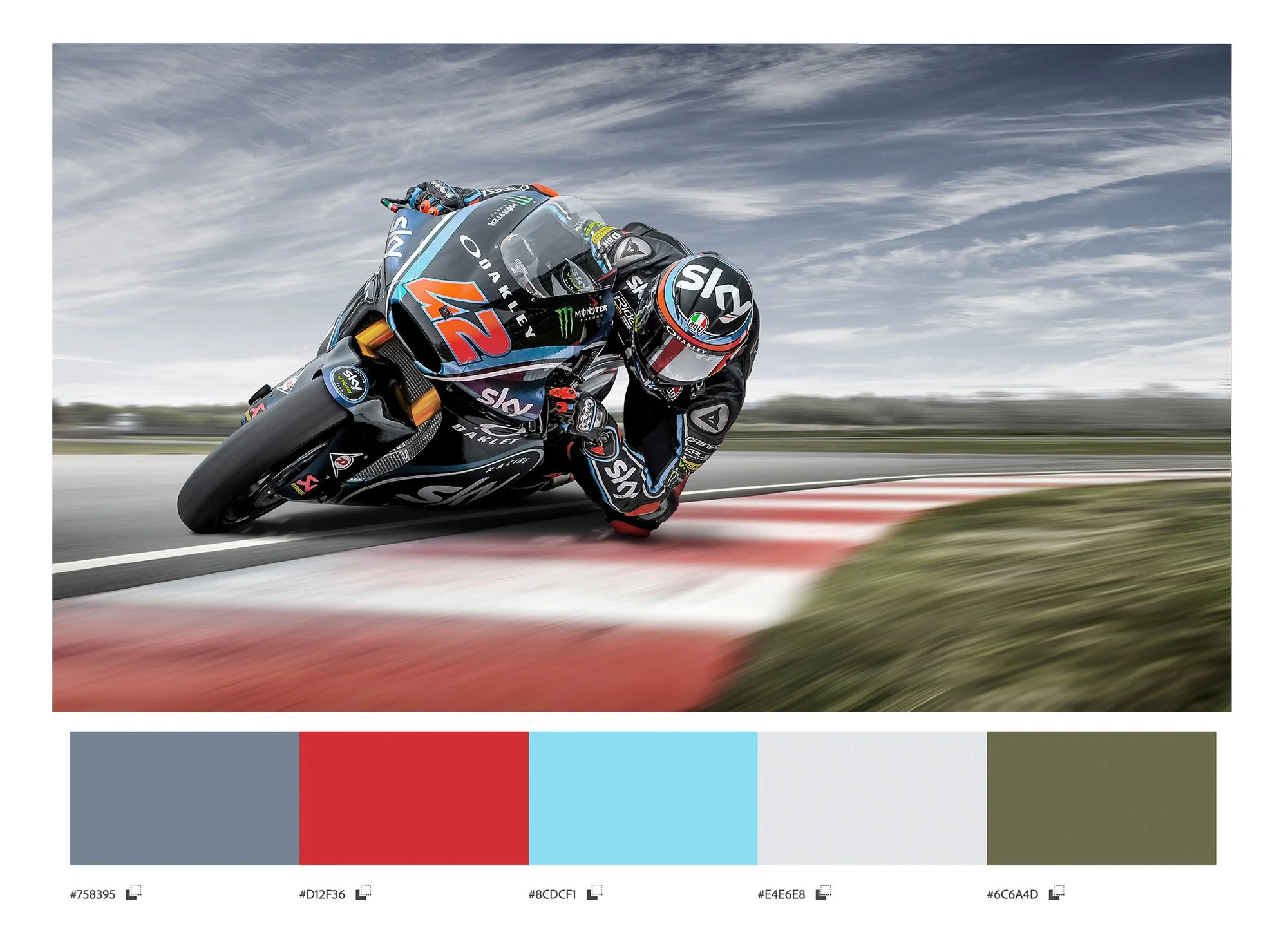
Evolving Your Colour Identity
Colour trends mirror the world around us — shifting with culture, emotion, and technology. As a professional photographer, that’s both a creative challenge and an opportunity.
Review your portfolio regularly and look for patterns: Which colours recur in your best-performing images? Do certain tones attract more client interest or engagement? Understanding these details can help refine your visual identity and open doors to new commissions.
Ultimately, colour is one of the most direct forms of visual communication we have. When used intentionally, it doesn’t just make your work look good — it makes it work harder.
Colour isn’t just decoration, it’s communication.
By understanding how it works, you can transform your photography from simply beautiful to deeply impactful.