Darwin: A Journey into Death Valley
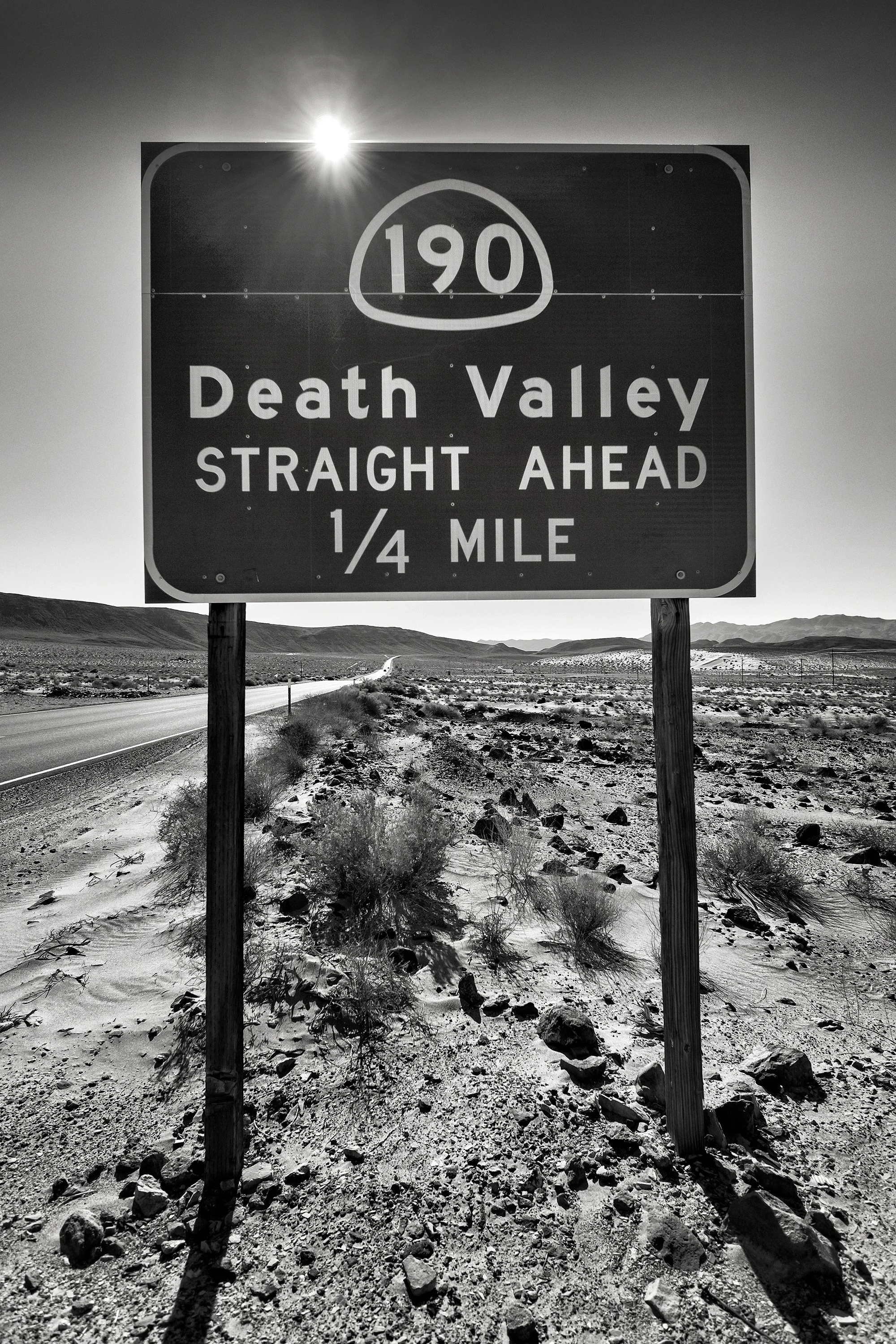
There are places in the world that seem to have a remarkable ability to get under your skin. They are not necessarily the most beautiful places, nor are they always somewhere that you would choose to spend a great deal of time, but they have something about them that stays with you long after you have left. For me, Death Valley in California is one of those places.
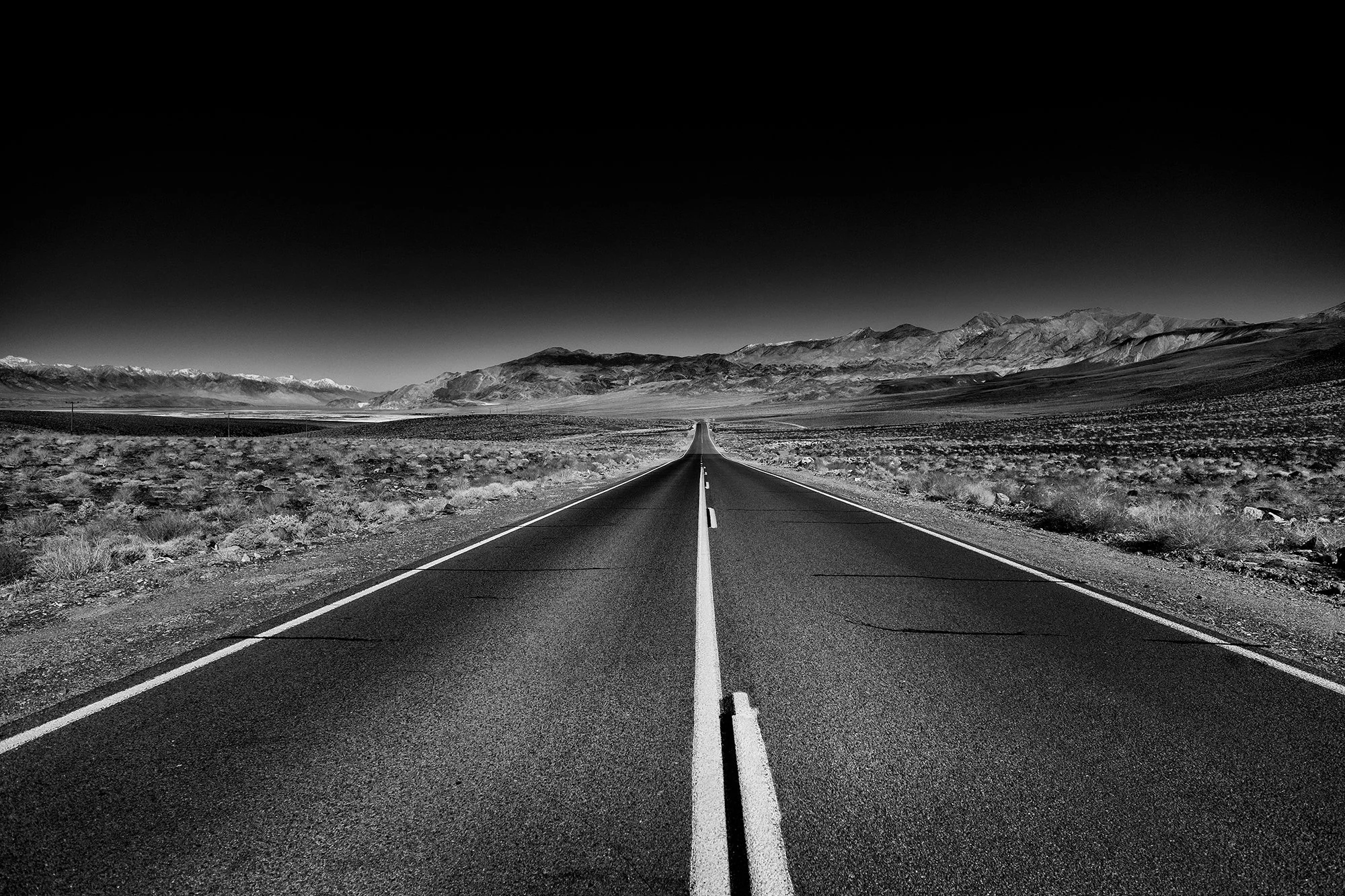
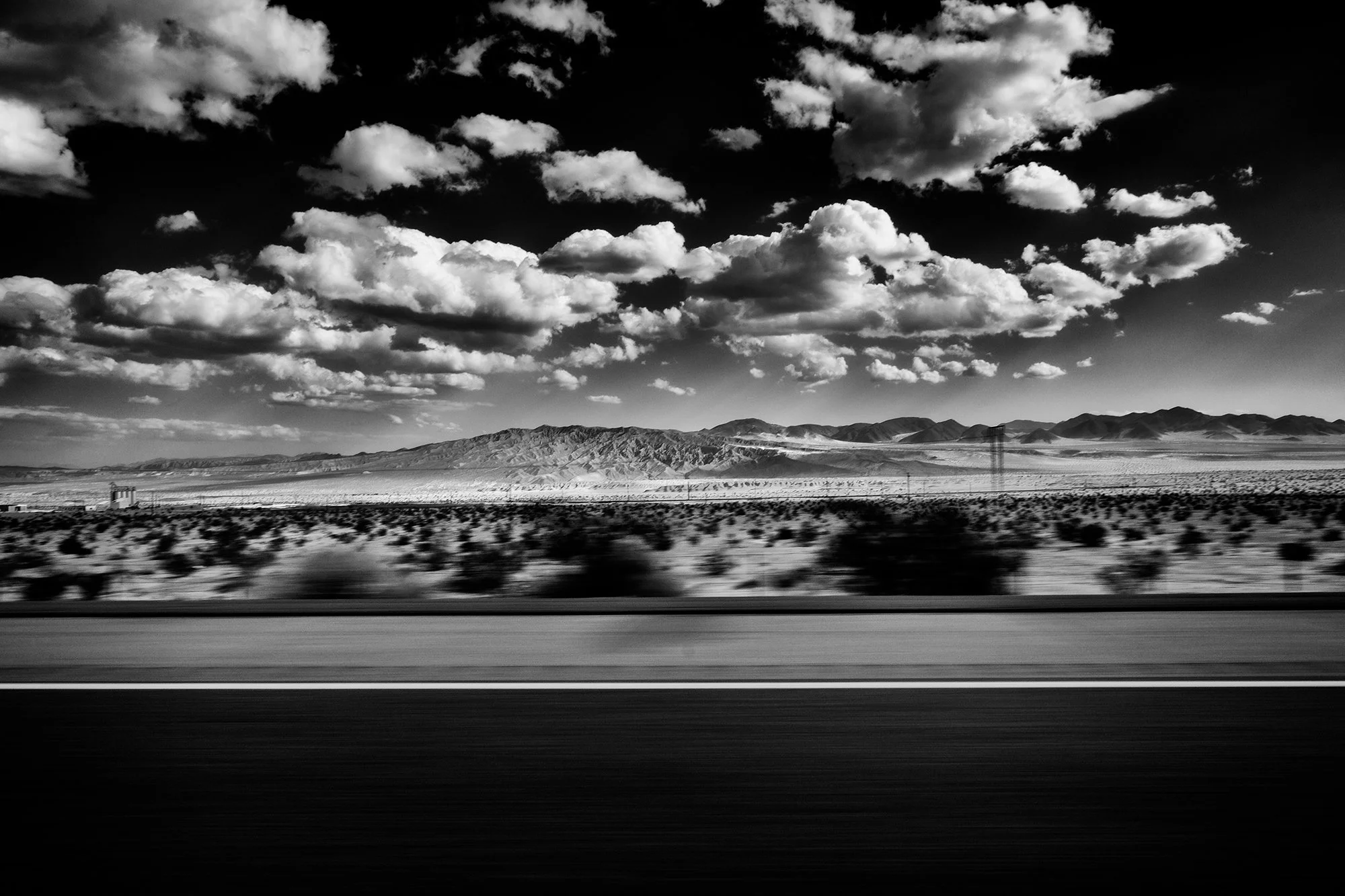
I have always been fascinated by its sheer scale, its extraordinary landscape and the feeling of isolation that comes with travelling through somewhere so vast. The colours change constantly as the light moves across the mountains, the heat creates a shimmering haze above the ground, and the silence can be quite extraordinary. It is a landscape that makes you feel very small, and I think that is part of its appeal.
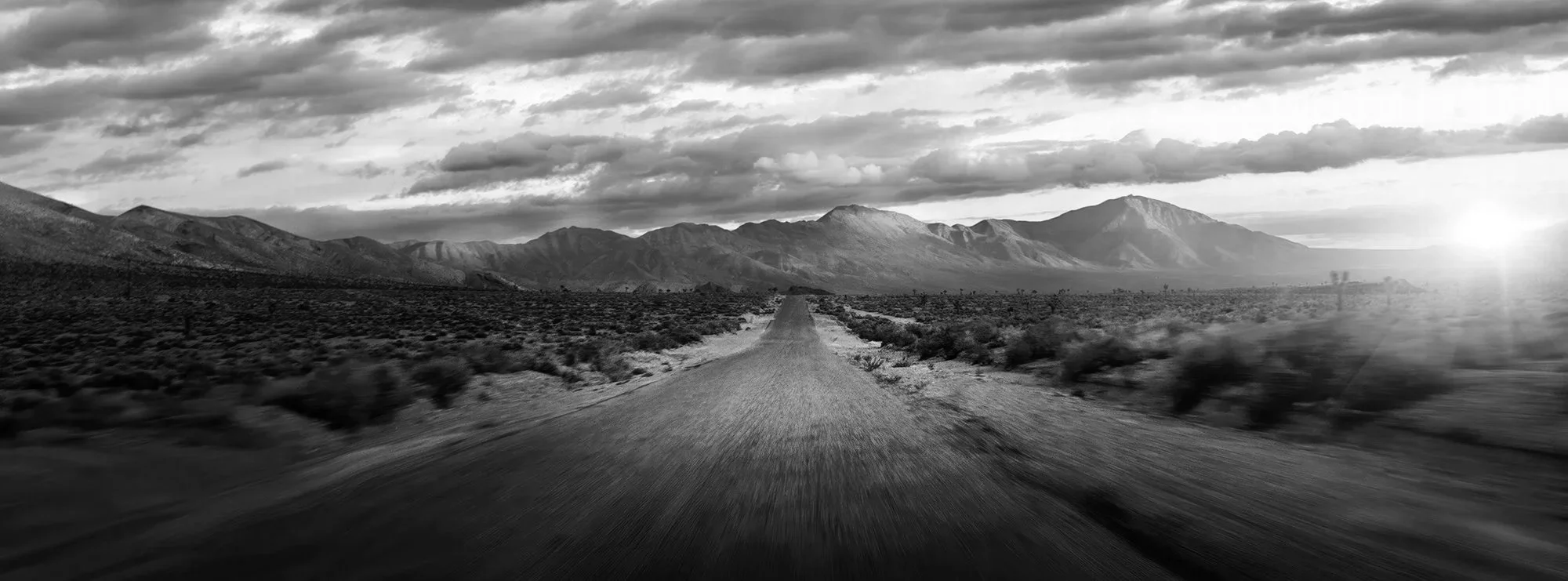
My visit to Death Valley was not a commercial assignment. It was a personal photography project, something I had set aside time to explore purely for myself, without a client brief, a schedule of images to deliver or the usual demands that come with professional work. I was travelling through the valley from south to north when an unexpected discovery took me away from the main road and into a place that I have never really forgotten.
I had pulled off the road into a small clearing to reconnect the power lead to my Sat Nav, which had worked itself loose. Pulling off the main road in Death Valley is not something to take lightly. The ground can be deceptively soft, and getting a vehicle stranded in such a remote location is a risk that you really do not want to take. There is every possibility that you could spend the rest of the day waiting for somebody who might never come past.
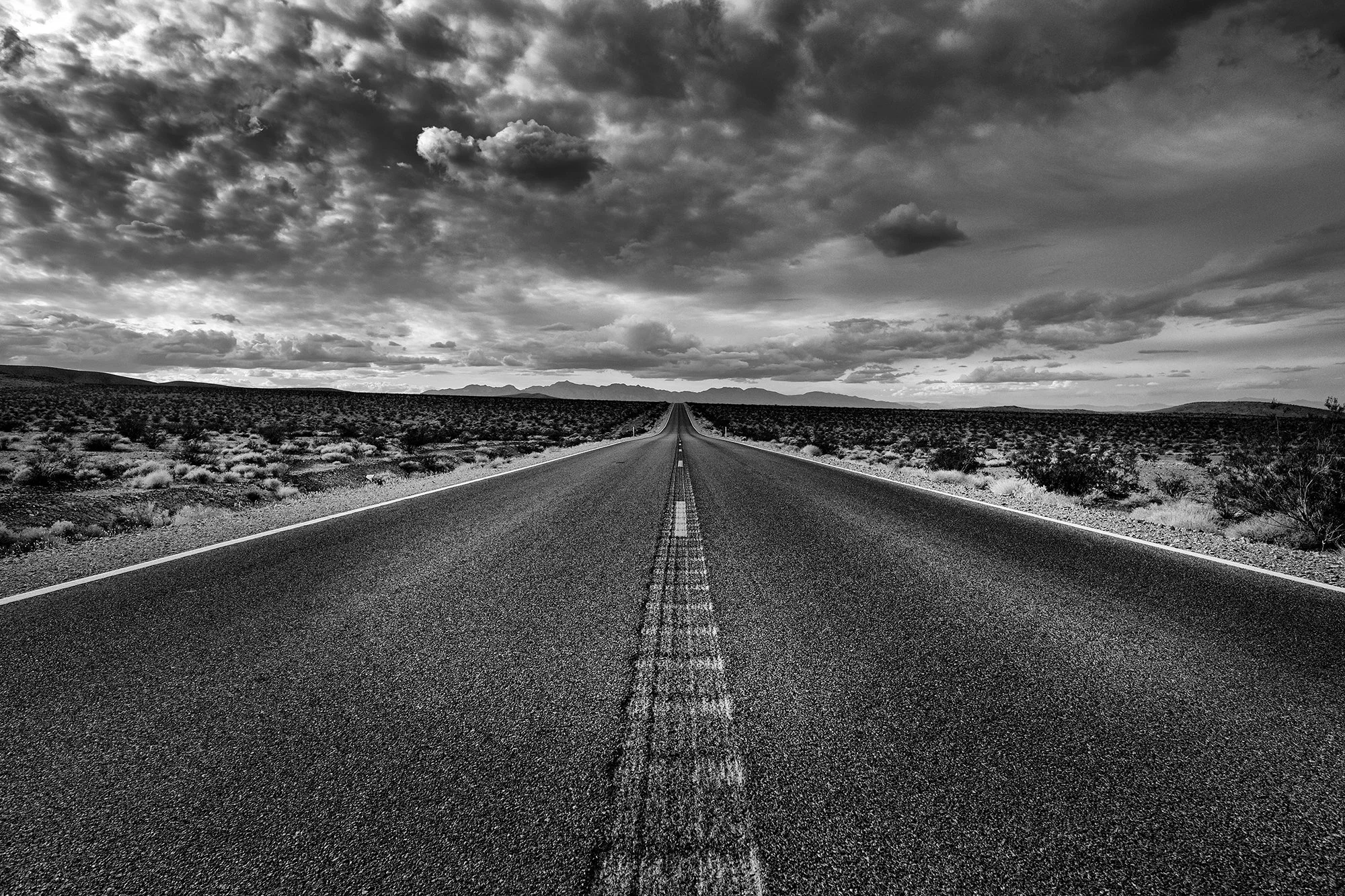
As I looked up from the dashboard, I caught a glint of something in the distance, far down the valley to my left. I could not make out exactly what I was looking at, but something about it caught my attention. Curiosity got the better of me, and I decided to take the risk and carefully follow a dusty track leading in that direction.
It was not the first time I had been to Death Valley. In fact, this was my second visit while trying to locate a place called Darwin, a name I had come across during my research. Finding it was proving surprisingly difficult. There were no obvious signs pointing the way, and the town lay several miles off the main road, hidden away at the base of the surrounding mountains.
It was very easy to imagine driving straight past the turning without ever knowing that the place existed.
But this time, I had found it.
Finding the Forgotten
It was early evening when I finally reached Darwin.
The sun was beginning to fall towards the mountains, and the heat haze hung across the valley floor, making it difficult to see anything clearly in the distance. I had travelled along the dusty track for several miles, with the landscape becoming increasingly remote and the main road disappearing from my thoughts.
Then, almost without warning, the town appeared.
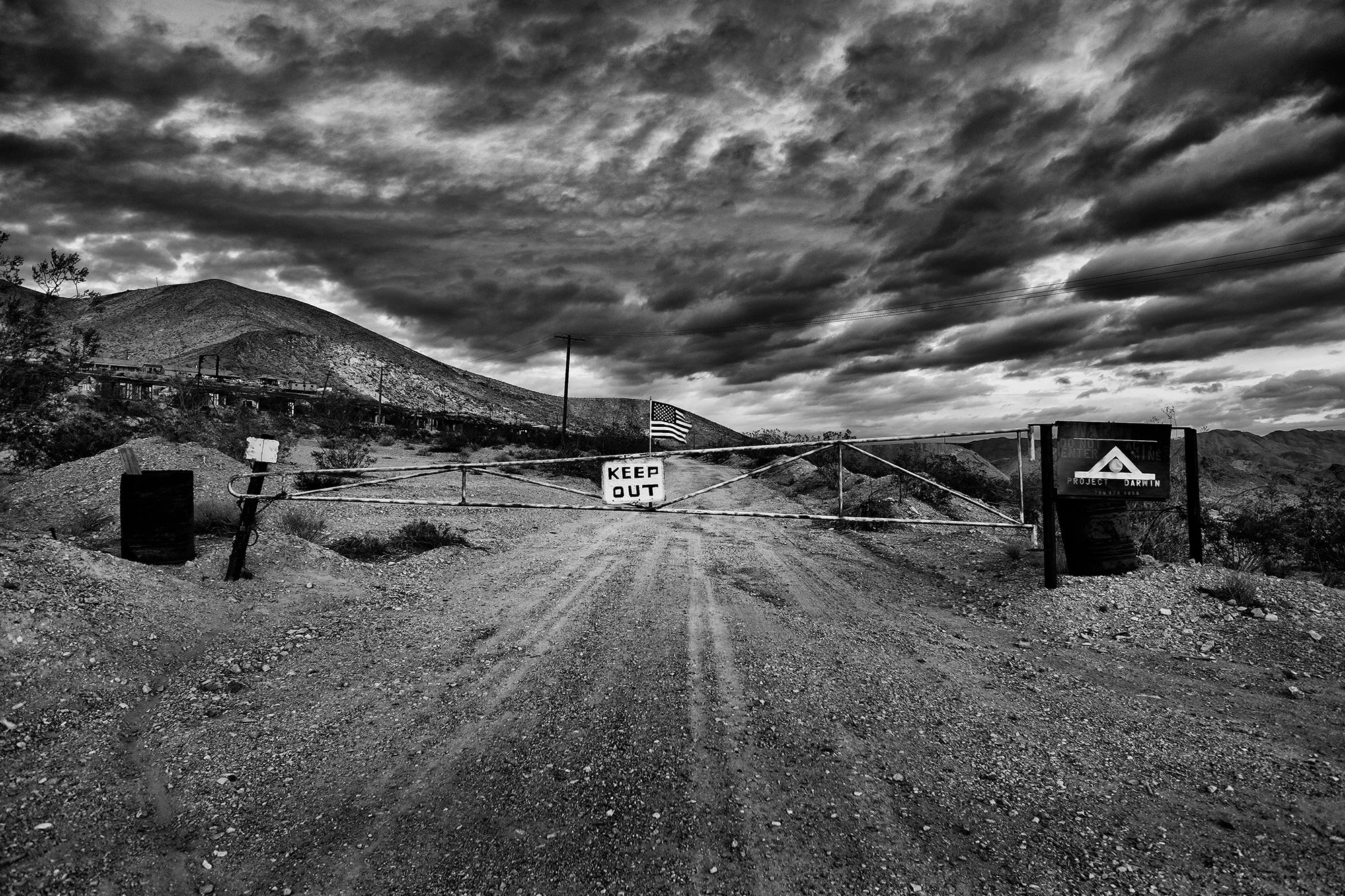
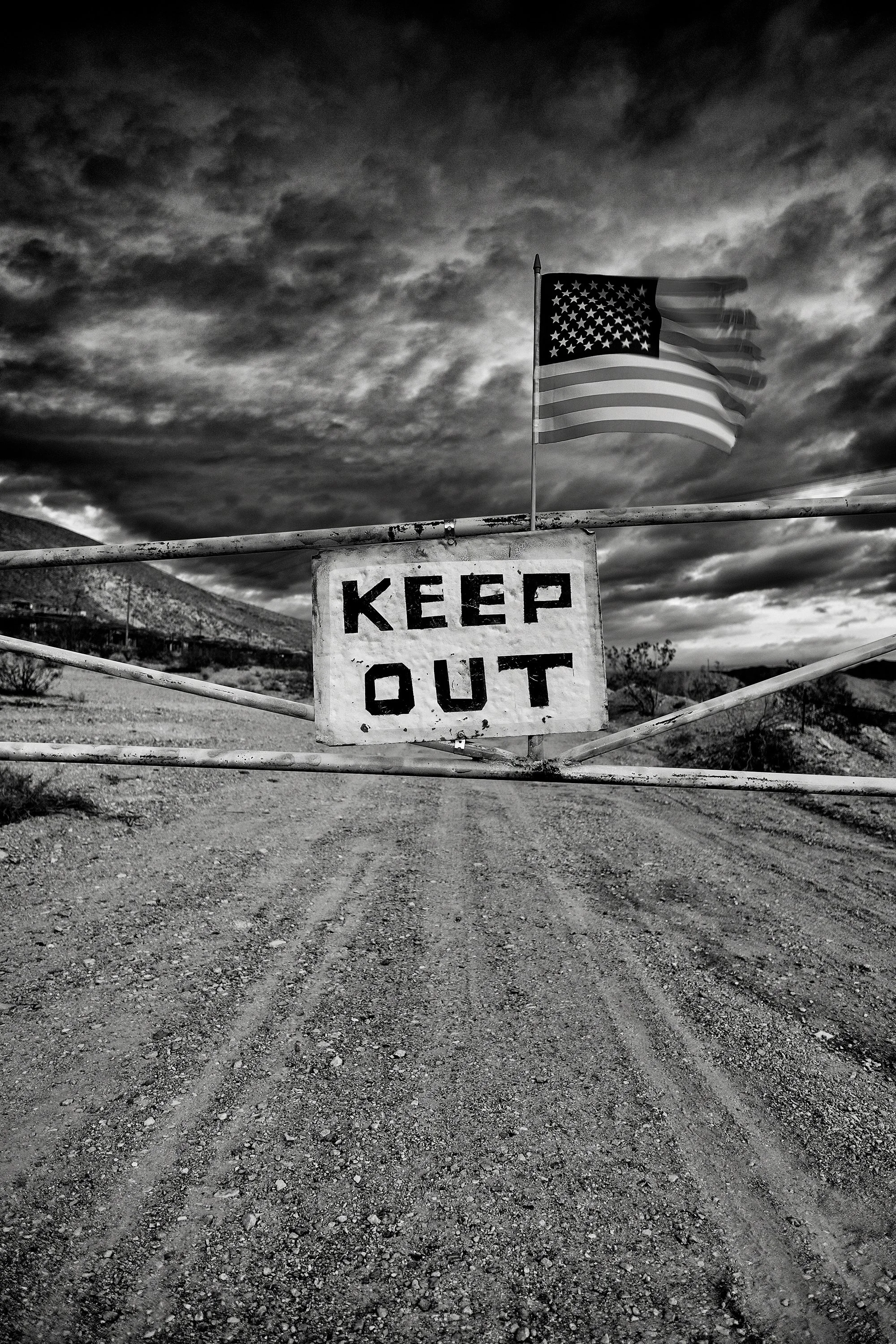
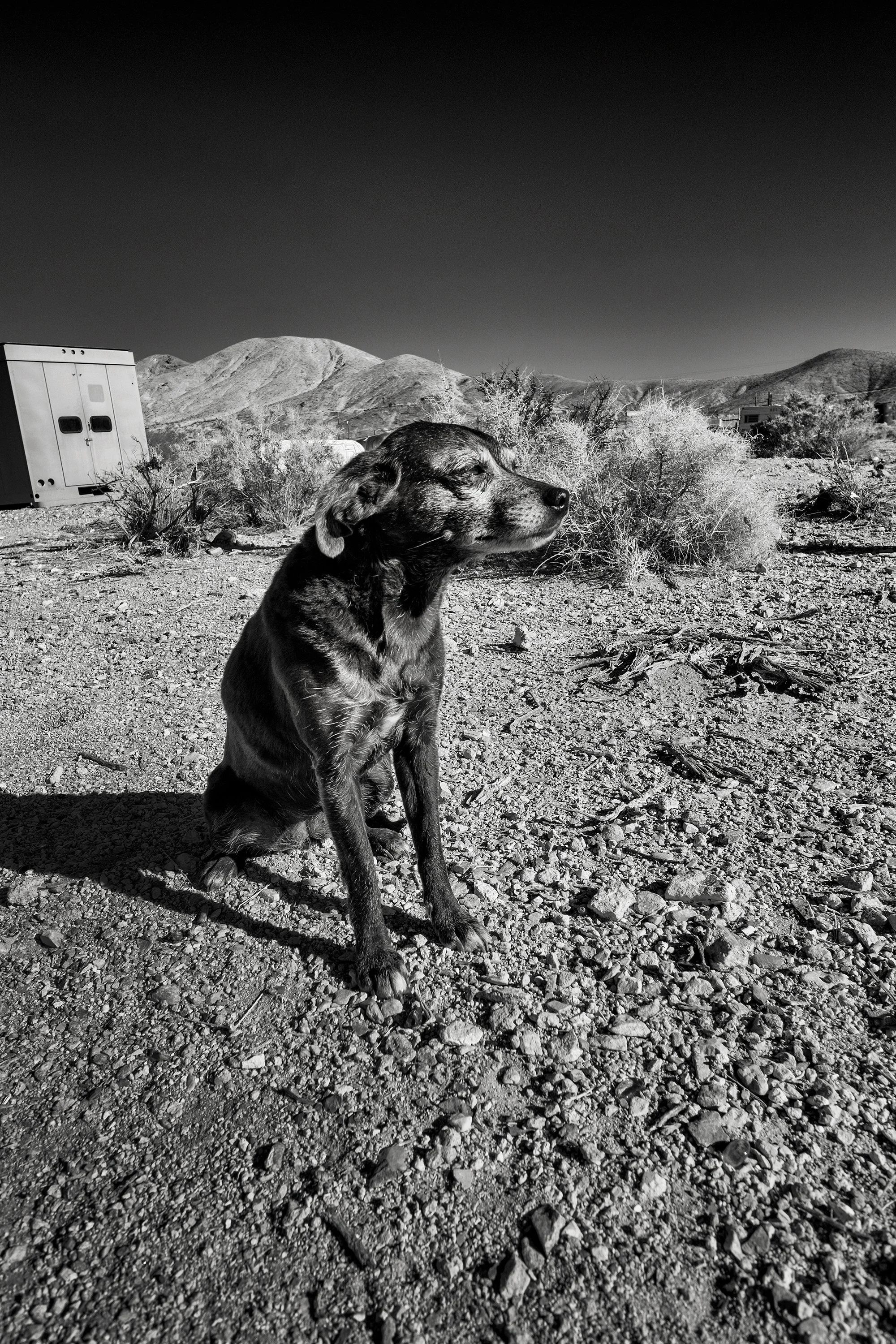
There it was, sitting at the base of the mountains, a collection of buildings and homes seemingly stranded in the middle of nowhere. I pulled in and stopped for a moment, taking in the scene before me. There was a barrier across the track warning visitors to stay out of restricted areas, a reminder that this was not simply a tourist attraction but a real place with its own boundaries and history.
The first thing that struck me was the silence.
I have worked in some very quiet locations over the years, but there is something quite different about standing in a place like Darwin. There was no traffic, no distant machinery, no voices and no obvious movement. The only sounds were those of the landscape itself and the occasional movement of my own footsteps.
The silence seemed almost deafening.
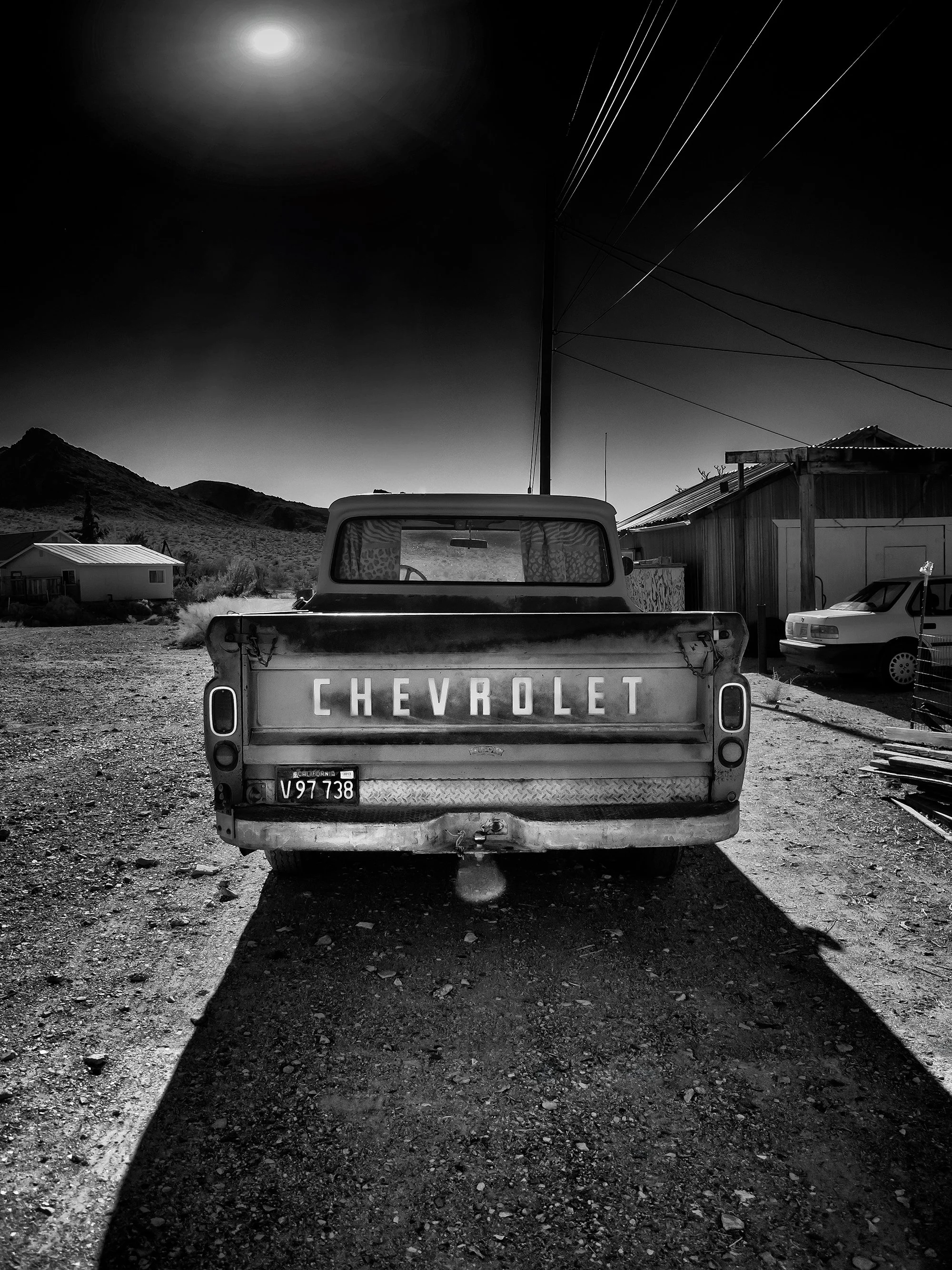
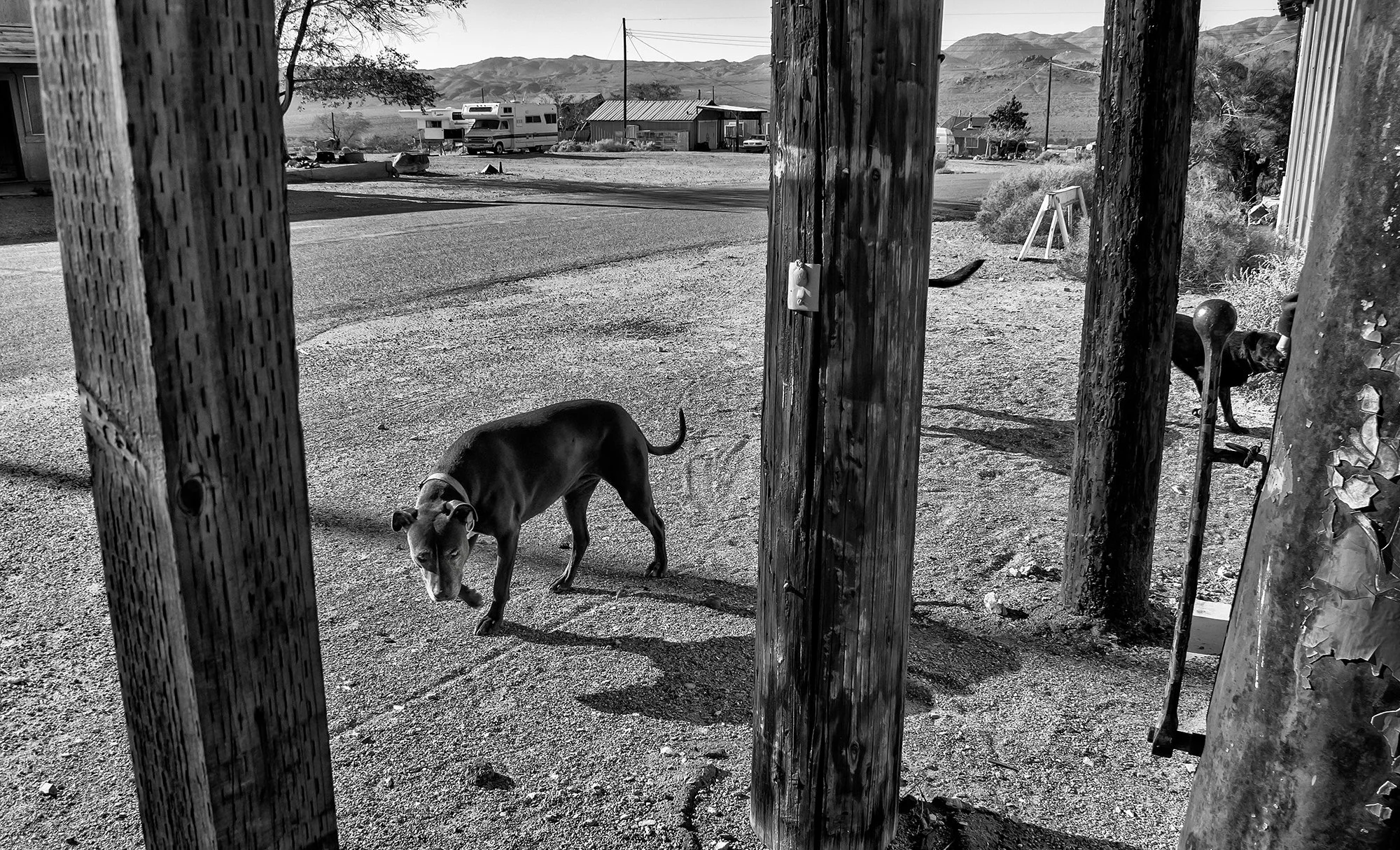
I began to explore, and the more I looked, the more fascinating the place became. Buildings stood where they had been left, their walls and windows weathered by years of relentless sun and dust. Old vehicles sat beside homes, some parked neatly near fences as though their owners had only stepped inside for a moment. The ‘Town Hall’ stood covered in the dust from the desert and with a life size cardboard cut-out of Elvis in one of the windows looking out. The post office with its doors shut but still with its post office sign intact above the doorway, and the filling station with its old vintage fuel pumps reading empty but still in remarkably good order.
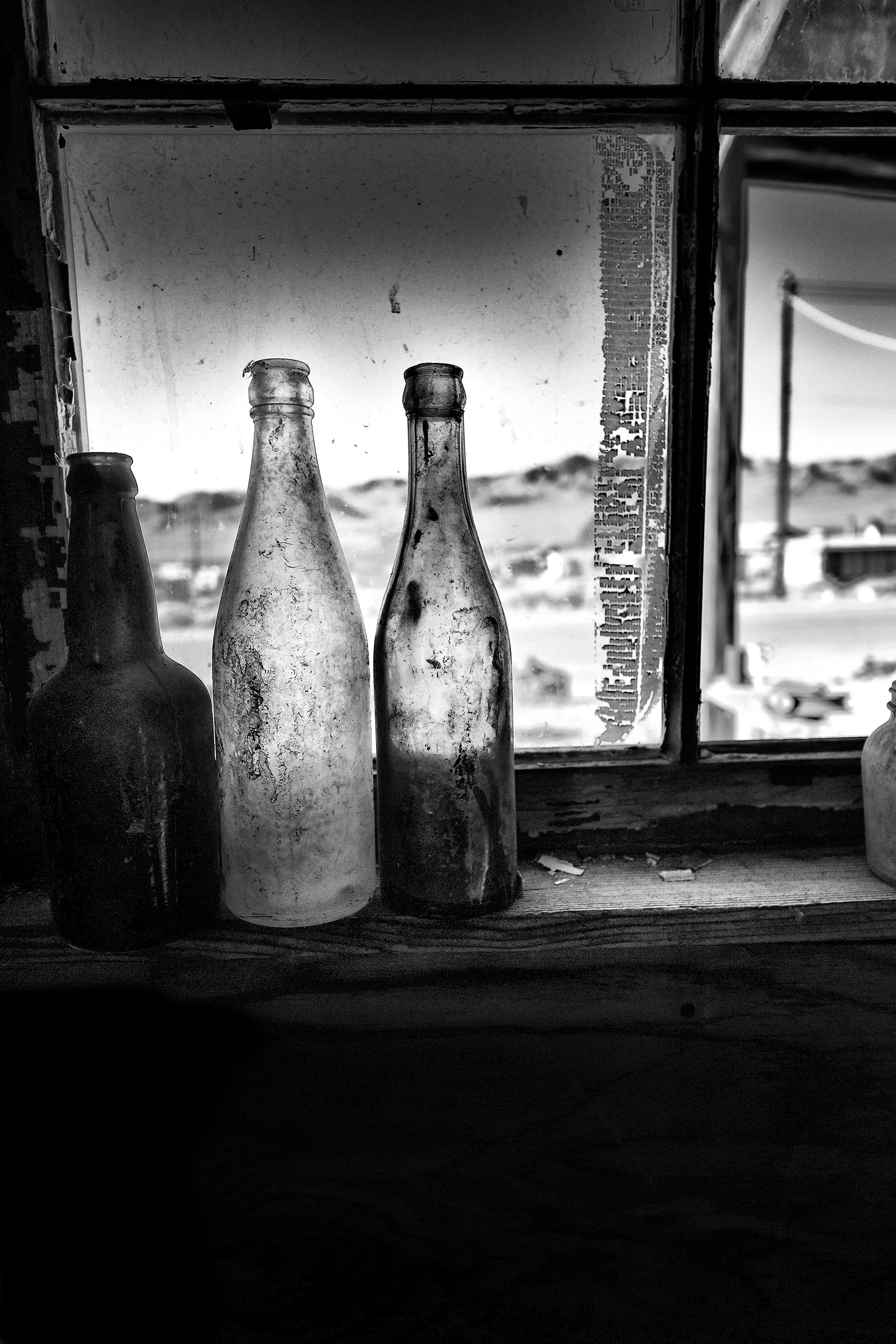
Inside the some of the abandoned buildings there were traces of ordinary domestic life. Kitchen tins remained on shelves and personal belongings had been left behind. In some rooms, beds were still neatly made, covered by a thin layer of dust that had accumulated over the years. Curtains hung at windows, filtering the warm evening light into spaces that had once been full of people.
It was these small details that fascinated me most.
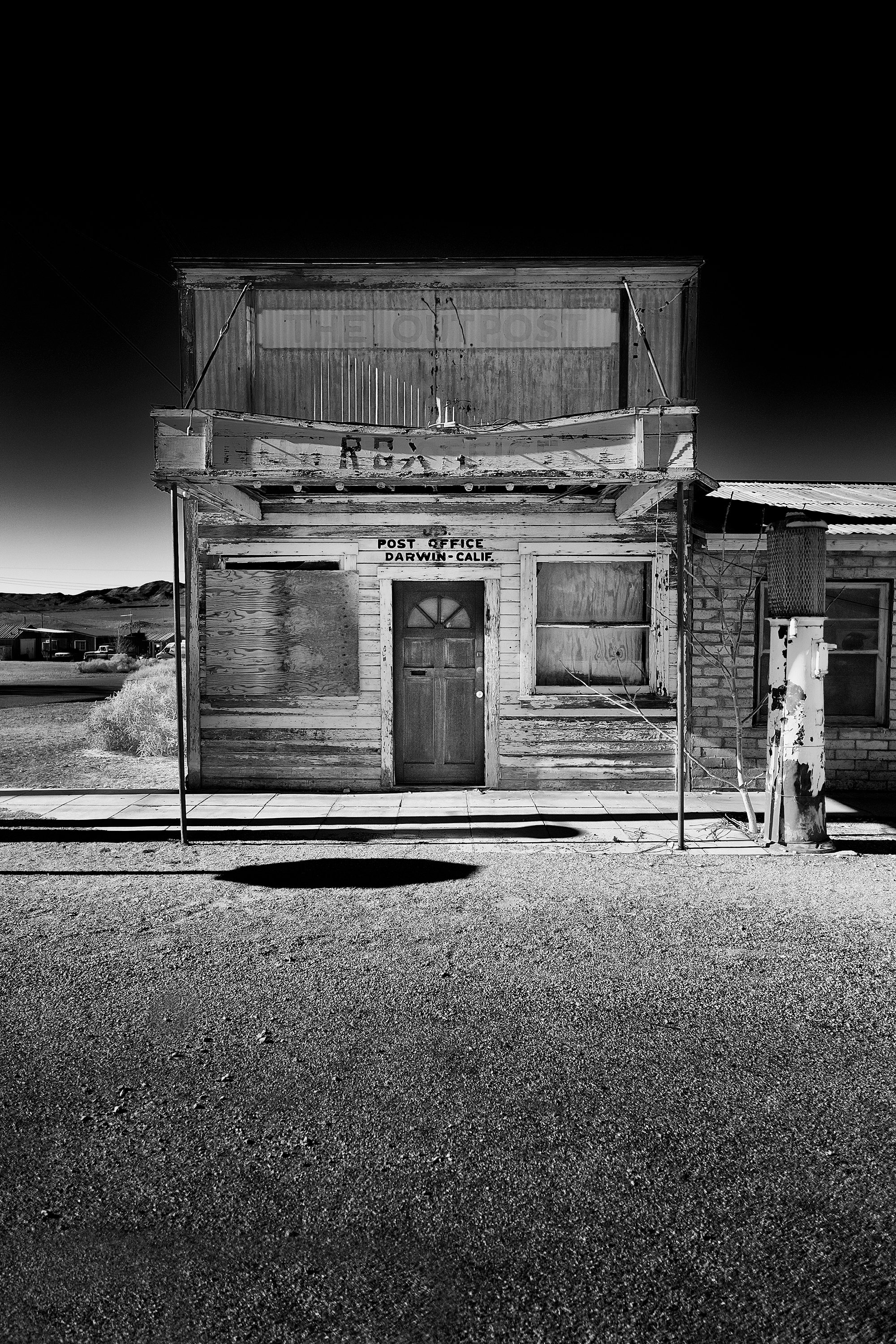
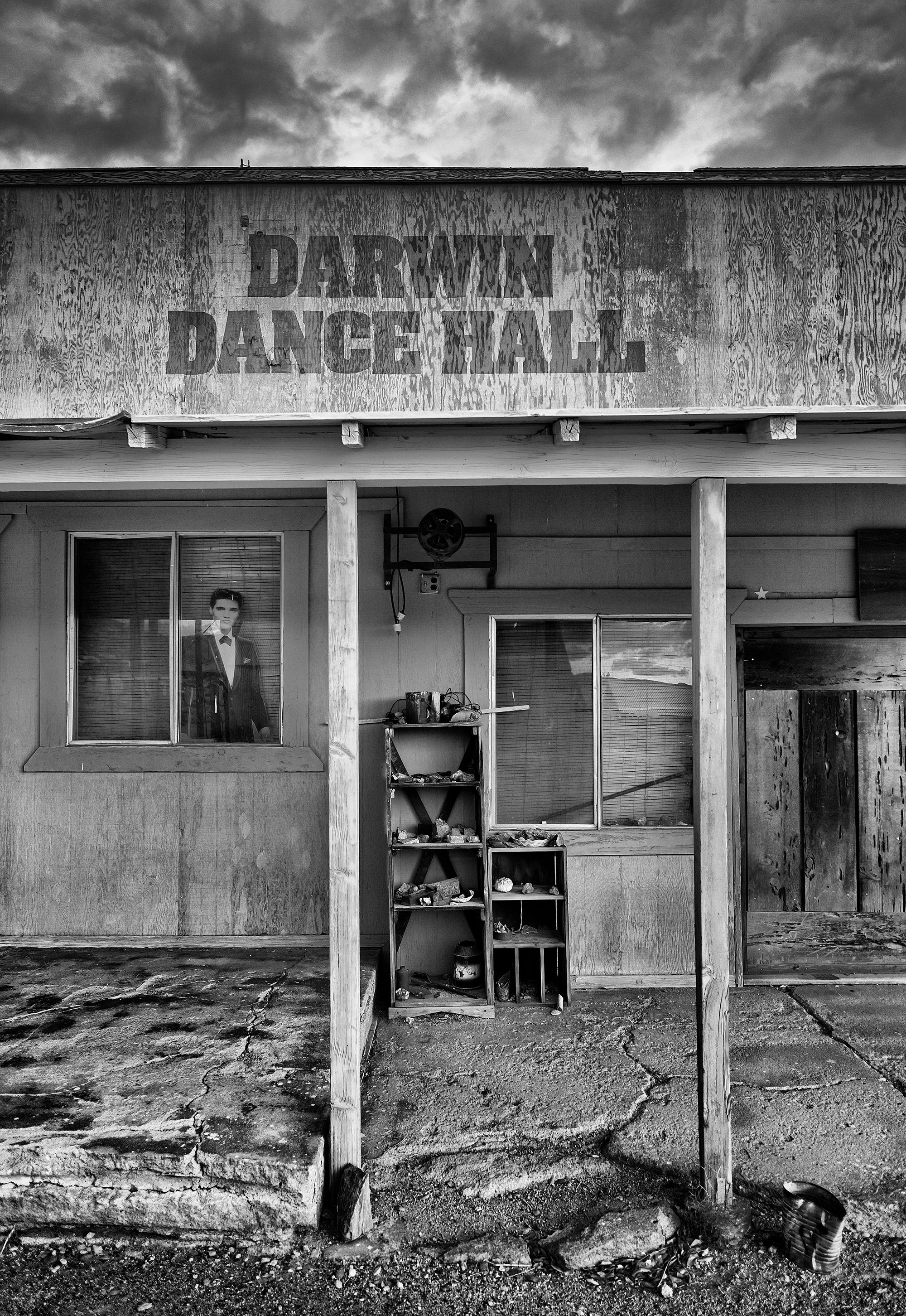
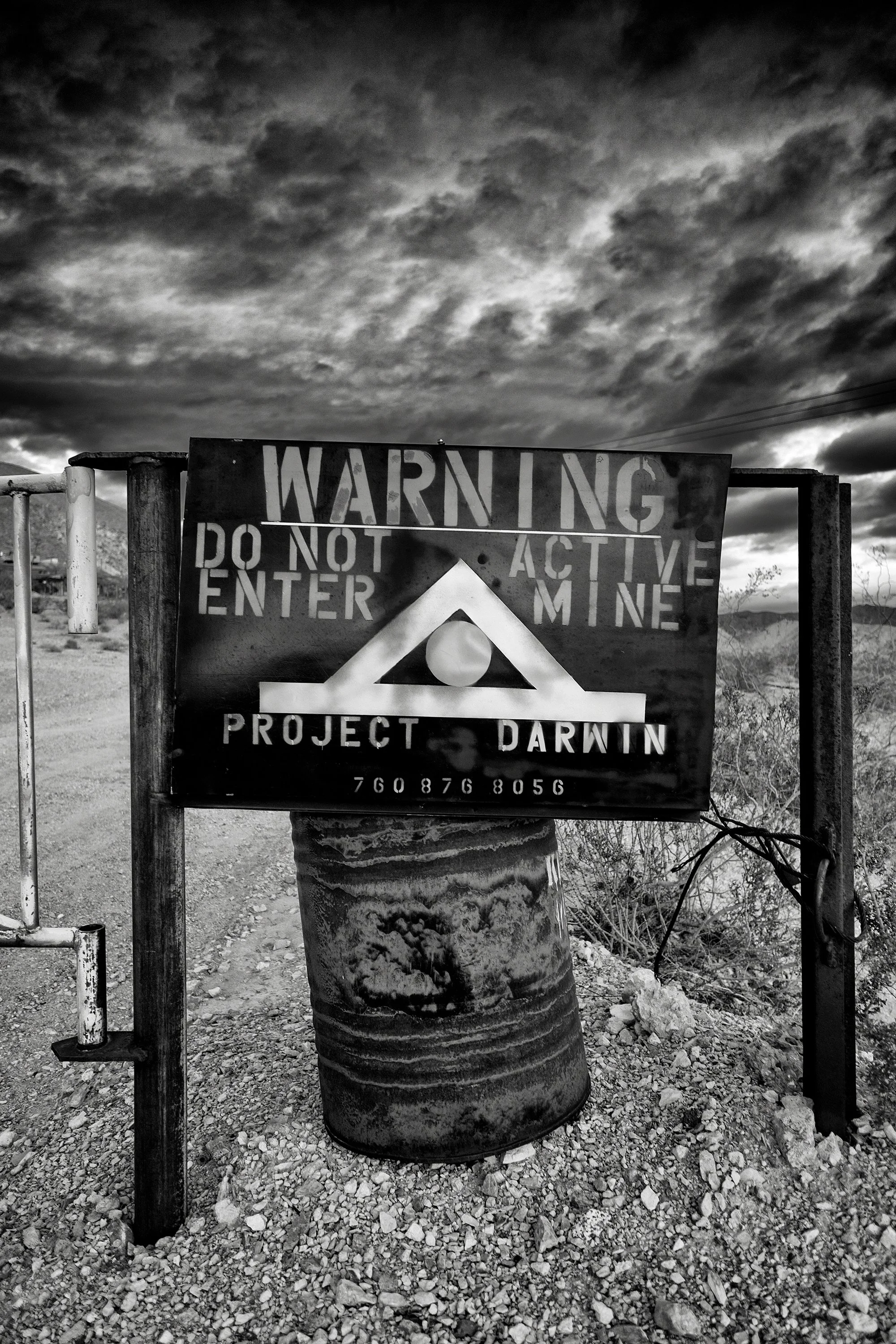
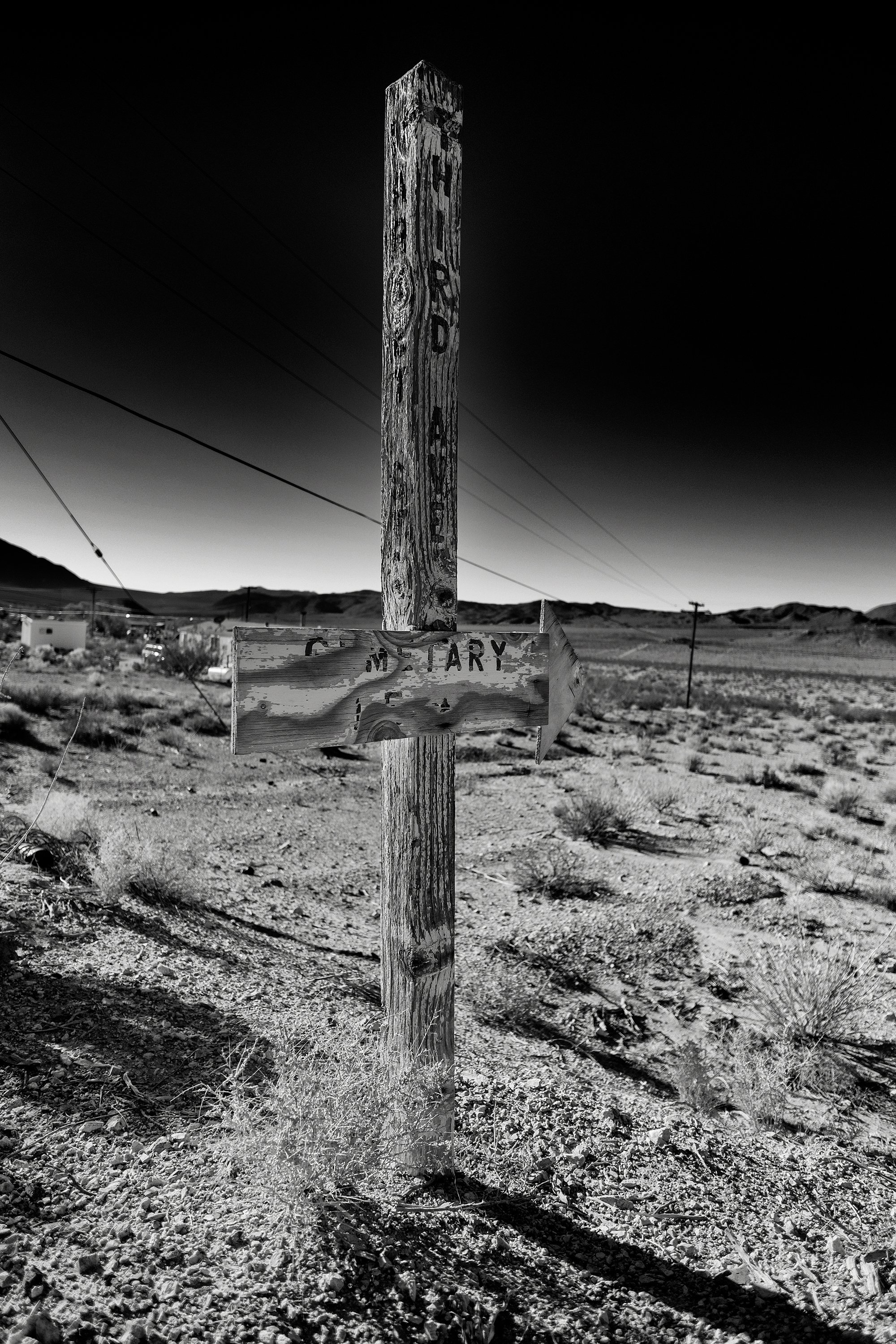
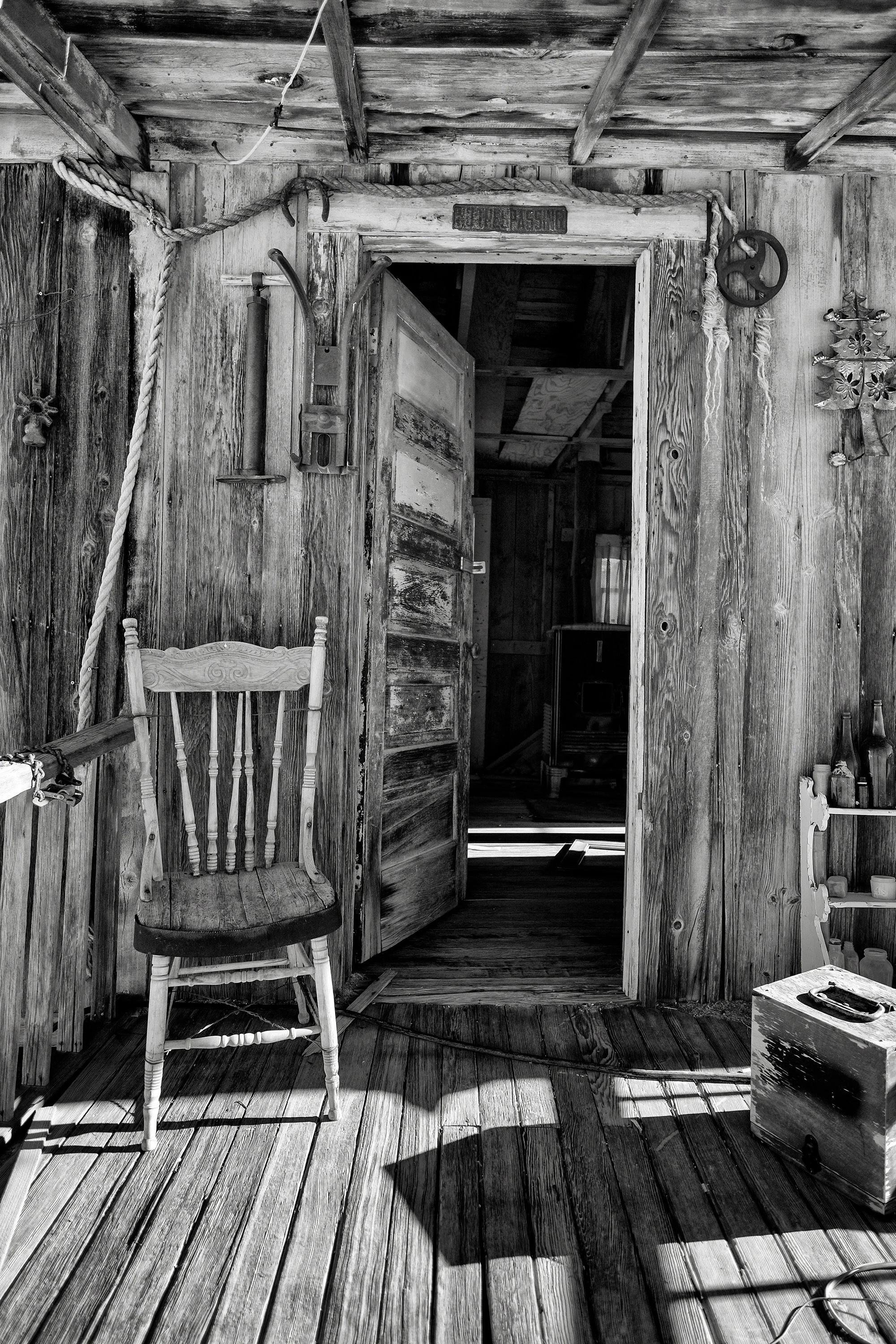
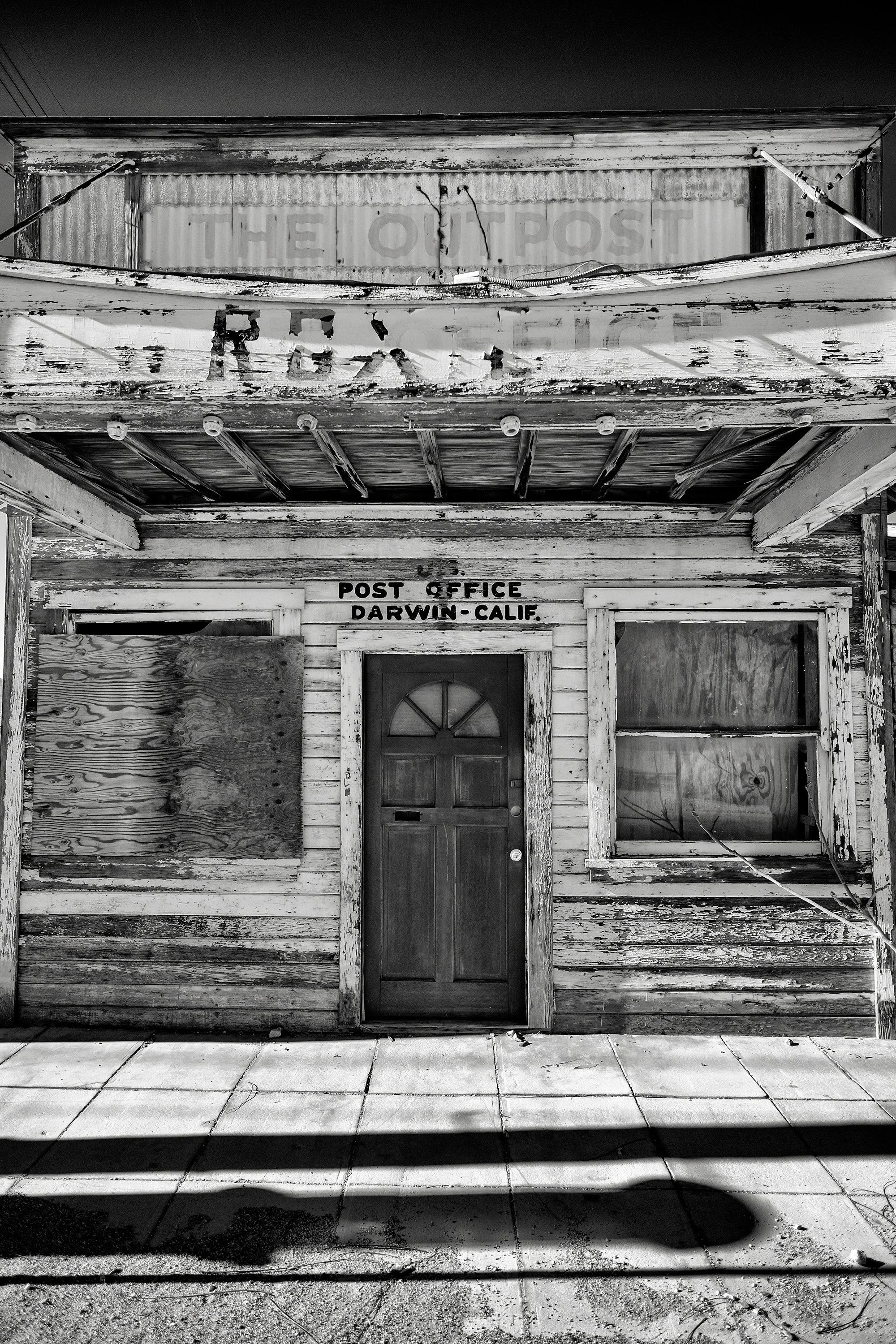
We often think of abandoned places in terms of decay and destruction, but Darwin offered something more intimate. It was not simply a collection of derelict buildings. It was a place where people had lived, worked, raised families and gone about the everyday business of life. The objects they had left behind offered small clues to those lives, even when the people themselves were long gone.
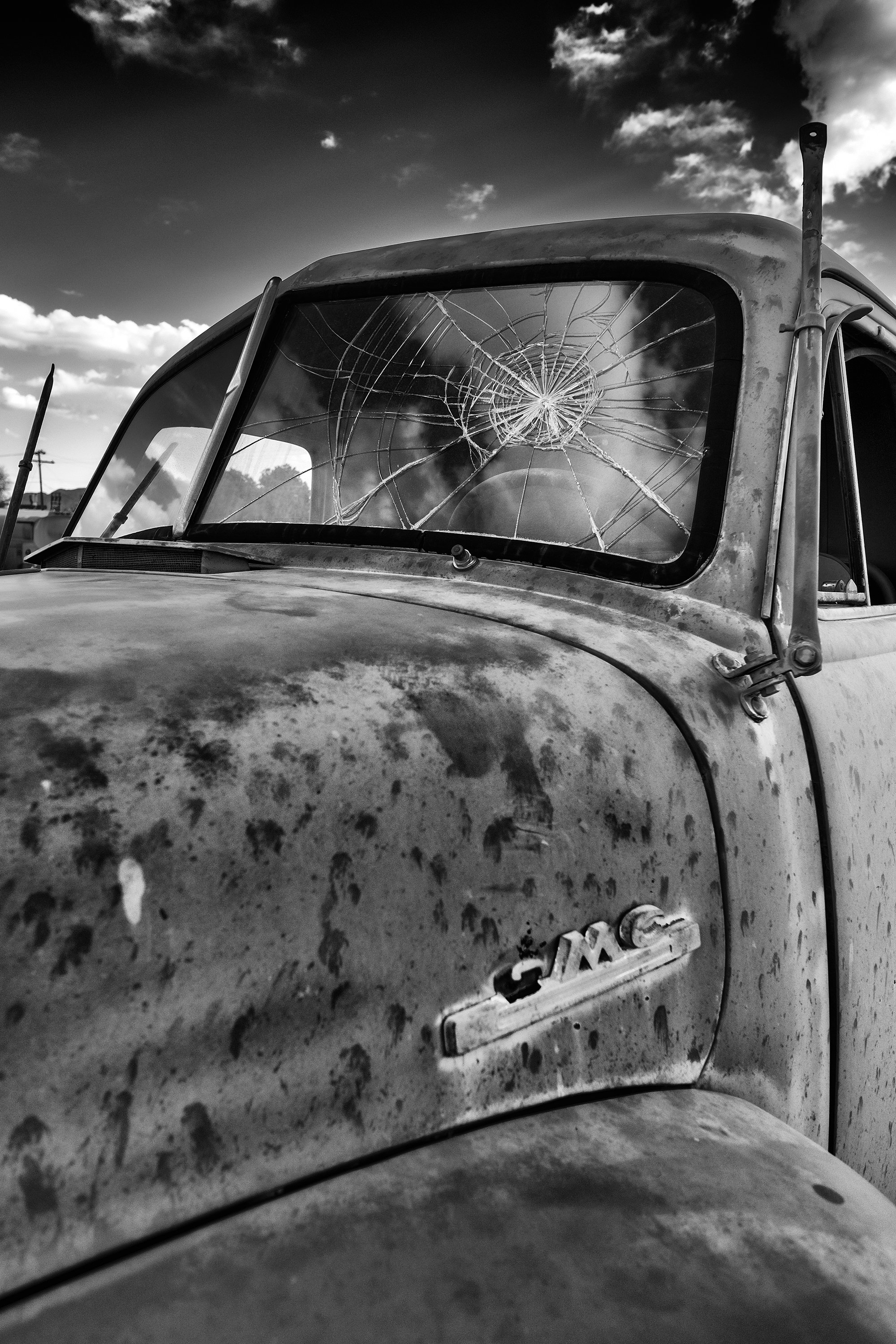
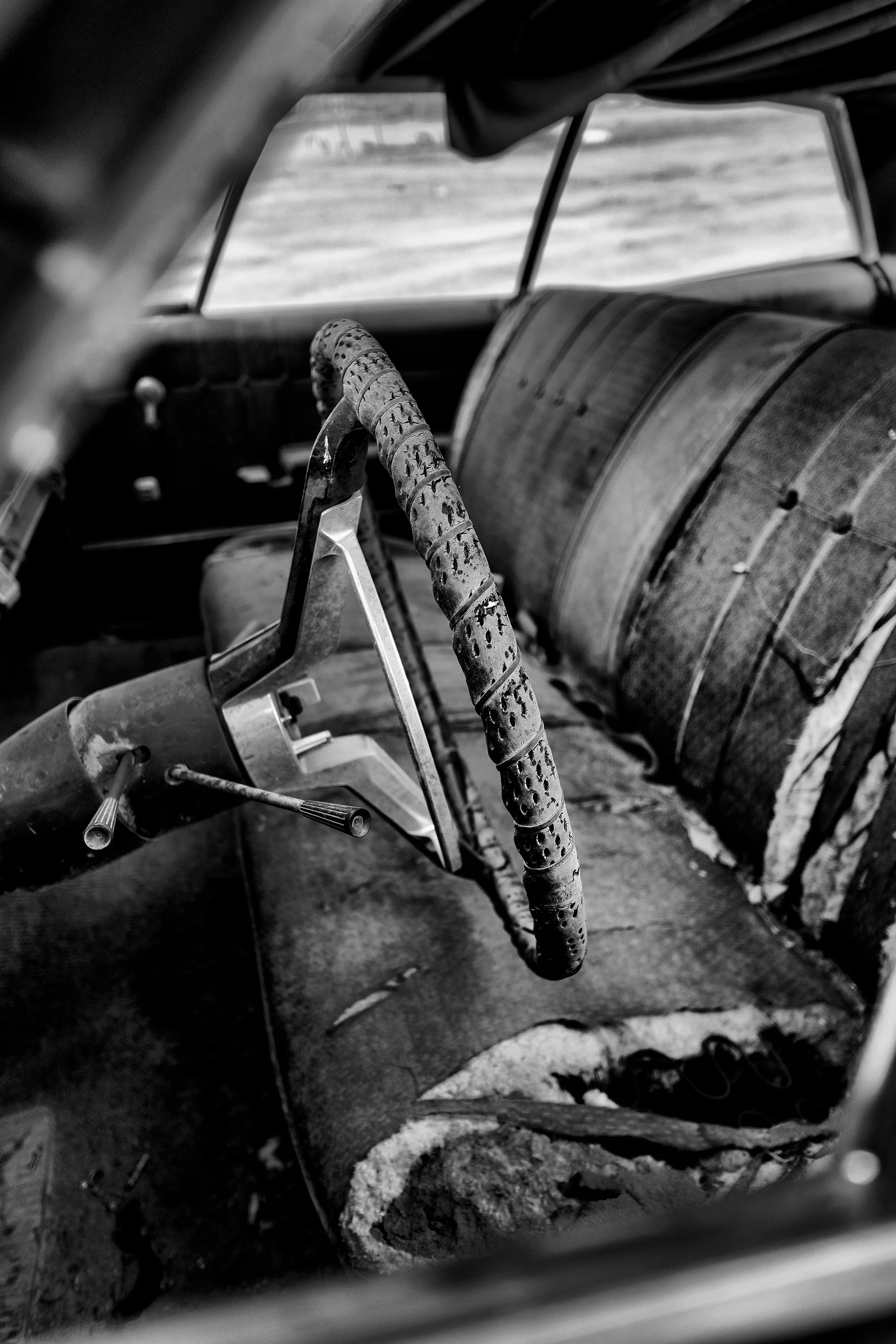
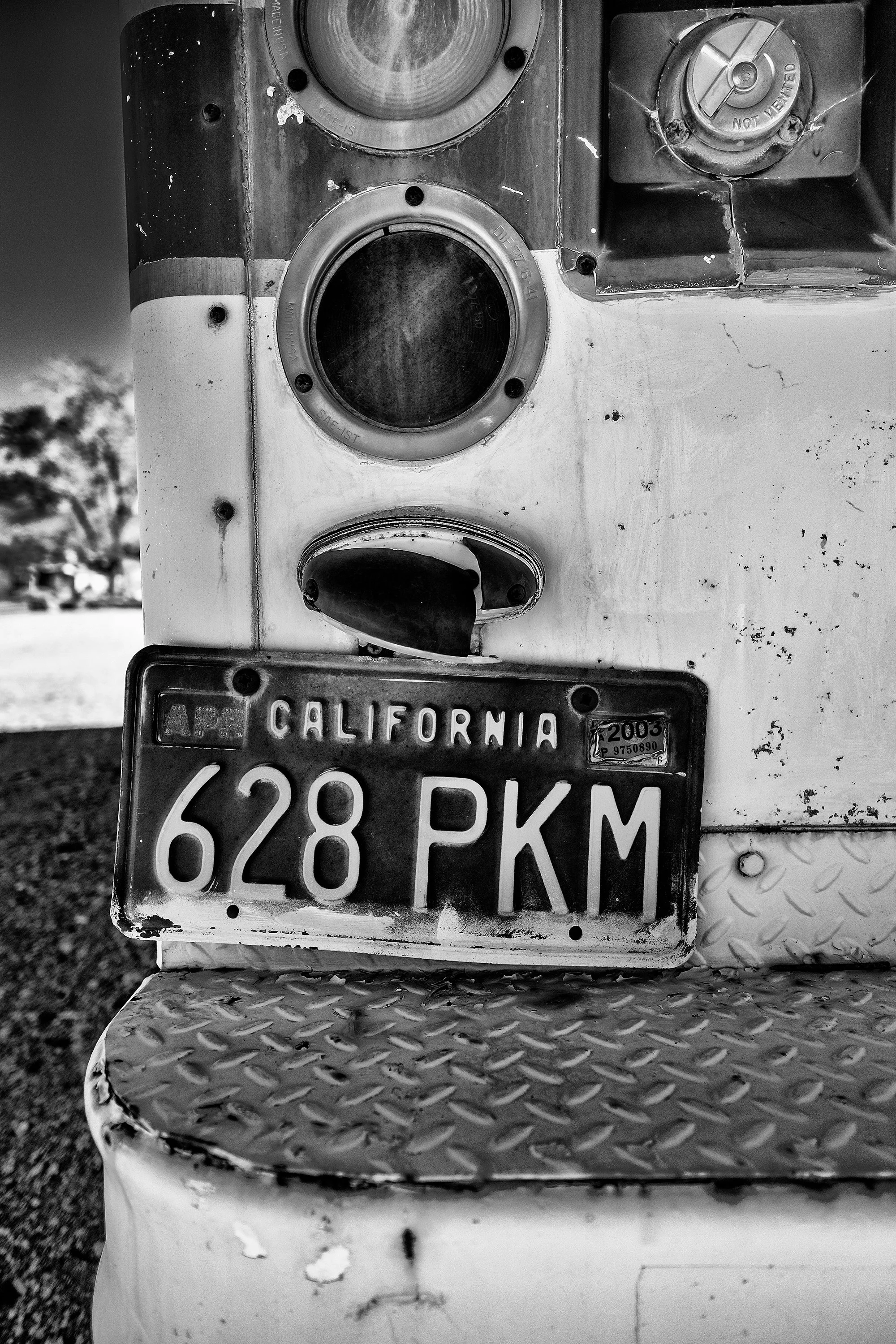
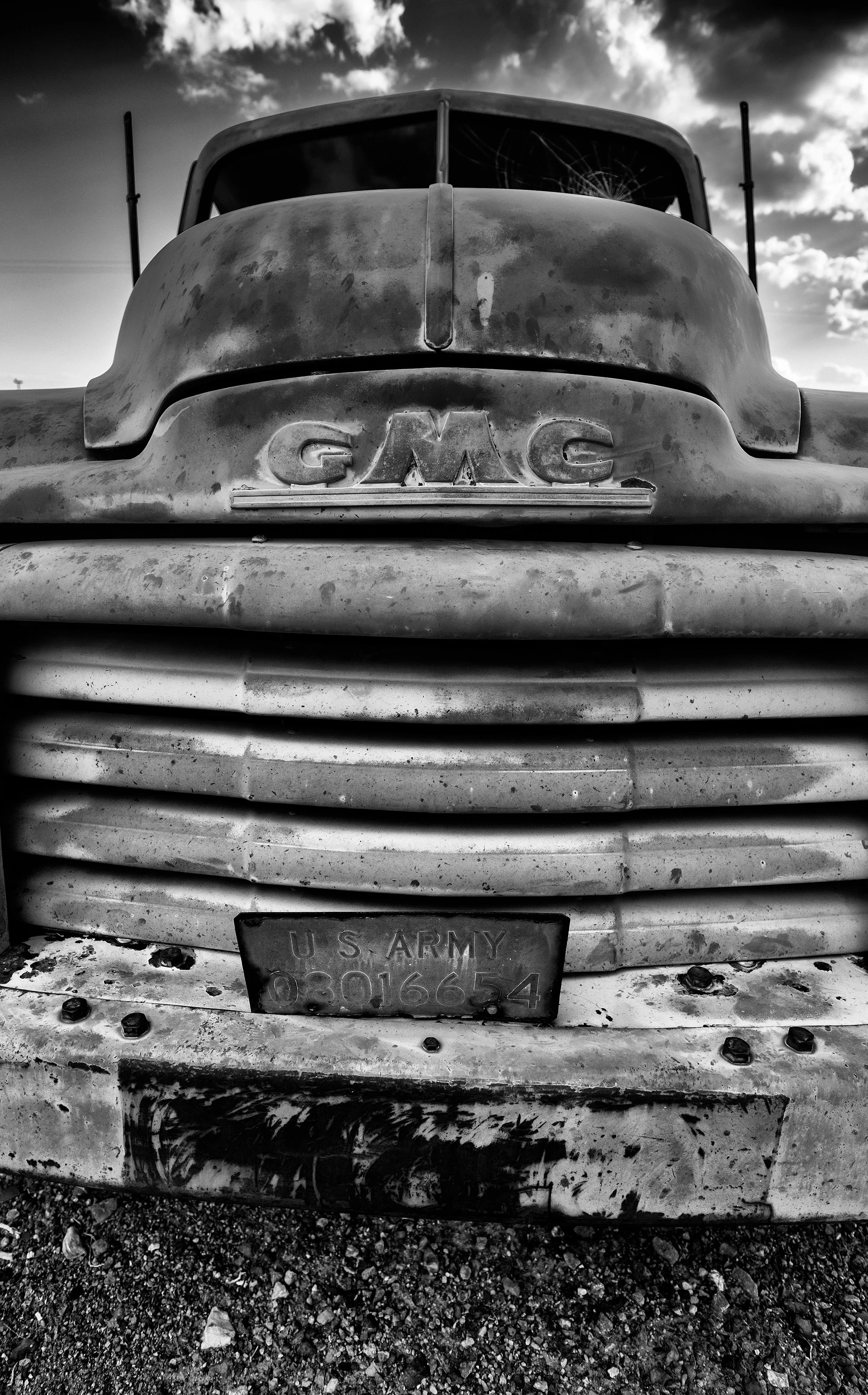
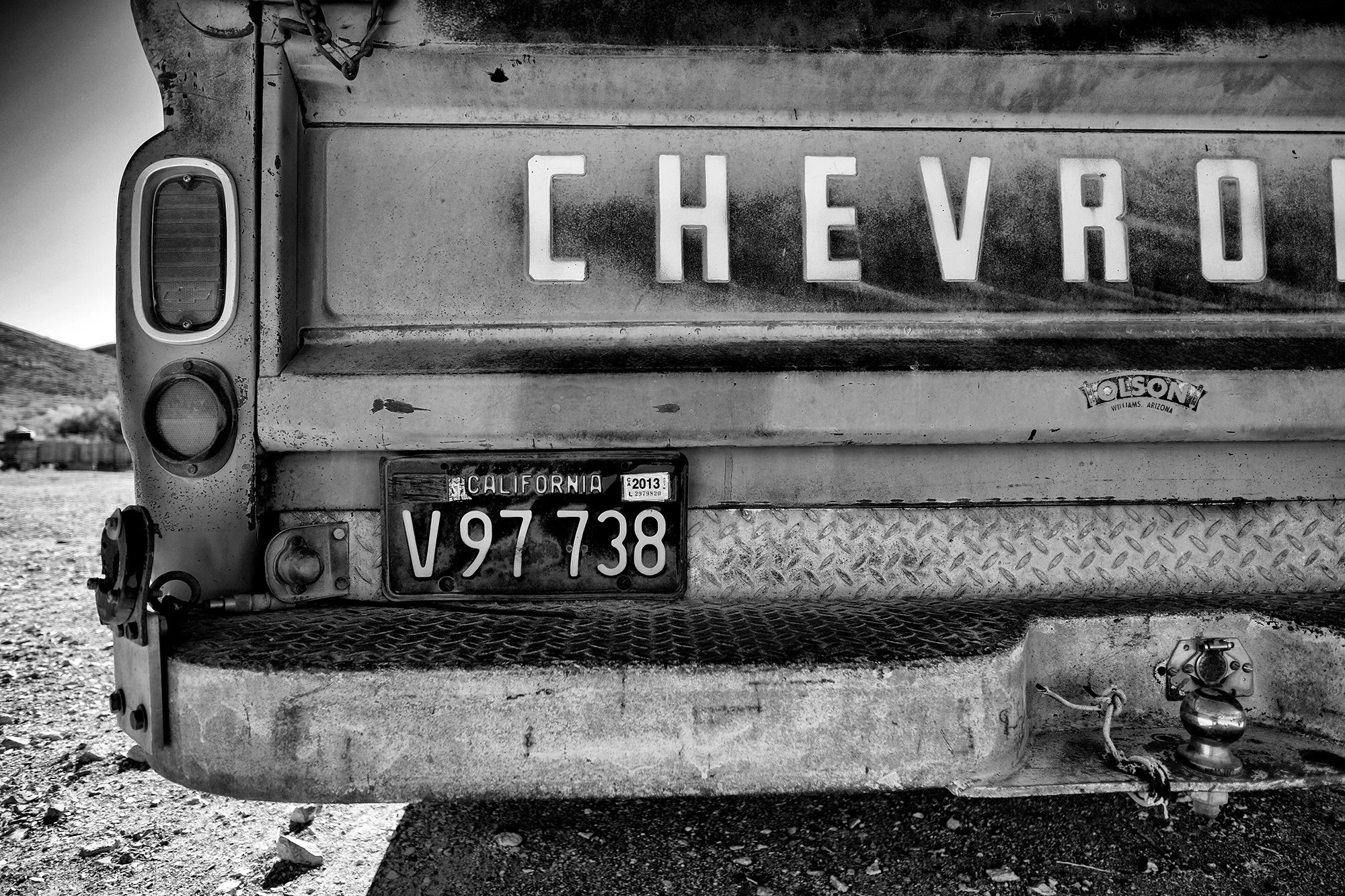
There were old cars, trucks and caravans, including Airstream trailers, that appeared to have been left where they had last been parked. The American Army truck with a bullet hole in its windscreen was particularly striking, sitting almost out of sight and adding another layer of mystery to a place that already seemed full of unanswered questions.
I found myself wondering about the people who had owned these things. Where had they gone? Had they packed their belongings and left deliberately, or had circumstances forced them to leave more behind than they intended? What had it been like to live here during the town's busiest years, surrounded by the mountains and the seemingly endless desert?
Standing there, it was easy to imagine the contrast between Darwin then and Darwin now. The same buildings that had once sheltered families and workers were now surrounded by stillness; their contents slowly being reclaimed by the passage of time.
I had arrived looking for an interesting photographic subject. What I found was a place that encouraged me to slow down and think about the stories within the things we leave behind.
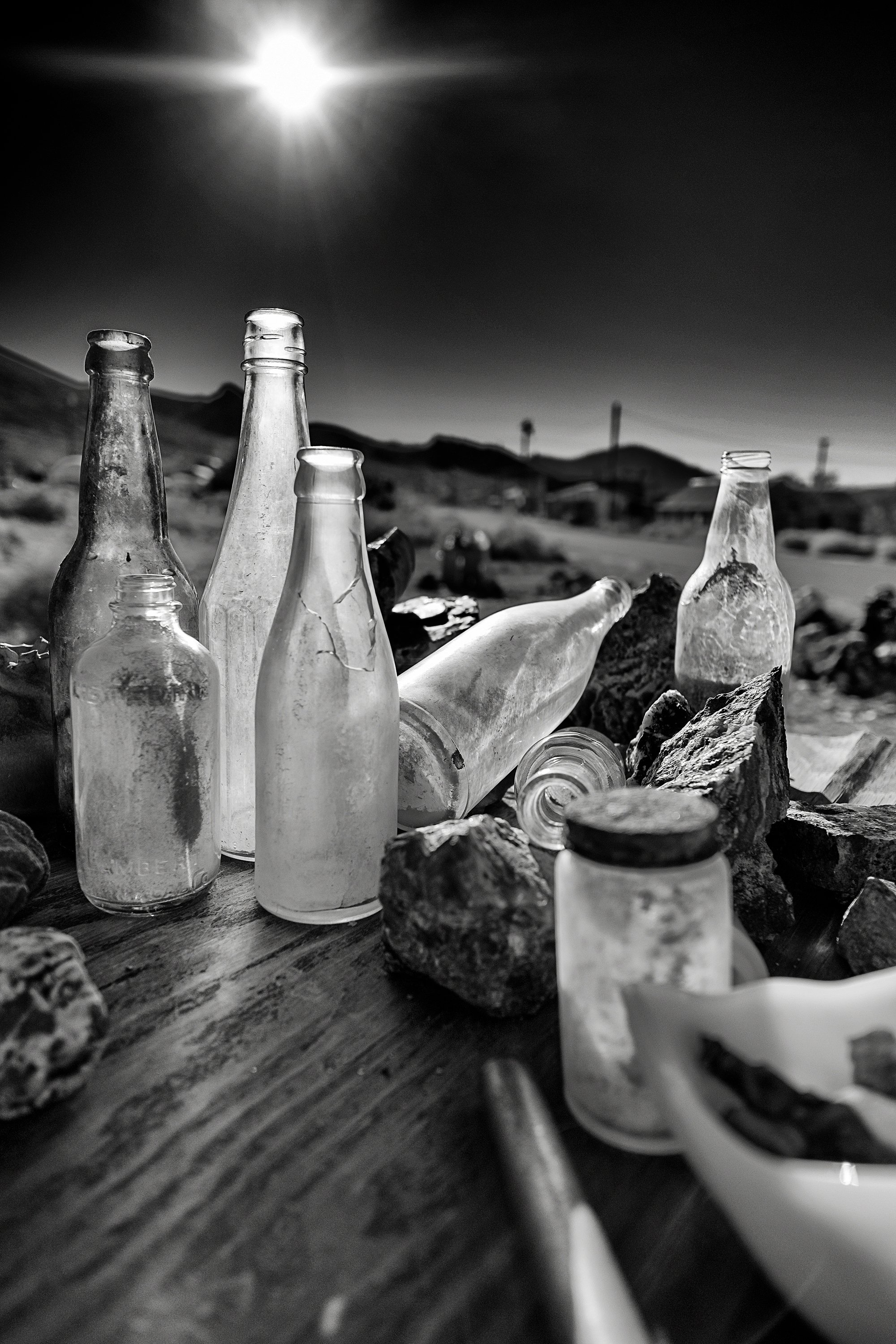
Photography Without Boundaries
From a photographic point of view, Darwin was an incredibly inspiring place to work.
The quality of light in Death Valley is quite extraordinary. As the sun drops, the landscape takes on a rich golden colour, while the shadows deepen around the buildings and the mountains. Dust in the air softens distant details, and the heat creates a subtle haze that can make the simplest scene feel almost dreamlike.
For a photographer, there is an endless amount to explore in those conditions. Weathered timber, faded paint, rusted metal, old glass and the textures of the surrounding landscape all become part of the visual story. Nothing needs to be added or rearranged. The challenge is simply to recognise what is already there and decide how best to photograph it.
My approach was deliberately simple. The entire body of work was photographed using a single rangefinder camera and one lens, with no additional equipment. I was there on my own, moving through the town and responding to whatever caught my eye.
That simplicity was important to me. In my professional work, I spend a great deal of time thinking about light, composition and the precise way a subject needs to be presented. Working with major automotive, aviation and commercial vehicle clients means understanding a brief, meeting expectations and delivering images that have a clear purpose. I love that side of photography, particularly the creative challenge of using light to bring a subject to life.
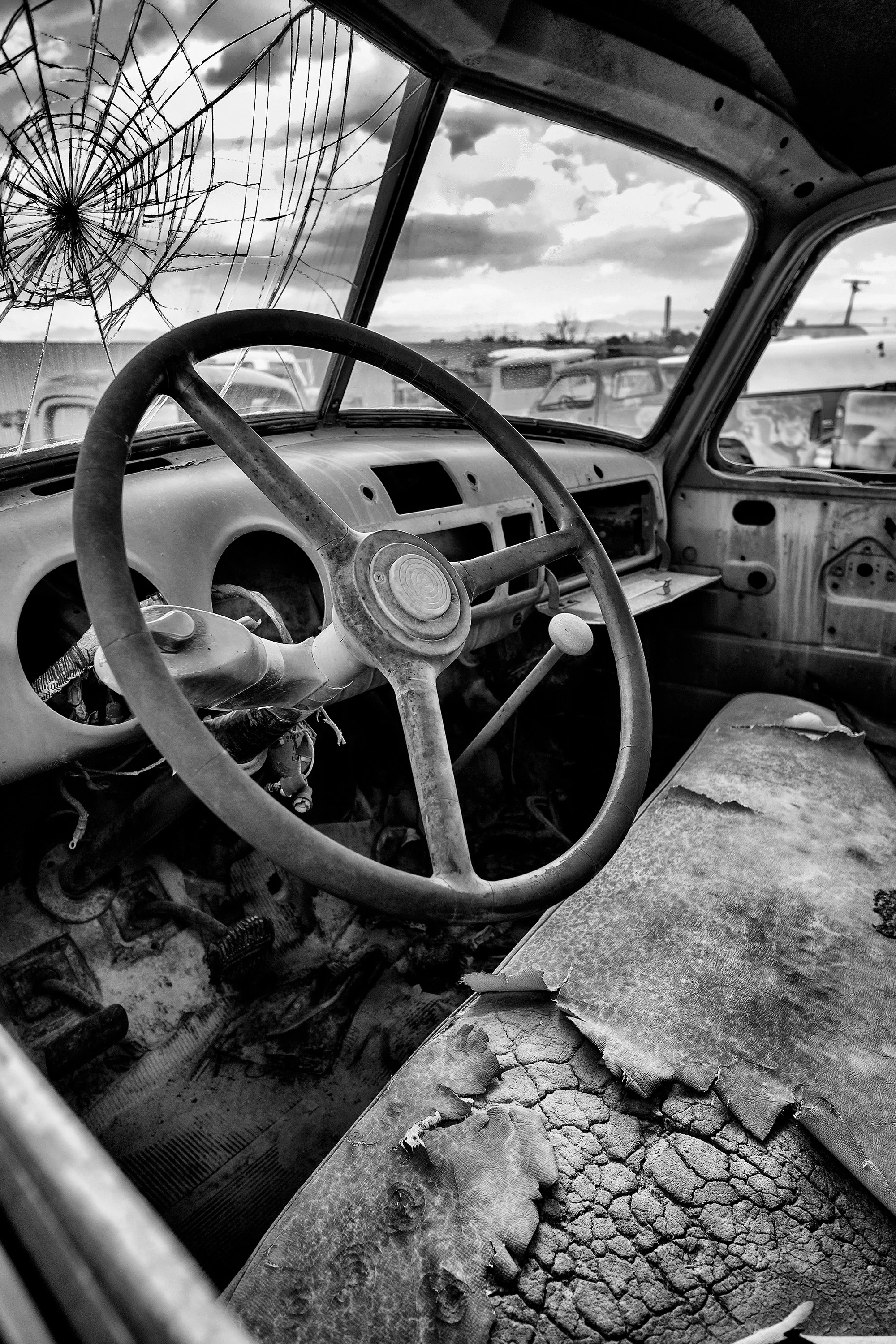
But personal work offers something different. There is no client waiting for a particular image, no list of required angles and no predetermined outcome. You can follow an idea simply because it interests you, spend time with a subject that might otherwise be overlooked, and allow the photography to develop naturally.
I firmly believe that personal projects are an important part of being a professional photographer. They give us the freedom to experiment, to explore our own interests and to reconnect with the reasons we first picked up a camera. They also remind us that the most important piece of photographic equipment is not necessarily the camera itself, but the person standing behind it.
Darwin was a perfect example of that freedom. I could concentrate entirely on what I was seeing, looking for the details that made each building or object feel significant. Sometimes it was a wider view that showed the isolation of a house against the mountains. At other times, it was something small inside a room, a texture, a reflection or an object that hinted at the life once lived there. I was not trying to document every building or create a comprehensive historical record. I wanted to capture the feeling of the place, the atmosphere of abandonment and the strange sense that time had somehow paused.
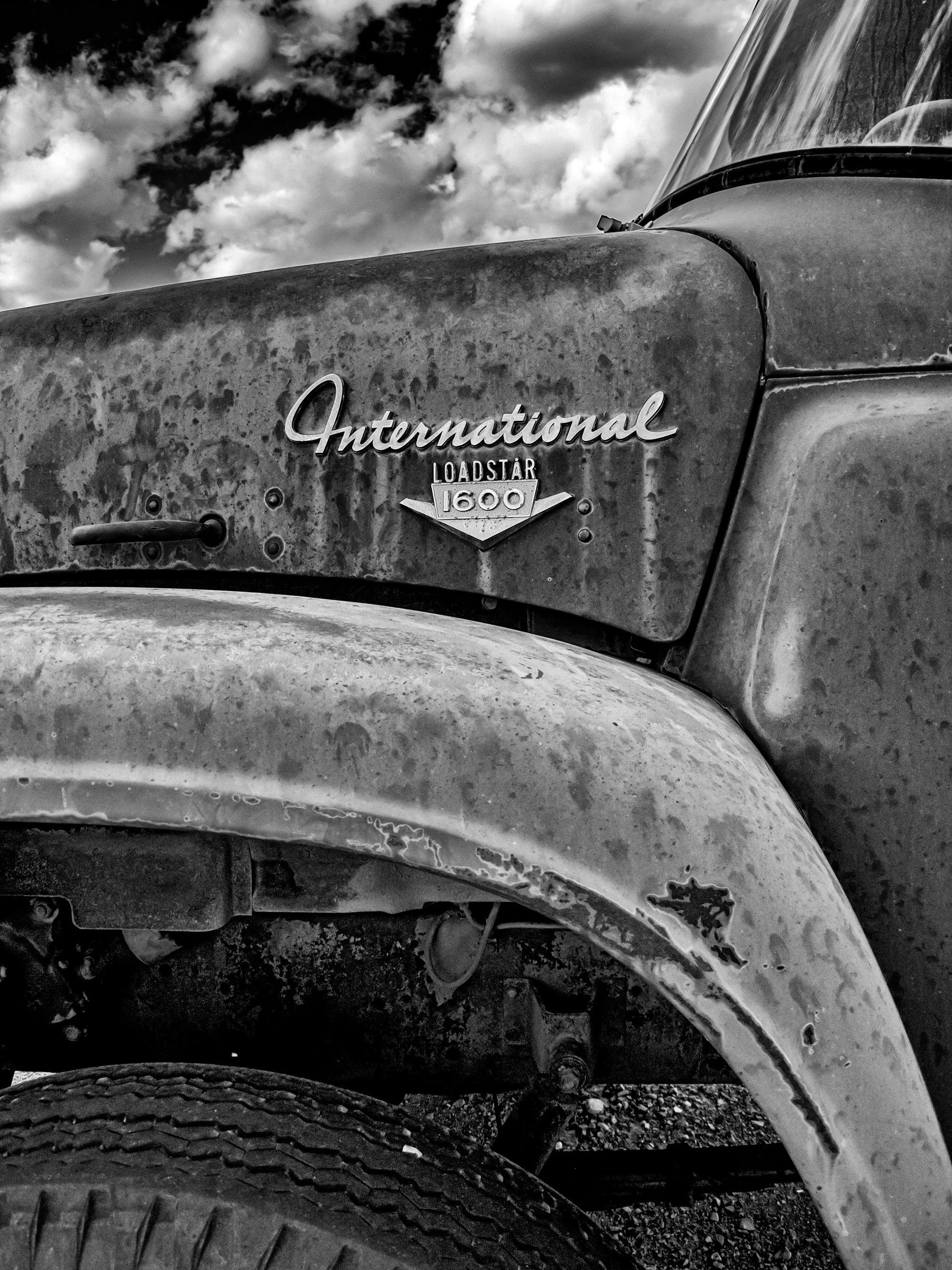
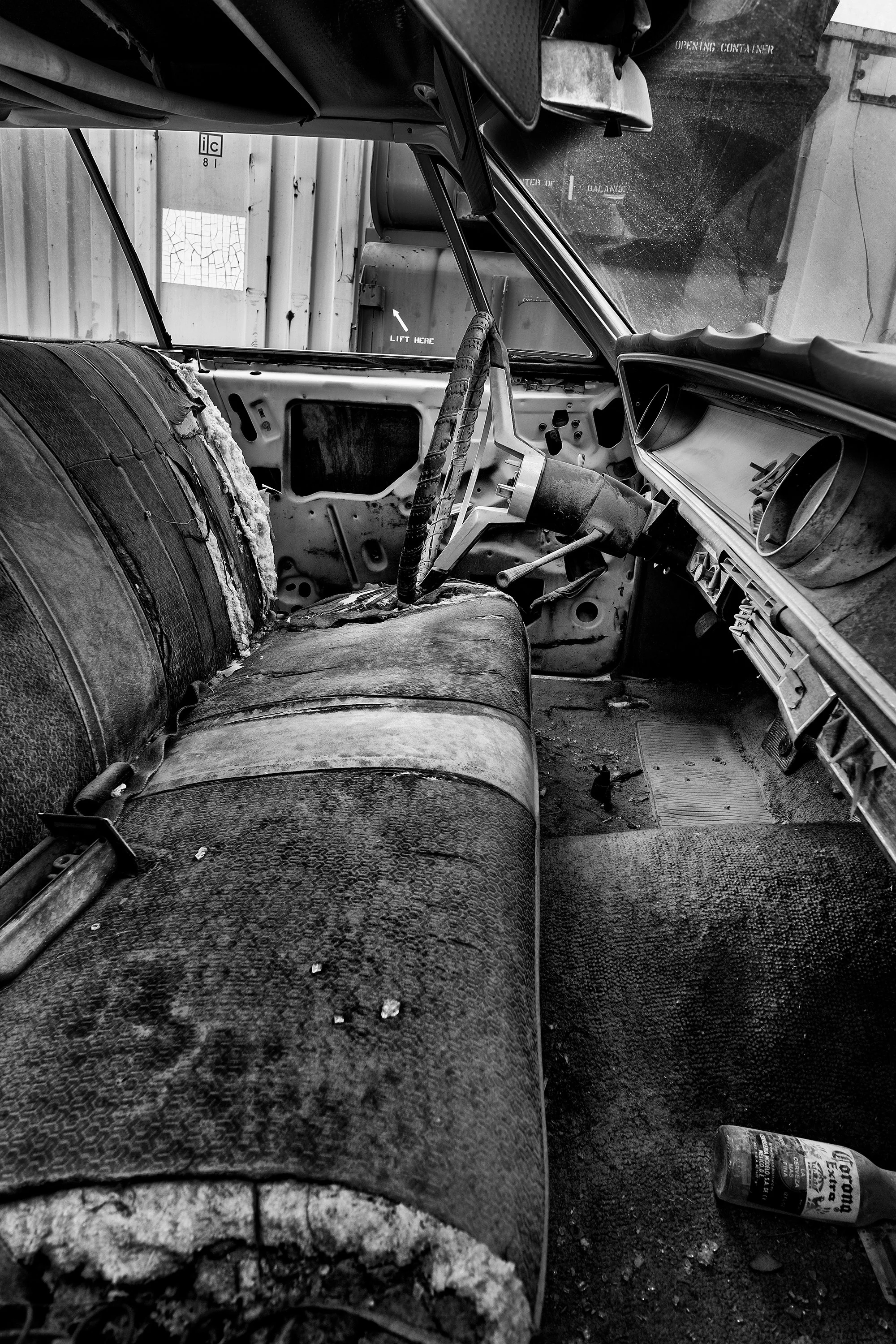
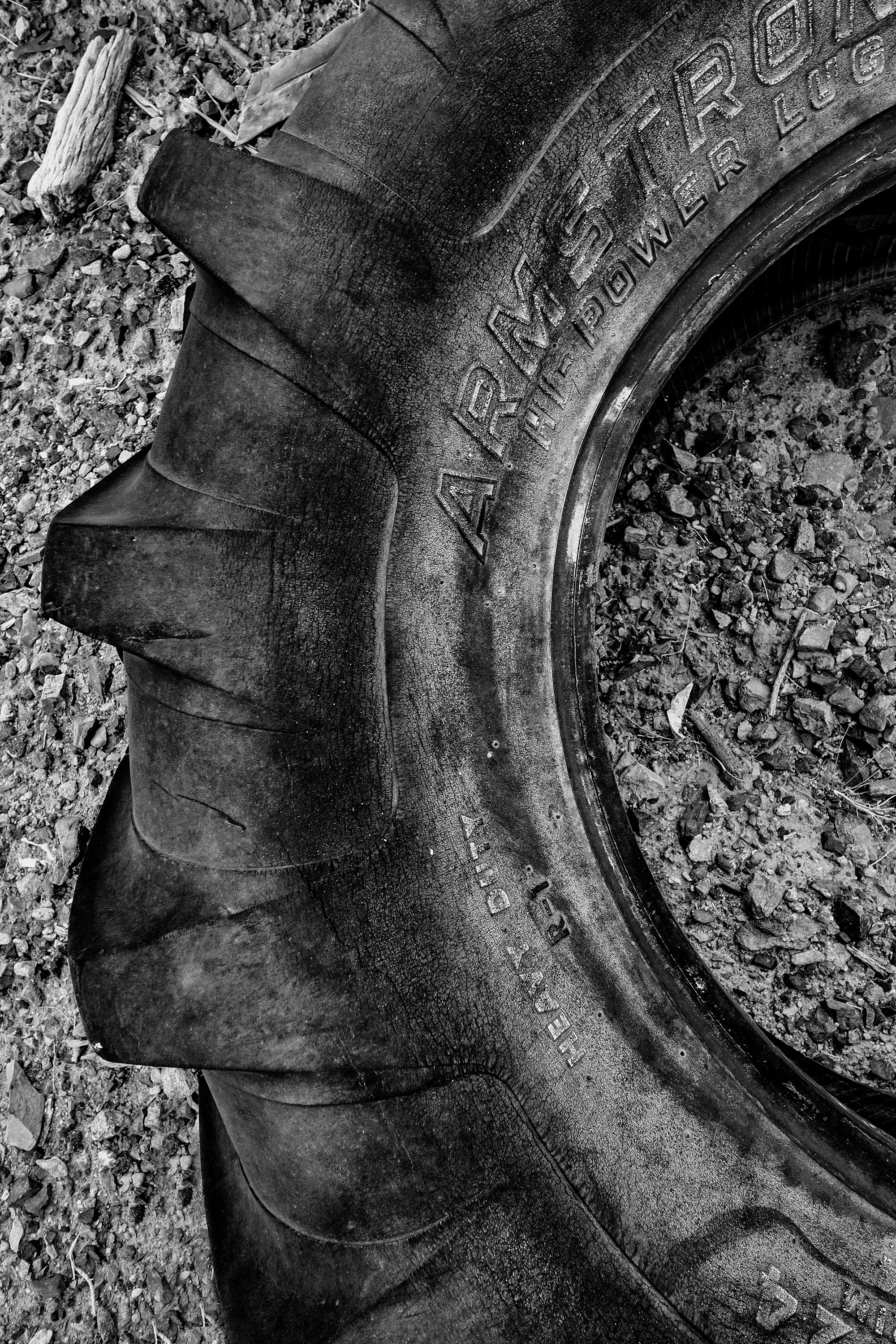
As the evening progressed, the light continued to change. The golden tones slowly faded, the shadows stretched across the ground, and the surrounding mountains began to merge into the approaching darkness. I knew I would eventually have to make my way back along the track, but I was reluctant to leave.
There were three things from that visit that have stayed with me ever since.
The first was the silence as the sun disappeared behind the mountains, leaving me alone with the town as darkness settled across the valley. It was an experience that is difficult to explain unless you have spent time somewhere genuinely remote.
The second was that old US Army truck, its bullet-marked windscreen a small but unforgettable detail in a landscape full of stories. The third was perhaps the strangest of all.
While exploring, I noticed that the clocks I came across had stopped at 4:20 on Sunday the 13th. These were mechanical clocks, not electronic displays that might have lost power or reset themselves. I have never found a satisfactory explanation for it, and I would not pretend that it means anything more than an extraordinary coincidence. But it was one of those details that lodged itself in my mind and became part of my memory of Darwin.
Perhaps that is what makes places like this so compelling. They leave you with questions that you may never answer.

A Town Built on Silver
The history of Darwin is almost as fascinating as the place itself. Its story began with a group of men struggling to survive in the unforgiving Argus Range while travelling towards California’s San Joaquin Valley. Their only working rifle had a missing sight, until their Native American guide disappeared into the hills and returned with a replacement made from pure silver. Years later, in 1874, Dr Darwin French returned to the area searching for the mysterious Gun Sight Mine, discovering valuable silver deposits that would lead to the founding of the town named after him.
By 1877, Darwin had grown into a thriving mining community of more than 3,500 people, complete with a silver smelter, general stores, a hotel, saloons and a Wells Fargo office. Life was tough and isolated, with gunfights and robberies commonplace as bandits targeted silver shipments. One building reportedly served as a schoolhouse, saloon and brothel, all at the same time.
However, Darwin’s fortunes soon changed. A violent miners’ strike in 1879 culminated in a devastating fire that destroyed numerous buildings, forcing mining operators to leave. By 1880, the population had fallen to just 85.
The town found new life in 1908 following discoveries of lead and copper, eventually returning to prosperity. During the late 1950s, Darwin was reportedly the largest lead-producing area in the United States, with workers and their families once again filling its homes and dusty streets.
Then, towards the late 1960s, the town began to empty once more as mining activity declined and people moved away. The precise circumstances surrounding the abandonment of individual properties remain unclear, but the result is extraordinary. Homes, vehicles and everyday possessions were left behind, creating the unsettling impression that life had simply stopped, leaving Darwin suspended somewhere between its busy past and the silence of the desert.
The Town Time Forgot
As I drove away from Darwin that evening, I found myself thinking less about the photographs I had made and more about the place itself.
A town is normally defined by the people who inhabit it. We associate buildings with the lives that unfold inside them, roads with the journeys people make and homes with the everyday routines that give them meaning. Remove those people, and the same surroundings can become something entirely different.
Darwin had experienced extraordinary changes during its lifetime. It had grown from a remote mining settlement into a busy community, declined almost to nothing, and then returned to prosperity as new mineral deposits were discovered. Generations of people had passed through it, each leaving a small part of their story behind.
Yet the desert remains, largely indifferent to all of it. The mountains still surround the settlement, the sun still rises over the valley, and the heat continues to bear down on the buildings and vehicles that remain. Time moves on, but in Darwin the evidence of an earlier life is still visible in a way that feels almost impossible to comprehend.
I think that is why this project has remained so important to me. It was a reminder that photography can be about more than producing a beautiful image. Sometimes it is about curiosity, discovery and the simple act of paying attention to a place that most people will never see. Darwin was never a planned assignment. It was an unexpected turn off a dusty road, a glint of light in the distance and a decision to follow my instincts.
Those are often the experiences that stay with us longest. For me, the photographs are a way of returning to that evening, to the golden light, the abandoned homes and the remarkable silence of a town hidden deep within Death Valley.
And somewhere among those images, I hope there is a sense of what it felt like to stand there, alone with my camera, in a place where the world seemed to have stopped.
The Darwin Photographic Exhibition
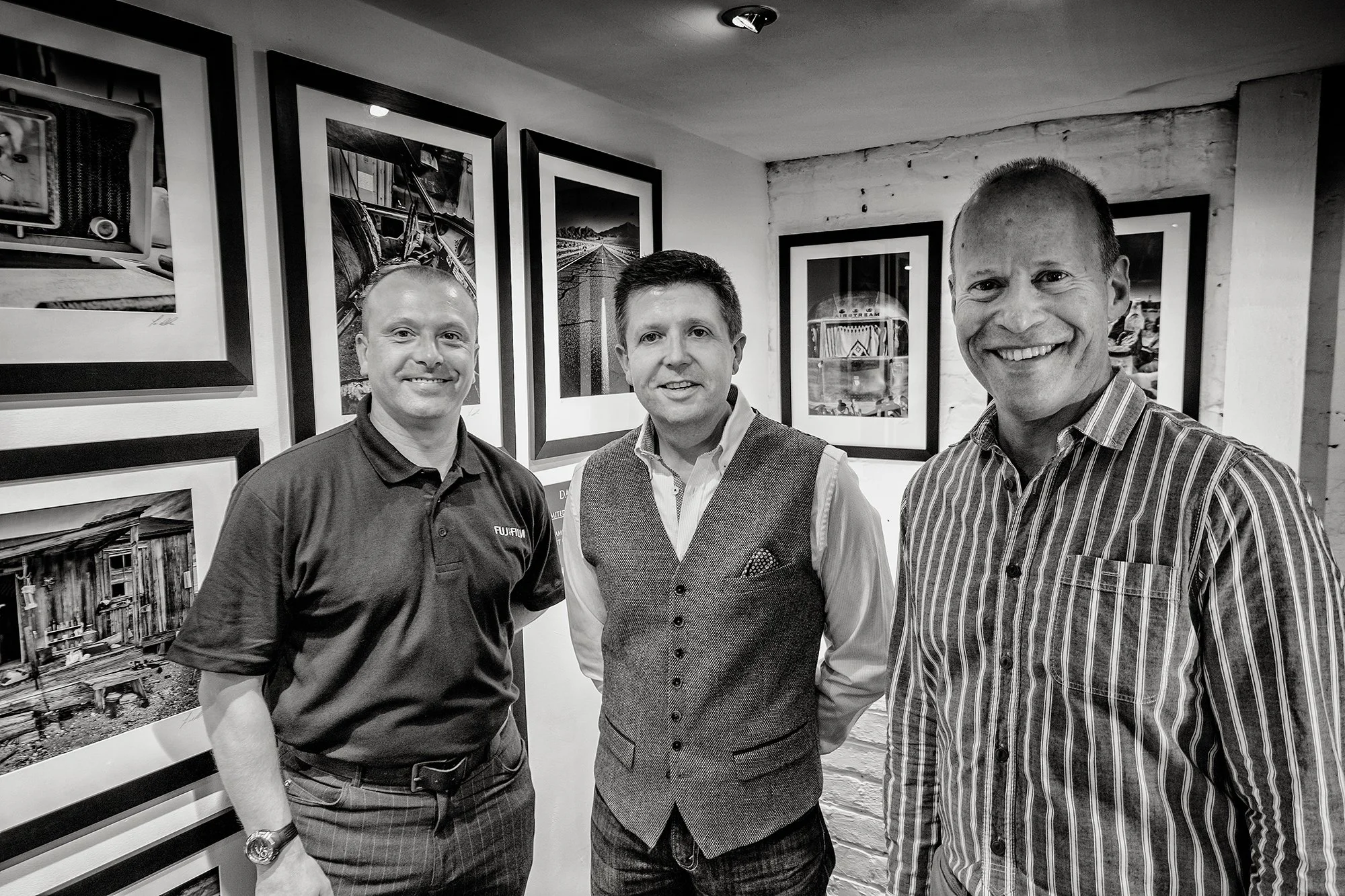
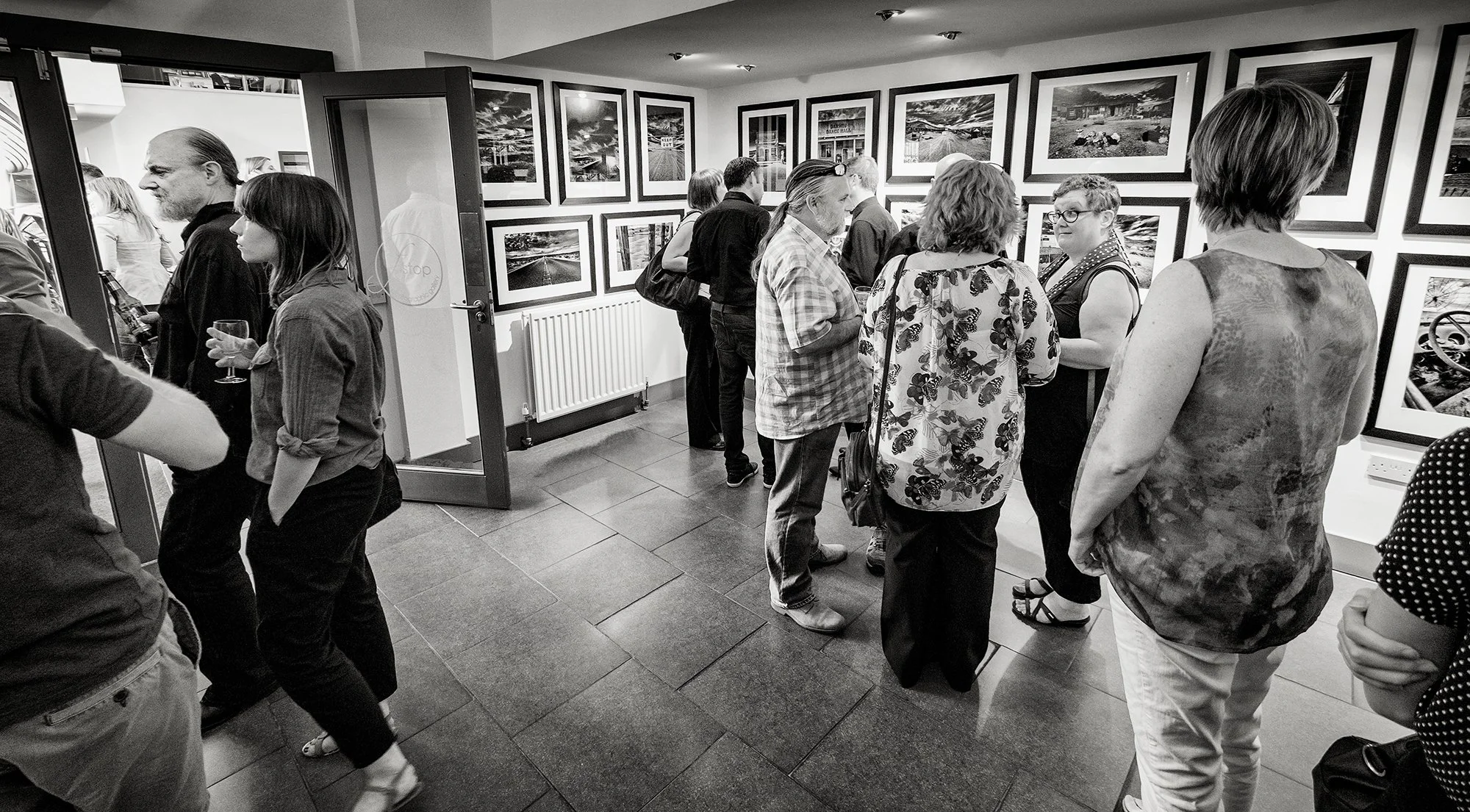
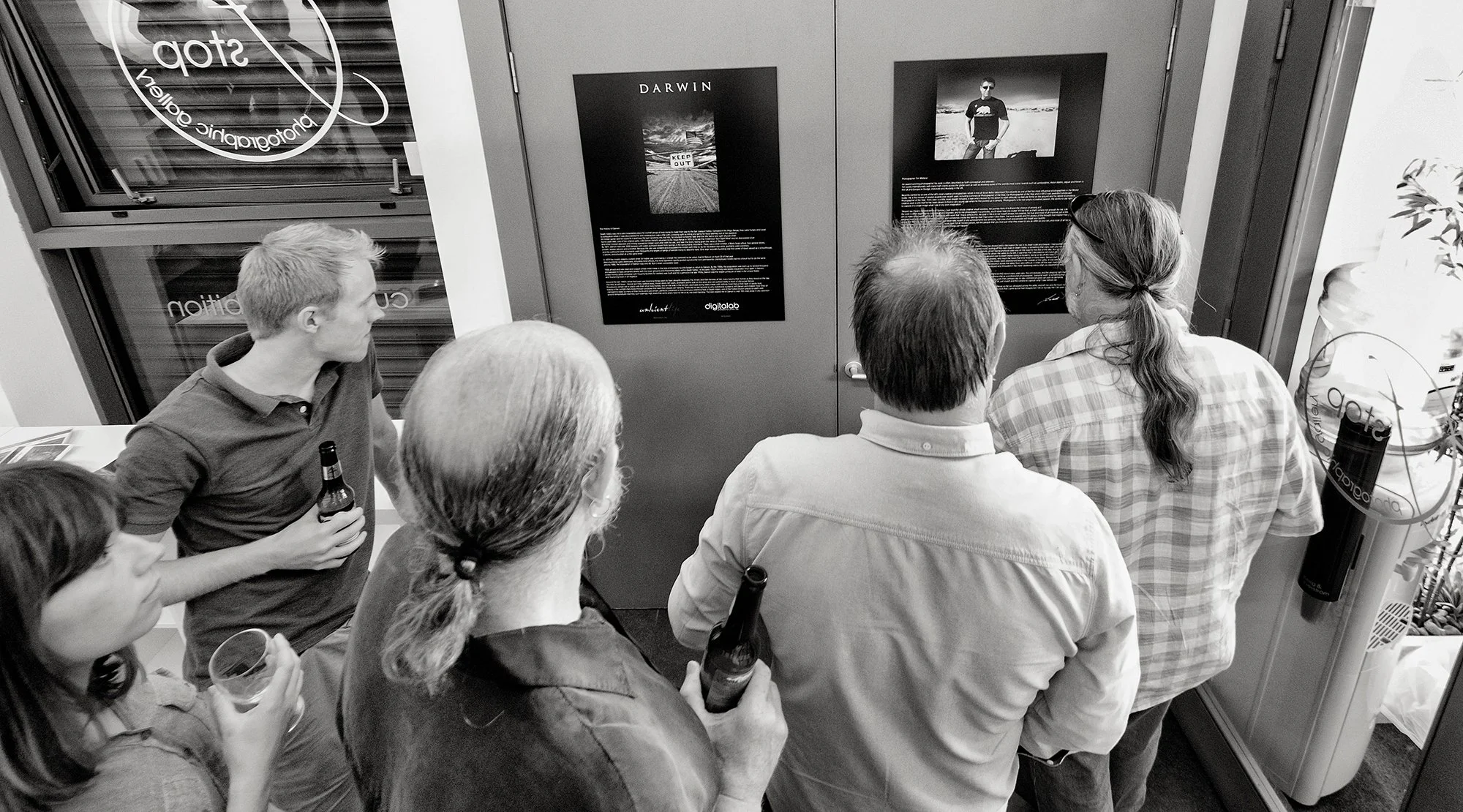
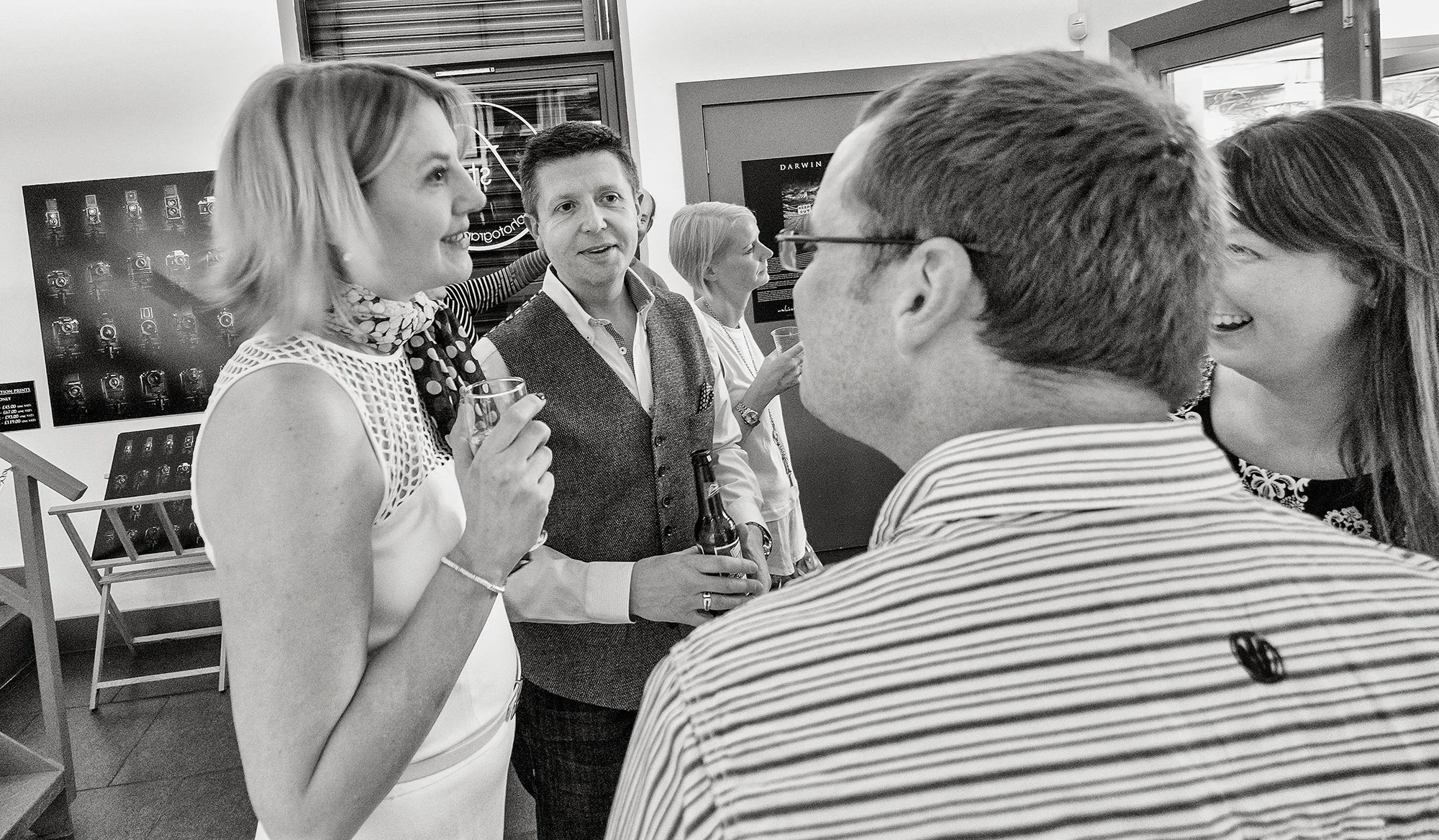
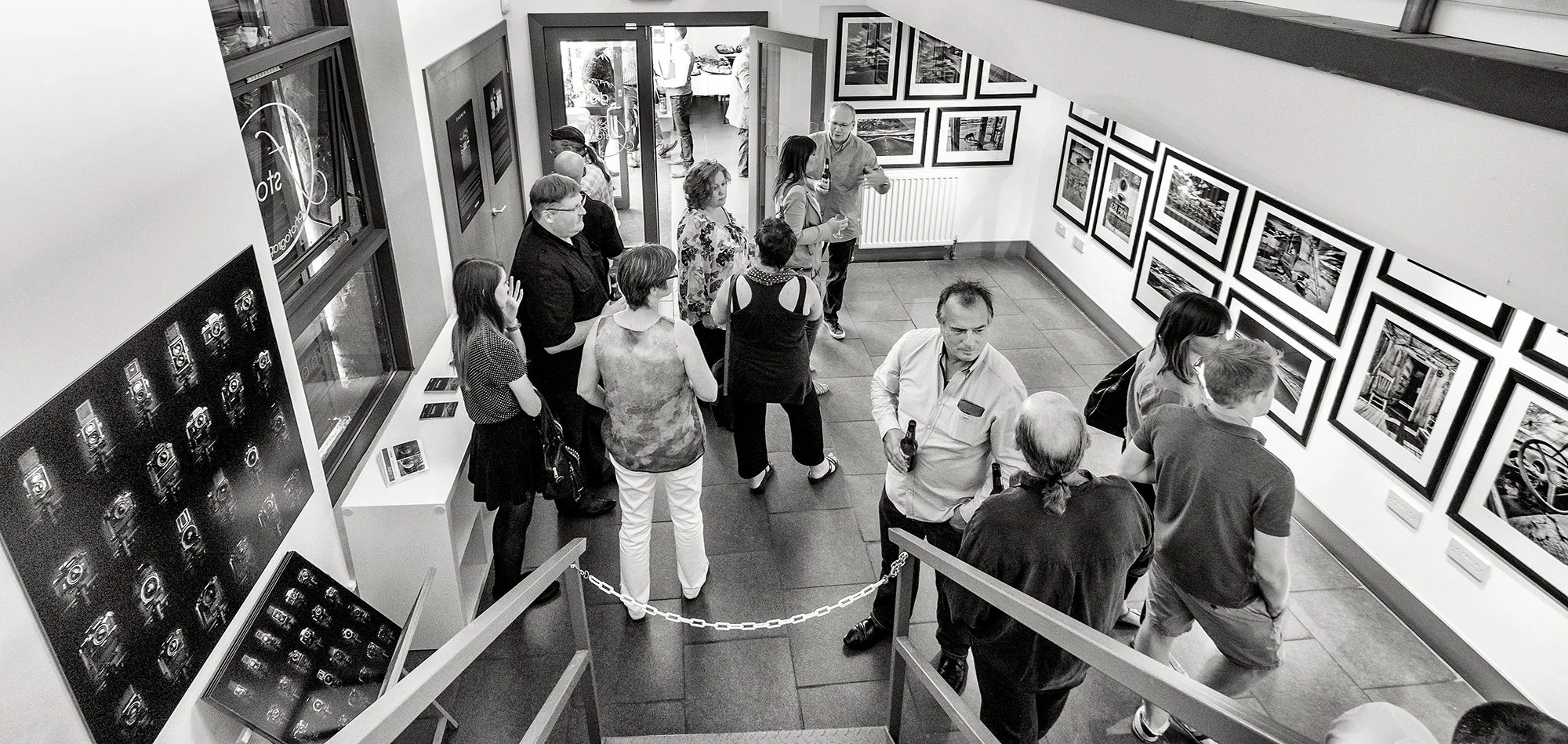
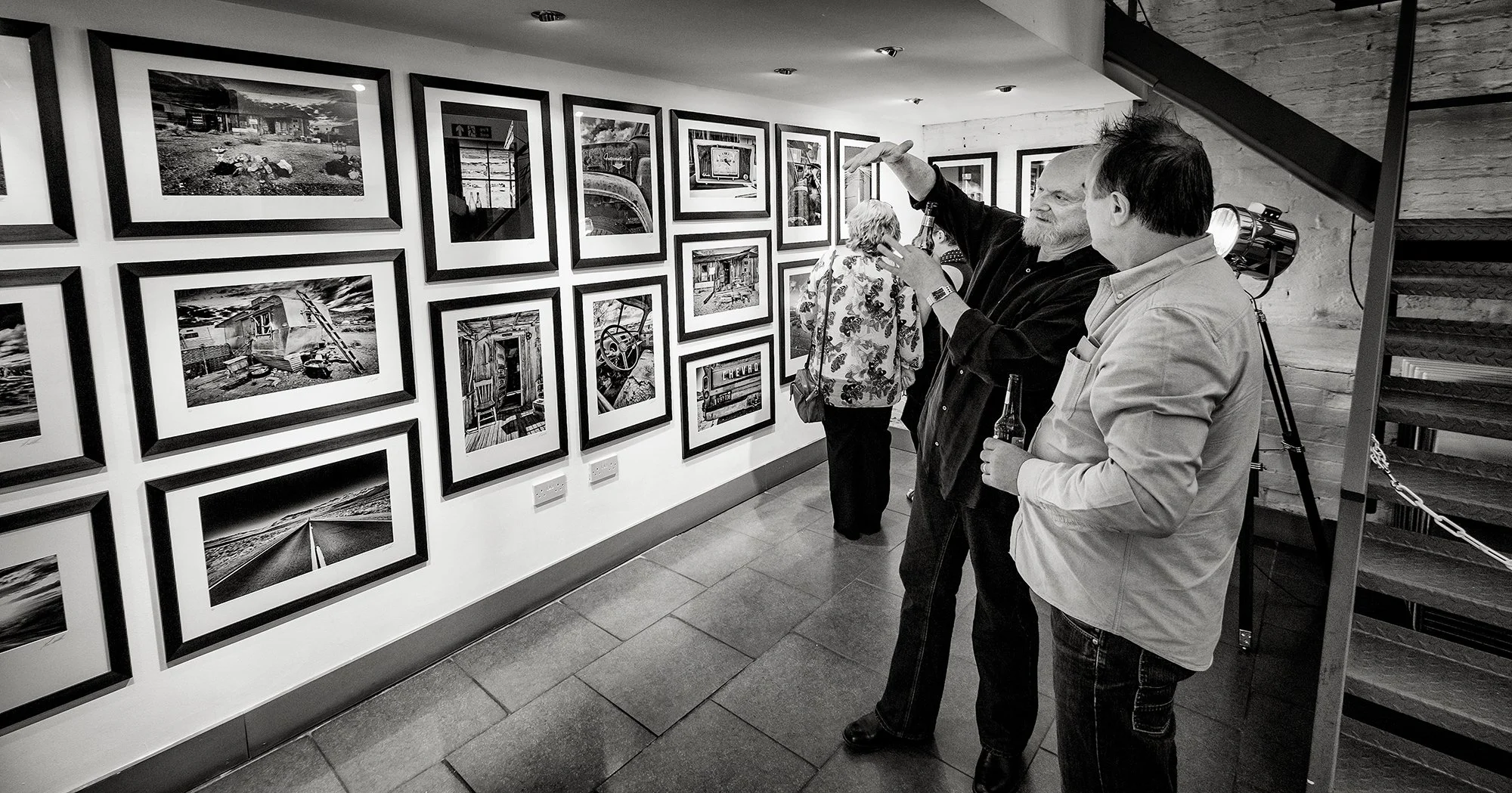
Later upon my return to England, I decided to gather all the photographs that were taken that evening and put them into an exhibition that was held in Newcastle. The opening night was quite a unexpected success with many people attending, all fascinated as I was, with the story of Darwin and how it still stands there today just as it was left, a single kitchen clock stopped at 4:20 on Sunday the 13th, the month and year not known for sure.
I have to say that from what I saw and experienced it really did look like people just left Darwin, very quickly and without taking very much, the reasons why will always be a mystery.
Tim Wallace