Honda Product Photography: Bringing 'Total Control' to Life
Creating Images for a Global Brand
Over the years, I have had the opportunity to work with some fantastic brands, producing commercial product photography for a wide variety of products, vehicles and industries. One of the things I particularly enjoy about working in a professional studio environment is the opportunity to take something that people might ordinarily overlook and transform it into an image that really captures their attention.
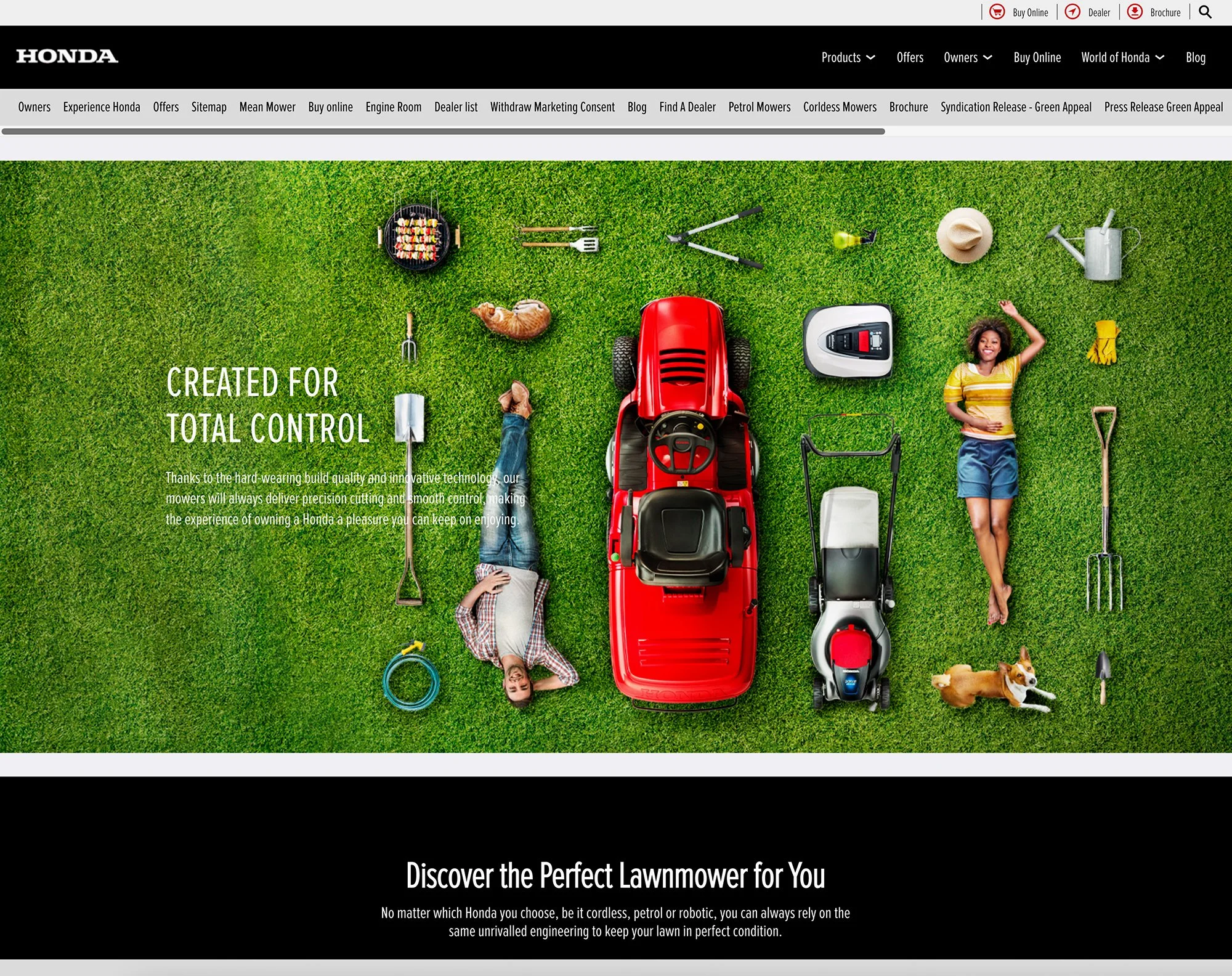
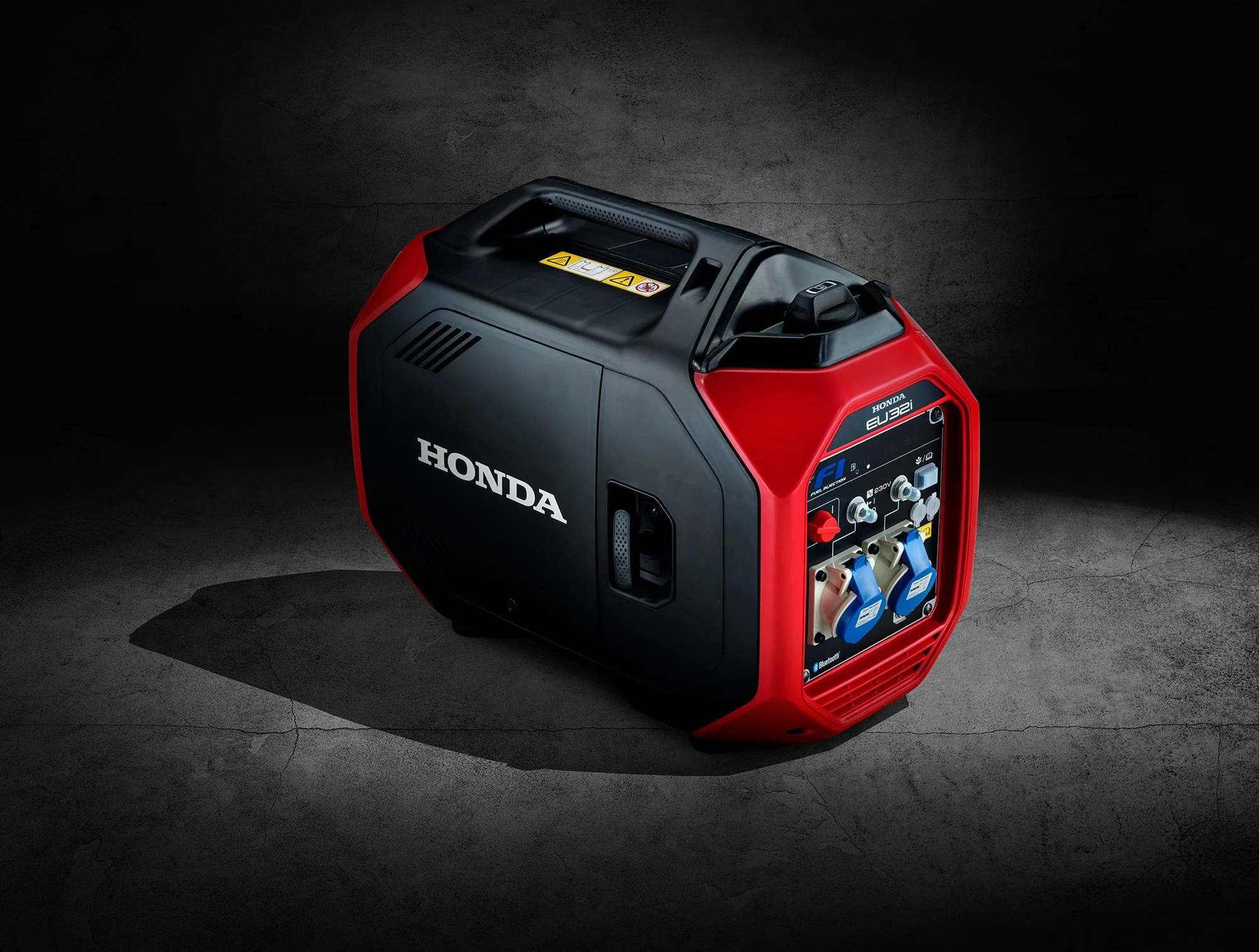
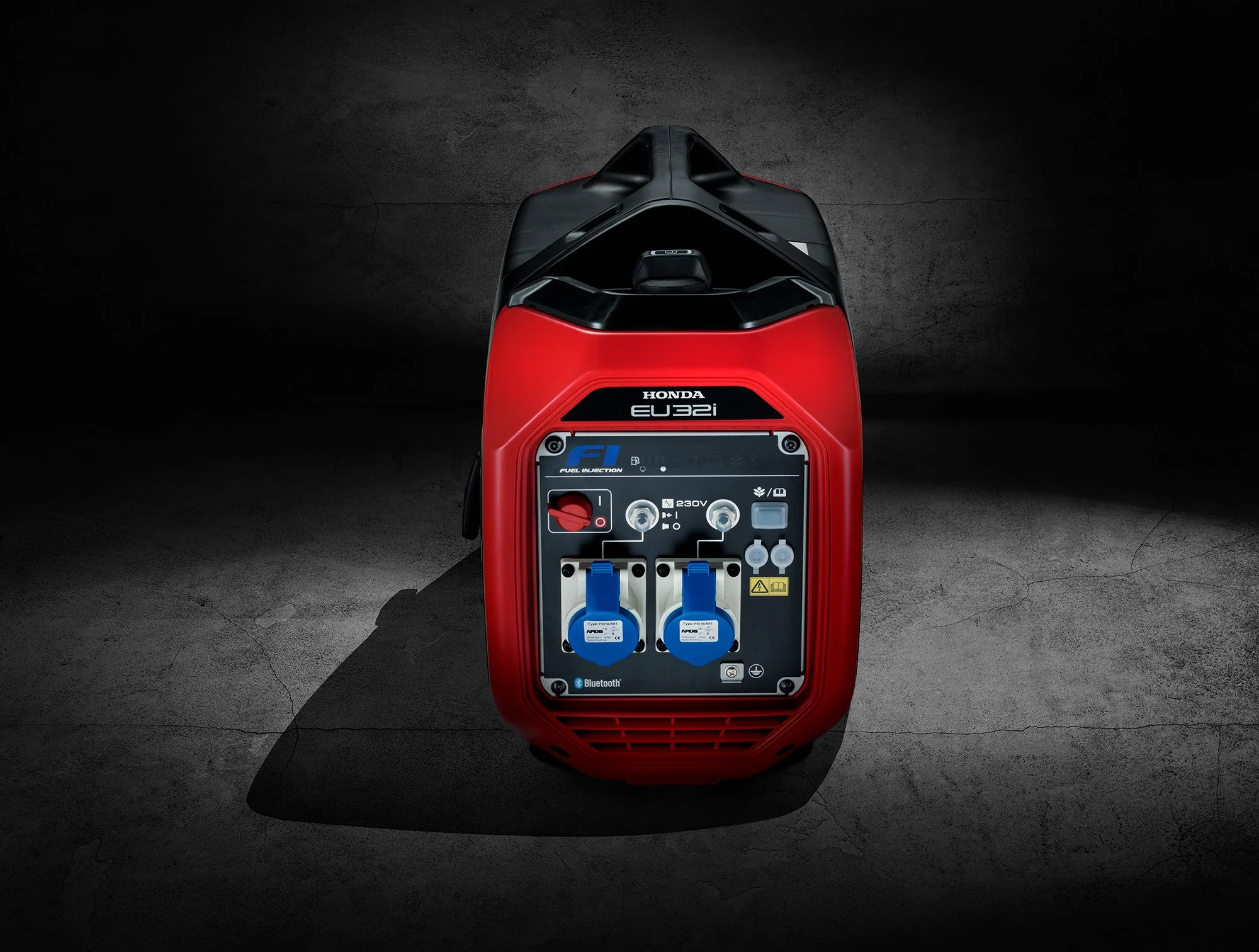
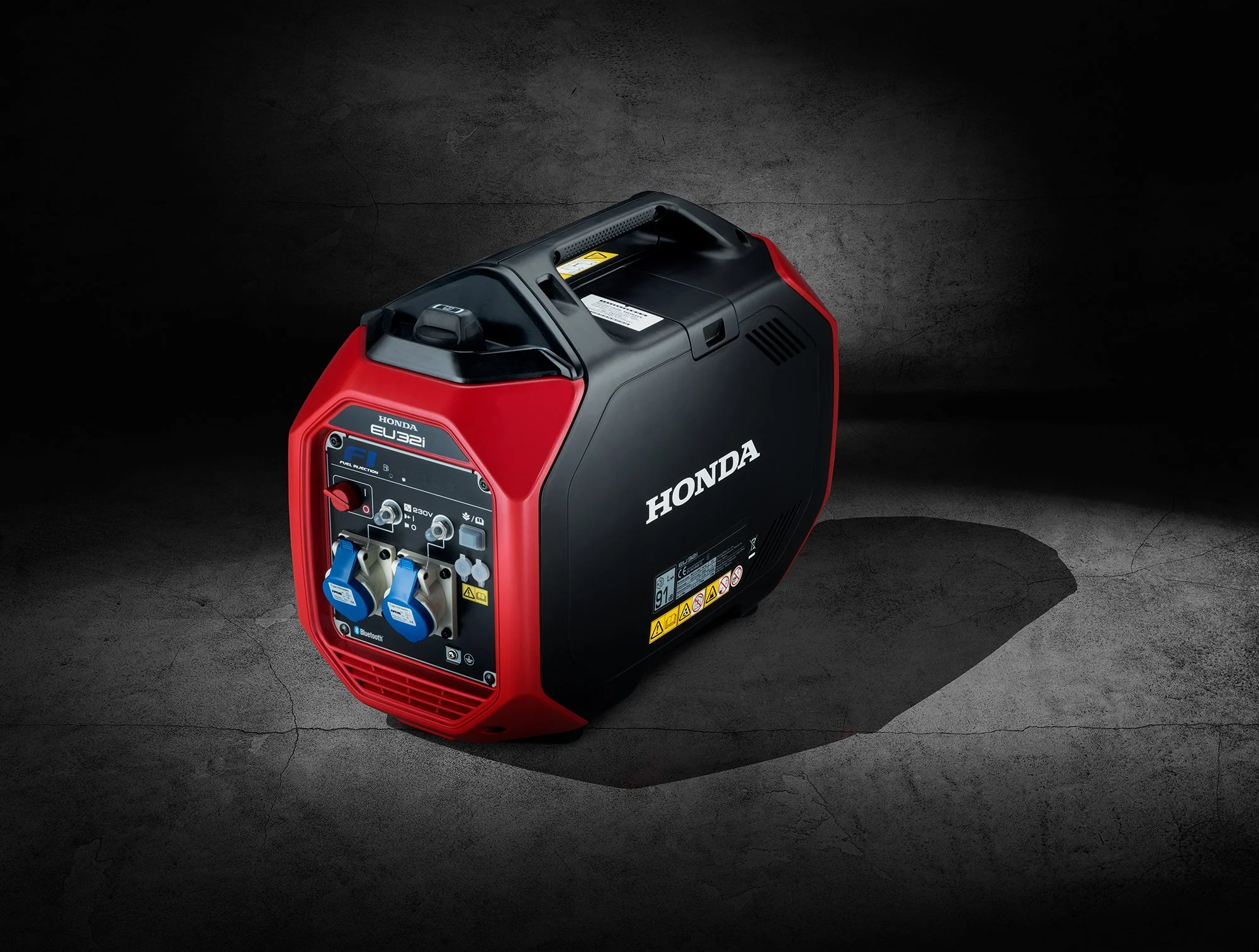
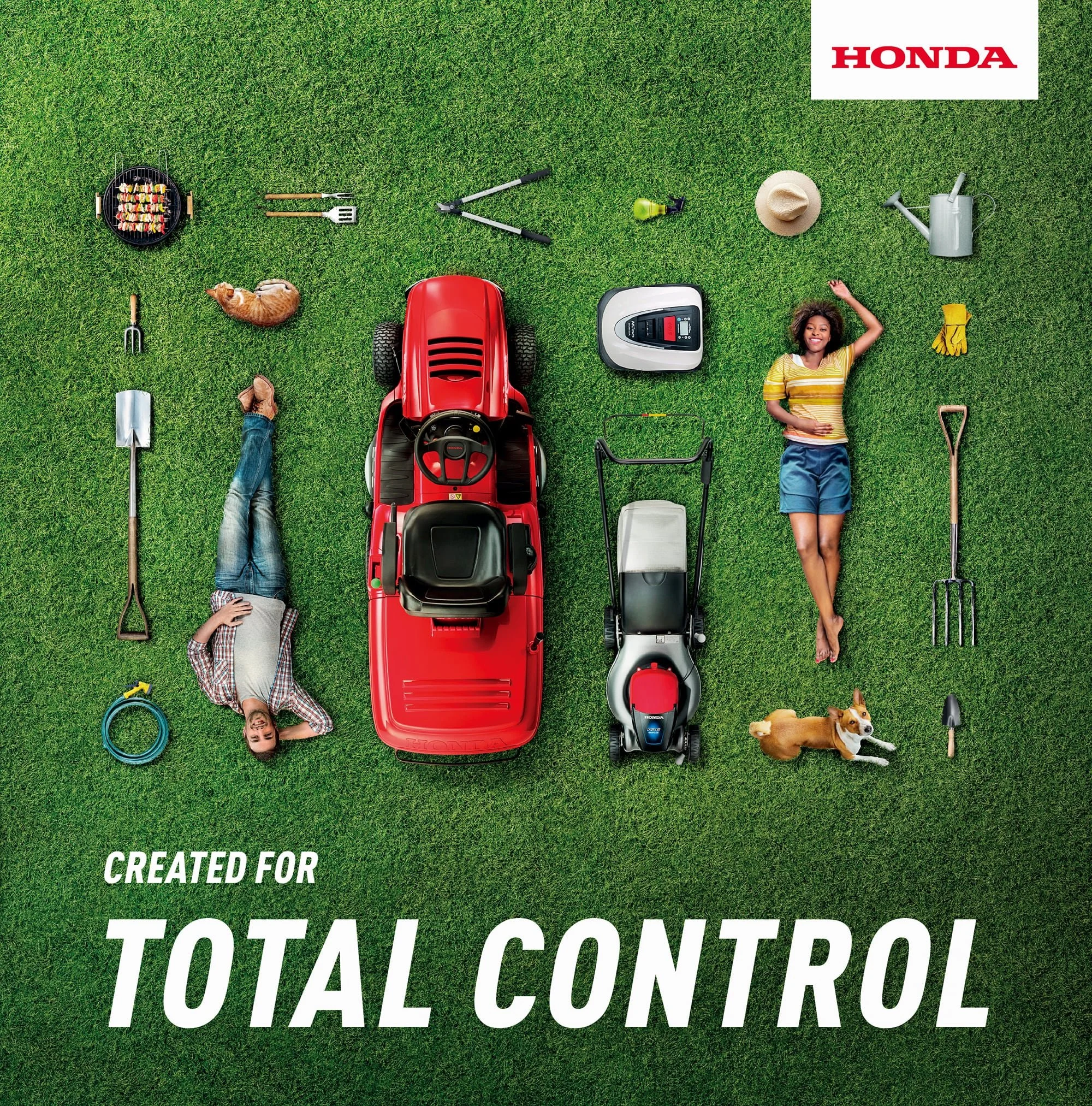
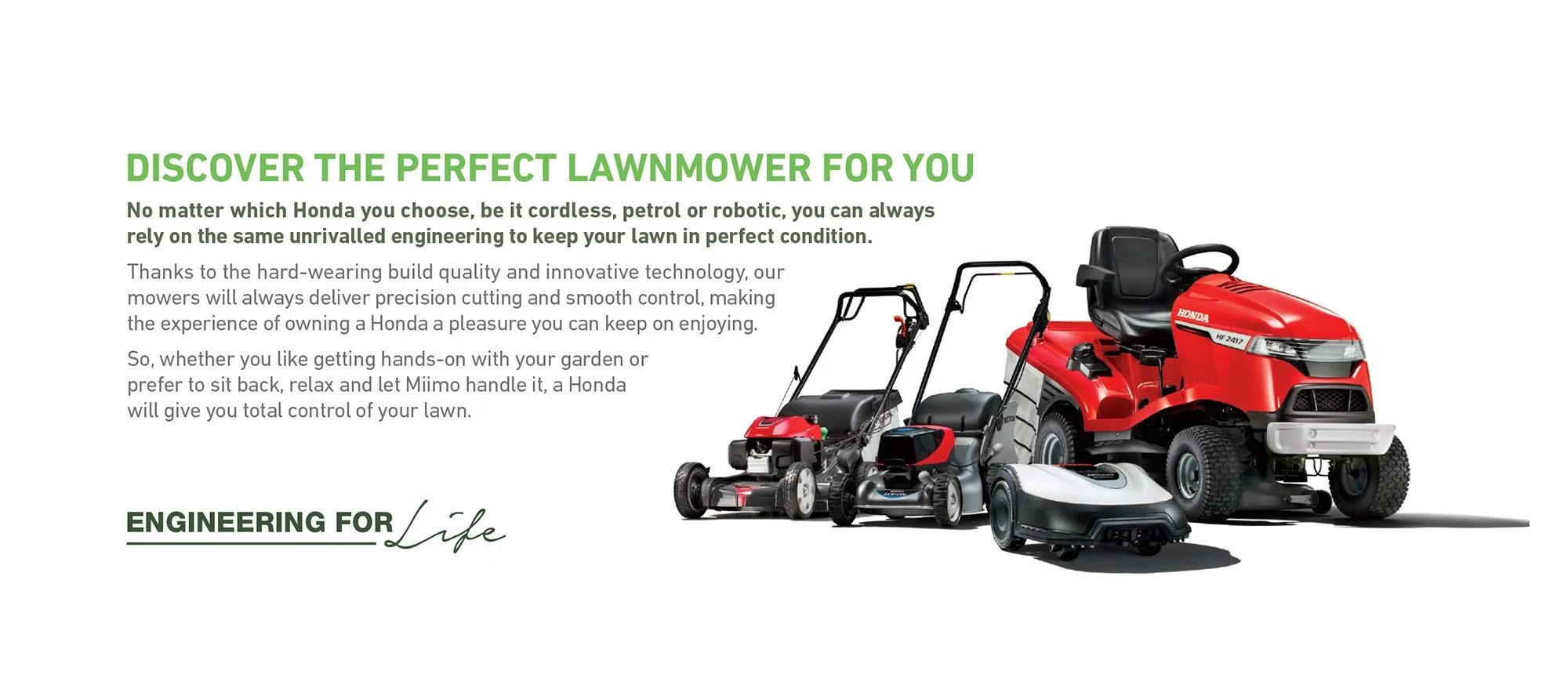
Recently, I completed two separate studio photography projects for my client Honda, producing a collection of marketing images featuring their range of electric generators and lawnmowers. The photography formed part of Honda's 'Total Control' marketing campaign, which celebrates the engineering, innovation and quality behind its Lawn and Garden products.
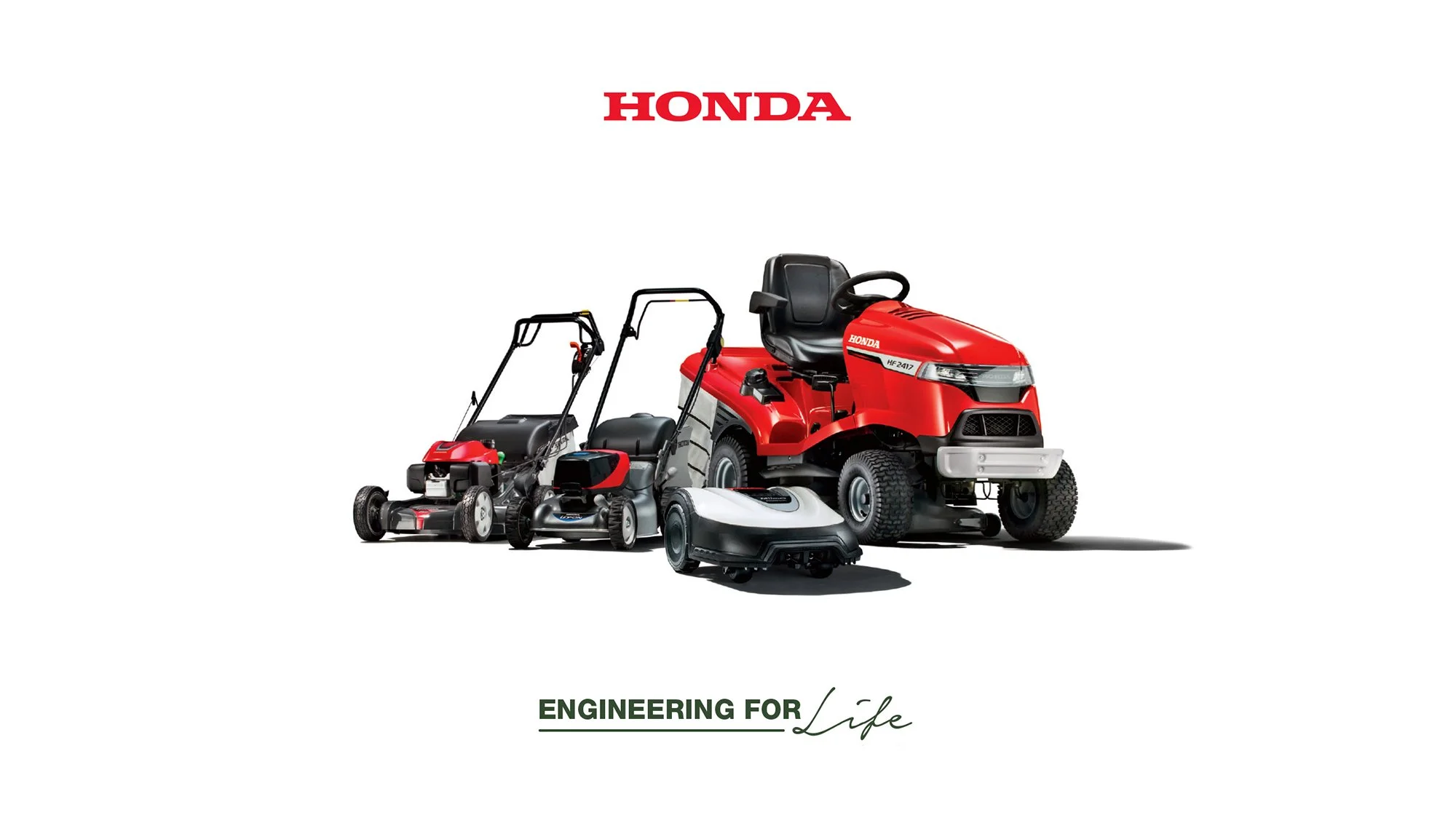
The lawnmower shoot was particularly interesting because of the variety of machinery involved. From smaller automated robotic lawnmowers through to some of Honda's latest ride-on tractor mowers, there was a considerable range of products to photograph, each with its own design, proportions and visual characteristics. Alongside these, the electric generator photography presented another opportunity to explore the design and engineering of products that are perhaps not something people would immediately associate with high-end advertising photography.
Although these were two different shoots, the creative objective was very similar. Honda needed a collection of professional marketing images that would present its products in the best possible light, creating a strong visual identity that could be used across its advertising and promotional material.
It is always a pleasure to work with an established brand such as Honda, where there is a clear understanding of the importance of visual communication and how professional photography contributes to the way customers perceive a product.
More Than Simply Photographing a Product
One of the things I think people often overlook when they see an advertising photograph is just how much work goes into creating it. We regularly walk past large advertising billboards, flick through magazines or see product campaigns online without really considering what happened behind the scenes to produce those images.
A photograph that might appear relatively simple at first glance can involve considerable preparation, planning and attention to detail. Professional product photography is about much more than placing an object in front of a camera and pressing the shutter. It is about understanding the product, understanding the client and, perhaps most importantly, understanding what the final image needs to communicate.
Working with Honda, I needed to consider how each product would be presented and how the photography would sit within the wider 'Total Control' campaign. This is an important part of my approach to commercial photography. Before I begin thinking about individual photographs, I want to understand the overall creative direction and what the client is trying to achieve.
Branding guidelines are particularly important when working with larger organisations. A client may have very specific requirements relating to colour, lighting, product positioning, image composition and the overall feel of its advertising. These guidelines are not simply suggestions; they are an important part of maintaining a consistent brand identity.
My job is to understand those requirements and interpret them photographically, bringing my own experience and creative approach to the project without losing sight of the original brief. The best commercial photography happens when creativity and a clear understanding of the client's objectives work together.
The Importance of Studio Lighting
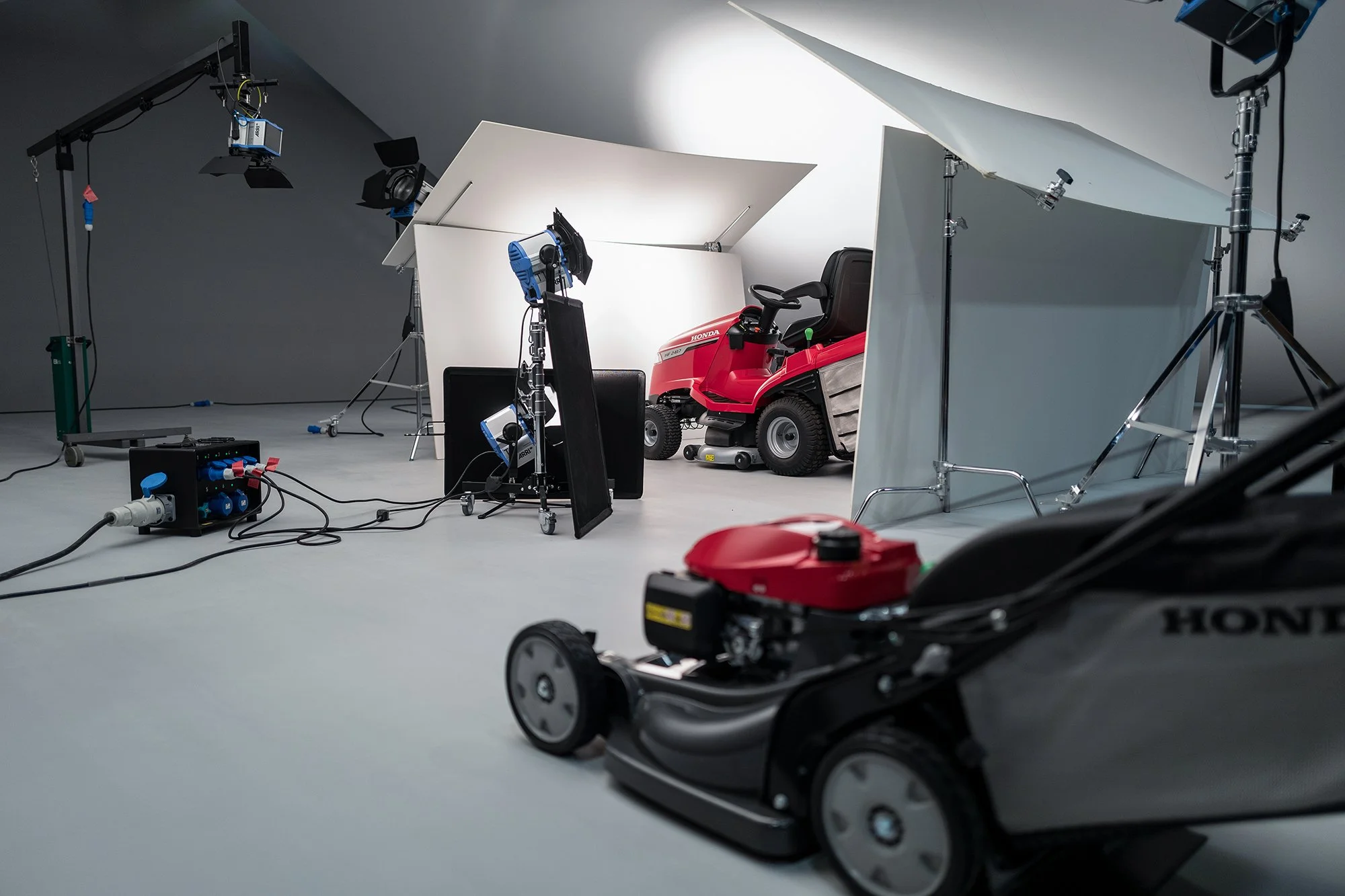
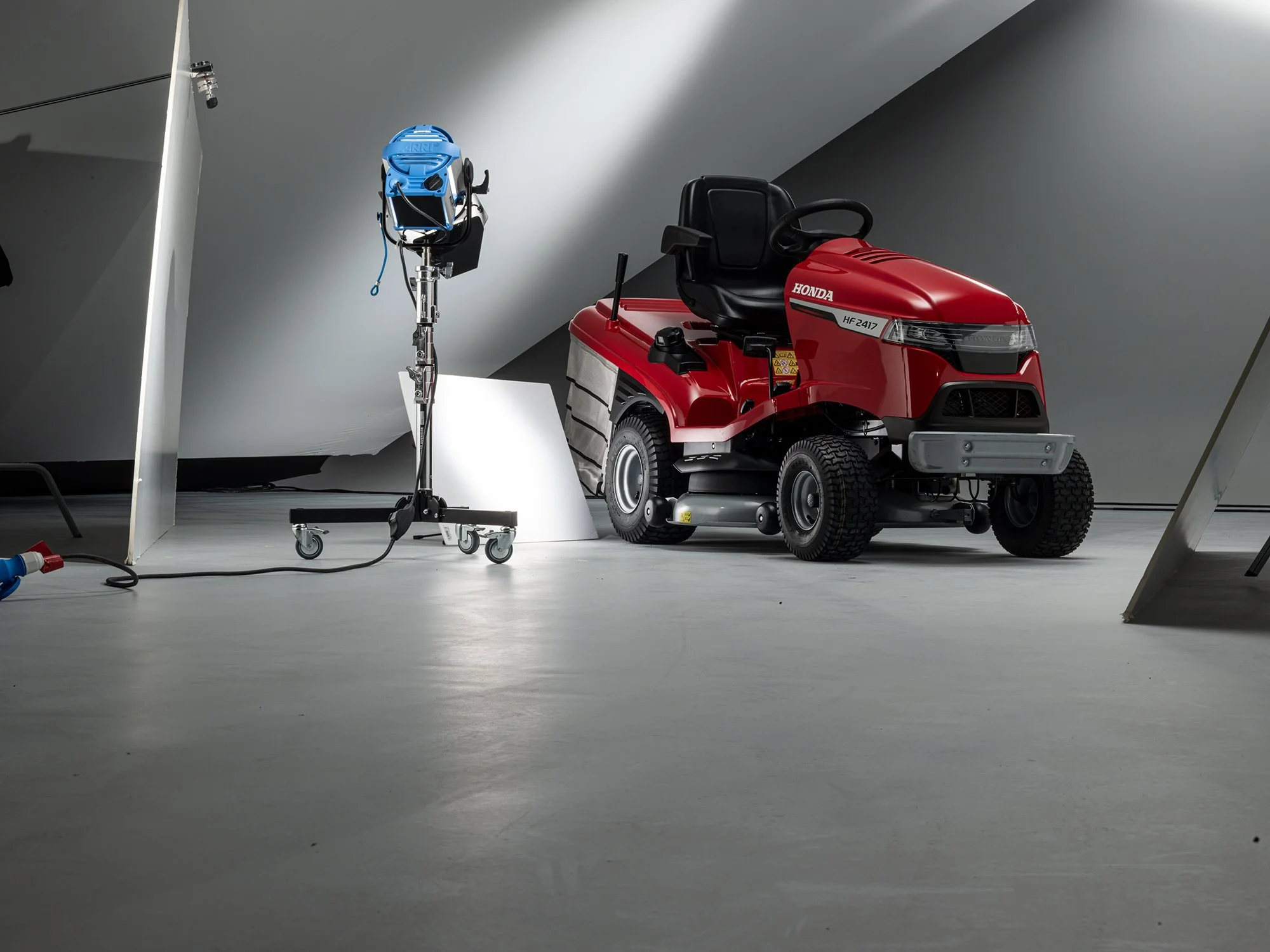
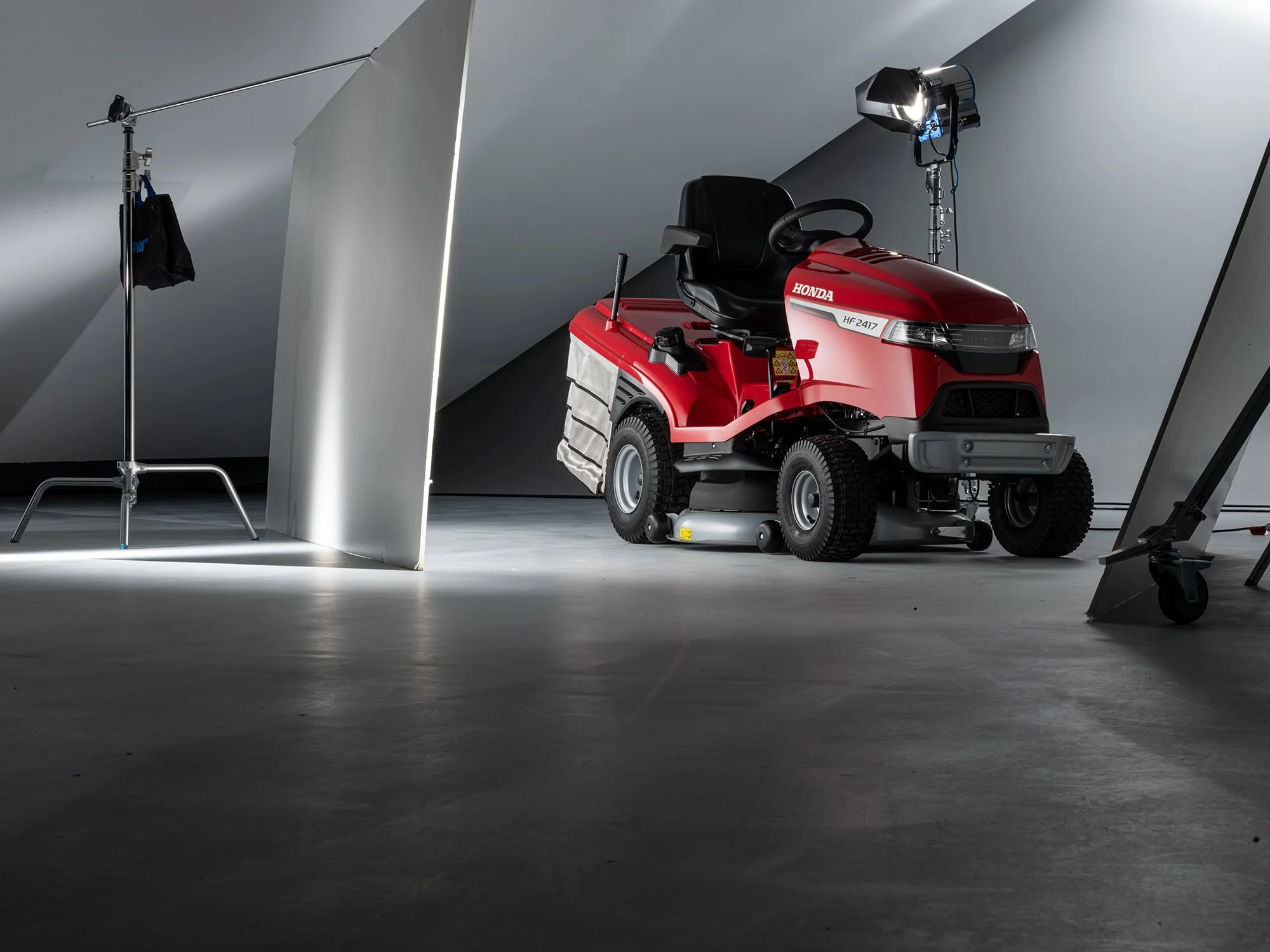
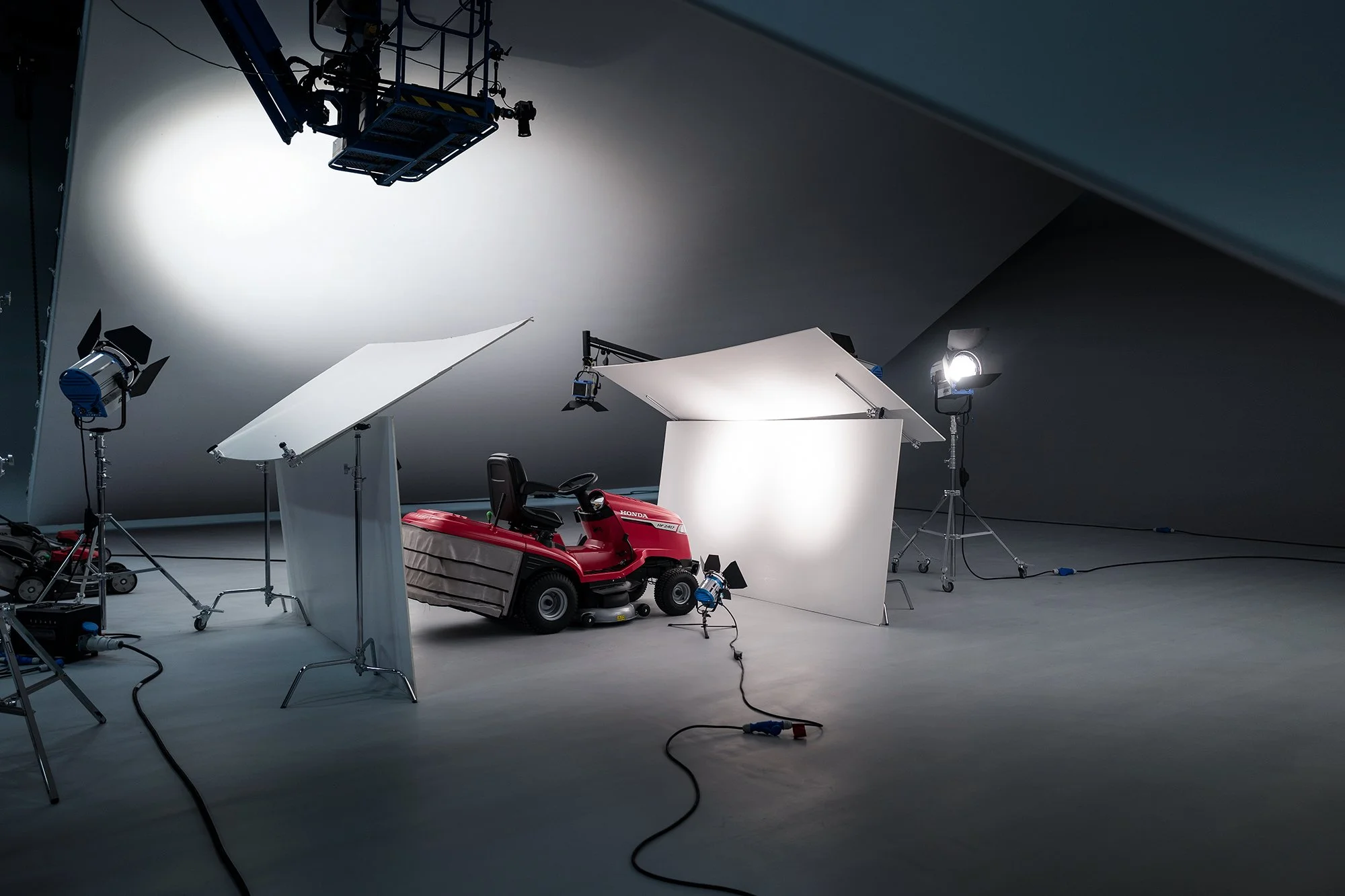
Studio product photography has always been something I have been particularly passionate about. I love working with light, and over many years I have developed an approach to studio lighting that allows me to bring out the shape, form and character of a product.
Every product presents a different challenge. The way light interacts with a particular surface, the shape of a panel, the finish of a component or the relationship between different materials can completely change how an object appears in a photograph.
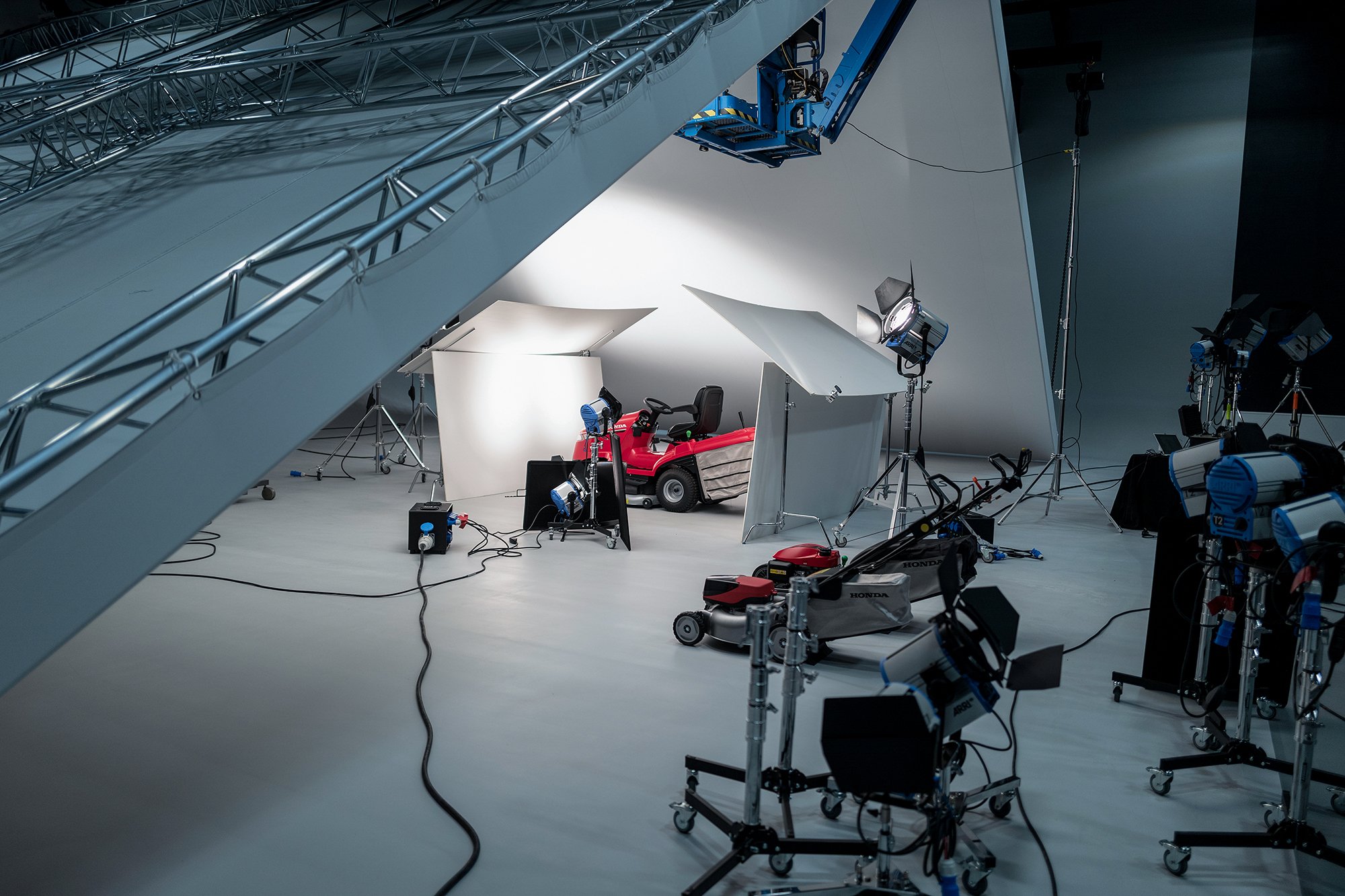
With the Honda lawnmowers, for example, there was a considerable variety of shapes and sizes to work with. A compact robotic mower presents a very different photographic challenge to a much larger ride-on machine. Each needs to be considered individually, with lighting carefully positioned to reveal its design and create a strong, attractive image.
The same applies to the electric generators. These are products designed primarily around performance and practicality, but that doesn't mean their photography should be purely functional. There is an opportunity to highlight their design, construction and quality, presenting them as desirable products rather than simply pieces of equipment.
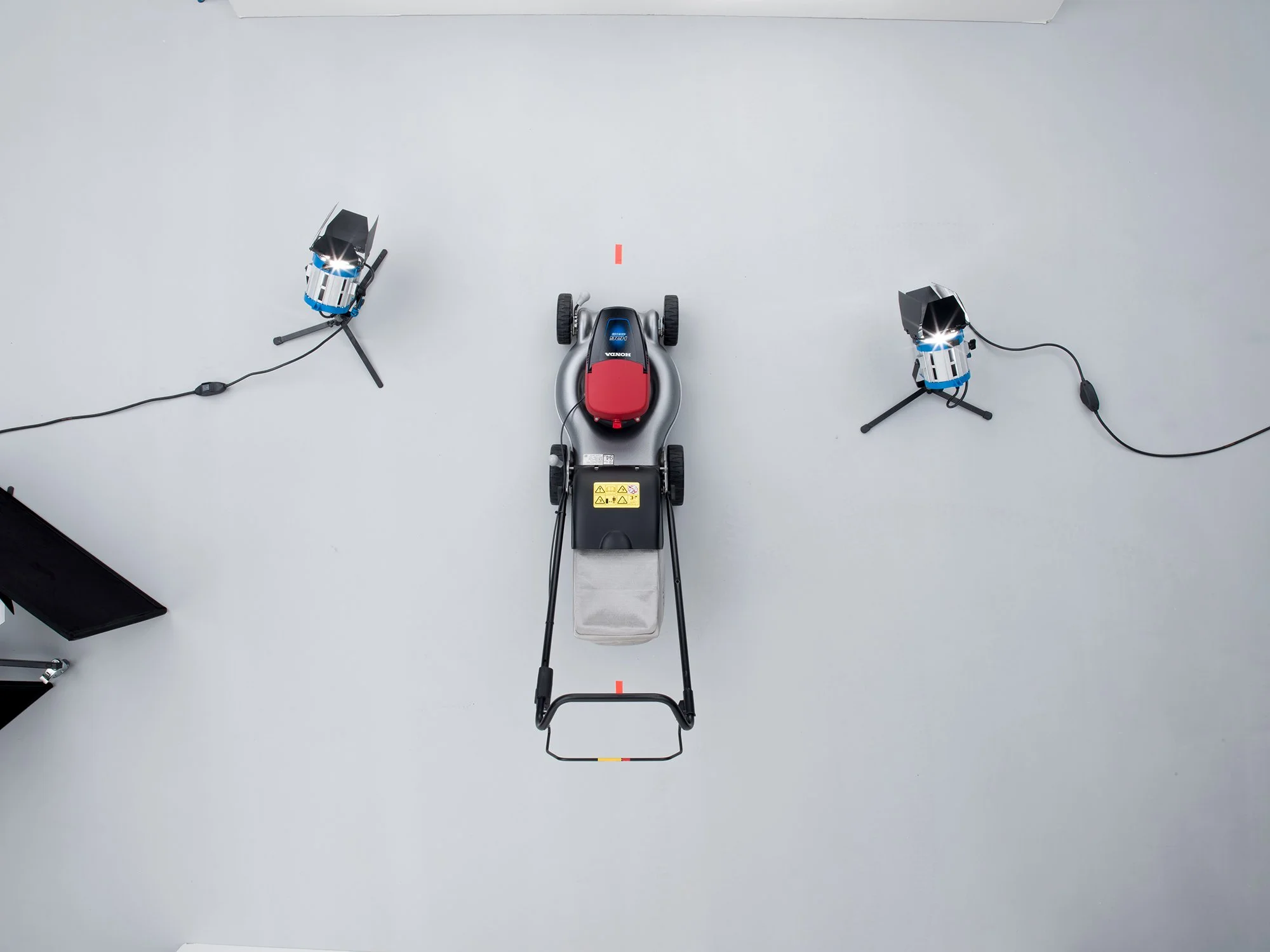
Lighting is what allows me to do this. By carefully controlling the direction, intensity and quality of the light, I can create depth, definition and separation, helping the product stand out from its surroundings. It is often the subtle details that make the biggest difference, particularly when photographing products with complex shapes or a mixture of different surface finishes.
I have always believed that good studio lighting should enhance a product rather than distract from it. The objective is not to produce something that looks artificially dramatic for the sake of it, but to create an image that makes the product look its very best while remaining true to its actual appearance.
From Studio Photography to Finished Advertising
One of the most rewarding parts of working on a campaign like this is seeing how the original studio photography eventually becomes part of the finished marketing artwork.
When I am working on a commercial product shoot, I am always conscious that the photographs are only one part of a much larger creative process. The images need to work within a layout, accommodate advertising copy, complement the campaign's graphic design and communicate the right message to the intended audience.
An image that looks fantastic as an individual photograph might not necessarily be the right image for a particular advertising layout. Composition is therefore incredibly important. Understanding where the product needs to sit within the frame, allowing suitable space for graphic elements and considering how the image might be cropped or adapted for different formats are all part of the planning process.
This is particularly relevant when producing photography intended for large-format advertising, where the images might eventually appear on roadside billboards, in magazines or across a variety of digital marketing platforms.
For Honda's 'Total Control' campaign, the finished artwork brings together the photography and the wider visual identity of the campaign. It is always interesting to see how the images evolve from the original studio photographs into the finished promotional material, and it is something I enjoy seeing at the end of a project.
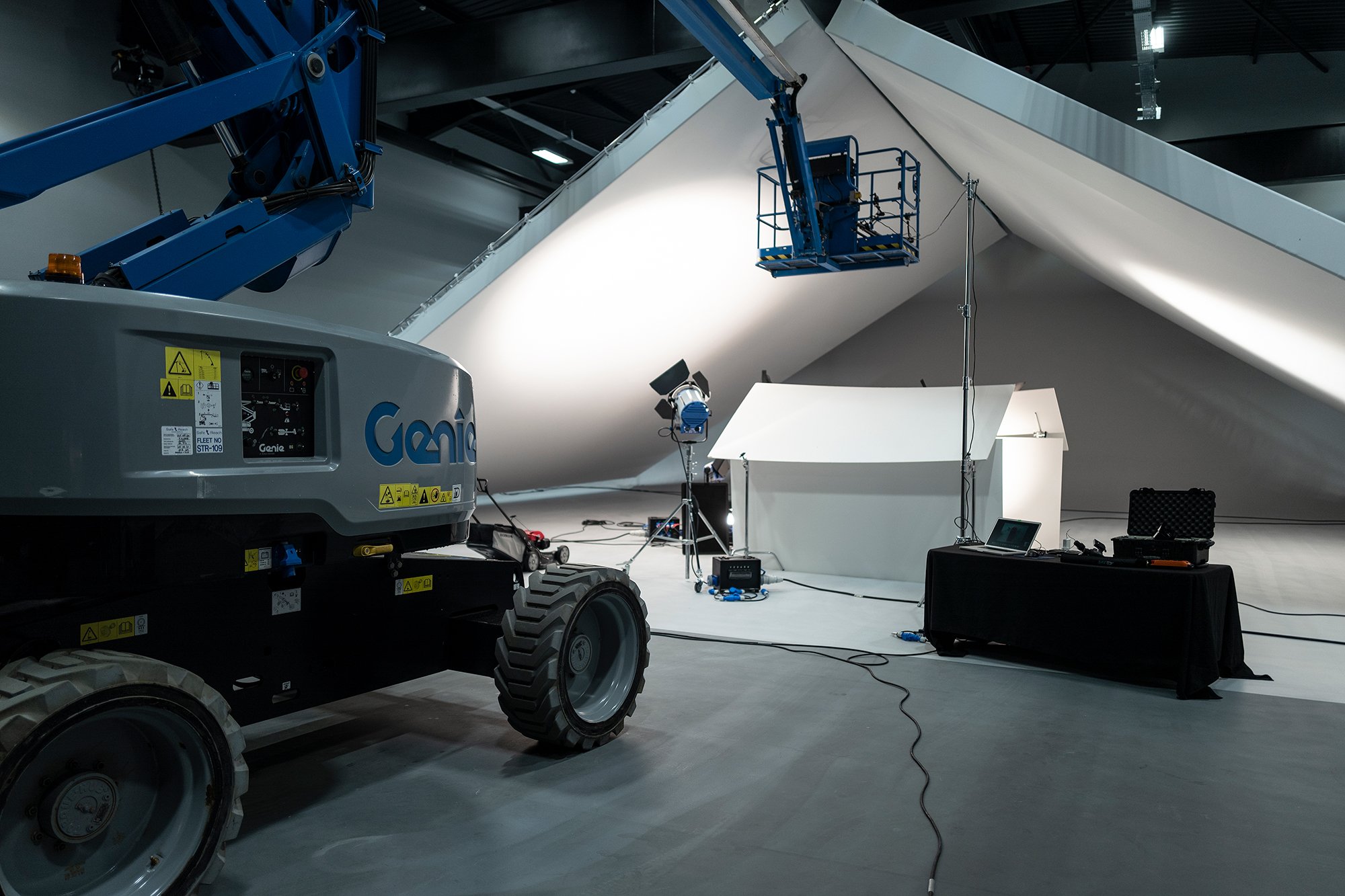
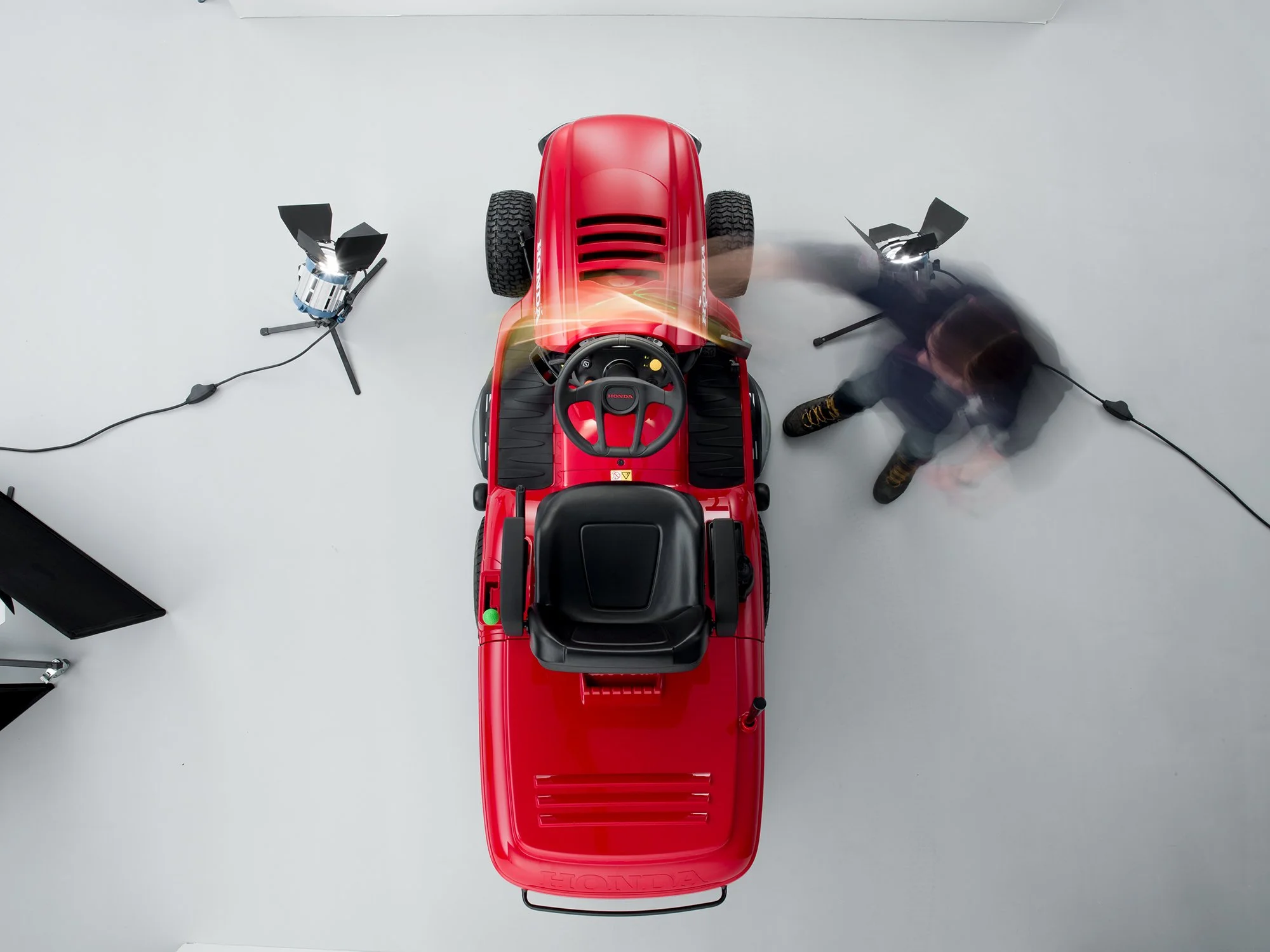
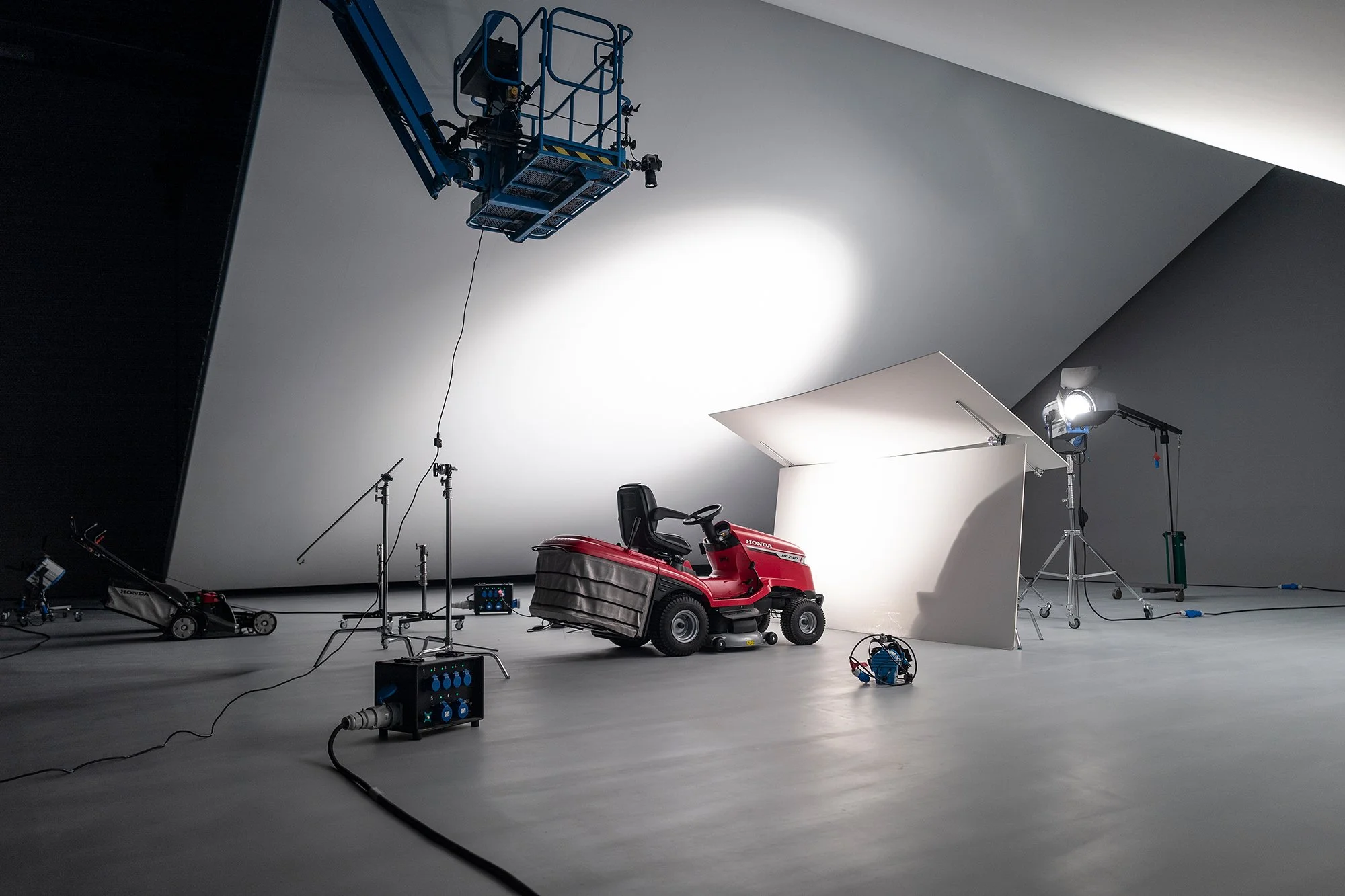
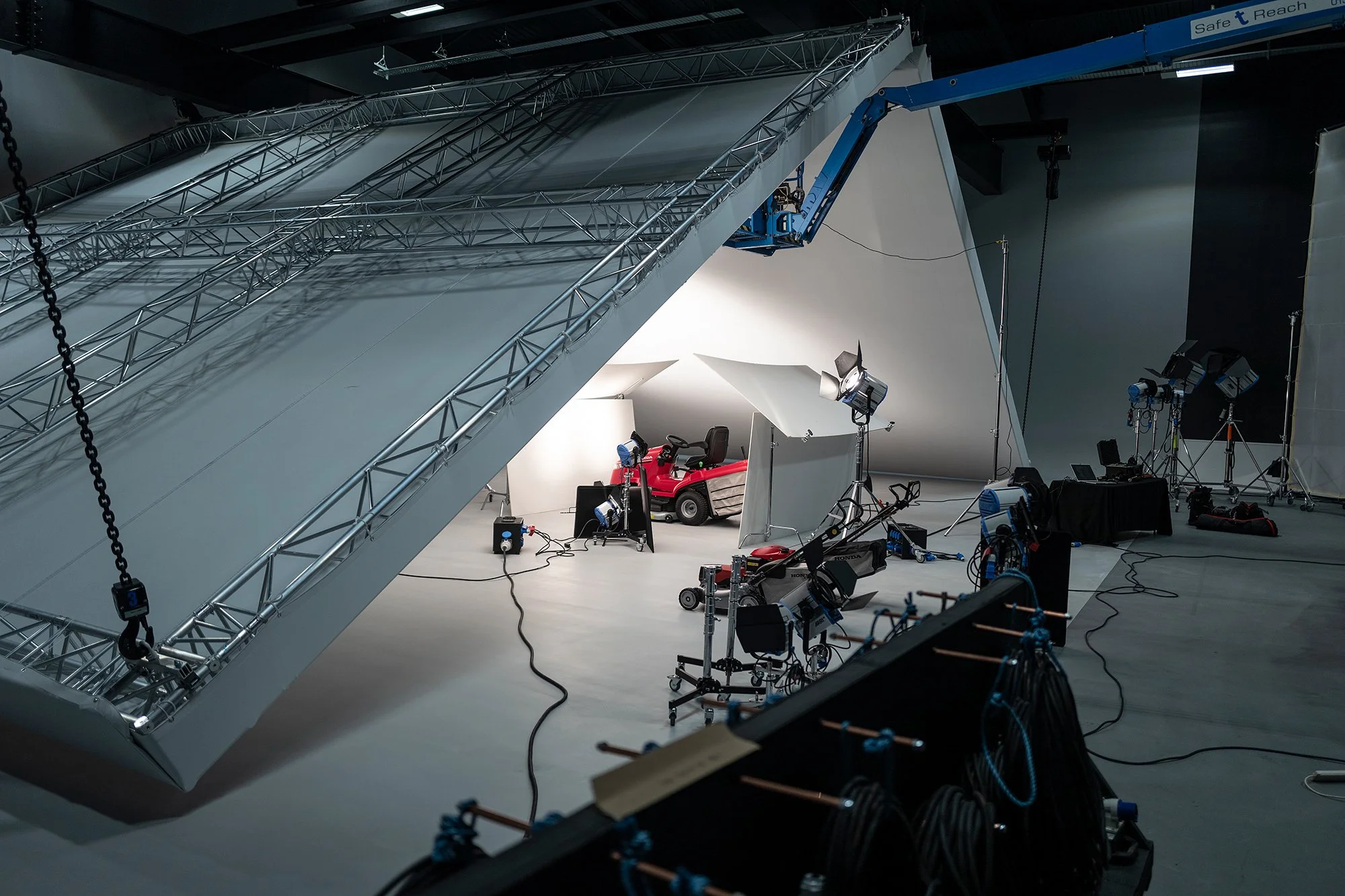
I will be including some behind-the-scenes photographs from both shoots alongside examples of the completed Honda campaign artwork. Hopefully, these will give a little insight into the process and demonstrate just how different the original studio environment can look compared with the finished advertising images.
Understanding the Brief and Delivering the Right Result
Having worked in commercial photography for many years, one of the things I have learned is that successful photography is rarely just about the equipment, the lighting or even the photographer's technical ability. It is about understanding what a client needs and being able to deliver that consistently.
Every client has a different approach to its marketing, and every brand has its own visual language. Understanding those differences is essential, particularly when working with established international brands that have invested considerable time and resources into developing their identity.
I see my role as much more than simply supplying photographs. I want to become an extension of a client's creative and marketing team, someone who understands the brief, appreciates the importance of brand consistency and can be trusted to deliver images that fulfil the original objectives.
The Honda projects were a great example of this. Two different product photography shoots, a varied collection of machinery and a shared campaign identity, all brought together through careful studio lighting, planning and an understanding of what the finished images needed to achieve.
For me, that is the real enjoyment of professional product photography. Taking something that has been designed and engineered for a particular purpose, understanding what makes it special and then using light and composition to communicate that to an audience.
The next time you see a product photograph on a large advertising billboard or in the pages of a magazine, it is worth remembering that there is often a great deal more behind that single image than you might imagine. And that is precisely what makes commercial product photography such an interesting and rewarding part of my work.