

Stähle Robot Rider
STÄHLE ROBOT - Photographing the Unseen Rider
There are some photographic commissions where the subject immediately tells you what the shoot is going to be about. A new car, a motorcycle, a truck or an aircraft arrives, the brief is established and the challenge becomes finding the right way to photograph something that is already familiar. Then there are the commissions that are completely different, where the subject is something you may never have encountered before and the environment in which you have to photograph it becomes just as important as the subject itself.
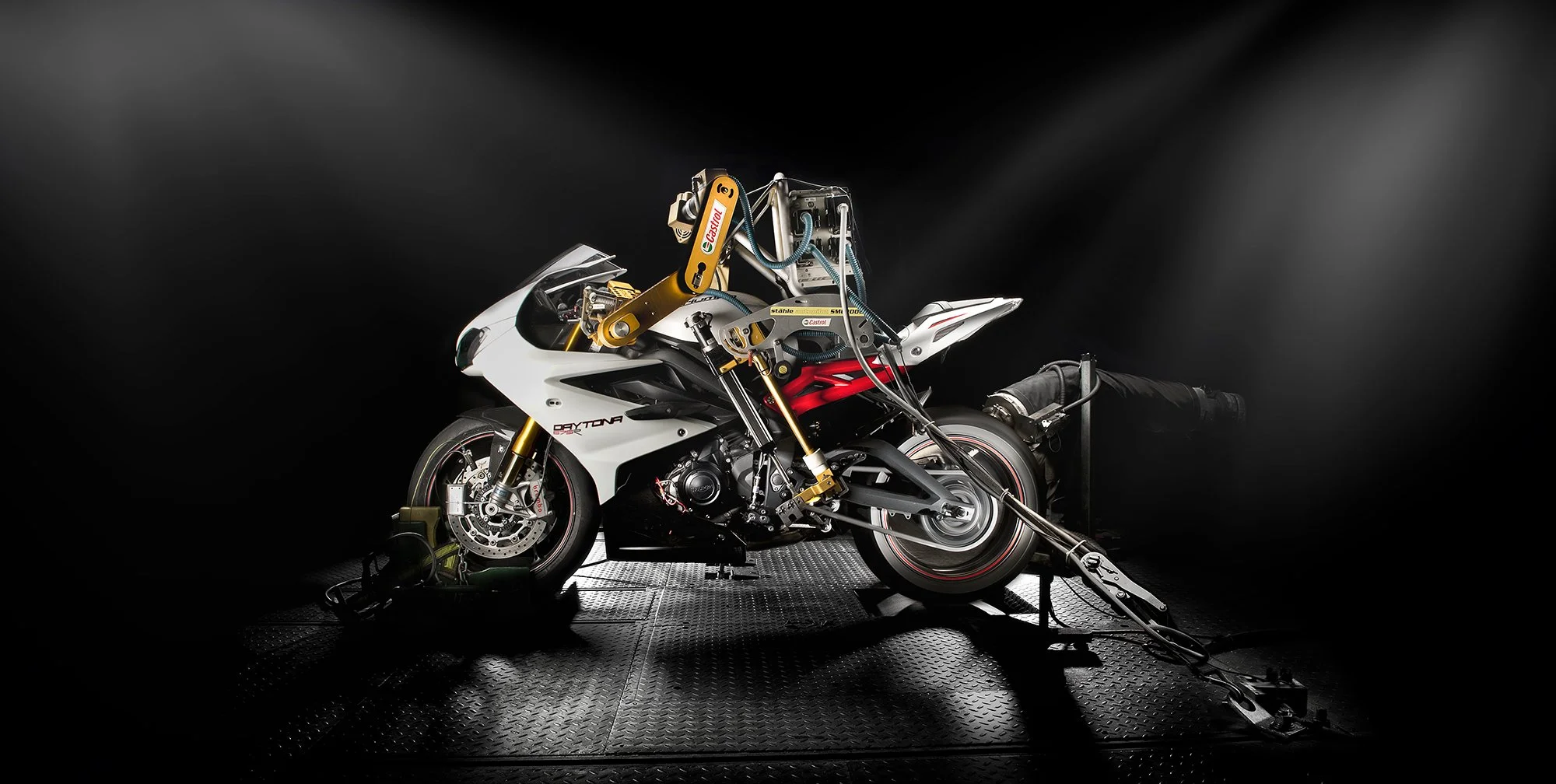
A recent commission for Triumph Motorcycles in the United States was very much one of those assignments.
The brief was to photograph a full-size Triumph Daytona motorcycle being ridden by a STÄHLE SMC2000 robot rider inside the Castrol Experimentation Test Centre in the UK. On paper, it sounds like a relatively straightforward combination of motorcycle and technology, but standing inside the purpose built test area with a Daytona being operated by a highly sophisticated robotic rider is a very different experience.
The STÄHLE system is designed to do something that would be extremely difficult, and potentially impossible, to achieve consistently with a human rider. The SMC2000 can be installed onto motorcycles and is designed to reproduce precise rider inputs, allowing acceleration, braking, gear changes, clutch operation and other actions to be repeated with a level of consistency that a human simply cannot maintain over repeated test cycles. STÄHLE describes its robot drivers as systems designed to create repeatable test conditions and reliable measurement data, with the motorcycle system specifically developed for use on motorcycles and other two or three wheeled vehicles.
That repeatability is incredibly important in a development and testing environment because it removes one of the variables that would otherwise be impossible to control completely: the rider. For the photographic commission, however, the robot represented something else entirely. It was a fascinating subject in its own right and one that immediately created a visual story around the relationship between human engineering, robotics and motorcycle performance.

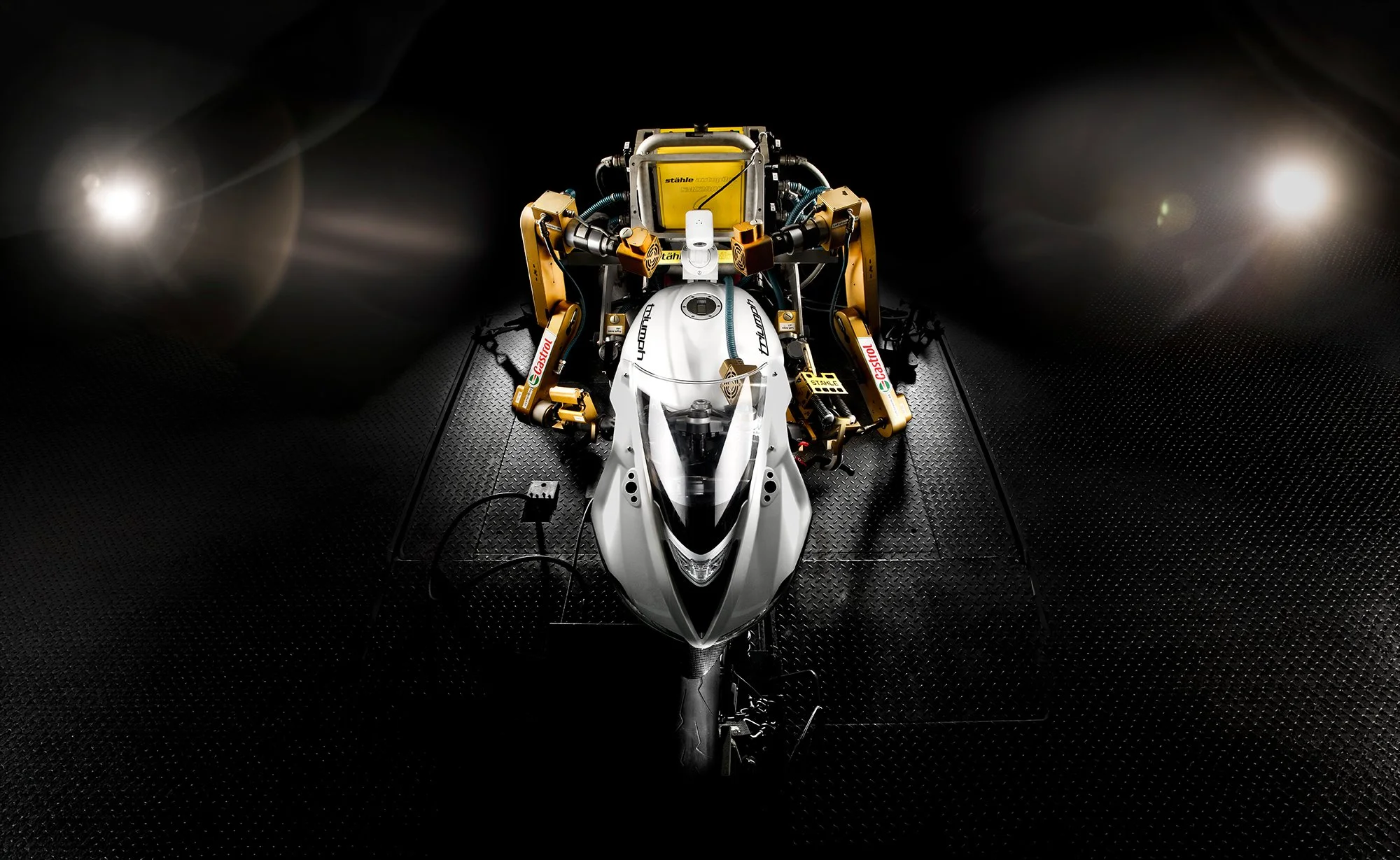
Inside the test environment
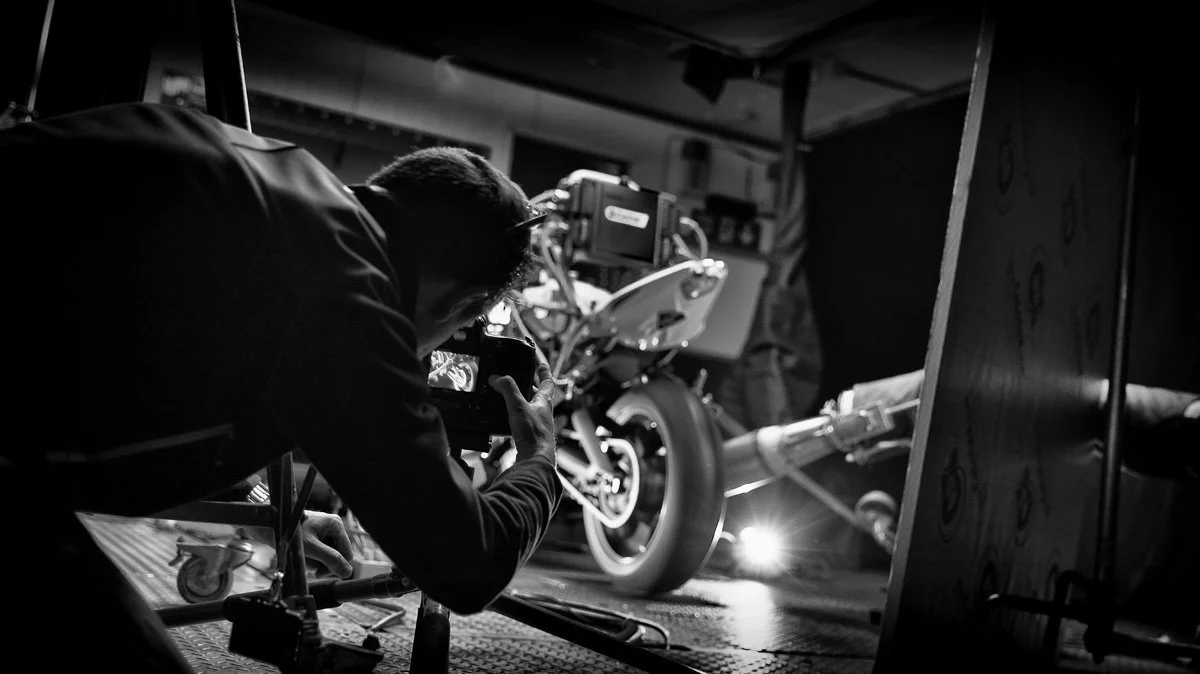
The photography took place inside a purpose-built testing area at the Castrol Experimentation Test Centre, an environment designed around testing rather than photography, which immediately presented a very different set of challenges. The space was cramped, hot and far from the sort of comfortable environment that you might normally associate with a commercial photographic studio. There was limited room to work around the motorcycle and robot, while the heat generated by the motorcycle and the testing environment quickly made the conditions physically demanding. That is one of the things that can easily be lost when you look at the finished photographs. Commercial photography often makes a complicated environment look deceptively simple, with the final image presenting a clean and controlled view of the subject while hiding the amount of planning, movement and problem solving that went into making it.
In this case, there was very little spare room to work with, which meant that camera position, lens choice and lighting all had to be considered carefully. I needed to create images that showed the relationship between the Triumph Daytona and the STÄHLE robot without allowing the surrounding test equipment and confined environment to become distracting.
At the same time, the photographs needed to communicate that this was not simply a motorcycle sitting in a studio with a robot attached to it. The whole reason for the setup was testing, and I wanted the imagery to retain some of that sense of purpose.
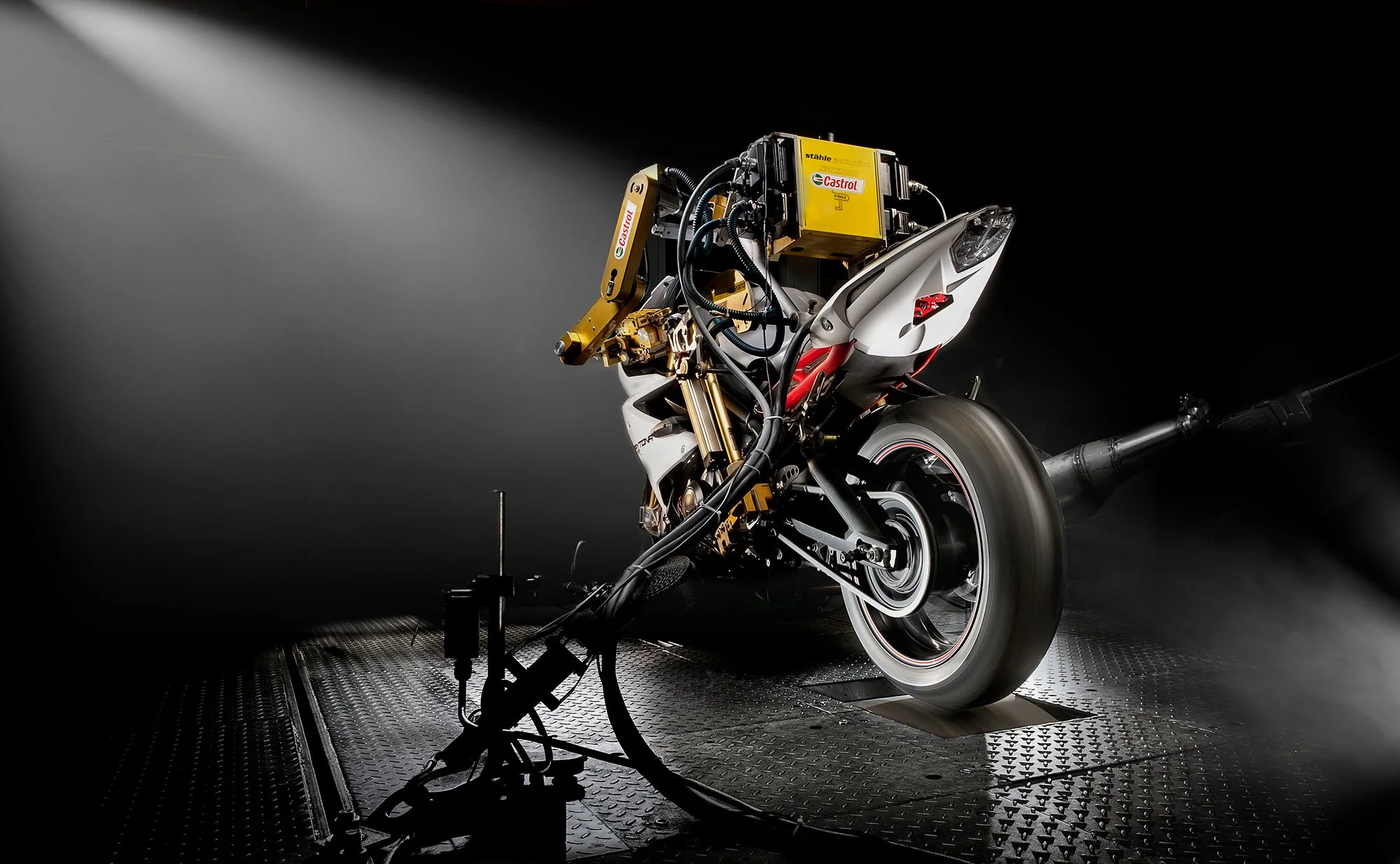
A motorcycle with a very different rider
The STÄHLE robot rider is an extraordinary piece of engineering because, despite looking almost industrial and mechanical, its purpose is to replicate the actions of a human rider with remarkable consistency.
The SMC2000 was developed specifically for motorcycle testing and can be fitted to motorcycles, scooters and other suitable vehicles. Earlier documentation of the system describes its ability to learn characteristics such as gear change patterns, clutch feel and throttle response, allowing it to operate the motorcycle in a way that is consistent with the particular machine being tested. It is also designed to tolerate the extreme conditions associated with motorcycle testing, including very high temperatures and the intense noise and vibration produced during testing. Seeing that technology attached to a Triumph Daytona was fascinating from a photographic perspective because it completely changed the way the motorcycle appeared.
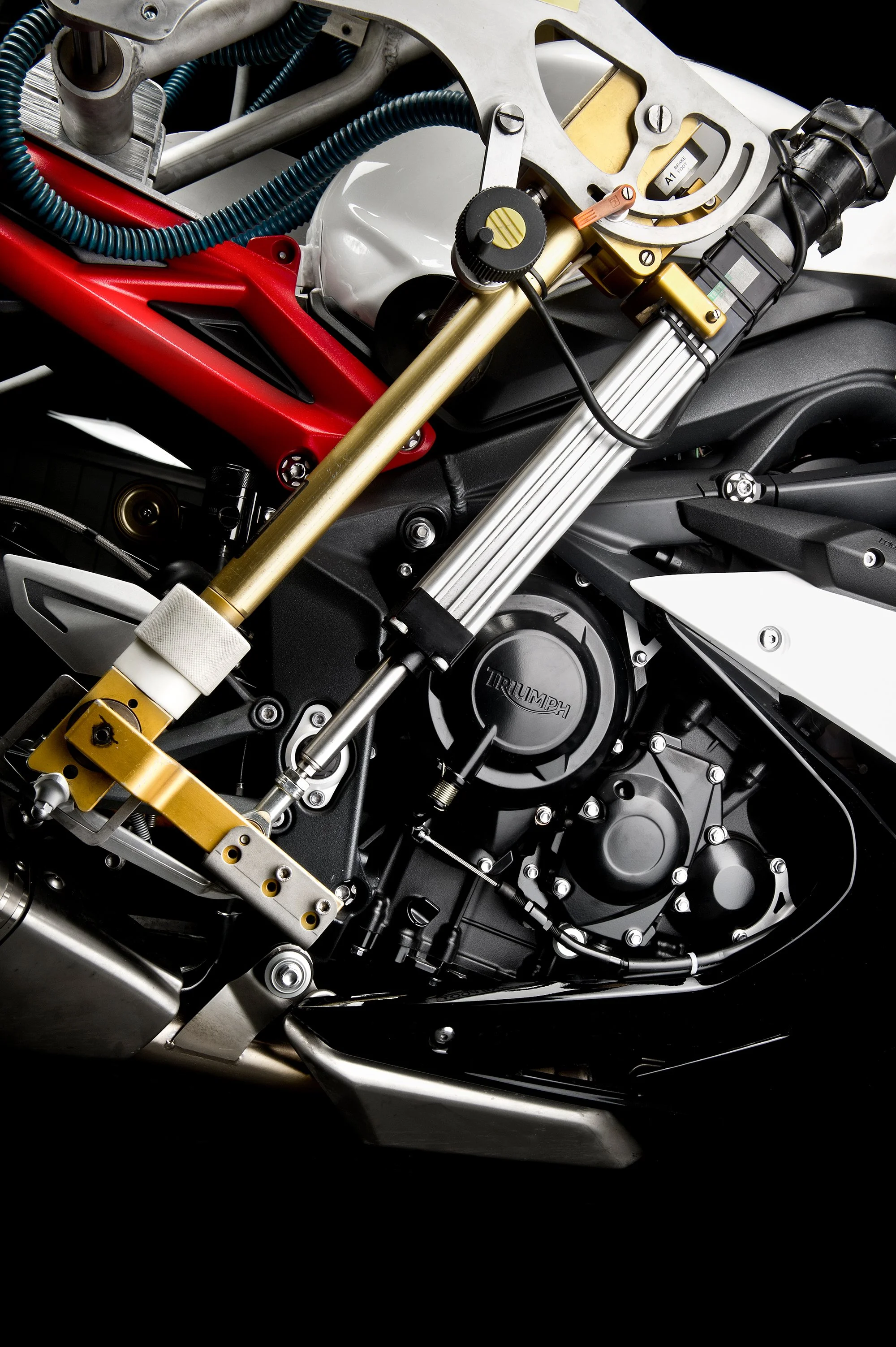
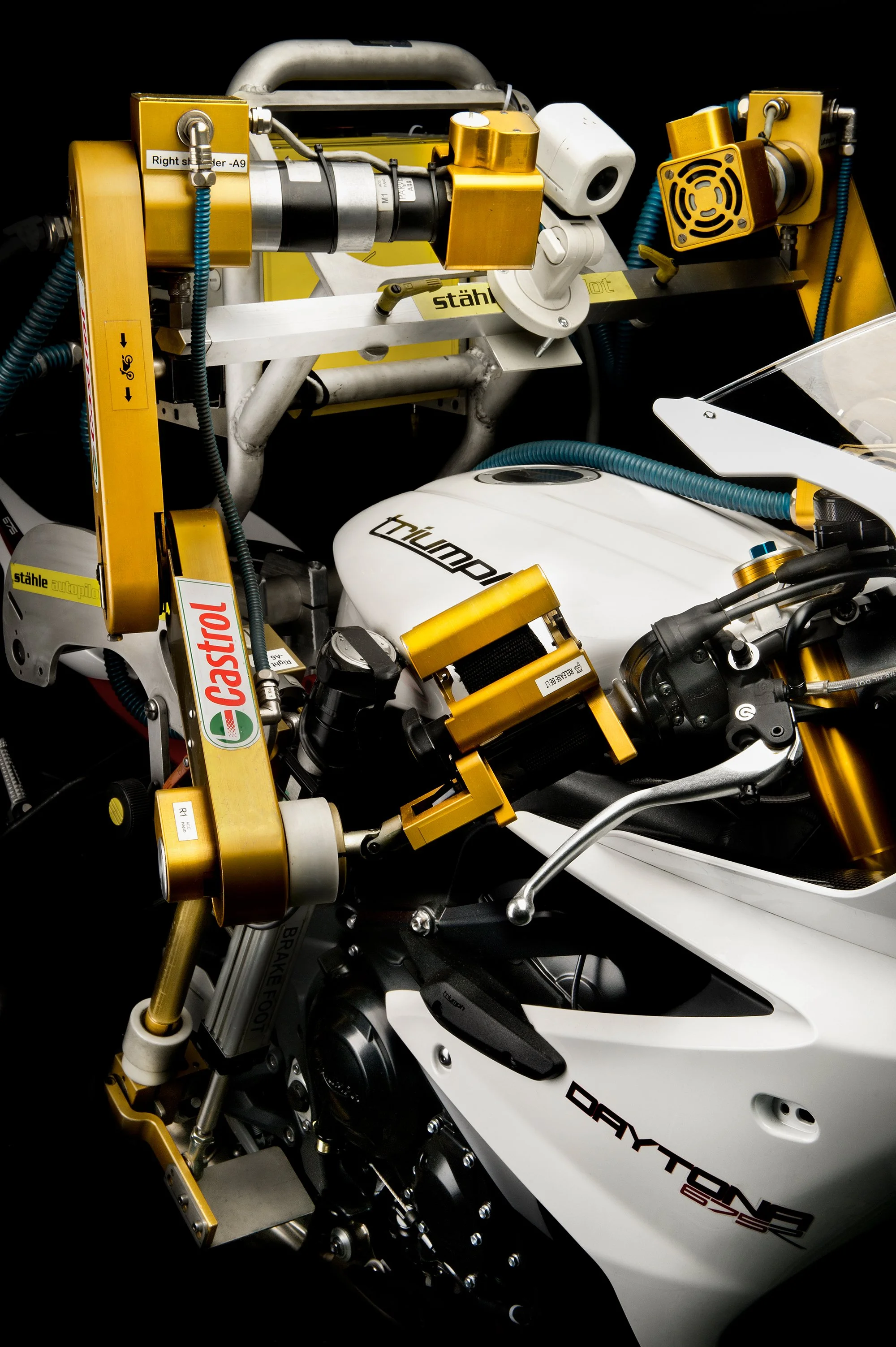
A Daytona is obviously designed around a human rider, so seeing the motorcycle being controlled by a complex mechanical rider creates an unusual visual contrast. The flowing, highly engineered form of the Triumph sits alongside the exposed mechanical structure of the robot, producing a combination of precision engineering from two very different worlds.
That contrast became central to the photography. Rather than simply documenting the robot and motorcycle, the aim was to make the images visually engaging while still retaining the authenticity of the testing environment. The photography needed to work commercially for Triumph Motorcycles in the US, but it also needed to reflect the technology and engineering behind what was happening inside the test facility.
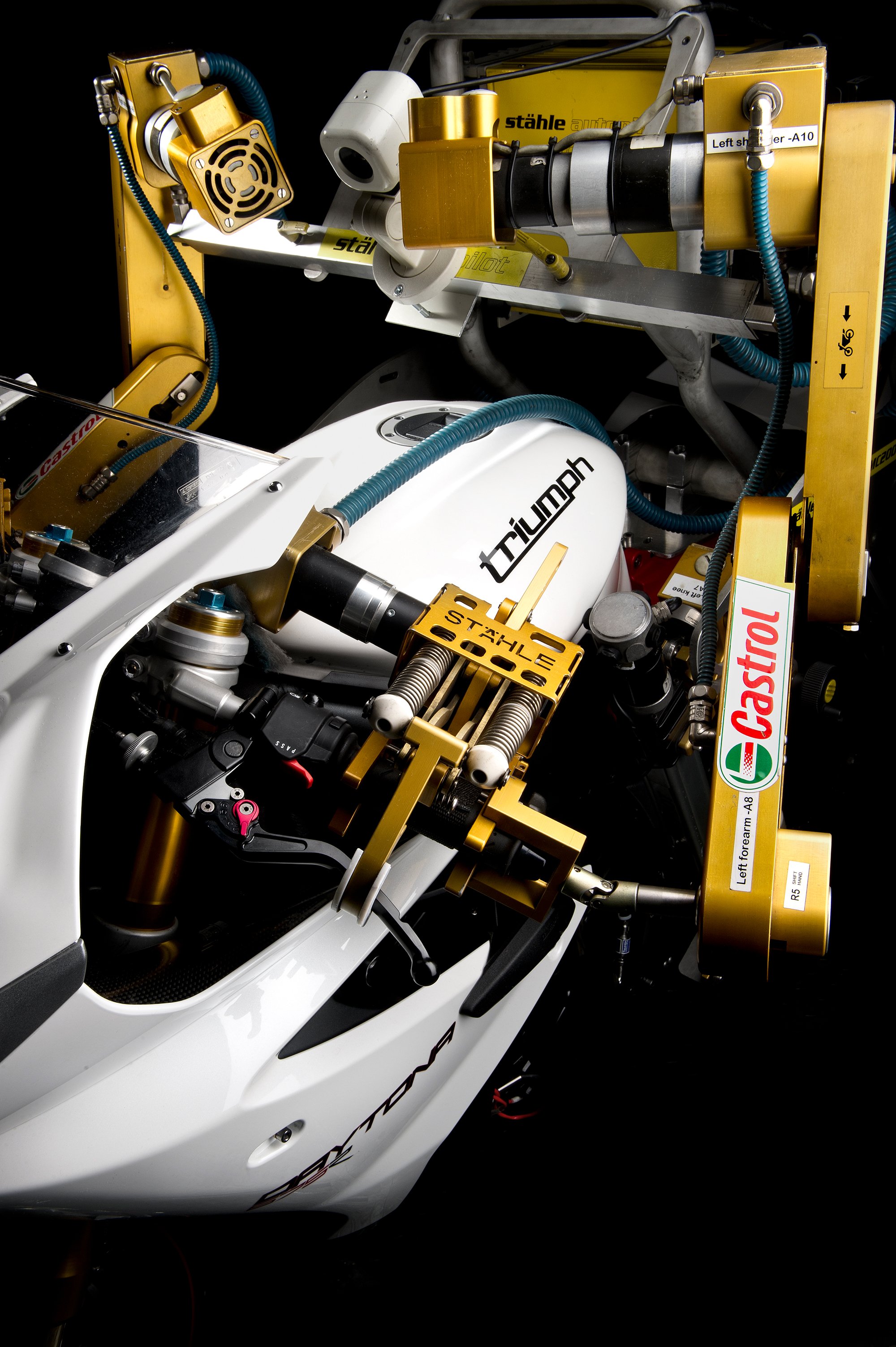
The rider that never stops
One of the interesting aspects of working around test equipment is that you are not necessarily photographing a static subject.
The motorcycle was there to be tested, and the robot was there to perform its function, which meant that the environment was active and purposeful. From a photographic perspective, that meant thinking about timing as well as composition, because the strongest images would come from showing the motorcycle, robot and environment working together rather than simply photographing the equipment in isolation. Lighting also became particularly important.
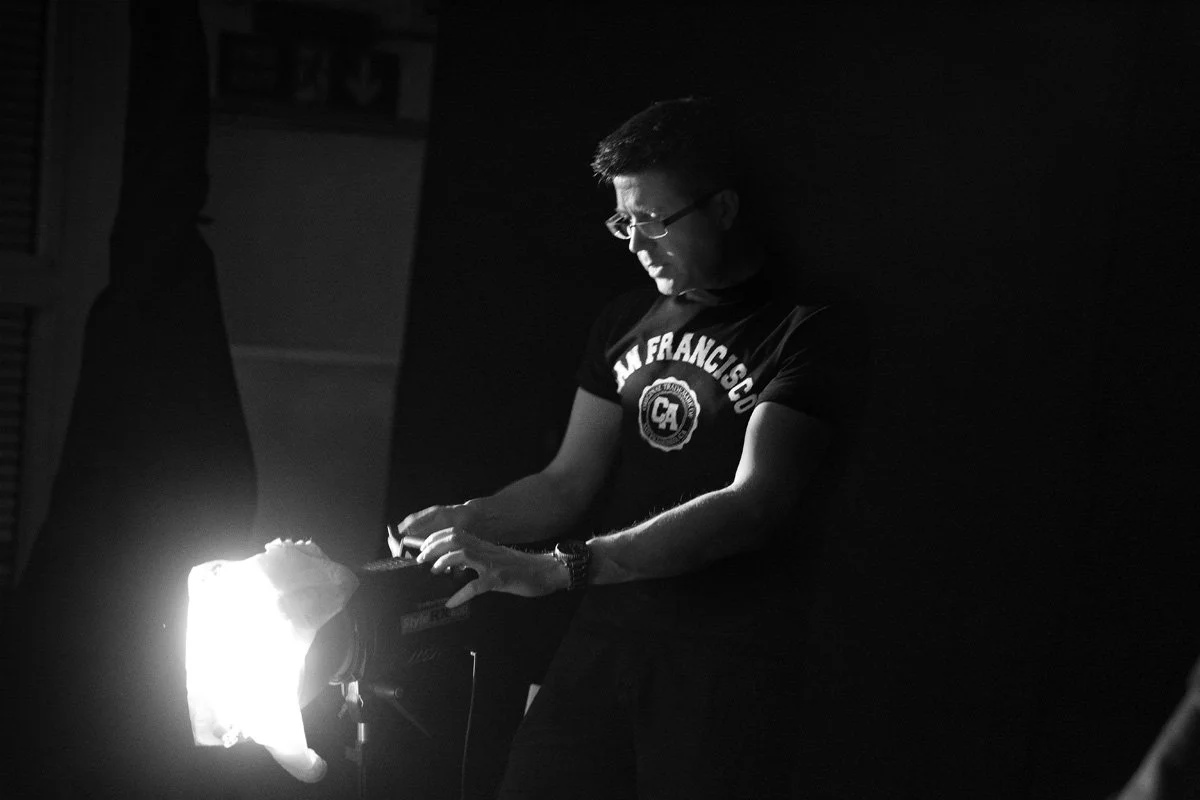
Inside a controlled test environment, there is no guarantee that the existing light will create the kind of image required for a commercial campaign, so I had to work with the available space while introducing my own lighting in a way that enhanced the motorcycle and robot without interfering with the testing environment.
That balance is always important in commercial photography, but it becomes even more critical when the subject is part of an active technical operation. The lighting has to serve the photograph without becoming a problem for the people operating the test equipment.
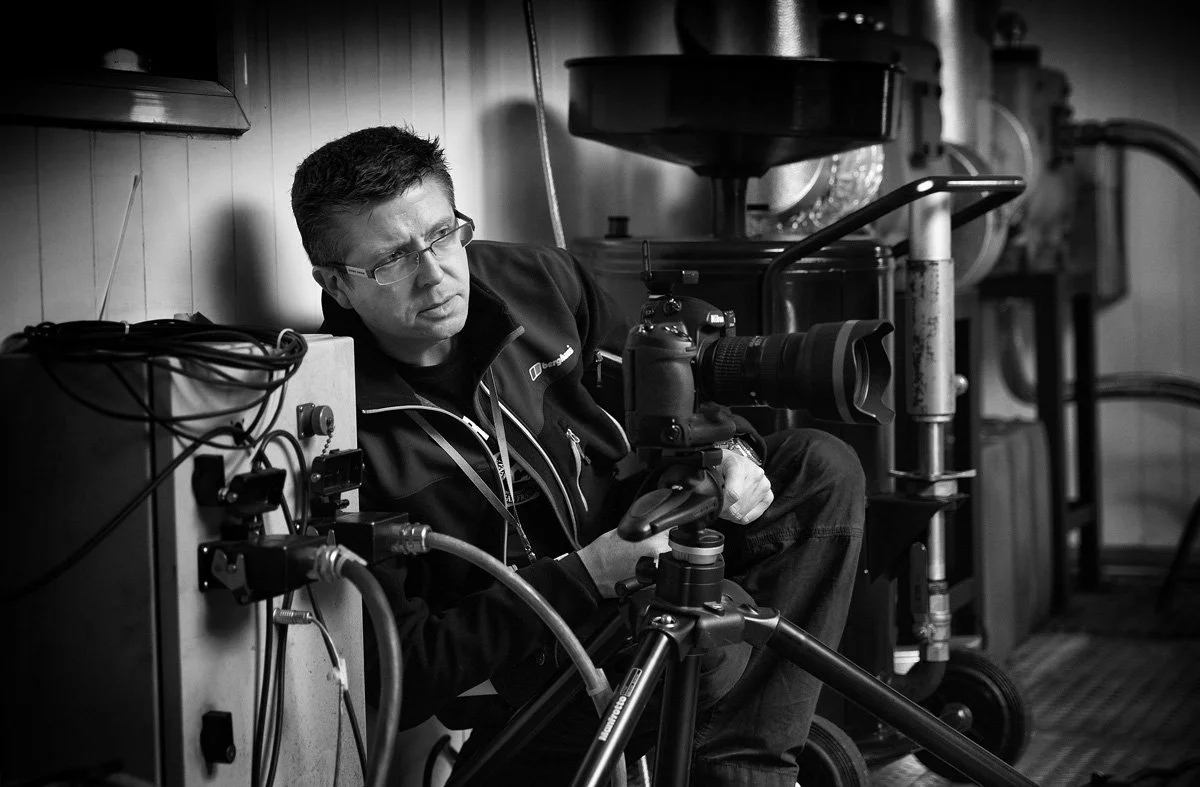
Working in such a confined and hot environment also makes you very aware of every piece of equipment you bring with you. There simply isn't the luxury of spreading everything across a large studio floor and changing the setup casually. Every movement has to have a reason, and every camera position has to be considered carefully.
It is exactly these kinds of shoots that remind me why commercial photography is about much more than simply operating a camera.
Where engineering becomes the story
What I particularly enjoyed about this commission was that the photography was not really about photographing a motorcycle in the traditional sense.
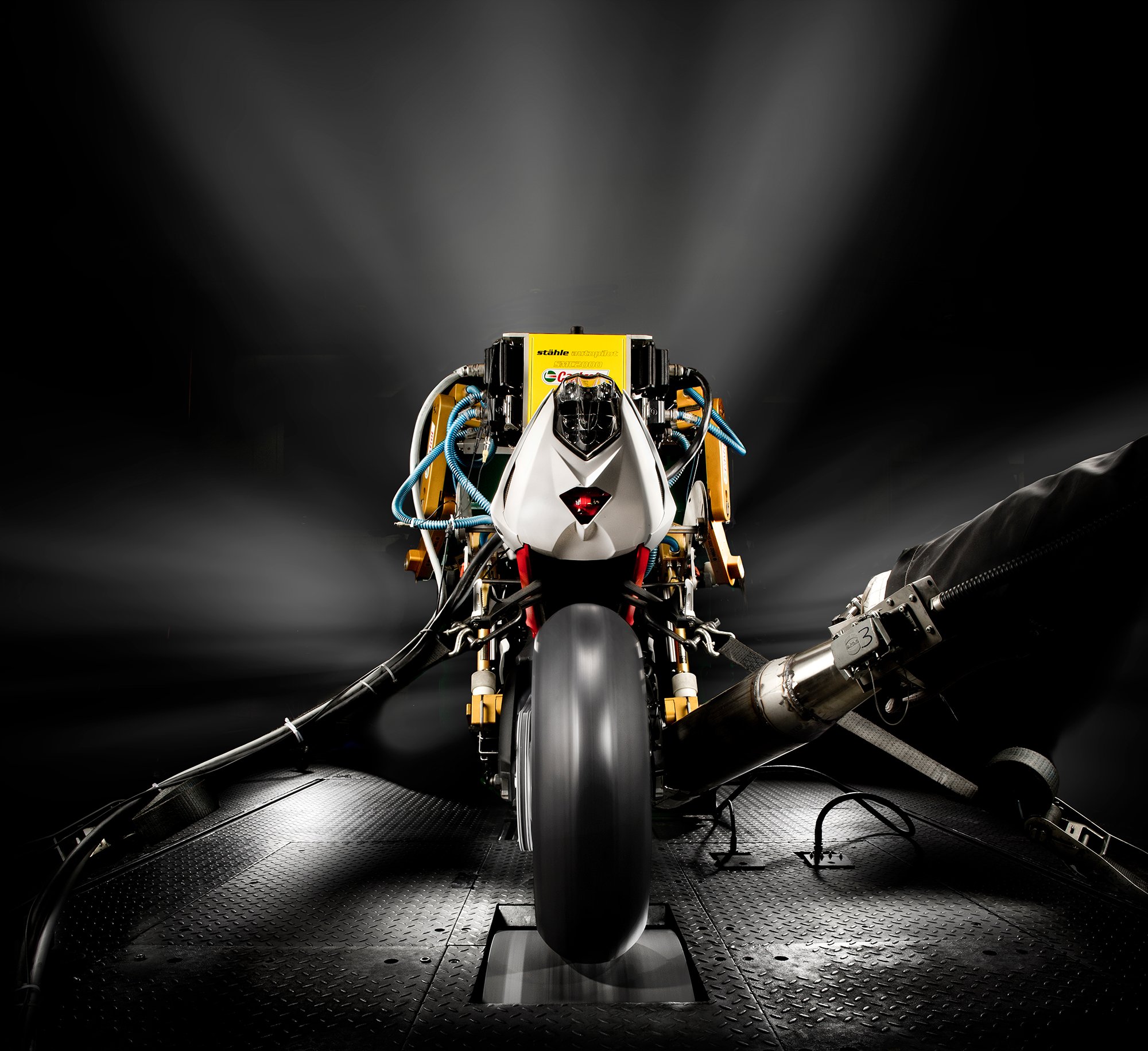
The Triumph Daytona was obviously the hero subject, but the story was much broader. It was about the technology behind motorcycle testing, the precision required to develop and validate performance, and the extraordinary engineering involved in creating a robotic rider capable of repeatedly controlling a full-size motorcycle.
The STÄHLE system exists because consistency matters. A human rider will naturally introduce small variations into every run, whereas a robot can repeat the same actions again and again, providing engineers with comparable test data and removing rider-dependent variation from the process. That is precisely what makes the technology so valuable in a testing environment. For me as a photographer, that created a much more interesting challenge than simply making the motorcycle look good.
The photographs needed to communicate the relationship between the machine being tested and the technology testing it, while also showing enough of the environment.
It is often those less obvious assignments that become the most memorable because they take you into environments that most people will never see.
Behind the scenes
Photographing the STÄHLE robot rider and Triumph Daytona at the Castrol Experimentation Test Centre was a particularly unusual commission, but it was also a great example of why I enjoy commercial photography. The most rewarding assignments are not always the ones where the subject is immediately obvious; sometimes they are the ones that take you somewhere unfamiliar, put you in an environment you have never photographed before and challenge you to find a way of turning highly technical engineering into compelling visual imagery. In this case, the combination of Triumph engineering, STÄHLE robotics and the controlled intensity of the Castrol test environment provided exactly that opportunity.