The Art of Seeing | Photography Advice by Tim Wallace
Photography is not all about equipment
There is something completely fascinating about photography. It is all around us daily, and it is a medium that we all use almost every day to document our lives, special moments, social media posts and thing that we love. It is a creative pursuit that can be approached in an almost infinite number of ways, yet at its very heart it remains remarkably simple. You see something, you feel something, and you make a decision about how you want to capture it. Everything else, from the camera you use to the software you edit with, is really just part of the process, you create the image through the decisions that you make in that moment.
I have spent a considerable part of my life with a camera in my hands, from my early teenage years experimenting with inexpensive film cameras to where I am today, working as a professional commercial photographer through my business. During that time, photography has changed enormously; cameras have become incredibly sophisticated, lenses have improved, digital technology has transformed the way we work, and the possibilities available to photographers are quite extraordinary.
Yet, despite all of those developments, I still believe that the things that make a photograph genuinely interesting have remained exactly the same.
It comes down to how you see something, where you stand, how you use the light and, perhaps most importantly, what you want the person looking at your photograph to feel.
I have a saying that I often tell people when they ask for advice on how to take better pictures:
"Don't shoot what it looks like, shoot what it makes you feel like."
For me, that is probably one of the most important things anyone can understand about making photographs. A camera can record what is in front of it with remarkable accuracy, but creating an image that makes somebody stop, look again and perhaps feel something is an entirely different proposition. I hope the following article is useful to those who are interested in photography and perhaps are looking for a direction to move forward with that is not a minefield of technical jargon. Photography is a wonderful form of media, and the joy of it comes from simply shooting what you want to and mainly learning from there. I have written several guides on this, and you can follow up with these to read further: ‘Visual Awareness’, also an article published by The British Institute of Professional Photography, ‘Seeing before Shooting ’, and finally a guide to help those interested in ‘Car Photography’
Learning to See Differently
What I find interesting about photography is that people often approach it from the wrong direction. They begin by thinking about equipment, settings, lenses and all the technical information that surrounds modern cameras. Whilst these things are undoubtedly useful, they are not necessarily where I would suggest somebody starts.
I think a far better starting point is simply to become more observant.
Spend some time looking at the world around you without necessarily thinking about taking a photograph. Look at the way light falls across a building, how shadows change the appearance of an ordinary object or how an interesting composition can appear in the most unlikely of places.
Photography is often about noticing things that other people might walk straight past. I can be walking through a city and find myself looking at something as ordinary as a road sign, a doorway or the way two buildings meet. Perhaps there is an interesting shadow, an unusual perspective or a combination of colours that catches my attention. Suddenly, something that would normally be completely unremarkable becomes an interesting photographic subject. The important thing is not necessarily what you are looking at, but what you recognise within it.
Try moving around your subject rather than immediately raising the camera to your eye and taking a picture. Move left, move right, get lower, look upwards and see what happens to the composition. Sometimes a very small change in position can completely transform an image. Of course, everyone is different and has different ideas of what looks good, but that’s the beauty of photography in many ways, there is no right or wrong, just what feels good to you. The mistake would be to just try and copy other photographers’ images exactly, there is no creativity in that and in many ways, if you do that, you are robbing yourself of being part of an enjoyable journey.
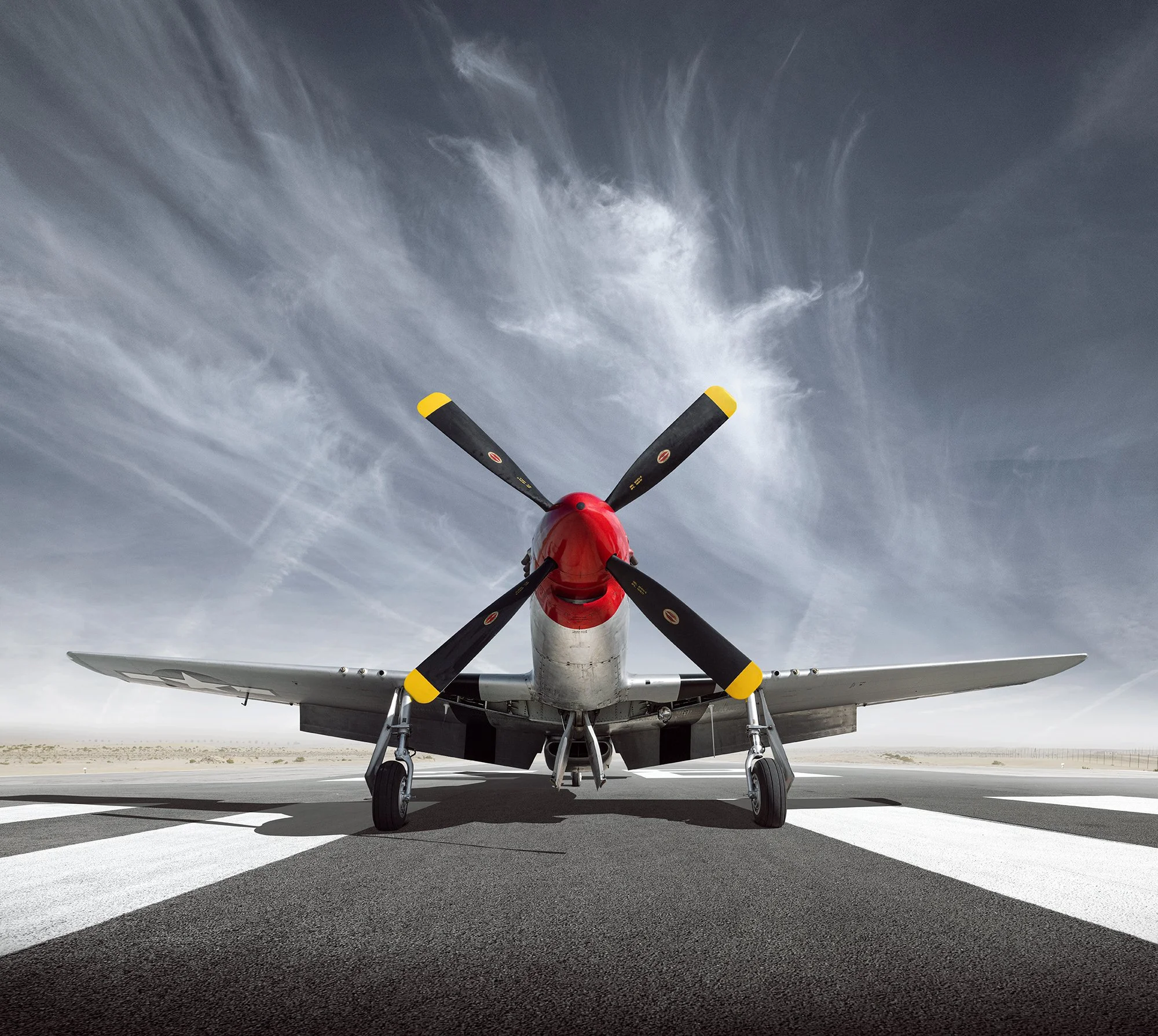
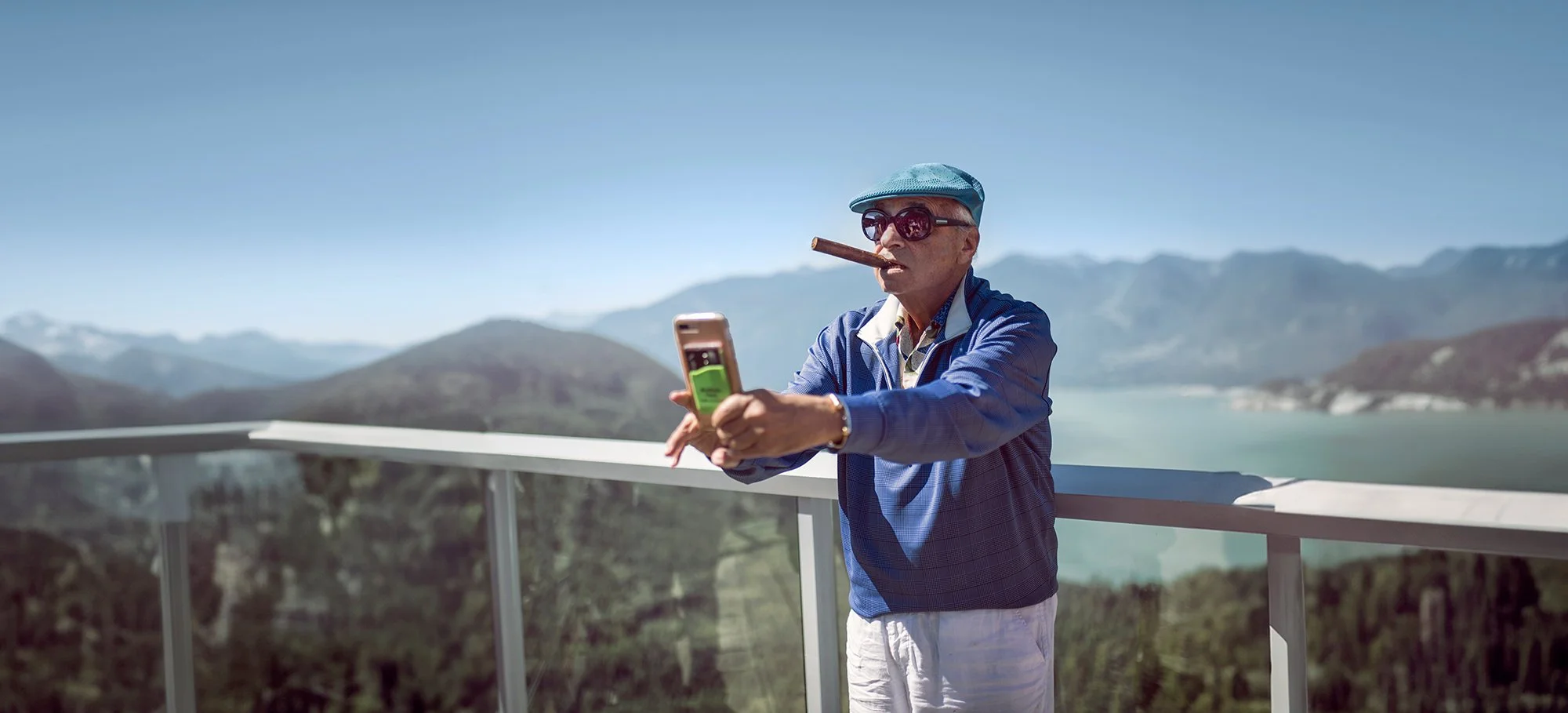
If you take the three examples below, these are all simple examples of a shift in viewpoint to make something start to come alive.
The P51 Mustang aircraft was shot from very low down directly in front of the propellers.
The plane has perfect symmetry and now has more presence, with the viewer’s attention being drawn to the deep red nose cone and the yellow-tipped propellers. These are all framed by a graphic dark grey runway with white marking stripes that lead your eye into the frame. The background is a beautiful wispy sky of desaturated blue and white streaming clouds.
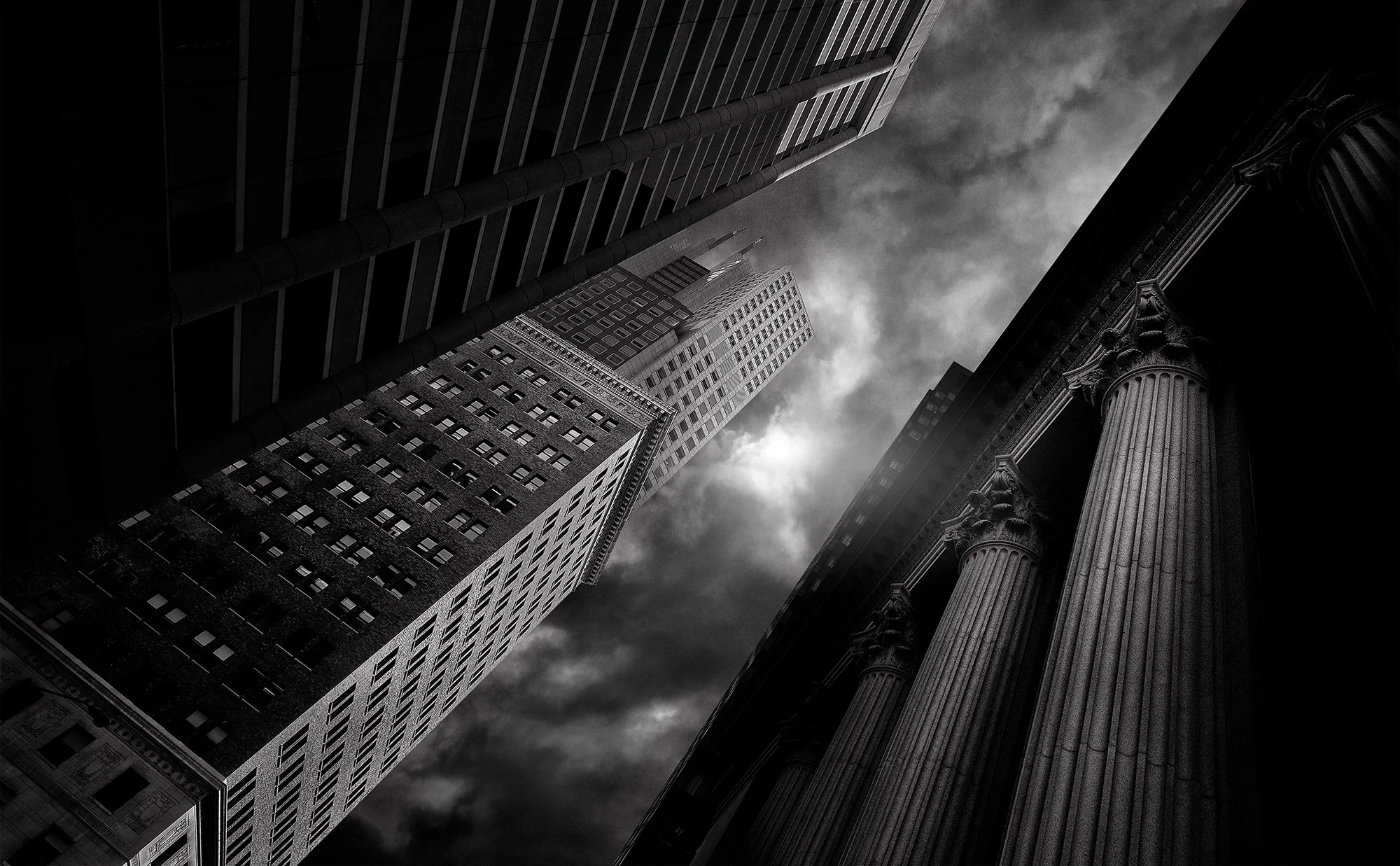
Downtown San Francisco was shot while walking through the city, there are many things to shoot as you walk around, but for me there was an interesting section of light that was falling across the pillars of an older building. BY shooting quite low and tilting the camera at an angle, I could capture that and frame it with the more modern high-rise buildings that you find in most cities these days. An interesting contrast, but also made so much better by the amazing light.
The old man with the cigar. This was shot in Canada when I was there on a road trip with my wife to celebrate my 50th birthday. We had taken a cable car to a high point where there are stunning views of the surrounding landscape, however, I spotted this gentleman who was taking selfies of himself with his big cigar at the top of the viewpoint. This for me suddenly became more interesting than the landscape itself. I shot the image on a very wide aperture so that he was the only pin-sharp element in the image, drawing your attention to his expression, everything else is blurred out gently so you understand the context of where he is, but keeping him the main point of interest.
It’s always good to pay attention to what is happening behind your subject, too. Backgrounds are incredibly important and can either strengthen an image or completely undermine it. Look for distractions, consider how the foreground might help frame the subject and think about where you want the viewer's eye to travel.
These are simple things, but they are fundamental to making stronger photographs.
The Person Behind the Camera
I have another thought about photography that I have always found particularly interesting.
"There are two people in every photograph, the person who took it and the person who is looking at it."
I think this says quite a lot about what makes photography such a personal medium.
When I photograph something, I make a whole series of decisions that are influenced by my own personality, experiences and preferences. I decide where to stand, what to include, what to leave out, how to frame the subject and how I want the light to work. Even when photographing something very straightforward, those decisions are personal to me.
Somebody else could stand in exactly the same place, photograph precisely the same subject and produce something entirely different. That is because we all see the world differently.
The second person in that photograph is the viewer. They bring their own personality, memories, tastes and life experiences to the image. They might immediately connect with something that I have photographed, whilst somebody else might look at exactly the same picture and feel absolutely nothing. Neither response is necessarily right or wrong.
A photograph is, in many ways, a meeting between the person who created it and the person who experiences it. I find that a rather wonderful thing.
This is also why I think it is important not to spend too much time worrying about whether everybody will like your photographs. Of course, when working commercially, there are briefs, brand guidelines and specific objectives that need to be achieved. But when it comes to developing your own photographic style, you have to allow yourself the freedom to make images that appeal to you. Your personality is part of your photography. Don't be afraid to let it show.
A Love Affair with Film Cameras
Anyone who knows me will probably know that I have a particular affection for older film cameras. I still enjoy using them for my own photography, and there is something about their simplicity that I find incredibly refreshing. I think part of the attraction is that they remove so much of the complexity that has gradually become associated with photography.
Pick up an older analogue film camera, and there is very little to distract you. You have a viewfinder, a focus mechanism, a shutter speed, an aperture and a roll of film. You look through the lens, decide what you want to photograph and make your picture. There are no endless menus, no complicated autofocus options, no colour balance choices, and no instant previews on a rear screen waiting to be checked. You simply have to concentrate on what is in front of you.
I love that!
It makes you think about the photograph and the subject rather than the camera. You become much more aware of the decisions you are making because there is no technology constantly offering to make those decisions for you. There is also something quite satisfying about the slower process of shooting film. You cannot fire off dozens of frames, check them immediately and make adjustments until everything looks right. You have to think about what you are doing, trust your judgement and commit to the photograph.
Of course, there are practical limitations. Film costs money, processing takes time, and mistakes can be expensive. But I think those limitations can actually be quite beneficial from a creative perspective. They all encourage you to slow down and think more about what you are doing.
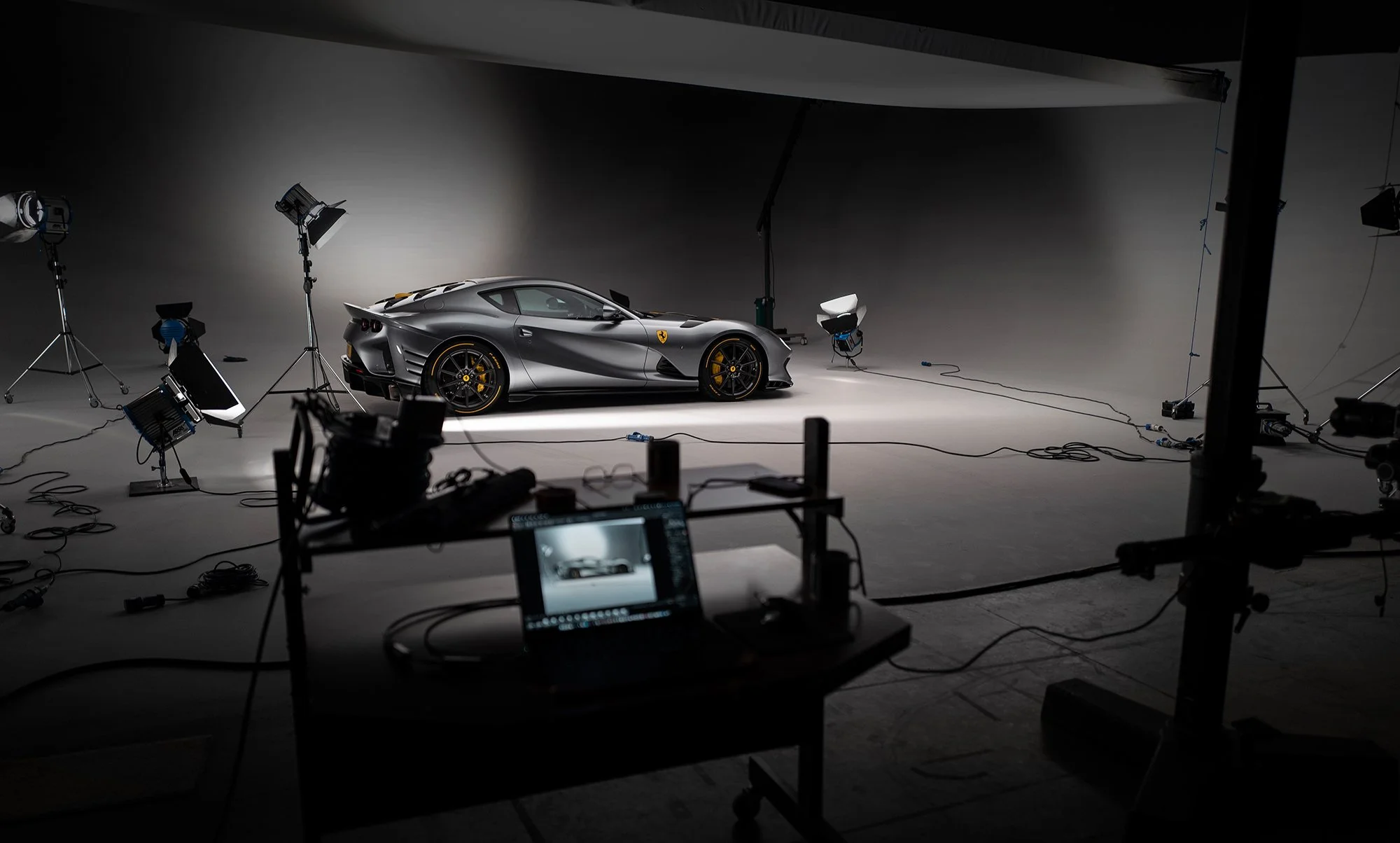
It is interesting to compare that experience with my professional studio work today. I might be photographing a vehicle or a product using a medium format Hasselblad camera tethered directly to a Mac computer. Every frame appears almost instantly on a large screen, allowing me to examine the detail, check the lighting, assess the composition and make incredibly precise adjustments. Of course, in todays world of commercial and professional photography, this is standard and I would not change that, they are all tools that I use effectively.
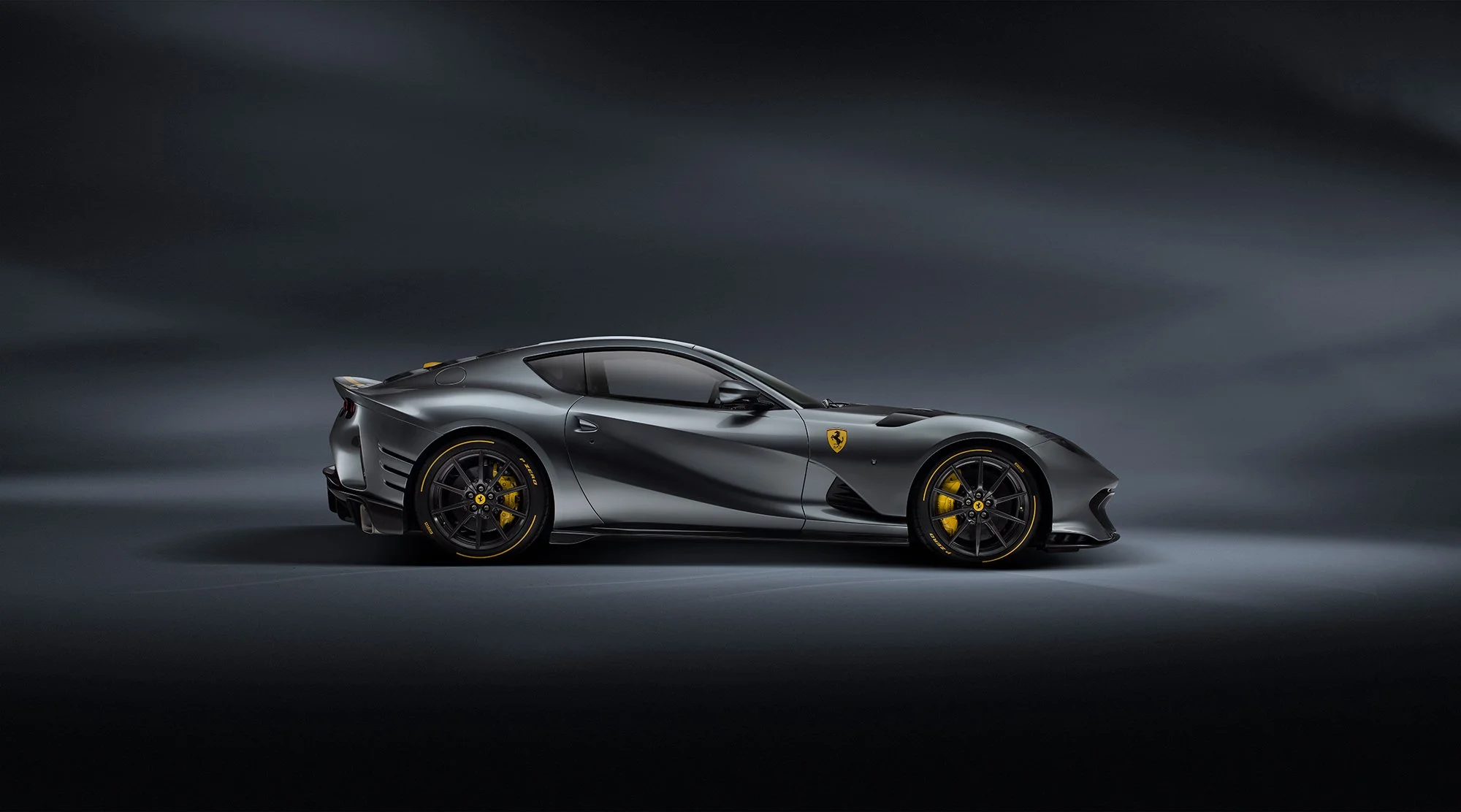
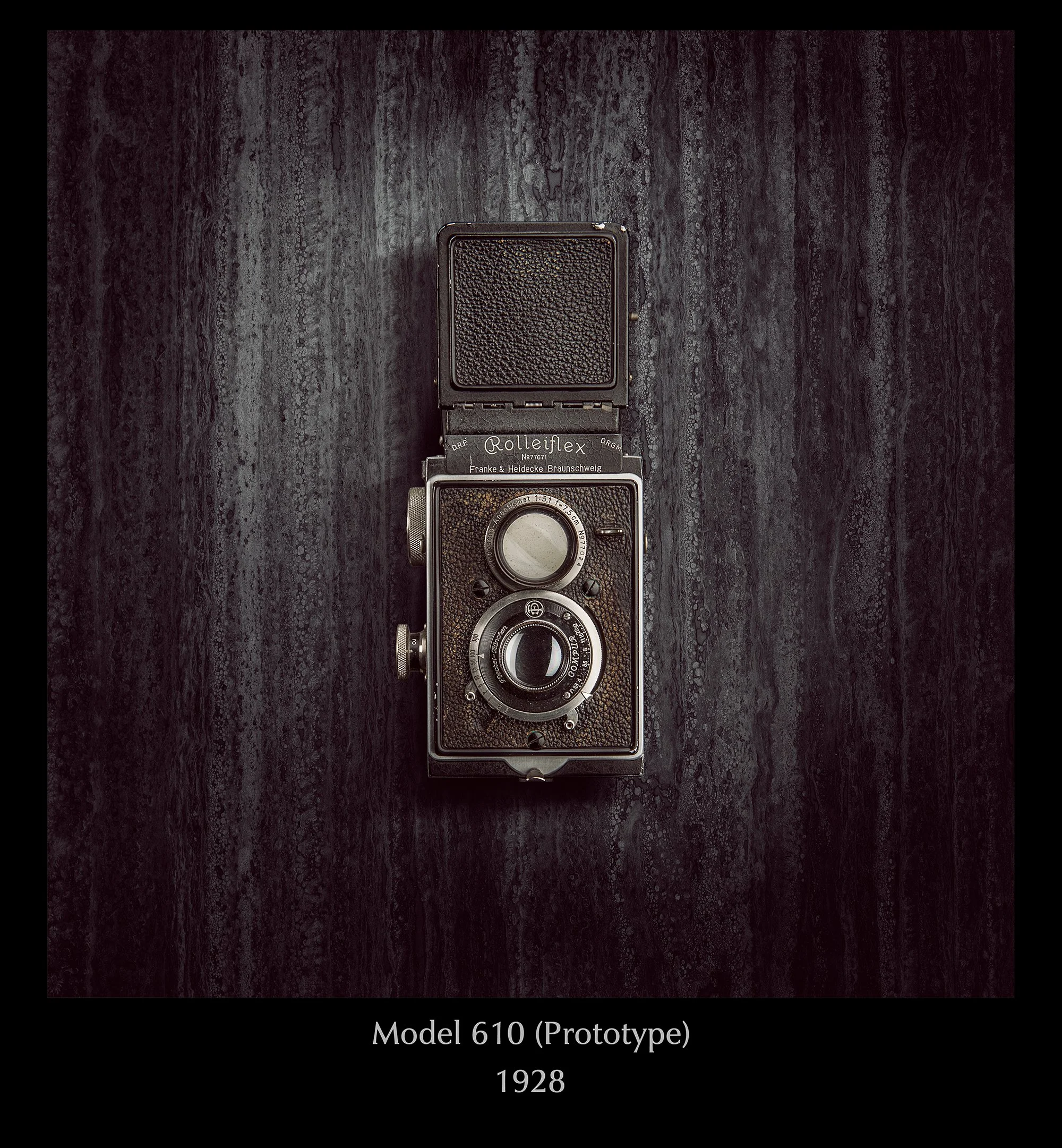
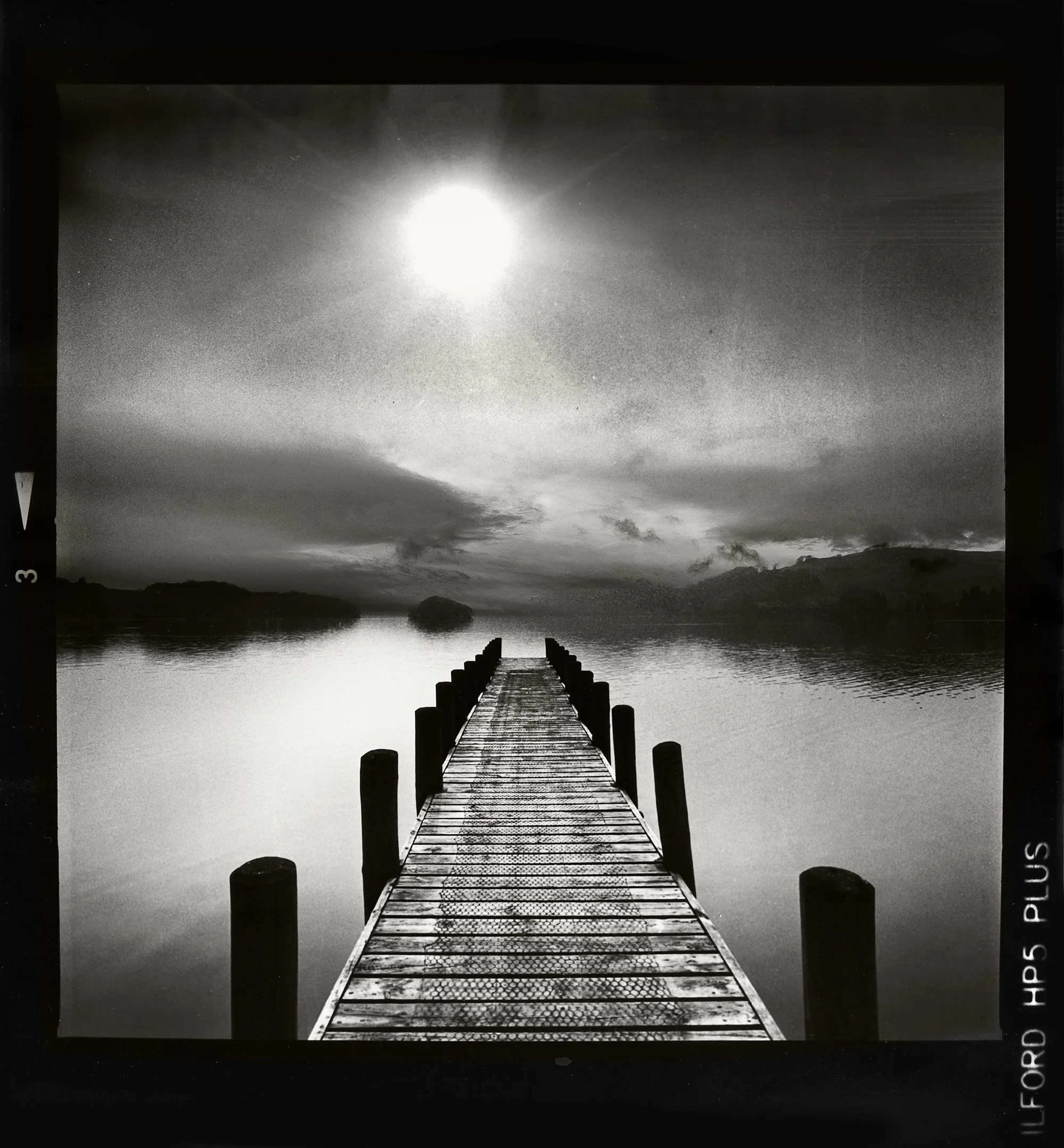
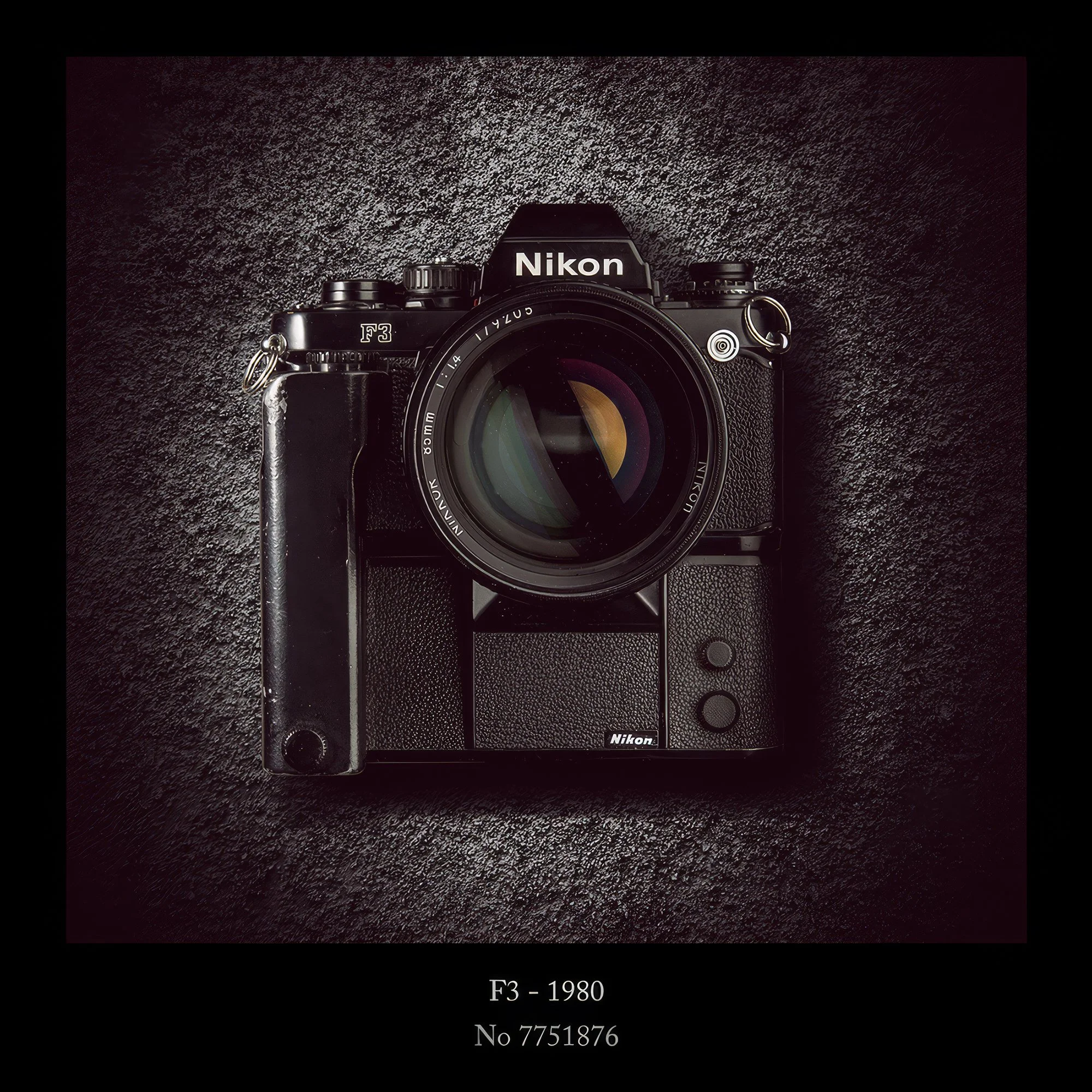
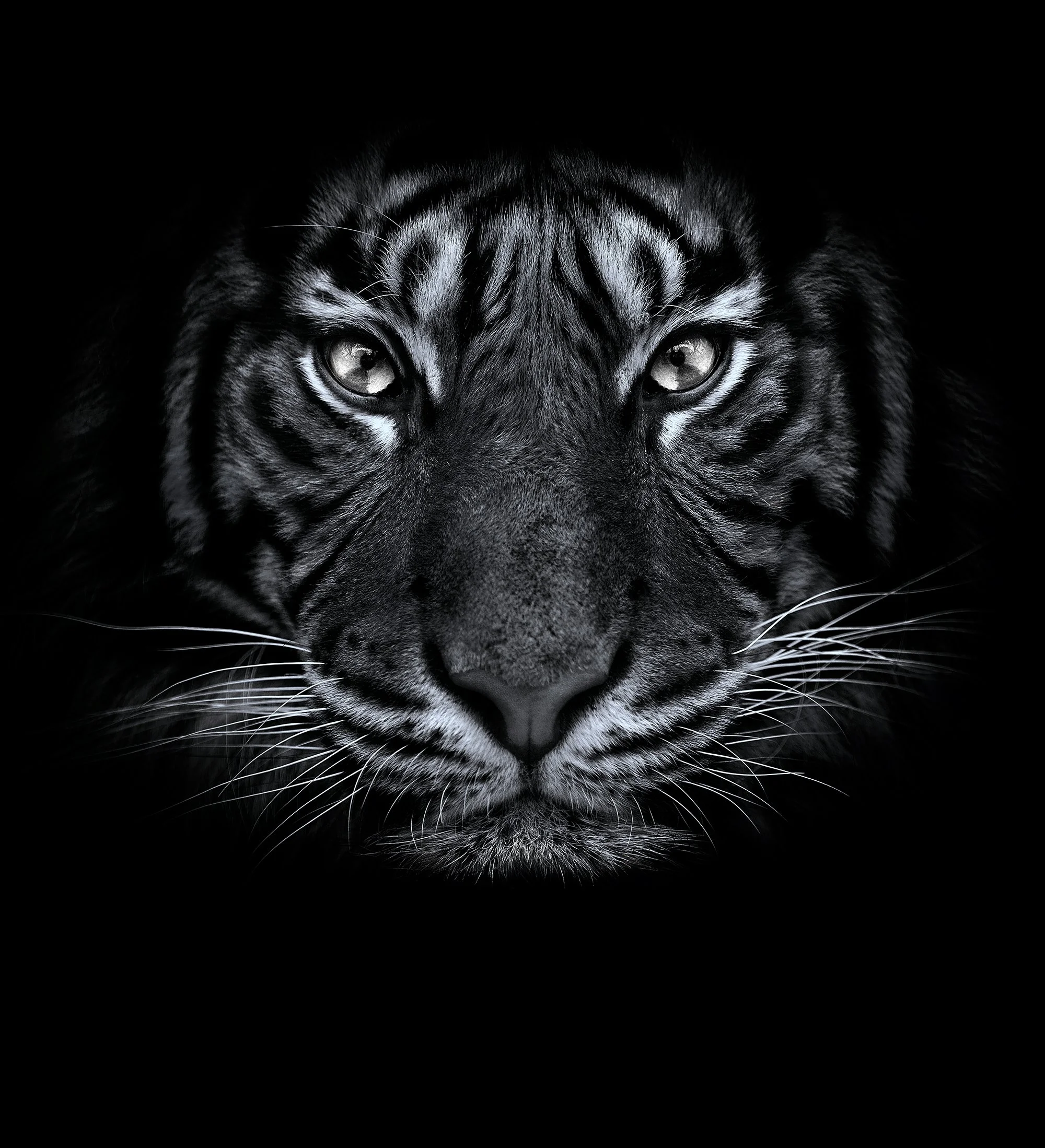
The technical quality available to us today is extraordinary. Modern digital medium format cameras produce files with exceptional resolution, colour information and detail. For commercial photography, this level of quality is often essential. My clients need images that can be used across websites, brochures, advertising campaigns and sometimes very large-format displays.
In that environment, technical precision is not simply desirable, it is part of the job.
But here is the interesting thing.
Despite the enormous difference between the equipment, the process of actually creating the photograph is fundamentally the same. Whether I am holding a relatively simple film camera or working with a sophisticated digital Hasselblad system in a fully equipped studio, I am still doing exactly the same things. I am looking for the right position, finding the right angle, considering the foreground and background, thinking about the composition and, most importantly, looking at the light.
That hasn't changed.
In many ways, using an older camera reminds me of what photography is really about. It strips away the layers of technology and brings you back to the very simple pleasure of looking through a lens and taking a photograph. I think every photographer, regardless of experience, can benefit from occasionally returning to that simplicity.
Light Is Everything
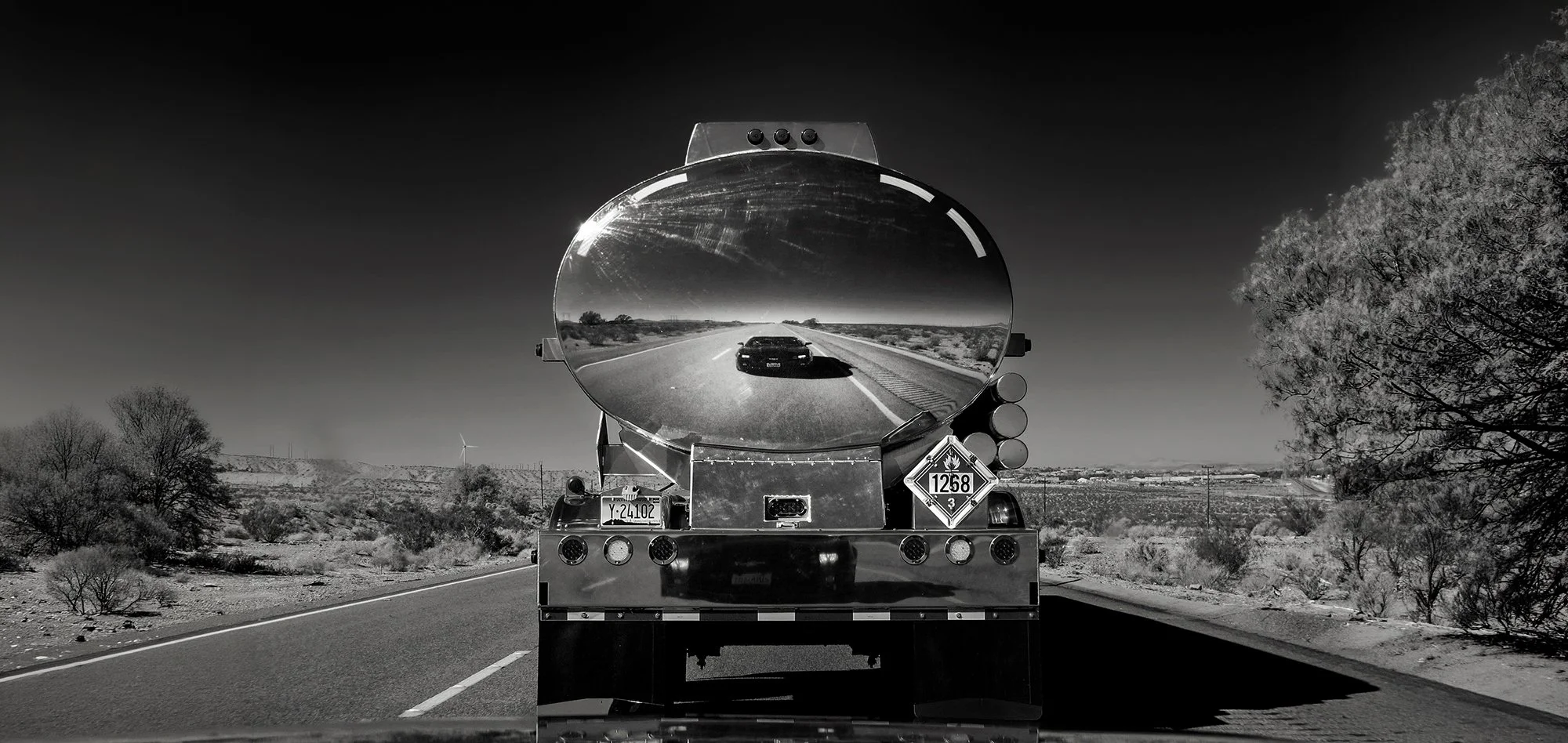
If there is one subject that I could talk about endlessly, it would probably be light. Photography literally means drawing with light, yet I think it is something that can sometimes become overlooked when people are concentrating so heavily on their equipment.
Light is what gives a photograph its character. It creates shape, depth, contrast, atmosphere and texture. It can make something look dramatic, delicate, powerful or completely ordinary. Learning to recognise light is one of the most valuable things you can do as a photographer. You don't necessarily need any expensive lighting kit to make a beautiful photograph.
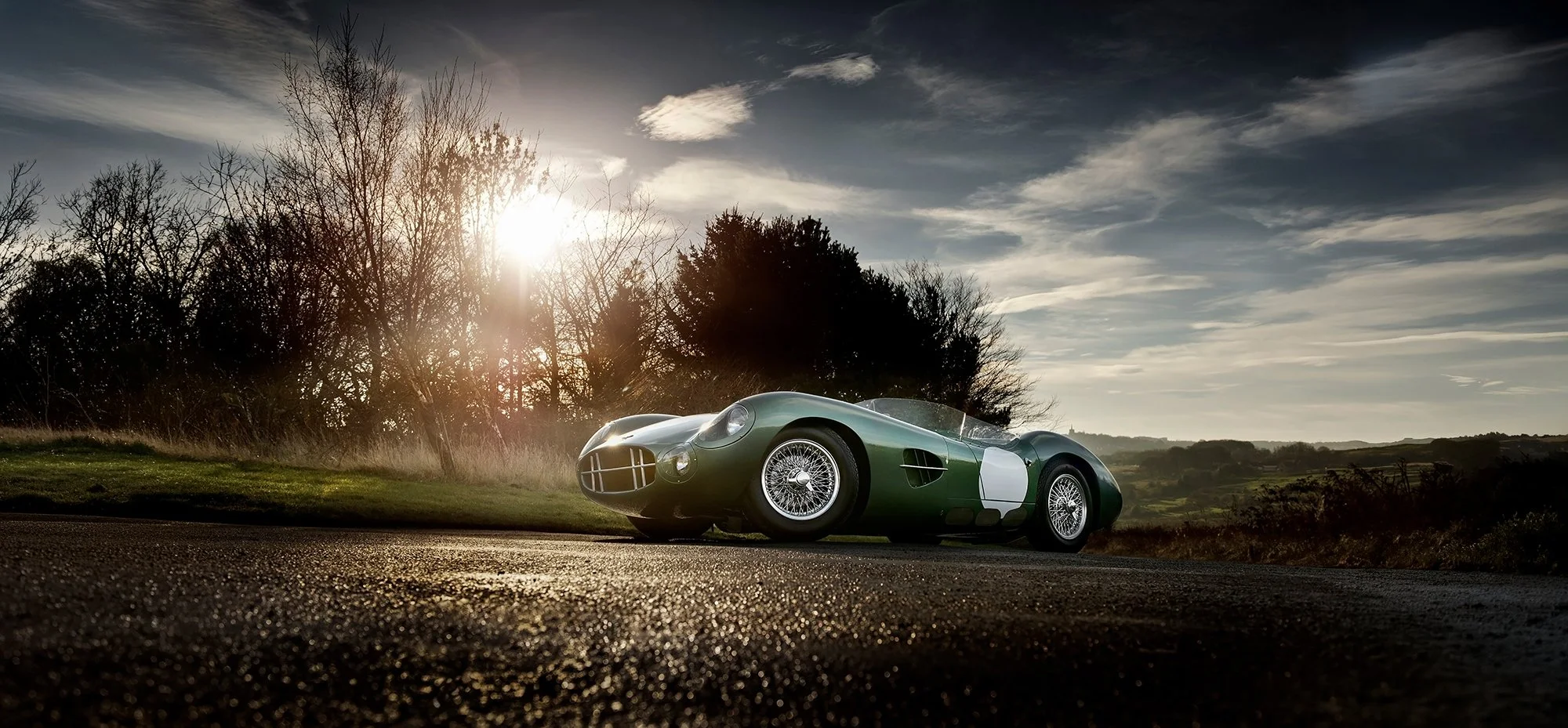
Natural light can be incredibly effective, and some of the images I have created over the years have relied entirely on the available light at the location.
The trick is understanding where that light is coming from, how it interacts with your subject and what happens when you change your own position in relation to it.
Sometimes simply moving your subject a few feet can make a remarkable difference.
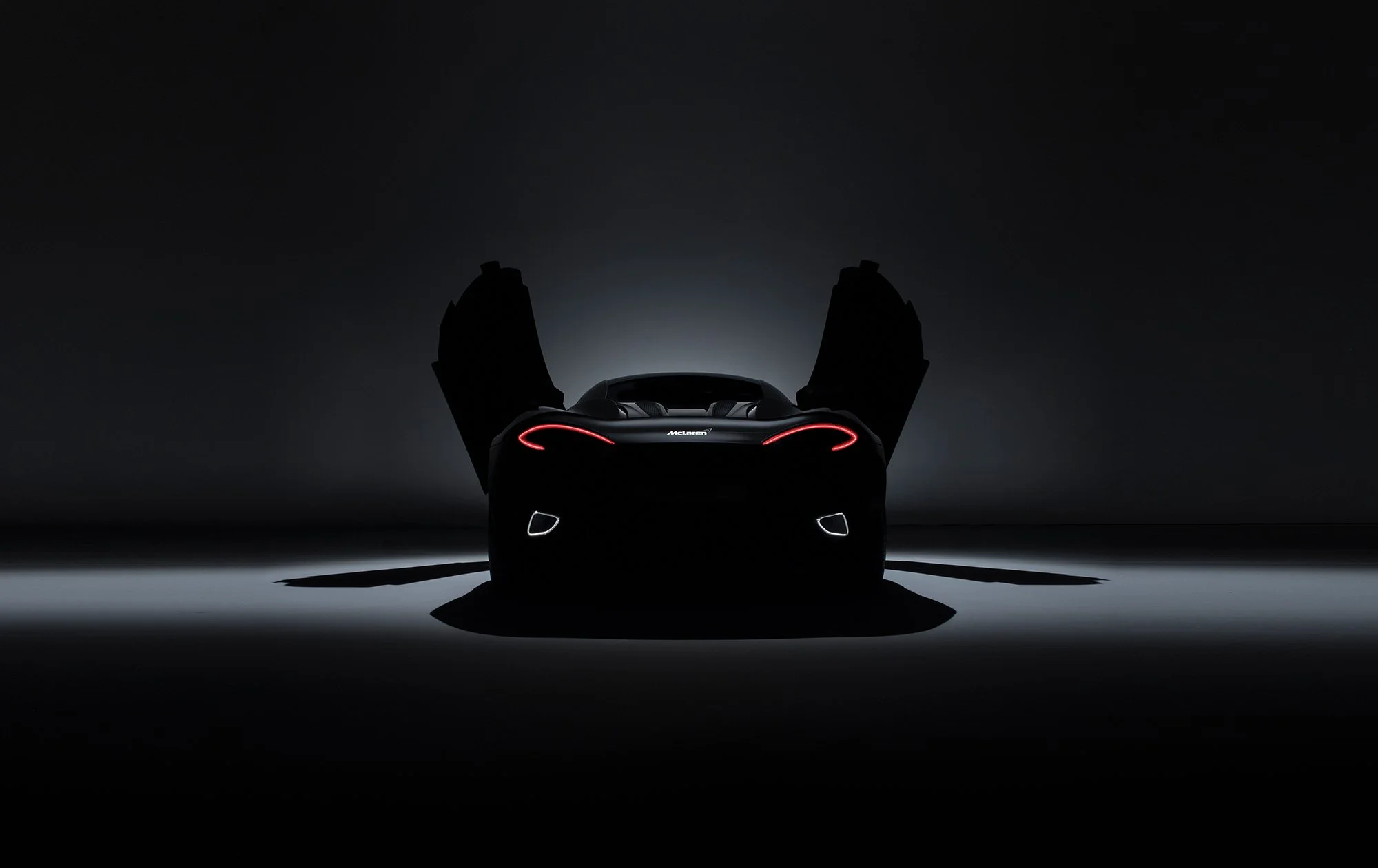
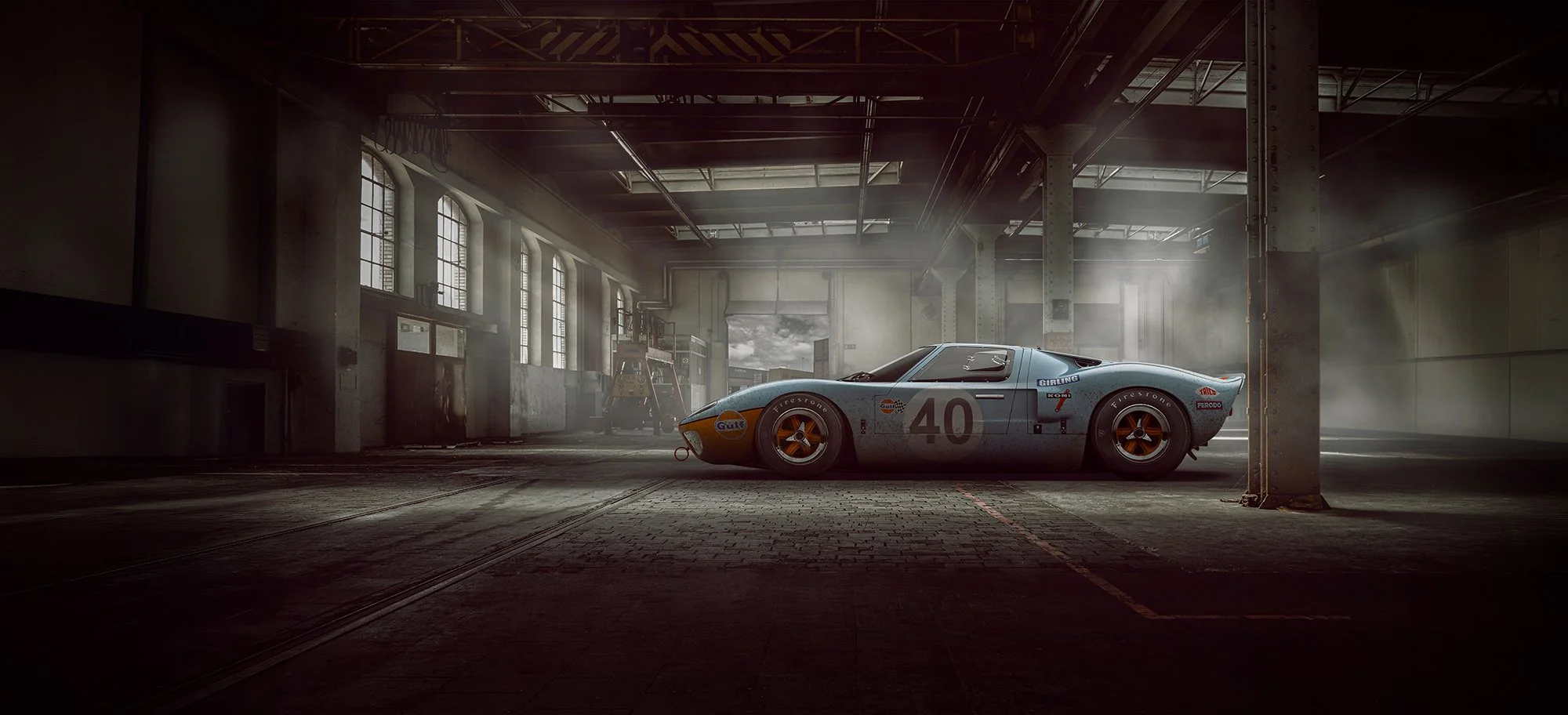
Of course, in my commercial work, I use artificial lighting extensively. Studio photography often requires a very controlled approach because I need to create a particular look that is consistent with the client's brand and the purpose of the imagery. When I am working in the studio, I generally build my lighting one source at a time. I consider what each light is doing, where it is positioned and how its intensity and distance affect the subject.
I am not simply trying to illuminate something. I am trying to create shape and definition, control reflections, establish depth and give the subject the visual presence I want it to have.
It is not unusual for me to spend an hour or more building a lighting arrangement before taking just a handful of photographs.
That might sound excessive to somebody unfamiliar with commercial photography, but the objective is to get as much right in camera as possible. A carefully considered image should need very little corrective work afterwards. In an age where we see Ai images everywhere, there is a driving movement towards ‘real authentic’ imagery, so sometimes it’s better to see something real than something that is just maybe a little too perfect.
The same principles apply when you are photographing something outdoors with nothing more than a camera and a lens. Look at the light, understand what it is doing and work with it rather than simply accepting whatever happens to be available. If you stand back and just take a moment to look at what is in front of you and think about it you can create something more eye-catching and dramatic through nothing more than good composition and an understanding of light and it properties.
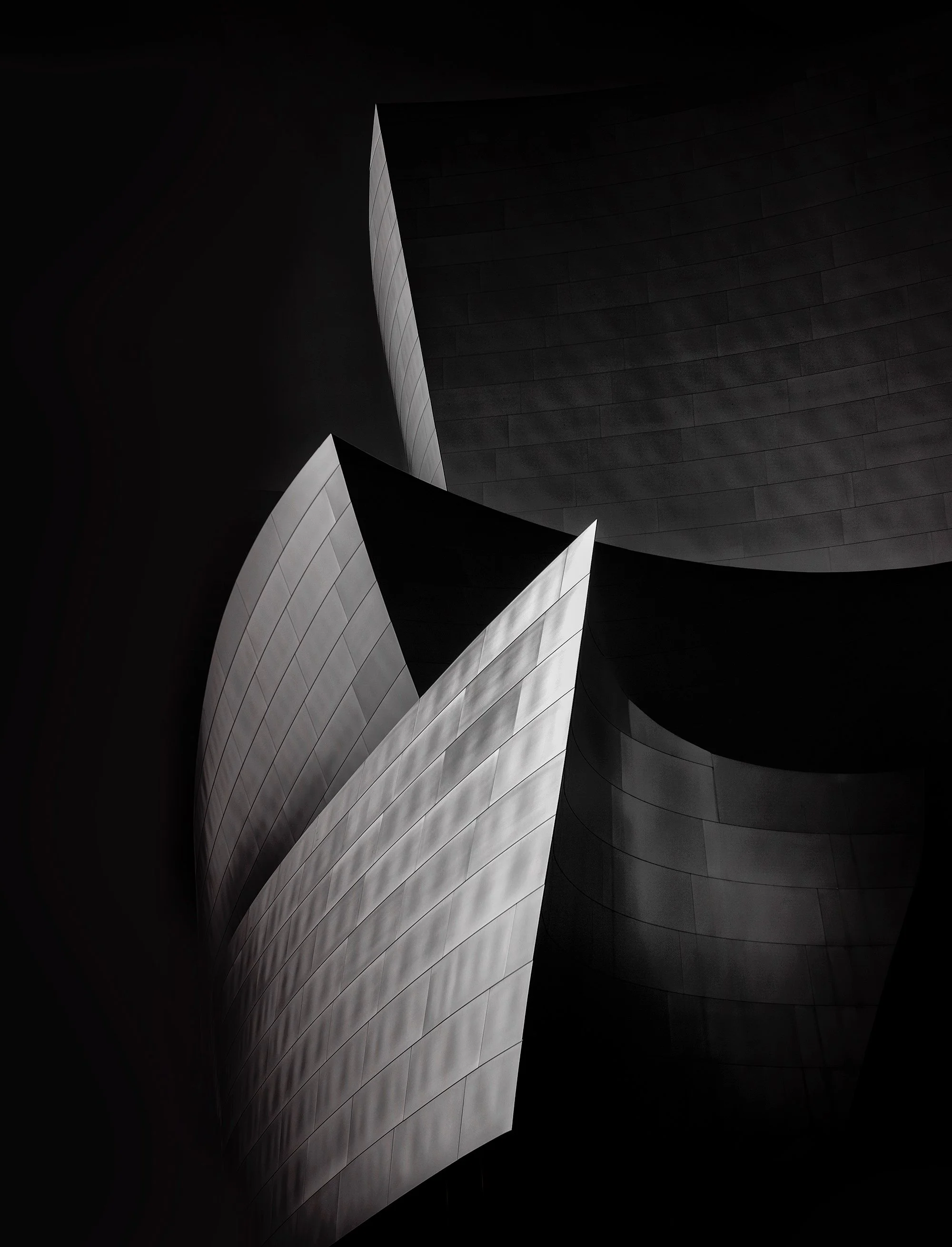
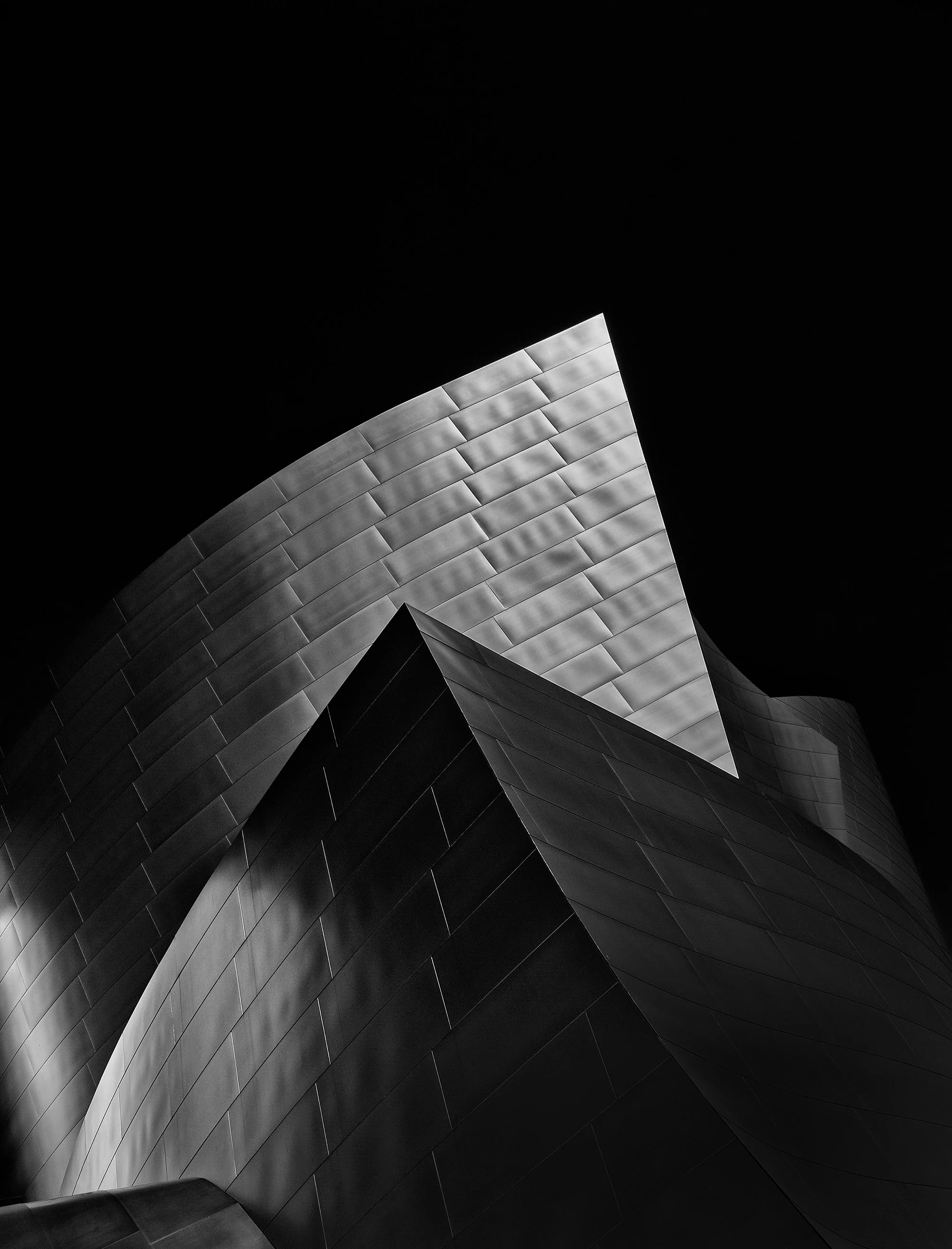
One example of this is the shots below of the Disney Opera House in Los Angeles. I took these a few years ago, it was a very bright sunny day, and the light was really beaming off the polished metal panels that make up the curved structure of the building. The exposure on the street was around 250th sec at F5.6, but I realised that if I framed a section of the metal panels off and positioned myself so that some points within the frame caught the sun’s reflection, I could shoot something that was quite striking and really gave you a feel for the architecture.
This was only possible because I then increased my shutter speed to 4000th sec and shot these at f18, thus really dropping the light so that only the reflected elements would be exposed correctly and everything else would fall away into near darkness. A simple but very effective example of shooting a dramatic image through nothing more than seeing the scene properly.
Don't Become Distracted by Technology
I think one of the biggest challenges for photographers today is the sheer amount of information and technology available to them, it’s not unusual for many to feel that there is just so much to learn, and they believe that most of that ‘learning’ relates to stuff that has really little to do with actually improving how you make those decisions when you take a shot.
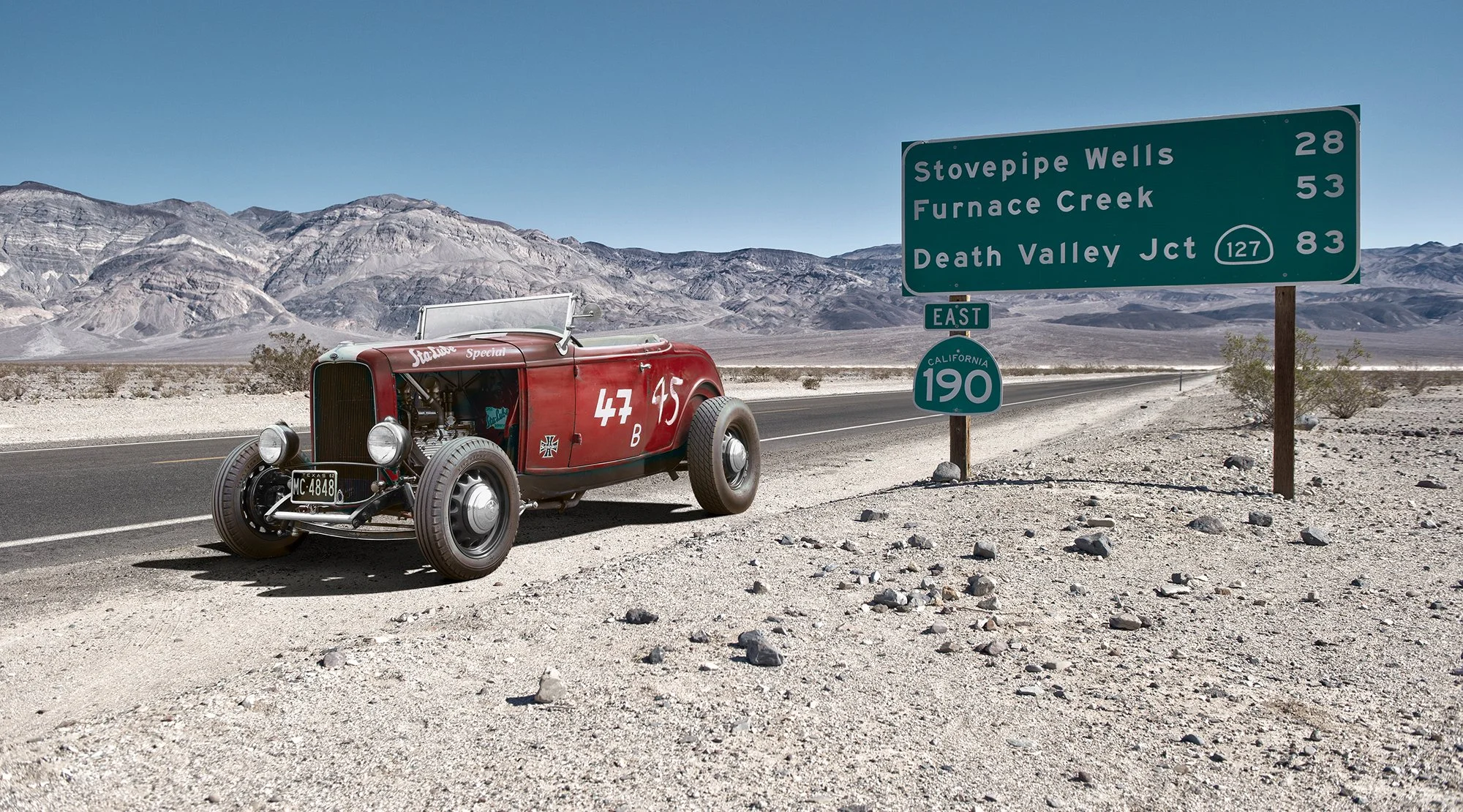
There are new cameras, lenses, software packages, plugins and accessories appearing all the time. Online discussions can quickly become conversations about which camera is better, which lens is sharper or which settings somebody used to create a particular photograph. Indeed, I have read many posts from people who tell others that they ‘need’ a certain type or make of camera to stand a chance at shooting good photography. Strangely the most famous photographs we know today of course where all shot on camera’s and lenses that have become outdated within months of them being shot, however these images endure and are no less special.
There is nothing wrong with being interested in equipment. I certainly am, and I opt for solid, reliable photographic equipment as much as anybody else. But I do think we can sometimes become distracted by it. A new camera might offer better autofocus, higher resolution or an impressive collection of features, but none of those things will automatically make you a more creative photographer.
I have never been somebody who feels the need to replace equipment simply because a manufacturer has announced a new model. In my professional life, equipment is an investment, and I tend to use things for many years before considering replacements. For me, it’s all about consistency and reliability; I need to know that everything will work when I need it to.
My advice to anyone starting out would be to buy what you actually need, rather than what you think you might need in three years' time. One camera and one good lens can take you a very long way. Learn how they work, understand their limitations and become comfortable using them. Once you have developed that understanding, you can begin to expand your equipment as your photography develops. If you are simply shooting for yourself, then it’s highly unlikely you would actually benefit anything from a 50MP camera body, unless you have a load of hard drives that you want to fill up quickly. As for lenses, this is much more related to what you want to shoot and your personality for how you might want to shoot that- your style.
In general terms, I believe that a 24-70mm lens will suffice for most people starting out. I would also say that the 35mm f1.8 is vastly underrated by many people and can really change the feel of a scene by simply being shot on wider apertures and drawing people into what you want to direct people to.
Most importantly, you should simply spend time taking photographs. You cannot learn photography simply by reading about it or watching endless videos. At some point you have to get outside, put the camera to your eye and start making pictures. Make mistakes, experiment and try things that might not work. Photograph subjects that interest you, even if they seem completely unimportant. Look at your results and think about what you might do differently next time.
That is how experience is built.
Learn To Trust Your Eyes
One thing I sometimes suggest to photographers who are developing their skills is to spend more time actually shooting through their lens without constantly checking the rear screen of their camera for what the results are. If you watch someone shooting with a DSLR these days, the ratio is about 30/70, I think, they spend about 30% of their time looking through the camera and actually shooting and then about 70% of their time scrolling through the rear screen, looking back through what they have shot.
If you want to try something new, try covering it up for a day while you shoot. It might sound like a strange suggestion in an age when instant image review is one of the most useful features of digital photography, but there is a good reason behind it. By not having that fallback, you will start to slow down your shooting and really put your attention into what you see through the lens before you shoot, in many ways, you will go from the common ‘machine gun’ approach to a more precise single-shot method.
When I first started photographing on film, there was no opportunity to review every frame. You had to understand your camera, make your decisions and pay attention to what was happening around you. You learned to anticipate moments rather than constantly react to them. I think there is something valuable in bringing a little of that discipline into digital photography. Look through the viewfinder and really open your eyes to what is happening in your frame.
Notice the edges of the frame, watch what is happening in the background and consider whether there is anything you can change before pressing the shutter. Take a moment to understand the picture you are about to make. Digital photography gives us the freedom to experiment almost without limitation, which is wonderful. But that doesn't mean every photograph needs to be taken at the rate of a machine gun.
Sometimes one carefully considered frame is worth considerably more than a hundred hurried ones.
The Journey
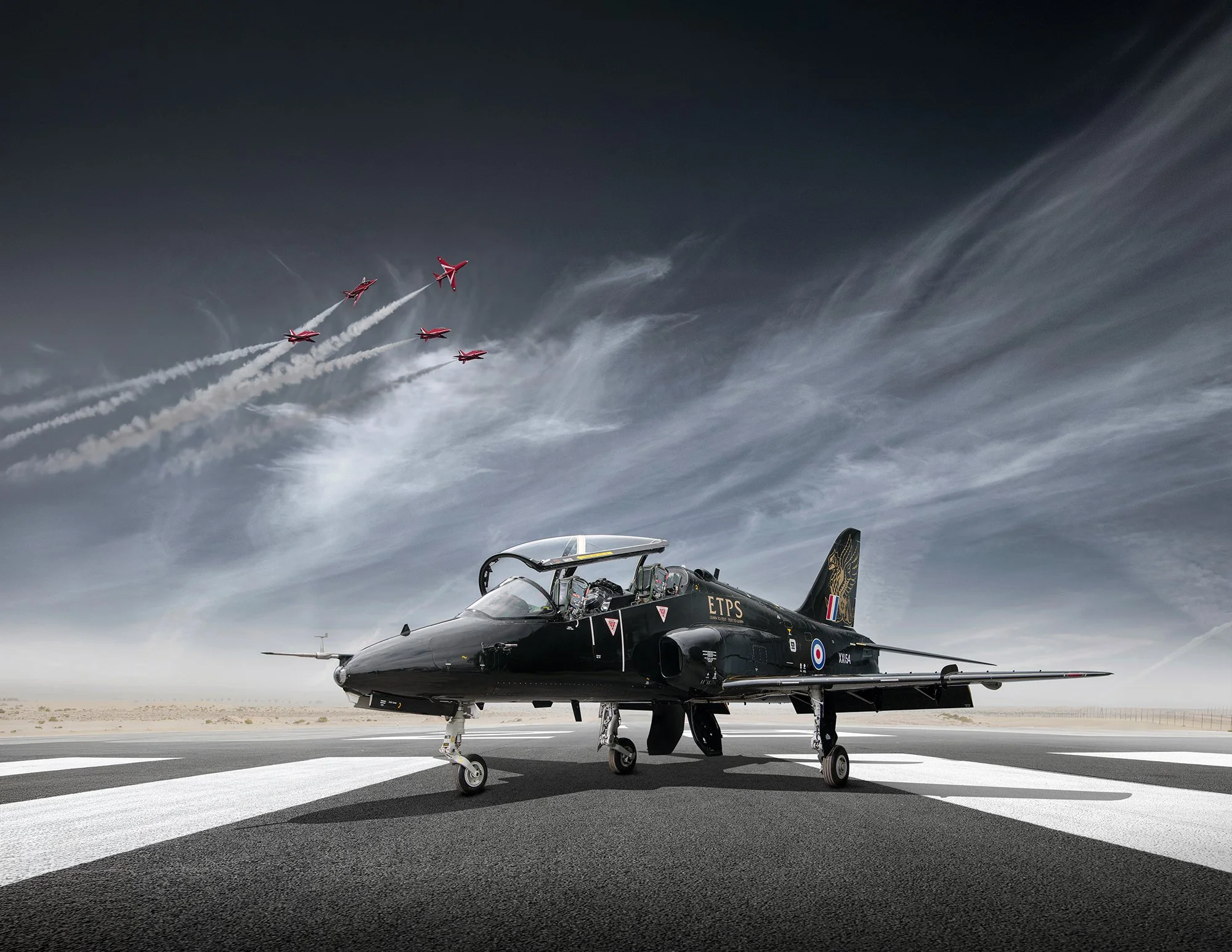
I have been photographing professionally for many years now, and I still find myself learning new things. I still see situations that make me stop and think about how I might photograph them differently, and I still come across lighting conditions and subjects that challenge me.
I think that is one of the reasons I have remained so passionate about photography.
There is no final level to reach, no point at which you suddenly know everything and can put your camera away knowing that you have mastered the craft.
"Photography is a journey, not a destination."
The more you photograph, the more you begin to understand how you see things and how you want to translate those observations into images. Technical decisions that might once have required considerable thought eventually become second nature. You stop worrying quite so much about the mechanics of making a photograph and begin concentrating on the photograph itself.
That is a lovely point to reach, although I don't think it ever means you stop learning.
I still enjoy the challenge of arriving at a location and working out how best to photograph something. I still enjoy building a lighting arrangement in the studio and seeing an image develop exactly as I had imagined. And I still get enormous pleasure from taking an old film camera out and making photographs simply because I enjoy the process.
For anybody looking to improve their photography, my advice would be to spend less time worrying about what other people are using and more time discovering what works for you.
Try to look at the world differently, pay attention to the light, experiment with your position and composition, learn to recognise what makes a photograph interesting rather than simply technically correct. Most importantly, photograph things that make you feel something.
Because ultimately, a photograph should be more than a record of what stood in front of your camera. It should be your interpretation of that moment, your perspective and your way of seeing the world, and perhaps that is the real joy of photography. No matter how long you have been doing it, there is always another photograph waiting to be taken, another way of seeing something and another opportunity to learn.
I certainly haven't finished that journey yet, and I hope I never do.
Tim Wallace - Read about my Journey in Photography