

The Interceptor
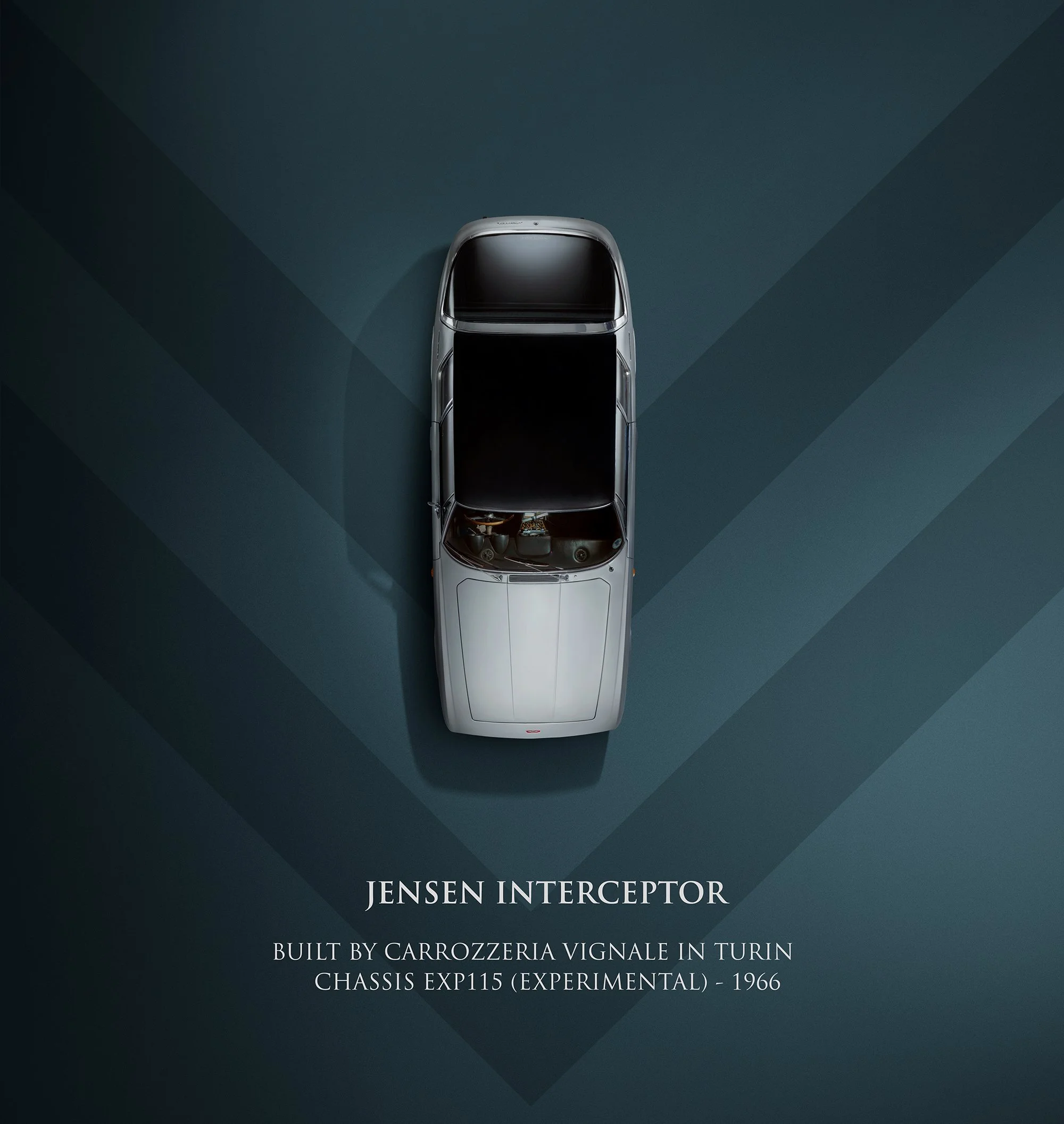
The ‘Carrozzeria Vignale’ Jensen Interceptor
After more than 20 years working as a professional commercial photographer, I have been fortunate enough to photograph an extraordinary range of vehicles for some of the world's most recognisable automotive and transport brands, but every so often a particular car arrives in the studio that feels rather different from the rest. It is not simply another vehicle to light and photograph, because some cars carry a history that seems to become part of their physical presence, and the Jensen Interceptor known as ‘HEA1D’ is very much one of those cars.
My career as a car photographer has taken me from modern supercars and production vehicles to historic racing machines and highly specialised commercial projects, working with clients including McLaren, Aston Martin, and Ferrari, among many others. The requirements of each shoot can be very different, but the underlying challenge is always essentially the same: how do you photograph a vehicle in a way that gives it presence, communicates its true character and creates high end car photography that works for the client, rather than simply producing just a technically good photograph?
That question becomes particularly interesting when the subject is a car with almost six decades of history behind it.
Lighting A Legend
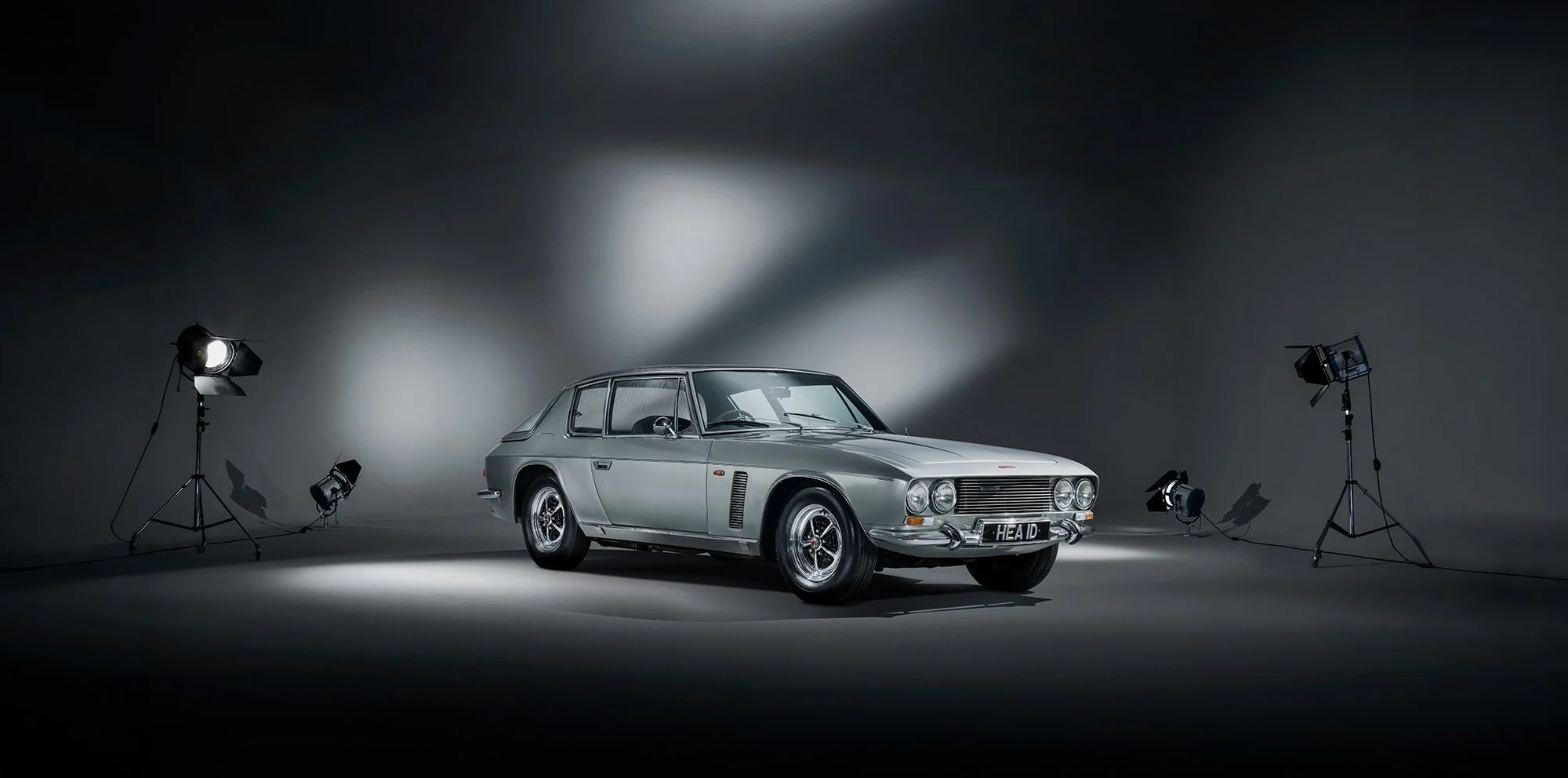
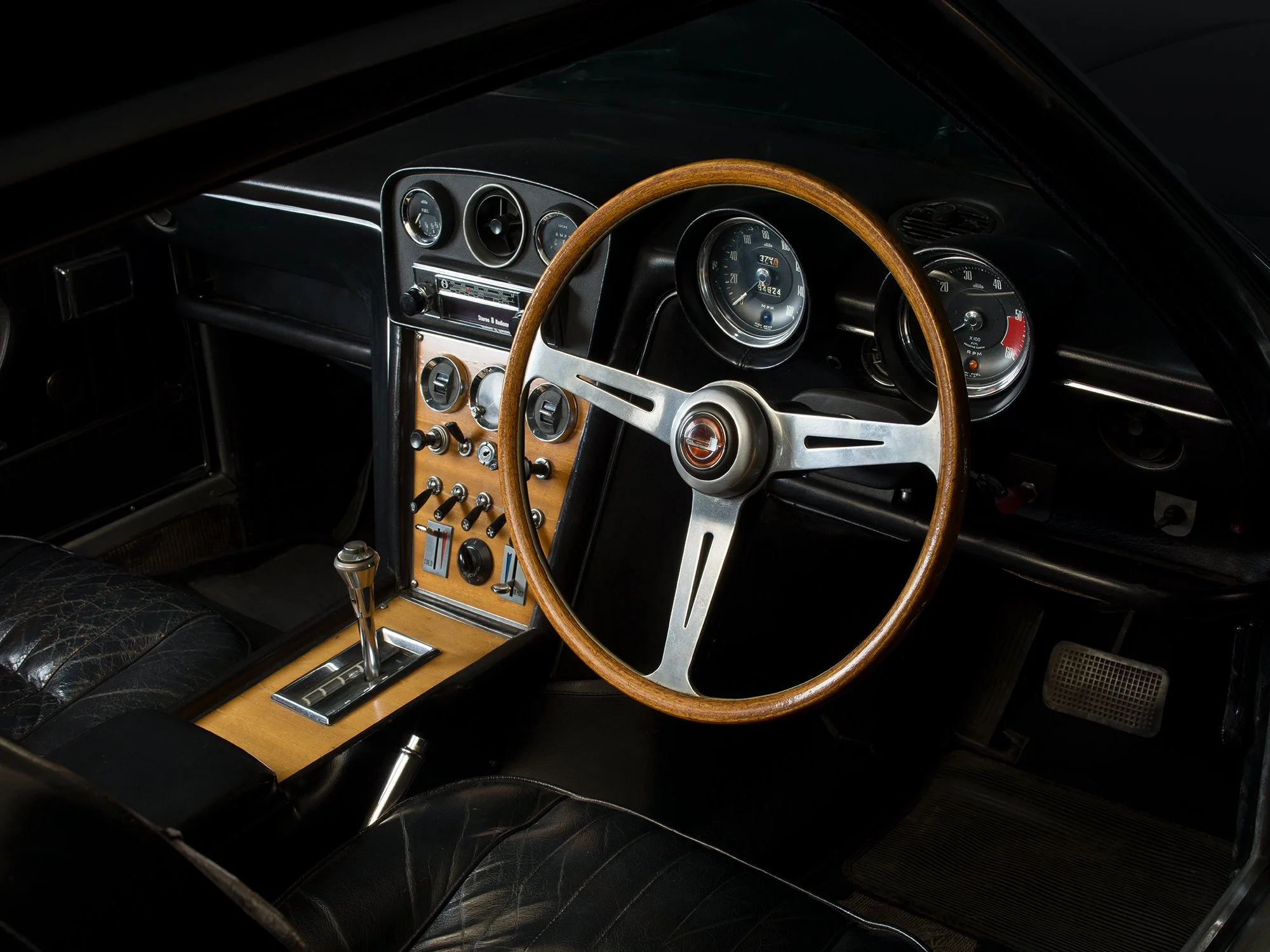
One of the aspects of automotive photography that I have become increasingly passionate about over the years is the use of continuous lighting in the studio. There is something incredibly satisfying about working with continuous light when photographing a car because you can see exactly what the light is doing across the bodywork as you make adjustments, watching reflections move across a bonnet, discovering the point where a curve suddenly comes alive or subtly changing the character of a panel simply by moving a light a few inches.
With a modern production car, that process is often about precision and control, making sure that the surfaces, lines and materials are represented exactly as intended by the manufacturer. With an historic car such as HEA1D, however, the process becomes much more emotional because the objective is not simply to record the vehicle, but to reveal something of its history through the photography.
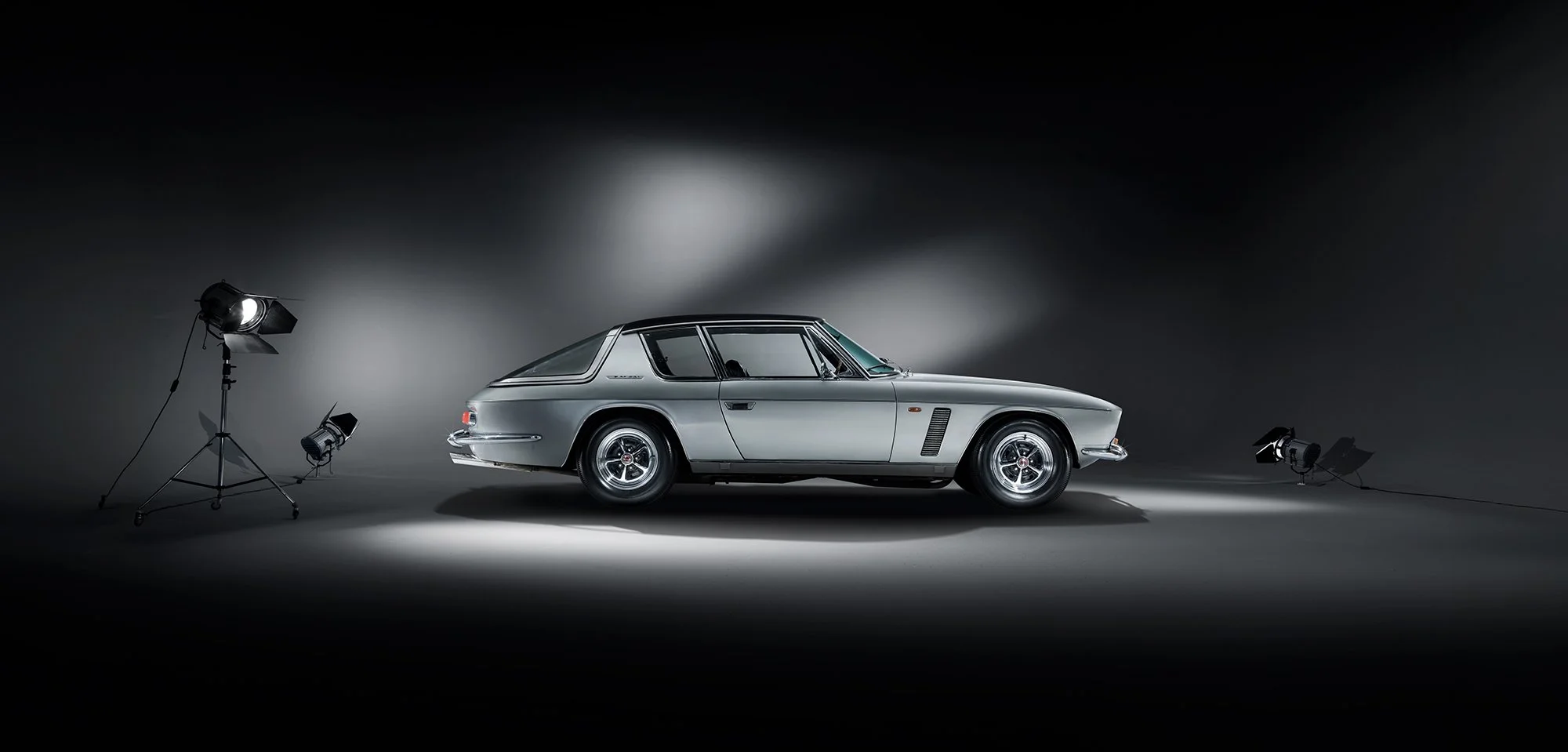
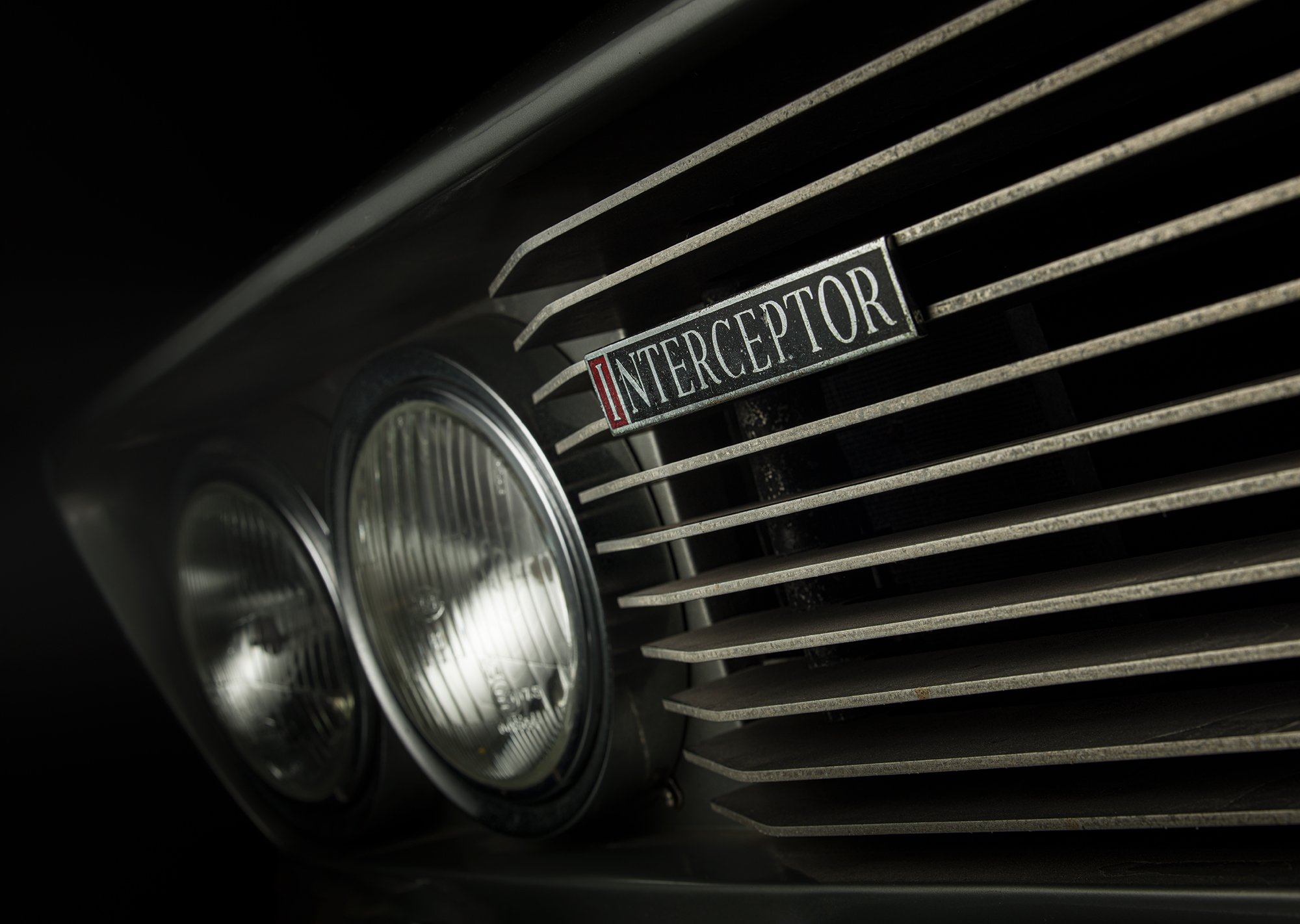
The Jensen Interceptor is an especially rewarding subject because its design combines a distinctly British sense of luxury with unmistakable Italian influence, creating a car that looks surprisingly contemporary in some respects despite having been conceived during the middle of the 1960s. Under controlled studio lighting, those design decisions become particularly apparent, with the long bonnet, low roofline, generous glasshouse and dramatic rear treatment all creating opportunities for the light to describe the shape.
For me, this is where good studio photography becomes much more than simply putting a vehicle against a background and photographing it. The lighting becomes part of the storytelling.
A Car Born In Turin
The story of HEA1D begins in 1966, when Jensen Motors was developing what would become one of the company's most recognisable cars. The experimental chassis JM/EXP/115 was sent from Jensen to Turin in the spring of that year, where the Italian coachbuilder Carrozzeria Vignale was responsible for creating the bodywork.
At the time, Turin was one of the most important centres of automotive design and coachbuilding in the world, and Vignale was one of the names that mattered. The company had built an enviable reputation for producing beautifully styled bodies for some of Europe's most prestigious manufacturers, bringing Italian craftsmanship and design sensibility to projects that often went far beyond conventional mass-production thinking.
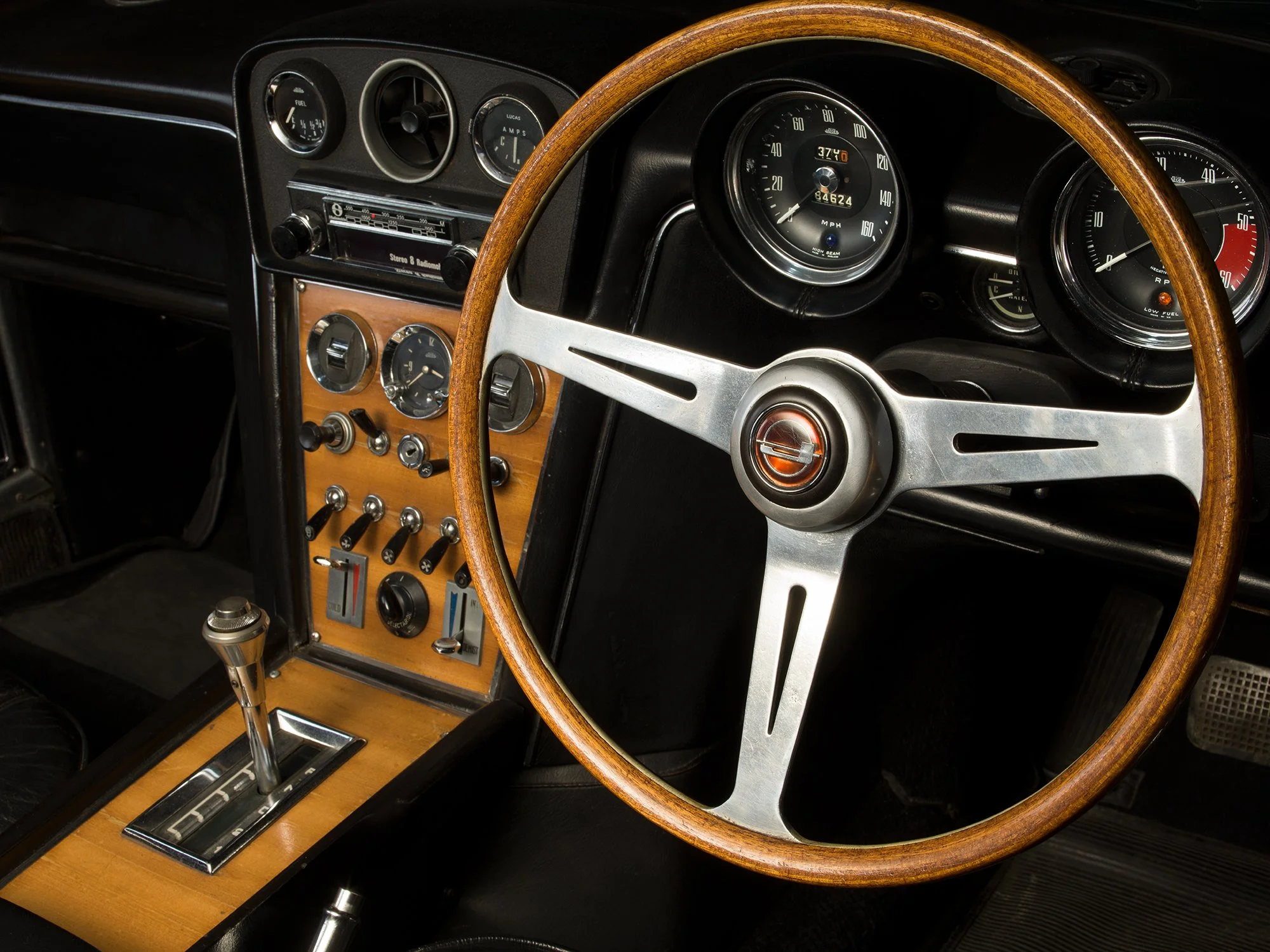
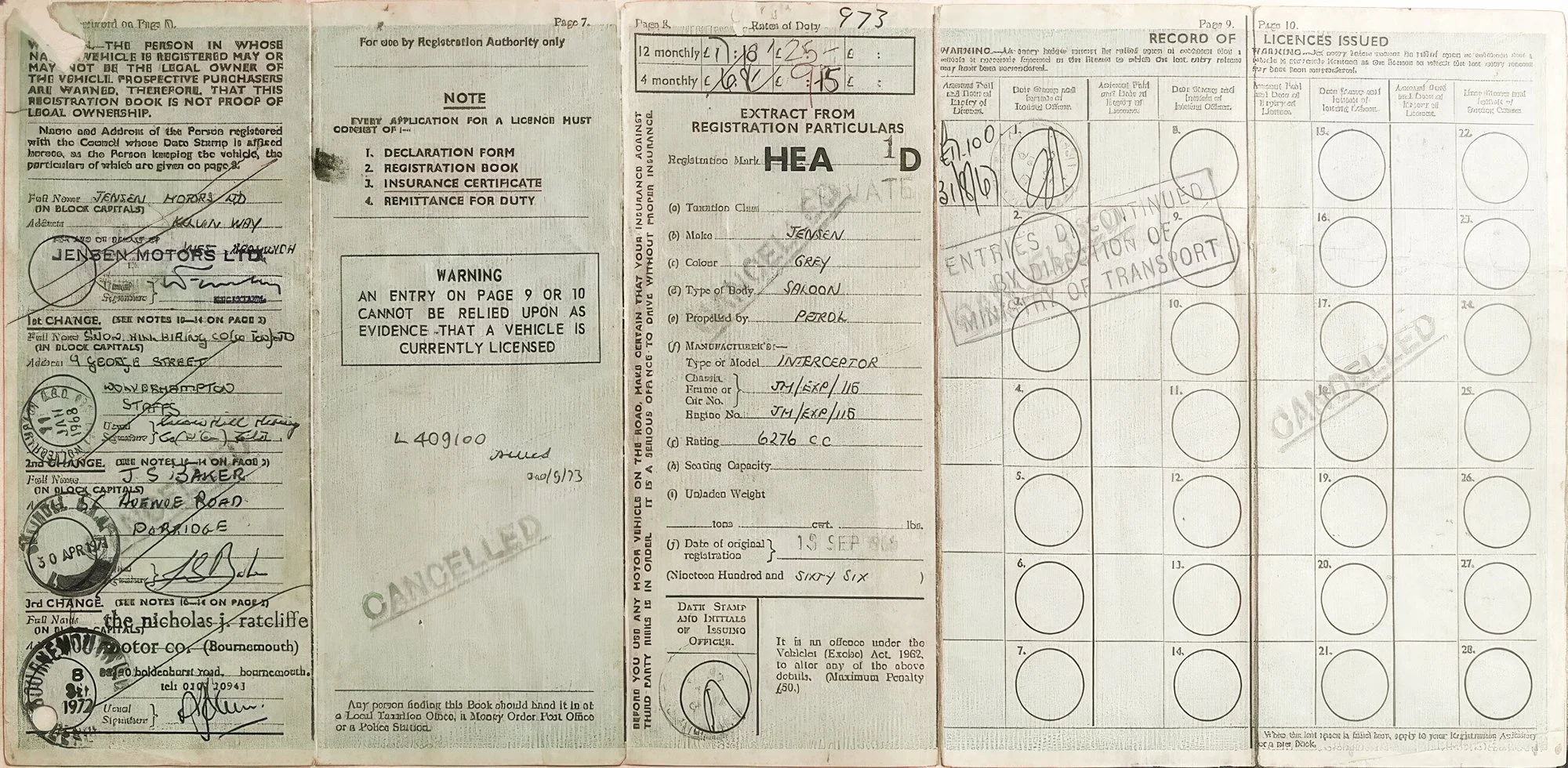
HEA1D was the second Interceptor completed by Vignale, following BEA 693C, and by August 1966 the car was ready to return to Britain. The experimental identity of its chassis is particularly fascinating because the number JM/EXP/115 tells part of the story in itself. This was not simply another production Jensen rolling down a production line; it was an experimental vehicle created at a pivotal moment in the development of the Interceptor.
The car was subsequently registered as HEA1D in September 1966 and quickly became an important publicity and demonstration vehicle for Jensen Motors. The timing was critical because the company was preparing to introduce the new Interceptor to the public, and HEA1D was needed for appearances, photography and publicity surrounding the launch.
It was even air-freighted back to England because Jensen Motors needed the car ready for the forthcoming 1966 Earl's Court Motor Show.
That alone gives the car an extraordinary place in Jensen history, but its story was only beginning.
From Show Stand To Magazine Star
Following its appearance at the Earl's Court Motor Show, HEA1D became a genuine working publicity vehicle rather than a car that simply disappeared into private ownership. It was used by Jensen Motors in a variety of promotional roles and was subsequently loaned to Autocar for a feature, with the resulting article appearing in the magazine in February 1967.
The car also became the subject of period photography, with images by photographer Michael Cooper capturing HEA1D during its early life. One particularly evocative photograph shows the Interceptor being driven at speed, with Cooper positioned low beside the road to capture the action, a reminder that automotive photography has always involved far more than simply pointing a camera at a stationary car. During 1967 the car was even fitted with a tow bar for Speed Caravan Towing at Silverstone, another fascinating chapter in a life that could hardly be described as conventional.
Eventually HEA1D passed into private ownership, and like many historic cars it experienced periods when its future was far from certain. By the late 1970s it had become seriously rusty, and a major restoration was undertaken after it was acquired by Brian Roocroft. Unfortunately, that restoration involved replacing much of the original Vignale bodywork with pressed panels supplied through Jensen Parts & Service, meaning that much of the car's unique Italian-built identity was lost.
Yet the story did not end there.

A Remarkable Survival
In the 1980s the incomplete car was discovered by Bryn Shaw, who subsequently acquired it and began the painstaking process of rebuilding the Interceptor.
By 1989 it was back on the road, and in the early 1990s it attracted the attention of the BBC, appearing in the television series The Car's The Star.
That television appearance helped bring HEA1D back into the public eye, and the car continued through a succession of owners before eventually becoming part of the collection and activities of Jensen specialists Cropredy Bridge Cars. Interestingly, its connection with photography and publicity continued, just as it had during its earliest years with Jensen Motors. In 2017 HEA1D was transported back to Turin for a major photographic project, creating a rather wonderful connection between the car's present life and the city where its body had originally been created more than 50 years earlier.
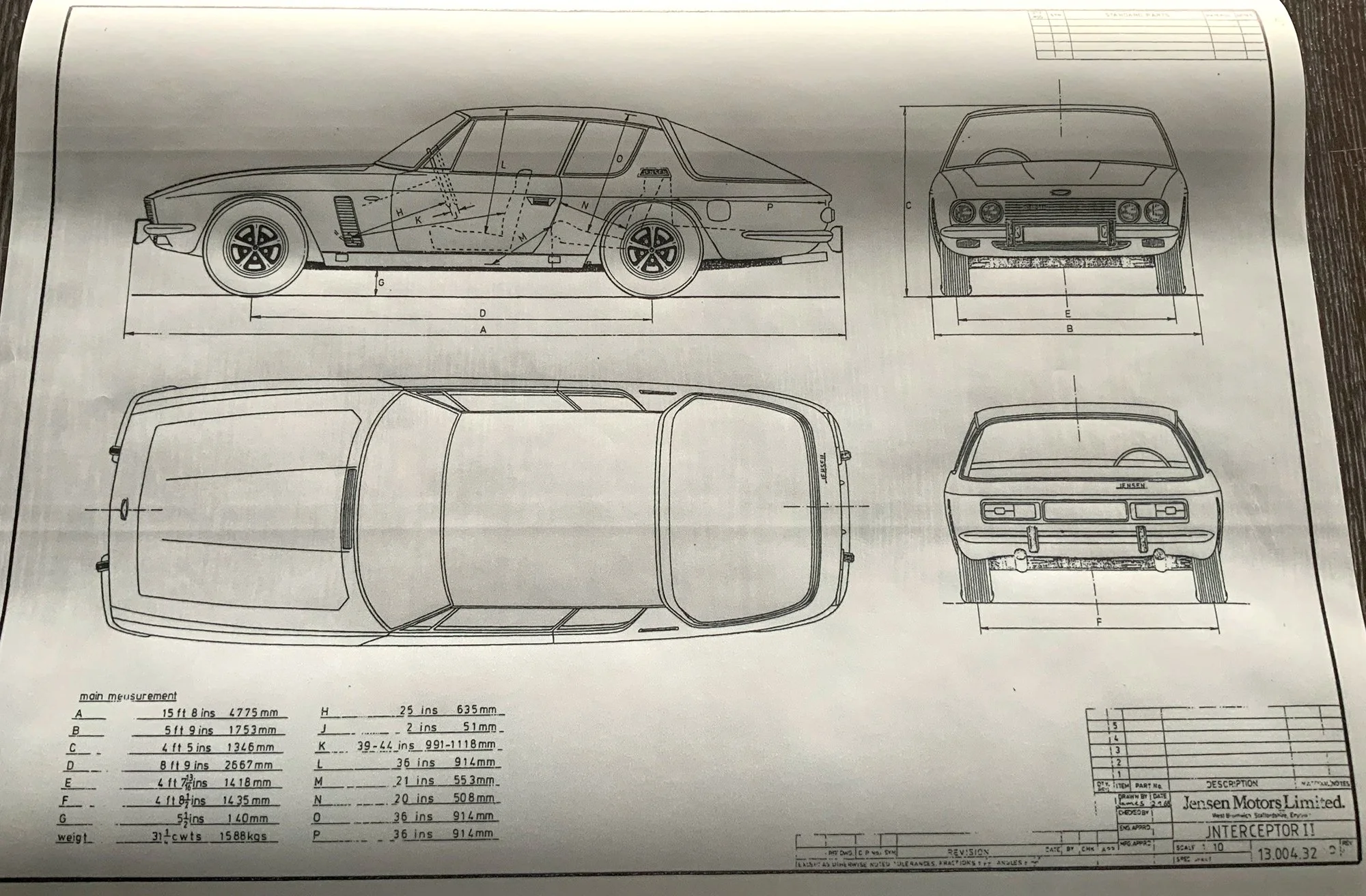
There is something particularly fitting about that return to Turin. Cars like this are often described simply as classics, but HEA1D is really a piece of automotive history that happens to have survived in physical form. Approximately 6,000 Jensen Interceptors were built in the West Bromwich factory in England, from 1966-1976. A who's who of famous 1970s celebrities, including Tony Curtis, Bing Crosby and the Led Zeppelin drummer John Bonham, all owned Interceptors.
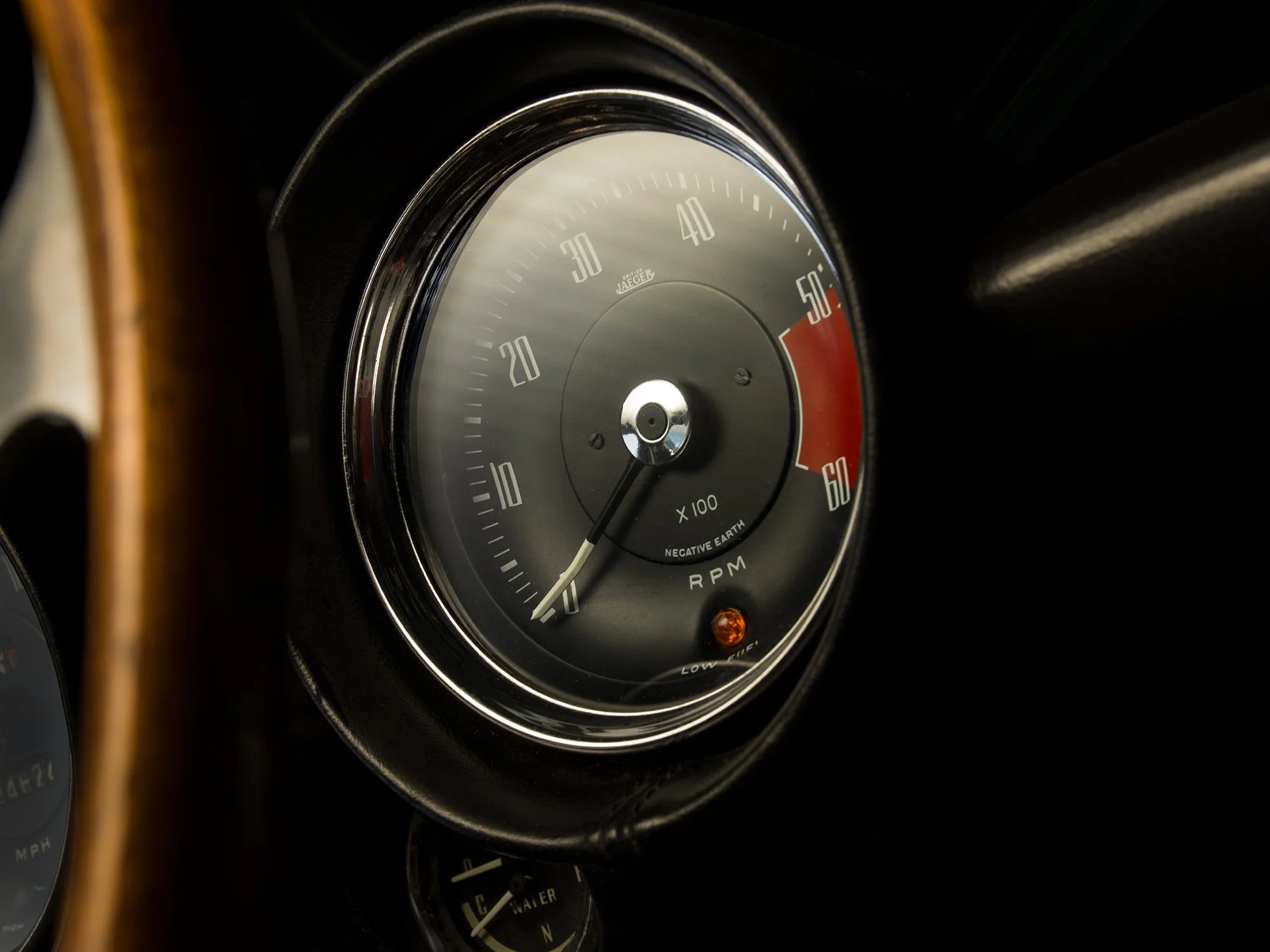
Photographing History
That is what made photographing this particular Jensen such an enjoyable experience for me.
When I approach a studio shoot as a car photographer, I am always thinking about the relationship between the vehicle, the lighting and the final image. A modern car might demand dramatic reflections that emphasise its aerodynamic surfaces, while another might require something much quieter and more restrained. With a historic car, however, I want the photography to acknowledge the age and importance of the subject without making the image feel artificially nostalgic.
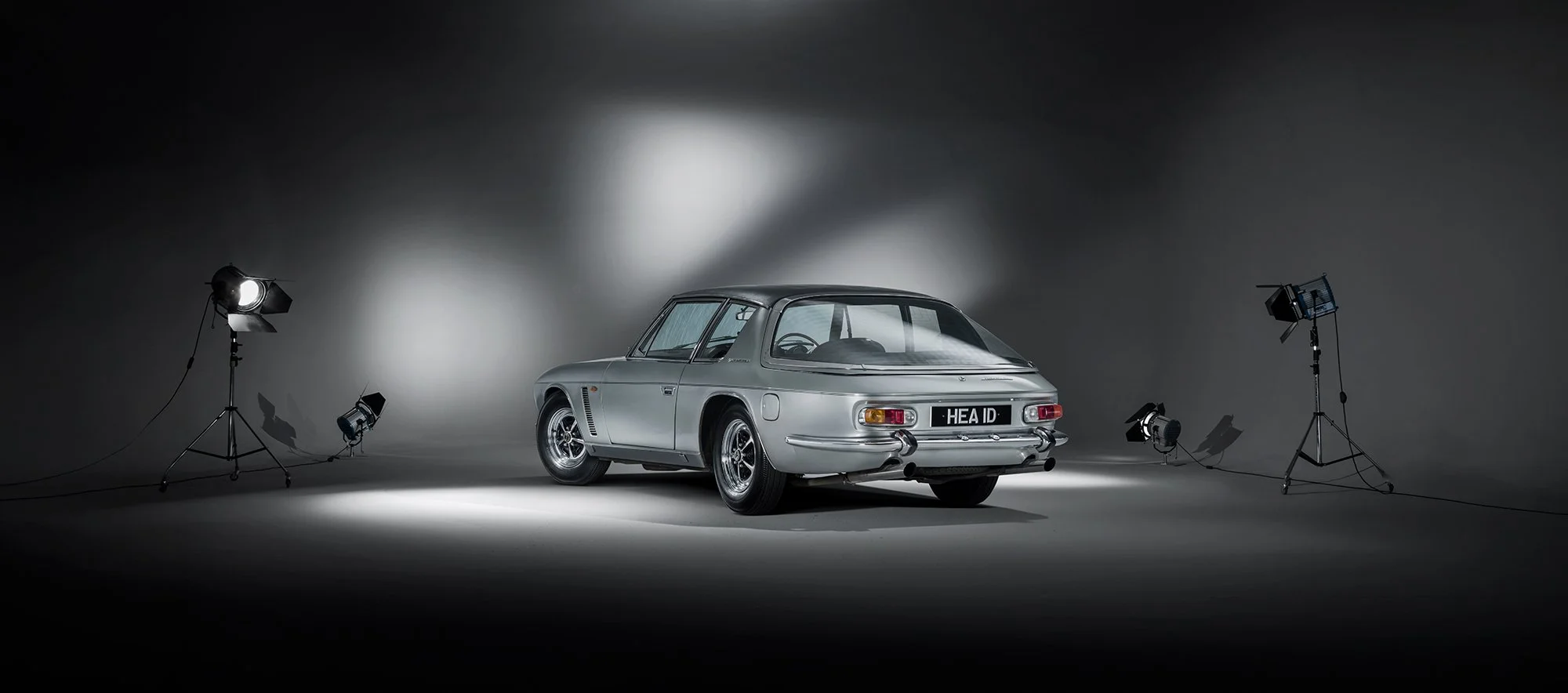
The Jensen Interceptor provides an incredible canvas for this because its proportions are so strong. There is a sense of restrained aggression in the front of the car, while the rear treatment gives it a completely different personality, and the relationship between those two ends of the vehicle creates endless possibilities when working with studio lighting.
Continuous lighting allows me to work almost sculpturally, watching the reflections travel over the body as the position and intensity of the lights change. Rather than simply illuminating the car, the light can describe it, picking out a crease here, allowing another section of the body to disappear into shadow and creating just enough reflection to reveal the curvature of a panel.
It is this control that I particularly enjoy about studio automotive photography.
More Than a Classic Car
There is also something wonderfully human about photographing a vehicle that has survived for so long.
HEA1D has been displayed at motor shows, driven by journalists, photographed for magazines, used as a publicity vehicle, raced around Silverstone in a rather unusual towing role, restored, featured on television, transported back to Turin and eventually preserved as an important piece of Jensen history. Its survival is almost as interesting as its design.
For someone looking at the finished photographs without knowing the story, it is simply a beautiful 1960s grand tourer. Once you understand what the car has experienced, however, those photographs take on another dimension. This is one of the reasons I enjoy working as a professional car photographer so much. Although my commercial photography work frequently involves new vehicles, manufacturers and brands looking towards the future, historic cars provide an opportunity to look backwards and understand how much thought, craftsmanship and ambition went into the vehicles that shaped the industry.
HEA 1D represents a particularly interesting moment when British engineering and Italian coachbuilding came together to create something that was very different from the norm. The Jensen Interceptor would go on to become one of the company's defining models, but this particular car sits right at the beginning of that story.
It is an experimental chassis, a Vignale-built body, a Jensen prototype and a historic publicity car, all wrapped into one remarkable vehicle.
For me, photographing it in the studio was therefore not simply another automotive commission. It was an opportunity to photograph a small piece of British and Italian automotive history, using modern photographic techniques to reveal the character of a car that was already making history when it was first registered in 1966.
Almost 60 years later, HEA1D still has the ability to stop people in their tracks. And for a car photographer, that is exactly the kind of subject you hope will arrive in front of your camera.