Photographing the P-51D Mustang | An aviation icon with an extraordinary story
Few aircraft capture the imagination quite like the P-51 Mustang. I explore its remarkable design, wartime legacy and the story behind the legendary WD-C flown by Donald Blakeslee.
A design that has stood the test of time
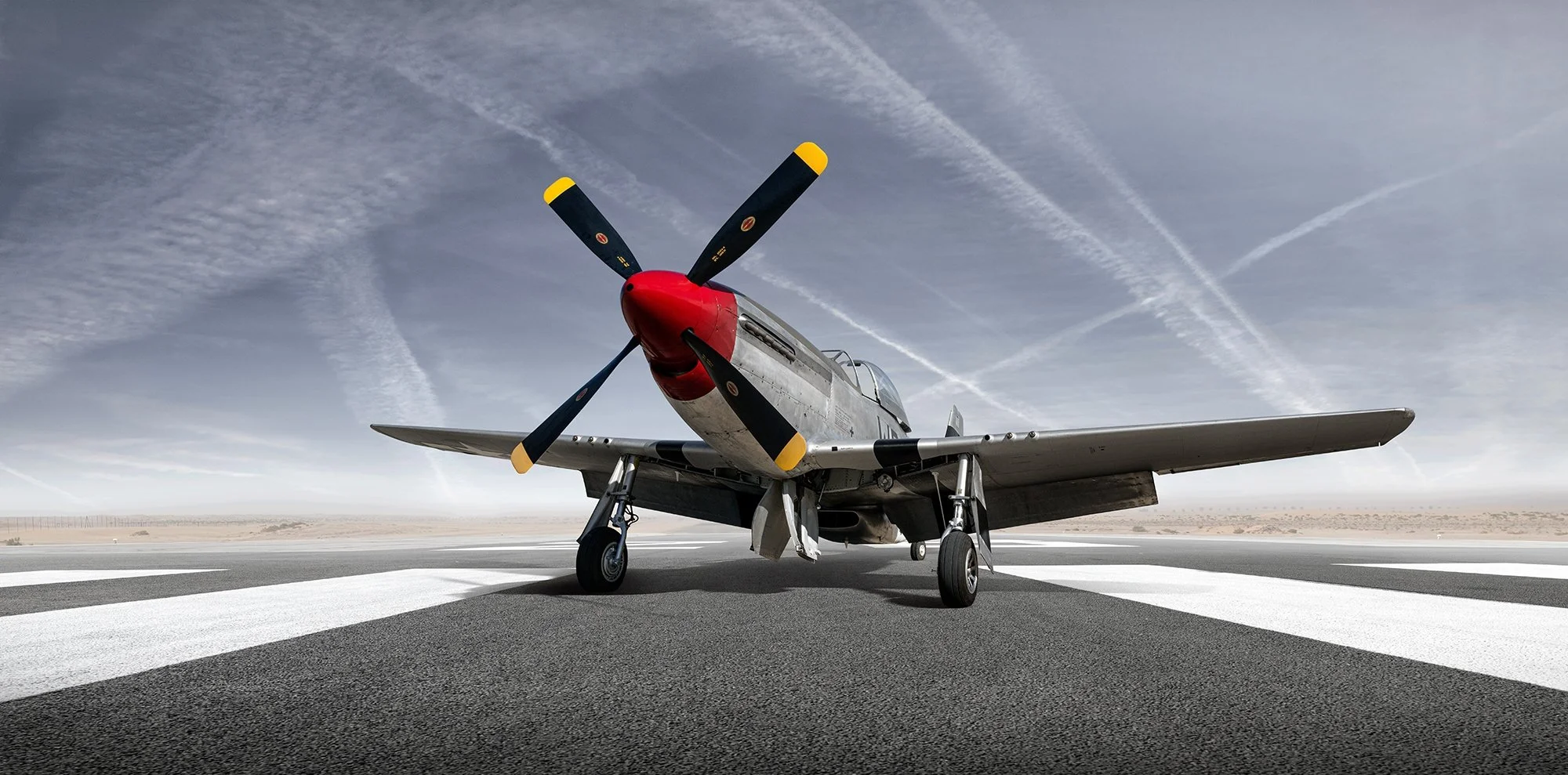
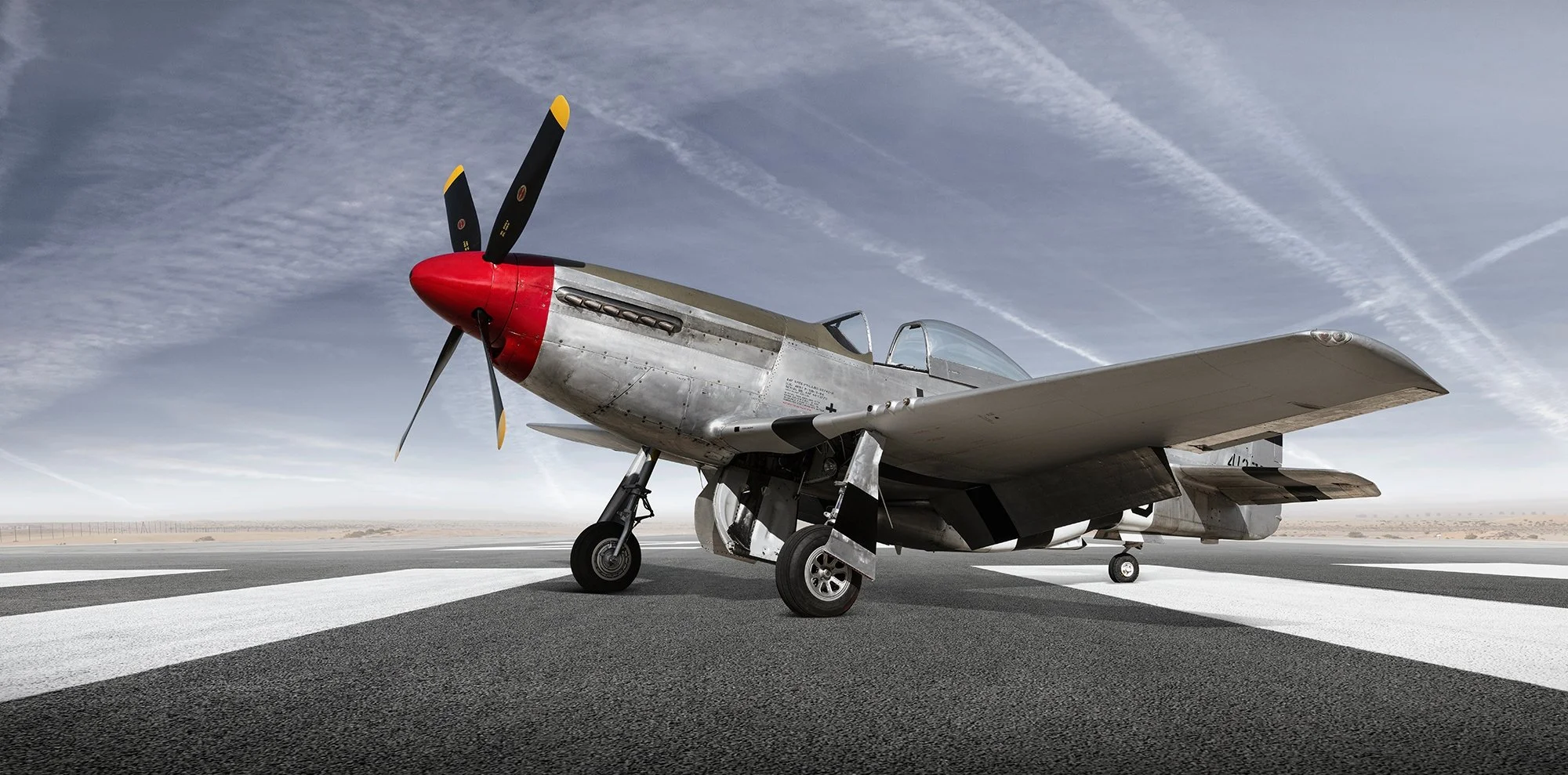
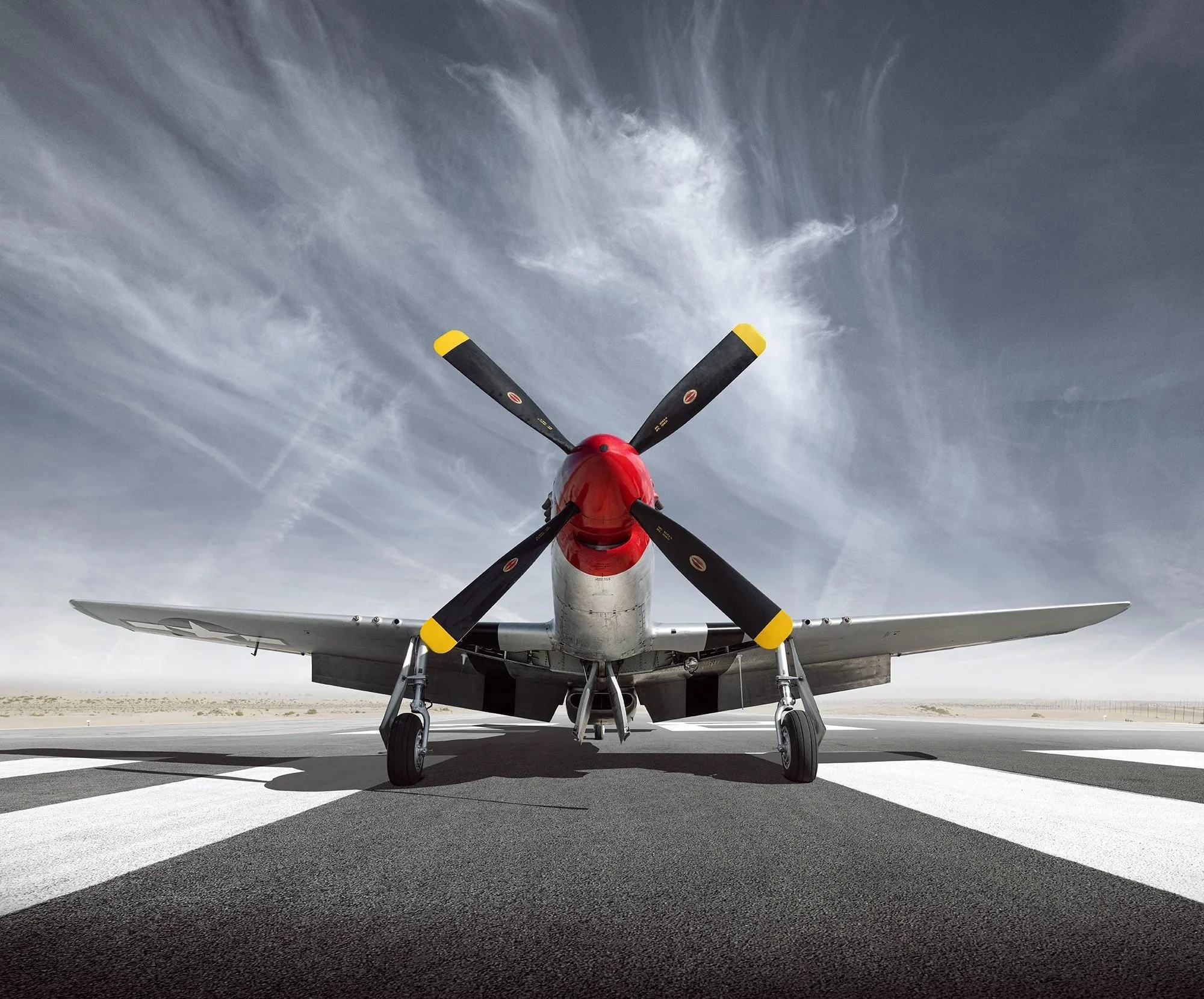
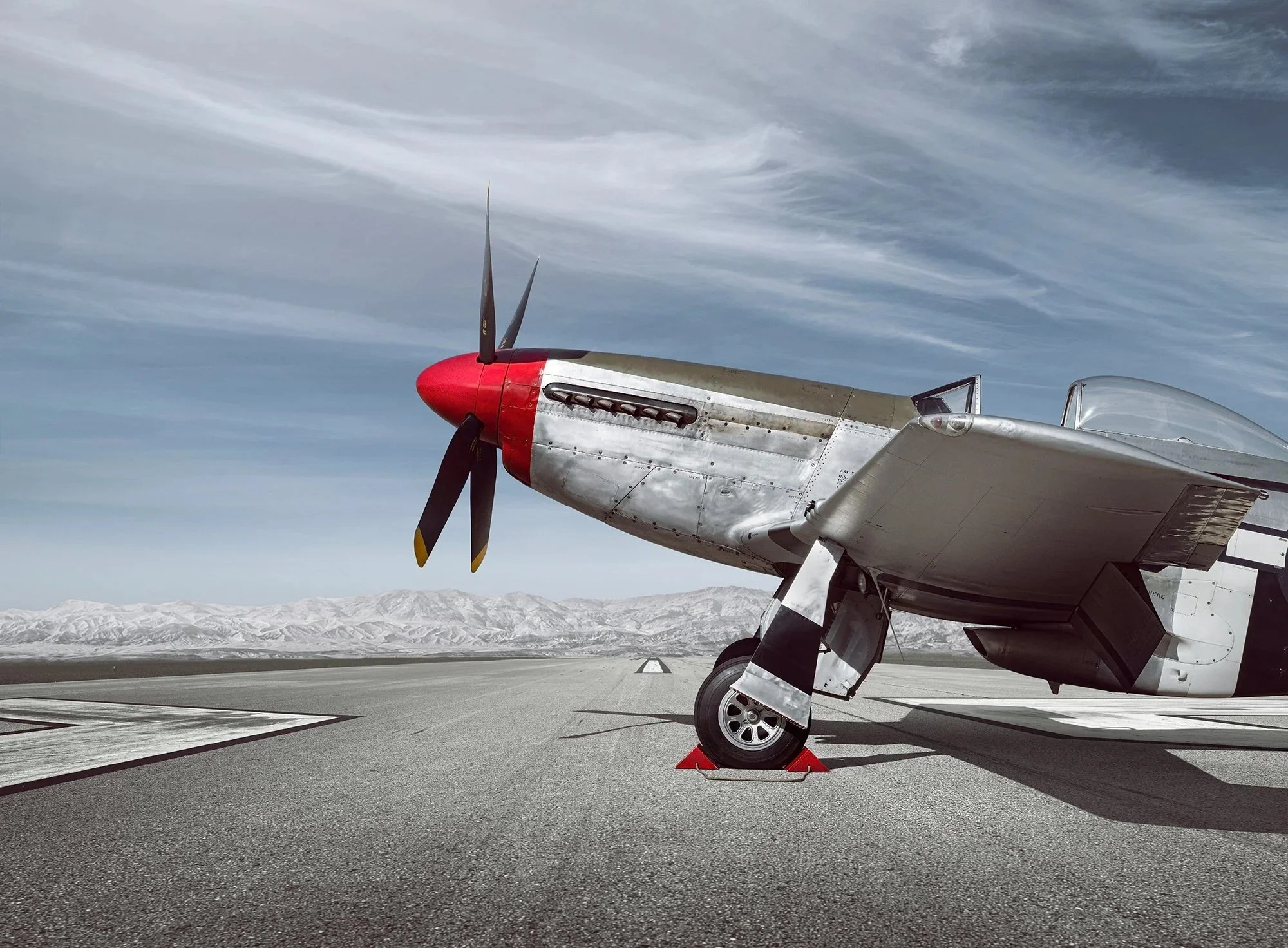
There are aircraft that are remembered for what they achieved, and then there are aircraft that seem to have become part of aviation's identity itself. The North American P-51 Mustang belongs firmly in the latter category. More than eighty years after its introduction, it remains one of the most recognisable and admired aircraft ever built, and for me, it is also one of the most rewarding aircraft to photograph. I have always had a particular appreciation for good design, whether that is a beautifully shaped sports car, an industrial product or an aircraft. There is something about the Mustang that makes it difficult to walk past without stopping for another look. Its long nose, beautifully proportioned fuselage, distinctive wings and unmistakable canopy create a silhouette that is instantly recognisable. It looks purposeful, powerful and remarkably elegant, all at the same time.
What I find particularly interesting is that the Mustang manages to achieve this without looking overly complicated. Every part of its appearance seems to have a reason for being there.
It has a sense of balance that is surprisingly difficult to achieve in any form of design, and even when standing completely still, there is an impression of movement about it.
As a commercial photographer, I spend much of my working life looking at shapes, surfaces, reflections and the way light interacts with different materials. Aircraft such as the P-51 provide an extraordinary combination of all these things. The polished aluminium, the curves around the engine cowling, the long wing surfaces and the relationship between the cockpit and fuselage offer an almost endless number of photographic possibilities.
It is an aircraft that deserves to be photographed properly, every smoke stained metal panel and blackened rivet.
Aviation Photography and my interest in historic aircraft
Aviation photography has become an important part of my work over the years, taking me into some fascinating environments and introducing me to aircraft and people that I would never otherwise have had the opportunity to work alongside. My involvement has included everything from commercial aviation and business aircraft to helicopters, historic warbirds and live operational environments. Projects for clients including BBC Productions, Airbus, TAG Aviation, Bristow Search and Rescue and HM Coastguard have all contributed to my experience of working around aircraft. One of the things I particularly enjoy about aviation photography is that it brings together several different disciplines. There is the photographic side, of course, but there is also the planning, understanding of the environment, timing and working with the people responsible for operating these machines.
Photographing an aircraft in a hangar is one thing. Photographing it on an active runway, during an engine start or in flight introduces a completely different set of considerations.
The photographer has to understand what is happening around them and work within the environment rather than expecting the environment to work around them. Historic aircraft bring another dimension to this. They have a presence that is difficult to replicate with anything modern. You are looking at a machine designed and manufactured in a completely different era, yet one that can still take to the sky and perform in front of an audience today.
My relationship with the team at Biggin Hill Heritage Hangar has provided some wonderful opportunities to photograph these aircraft, including Spitfires and the P-51D Mustang featured here. My earlier work with BBC Studios on Warbird Workshop also opened the door to photographing a number of remarkable historic aircraft and helped develop my ongoing interest in this particular area of aviation. I enjoy photographing aircraft for the same reason I enjoy photographing exceptional cars. There is always a story behind the design, and the more you understand that story, the more interesting the photography becomes.
WD-C and Donald Blakeslee
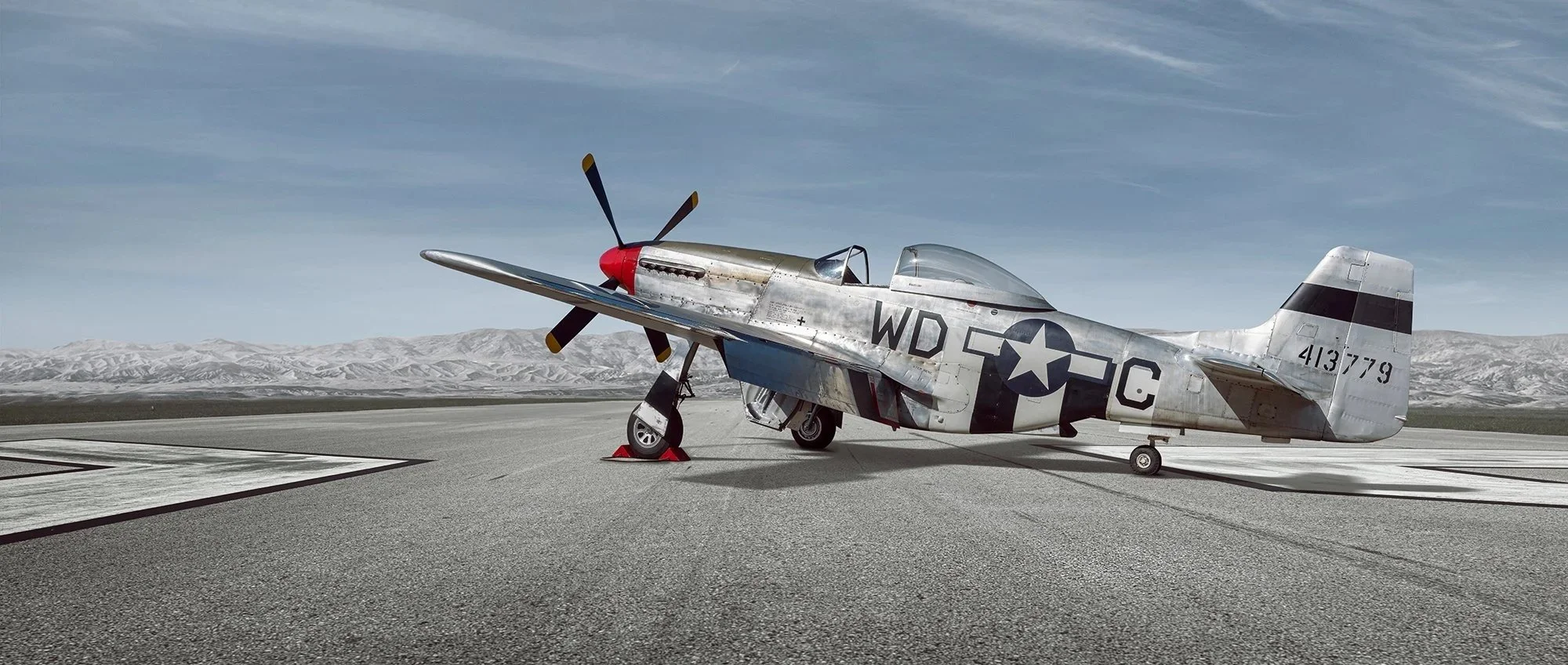
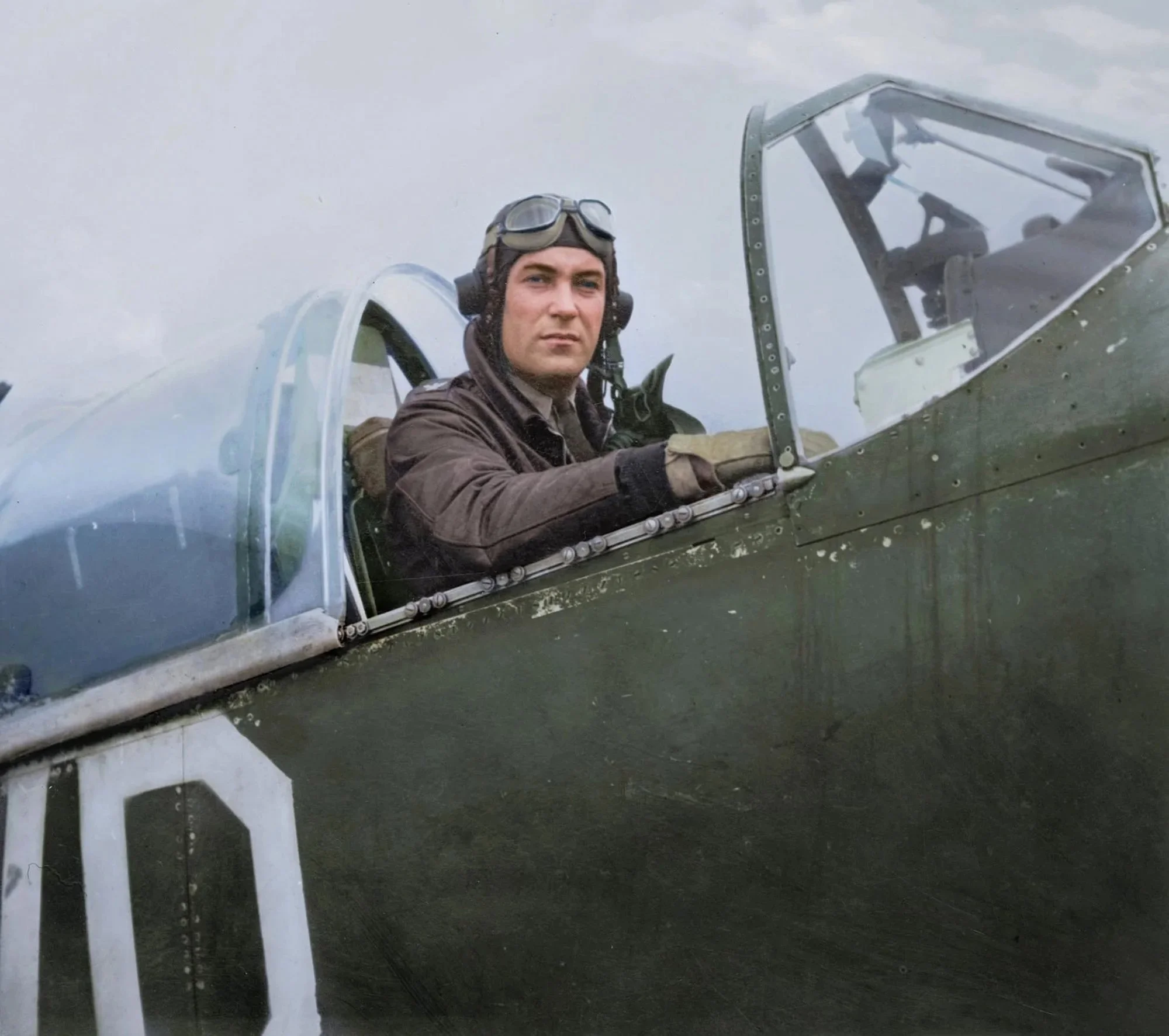
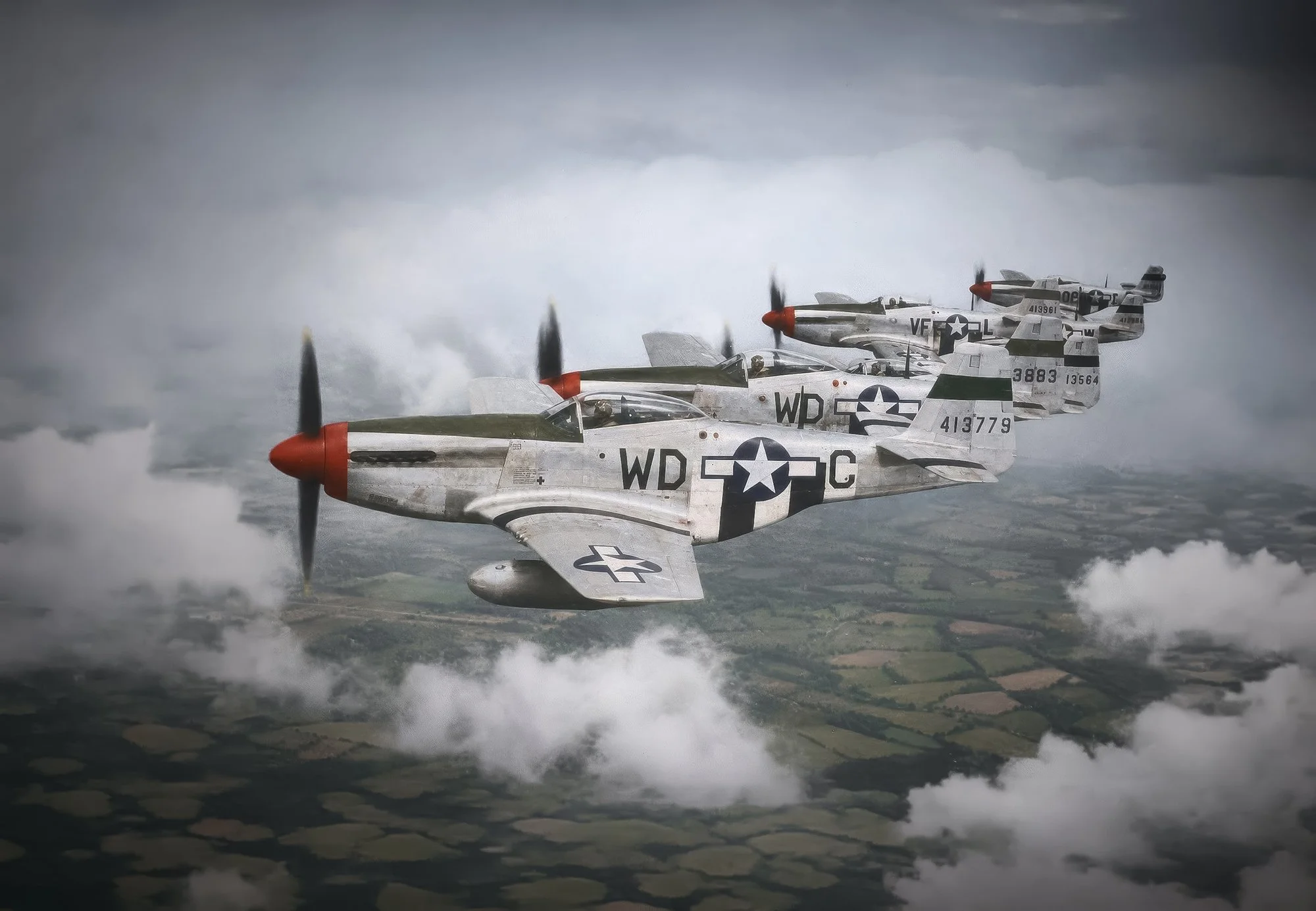
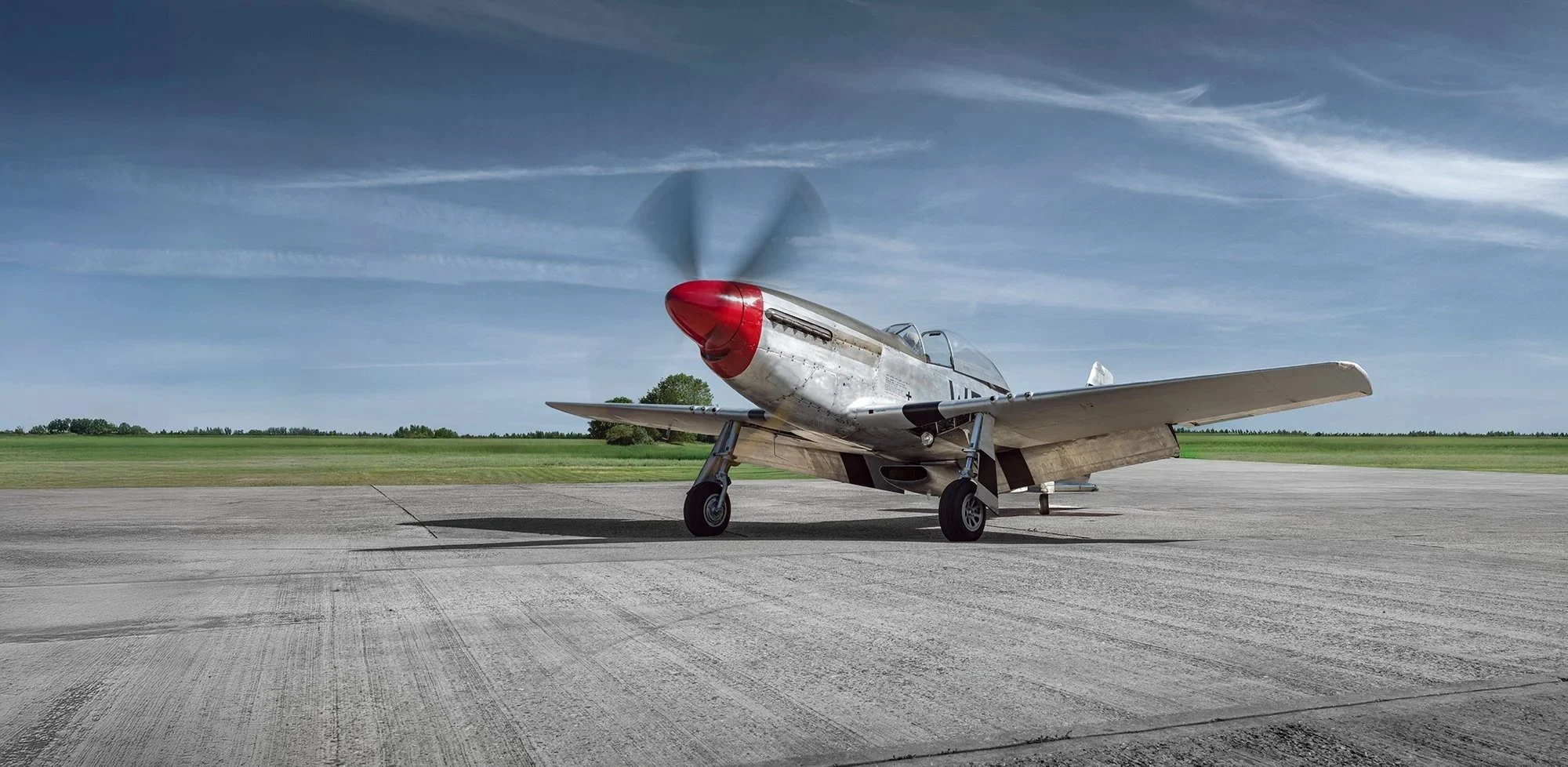
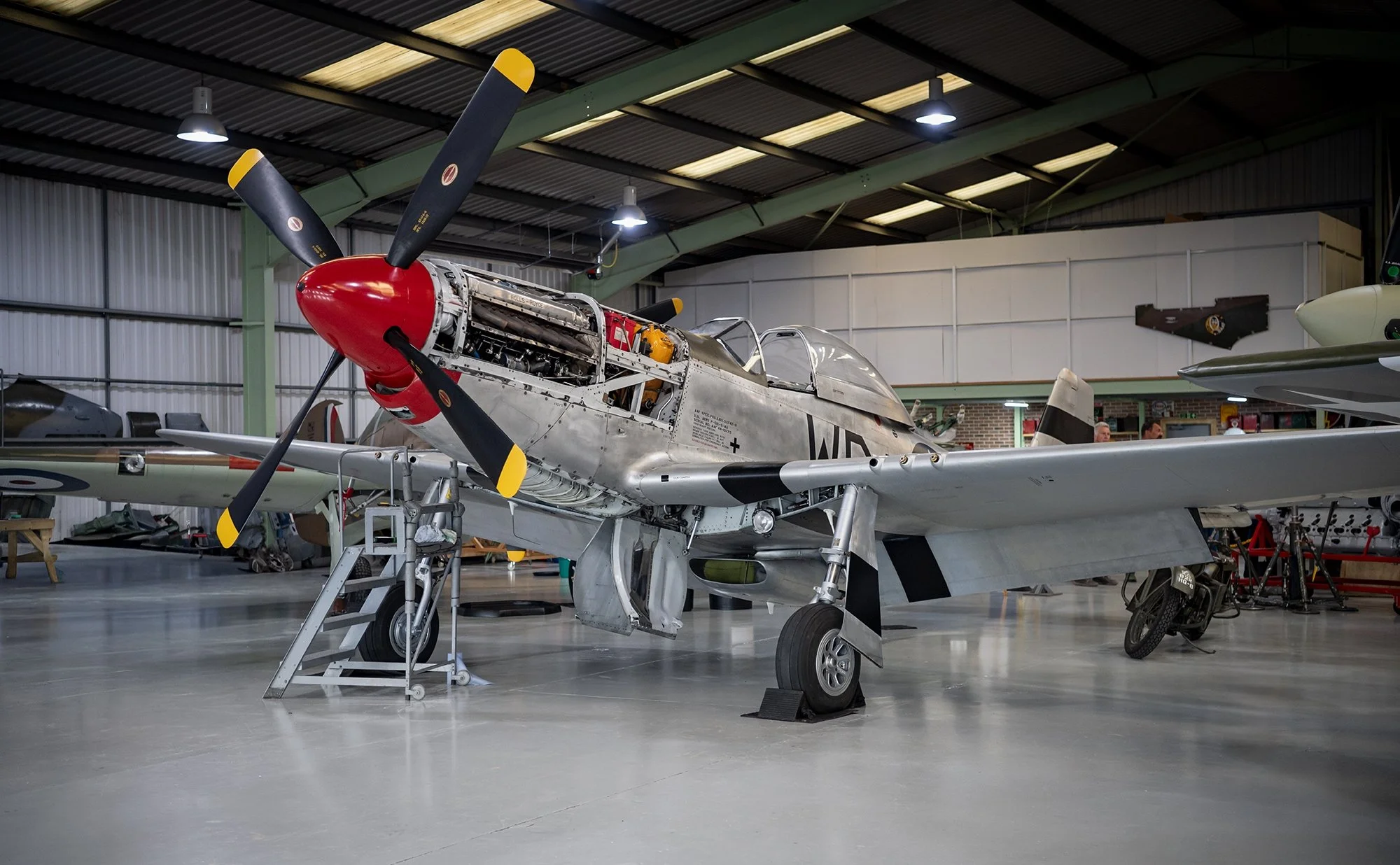
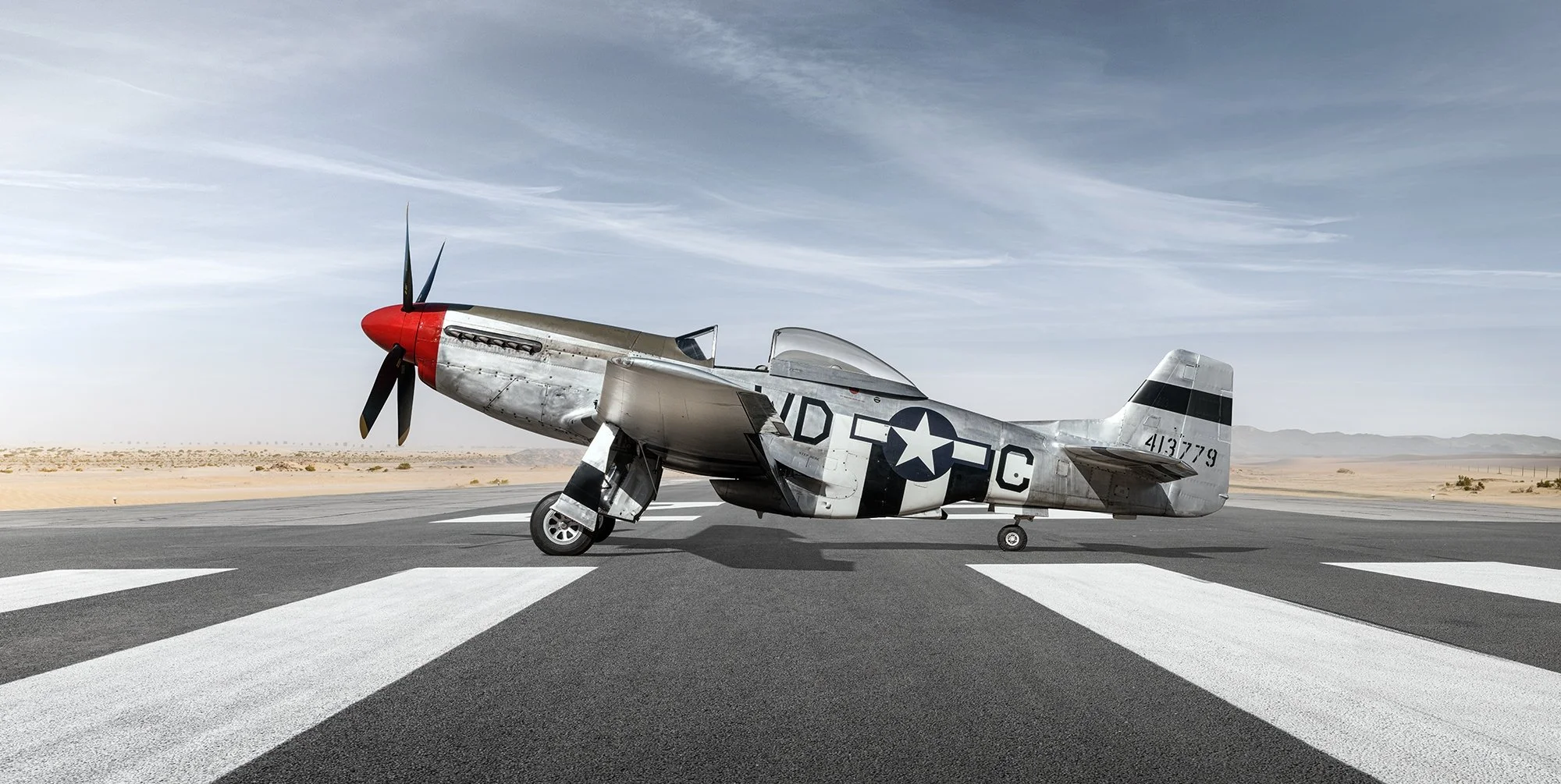
Of all the Mustangs I have had the opportunity to photograph, the P-51D wearing the markings of Colonel Donald Blakeslee is particularly memorable. The P-51D aircraft carries the identity of WD-C, with the large number 413779 painted on its fuselage. These markings represent the wartime P-51D flown by Blakeslee, one of the most respected American fighter commanders of the Second World War. Blakeslee's story is fascinating in its own right. Born in Ohio in 1917, he developed an interest in aviation long before America entered the war. Having initially served with the Royal Canadian Air Force, he eventually joined the United States Army Air Forces and became associated with the 4th Fighter Group, based at RAF Debden in Essex.
The 4th Fighter Group became one of the most successful American fighter formations operating in Europe. Its pilots were involved in some of the most significant aerial operations of the war, escorting heavy bomber formations deep into enemy territory and engaging German fighters over occupied Europe. Blakeslee assumed command of the group in January 1944. His leadership, experience and determination helped establish a formidable fighting unit. He was credited with 15.5 aerial victories and flew more than 500 combat missions, an extraordinary record by any measure.
What I find particularly interesting about Blakeslee is that his reputation was built around more than his individual achievements. He was a highly regarded leader who understood the importance of the men flying alongside him. His approach to command earned him considerable respect, including from British fighter pilots who flew alongside the Americans.
His Mustang was deliberately understated. Rather than covering the aircraft in elaborate personal artwork or victory markings, Blakeslee preferred the simple WD-C identification. It is a wonderfully restrained approach, and I think there is something rather appropriate about that when you consider the man himself.
The modern aircraft I photographed is not the original Mustang flown by Blakeslee. It is a surviving P-51D, built by North American Aviation in 1944 as serial number 44-73877, which has been restored and finished in the markings of Blakeslee's wartime aircraft, 44-13779. That distinction is important, but it certainly does not make the aircraft any less interesting. In fact, I think it adds another dimension to its story. Here is an aircraft with its own history of military service, restoration and civilian ownership, now carrying the identity of a man whose contribution to aviation history deserves to be remembered.
Photographing WD-C was an opportunity to bring these different stories together.
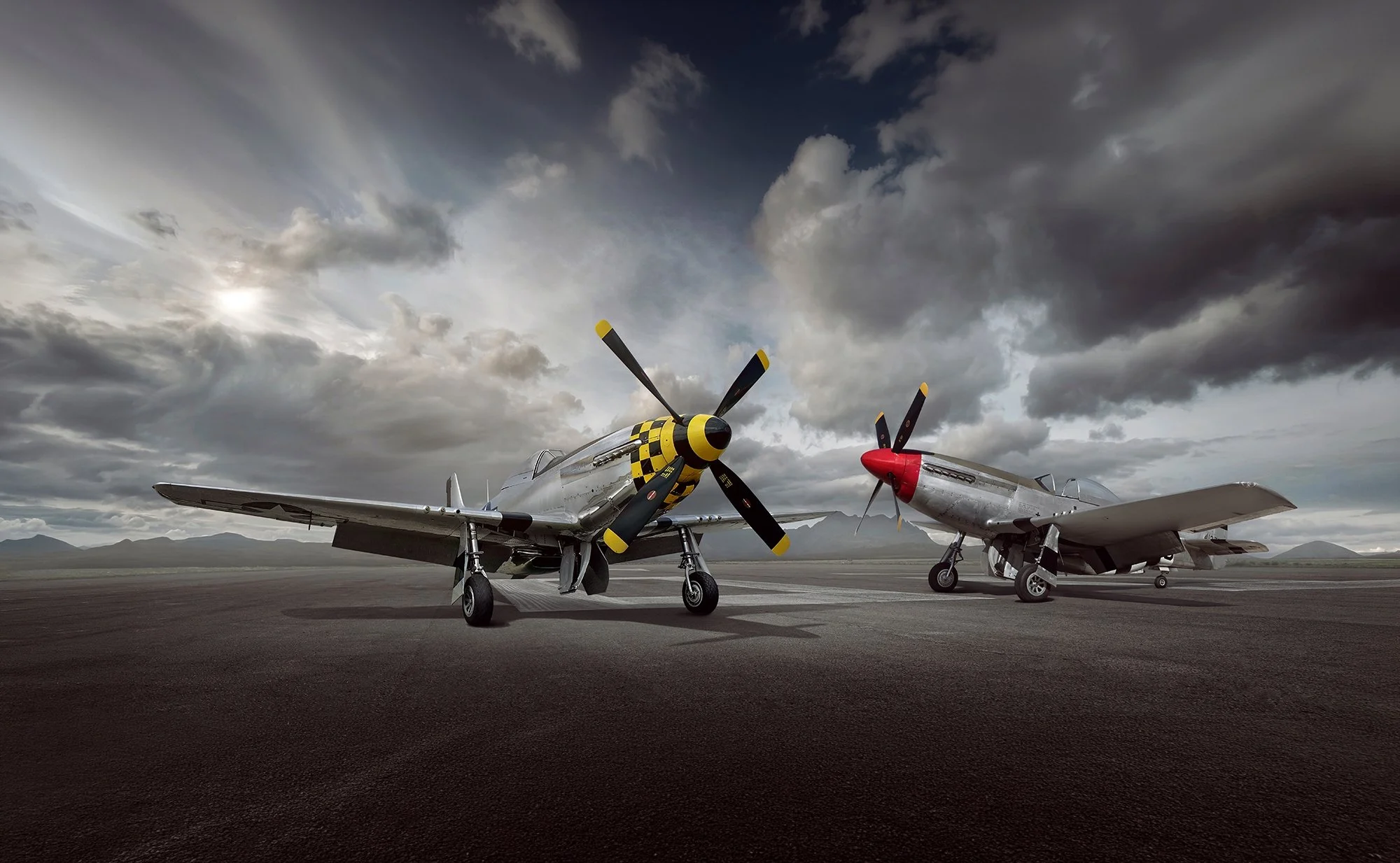
From a photographic point of view, I love the contrast between the natural metal finish and the red nose. The simple markings work beautifully against the aircraft's shape, allowing the design itself to remain the main attraction. There is no need for unnecessary decoration when the aircraft already has so much character. For me, this is where photography becomes particularly enjoyable. You are not just looking at an aeroplane and deciding which angle might work best. You are considering its history, the personality it carries and how to create photographs that communicate something about all of those things.
Why the P-51 Mustang became a legend
The Mustang's reputation was not built on appearance alone. Its place in aviation history was earned through a combination of remarkable engineering, performance and a role that had a significant impact on the outcome of the Second World War. The original aircraft was developed in 1940 after the British approached North American Aviation with a requirement for additional fighter aircraft. Rather than simply manufacture an existing design, North American proposed creating an entirely new fighter, and the result was the aircraft that would eventually become the P-51 Mustang.
The early versions were already capable aircraft, but the real transformation came when the British Rolls-Royce Merlin engine was introduced. This combination of the Mustang airframe and Merlin powerplant produced an aircraft with outstanding high-altitude performance, speed and, perhaps most importantly, range.
That range changed the possibilities for Allied bomber operations over Europe. Previously, American heavy bombers operating deep into German territory faced significant periods without fighter protection. The Mustang was able to accompany them much further, providing an escort capability that helped reduce the vulnerability of bomber formations.
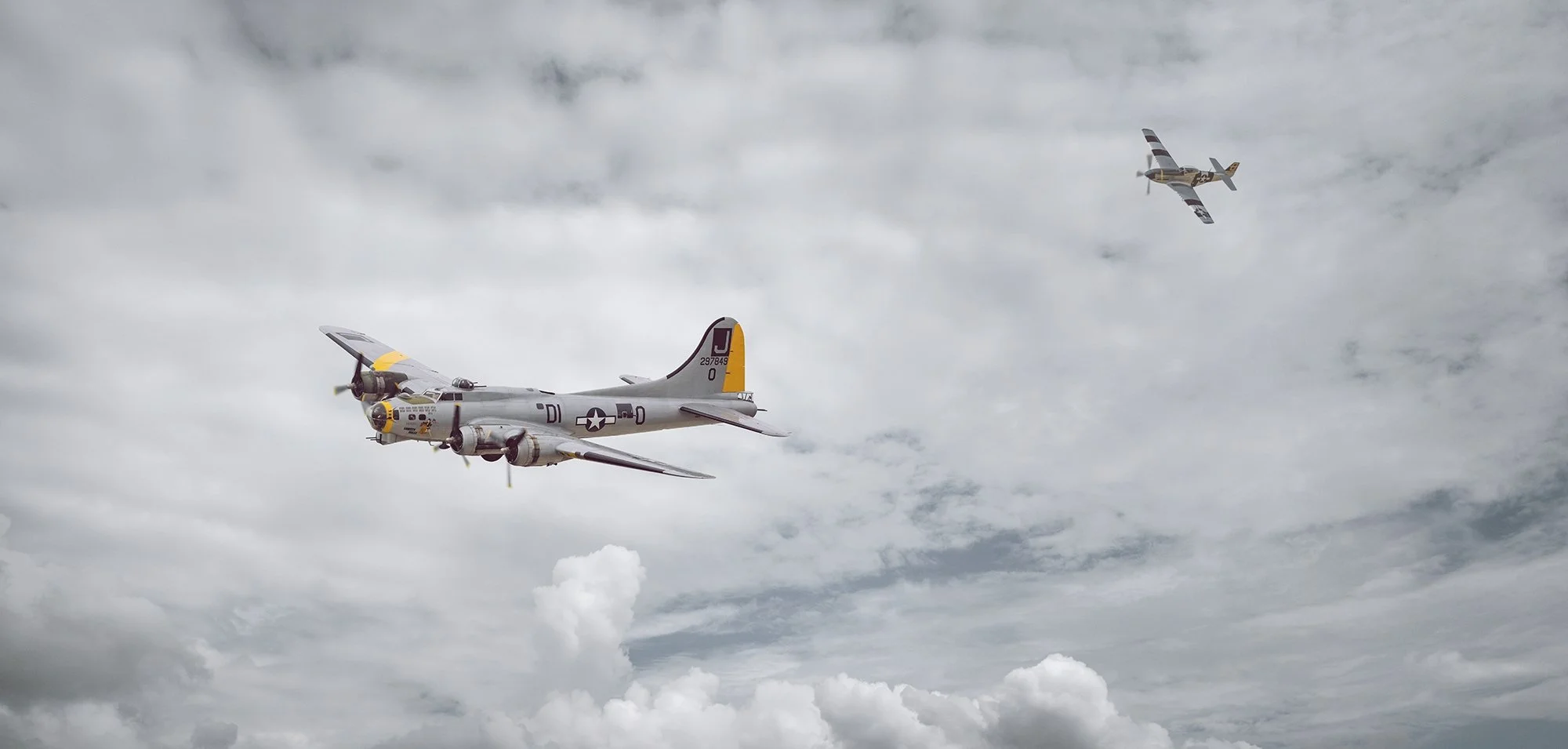
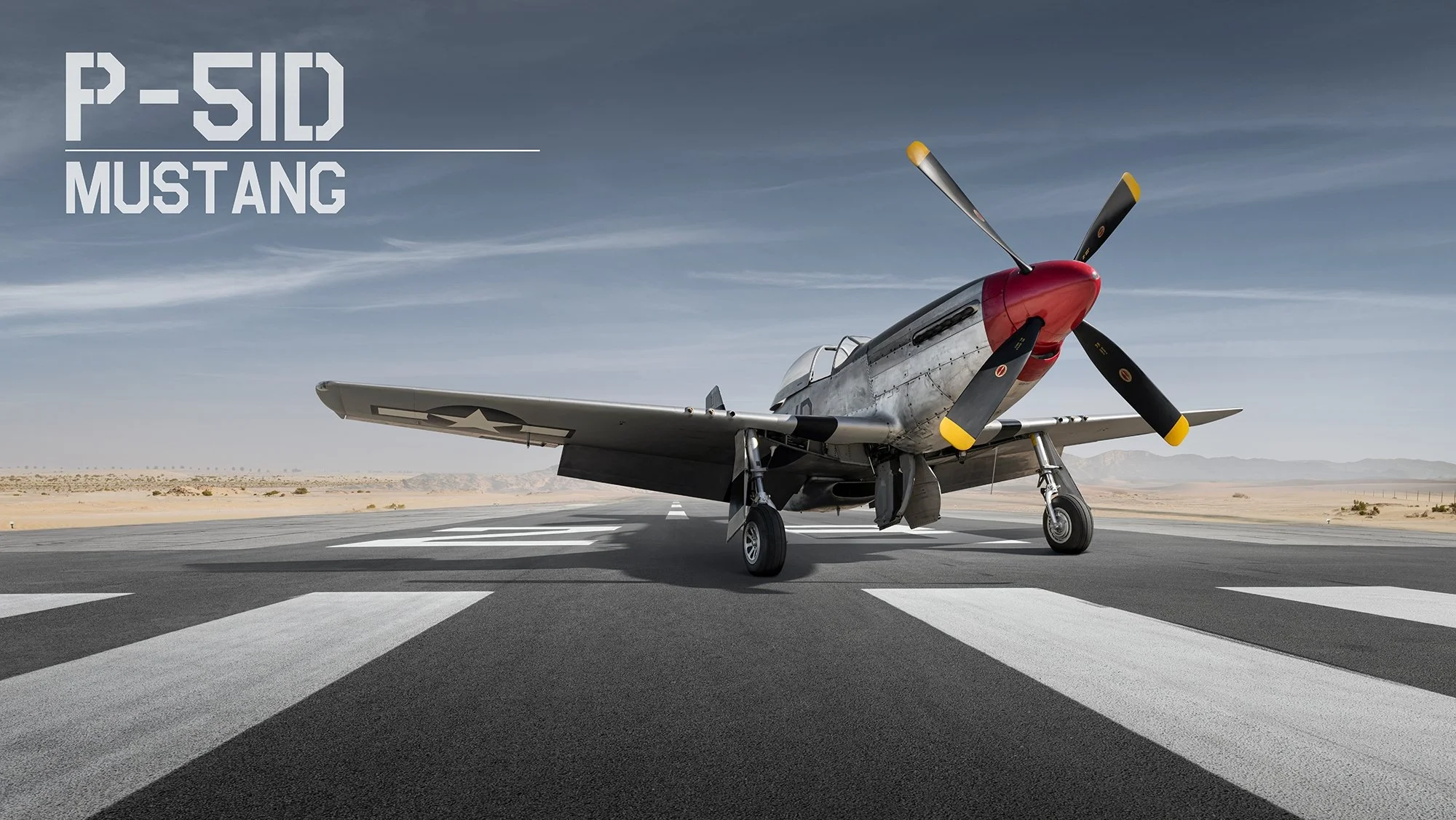
The P-51D became the most recognisable production version, with its distinctive bubble canopy providing improved visibility for the pilot. Its refined design, powerful liquid-cooled V12 Rolls-Royce Merlin engine and long-range capability made it one of the most successful fighters of its generation.
More than 15,000 Mustangs of all variants were eventually produced, with the P-51D accounting for almost 8,000 of those aircraft, but statistics only tell part of the story.
The Mustang has become one of those rare machines that seems to have developed a personality of its own. It is admired by pilots, engineers, historians, collectors and people who simply appreciate beautiful aircraft. I think much of that appeal comes from the fact that it combines performance with such a distinctive appearance. There are plenty of aircraft that are technically impressive, but comparatively few that have the same visual impact as a Mustang.
The Spitfire, for example, has an elegance that is almost sculptural, whereas the Mustang has a slightly more muscular character. Both are wonderful aircraft to photograph, but they offer very different visual opportunities. It is also interesting to see how the Mustang has continued to capture the imagination of people who are not necessarily involved in aviation. Hollywood has played its part, and the aircraft has appeared in numerous films and documentaries over the years. One particularly well-known enthusiast is actor Tom Cruise, who owns a P-51 Mustang named Kiss Me Kate. The aircraft has featured in Top Gun: Maverick, bringing the Mustang to the attention of another generation of film audiences.
I think that says something about the aircraft's enduring appeal. More than eighty years after it first flew, the Mustang still has the ability to attract attention wherever it appears.
Keeping the Mustang flying, restoration and engineering
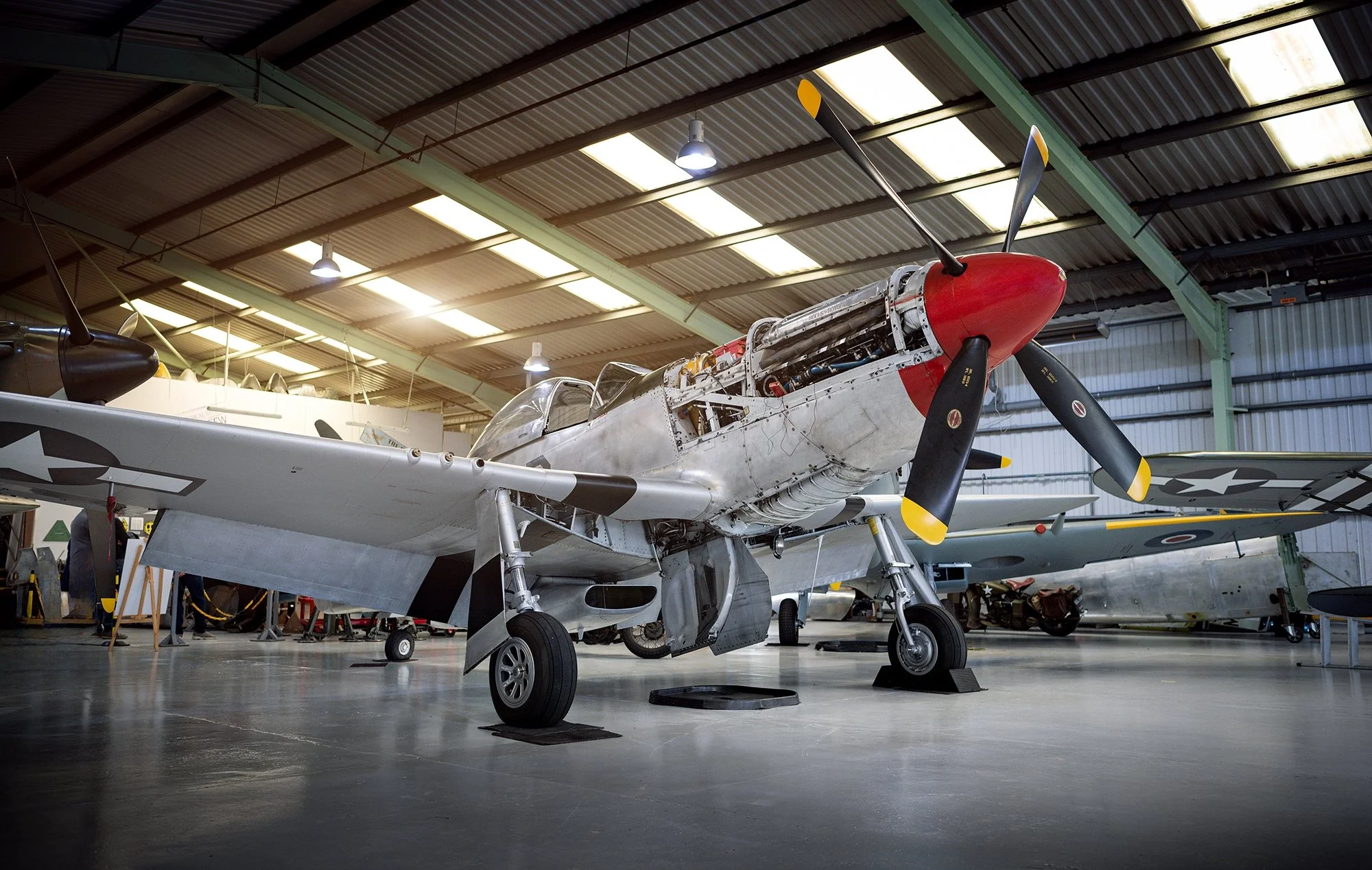
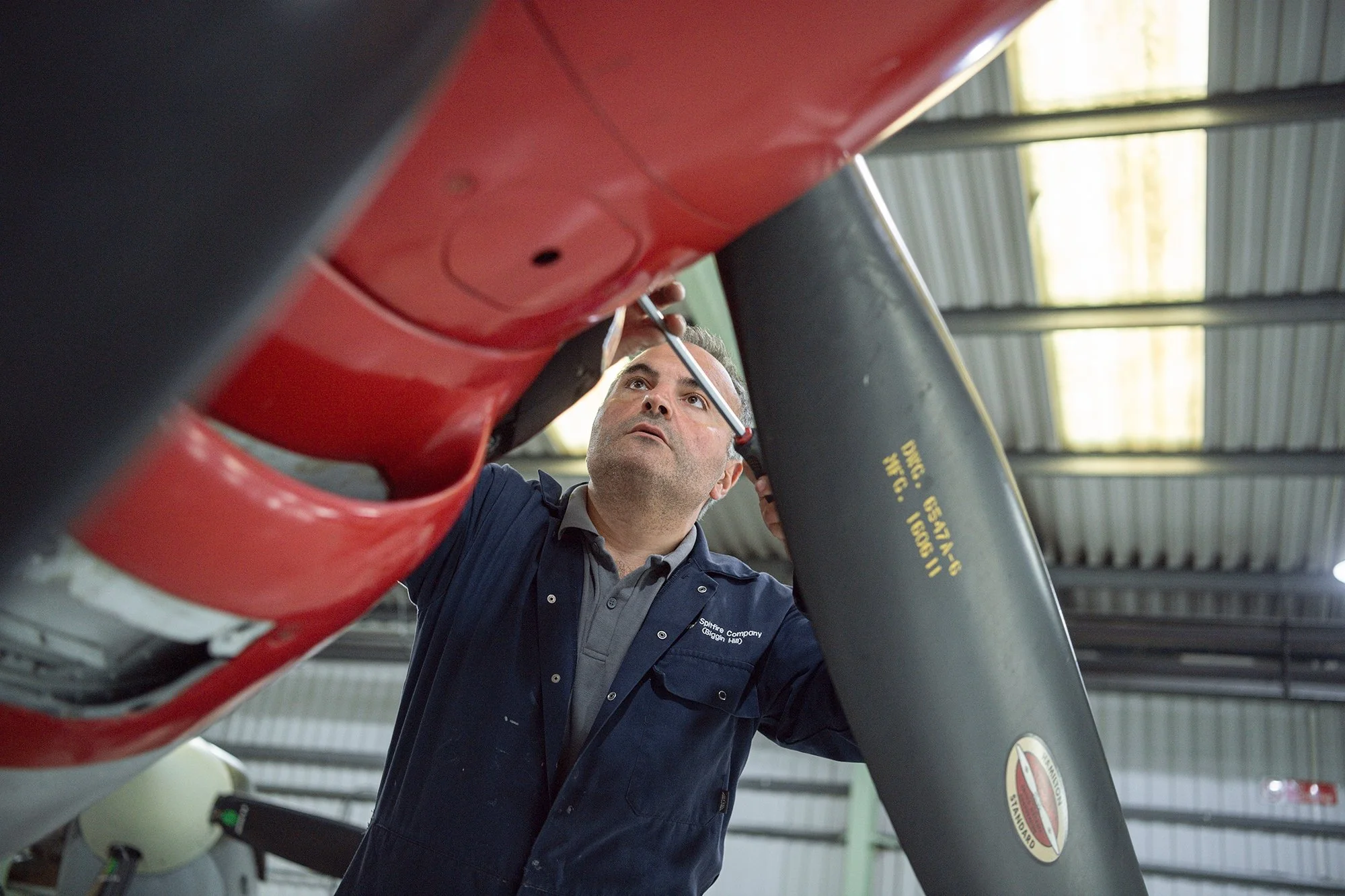
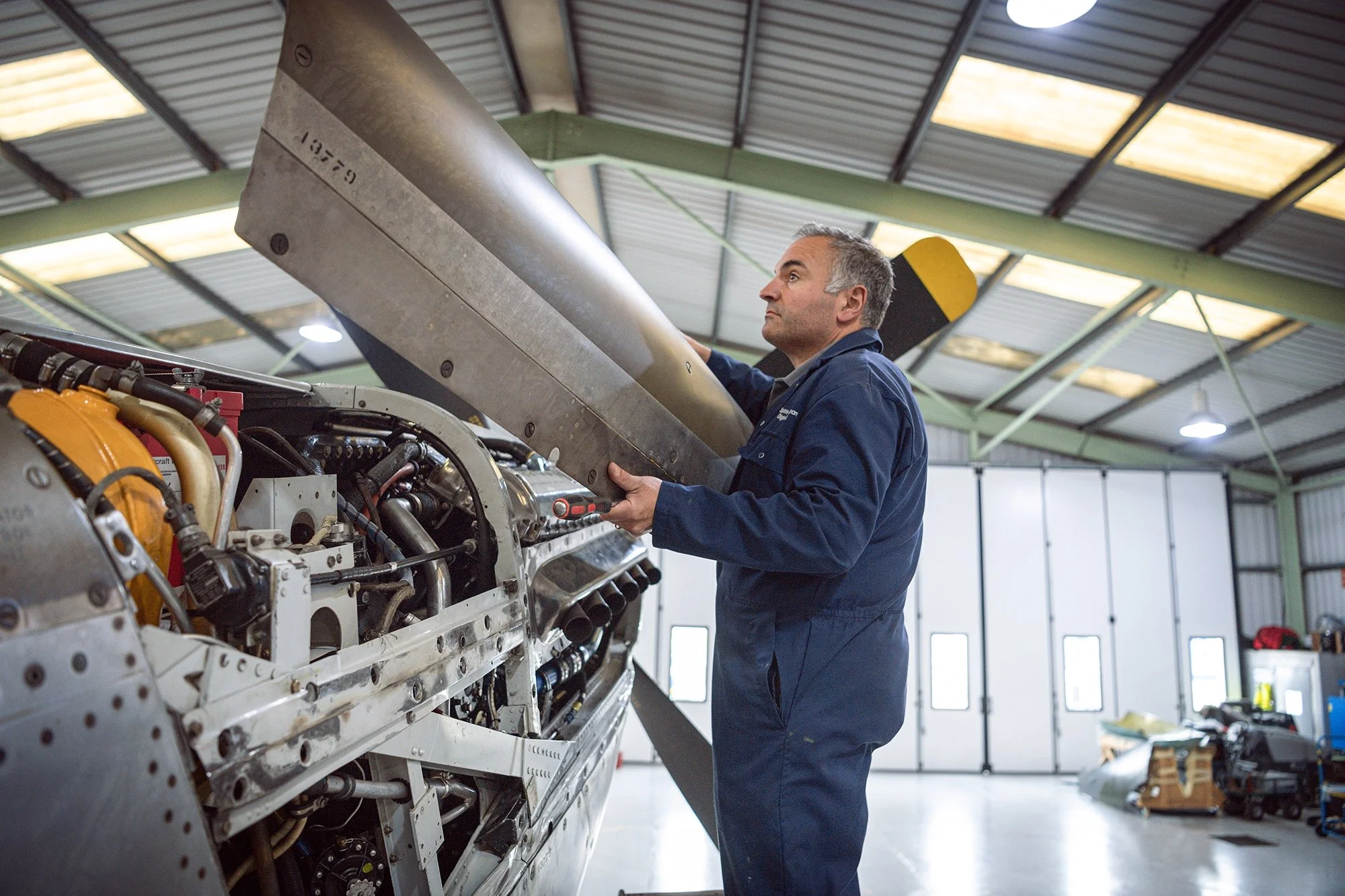
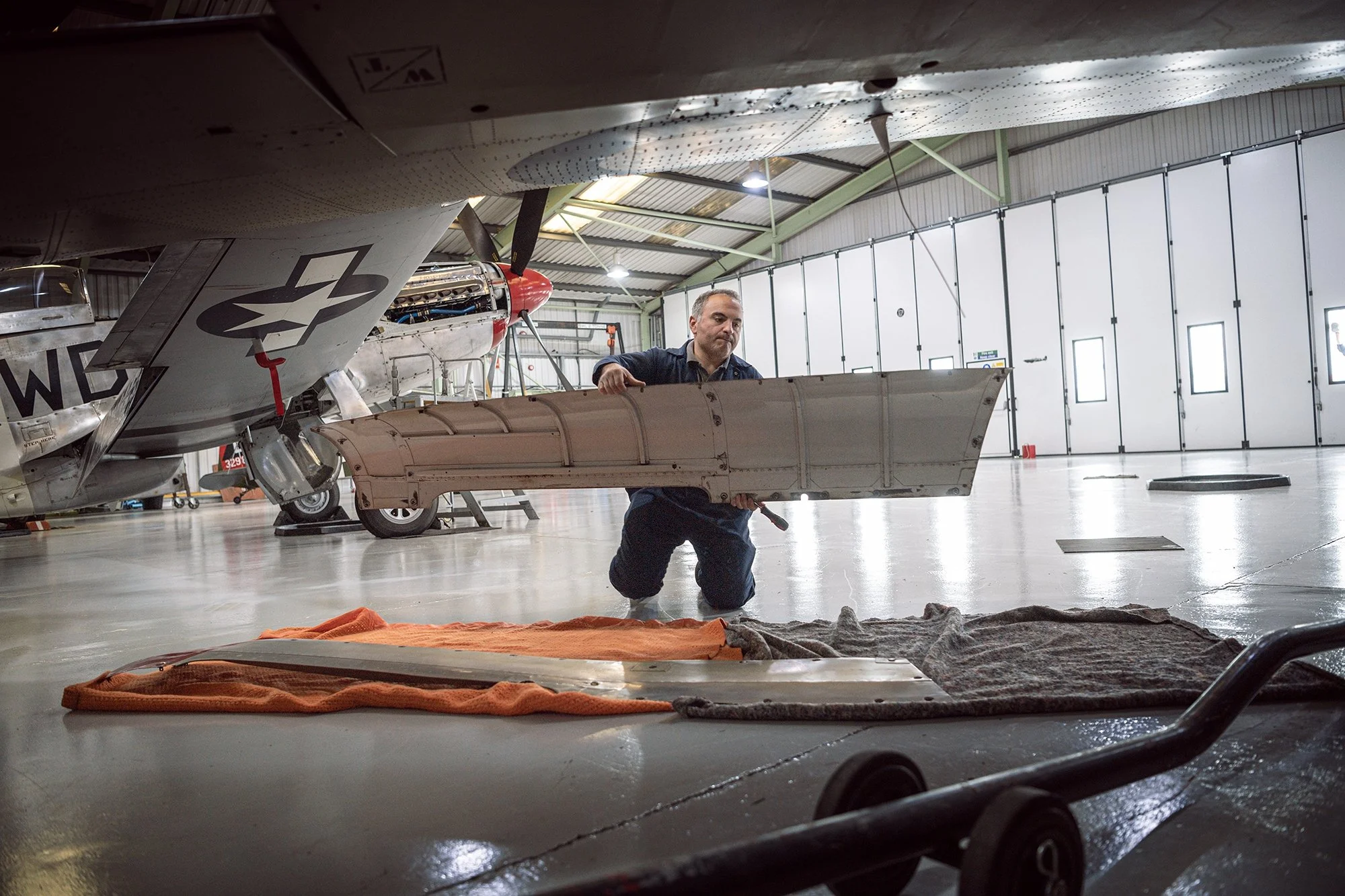
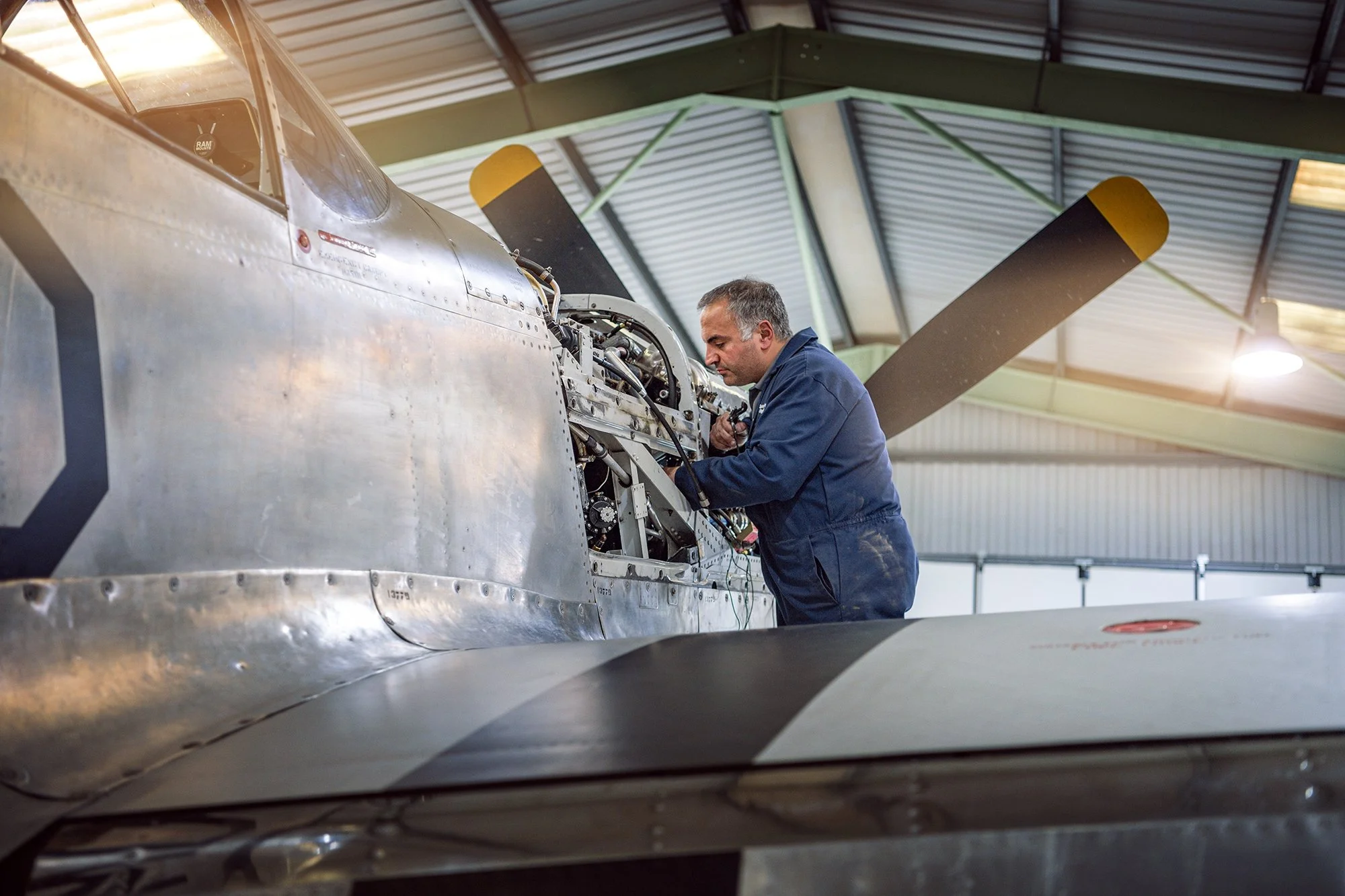
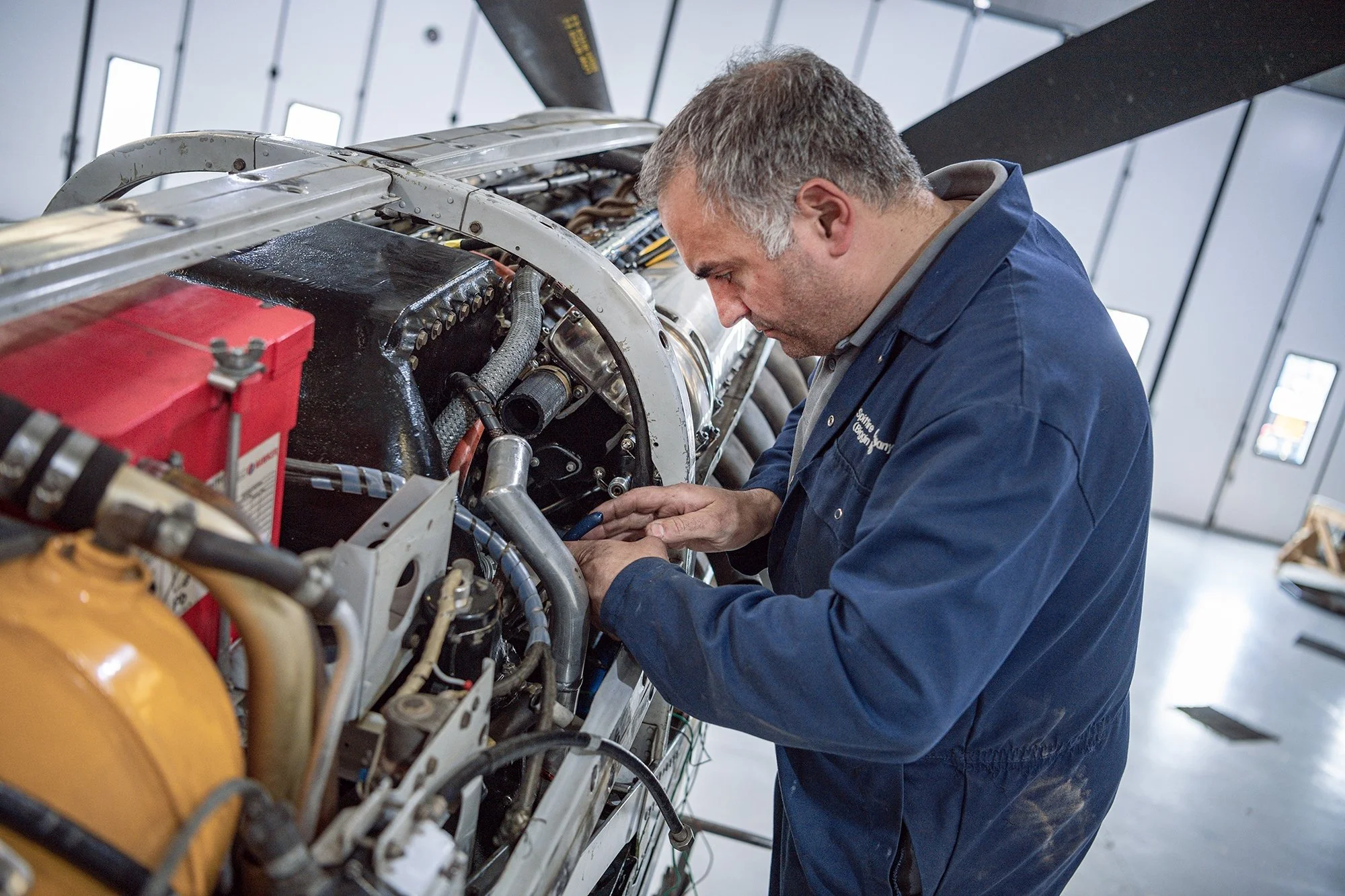
There is another side to the P-51 Mustang that I find just as interesting as its wartime history and design, and that is the extraordinary amount of work involved in keeping these aircraft flying today. When you stand next to a restored Mustang, it is easy to admire the polished aluminium and beautifully finished surfaces without necessarily appreciating what has gone into making the aircraft airworthy.
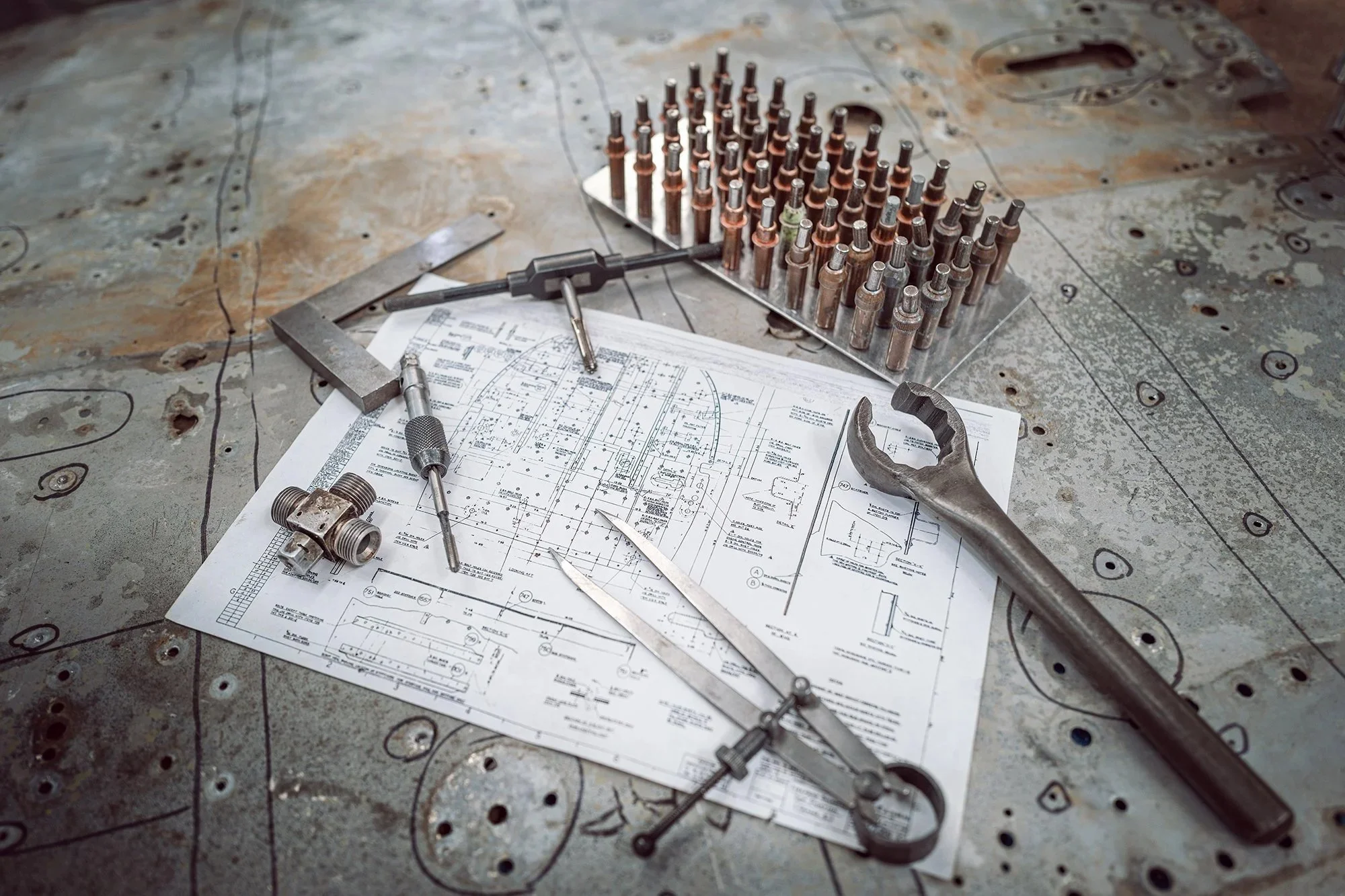
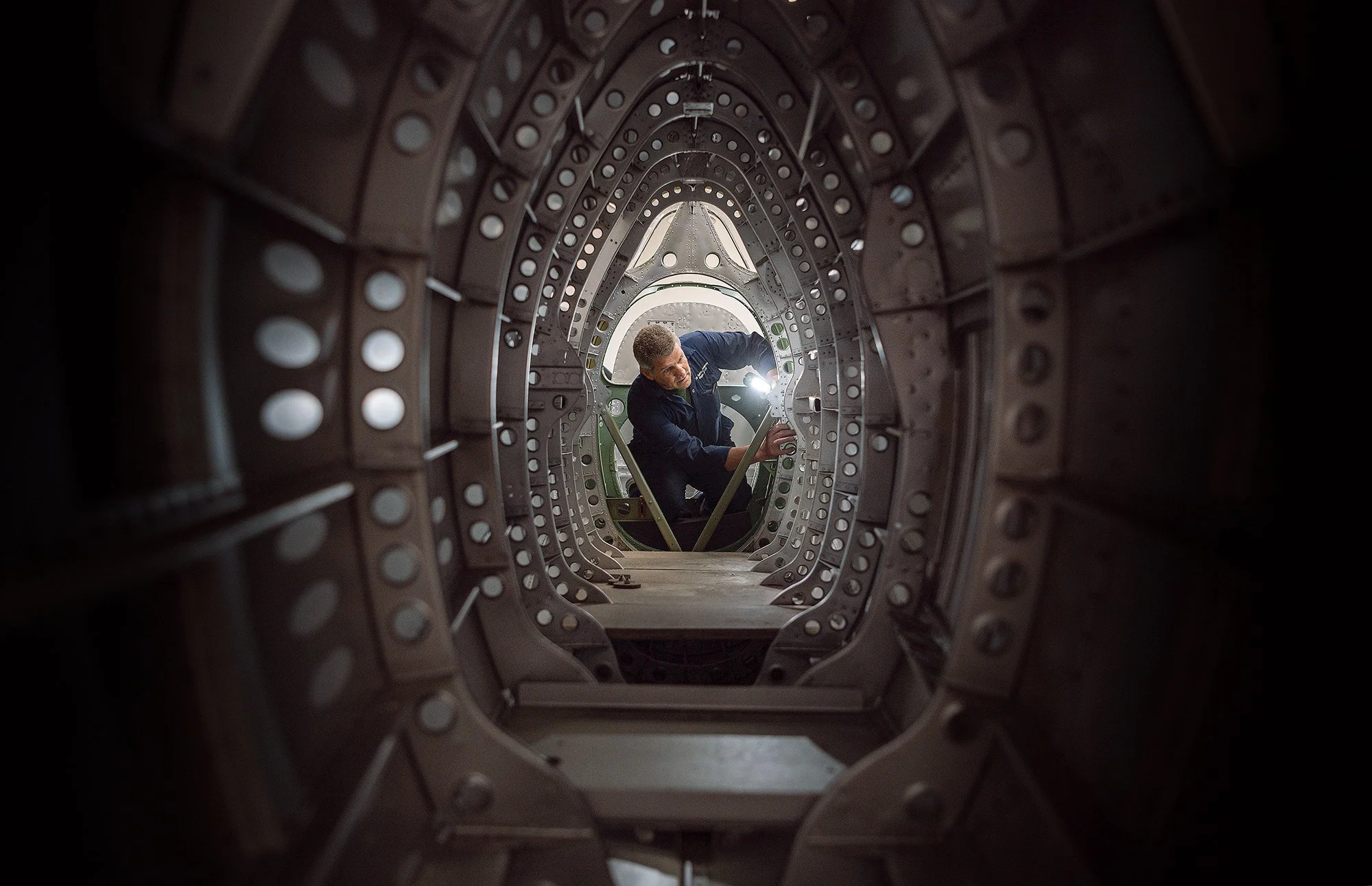
These are not simply old aeroplanes that have been cleaned up and repainted. Maintaining a Second World War fighter in flying condition is a substantial engineering undertaking, requiring specialist knowledge, considerable investment and access to people who understand these aircraft in extraordinary detail. A restoration can involve almost every part of the machine.
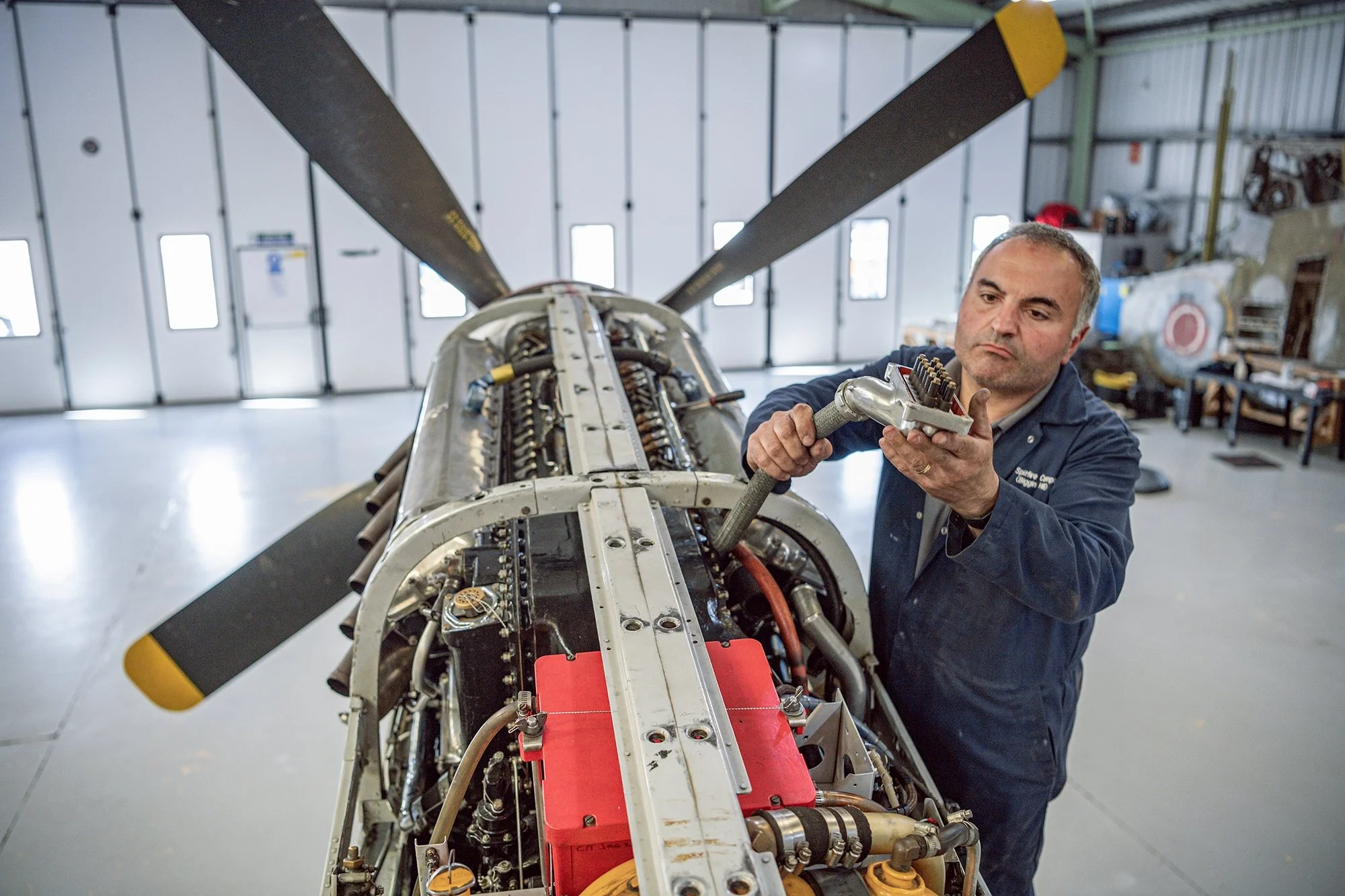
The airframe may require extensive inspection, repair or replacement of structural components, while the wings, control surfaces, fuel systems, hydraulics and electrical installations all need careful attention, then there is the engine itself, he heart of the Mustang.
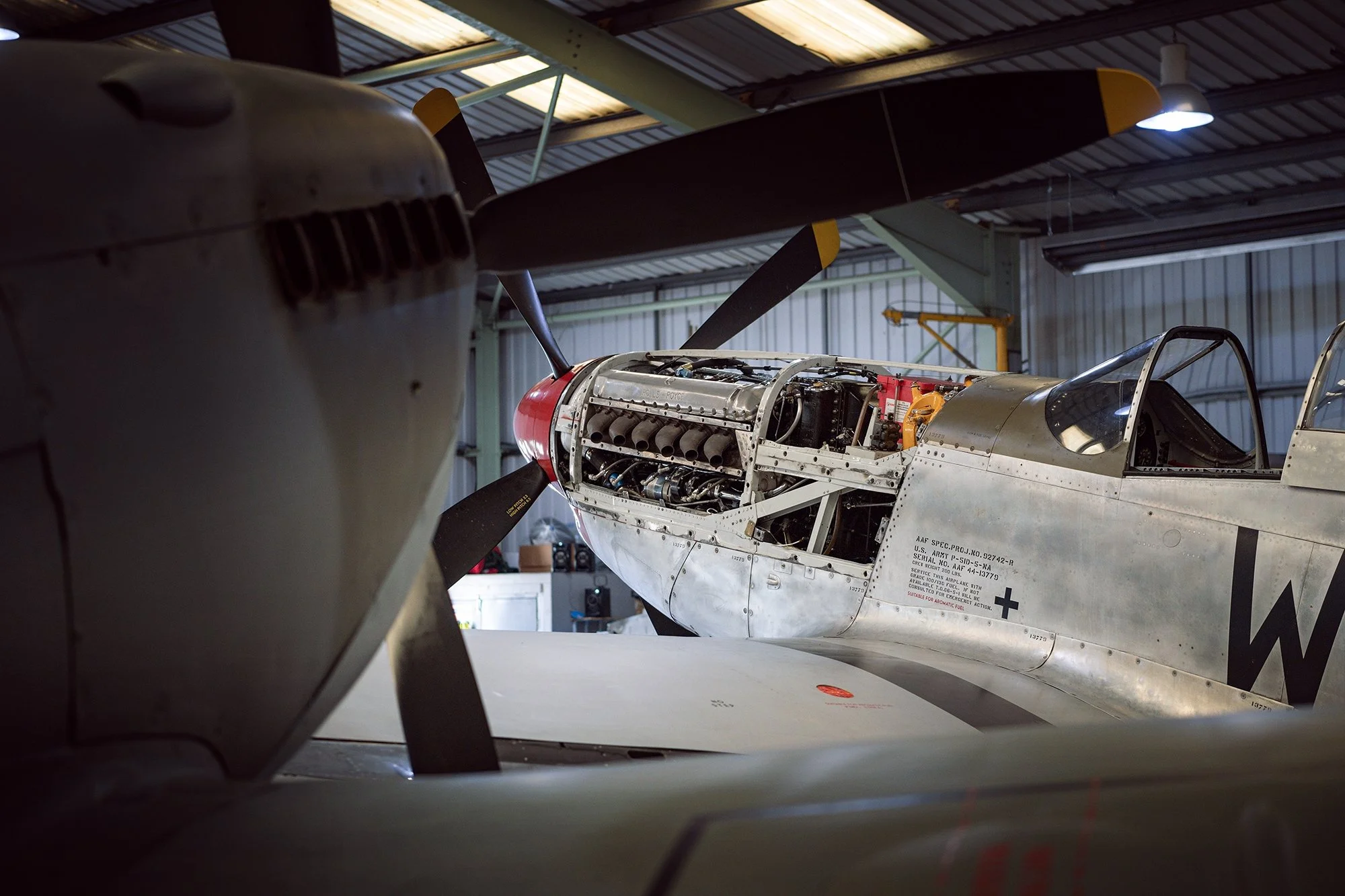
The Packard-built version of the Rolls-Royce Merlin V-12 is a remarkable piece of engineering, but it is also an engine that demands specialist maintenance. Overhauls are substantial operations involving the inspection and replacement of components, detailed testing and careful preparation before the aircraft can return to flight.
Parts are not always straightforward to obtain, and some components require specialist manufacturing or restoration. Much of the work is carried out by experienced engineers whose knowledge has often been developed over decades of working with historic aircraft. it is a world where experience really matters.
A major restoration can take several years, depending on the condition of the aircraft, the availability of parts and the level of work required. In some cases, an aircraft may be dismantled almost completely before the process of rebuilding begins. The finished result is something quite extraordinary. An aircraft manufactured in the 1940s is once again capable of flying, with modern maintenance practices and carefully managed operating procedures helping to preserve it for future generations.
Of course, there is a considerable financial commitment involved. A fully restored, airworthy P-51D Mustang is a very expensive aircraft to own. Current advertised examples and market listings suggest that a figure in the region of US$3 million to US$4 million is a reasonable indication for a high-quality restored aircraft, although individual values can vary considerably.
Provenance, combat history, originality, restoration quality, engine condition and the aircraft's overall airworthiness all influence its value. Some particularly significant examples can command more, while restoration projects are valued very differently from aircraft that are ready to fly. The purchasing the aircraft is only the beginning. Hangarage, insurance, specialist maintenance, fuel, engine overhauls and the people required to keep it operating all contribute to the ongoing cost. It is perhaps easy to see why only a relatively small number of these aircraft remain in flying condition. They are enormously valuable pieces of aviation history, but also complex machines that require considerable care.
Photographing a living legend
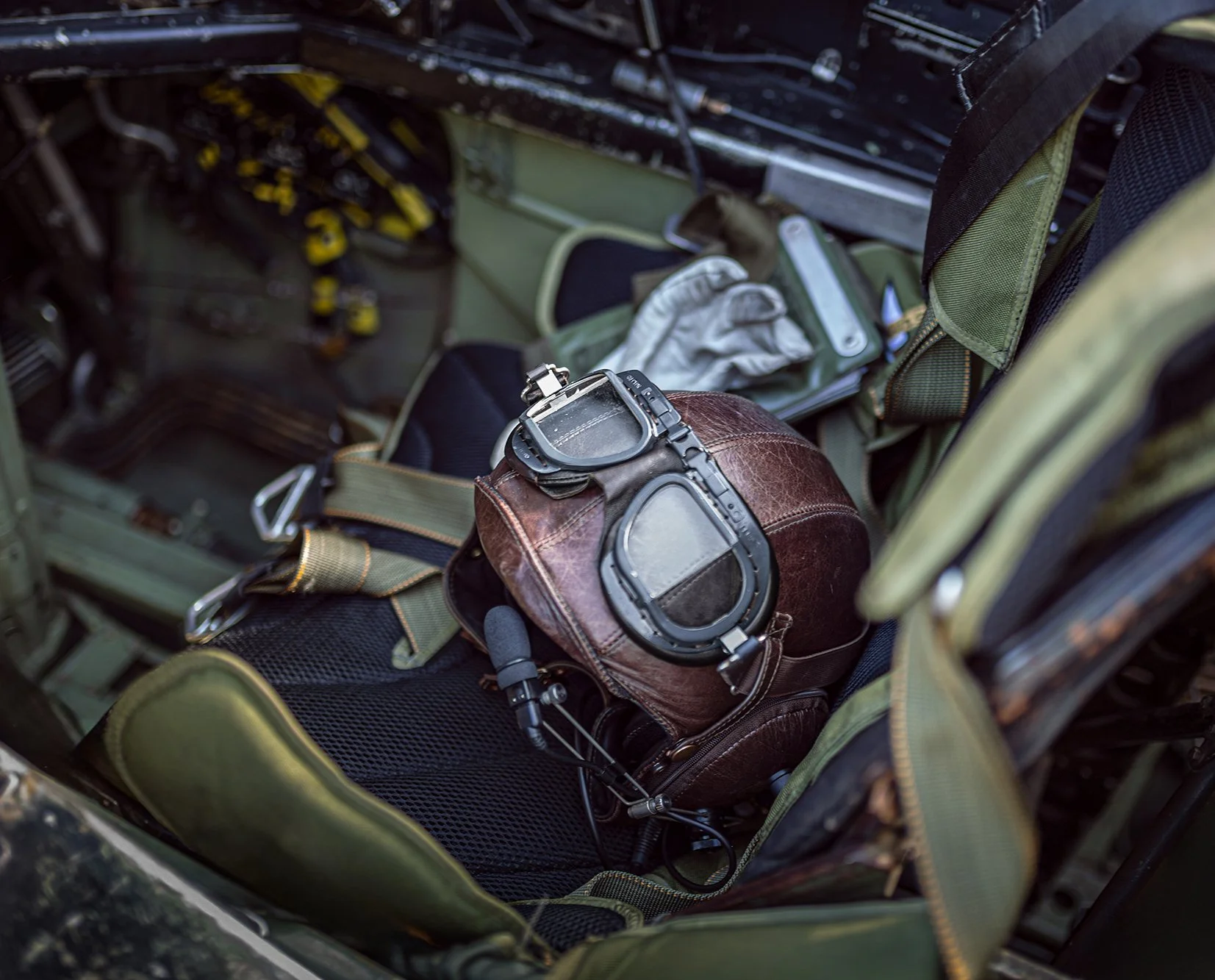
For me, the appeal of photographing a P-51D Mustang goes well beyond its historical significance. It is an opportunity to work with an aircraft that combines exceptional design, engineering and an extraordinary human story. I enjoy finding different ways to photograph these machines, whether that means working with the natural light across the airframe, looking for interesting angles around the nose and wings or capturing the aircraft in its natural environment on an airfield.
The challenge is always to create images that have a sense of character rather than simply producing another collection of aircraft photographs. A beautifully restored Mustang can look spectacular in a hangar, but seeing one outside with the propeller turning and the Merlin engine running is a very different experience. The aircraft suddenly becomes something more than a beautifully preserved object. It is a living machine, doing exactly what it was designed to do.
That is something I always try to communicate through my aviation photography.
There is also a responsibility that comes with photographing historic aircraft. These machines represent an important part of our shared history, and the people who restore, maintain and fly them are helping to ensure that their stories continue to be told.
The P-51D WD-C is a particularly good example. Its markings bring the story of Donald Blakeslee and the Debden Eagles into the present, connecting a restored aircraft with the people and events of 1944. I find that connection fascinating. As a photographer, I am fortunate to work across a wide range of subjects, from modern aviation and commercial aircraft through to historic warbirds, helicopters and some of the world's most interesting vehicles. But there are certain subjects that stay with you, and the Mustang is undoubtedly one of them.
Perhaps it is the design, perhaps it is the sound of the Merlin, or perhaps it is simply knowing what these aircraft and the people who flew them represented. Whatever the reason, the P-51 Mustang remains one of those rare aircraft that never seems to lose its ability to impress, and from behind a camera, that is a rather wonderful thing to be able to experience.